








Manchester guide
Salford Quays property investment guide.
The former Manchester Docks, now home to the BBC, ITV and a waterside apartment market priced below the city centre. Who rents here, what you buy and what the MediaCity expansion means.
- The North's media capital: the BBC, ITV and the University of Salford put a large employer base within walking distance of every apartment on the Quays.
- Entry prices sit below the city-centre average, with the tram into Deansgate and St Peter's Square doing the work of a central address.
- The next phase is planned on both banks: the MediaCity expansion on the Salford side and Wharfside on the Trafford side, where prices are lower and the growth case is longer.
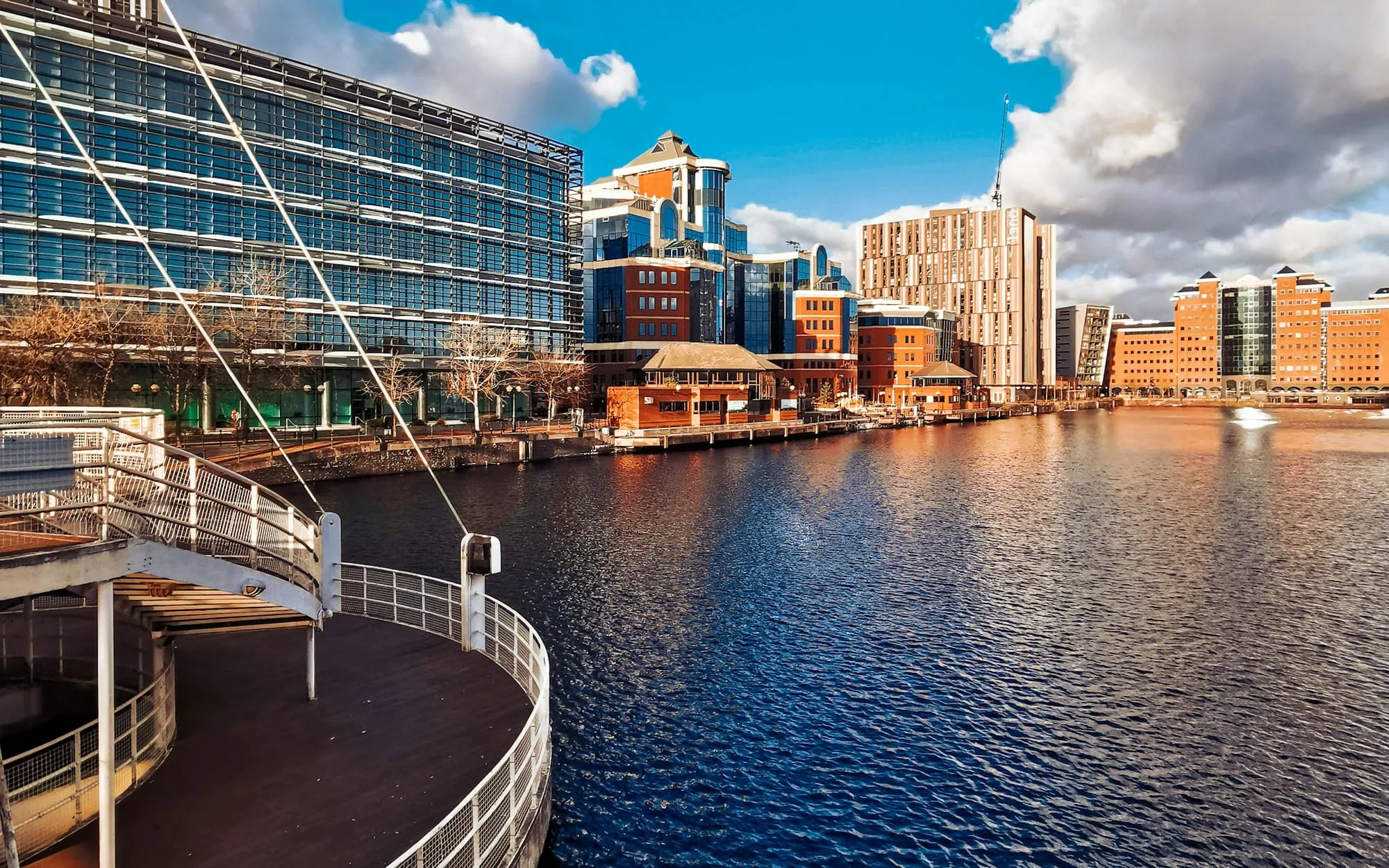
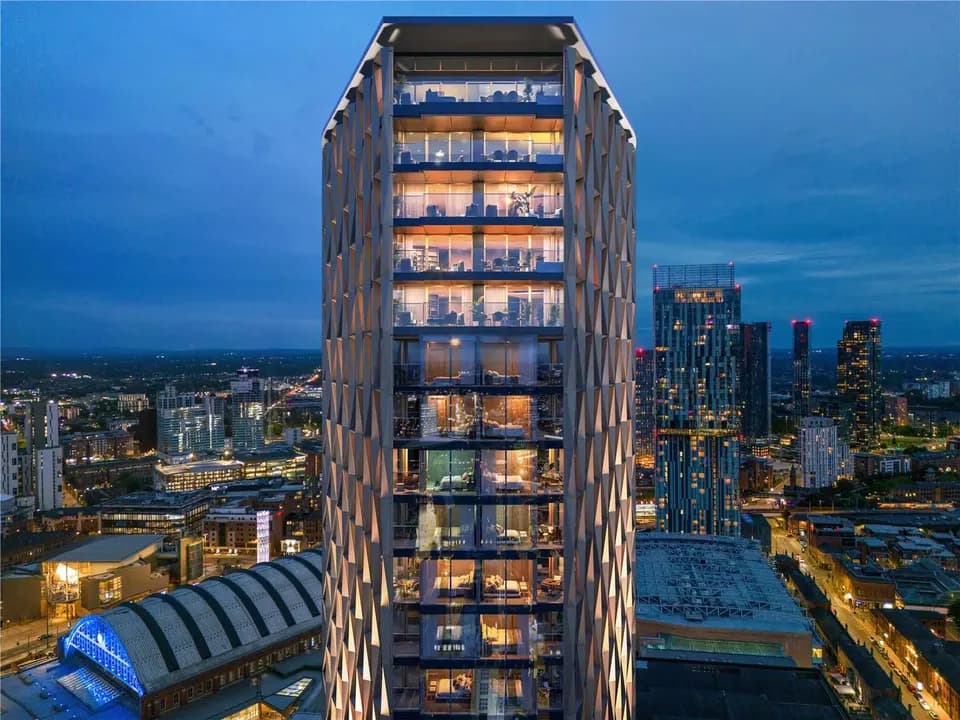
Salford Quays occupies the old Manchester Docks at the head of the Manchester Ship Canal, about two miles west of the city centre. The docks closed in 1982, and over the following decades the basins were cleaned up and lined with offices, apartments and cultural buildings. The turning point came in 2011, when the BBC began moving major departments to MediaCityUK. ITV followed in 2013, and the Coronation Street set now sits across the water on Trafford Wharf. Today the Quays is the North's media centre and one of Greater Manchester's largest apartment markets outside the city core.
The case is simple: entry prices below the city-centre average, a large employer base on the doorstep and a tram into town. The trade-off is supply. There is a lot of it, and more is coming.
The three tenant groups on the Quays
Three groups make up most of the tenant base.
- Media and digital staff. The BBC, ITV, the University of Salford's MediaCity campus and the production, post-production and tech firms that cluster around them employ people who want to walk to work. Early starts and shift patterns make proximity worth paying for.
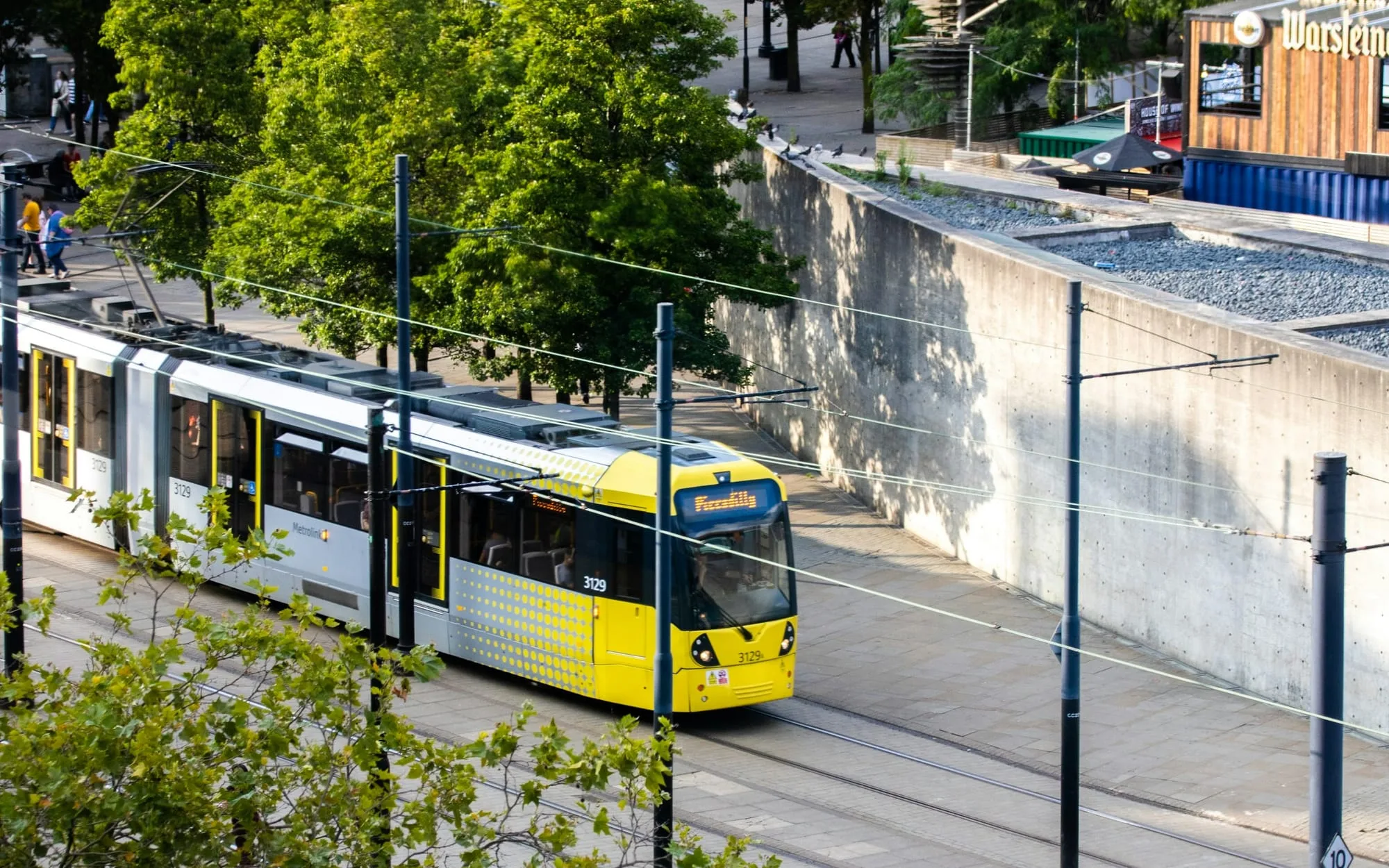
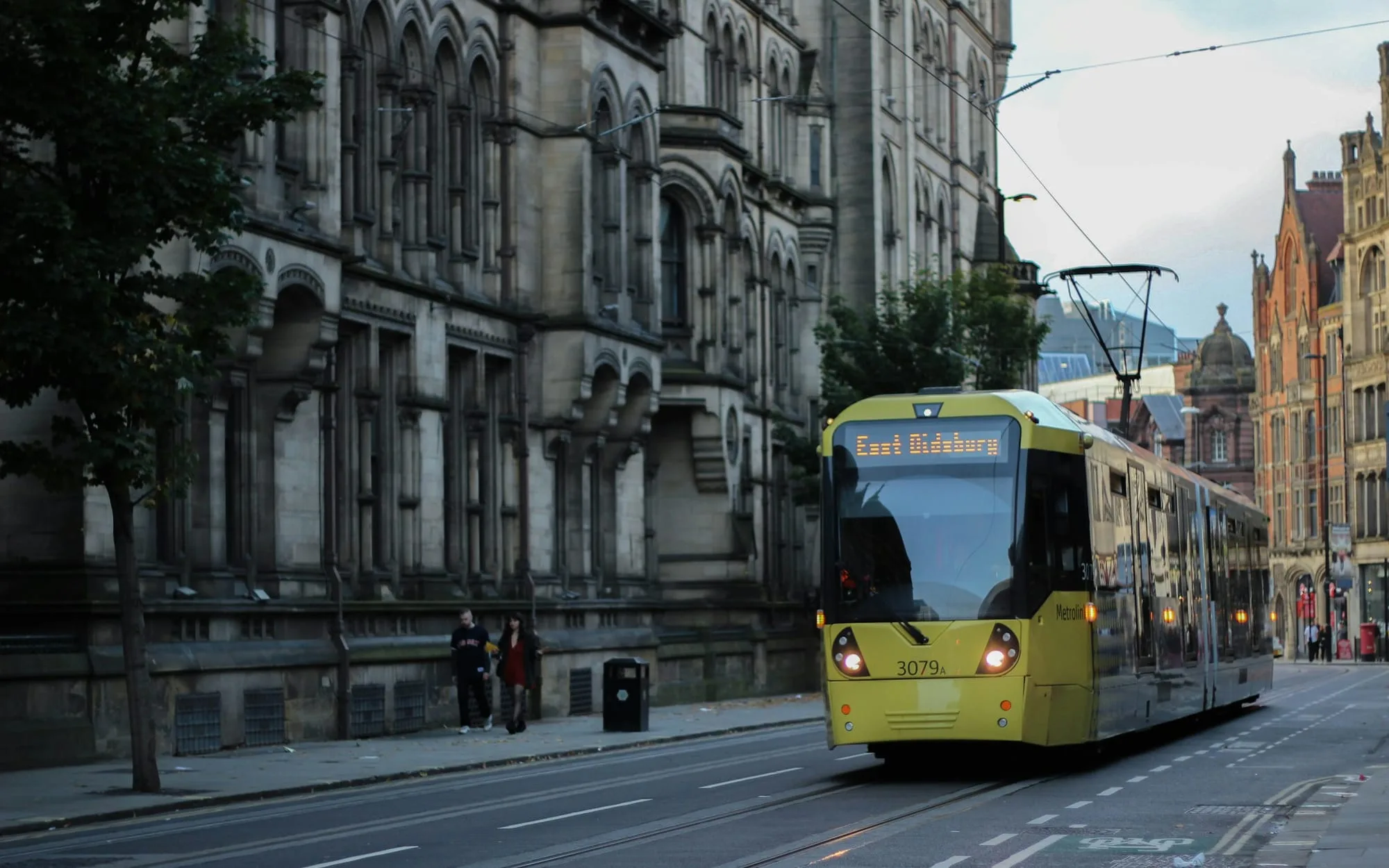
- City-centre workers who want more space. The Metrolink Eccles line runs from the MediaCityUK, Harbour City, Anchorage and Salford Quays stops into Deansgate-Castlefield, St Peter's Square and Piccadilly. Tenants trade a short tram ride for more space per pound.
- Couples and young families. Larger two- and three-bedroom apartments, waterside walks, the Lowry Outlet and quieter streets than the city core attract tenants who stay longer. Fewer moves mean fewer voids and lower re-letting costs.
Two-bedroom apartments with a balcony or a parking space are the most resilient product. Studios and small one-beds compete against a deep pool of similar stock and let on price.
The anchors on the water
The cultural buildings matter to an investor because they keep the Quays busy outside office hours, which supports both rents and resale.
- The Lowry, opened in 2000, is a theatre and gallery complex at the tip of the peninsula that draws visitors all year.
- IWM North, the Imperial War Museum's northern branch, stands on the Trafford bank, linked to the Lowry and MediaCity by footbridges across the Ship Canal.
- MediaCityUK combines studios, offices, a hotel, a piazza and residential towers around its own tram stop.
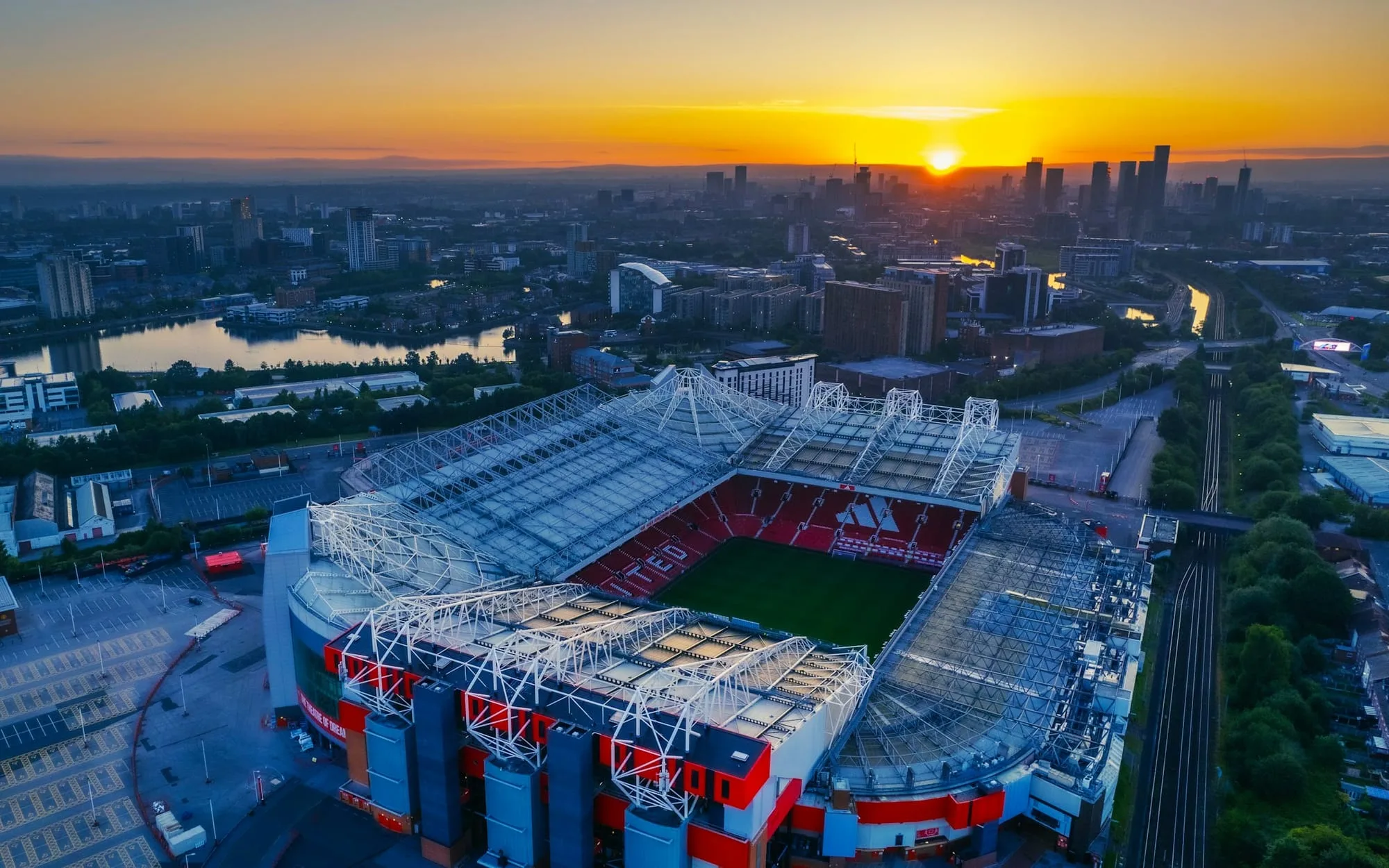
- Old Trafford and the county cricket ground are a short walk south, adding match-day and event demand where the lease permits short lets.
Waterside apartments: what is on offer
Type | Typical buyer | What to watch |
|---|---|---|
Early-2000s waterside blocks | Yield-focused landlords | Cladding and fire safety reviews, ageing lifts, service charge history |
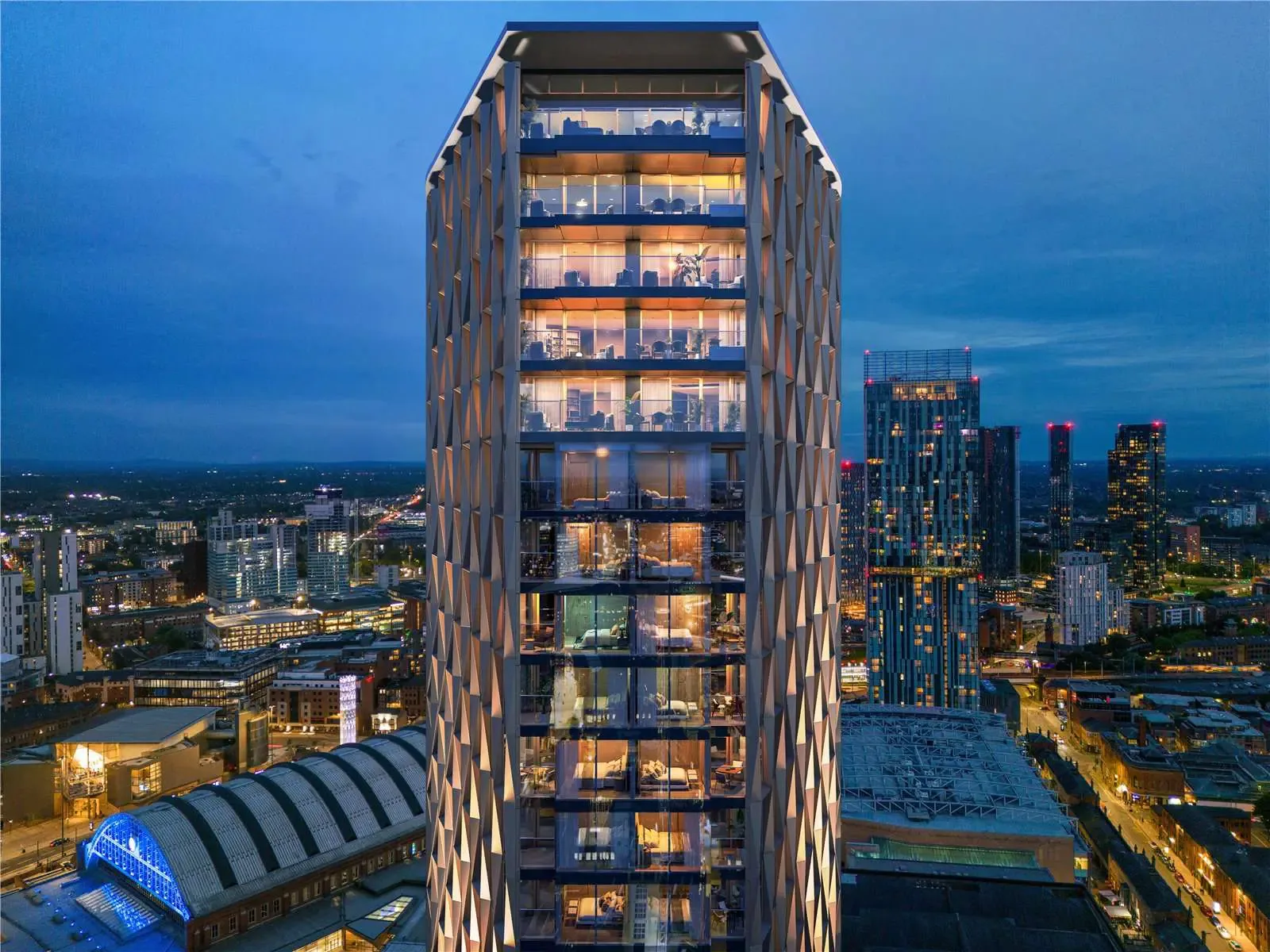
MediaCity towers | Investors targeting media tenants | Reliance on one employer cluster, competition from build-to-rent |
New-build and off-plan on the Quays and Wharfside | Investors buying at launch pricing | Completion date, payment schedule, how many units launch at the same time |
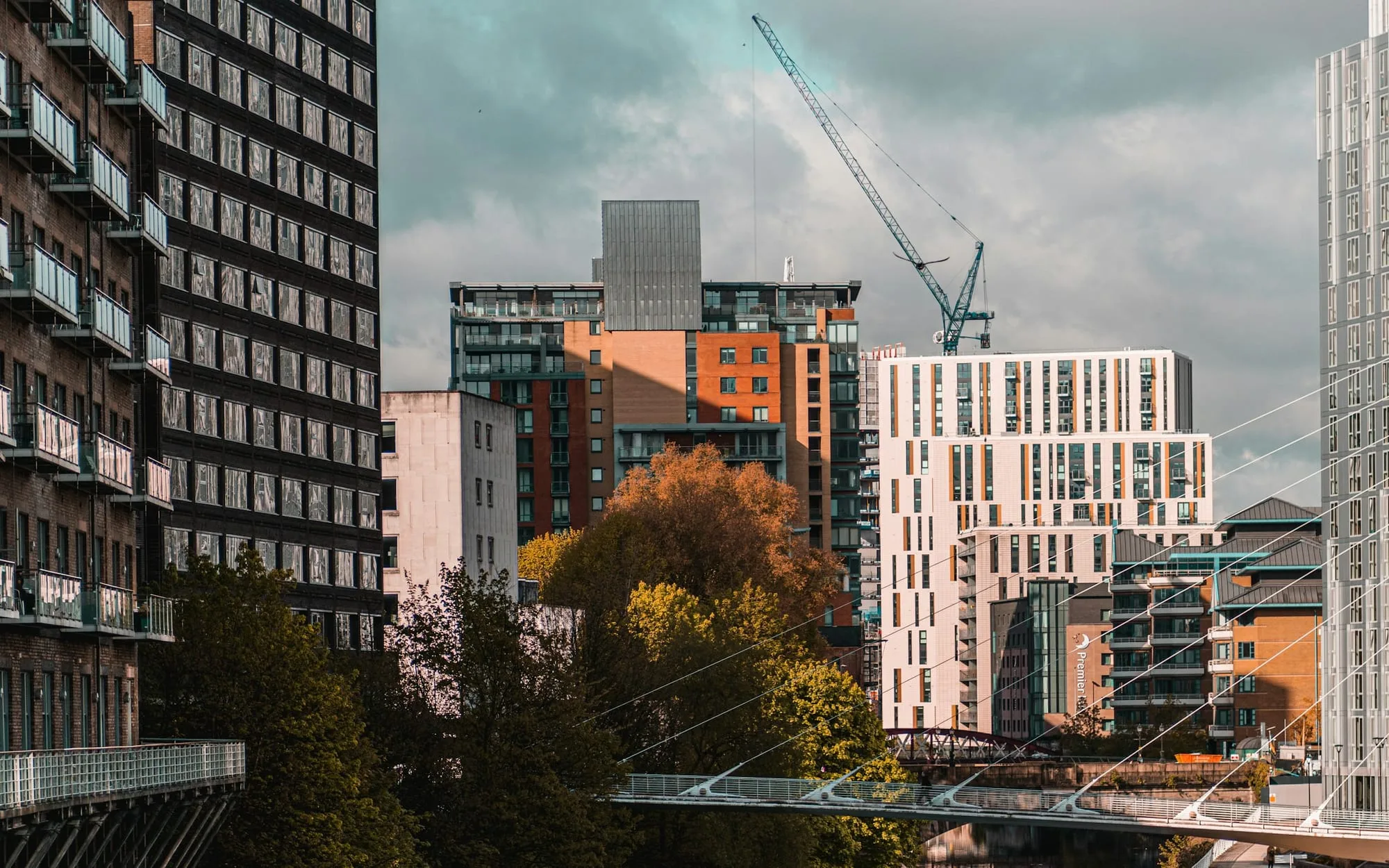
Prices across the Quays sit below the city-centre average, and the gap widens the further you move from MediaCity. Buyers pay a premium for water frontage, a tram stop at the door and a newer building. Older blocks can look cheap on price per square foot and then cost more in service charges and remediation. Compare the total cost of holding, not the headline price.
The MediaCity expansion and Trafford Wharfside
The next phase is already planned. In 2022 MediaCity's owners set out a long-term plan to substantially enlarge the campus, adding offices, studios and homes over the following decade. More space for media and tech businesses means more jobs within walking distance, and that is the main driver of rental demand here.
Across the water, Trafford Council's Wharfside masterplan covers the land between IWM North and Old Trafford. The Metrolink Trafford Park line opened in 2020, with stops at Wharfside and the Imperial War Museum, and connected that bank to the wider network. Wharfside is earlier in its regeneration, so entry prices are lower and the growth case runs longer.
The split is clear. MediaCity proper is the established, liquid hold. Wharfside and the outer edges of the Quays are where the next re-rating could happen, with more completion and delivery risk attached.
Where the Quays can disappoint
- Supply. The Quays has a deep pipeline of new apartments, including large build-to-rent buildings that can undercut private landlords with incentives. Price your unit against the newest stock, not the area average.
- Service charges. Waterside blocks with concierge, car parks and podium gardens carry high running costs. Ask for the last three years of accounts and the reserve fund position.
- Building safety. Much of the Quays was built in the 2000s. For any block over 11 metres, ask for the external wall assessment and the remediation status before exchange. Lenders will.
- Employer concentration. Demand leans on the media sector. A contraction at the major broadcasters would be felt here first.
See the Manchester guide · Manchester rental yields · Manchester regeneration
More in our Manchester guide and the United Kingdom investment guide.