














Manchester guide
Salford Central and Greengate property investment guide.
The Salford bank of the Irwell, facing Deansgate and Spinningfields. A short walk to the same offices for a lower entry price. Who rents here, what you buy and what to check.
- Across the River Irwell from Deansgate and Spinningfields: the same walk to work, generally for a lower entry price.
- Salford is a separate city with its own council, which sets its own council tax and decides its own planning applications.
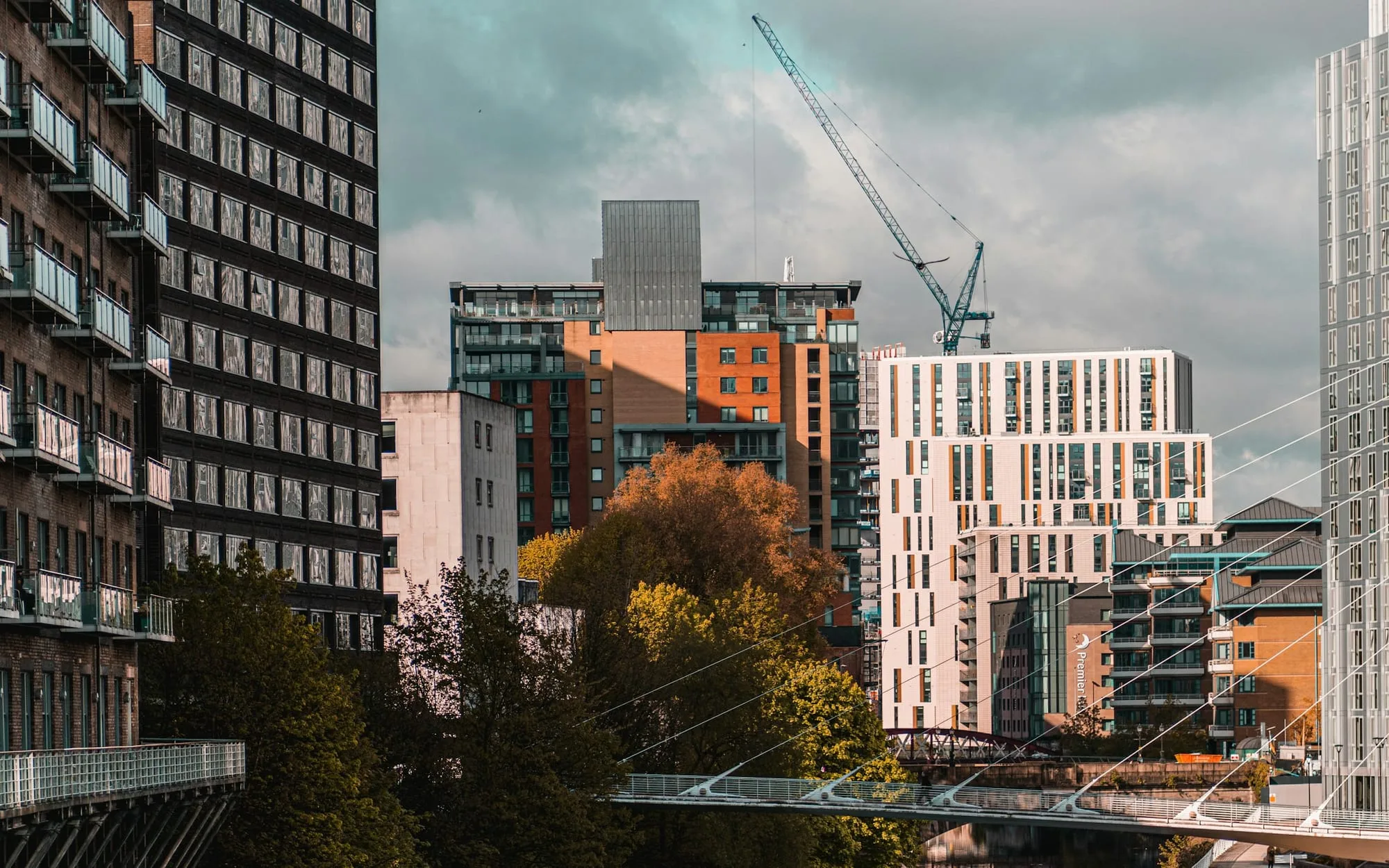
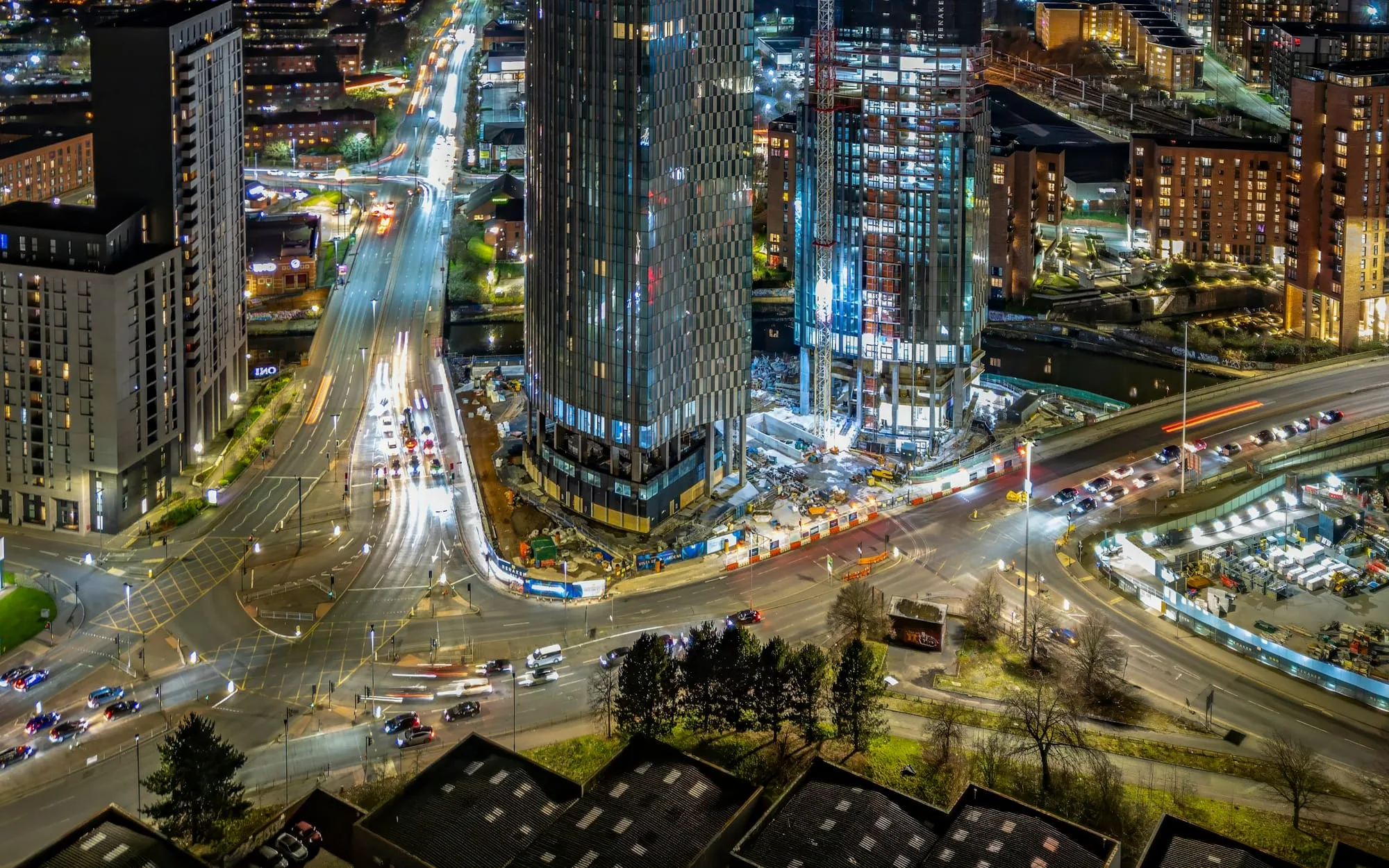
- Greengate and Chapel Street are now dense with new-build apartments, and the riverside between them is still filling in.
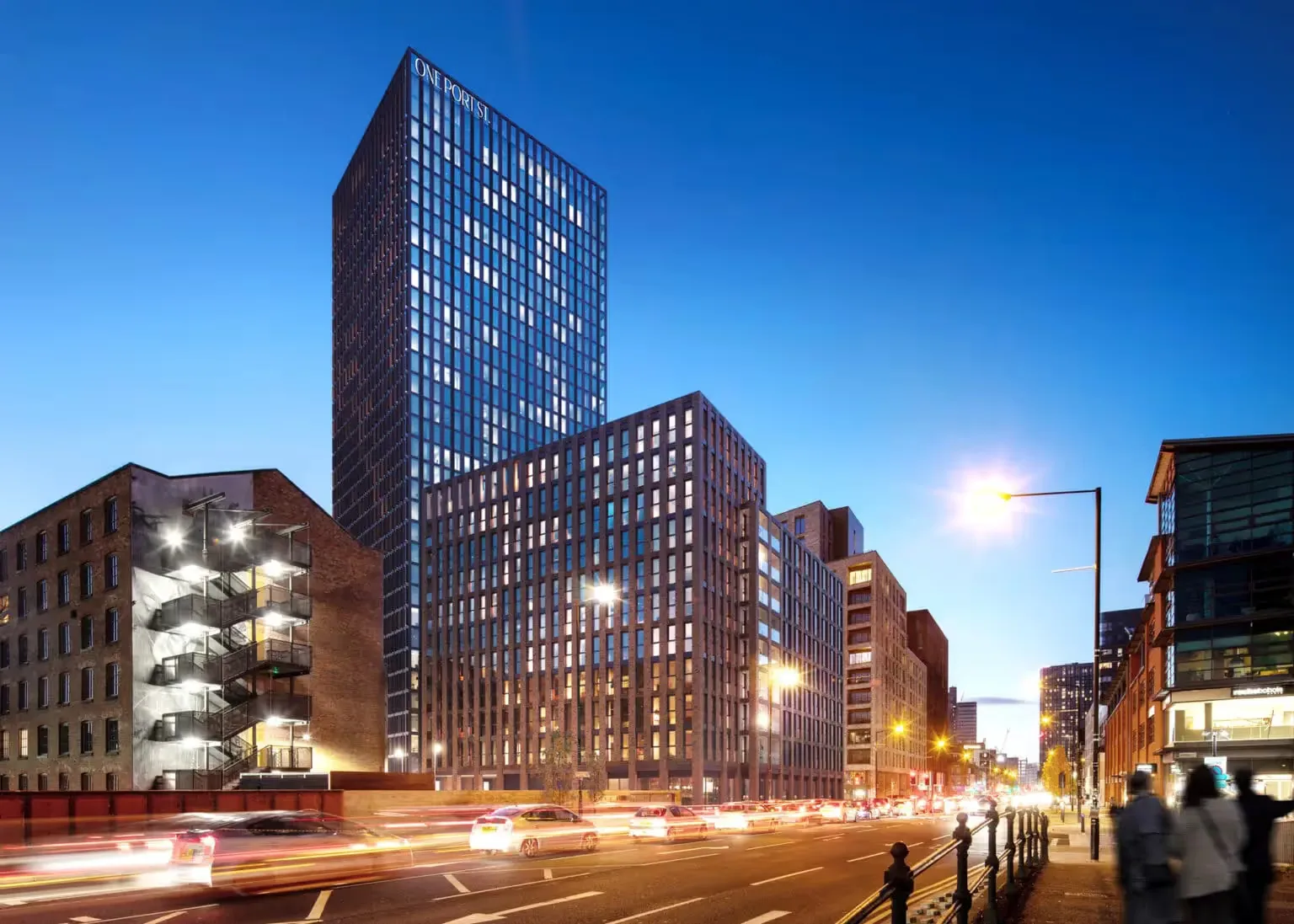
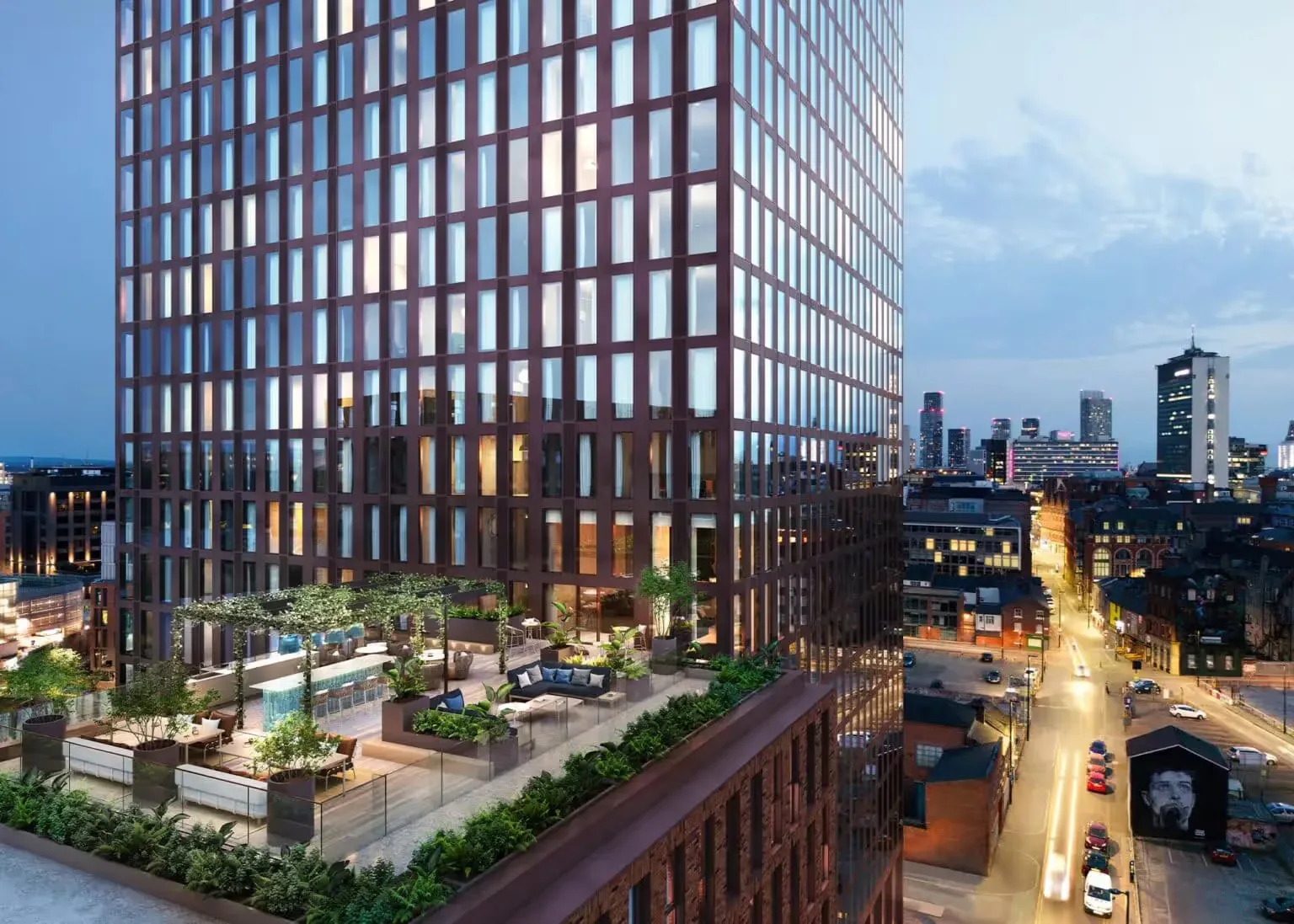
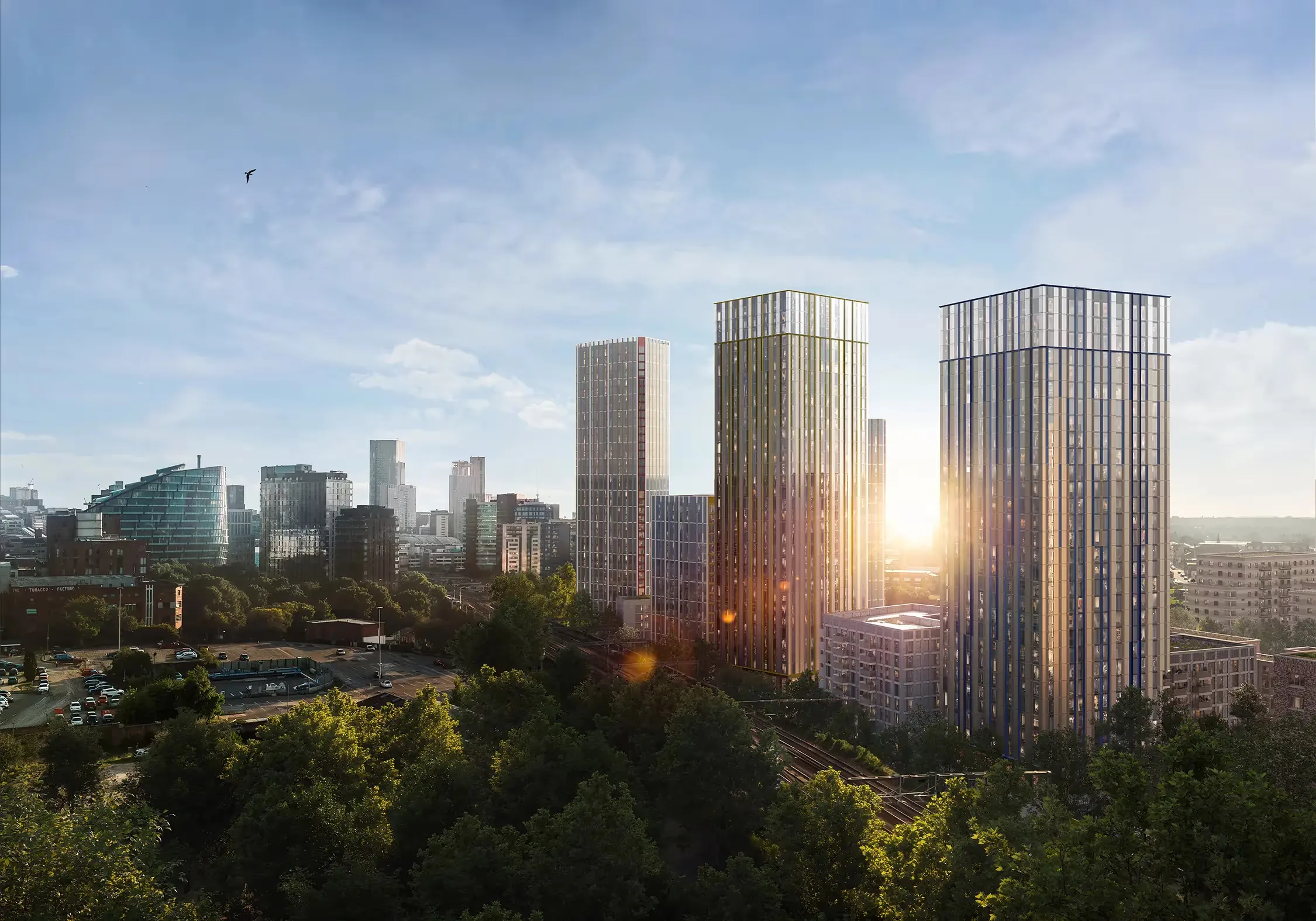
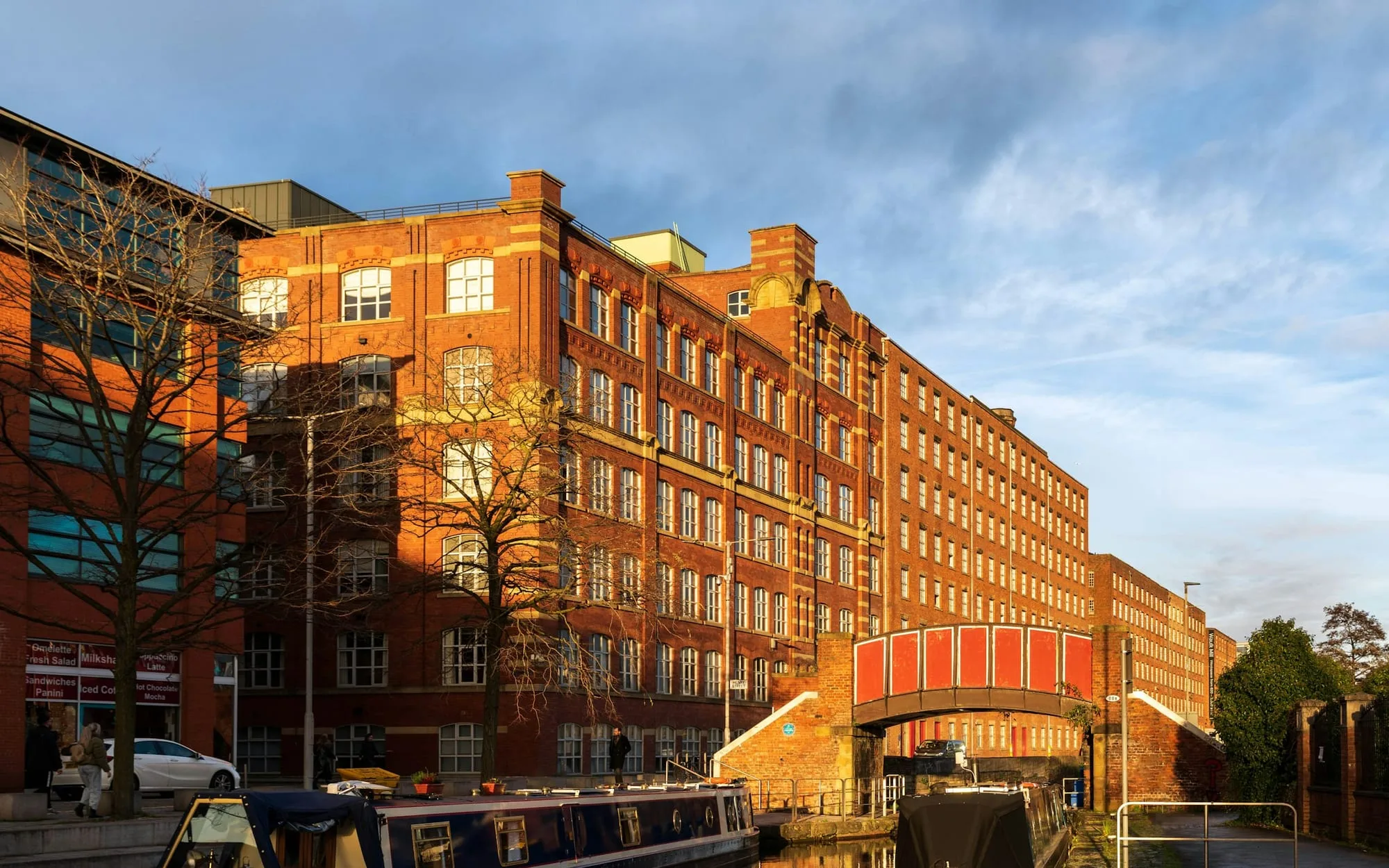
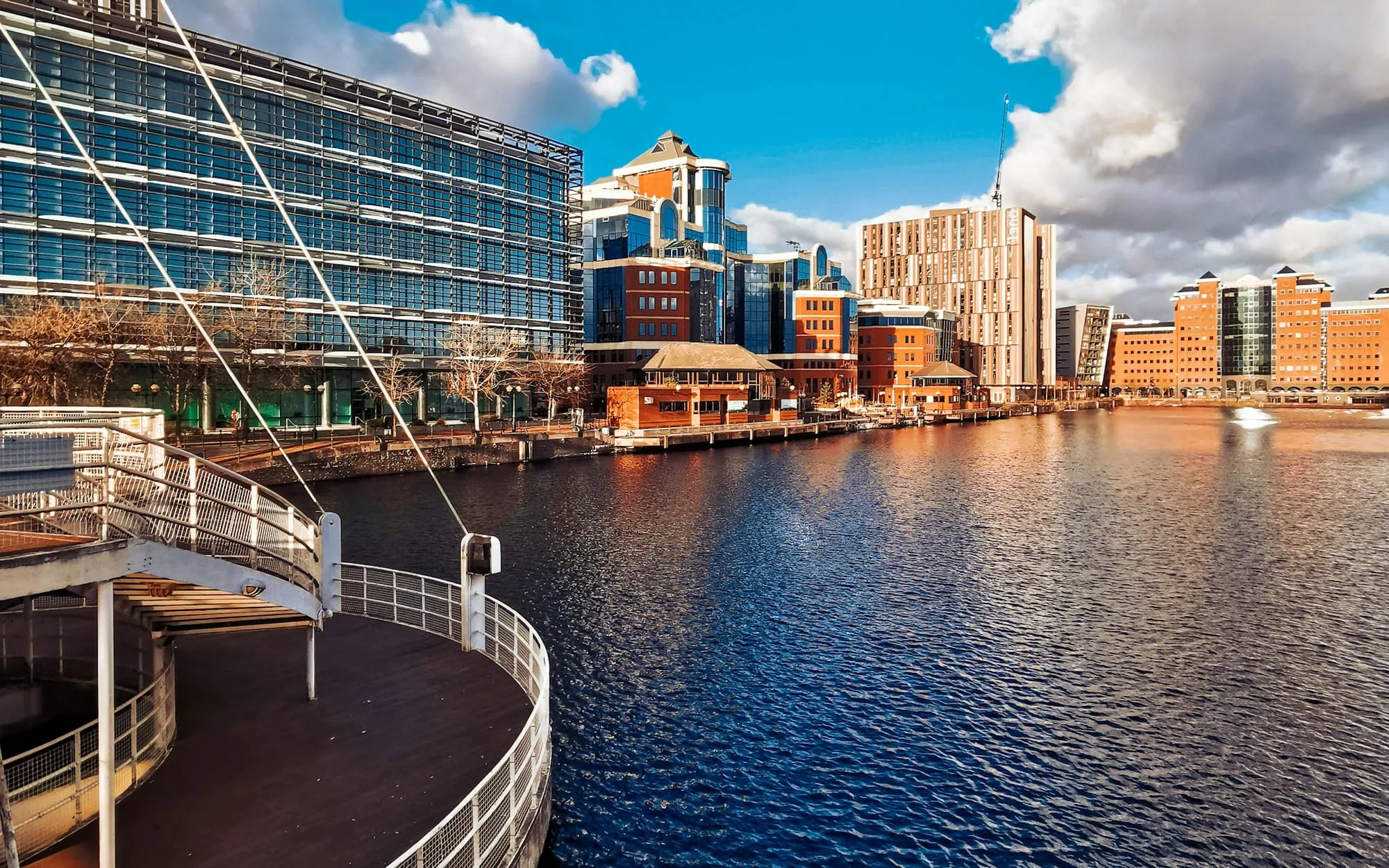
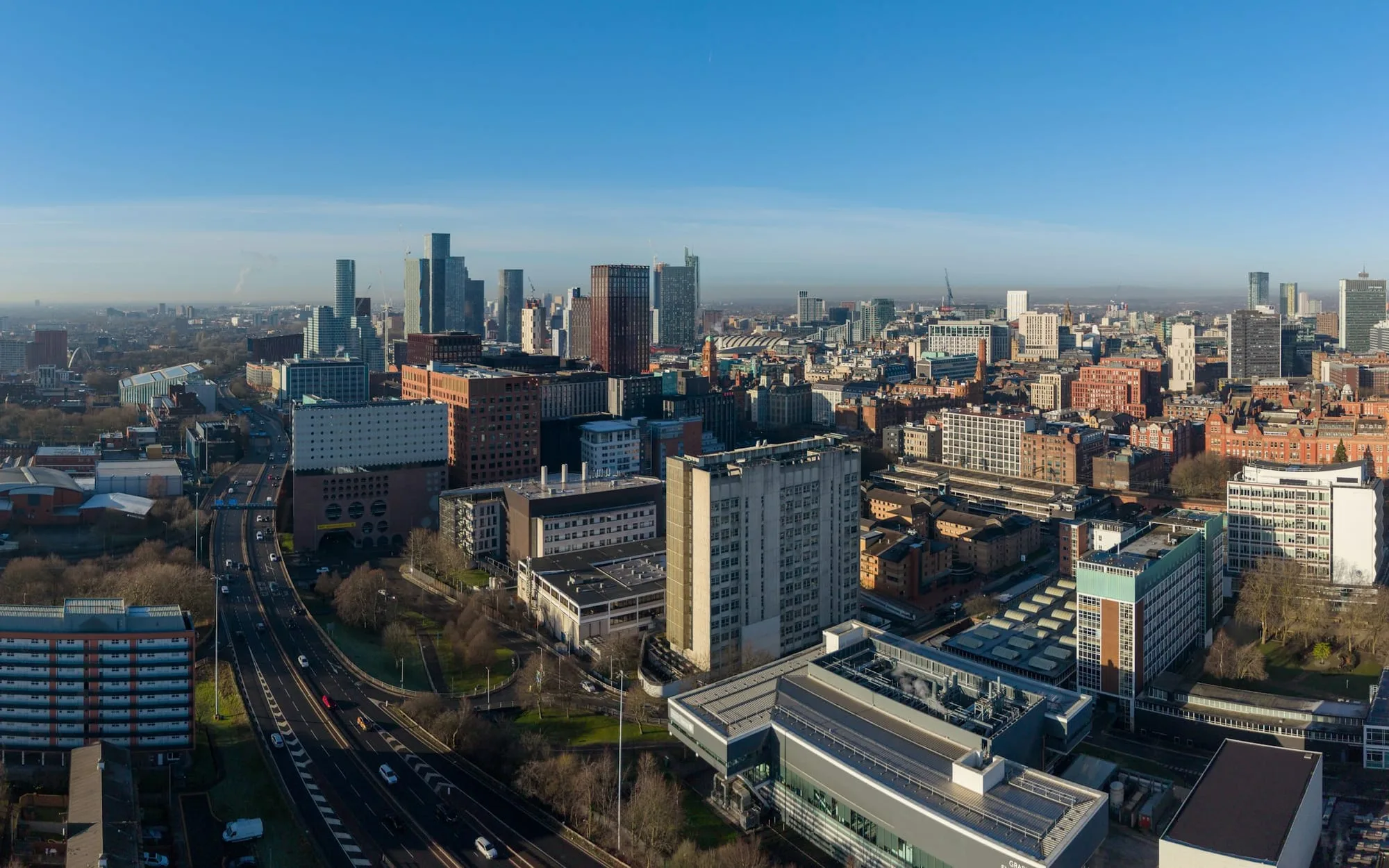
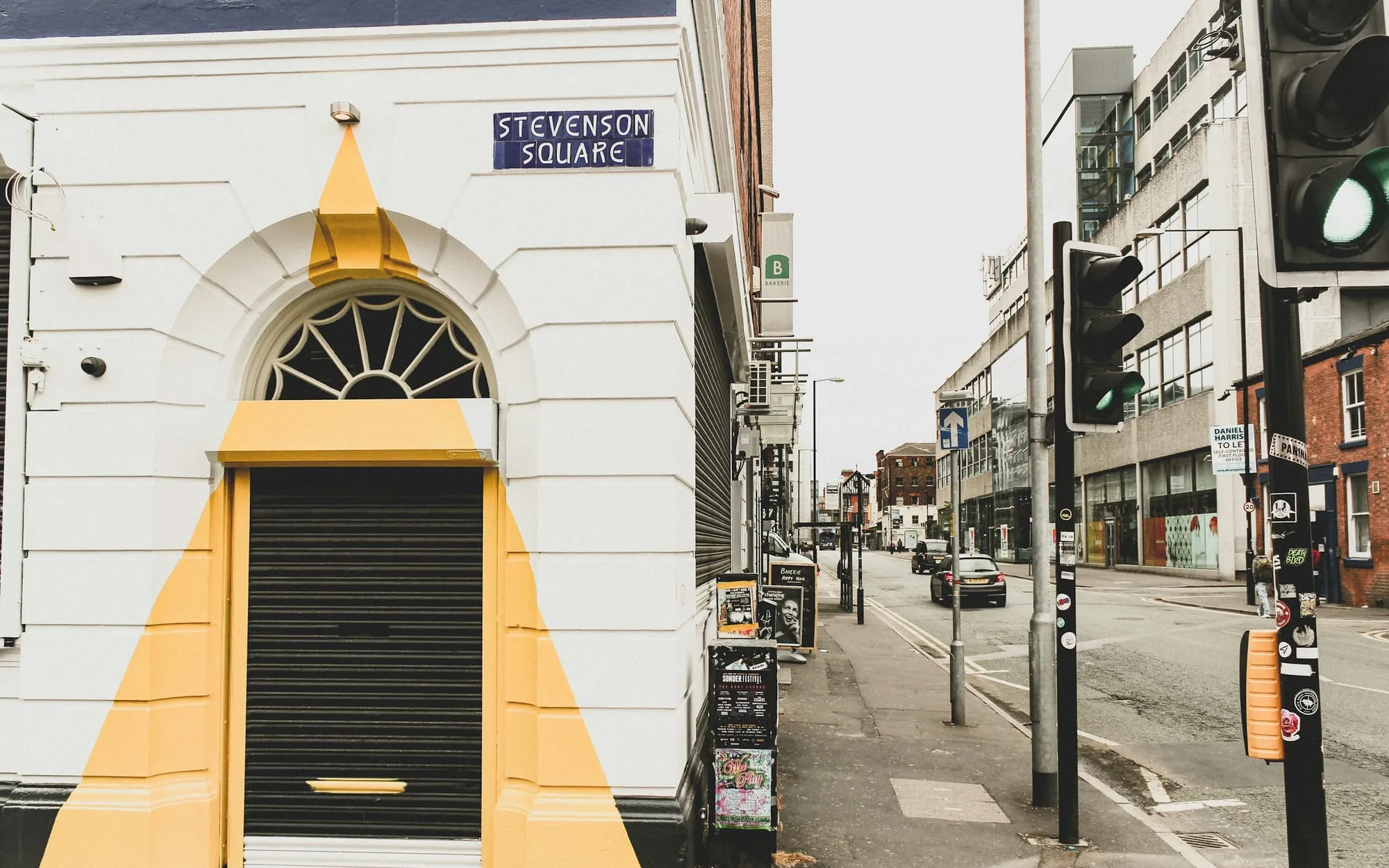
Salford Central is the strip of Salford that faces Manchester city centre across the River Irwell. Greengate sits opposite the Cathedral and Victoria station, Chapel Street runs west from the river, and the Trinity riverside looks straight across at Spinningfields. Most visitors never notice they have crossed a city boundary. That is the point: you are buying a short walk from Manchester's main office districts, in a different city with its own council and, generally, lower prices than the Manchester bank.
Across the Irwell from Spinningfields
Greengate is the north-eastern corner, between the Irwell and Trinity Way, connected to Manchester by Victoria Bridge and Blackfriars Bridge. The Cathedral, Exchange Square and the Arndale are a few minutes away on foot.
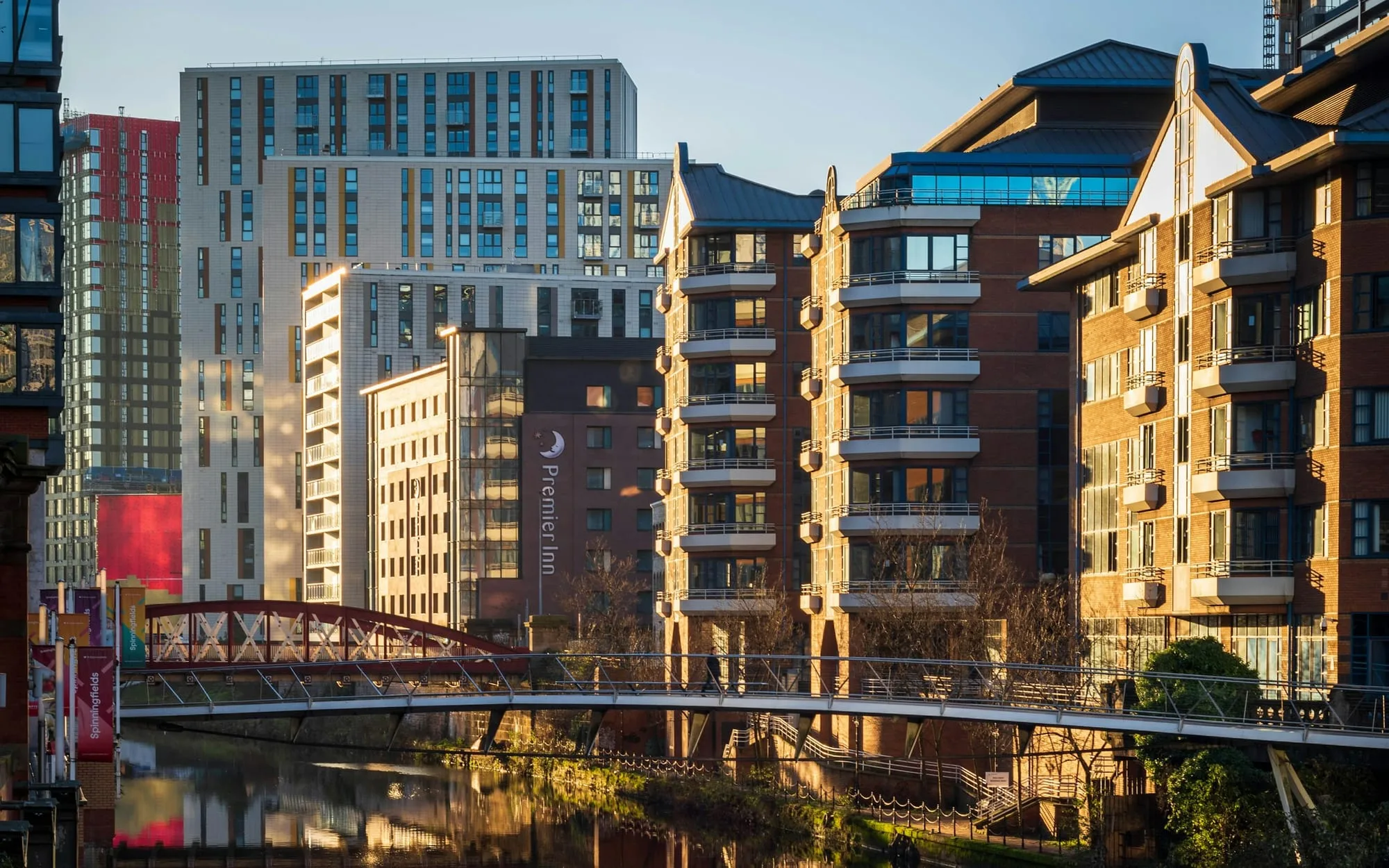
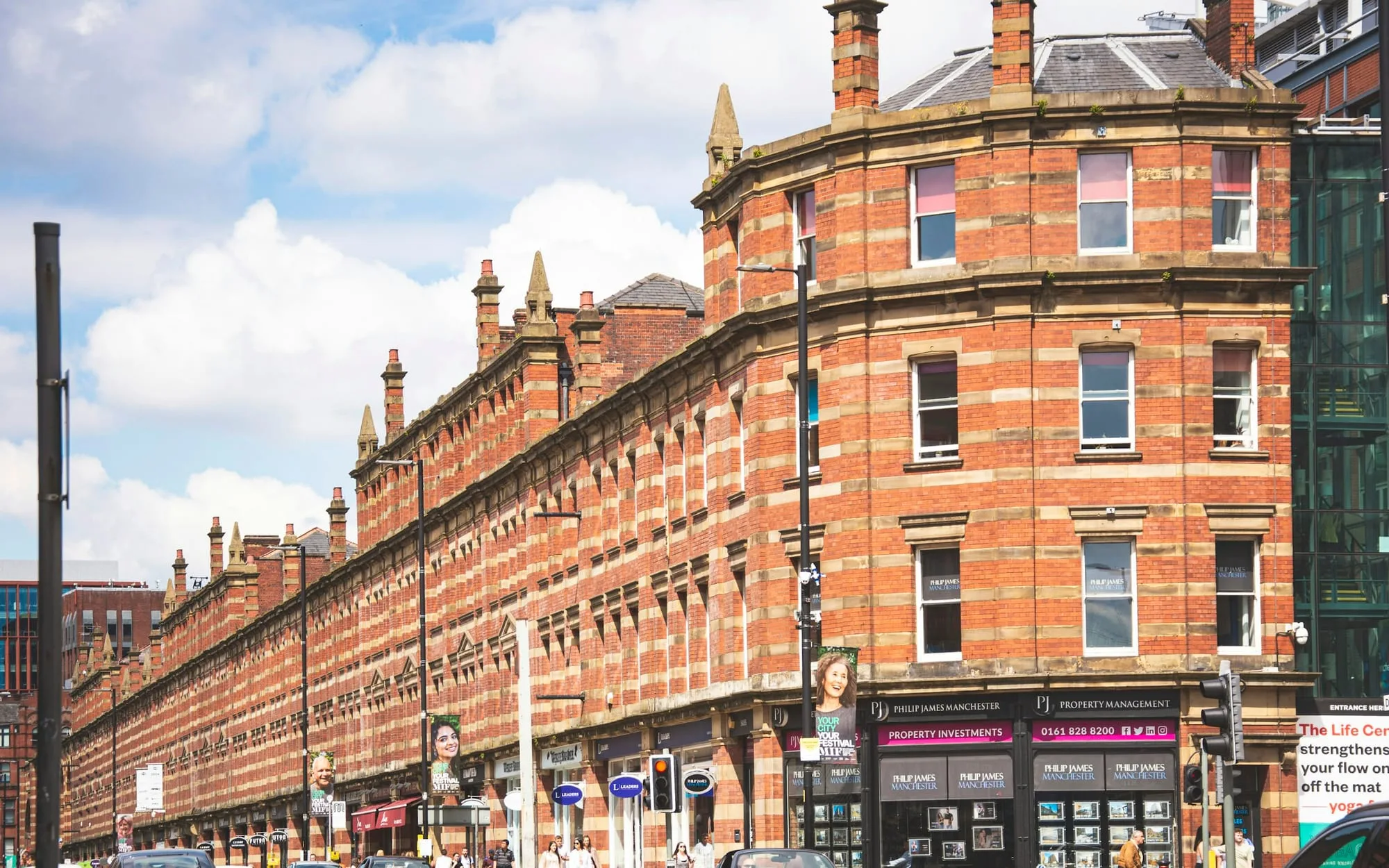
Chapel Street is Salford's oldest street and its spine, running west past Salford Cathedral towards Peel Park and the University of Salford. Salford Central station sits on Chapel Street, with frequent trains east through Manchester Victoria and west towards Bolton and Wigan. Further south, the Trinity riverside faces Spinningfields, and the Trinity footbridge carries pedestrians straight across.
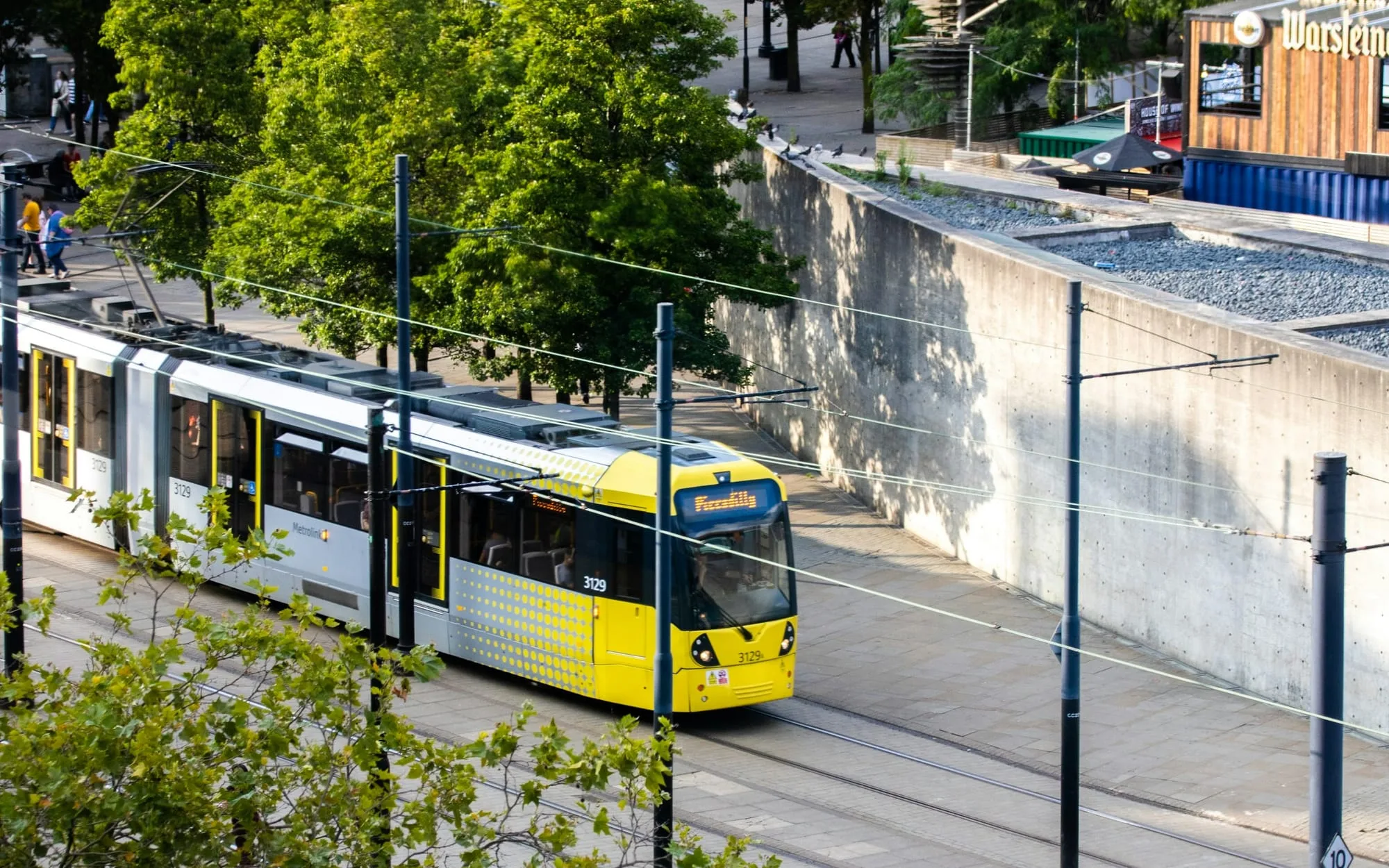
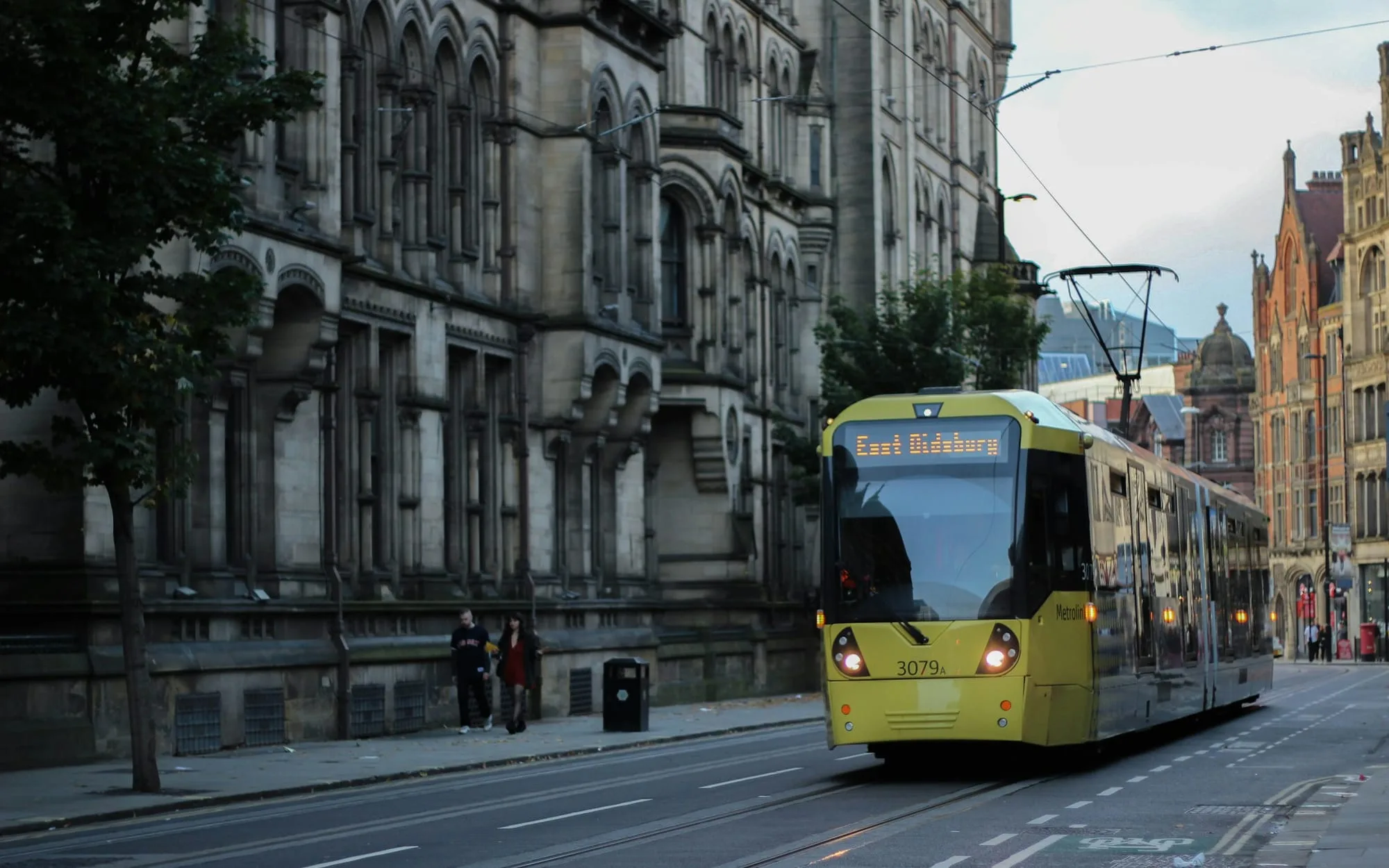
There is no Metrolink stop on the Salford bank here, but Victoria and Exchange Square are within walking distance.
A separate city
Salford is not part of Manchester City Council. The City of Salford has its own council and its own elected City Mayor. Two practical consequences for buyers:
- Council tax. Salford City Council sets its own charges, which differ from Manchester's. Check the band and the current charge for the specific flat before you model running costs.
- Planning. Applications on this side of the river are decided by Salford City Council, under Salford's local plan. Supply, tall-building policy and the pace of approvals are set by a different authority from the one across the water.
Neither is a reason to avoid Salford. Both are reasons to read the right council's documents.
One bridge from Spinningfields: the tenants
The tenant profile mirrors Spinningfields and Deansgate, one bridge removed:
- Young professionals in finance, law and the professional services firms in Spinningfields, who walk to work and want a lower rent than the Manchester bank.
- Graduates and postgraduates linked to the University of Salford, which sits at the western end of Chapel Street.
- Couples and sharers looking for space for the money, with the city-centre restaurants and bars across the river.
What lets well here:
- Two-bed, two-bath apartments are the strongest product for sharers and couples.
- Market the walk. Minutes to Spinningfields, the Cathedral and Victoria station matter more than the postcode.
- Price against Salford's new supply, not against older Manchester stock. Tenants compare building to building.
Greengate and Chapel Street stock
Type | Typical buyer | What to watch |
|---|---|---|
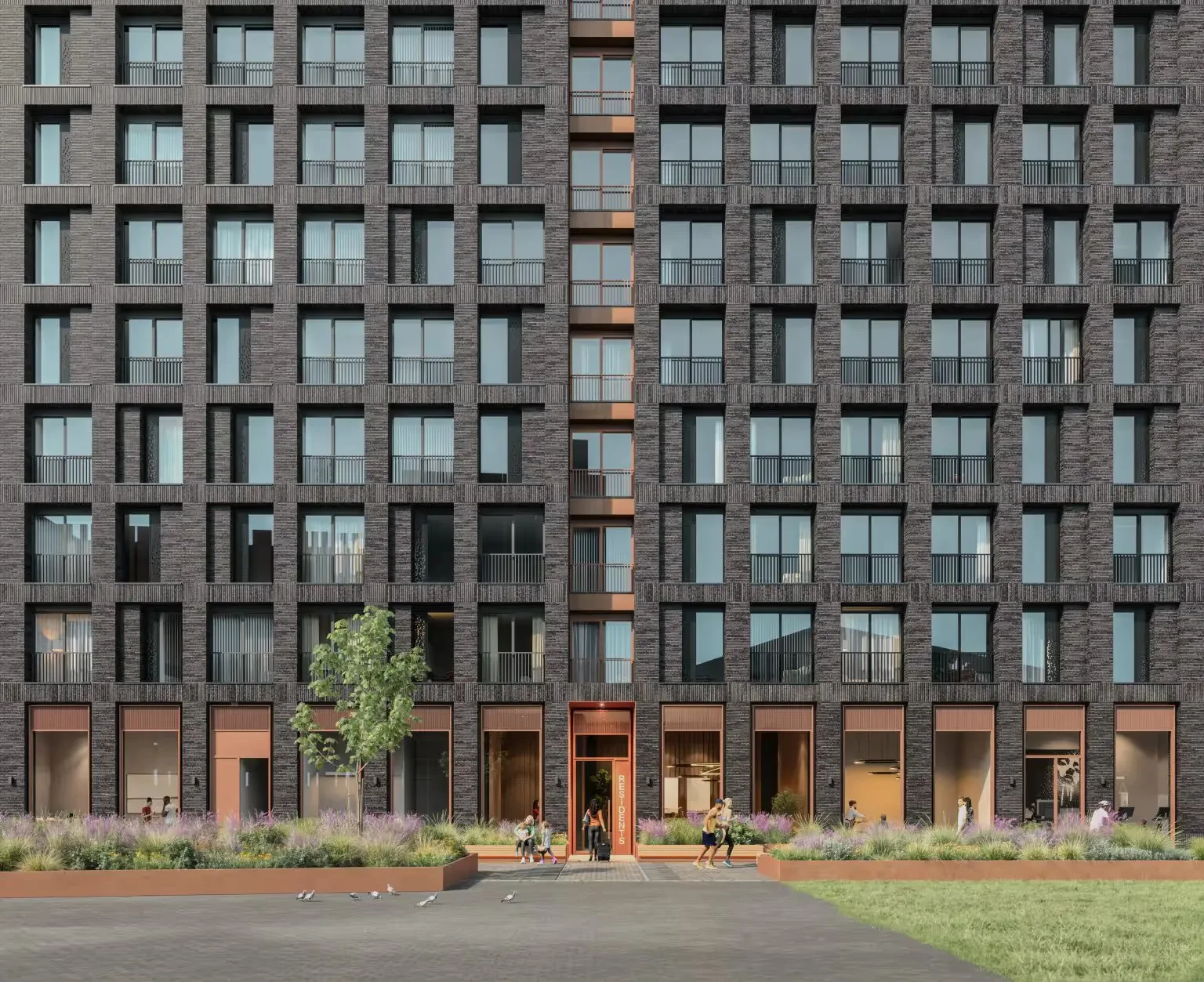
Greengate new-build towers | Investors seeking low maintenance and a short walk into town | Service charge budget, building safety paperwork, competing towers nearby |
Chapel Street mid-rise and conversions | Value-led landlords | Exact distance to the river, quality of the building's management |
Off-plan on the remaining riverside plots | Investors buying early at launch pricing | Completion date, payment schedule, developer track record |
Prices here generally sit below equivalent new-build in Spinningfields and Deansgate. The discount is about perception and the city boundary rather than distance. That gap is the opportunity, and it narrows as the Salford bank fills with the same quality of building as the Manchester side.
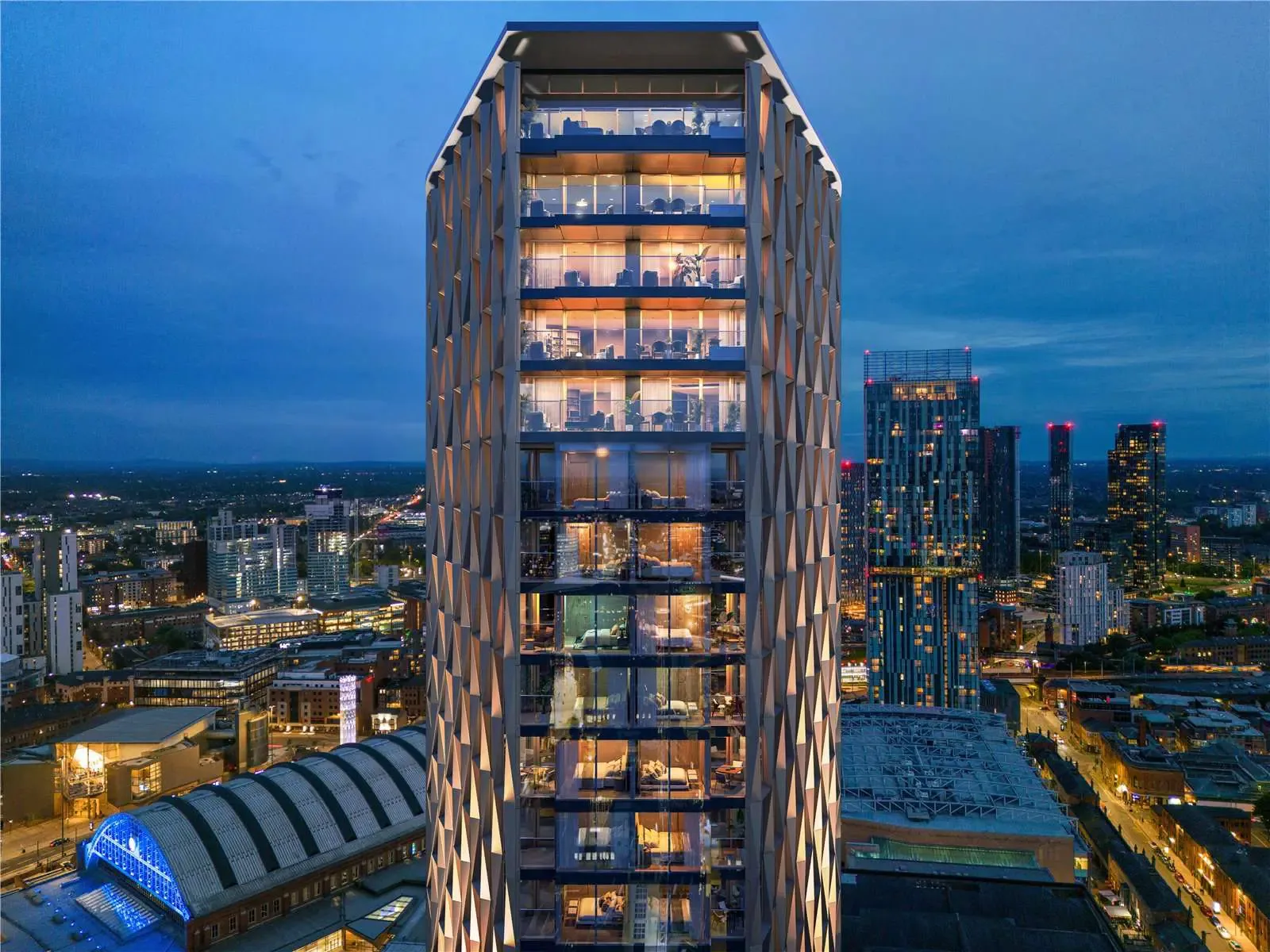
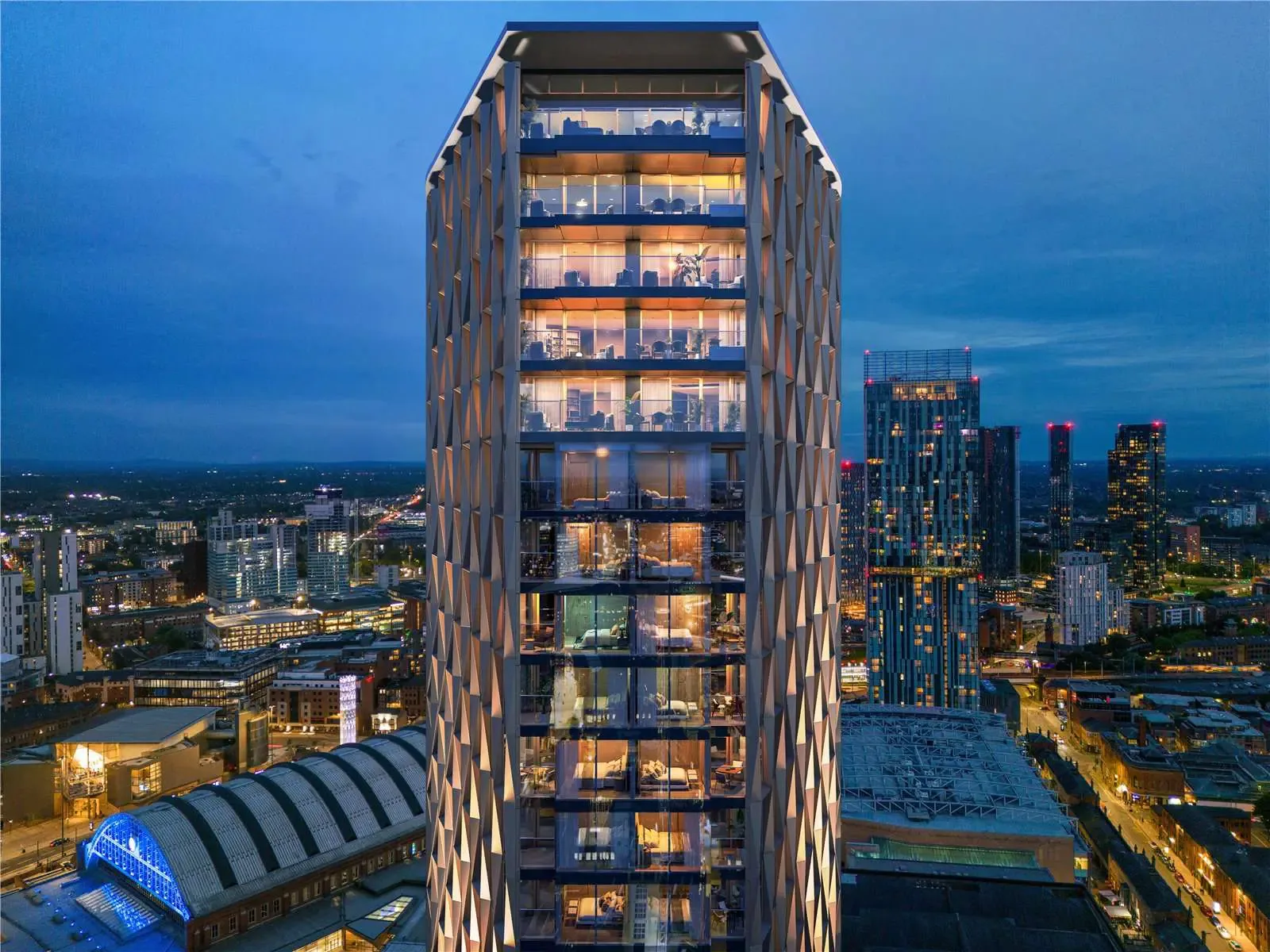
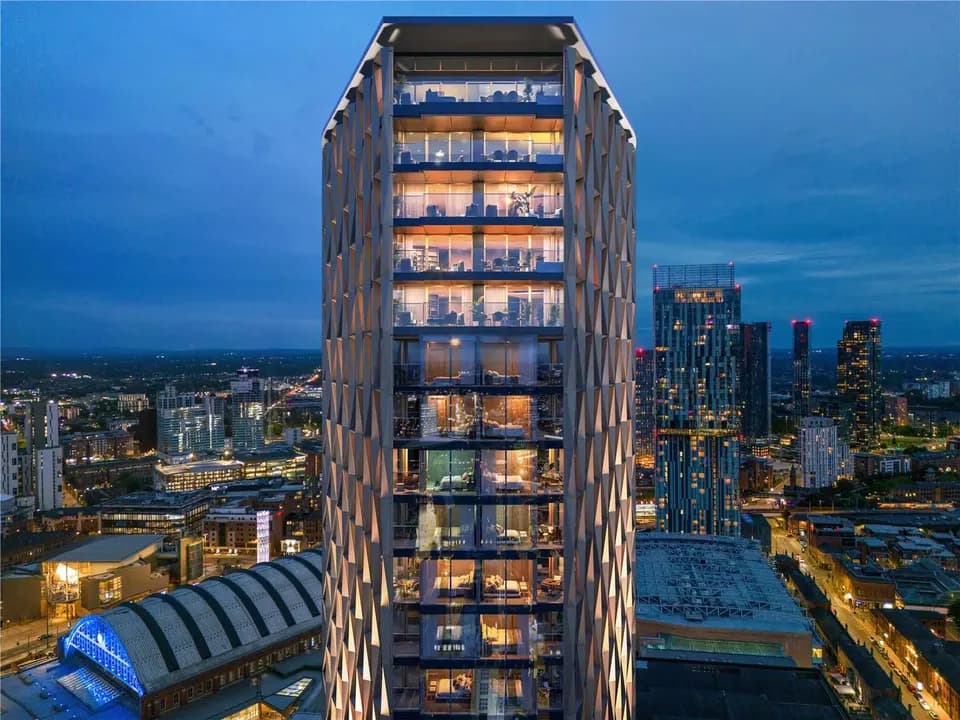
Continental sells Obsidian, in the M3 7 postcode on the Salford side of the river, a short walk across the Irwell to the city centre.
Salford Central's next phases
Greengate has largely been built out, so the next chapter runs along Chapel Street and the remaining riverside plots towards Trinity. The office district around Salford Central station has already brought a working population to the Salford bank, and the shops, cafes and public realm along Chapel Street are following. Each completed scheme makes the Salford side read less as an overspill and more as part of the city centre.
The Manchester pattern holds here too: buy the next street over from the established district, at a lower price, with the same walk to work.
What to check on the Salford side
- Concentrated new supply. A lot of apartments have been built in Greengate in a short time. Choose a building with a clear advantage in position, layout or management.
- Street-level amenity. Some stretches of Chapel Street and Trinity Way are still dominated by traffic. Walk the route from the front door to Spinningfields at night before you buy.
- Two councils, two rule books. Check council tax and any planned schemes nearby with Salford City Council, not Manchester.
See the Manchester guide · Manchester regeneration areas · Spinningfields property guide
More in our Manchester guide and the United Kingdom investment guide.