



















Manchester guide
Ancoats property investment guide.
The mill district east of the Northern Quarter that became Manchester's most wanted postcode for young professionals. What you pay, what it lets for, and where the next phase of value sits.
- The tightest rental pocket in the city centre: converted mills and new-build blocks let to graduates and young professionals who want to walk to work.
- Supply is now constrained. The conservation area and the canal edges limit what can still be built, which protects resale values.
- The upside has moved east, to New Islington and the Ashton Canal corridor towards the Etihad Campus, where entry prices are lower.
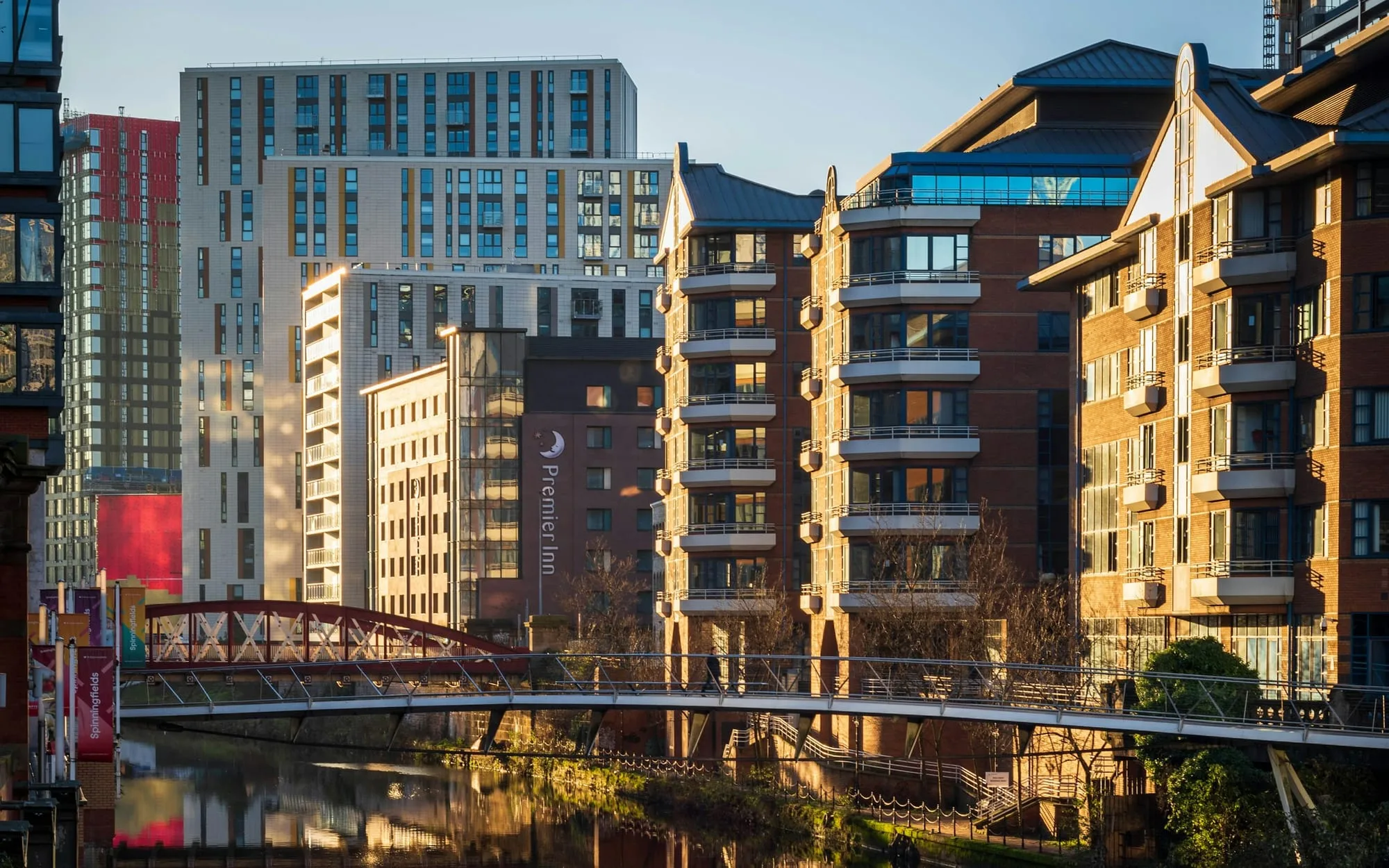
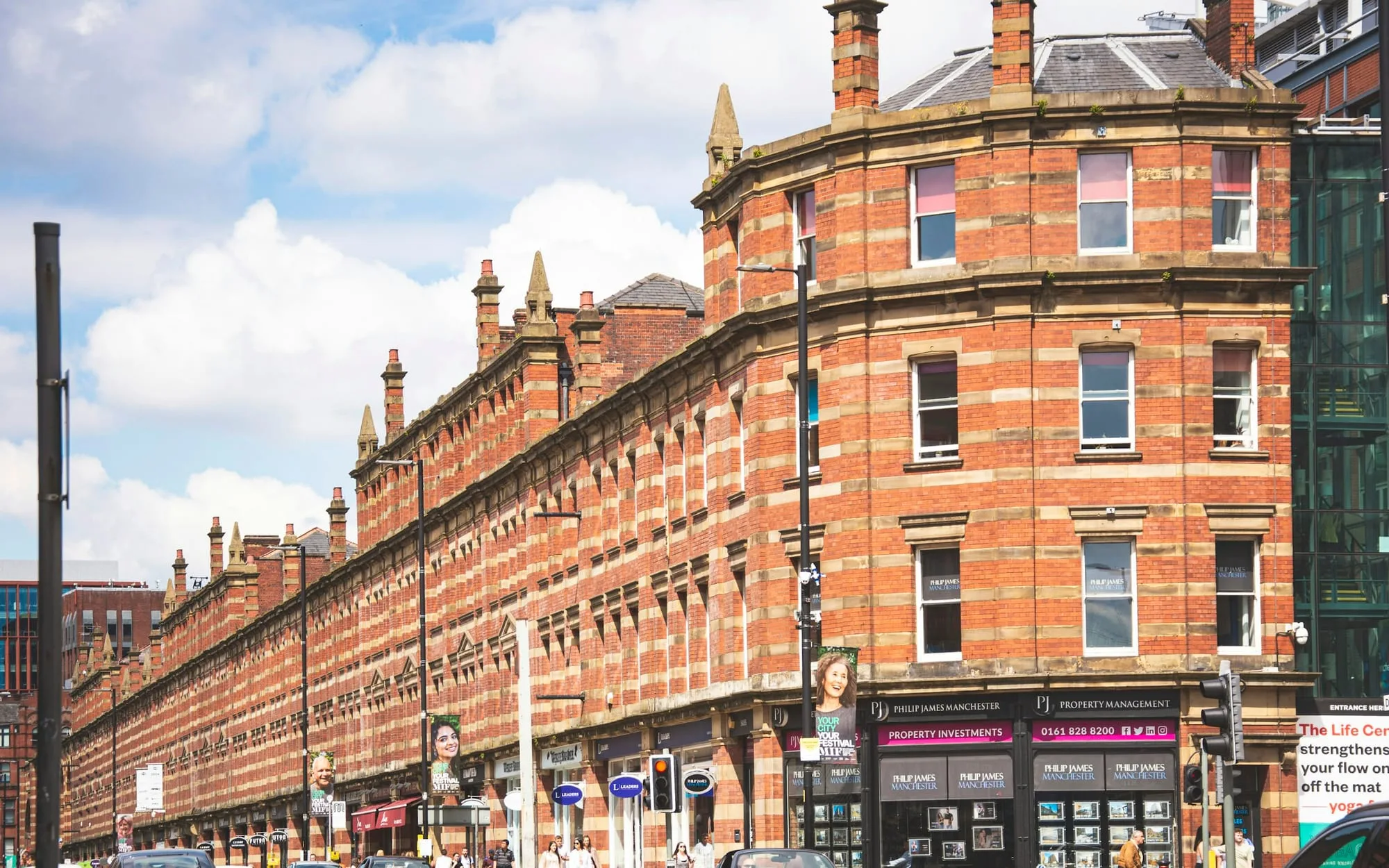
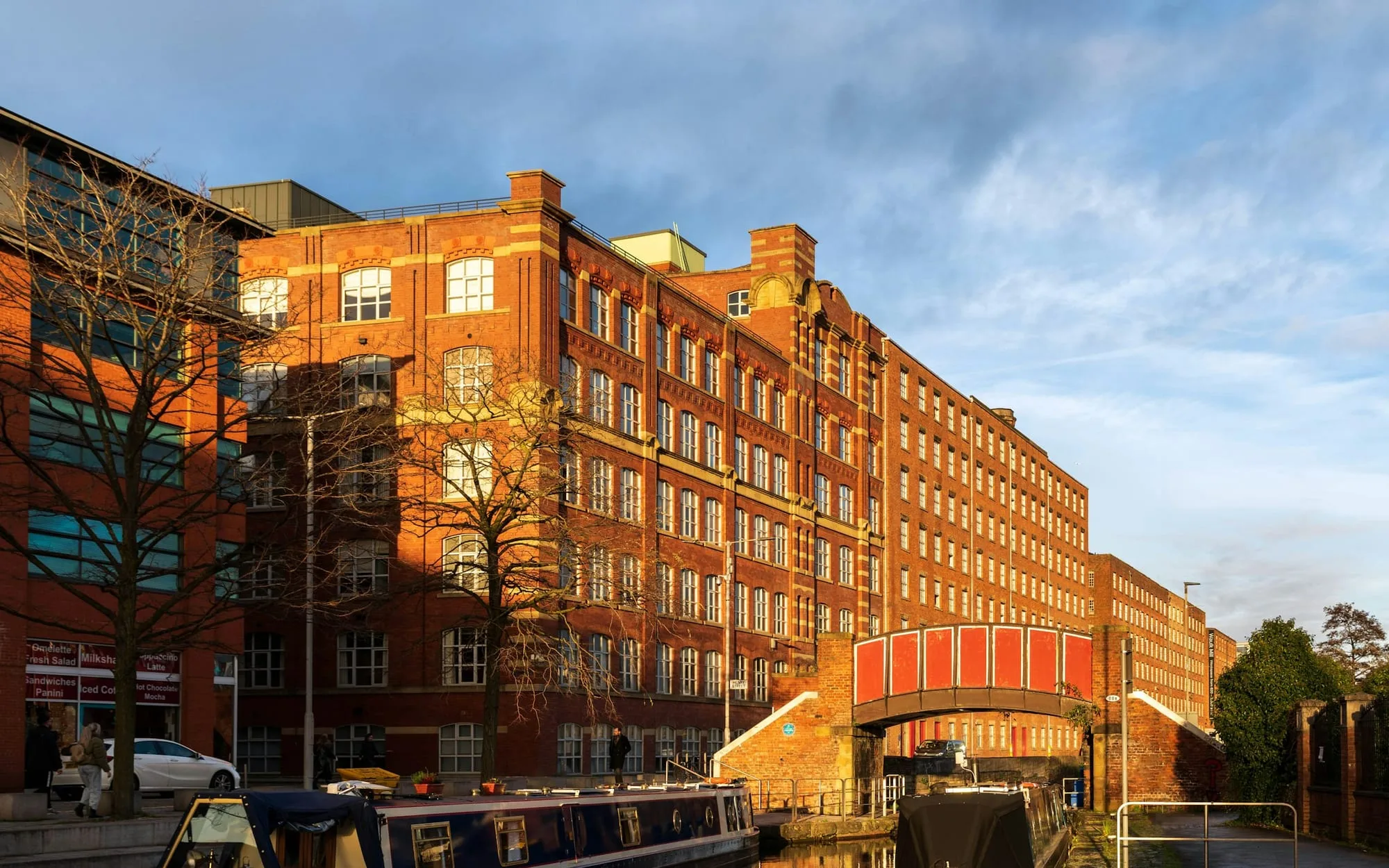
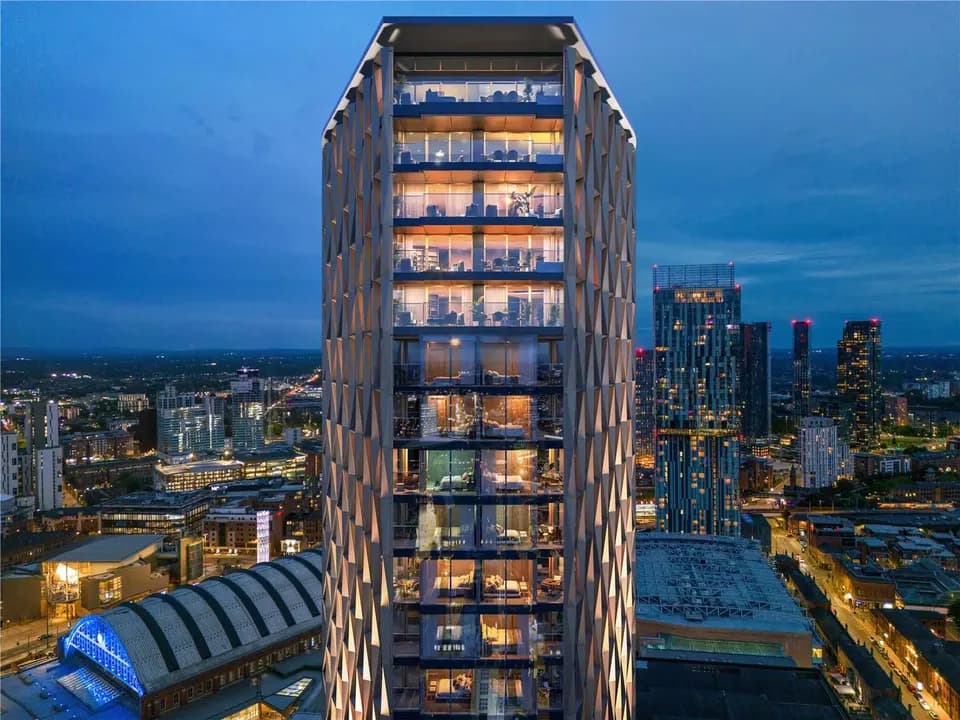
Ancoats sits on the north-east edge of Manchester city centre, between the Northern Quarter, the Rochdale Canal and New Islington. Two centuries ago it was the world's first industrial suburb. Today its listed cotton mills hold apartments, studios and restaurants, and the streets between them have filled with new-build blocks. Ancoats is the proof of concept for central Manchester regeneration: the district has already been re-rated, rents are among the highest in the city centre, and the remaining build sites are few.
Graduates in their first or second job
The tenant base is narrow and strong: graduates and young professionals, many in their first or second job, working in the city centre, at the universities or in the digital and creative firms clustered around the Northern Quarter and Piccadilly. They choose Ancoats for walkability. Piccadilly station, the Northern Quarter and the main office districts are all within fifteen minutes on foot, and New Islington has its own Metrolink stop.
Three things follow for a landlord:
- One- and two-bedroom apartments let fastest. Two-bed, two-bath layouts are the strongest product because they suit sharers.
- Amenity matters. Concierge, gym, co-working space and a roof terrace are expected at the top of the market and support premium rents.
- Voids are short when a unit is priced at the market and furnished to the standard tenants see in the newer blocks.
Mill conversion, new-build or off-plan
Stock falls into three groups:
Type | Typical buyer | What to watch |
|---|---|---|
Mill conversions | Owner-occupiers and long-hold landlords | Character and scarcity, but older services and higher service charges |
Post-2015 new-build | Investors seeking low maintenance | Check the building safety paperwork and the service charge budget |
Off-plan in the next phases | Investors buying early at launch pricing | Developer track record, completion date, payment schedule |
New-build apartments in Ancoats trade at a premium to the city-centre average, because the location is finished: the bars, the green, the marina and the transport are already there. Off-plan buyers pay for certainty of place, not for a promise.
New Islington and the eastern edge
The next chapter is already visible. New Islington, around the marina and the Cotton Field Park, has added thousands of homes, a school and a park. Beyond it, the Ashton Canal runs east towards the Etihad Campus, where Co-op Live opened in 2024 as the UK's largest indoor arena. Sites along that corridor sell for less than central Ancoats and benefit from the same walk into town.
This is the familiar Manchester pattern: buy where the regeneration is half-finished, not where it is complete. Ancoats proper is the safe, liquid hold. New Islington and the canal corridor carry more growth potential with more completion risk.
What to check before buying in Ancoats
- Competition from new supply. Several large rental buildings have opened in and around Ancoats. Price your unit against them, not against older stock.
- Service charges. Mill conversions with lifts, concierge and listed fabric carry higher running costs. Read the last three years of accounts.
See the Manchester guide · Manchester rental yields · Off-plan property for sale in Manchester
More in our Manchester guide and the United Kingdom investment guide.