
















Manchester guide
Castlefield property investment guide.
Manchester's canal basin and conservation area, where a Roman fort, Victorian viaducts and warehouse apartments limit what can be built. Why scarcity is the investment case here.
- The city centre's most protected address: a conservation area built around canals, viaducts and a Roman fort, where new supply is the exception.
- Owner-occupiers set the tone. Tenants stay longer, and resale values hold because there is little new stock to compete with.
- The growth comes from the neighbours: St John's and Aviva Studios to the north, the Deansgate towers to the south-east.
Castlefield sits at the south-western corner of Manchester city centre, where Deansgate meets the canals. It is where the city began. The Romans built the fort of Mamucium here in the first century, and a reconstructed section of its walls and gateway still stands off Liverpool Road. In 1761 the Bridgewater Canal opened into the basin, carrying coal into the city, and in 1804 the Rochdale Canal was completed to meet it. In 1830 Liverpool Road became the terminus of the world's first inter-city passenger railway, and the original station is now part of the Science and Industry Museum. The railway companies then crossed the basin with iron and steel viaducts that still define the skyline.
In 1982 Castlefield was designated the UK's first Urban Heritage Park, and it is now a conservation area. That history is not decoration. It is the reason supply is constrained and values hold.
Who chooses Castlefield
Castlefield has a higher share of owner-occupiers than most of the city centre, and that shapes the rental market.
- Established professionals and couples. Tenants here are often a stage older than in Ancoats or the Northern Quarter: senior staff working in Spinningfields, around St Peter's Square or at the media and creative businesses around St John's. They want canal-side quiet and a walk to work.
- Longer-staying tenants. Many renters move here deliberately and stay for several years, which means fewer voids and lower re-letting costs.
- Corporate tenants who want something different. Some relocating staff prefer a warehouse apartment by the water to a new tower. Character stock lets well to this group.
Castlefield is a hold for steady occupancy and capital preservation rather than maximum yield. Prices are high relative to rents, so gross yields typically sit below the city-centre average. The return comes from low turnover and resilient resale values.
Canals, viaducts and the Castlefield Viaduct
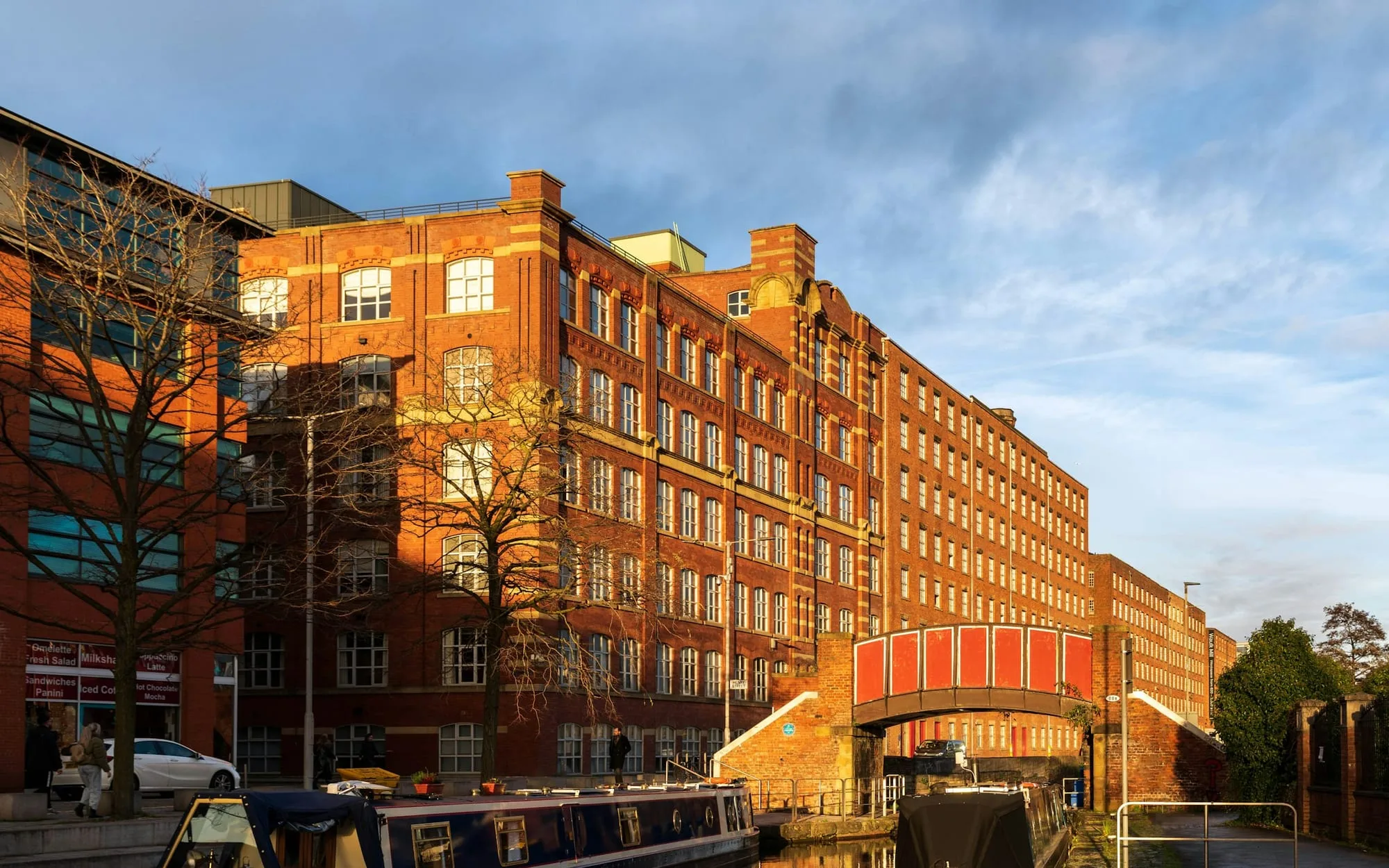
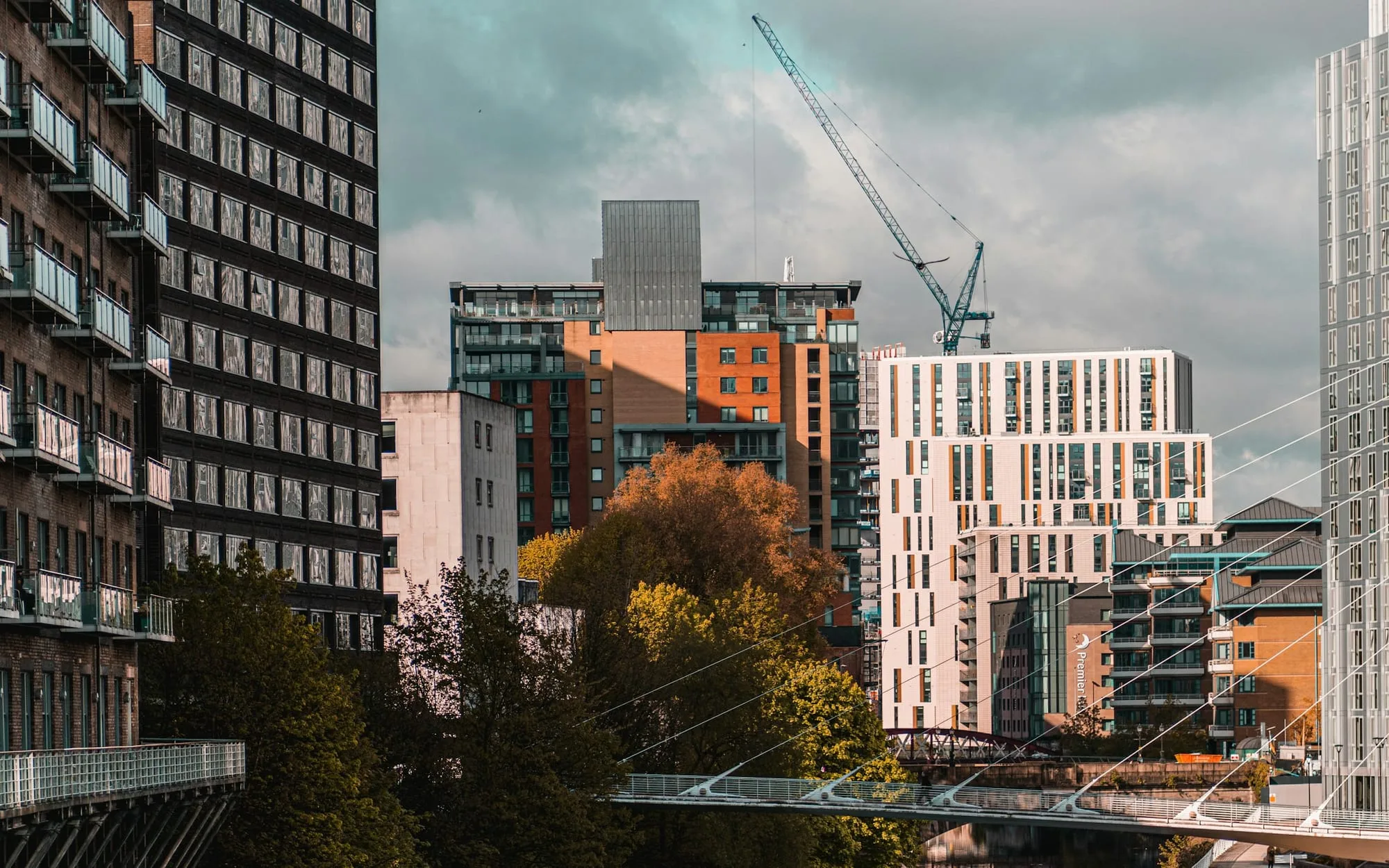
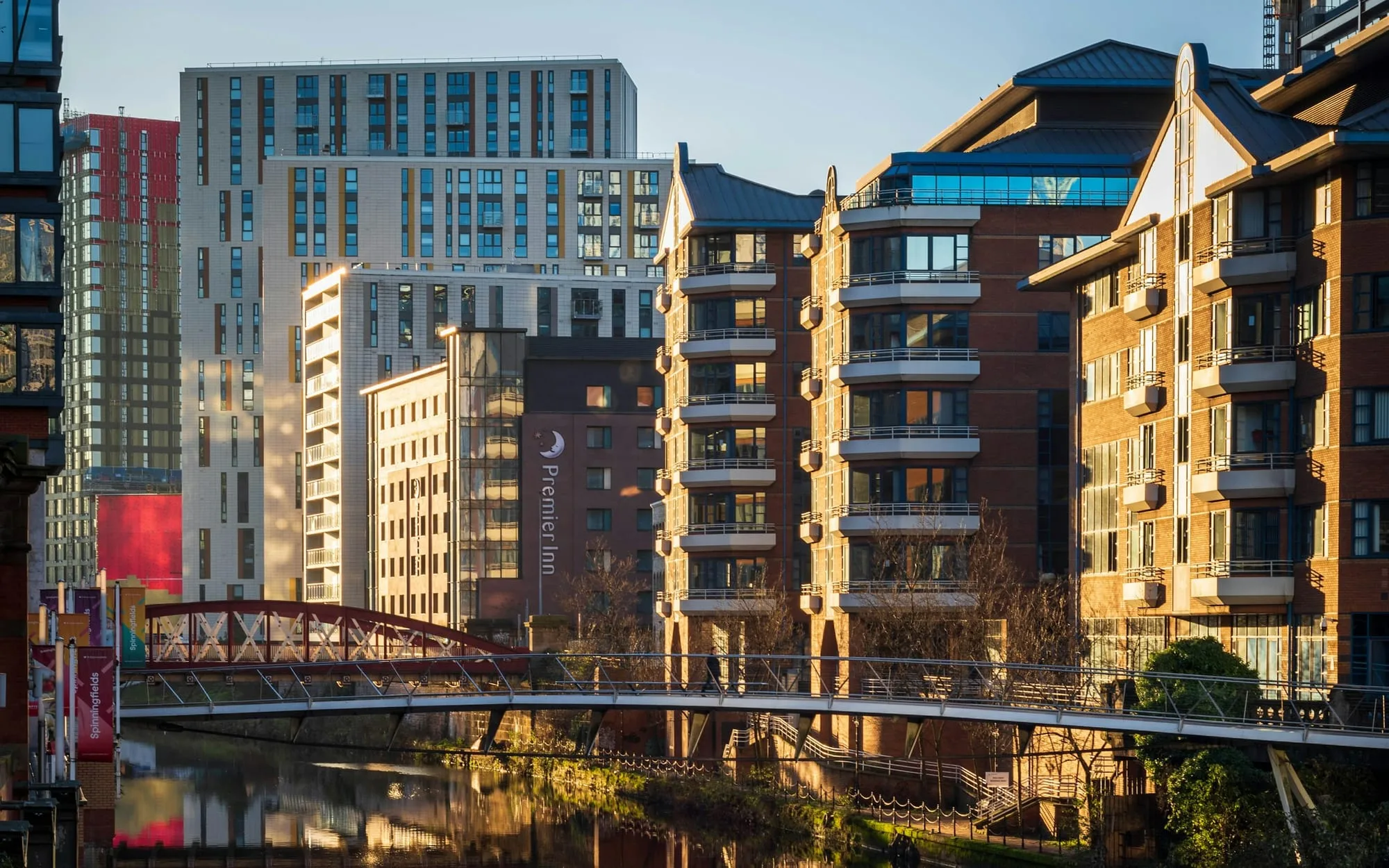
The basin is the centre of the district. Towpaths link it east along the Rochdale Canal towards the Gay Village and Piccadilly, and west along the Bridgewater Canal towards Pomona and Old Trafford. Apartment blocks around Potato Wharf, Slate Wharf and Catalan Square look onto the water, and footbridges including Merchants' Bridge stitch the two sides together.
The Castlefield Viaduct, a Grade II listed Victorian steel viaduct, opened in 2022 as an elevated park run by the National Trust. It gave the area a new reason to visit and confirmed the pattern: in Castlefield, the old infrastructure is reused rather than replaced.
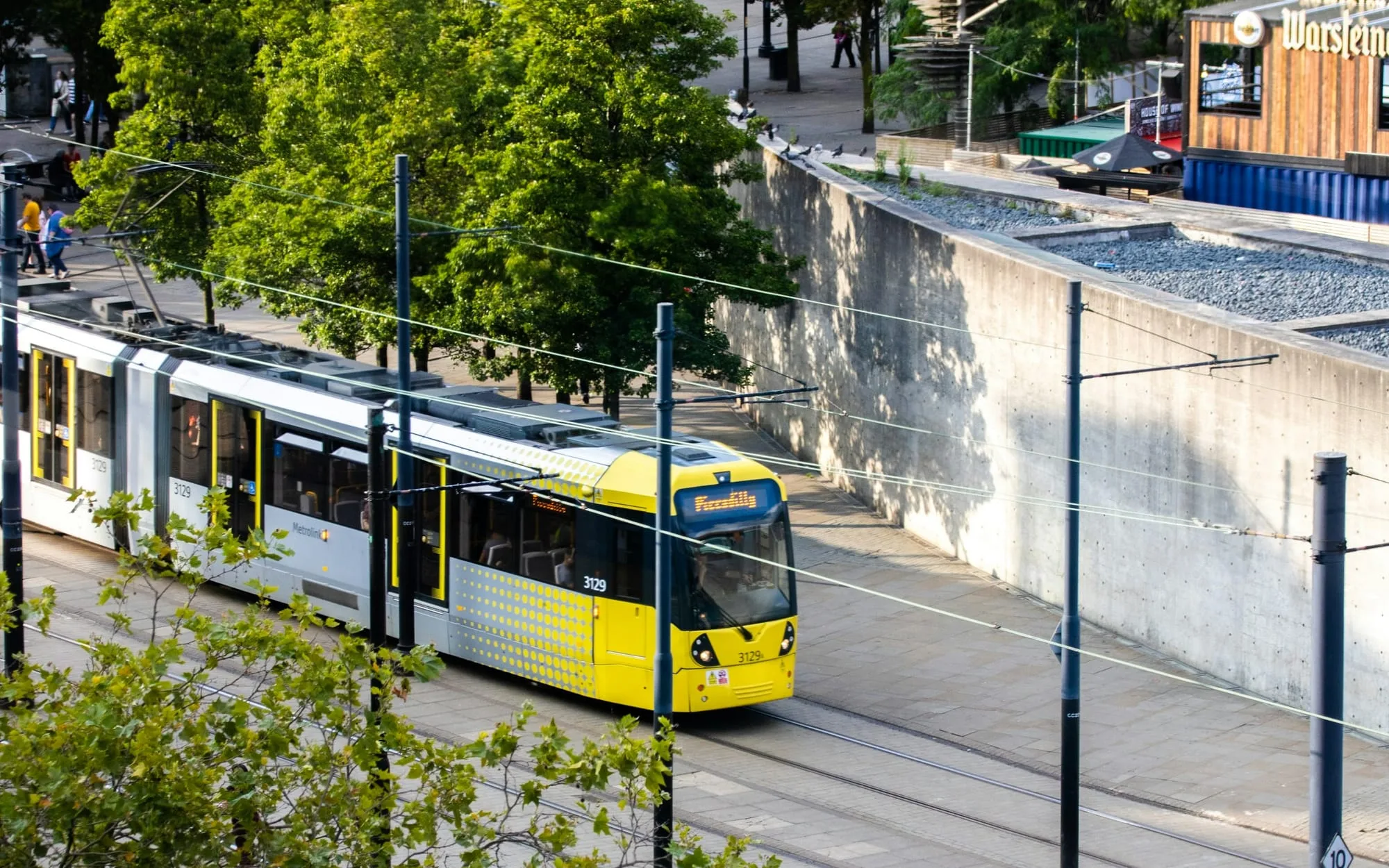
Transport is straightforward. The Deansgate-Castlefield Metrolink stop and Deansgate rail station sit on the eastern edge of the district, and St Peter's Square is one tram stop further.
Warehouse lofts and canal-side blocks
Type | Typical buyer | What to watch |
|---|---|---|
Warehouse conversions | Owner-occupiers and long-hold landlords | Listed building and conservation limits on alterations, older services |
Canal-side apartments from the 1990s and 2000s | Landlords seeking steady tenants | Building safety reviews, service charge history, damp and access at water level |
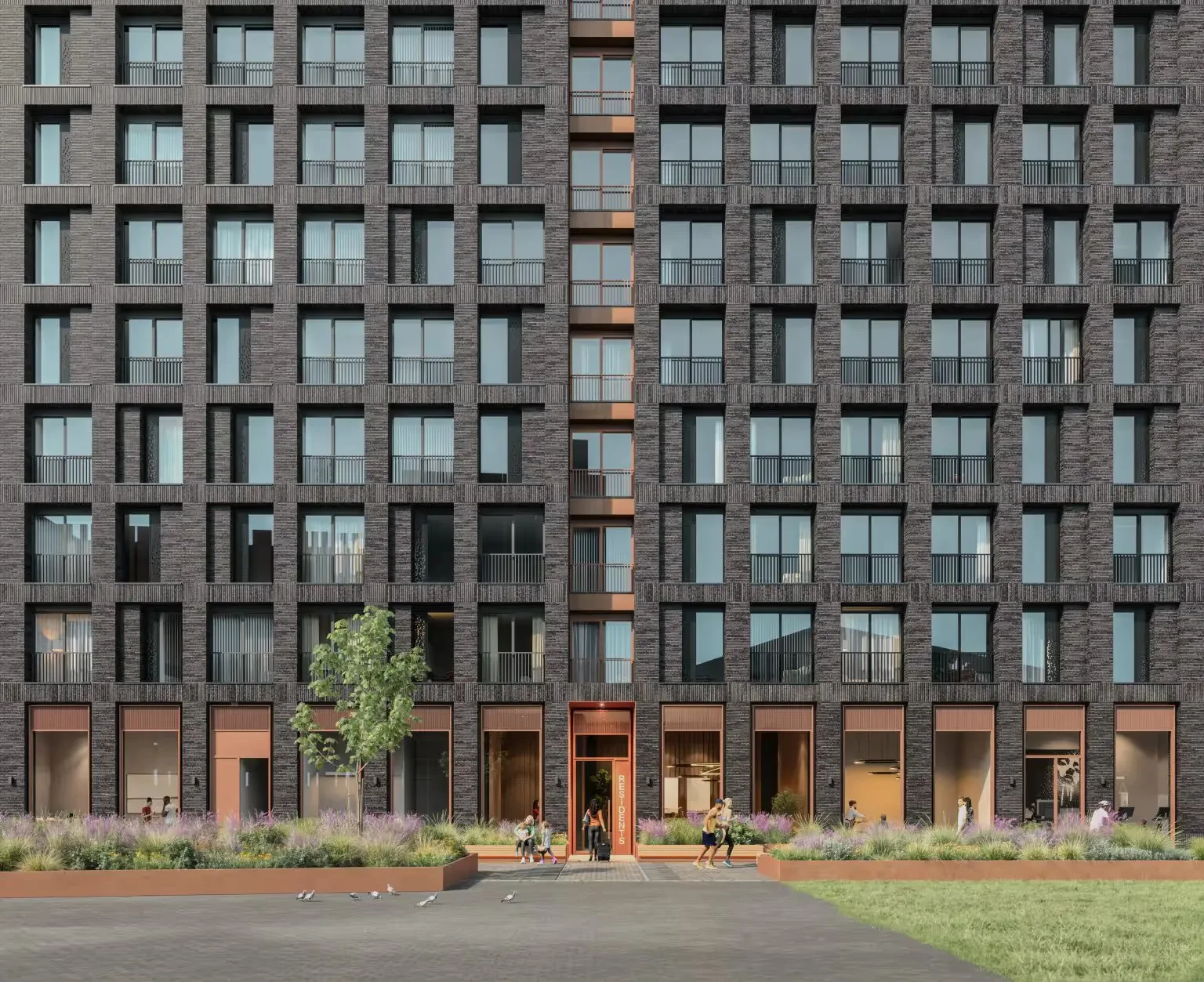
Rare new-build on infill sites | Buyers who want a new specification in a finished place | Small releases, premium pricing, planning conditions in the conservation area |
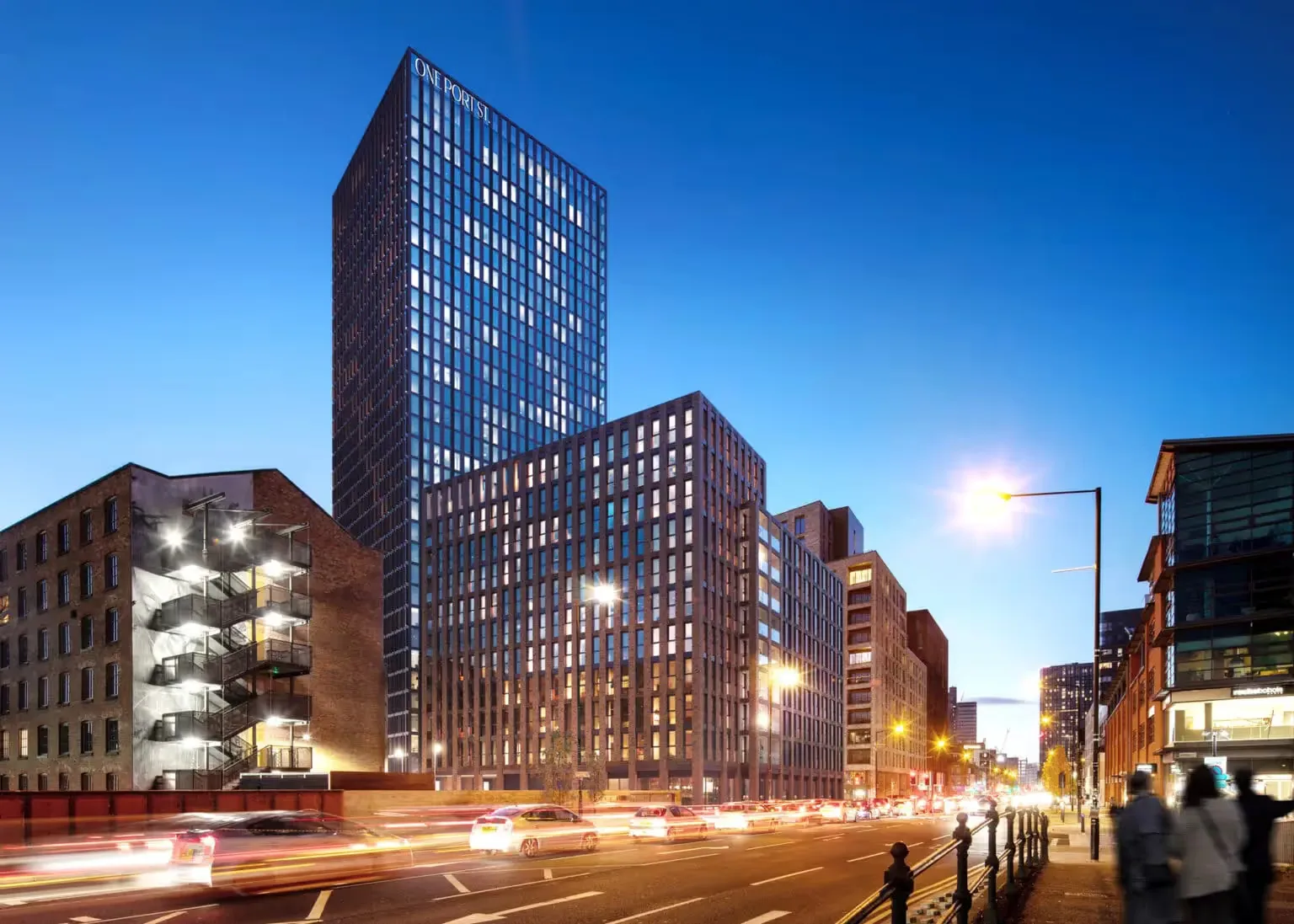
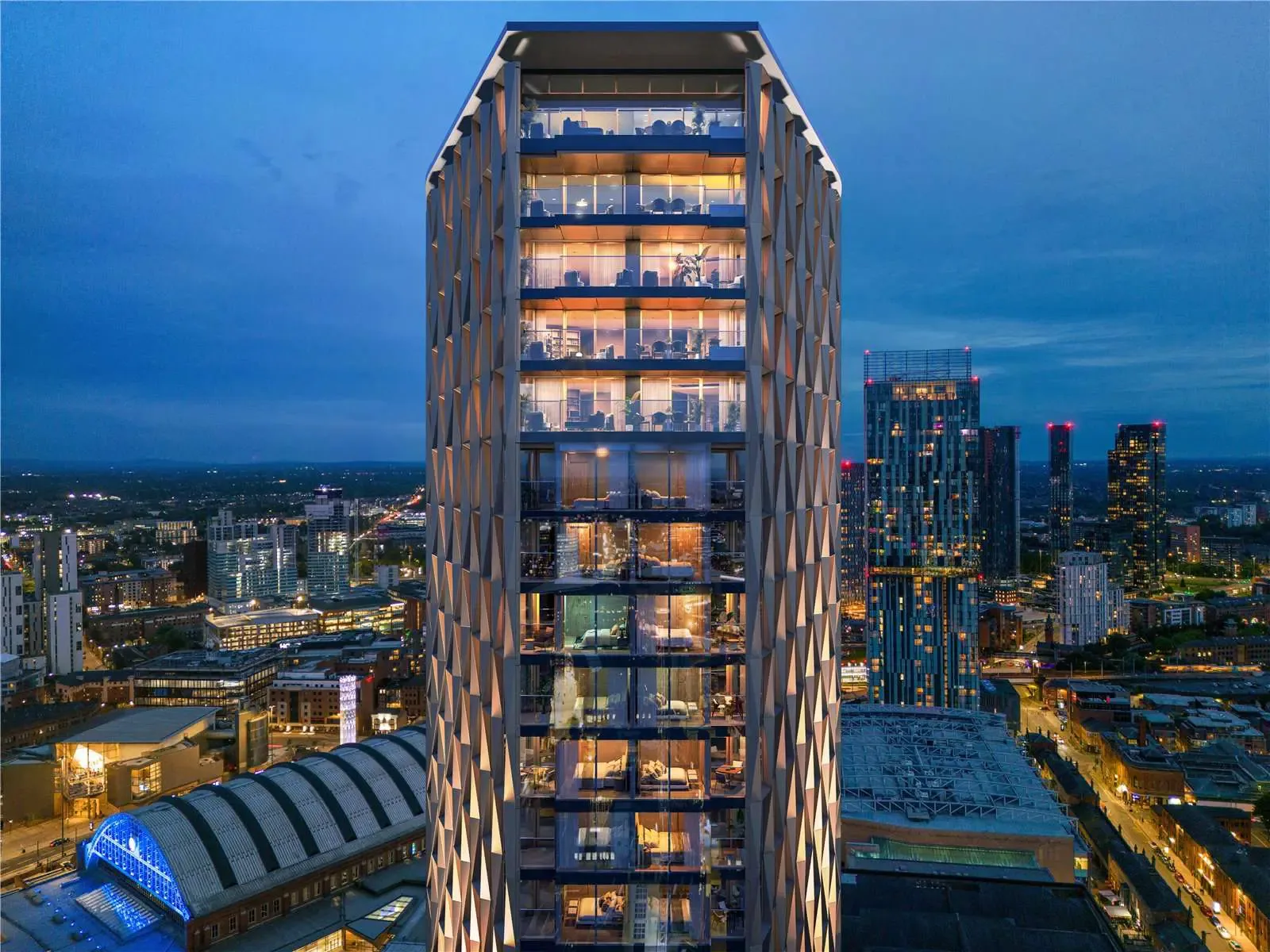
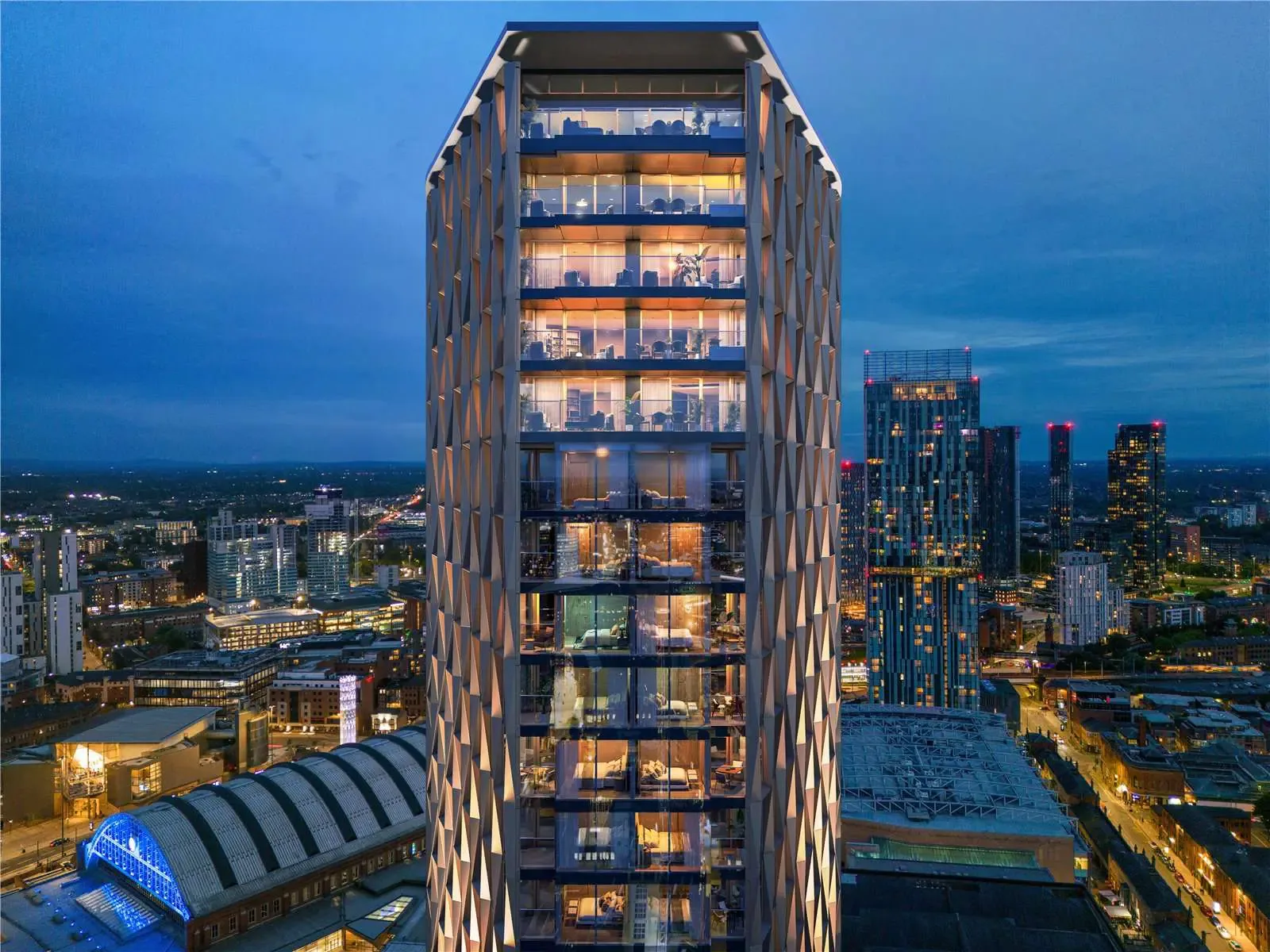
New-build in Castlefield proper is scarce. Most of the city's new high-rise supply is landing just outside its boundaries, on Great Jackson Street and along Deansgate. That is why a canal-side resale in the basin can hold its value through a cycle that hits newer, more crowded markets harder.
St John's and the next phase
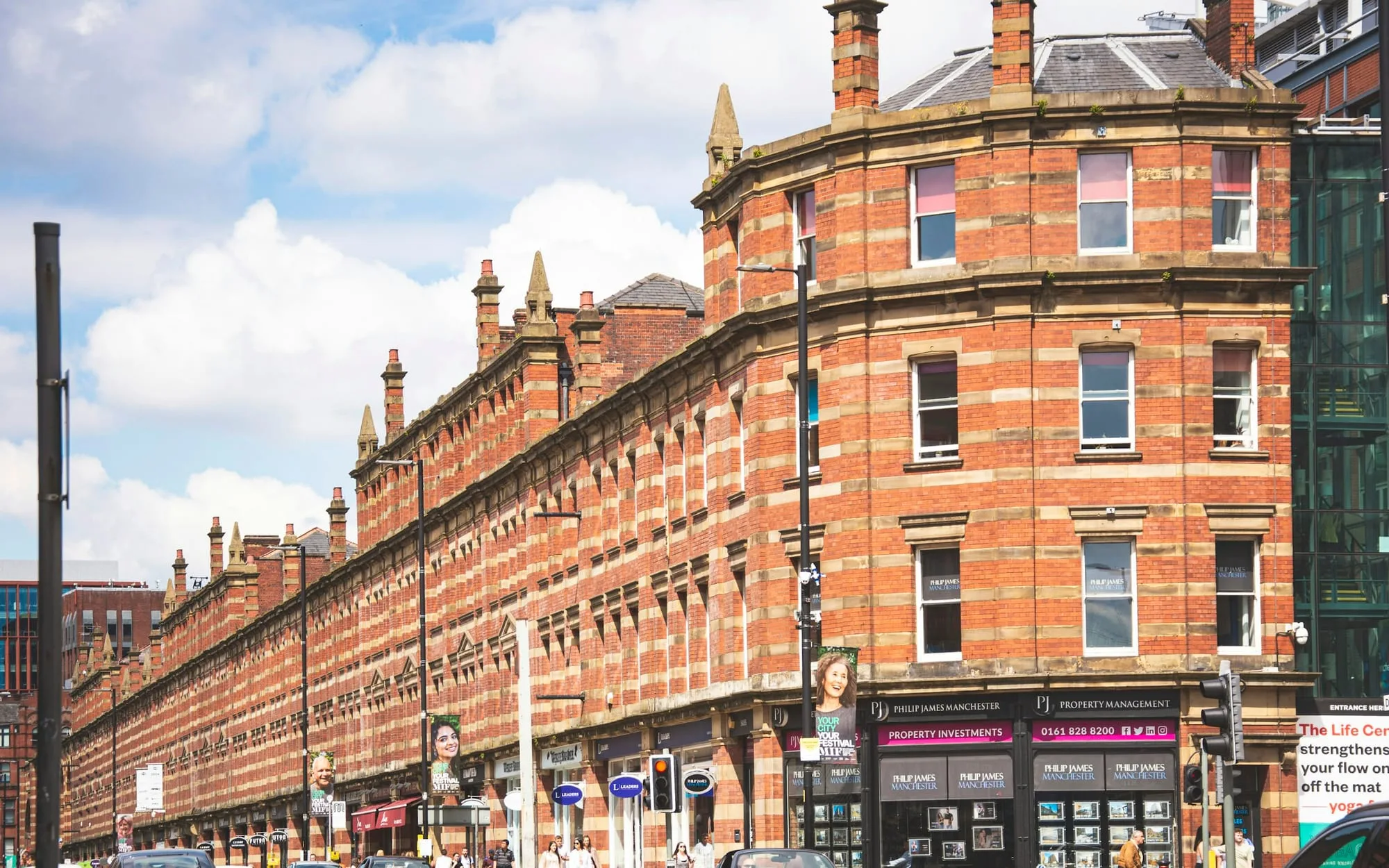
Castlefield itself will change slowly. Its growth comes from its neighbours.
To the north, St John's is being built out on the land around the former Granada Studios site. Aviva Studios, the home of Factory International and the Manchester International Festival, opened there in 2023, alongside offices, workspace and homes. As St John's matures, Castlefield becomes the established residential quarter next to one of the city's main cultural and creative districts.
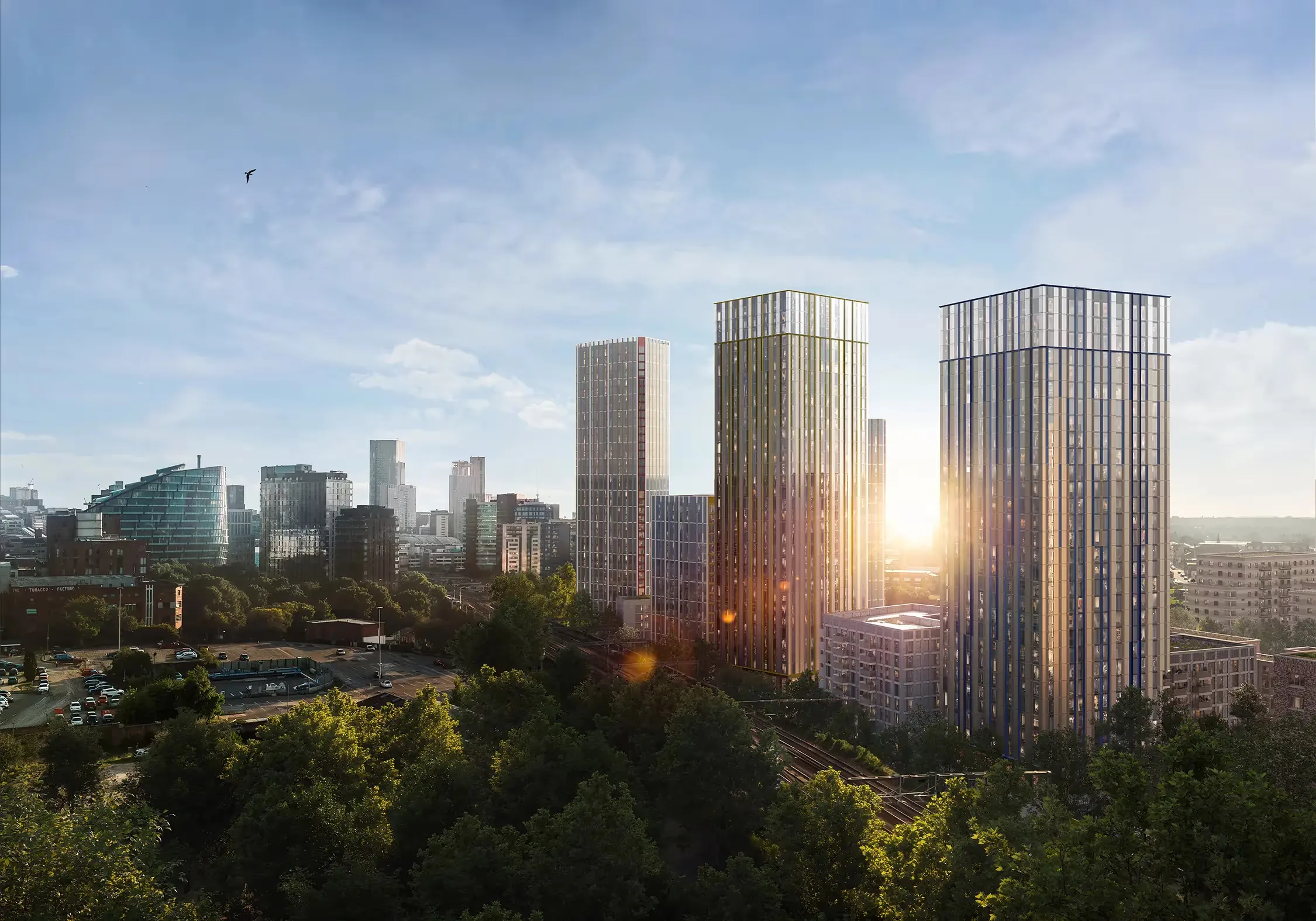
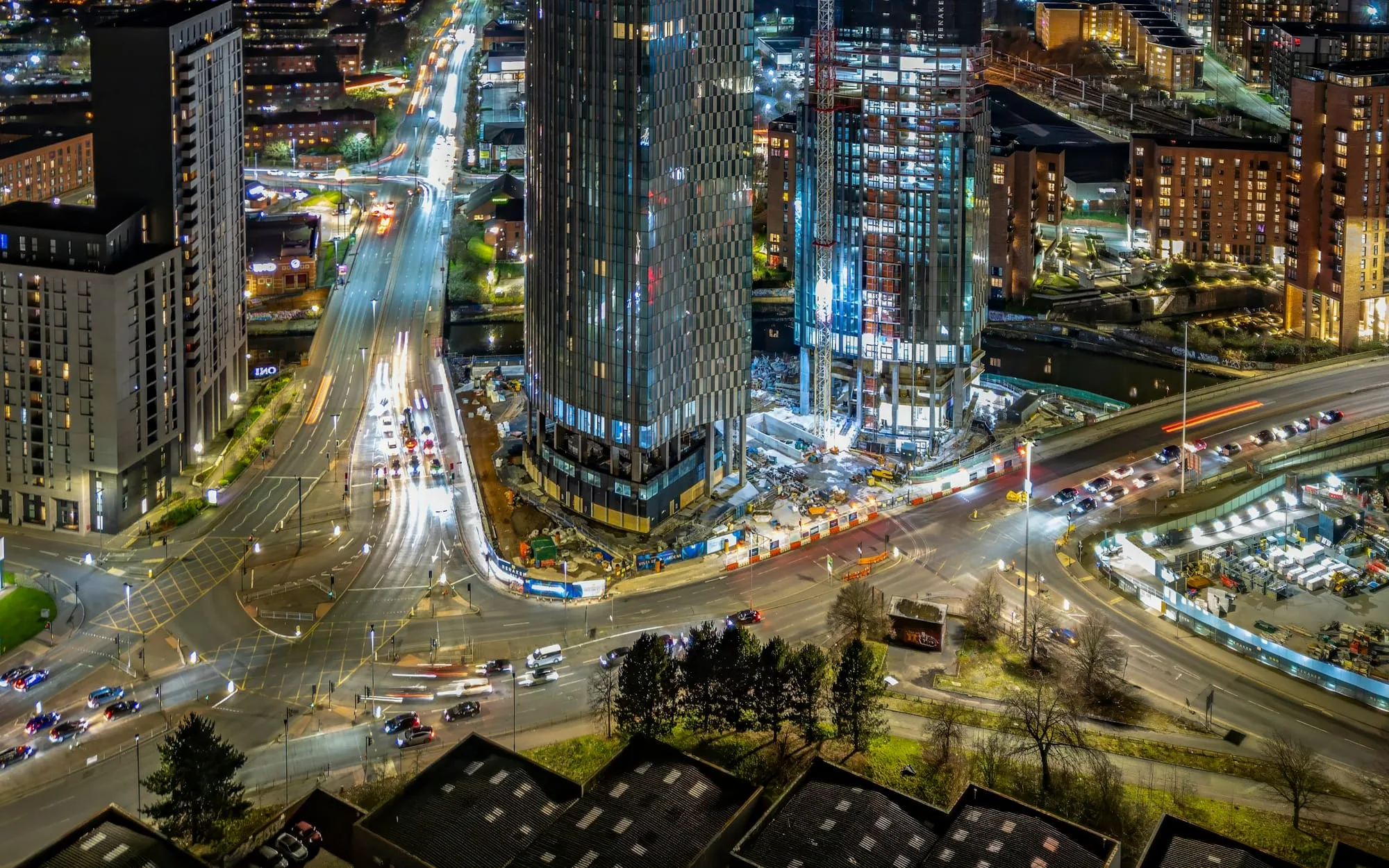
To the south-east, the tower cluster around Deansgate Square and Great Jackson Street has brought a large new resident population within walking distance, adding footfall to the bars and restaurants around the basin. The effect for an owner in Castlefield is positive: more amenity on the doorstep, with no extra supply inside the conservation area itself.
The trade-offs of a conservation area
- Lower yields. Buyers pay for scarcity and setting. If your target is maximum rental income, Castlefield will underperform newer, cheaper districts.
- Event and nightlife noise. Castlefield Bowl hosts outdoor concerts in summer, and the bars under the arches at Deansgate Locks trade late. Check aspect and glazing before you buy.
- Older buildings. Conversions and 1990s blocks need investment in lifts, roofs and services. Read the last three years of service charge accounts and the reserve fund position.
- Water-level risk. For ground-floor and basin-level units, check flood risk and buildings insurance terms.
See the Manchester guide · Manchester rental yields · Deansgate property guide
More in our Manchester guide and the United Kingdom investment guide.