

















Manchester guide
Deansgate property investment guide.
Manchester's main street and the tower cluster at its southern end, where the city's top rents are set. Who pays them, what the towers deliver and what the service charges cost you.
- Manchester's high-rise address: the towers at the southern end of Deansgate set the benchmark for premium rents in the city.
- Tenants are professionals and corporate lets who pay for amenity, height and a short walk to Spinningfields, St Peter's Square and First Street.
- Service charges and competing supply decide the net return. Choose the building as carefully as the street.
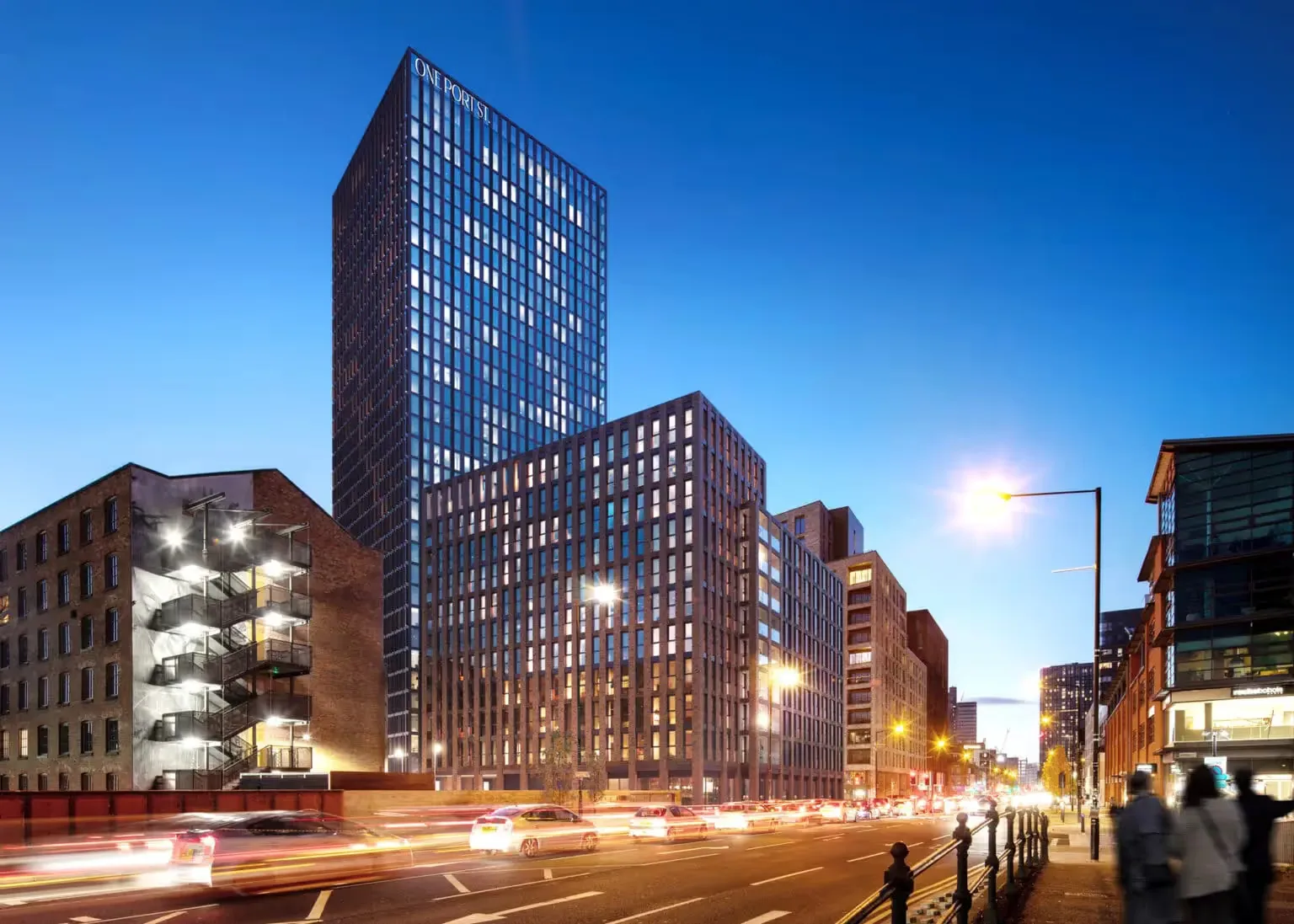
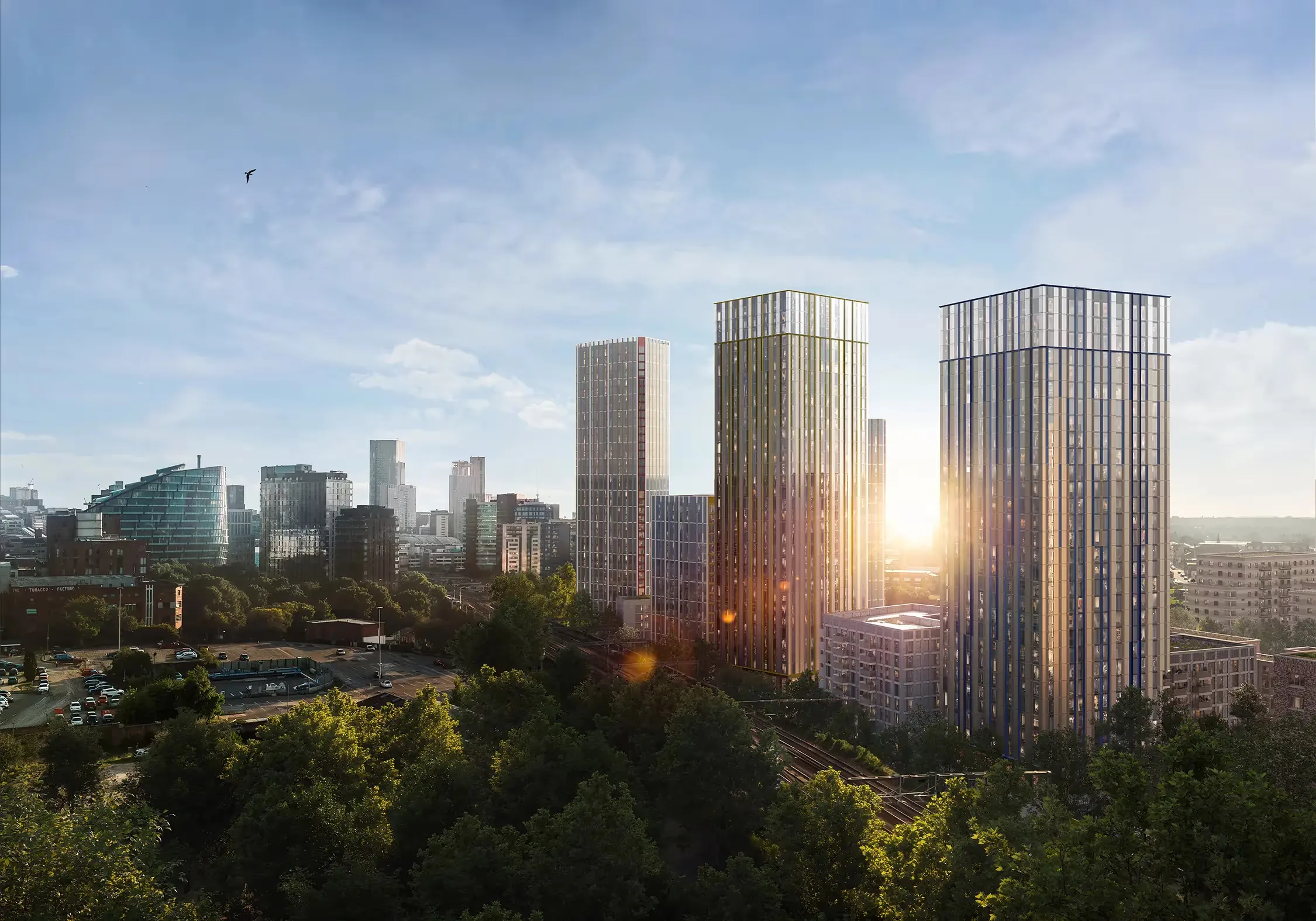
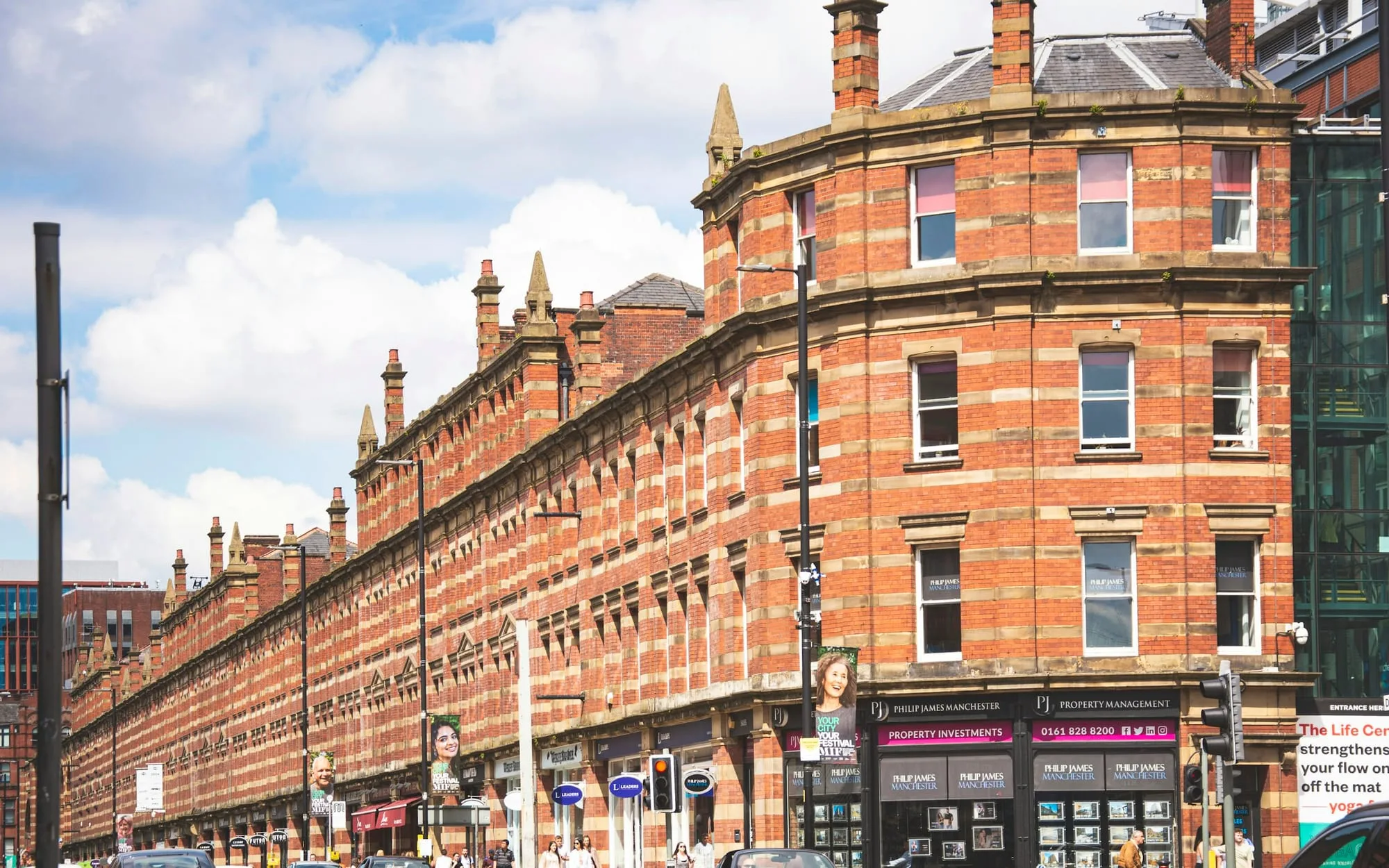
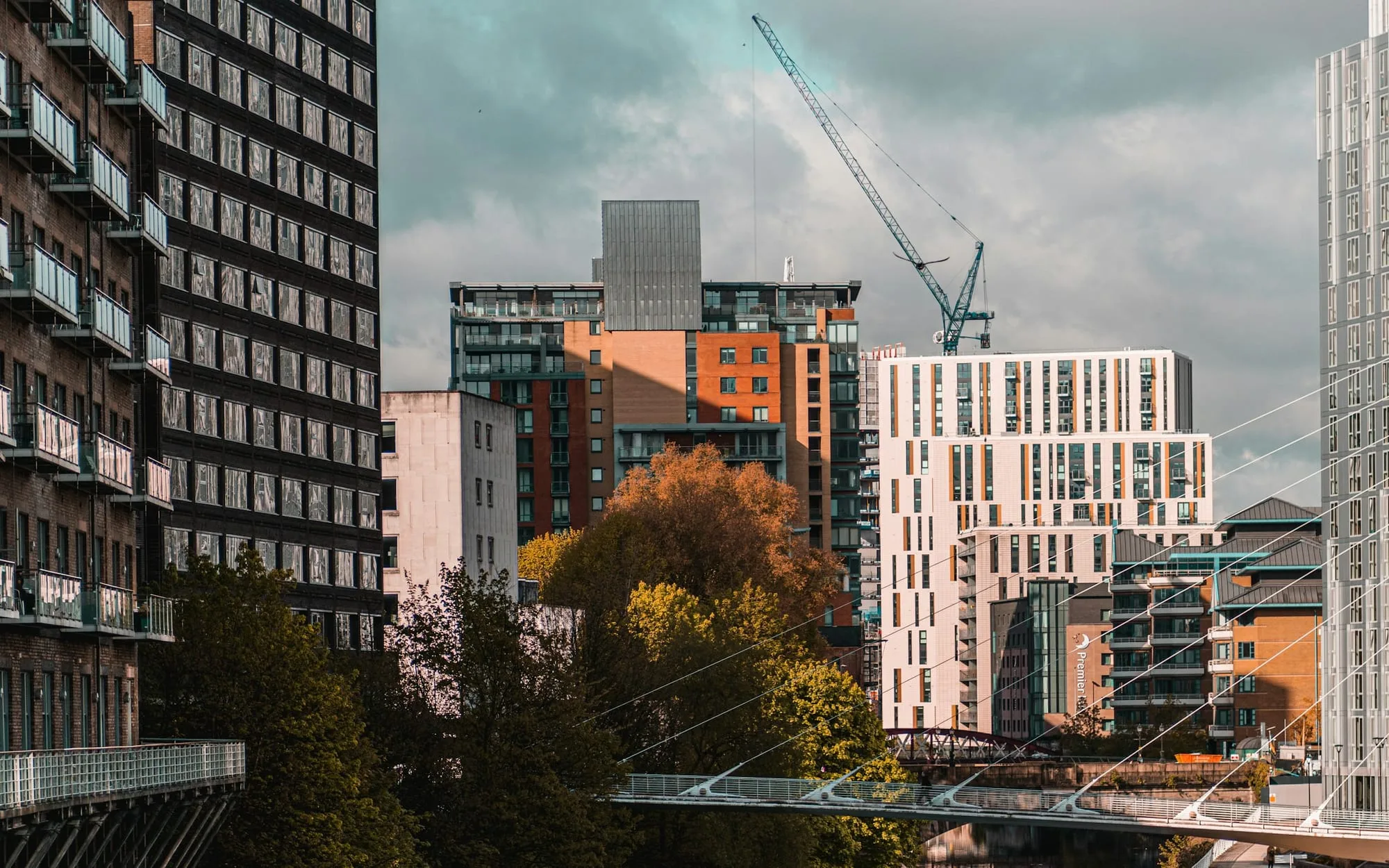
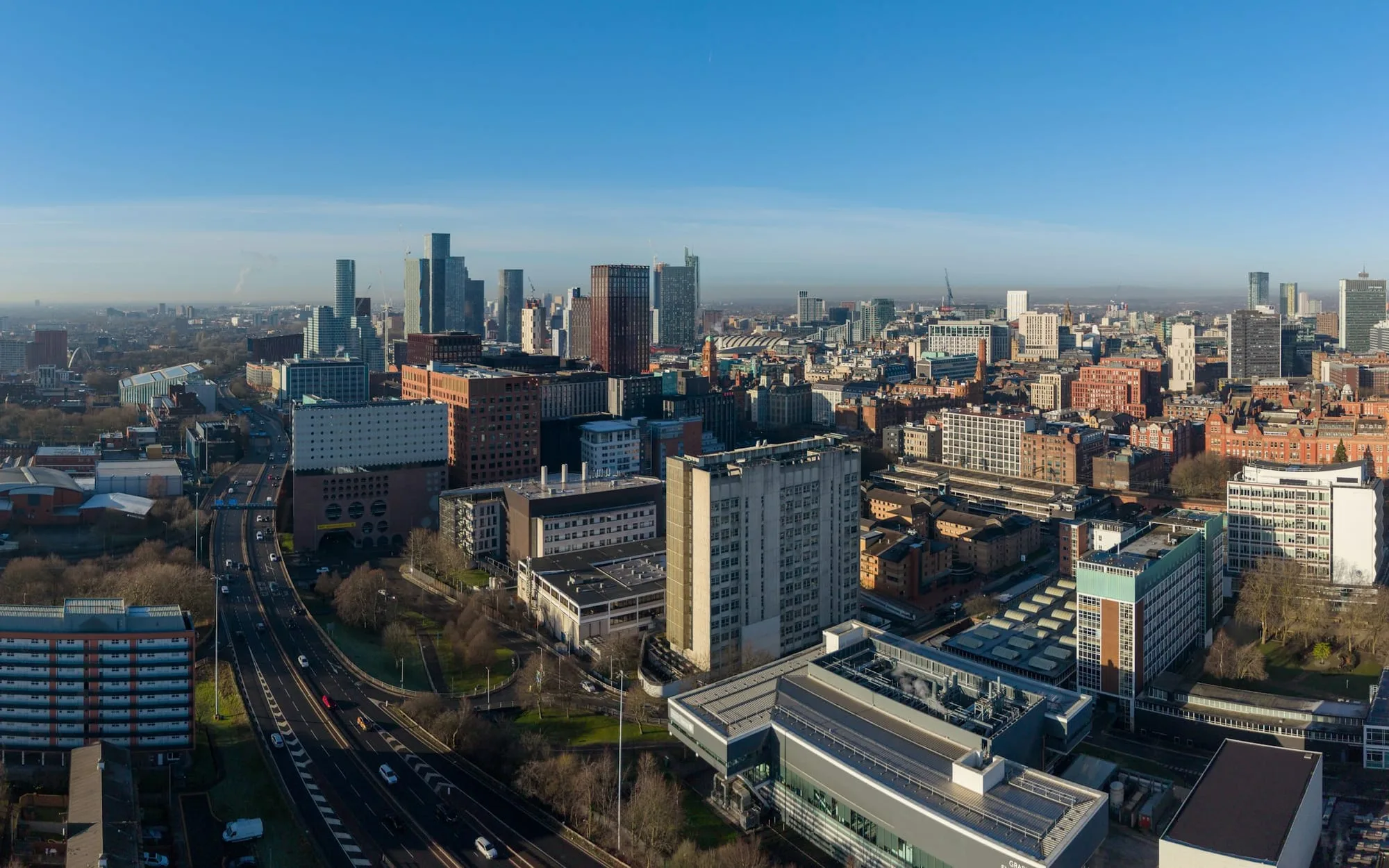
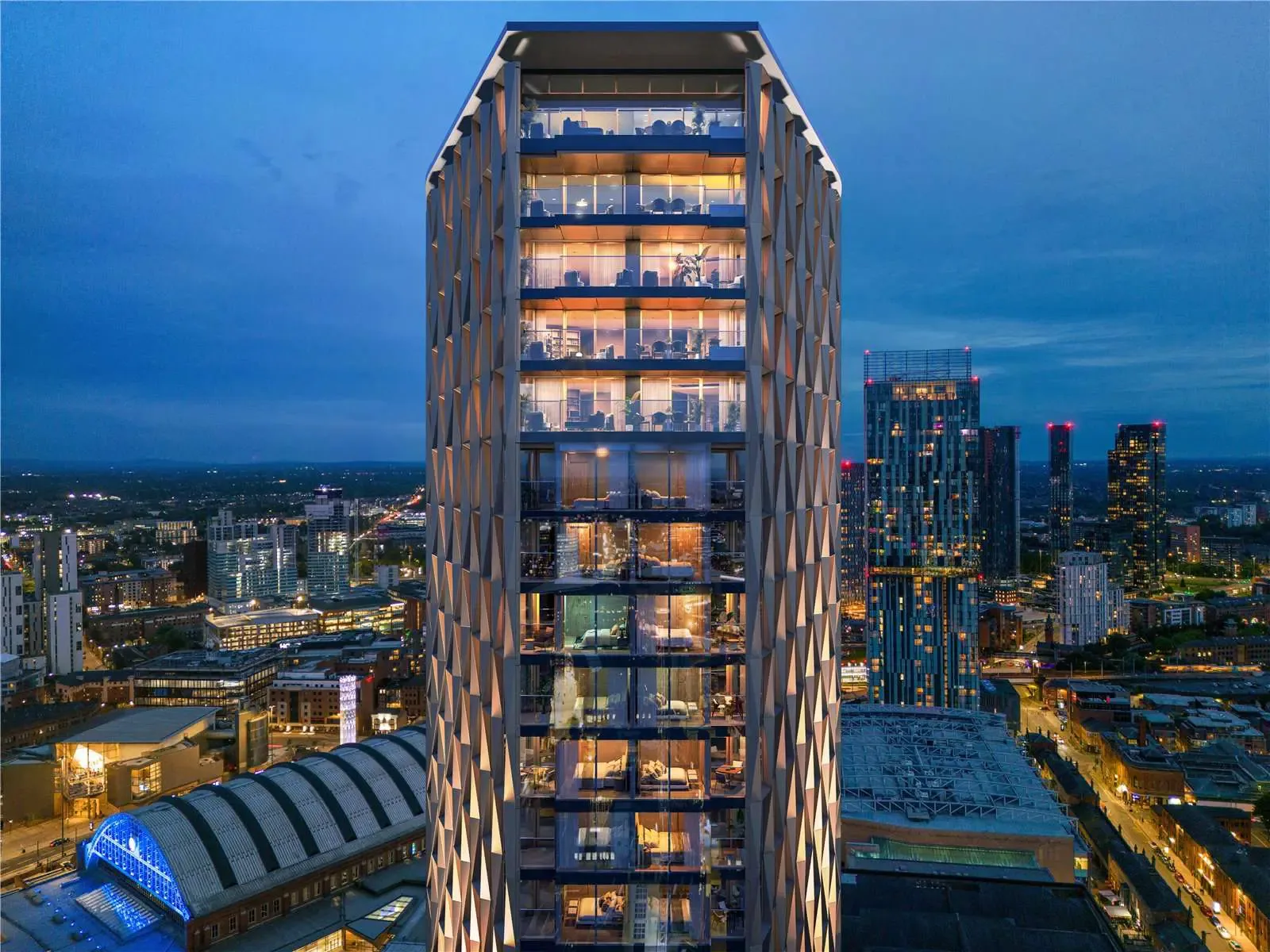
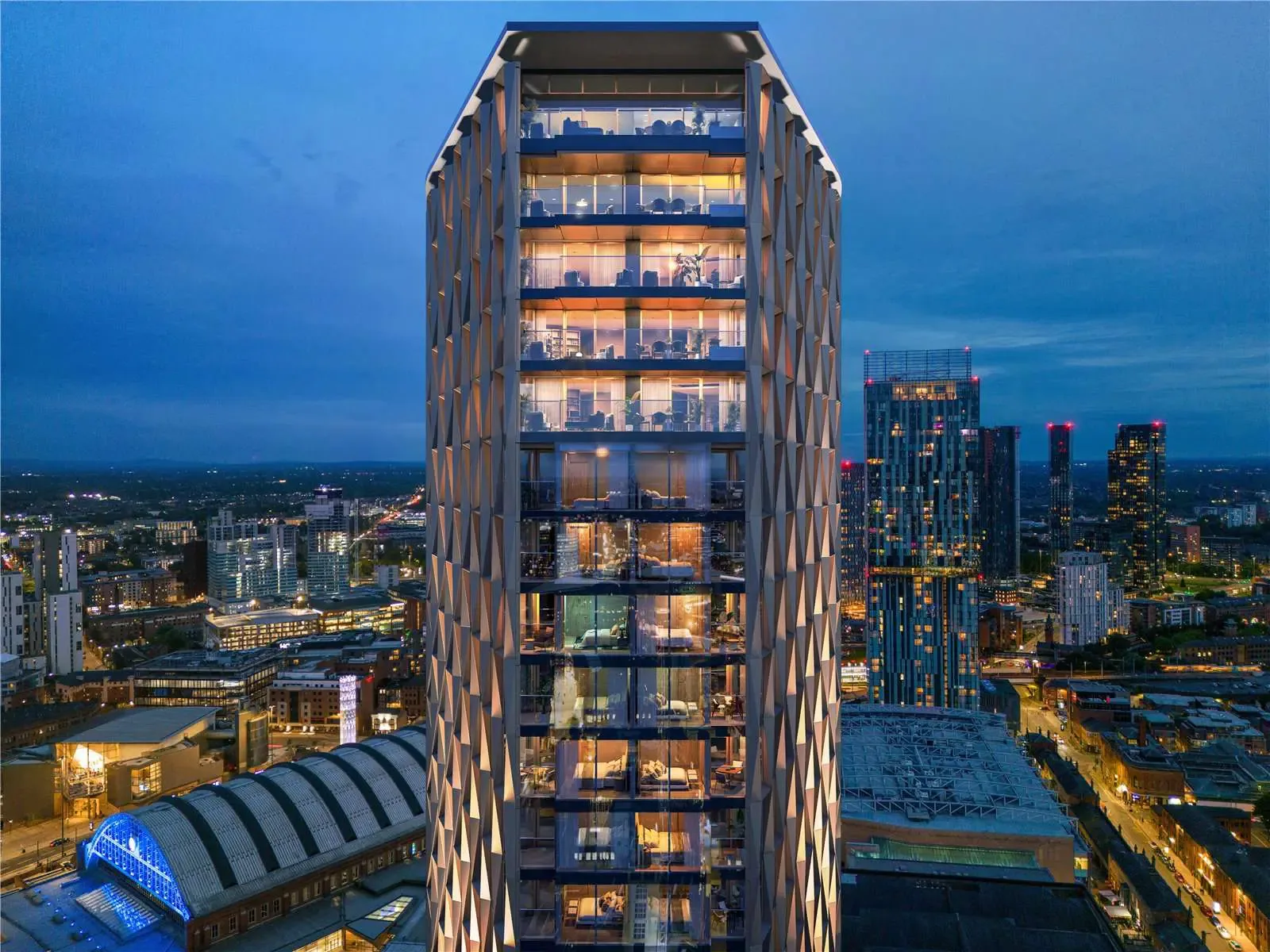
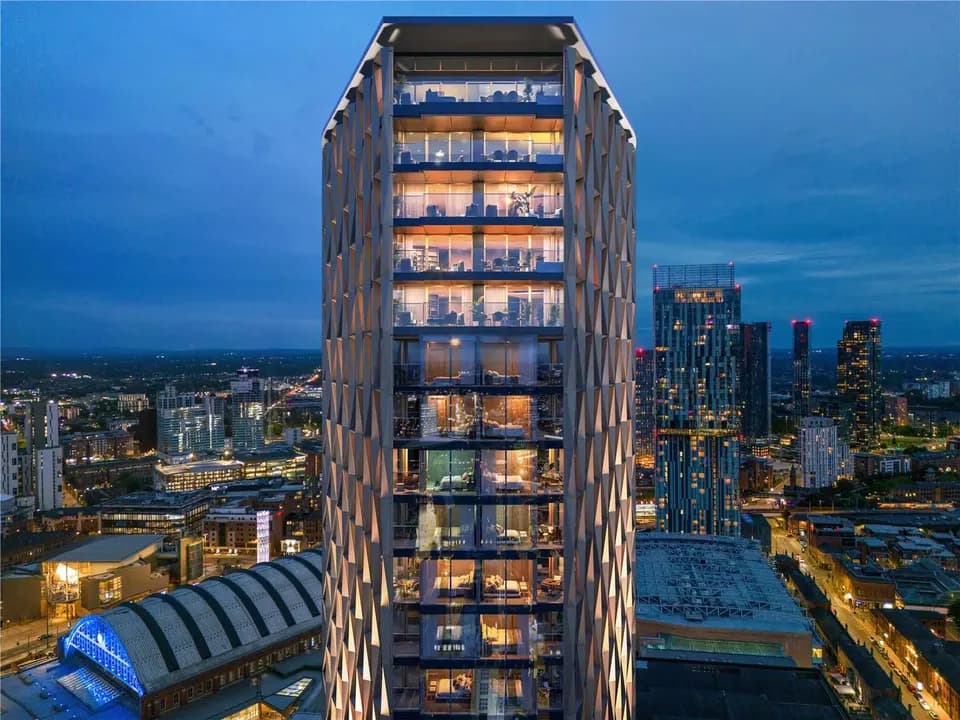
Deansgate runs for roughly a mile from Manchester Cathedral in the north to the railway viaducts at Castlefield in the south. It is the city's principal street. The John Rylands Library, the Kendals building, the Spinningfields office district and the restaurants off King Street all sit along its northern half. The southern half has changed fastest. Around Deansgate station, Great Jackson Street and the Mancunian Way, a cluster of residential towers has risen since the late 2010s, including Deansgate Square, among the tallest residential buildings in the UK outside London.
"Deansgate" now means two different products: a prestige address on the main street, and new-build high-rise at the southern gateway to the city. They let to similar tenants, but they carry very different costs.
The top of the rental market
This is the top of the Manchester rental market, and the tenants reflect it.
- Professionals in their late twenties and thirties. Lawyers, accountants, consultants and tech staff working in Spinningfields, around St Peter's Square and in the offices on First Street. Most walk to work.
- Corporate lets. Companies house relocating staff, contractors and secondees in furnished apartments, often on longer agreements with the employer paying. These tenants expect a hotel standard and tend to look after the property.
- Higher-earning sharers. Two-bedroom, two-bathroom apartments in the towers suit two professionals splitting a premium rent.
- International postgraduates. The universities on Oxford Road are a short walk east, and a share of tenants are postgraduate students with family backing who want a managed building.
Amenity is the product. Concierge, gym, residents' lounges, co-working space and views are what the rent pays for. A unit on a high floor with a clean, furnished finish lets at the top of the range. A low-floor unit facing the Mancunian Way does not.
Getting around
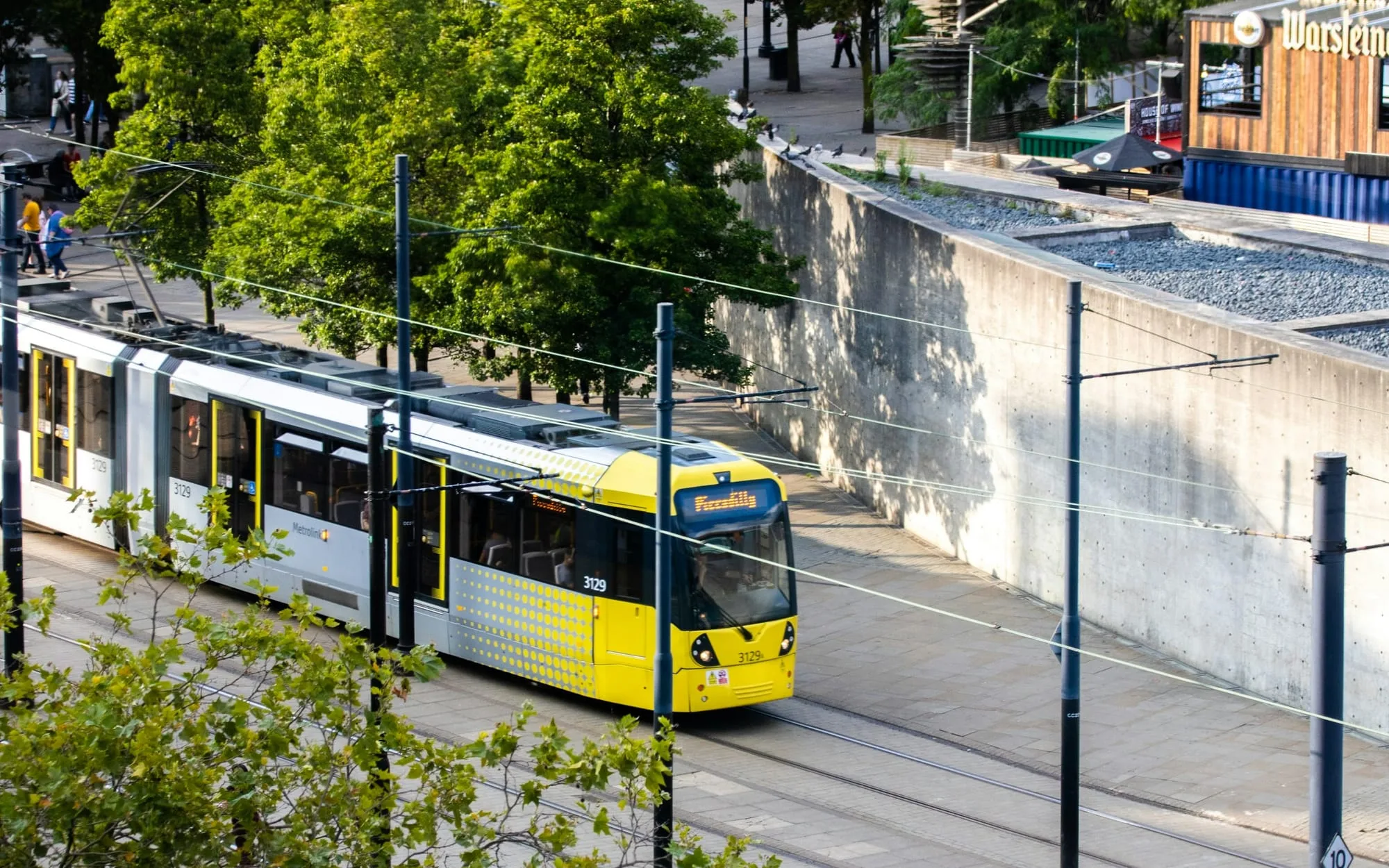
Deansgate is one of the best-connected addresses in the city. Deansgate rail station is linked by footbridge to the Deansgate-Castlefield Metrolink stop, which serves every line through the city centre. St Peter's Square is one stop away, Oxford Road station is a short walk, and rail services from Deansgate run towards Manchester Airport, Warrington and Liverpool. For corporate tenants who travel, that matters.
First Street, just south of Whitworth Street West, has added offices, a hotel, restaurants and HOME, the arts centre that opened in 2015. It gives the southern end of Deansgate the daytime footfall a residential cluster needs.
Towers, period blocks and off-plan
Type | Typical buyer | What to watch |
|---|---|---|
Apartments in the new towers | Investors targeting premium rents | Service charge per square foot, amenity running costs, build-to-rent competition in the same cluster |
Period and mid-rise apartments on the main street | Owner-occupiers and long-hold landlords | Street noise, older services, lease length |
Off-plan in the next towers | Investors buying at launch pricing | Completion date, payment schedule, how many towers complete in the same year |
Tower apartments trade at a premium to the city-centre average, and rents are among the highest in Manchester. The question is what is left after costs. Two units with the same rent can produce very different net returns once the service charge, lease terms and furnishing are counted.
Great Jackson Street and the next phase
The towers at the southern end were planned under a city council framework for the land between Deansgate, the Mancunian Way and Hulme. Early buyers carried the risk of an unfinished place: tall buildings with little at street level. That is changing. Each new phase adds ground-floor shops, cafés and public space, and the area is filling in towards Castlefield on one side and First Street on the other.
The growth case now is less about being early and more about the neighbourhood maturing. As the streets between the towers become a place people choose to walk through, resale values become less dependent on the next launch. Further towers are planned, so this remains an active market for off-plan buyers, but timing matters: buying into a tower that completes alongside two or three others means competing for the same tenants on day one.
The cost of living high
- Service charges. Concierge, gyms, residents' lounges and high-rise maintenance put these buildings at the top of Manchester's service charge range. Model your net yield on the latest budget, not the launch estimate.
- Supply concentration. Several towers can complete in the same window, and build-to-rent operators can offer incentives a private landlord cannot match. Check the pipeline before you reserve.
- Building safety. Buildings of 18 metres or seven storeys and above are higher-risk buildings under the Building Safety Act 2022 and must be registered with the Building Safety Regulator. Ask for the registration and the safety case documents before exchange.
- Resale in large towers. When a building has hundreds of near-identical units, your resale competes with your neighbours'. Floor, aspect and layout decide liquidity.
- Lender appetite. Some lenders limit exposure to a single high-density block, which can narrow the pool of mortgage buyers when you sell.
See the Manchester guide · Manchester rental yields · Off-plan property for sale in Manchester
More in our Manchester guide and the United Kingdom investment guide.