



Manchester guide
Old Trafford and Trafford Wharfside property investment guide.
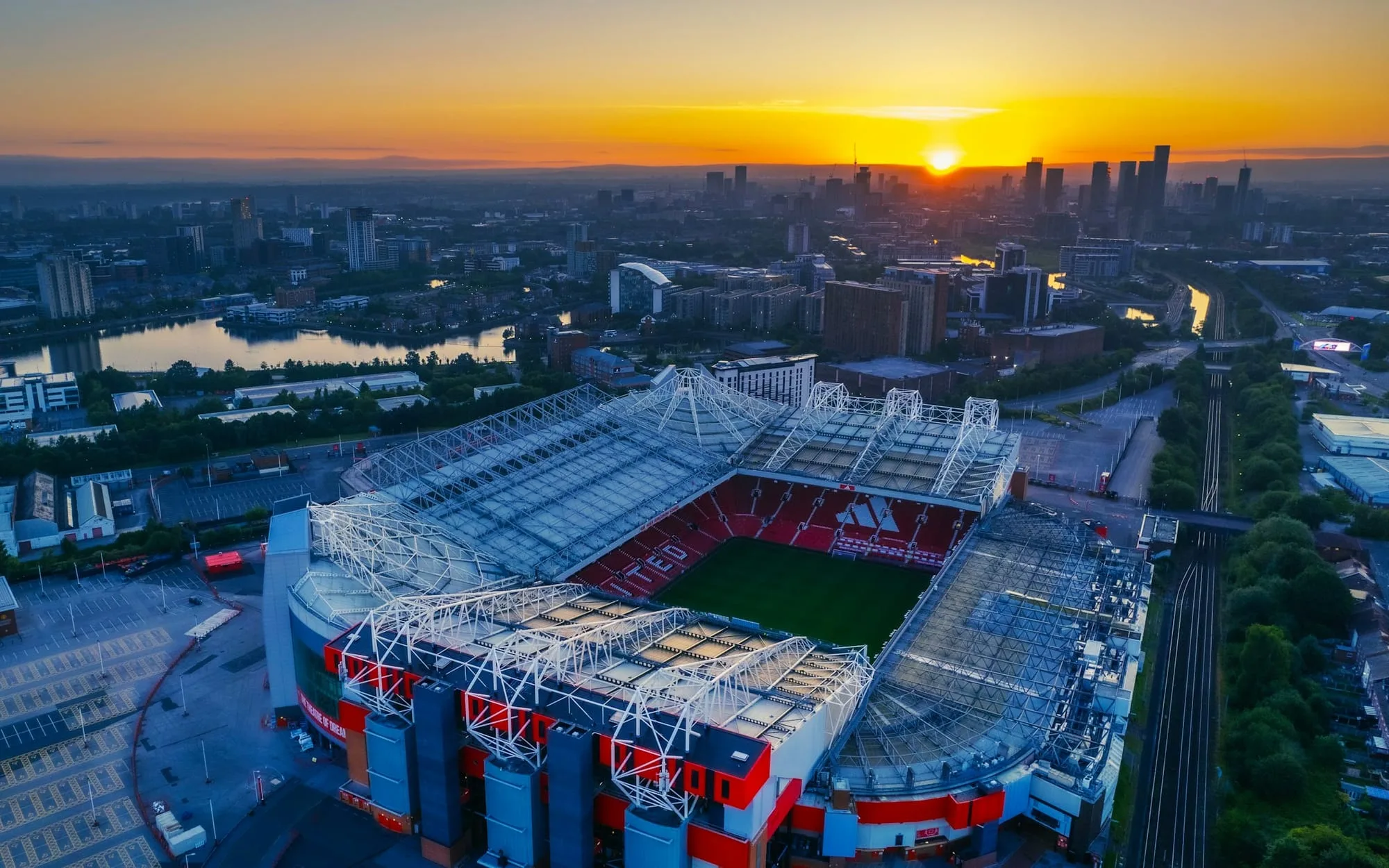
The district around Manchester United's ground, now the subject of one of the largest regeneration plans in the north. An early-stage play: more upside, more risk.
- Manchester United has announced plans for a new 100,000-seat stadium at the centre of a wider regeneration of the surrounding district.
- A dedicated development corporation now exists to deliver it, with Trafford Council and the Greater Manchester Combined Authority behind it.
- Much is still at planning stage. Buyers here are taking an early position, with the risk and the upside that come with it.
Old Trafford has two famous grounds, a ship canal, several Metrolink lines and, until recently, very little residential investment for an area so close to the city centre. That is about to change. In March 2025 Manchester United announced plans for a new 100,000-seat stadium beside the existing ground, as the centrepiece of a much wider regeneration. In January 2026 Trafford Council and the Greater Manchester Combined Authority launched the Old Trafford Regeneration Mayoral Development Corporation, chaired by Lord Coe, to deliver it across a regeneration area of around 370 acres. This is the earliest-stage play in the Manchester market: the plan is public, the delivery body exists, and most of the work is still ahead.
Between the Quays and the stadium
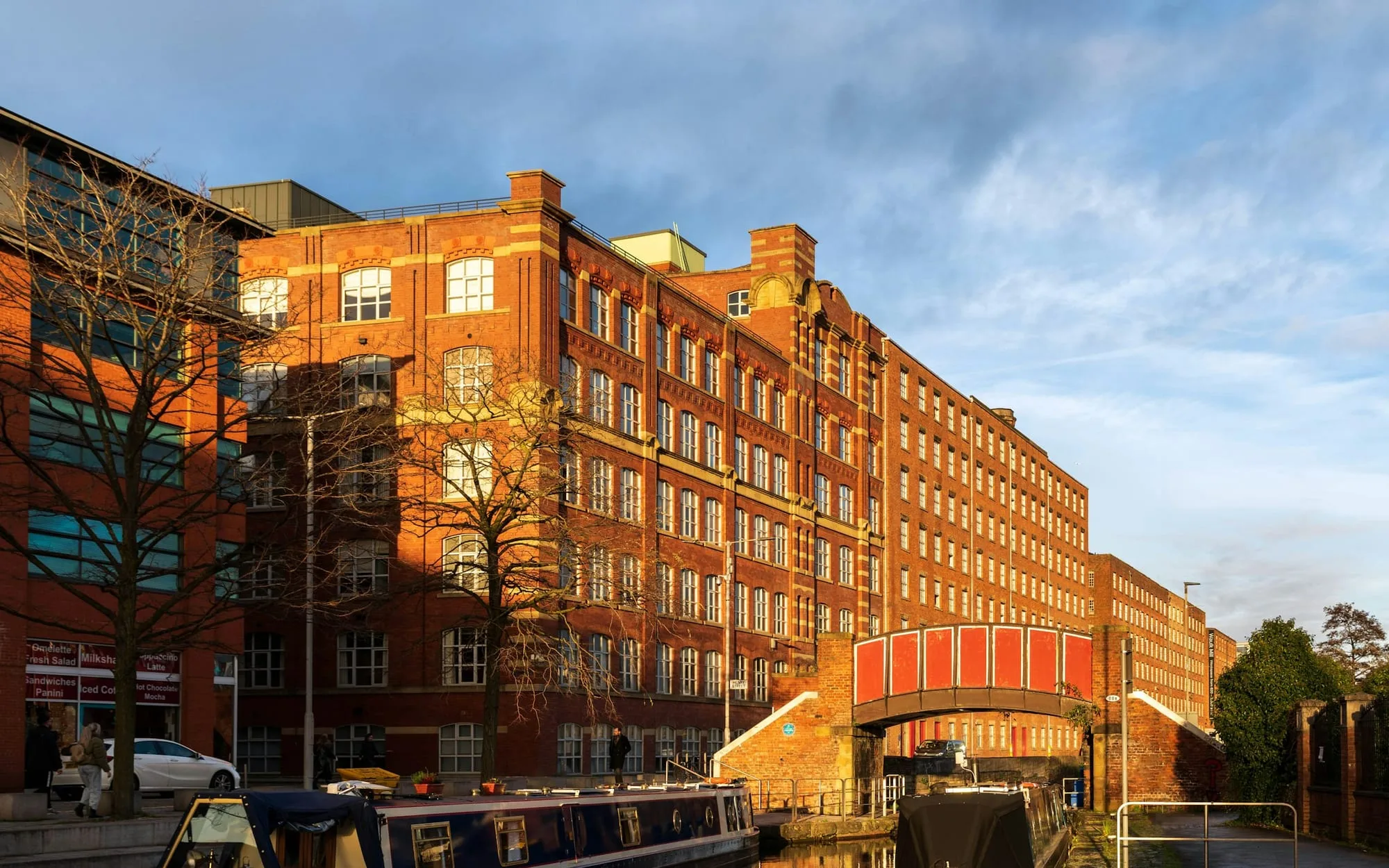
Old Trafford is in Trafford, south-west of the city centre, between the Bridgewater Canal and the Manchester Ship Canal. Manchester United's ground sits between the two canals. Lancashire Cricket's ground is a short walk south, beside the Metrolink.
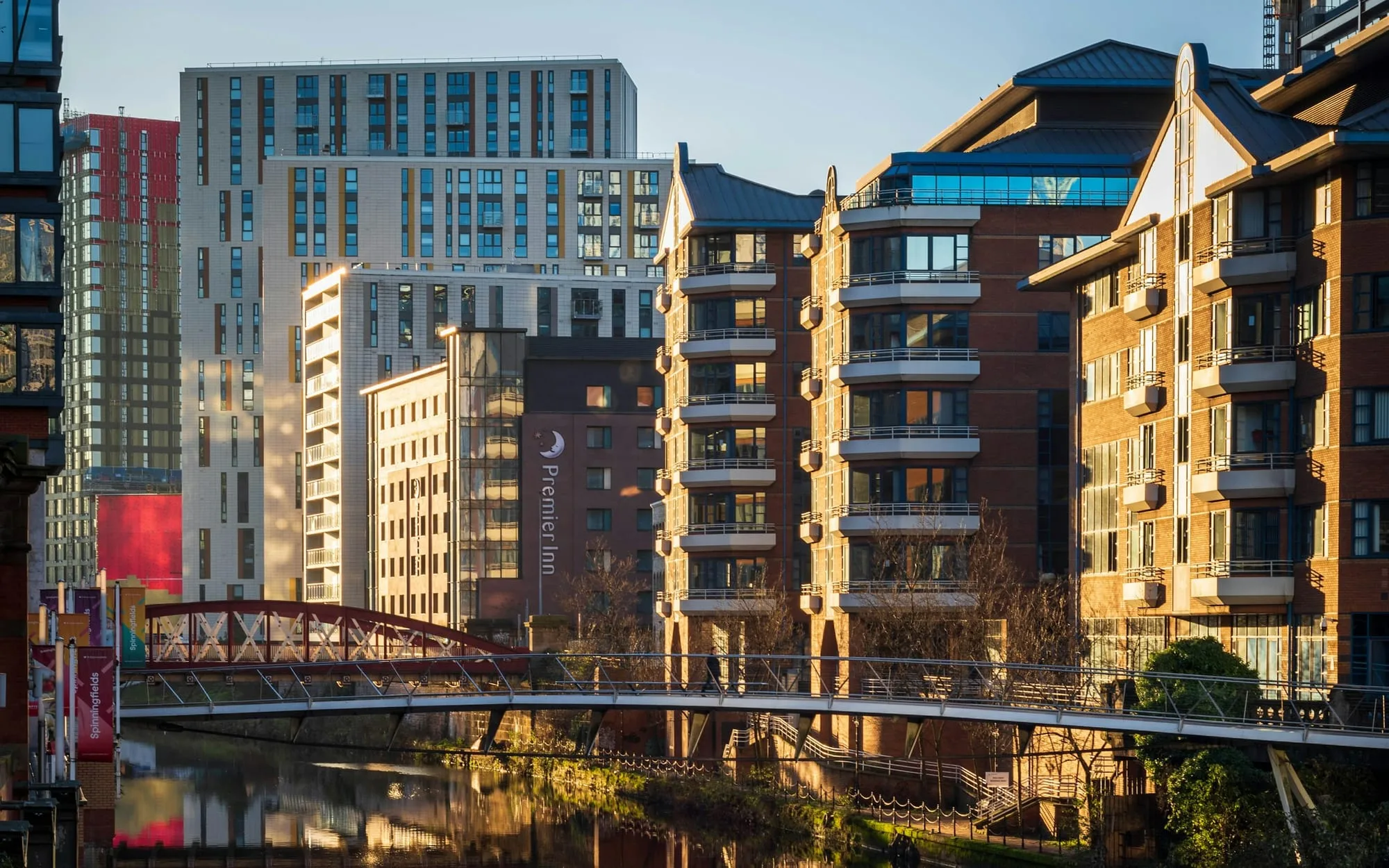
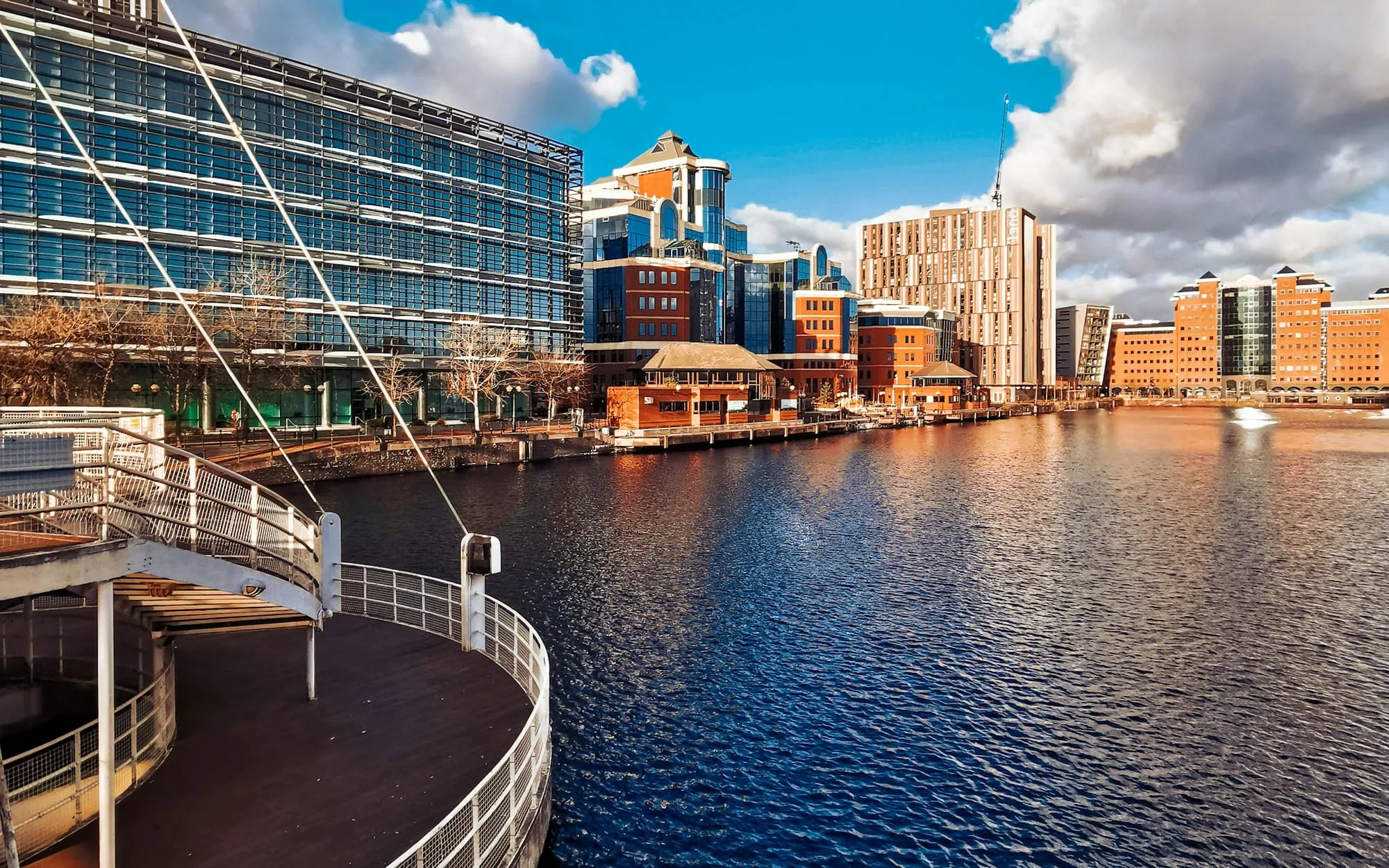
Trafford Wharfside runs along the ship canal opposite Salford Quays and MediaCityUK, with the Imperial War Museum North on the Trafford bank. Pomona, the strip of former dockland where the Bridgewater Canal meets the ship canal, links the area back towards Castlefield and the city centre.
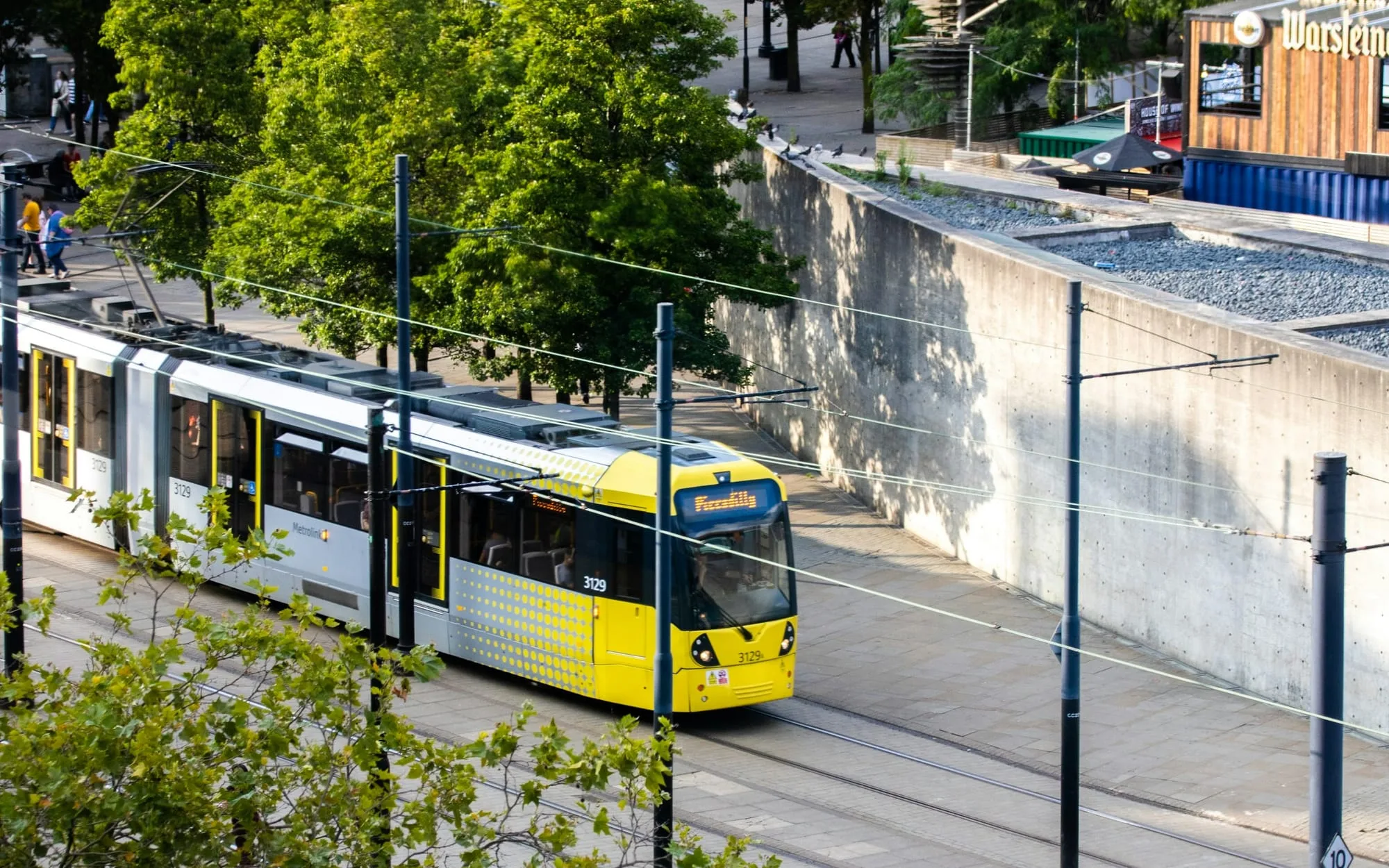
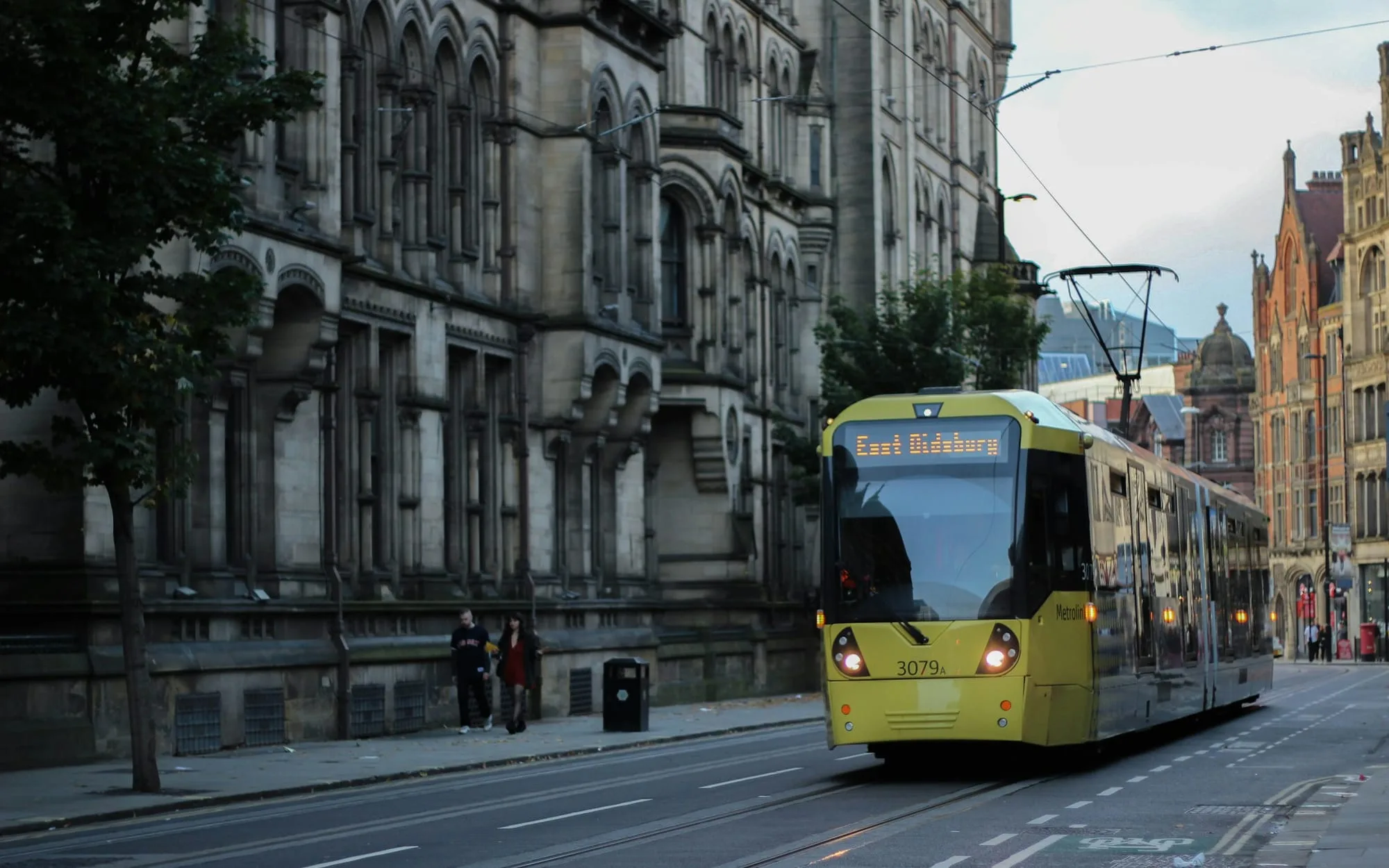
Transport is already strong. The Altrincham line stops at Old Trafford, by the cricket ground. The Eccles line calls at Pomona and Exchange Quay, and the Trafford Park line branches off at Pomona to serve Wharfside and the Imperial War Museum. Deansgate is a few stops away.
The plan
Trafford Council has prepared a draft masterplan for Wharfside covering the new stadium, new homes, transport and public space, and the development corporation now leads delivery. Consultation on the draft closed on 22 September 2026, with adoption due in the autumn; it places the stadium in the second phase, 2031 to 2035. Its status is tracked on the Old Trafford scheme page. The stadium itself is the club's to finance and build. The wider district around it depends on land assembly, planning decisions and public investment in transport and infrastructure.
What is fixed and what is not:
- Fixed: the club's stated intent to build a new stadium, the existence of the development corporation and its leadership, and political backing at local, regional and national level.
- Still to come: detailed planning permissions, land acquisition, the timetable for the stadium and the phasing of the homes around it.
That gap is the opportunity and the risk.
The tenant base today
Today's tenant base is a mix of young professionals priced out of Castlefield and Salford Quays, staff at MediaCityUK, Trafford Park and the city centre who value the Metrolink, and students at the colleges and universities within a tram ride. Event-day demand adds a short-let element around the grounds.
As the regeneration lands, the profile should move towards the one Salford Quays has today: professionals choosing a waterside apartment with a tram into town.
For lettings, that means:
- Proximity to a Metrolink stop matters more than anything else. Market the minutes to Deansgate and MediaCityUK.
- One- and two-bedroom apartments are the core product. Two-bed, two-bath layouts suit sharers.
- Event days are a factor, for good and bad. Check building rules before relying on short lets.
What Old Trafford offers today
Type | Typical buyer | What to watch |
|---|---|---|
Existing apartments near Wharfside and Exchange Quay | Investors seeking income now | Older stock, service charges, building safety paperwork |
New-build around Pomona and the canals | Investors positioning ahead of the regeneration | Completion date, link to Castlefield, competing new supply |
Off-plan in the regeneration area | Long-horizon investors taking early risk | Planning status, land assembly, phasing of the stadium and infrastructure |
Prices in Old Trafford and Wharfside generally sit below Salford Quays and Castlefield. The discount reflects an area that has not yet been transformed. If the plan is delivered, that discount is what narrows.
From plan to delivery
The growth case is simple. A new stadium, a new district around it and public investment in transport would change Old Trafford's standing in the city. Salford Quays, directly across the ship canal, shows what waterside regeneration with a major anchor can do for values over time.
The risk case is equally simple. Large stadium-led schemes are complex, expensive and slow. Timetables slip, phasing changes and the homes around a stadium can take far longer than the stadium itself.
Treat Old Trafford as a long hold with a specific thesis, sized as part of a wider Manchester portfolio, not as a core position.
Why this is a ten-year hold
- Delivery risk. Much of the regeneration is still at planning stage. Do not price your purchase as if it is finished.
- Timing. Construction of a new stadium and the district around it will take years. Rental growth may lag the headlines.
- Event-day disruption. Match days and concerts bring crowds, road closures and noise. Some tenants will not mind; others will.
See the Manchester guide · Manchester regeneration areas · Salford Quays property guide
More in our Manchester guide and the United Kingdom investment guide.