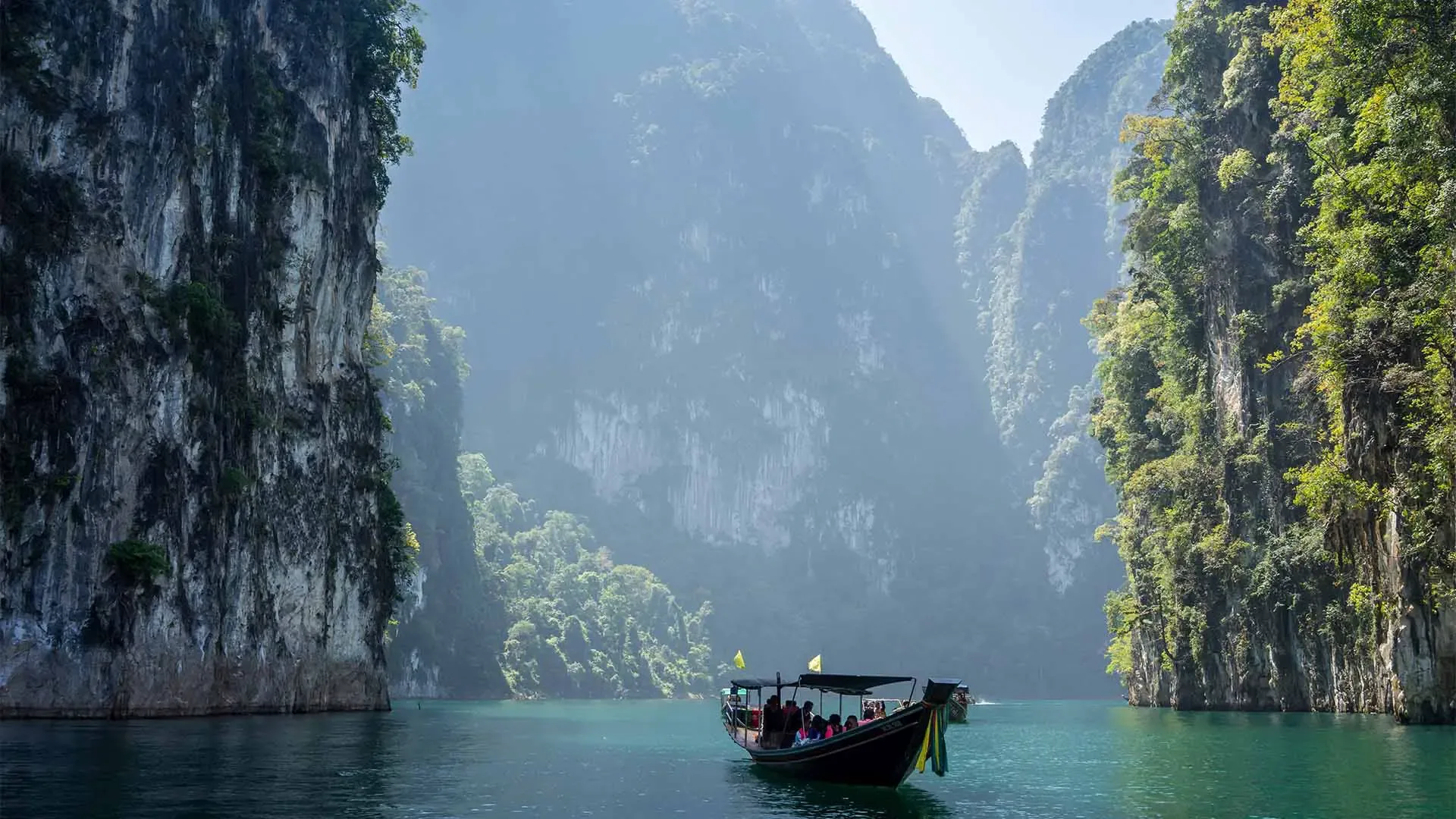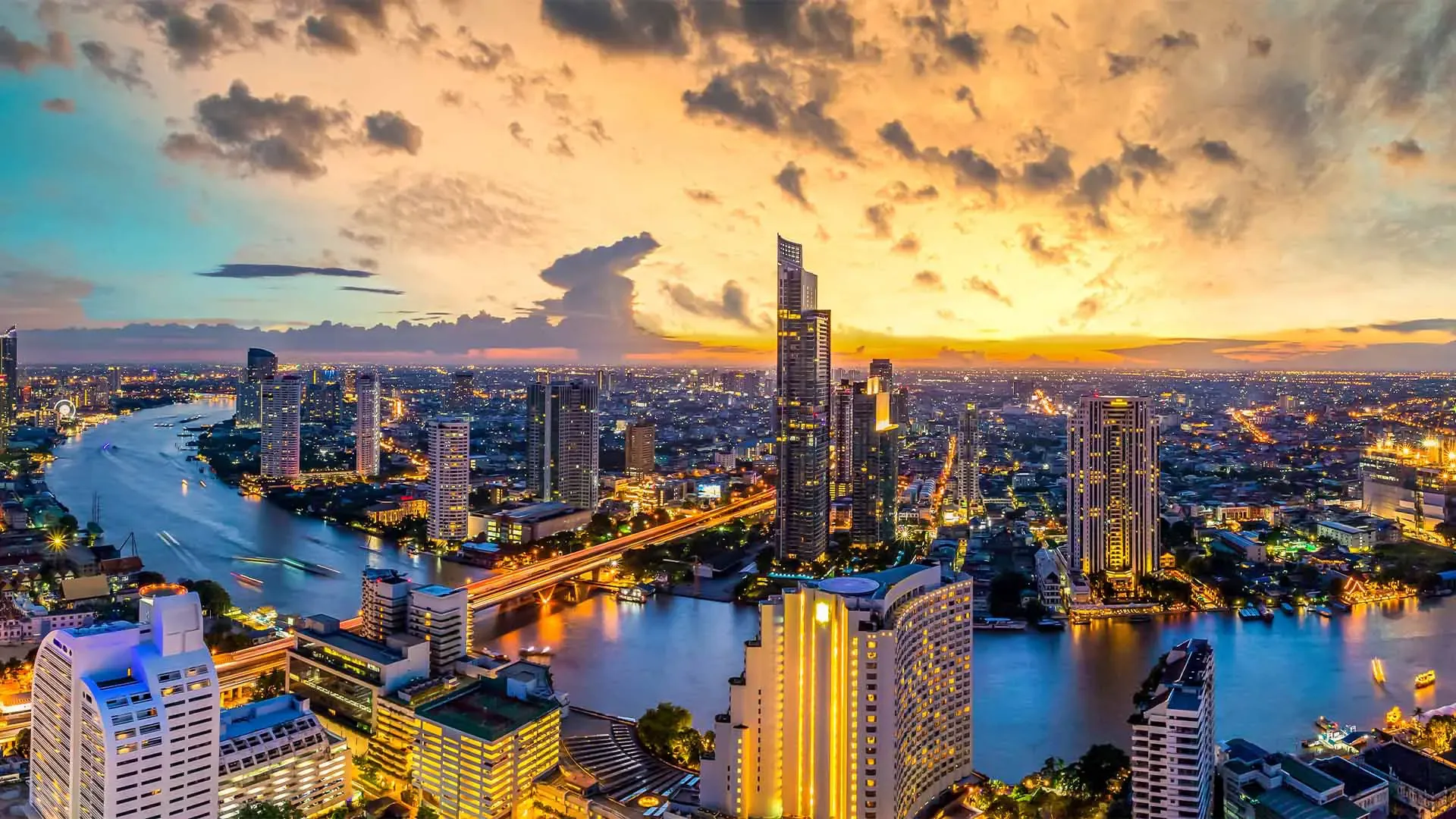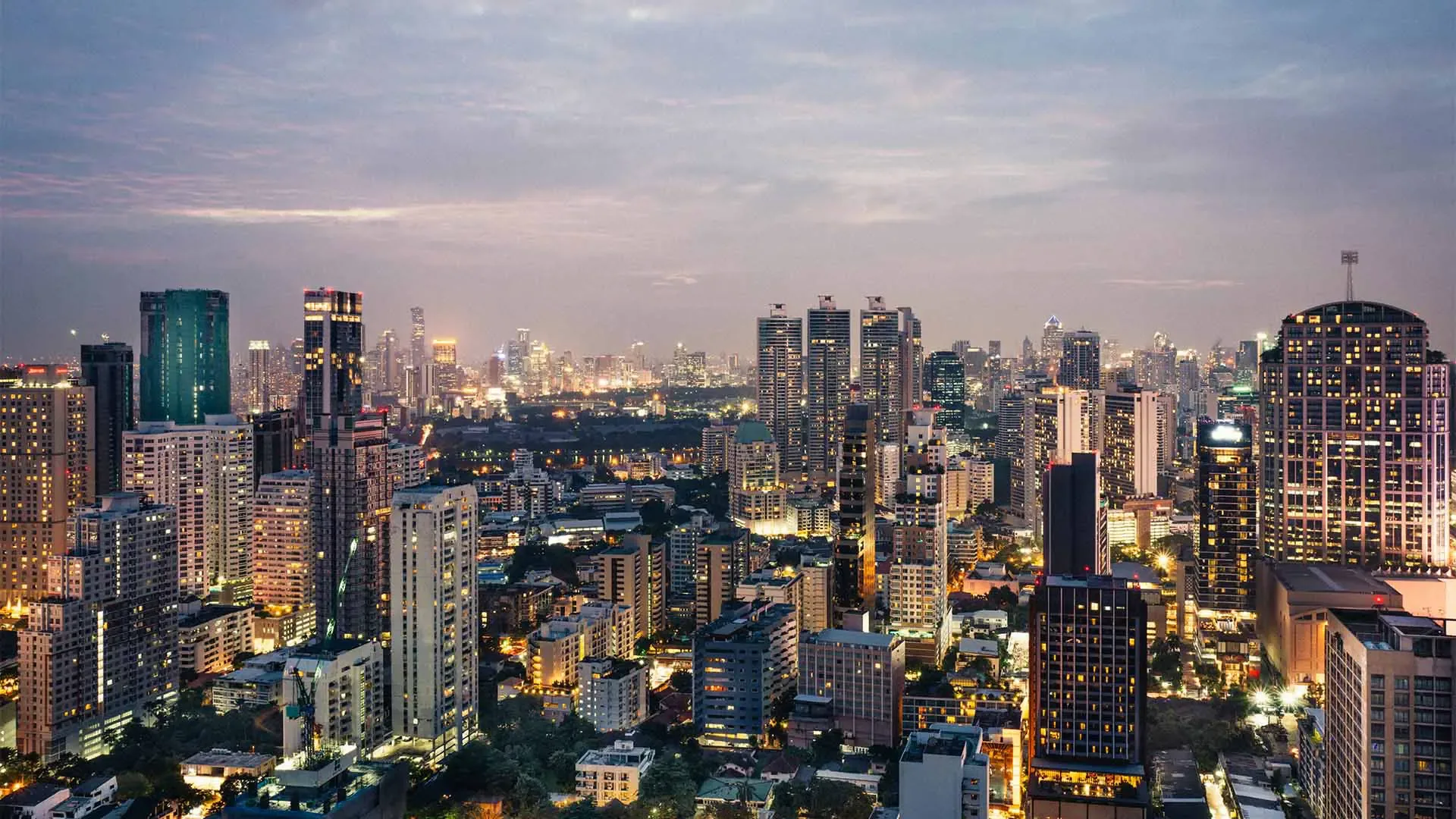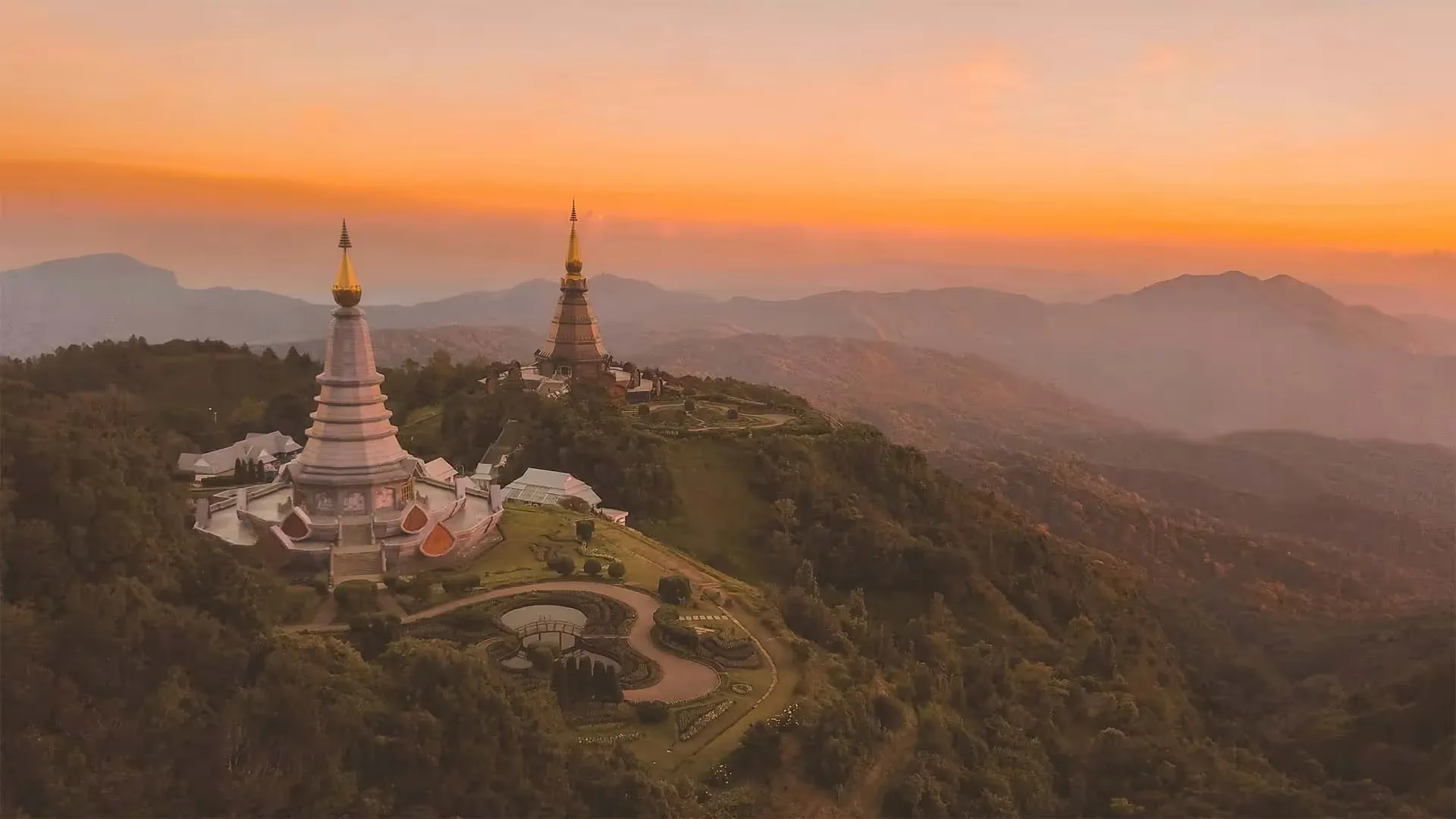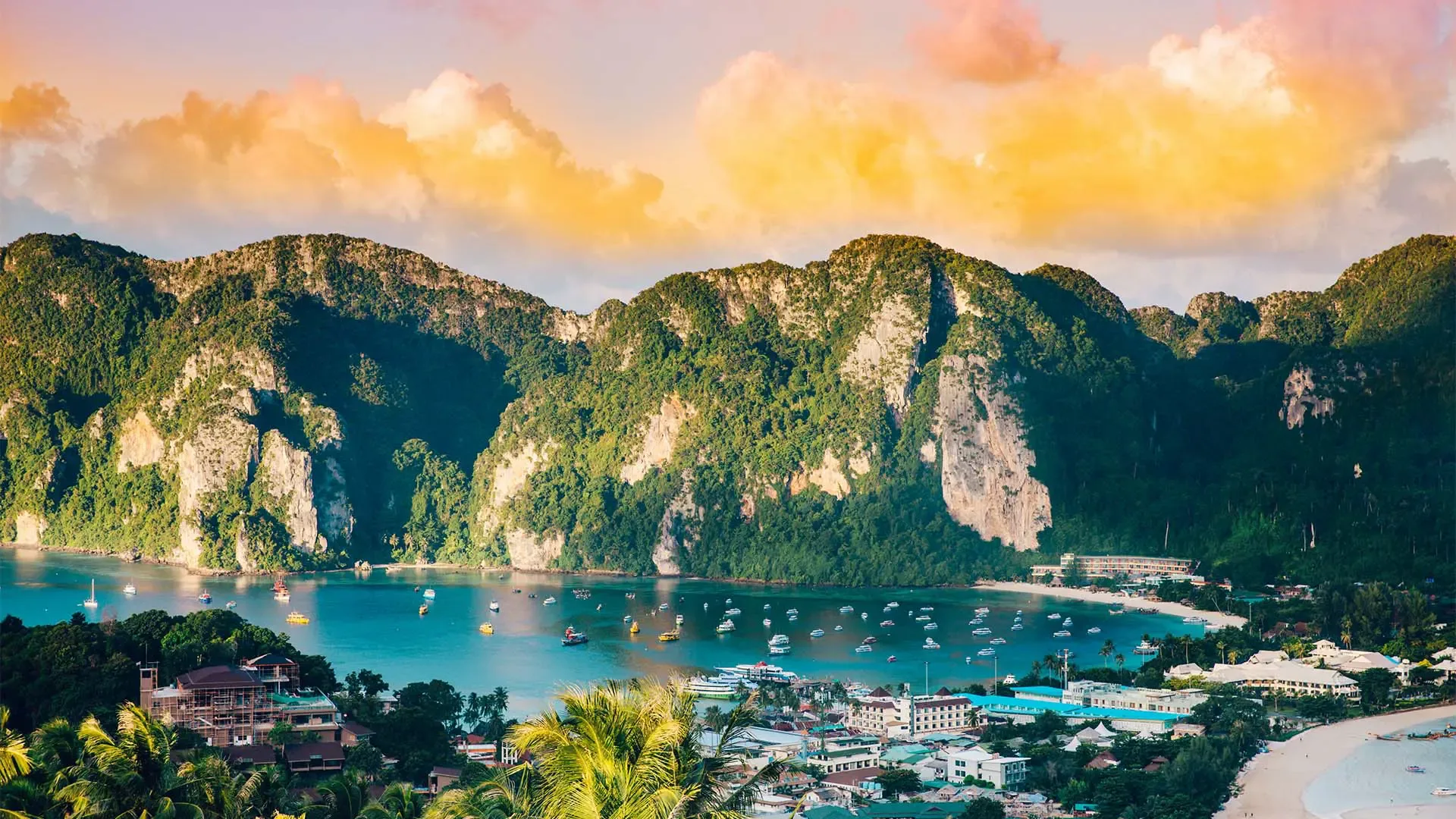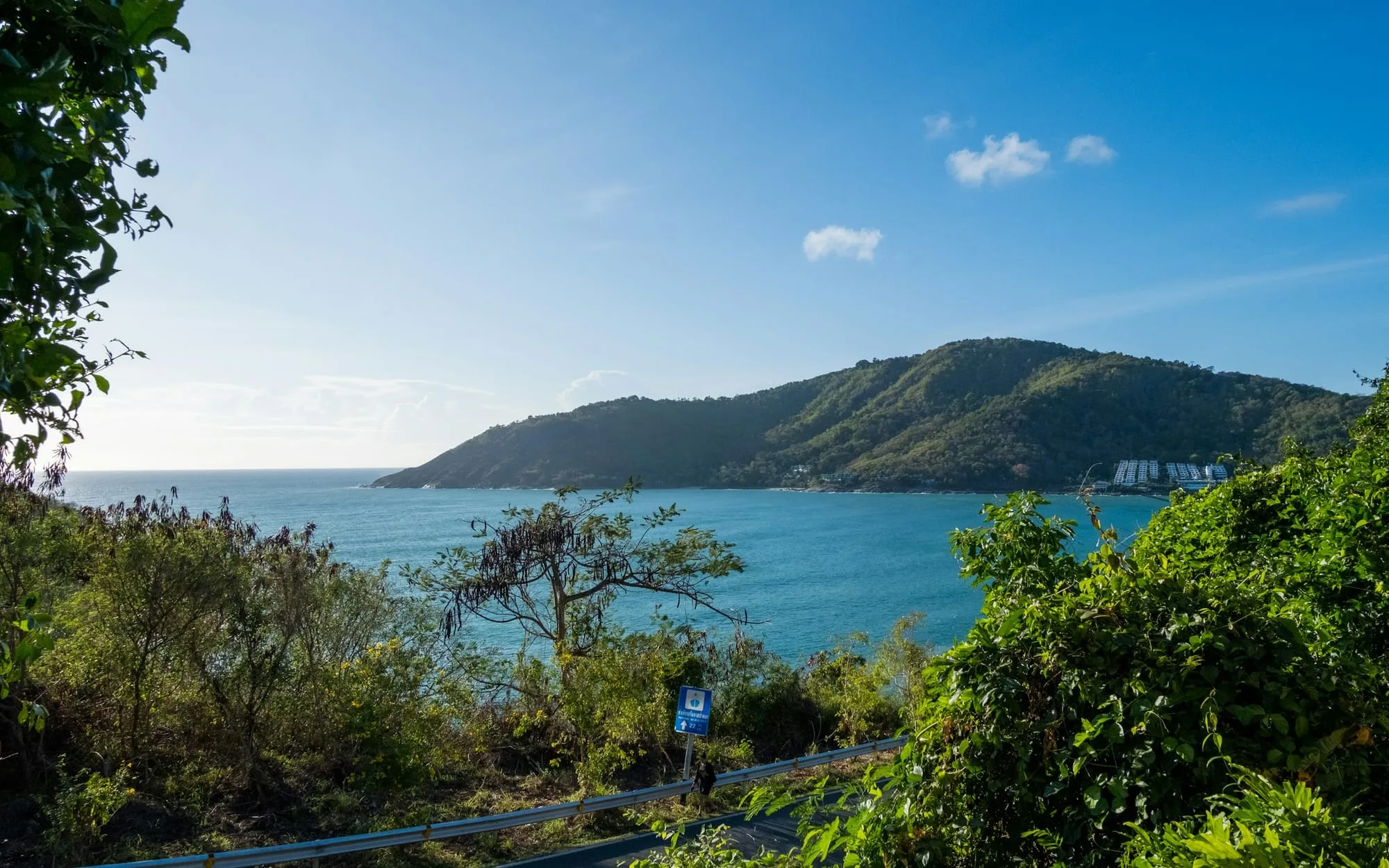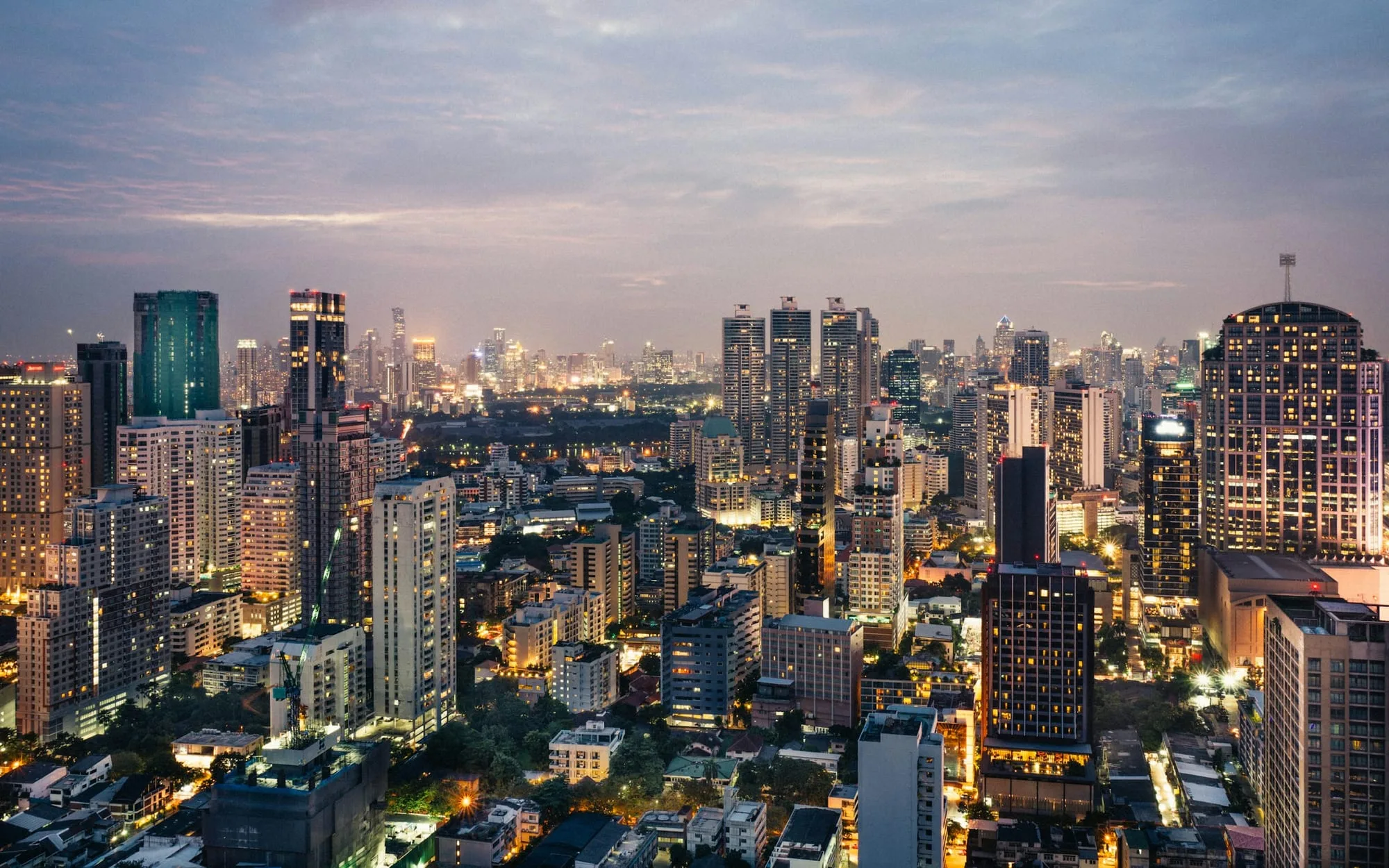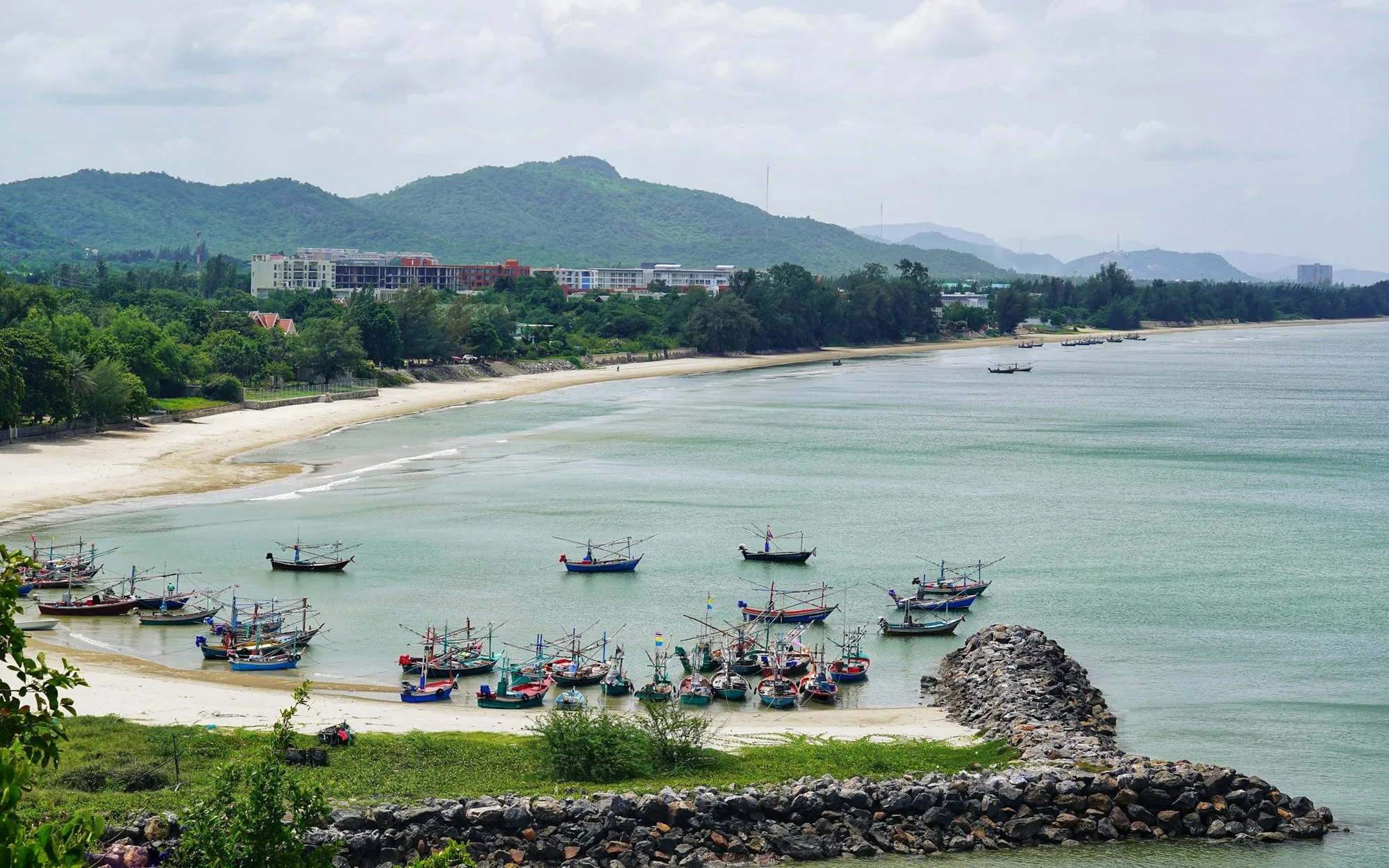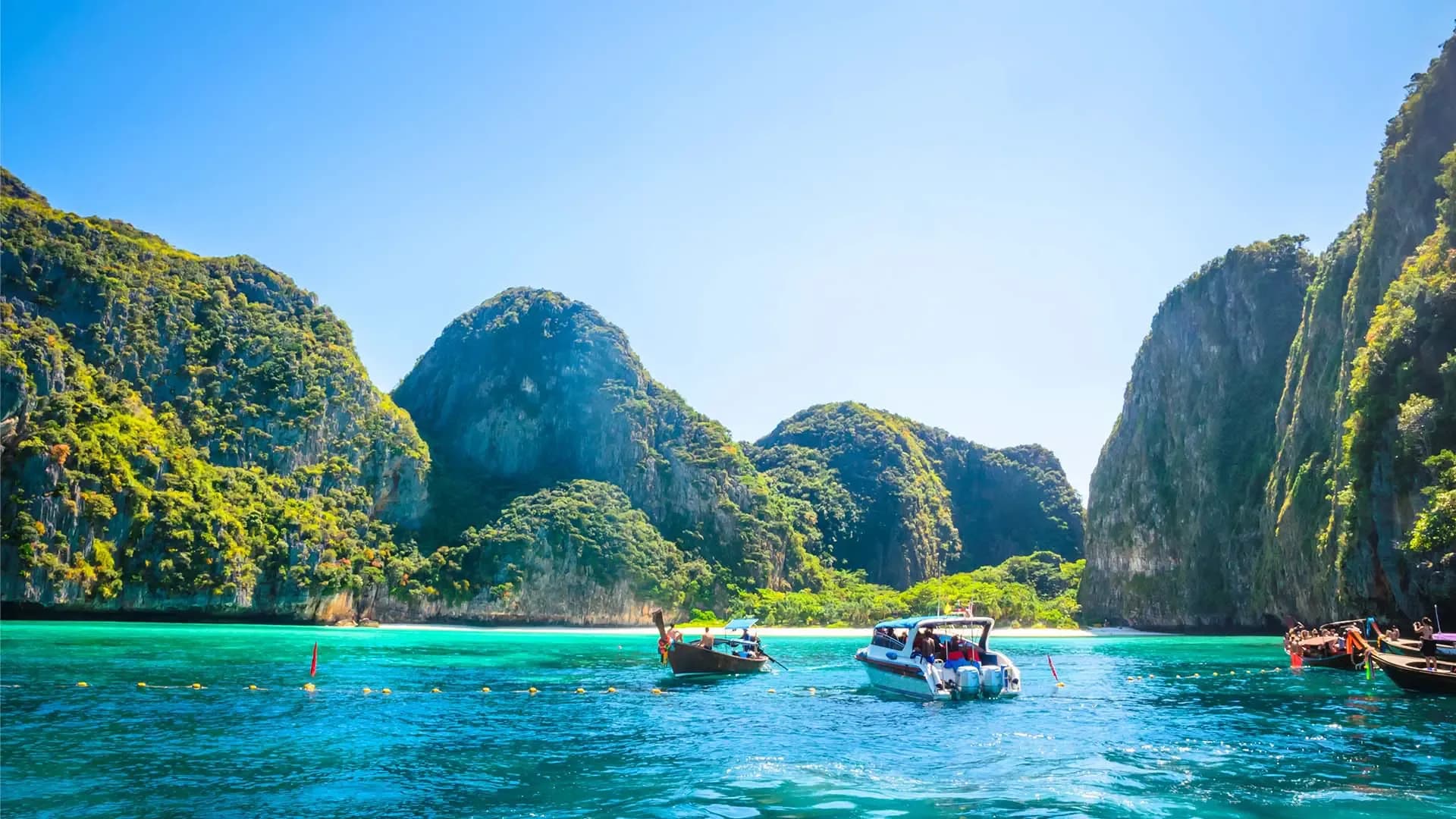


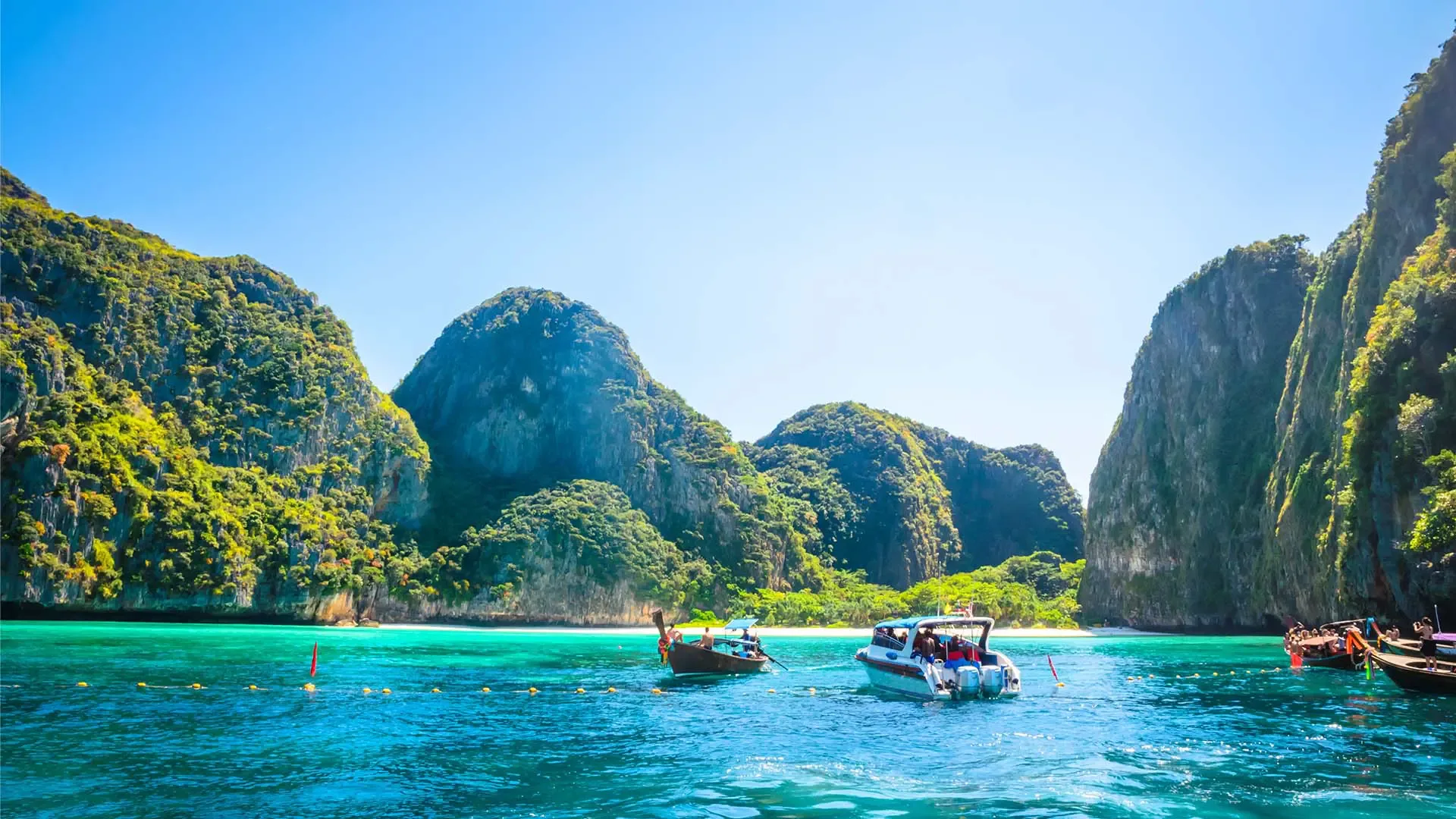

Phuket, Thailand
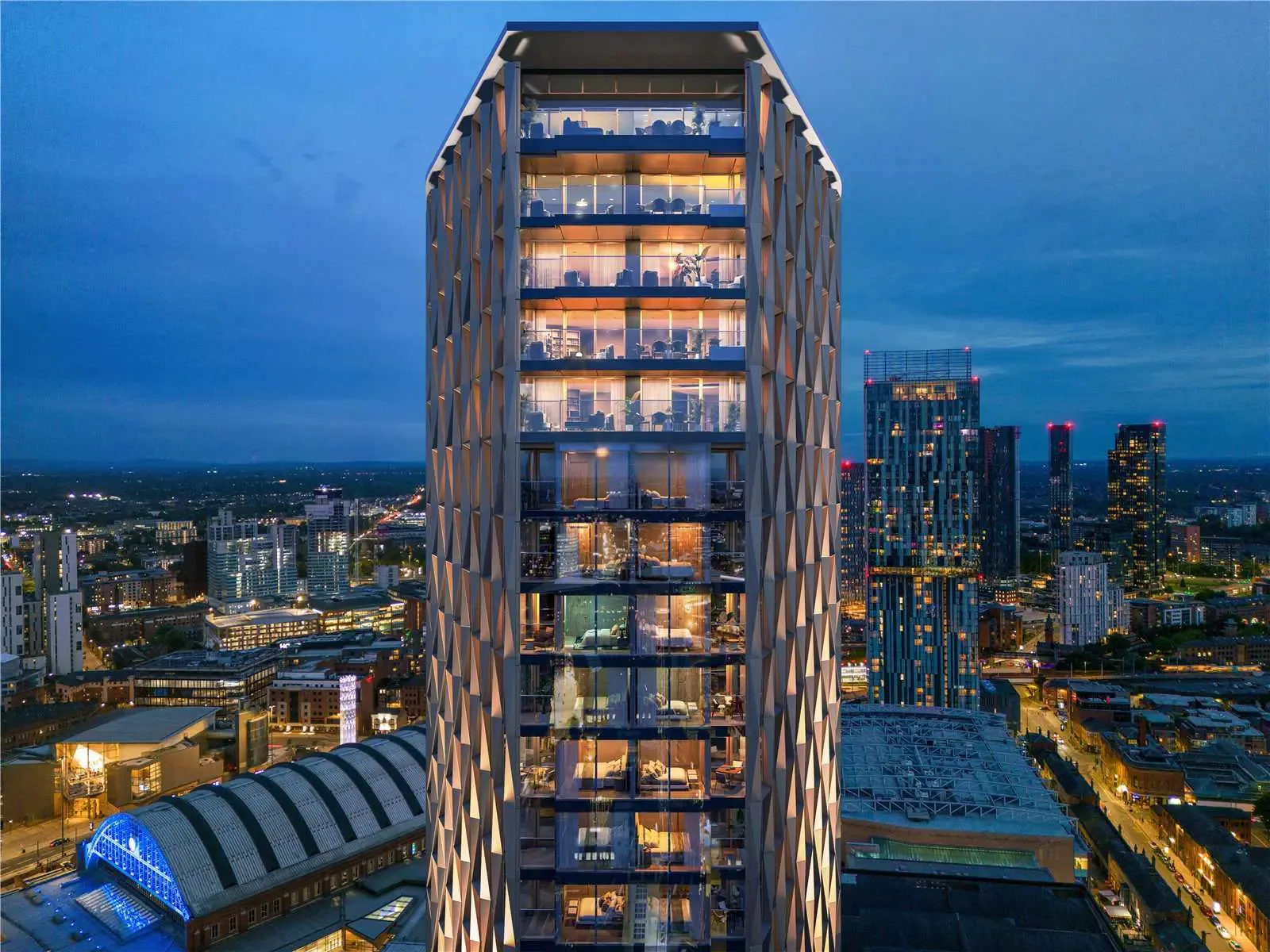
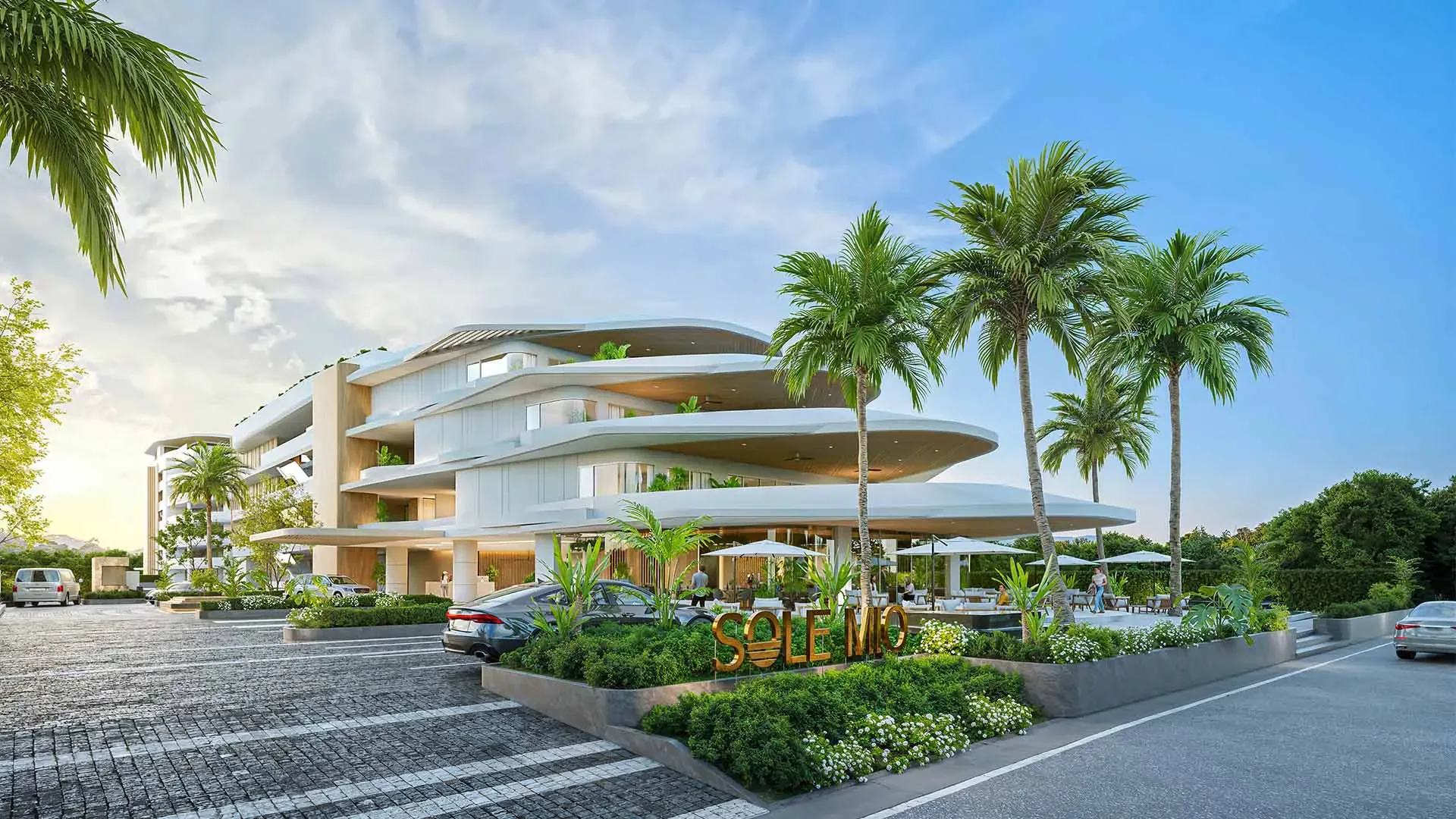
PEYLAA Phuket, Autograph Collection Residences
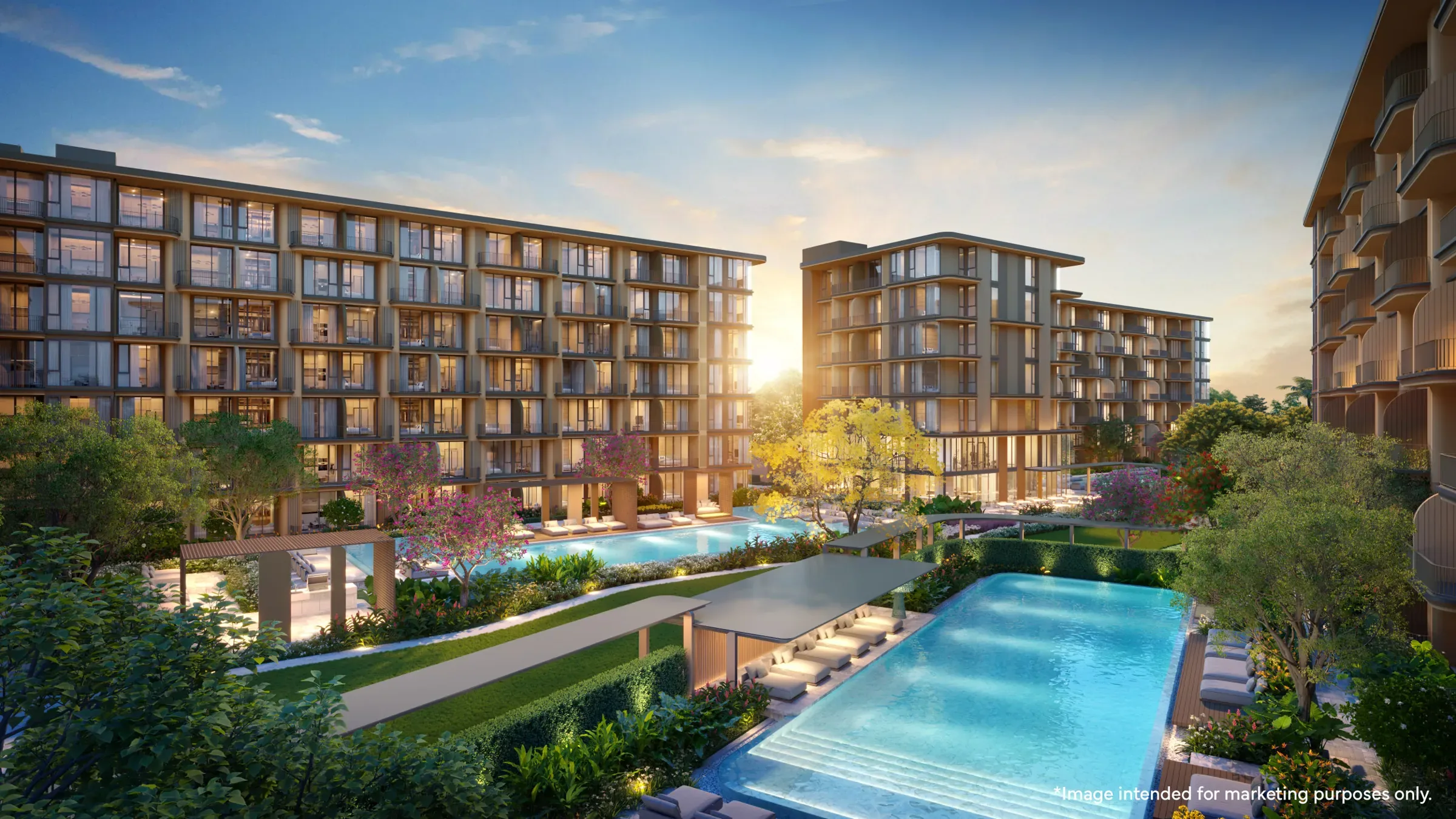
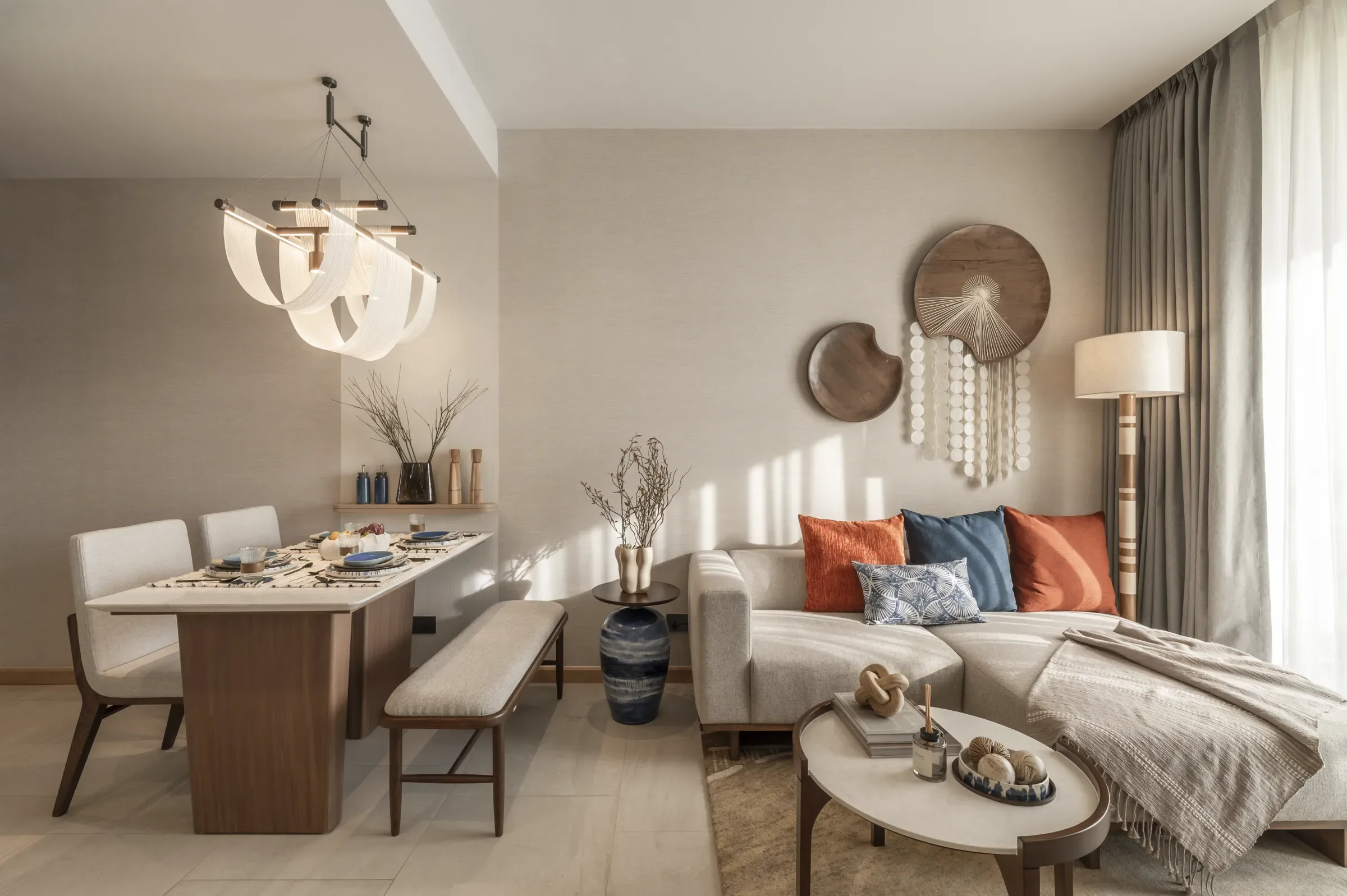
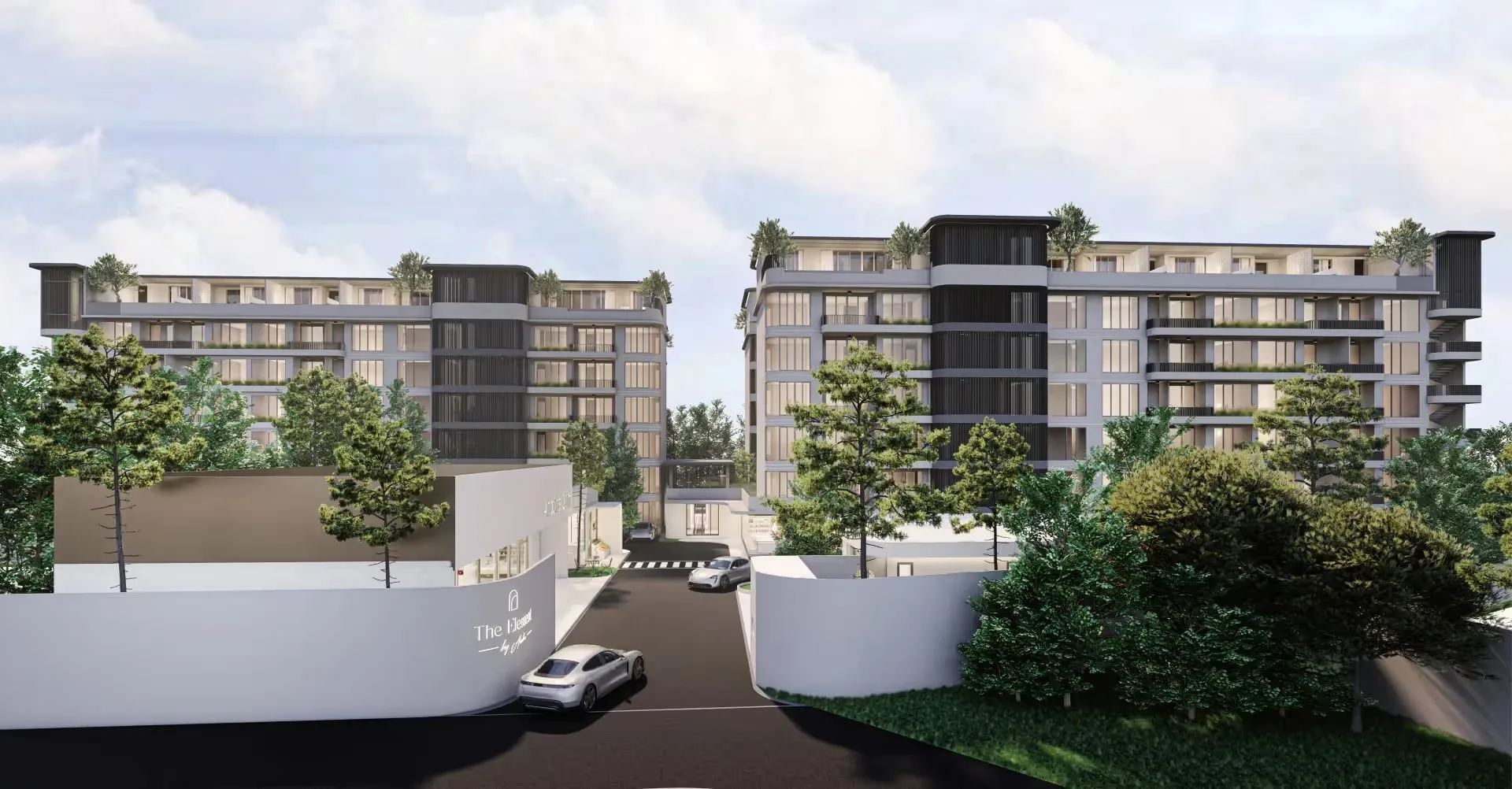
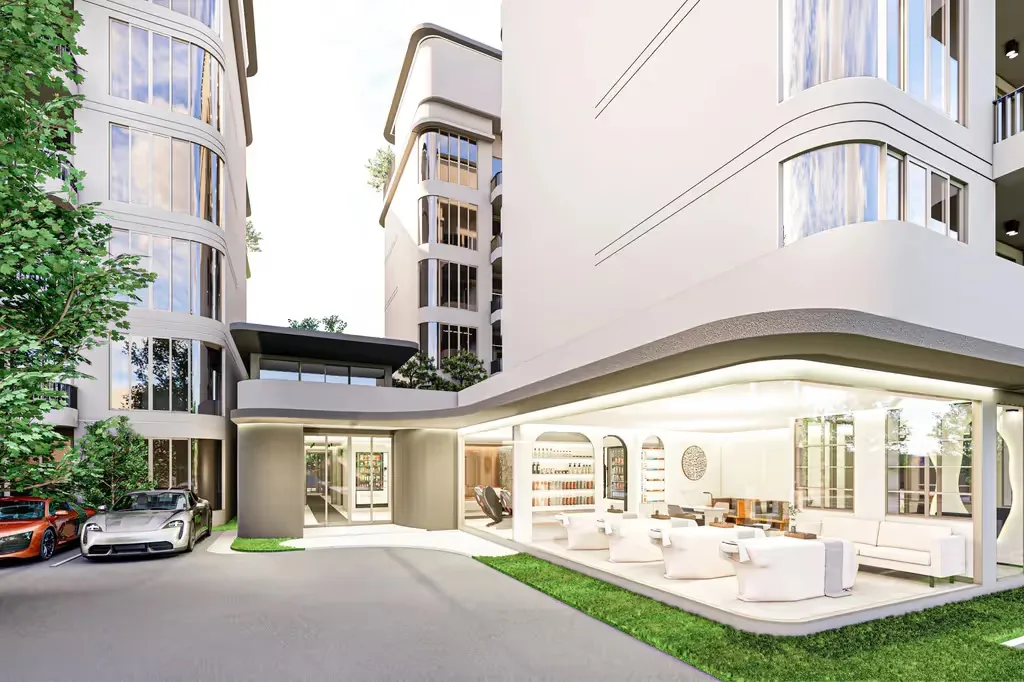
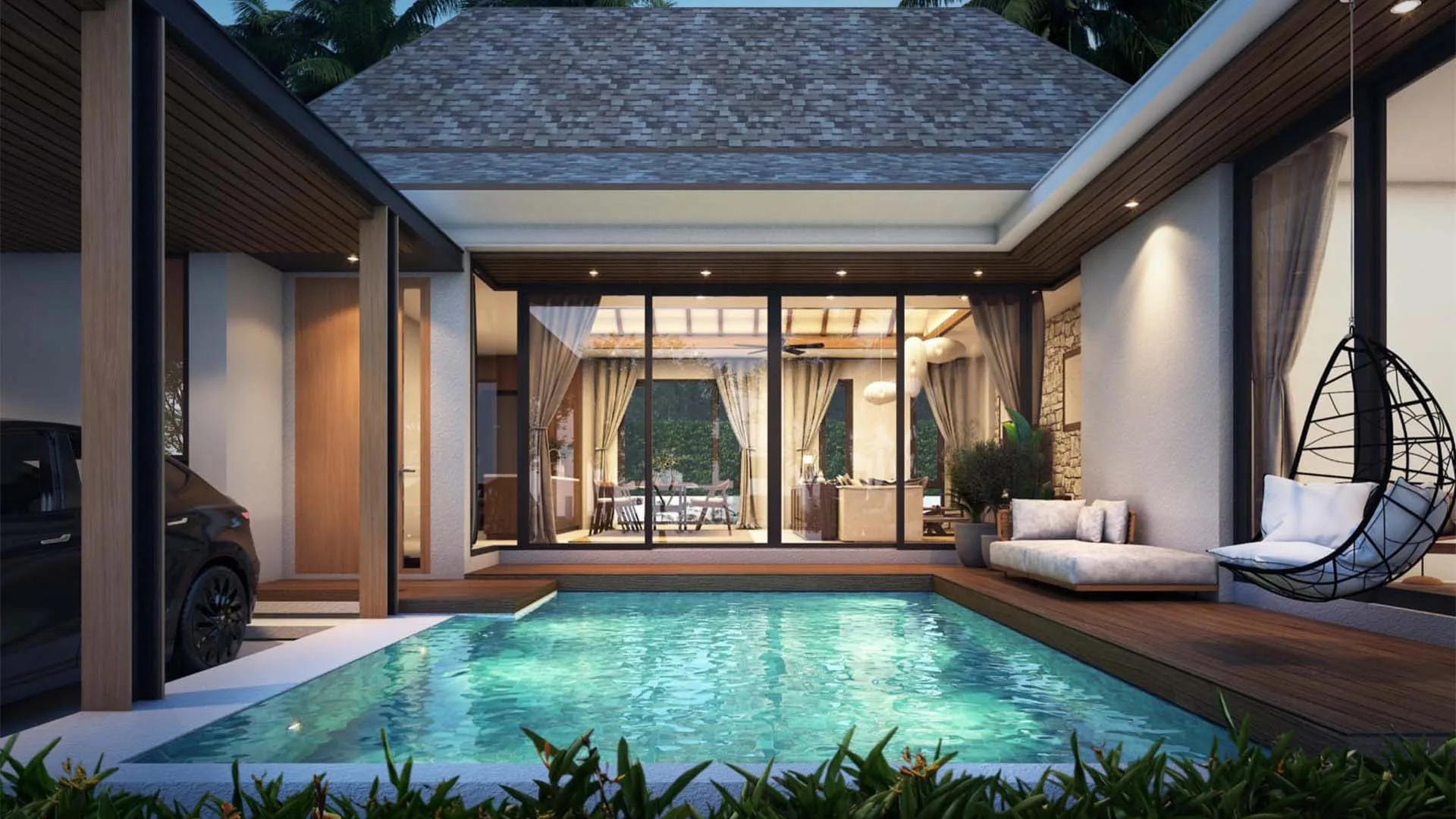
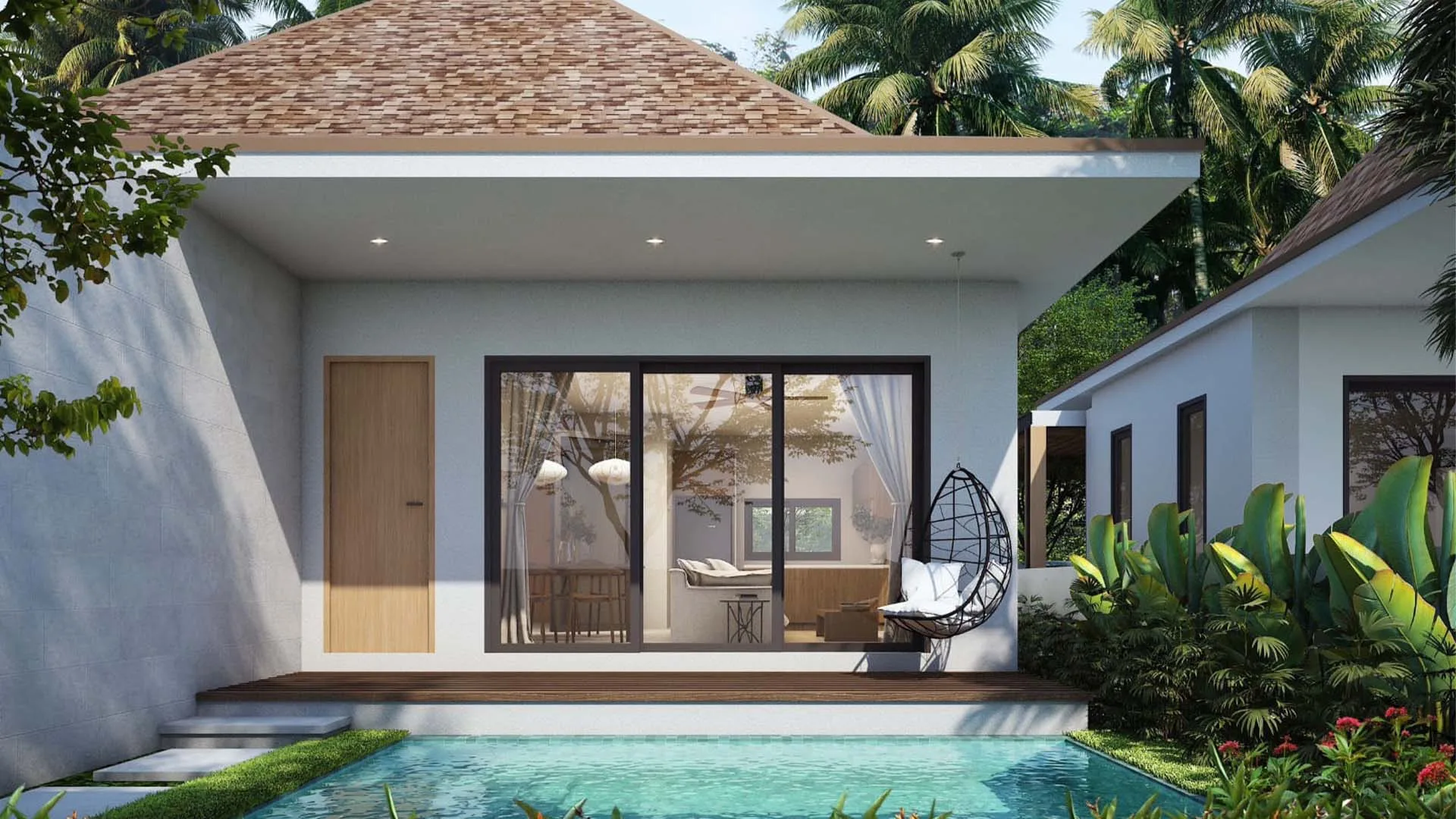
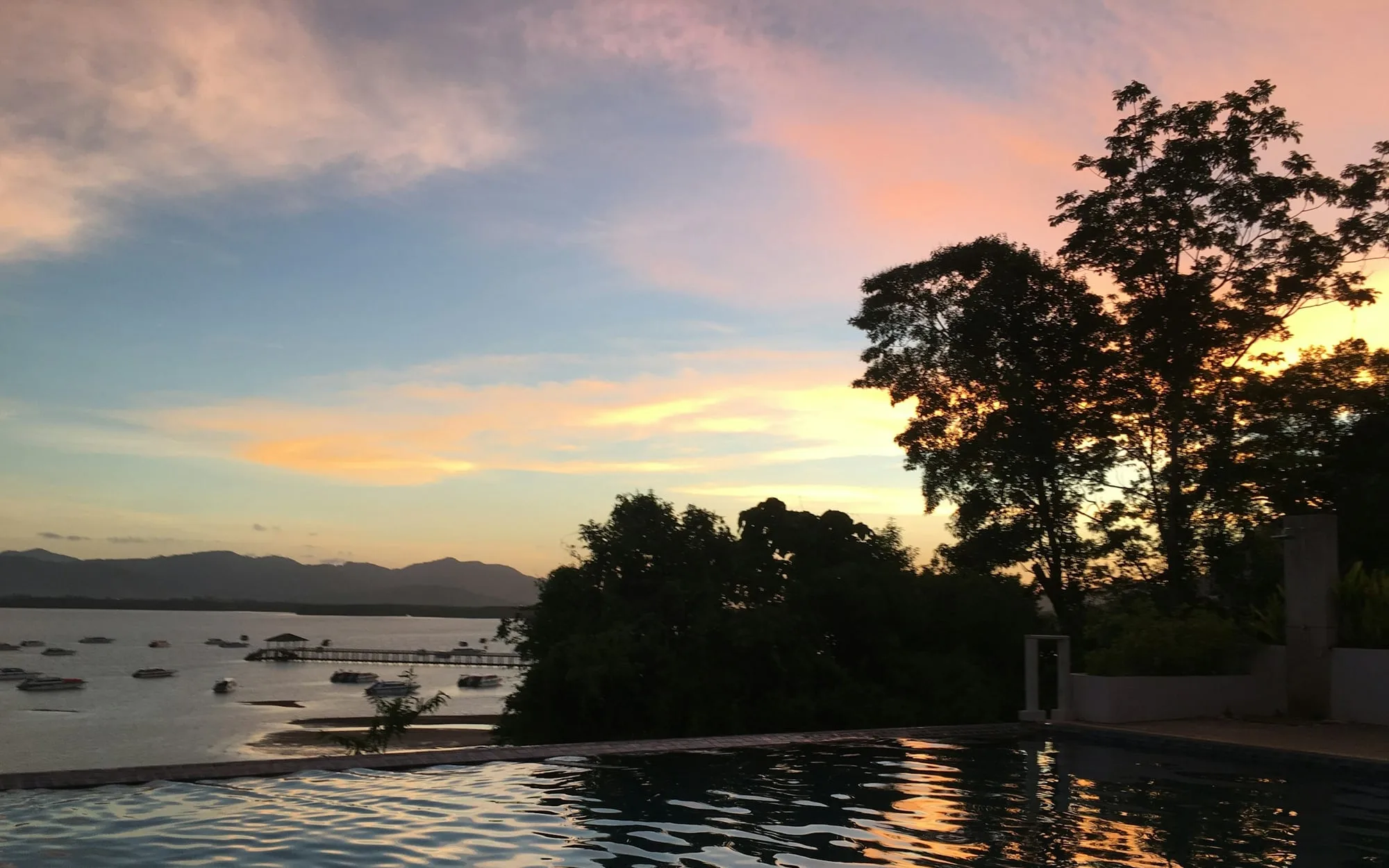
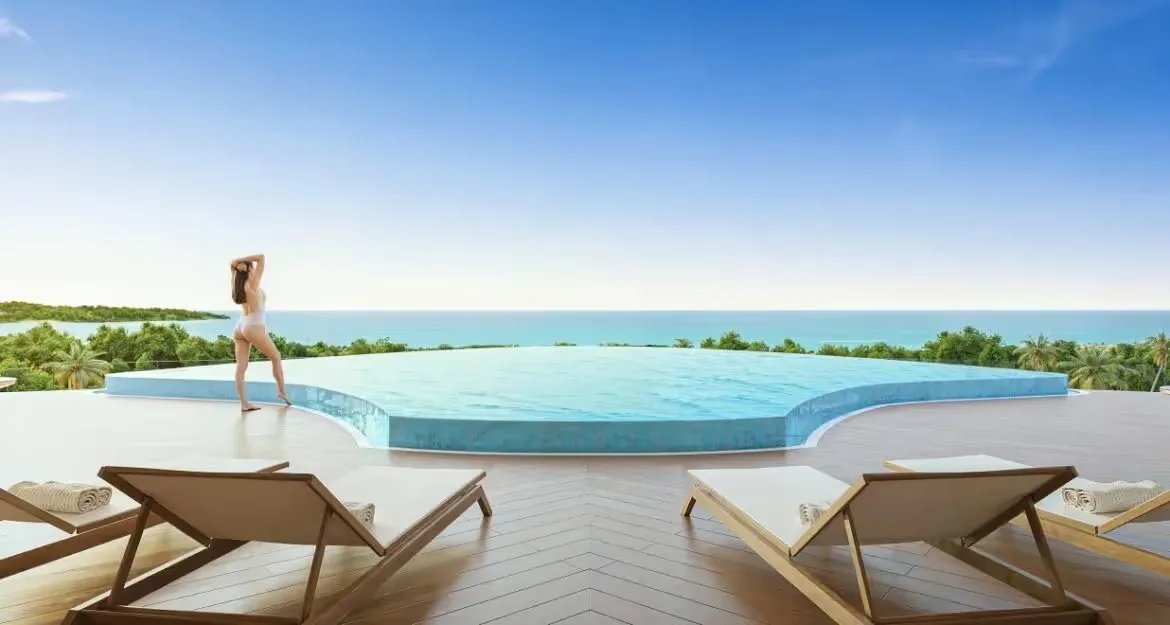
Furnished branded residences in Bang Tao, with garden courtyards, private balconies and planned Marriott management.
- Type
- Apartment
- Bedrooms
- 1–3
- Completion
- Q4 2027 (planned)
Southeast AsiaCore market
Thailand is the one market in Southeast Asia where a foreign buyer can hold a condominium freehold in their own name. For real estate investment from the UK we work in Phuket, where a year-round rental market and a short list of proven developers make the numbers stand up.
Price lists, floor plans and payment plans on request.
Phuket, Thailand
Furnished branded residences in Bang Tao, with garden courtyards, private balconies and planned Marriott management.
Pounds are approximate, at ECB euro reference rates, 20 October 2026; Gulf currencies at their US dollar pegs.
New Thailand launches, as they are released
Be told the day a new Thailand development opens.
Yes. A foreign buyer can own a condominium unit outright, in their own name, provided foreign ownership in the building stays within 49% of its floor area and the money arrives from abroad in foreign currency. Land is different: foreigners cannot own it, so villas are bought on a registered lease.
Read the ownership guideFull ownership, registered to you at the Land Department. The building’s foreign quota is 49% of its floor area, and the purchase money must be sent from abroad in foreign currency, evidenced by a Foreign Exchange Transaction form from the receiving bank. We confirm the quota before you reserve.
You own the house; the land is leased to you for up to 30 years, registered on the title deed. Renewal options can be written into the contract but are not guaranteed by law, so the lease drafting and the developer’s record matter.
Holding land through a Thai company whose Thai shareholders are nominees is illegal. We do not sell property that depends on it.


A new-build condominium in Phuket
2% of the Land Department’s appraised value, which is usually at or below the price. Thai Land Department fee schedule
The seller’s taxes. On a new build the developer pays them. Thai Revenue Department
Title, licences and the contract, by your own lawyer. Continental estimate
Not included: The sinking fund, a one-off payment to the building’s reserve at handover, set per square metre by the developer.
Rates as at January 2026. Taxes and fees change and contracts decide who pays what, so we confirm the figure for your property before you commit.
A Thai condo purchase turns on two things: room in the building’s foreign quota, and money that arrives from abroad.
Foreigners may own up to 49% of a building’s floor area. Your own Thai lawyer confirms there is room left, and checks the developer, the licences and the title.
A booking deposit takes the unit off the market while the checks are done.
The sale and purchase agreement sets the payment schedule, the handover date and who pays the 2% transfer fee, often split with the developer.
Every payment goes from an account outside Thailand, in foreign currency, to a Thai bank, which issues the Foreign Exchange Transaction form the Land Department needs.
The unit is registered to you freehold, within the foreign quota. A villa is held on a registered lease of up to 30 years.
Long lets are straightforward. Lets of under 30 days need a hotel licence, which most condominiums do not hold.
A call with an adviser: what you want the money to do, and which developments fit.
Book a call
Our Thailand team in Phuket
A senior adviser who buys in Thailand will reply, usually the same day.
Not in Thailand? We show you any development live on video, and you can reserve, sign and pay from home. Buying from abroad
No. Owning property does not bring a visa. These are the long-stay routes our clients use; terms and fees change, so the desk confirms them with you.
Formerly the Elite visa. A membership-based long-stay visa of five to twenty years, with no requirement to invest or work.
A ten-year visa from the Board of Investment for wealthy global citizens, retirees, remote workers and skilled professionals who meet its income and asset tests.
For those aged 50 and over, renewed each year, with set funds or income held in Thailand.
The areas where our Thailand developments and guides are concentrated.
The Thailand property map: 4 developments, 2 transport links, 3 schools, 3 hospitals and clinics, 16 beaches, courses and districts and 3 projects coming. Open the Thailand property map
The five things investors weigh between markets, side by side. Choose a market to compare.
| Thailand | United Arab Emirates | |
|---|---|---|
| Homes from | On request | From £170,000 |
| Who can own | Condominium freehold within the 49% foreign quota; villas on a 30-year registered lease. | Freehold in designated areas, such as Downtown and Dubai Marina. |
| Buying costs on £300,000 | About £6,000 (2.0%) | About £13,000 (4.3%) |
| Tax on rent | Thai tax on rent earned in Thailand. | No personal income tax on rent. |
| Residency | No. Long-stay visas such as Thailand Privilege and the LTR are separate. | Yes. A 2-year visa from AED 750,000; the 10-year Golden Visa from AED 2m. |
Everything an overseas buyer needs, in the order they need it.

Few countries in the region let a foreign buyer hold title outright. In Thailand a condominium unit is registered to you at the Land Department, within the building’s 49% foreign quota.
Phuket has direct flights from Europe, the Gulf and Asia, and draws both holiday and long-stay tenants. We favour developments whose rental programmes are licensed, run professionally and reported openly.
We sell for developers who have already delivered in Phuket, so before you buy you can walk around something they have finished.
No. A foreign national cannot own land in their own name. They can own a condominium unit freehold, or own a villa and lease its land for up to 30 years on a lease registered at the Land Department.
Under the Condominium Act, no more than 49% of a building’s total floor area may be owned by foreigners. Once it is used, further foreign buyers can only take units on a lease. We check the remaining quota with the developer before you reserve.
From an account outside Thailand, in foreign currency, to a Thai bank. The receiving bank issues a Foreign Exchange Transaction form, which the Land Department needs before it will register a foreign freehold. Send it in the buyer’s name and quote the unit in the transfer reference.
The transfer fee is 2% of the appraised value. Specific Business Tax (3.3%) or stamp duty (0.5%) and withholding tax are normally the seller’s on a new build, and the transfer fee is often shared. Budget around 1% for independent legal checks, plus the building’s sinking fund at handover. Contracts differ, so confirm the split before you reserve.
No. Property does not bring residency. Long-stay routes such as the Thailand Privilege visa, the Long-Term Resident visa and the retirement visa are separate applications.
Long lets are straightforward. Lets of under 30 days need a hotel licence under the Hotel Act, which most condominiums do not hold. That is why we favour projects with a licensed, professionally run rental programme.
Speak to an adviser
A senior adviser will take you through ownership structure, rental management and the Phuket developments we rate. Straight advice, no hard sell.