



















United KingdomArea guide
Property for sale in Leeds
The financial and legal capital of Yorkshire, with a city centre set to double in size through the South Bank. Who rents in Leeds, what to buy and how it measures up against Manchester.
Leeds at a glance.
A professional economy: banking, insurance, law and media, anchored since 2021 by Channel 4's national headquarters.
The South Bank regeneration aims to double the size of the city centre, south of the river and around Leeds Dock.
No tram or metro yet. Light rail is planned but not expected before the late 2030s, so buy within walking distance of the station and the core.
Buying in United Kingdom.
The United Kingdom guide set, in the order a buyer needs it.
United Kingdom market hub- Buying guideStart hereEvery step from shortlist to first tenant, the protections that apply to off-plan purchases, and a realistic timeline for buyers based abroad.
- Foreign ownershipYes, with no nationality restrictions. How freehold and leasehold work, which ownership structure fits, and what you need to buy from abroad.
- Costs and taxesStamp duty with both surcharges worked out at four price points, every purchase and running cost, and how rent, gains and estates are taxed.
- Mortgages and financeDeposits, stress tests, foreign-currency income, company borrowing and how to time finance on an off-plan purchase, explained for buyers based abroad.
- Rental yieldsGross yields for eleven UK cities on the same ONS basis, how to turn a gross figure into a net return, and where the numbers hold up.
- Visa and residencyVisa & Residency in the UK
- LifestyleWhich city suits the way you want to live, what a year of living costs beyond the mortgage, how schools and the NHS work for newcomers, and the travel times that shape where people settle.
- Property market outlookWhat Savills and JLL forecast for prices and rents to 2030, why rental supply is tightening in Manchester and the Big Six cities, and what could change the picture.




The full Leeds guide.
The financial and legal capital of Yorkshire, with a city centre set to double in size through the South Bank. Who rents in Leeds, what to buy and how it measures up against Manchester.
Leeds is the largest city in Yorkshire and the commercial centre of West Yorkshire. It sits about 40 miles east of Manchester across the Pennines, and by population Leeds is a larger local authority than Manchester. Its economy is built on professional services: banking, insurance, law, accountancy, health and, increasingly, media and digital. Leeds offers a compact, walkable city centre with a professional tenant base and a large regeneration area still in its early phases.
Three reasons the Leeds case holds
The Leeds case rests on three things.
- Employment depth. Leeds is one of the UK's largest financial and legal centres outside London. Major banks, insurers and national law firms run large offices in the city centre, close to the station.
- Media and digital growth. Channel 4 opened its national headquarters in Leeds in 2021, in the converted Majestic building on City Square, opposite the station. It sits at the centre of a growing cluster of production and creative firms.
- Regeneration still to run. Leeds City Council's South Bank plan aims to double the size of the city centre. Much of it is still being built, which gives investors a choice of entry points.
Price forecasts are published by region, not by city, so treat any Leeds-specific growth figure with care. What the evidence does show is a professional tenant base that pays for proximity to the station and the office core, and a regeneration area large enough to keep adding new stock for years. That cuts both ways: it creates entry points, and it creates competition for tenants.
On the ONS September 2026 release, the average Leeds home cost £248,000 and let for £1,145 a month, a gross yield of 5.5% on our calculation. Flats do better: an average flat price of £152,000 against a flat rent of £905 a month gives 7.1%. Compare the cities side by side in our UK rental yields by city.
The neighbourhoods, area by area
Area | Who rents | What to buy |
|---|---|---|
City centre core | Finance and legal professionals, graduates | One- and two-bedroom apartments within walking distance of the station |
South Bank | Young professionals moving into a new district | New-build and off-plan two-beds; check how complete the surrounding streets will be at handover |
Leeds Dock | Professionals wanting the waterfront and a quieter setting | Apartments with parking and outdoor space; price against the newer South Bank stock |
Holbeck and the canal side | Creative and digital workers | Conversions and new-build near the station's south entrance |
Northern edge, near the universities | Postgraduates, junior doctors, university staff | Two-bed apartments that suit sharers |
Finance, law, health and media professionals
The Leeds city-centre tenant is typically a professional in their twenties or thirties working in finance, law, the public sector, health or media. The University of Leeds, Leeds Beckett University and the city's specialist institutions add postgraduates and university staff, and many graduates stay on for their first jobs.
Three practical points:
- Walk to work is the deciding factor. Without a tram, tenants pay for proximity to the station and the office core.
- Two-bed, two-bath apartments are the strongest product for sharers. One-beds suit single professionals and couples.
- Furnished units with good broadband and workspace let faster to the professional market.
Completed, South Bank or off-plan
Type | Typical buyer | What to watch |
|---|---|---|
Completed city-centre apartments | Landlords wanting income from day one | Service charges, building safety paperwork, the age of the block |
South Bank new-build | Investors buying into the next phase of the centre | Completion date, the state of the streets around the building at handover, competition from rental-only blocks |
Off-plan at launch | Investors willing to wait for a discount to completed values | Developer track record, payment schedule, how deposits are held |
Overseas buyers pay the 5% higher rate for additional dwellings plus the 2% non-resident surcharge, stacking to 7% on top of standard stamp duty (GOV.UK). From April 2027, property income tax rates rise to 22%, 42% and 47% (Autumn Budget 2025). Build both into your net yield before you compare cities.
The South Bank, Leeds Dock and mass transit
- South Bank. The area south of the River Aire, between the station and the motorway, is the largest regeneration programme in the city. Leeds City Council's framework aims to double the size of the city centre, with new homes, offices and a large new city park. Several large apartment schemes have completed or are under way.
- Leeds Dock. The former Clarence Dock, home to the Royal Armouries museum, has been reworked as an office, residential and leisure district on the river, a short walk from the South Bank.
- The station. Leeds station is the city's transport hub and a focus of investment, with improvements to entrances and the surrounding streets. The Transpennine Route Upgrade, Network Rail's programme on the Manchester–Leeds–York line, is under way.
- Mass transit. Leeds has no tram or light rail. The West Yorkshire Combined Authority is preparing the business case for a mass transit network, with a first phase linking Leeds and Bradford; the authority now expects services in the late 2030s. Treat it as long-term upside, not a reason to buy on the fringe today.
The limits of a city without light rail
- Transport limits the market. Buses and heavy rail serve the city, but there is no light rail. Units outside the walkable core let more slowly and to a smaller pool.
- New supply in the South Bank. Large rental-only buildings compete directly with investor-owned apartments. Price your unit against them.
- Placemaking timing. In a regeneration area, the building can be finished before the streets around it. Ask what will be complete at handover.
- Off-plan delivery. South Bank schemes run on long timelines. Look at what the developer has already completed in Leeds, and confirm the long-stop date in the contract.
Leeds against Manchester, on the numbers
Manchester is the larger and faster-moving city-centre market: more homes under construction, a tram network, a bigger airport and a deeper pool of international renters and buyers. Its average price is £252,000 and its average private rent £1,373 a month (ONS, 2026), with an implied gross yield of about 6.5% on our calculation. Leeds is a professional-services city with a smaller, more contained centre and a regeneration programme that is earlier in its cycle.
For most investors we treat Manchester as the core holding. Leeds suits buyers who want a second northern city with a different employment base, or who prefer to buy into a regeneration area before it is finished. Read the Manchester guide for the full picture.
Compare with Manchester, or read UK property taxes for overseas buyers before you budget.
Elsewhere in our core markets.
Other cities where Continental sells new-build and off-plan property.



Explore
United Kingdom, by area and by home.
On the map
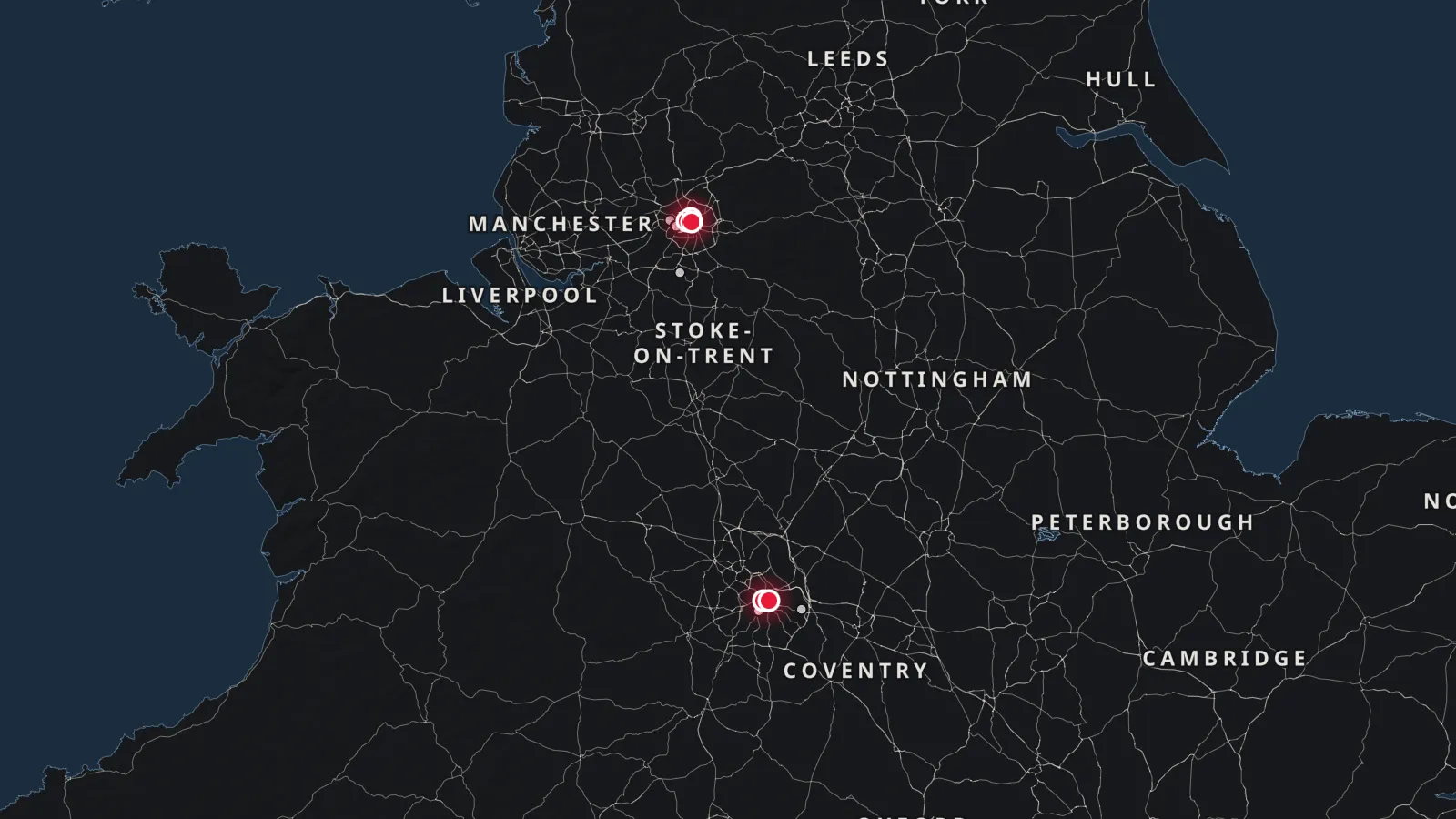
5 developments, 18 transport links, 4 schools, 3 hospitals and clinics, 12 beaches, courses and districts and 13 projects coming.
Open the United Kingdom map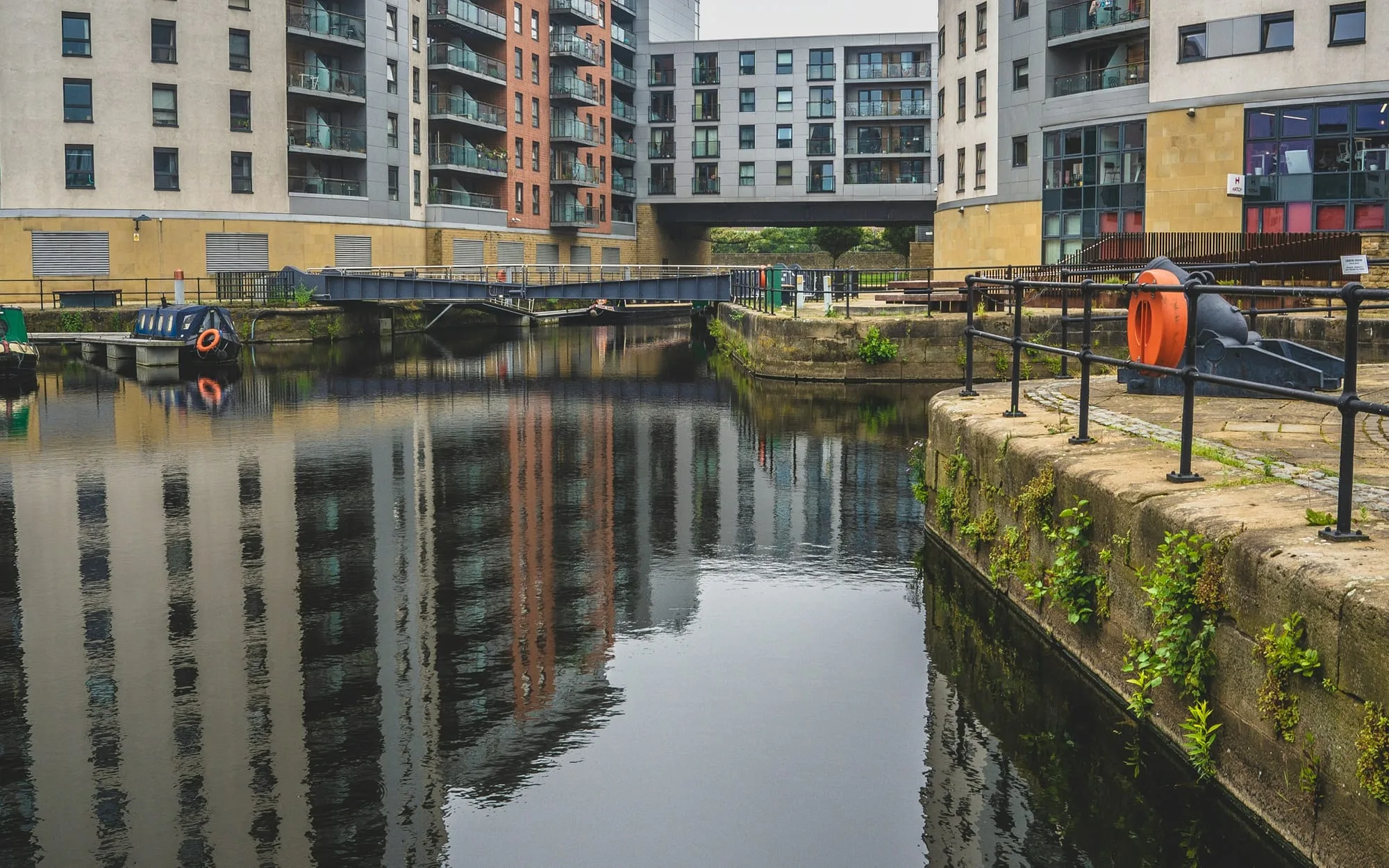
United Kingdom · Leeds
Talk to an expert about Leeds.
Get one-to-one guidance on your next property purchase.