

















Manchester guide
Northern Quarter property investment guide.
Manchester's independent quarter between Piccadilly and Ancoats: warehouse conversions, creative firms and tenants who want to live above the action. What lets, what to avoid and where new supply is landing.
- Manchester's independent quarter: bars, record shops and creative studios in Victorian warehouses, five minutes on foot from Piccadilly station.
- Tenants choose character and location over floor space, and the creative and digital firms around Stevenson Square keep demand local.
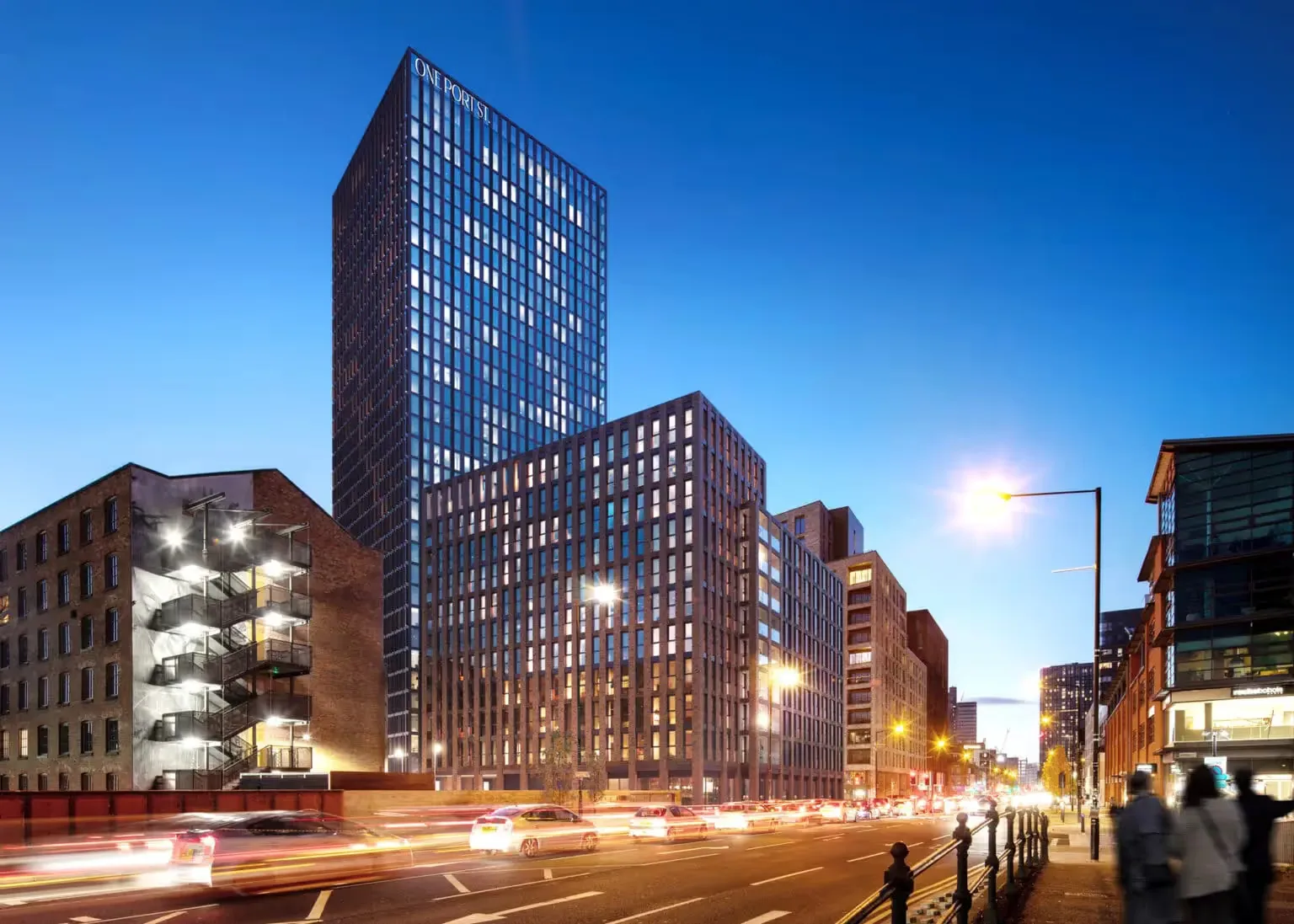
- New supply is landing on the eastern edge around Port Street, where the Northern Quarter meets Piccadilly Basin and Ancoats.
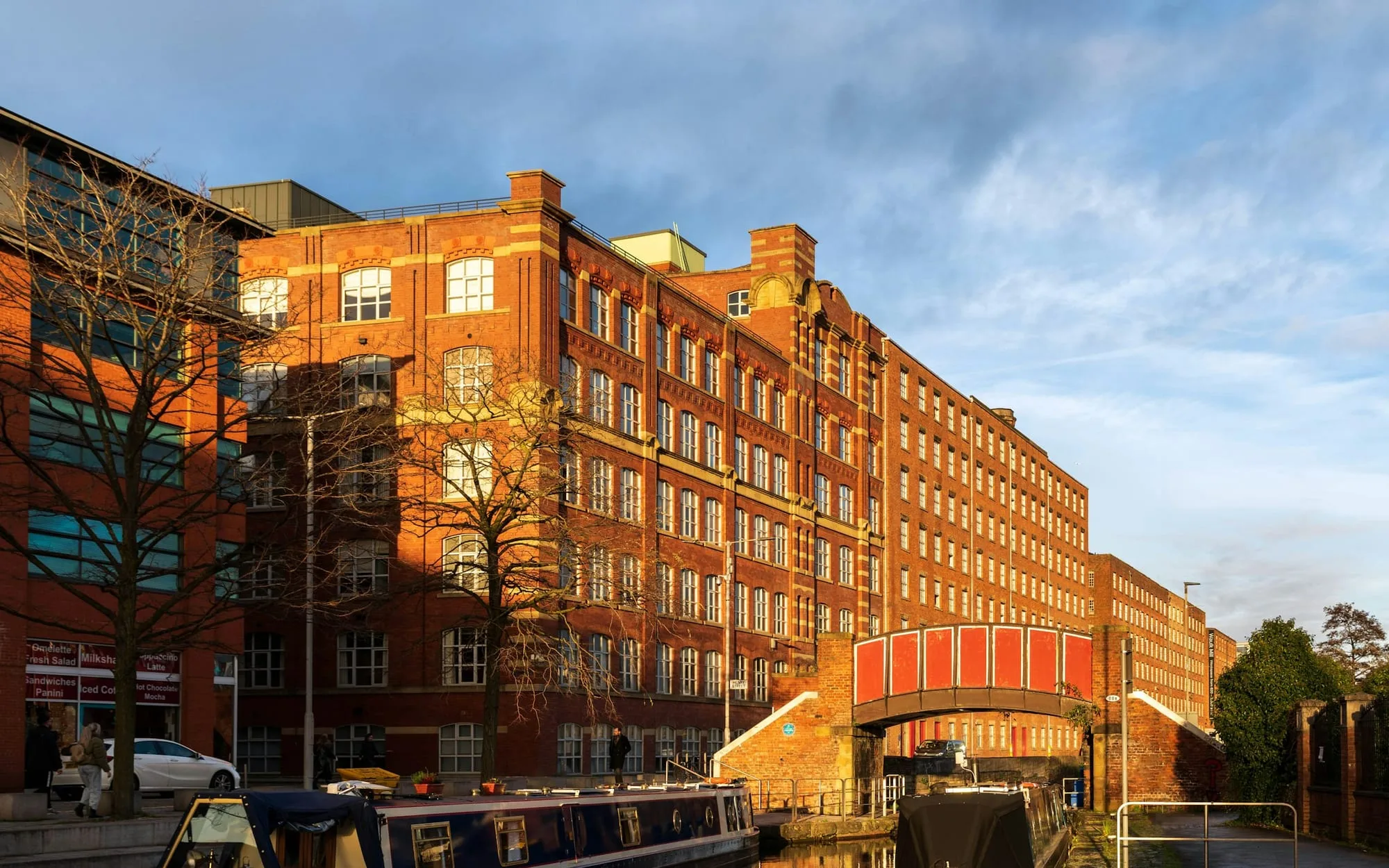
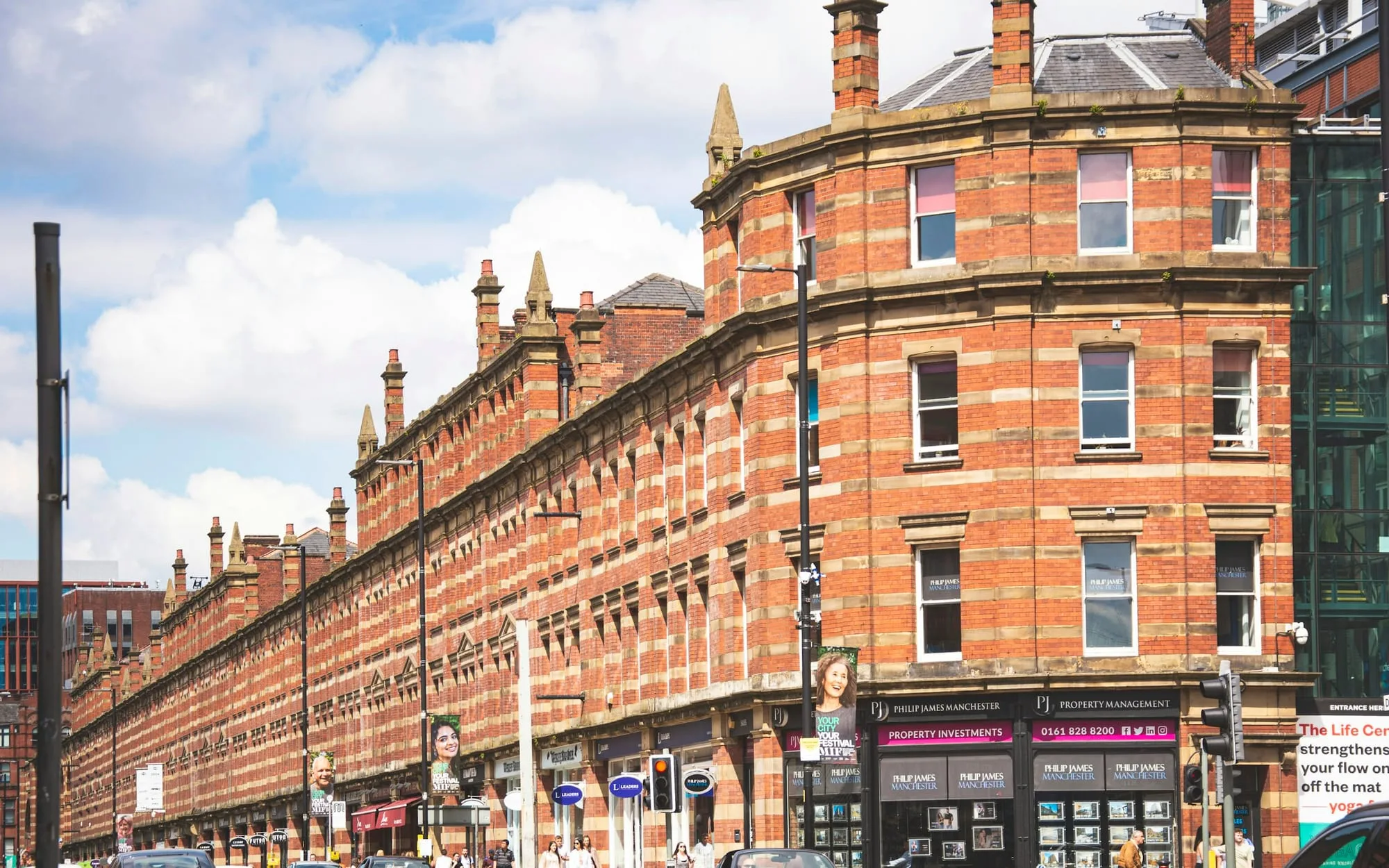
The Northern Quarter sits between Piccadilly Gardens, Shudehill and Great Ancoats Street. In the nineteenth century it was the city's textile warehouse and market district, and its grid of narrow streets still holds the brick warehouses, loading doors and cast-iron columns of that era. From the 1990s onwards independent traders moved into the cheap space: Afflecks on Church Street, the record shops and cafés on Oldham Street, the Craft and Design Centre on Oak Street, the bars on Thomas Street and Tib Street. The warehouses above them became apartments and studios.
The Northern Quarter is the character market of central Manchester. It does not compete on amenity floors and concierge. It competes on being in the middle of everything, and on stock that cannot be replicated.
Who rents in the Northern Quarter
The tenant base is younger and more varied than in the tower districts.
- Creative and digital workers. Design studios, agencies, games and software firms occupy the upper floors around Stevenson Square, Hilton Street and Lever Street. Their staff want to live where they work and drink.
- Young professionals and sharers. Many work in the city centre and choose the Northern Quarter over newer blocks for its streets, independent food and nightlife.
- Hospitality and events staff. Late shifts make walking home a priority.
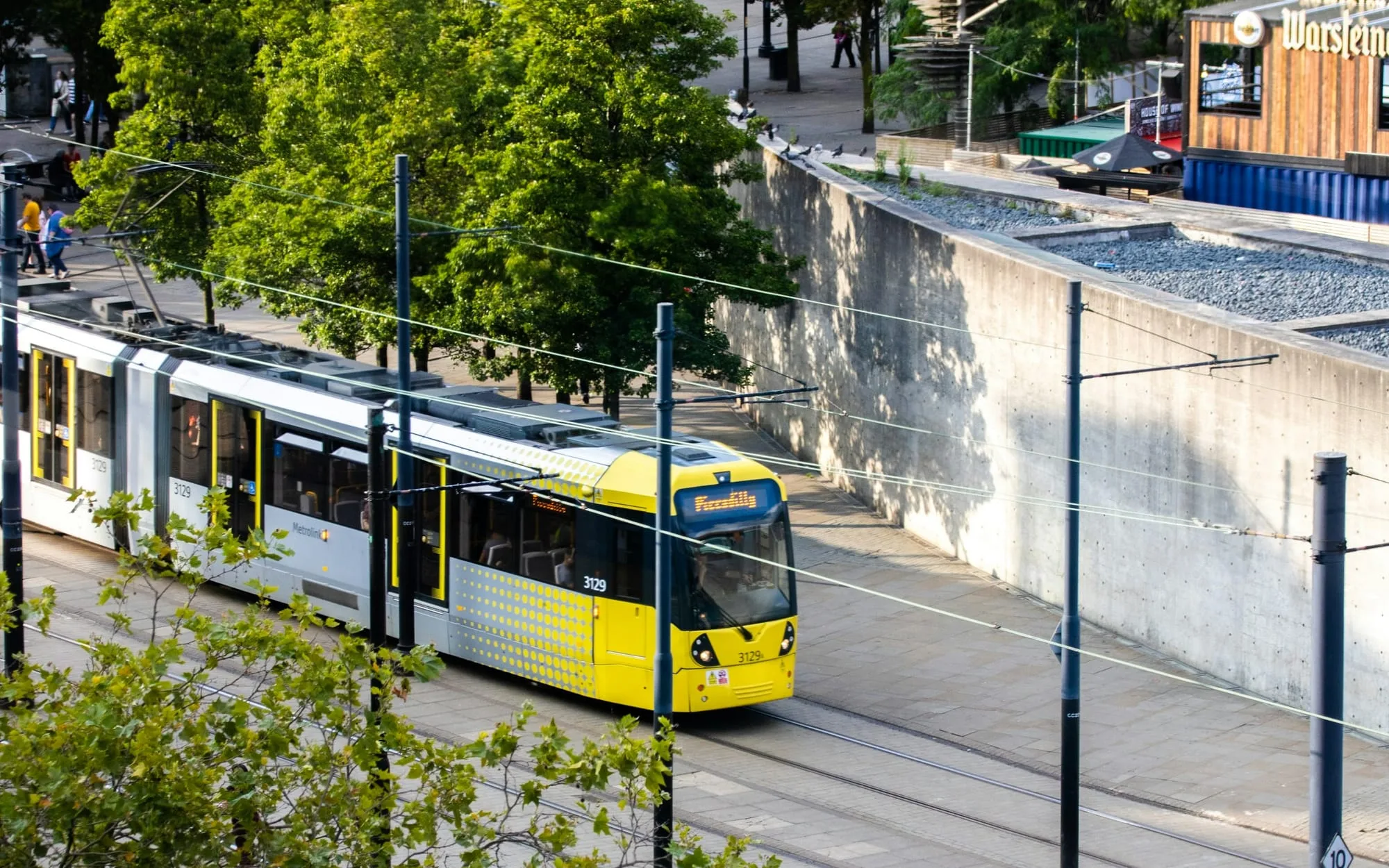
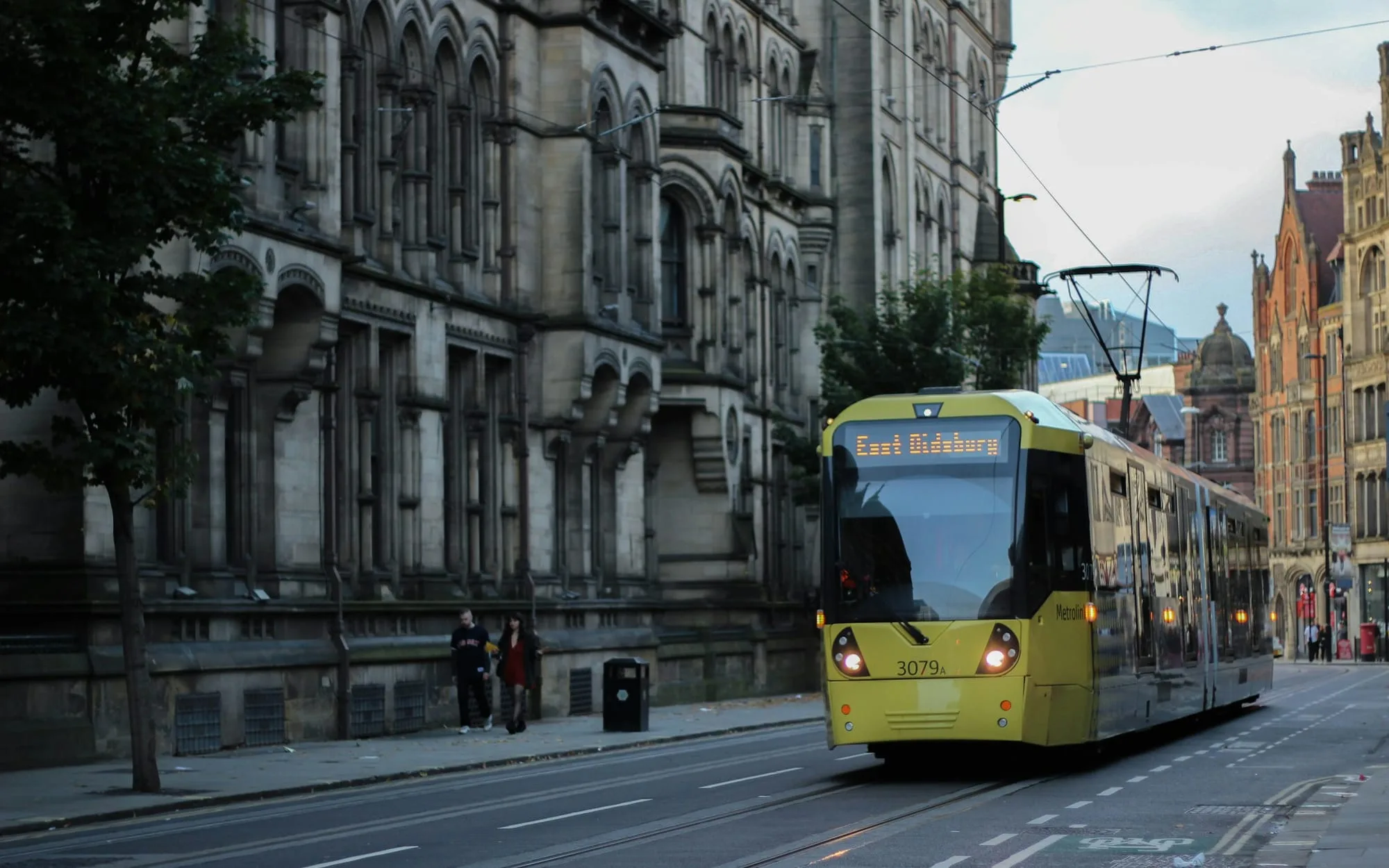
- Commuters. Piccadilly station is a five-minute walk from the eastern side, with direct trains to London, Manchester Airport and the rest of the North. Shudehill Interchange and the Market Street and Piccadilly Gardens Metrolink stops cover the west.
One-bedroom apartments and two-bedroom sharer layouts let quickly. Tenants accept smaller floor plates for character, but they expect good light, decent soundproofing and fast broadband. Tenancies can be shorter than in Castlefield or Salford Quays, so plan for more frequent re-letting.
Stevenson Square and the street scene
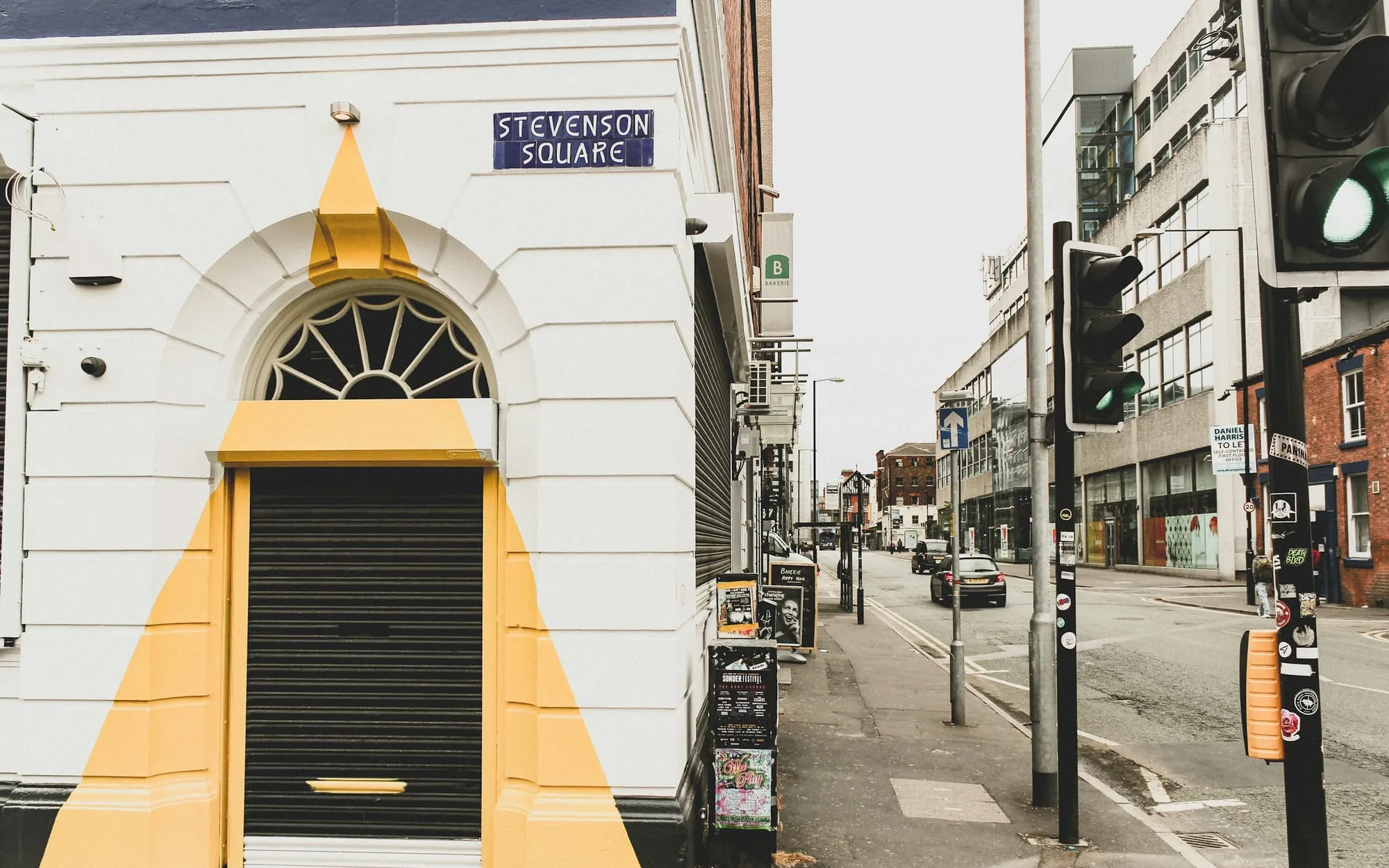
Stevenson Square is the hub. Its walls carry rotating street art, its pavements carry outdoor seating, and the surrounding blocks hold a dense cluster of creative businesses. The council has given more of the square and nearby streets over to pedestrians in recent years, which has strengthened its role as the Northern Quarter's meeting point.
That street life is the product. It is also the main thing to manage. Apartments above a bar on Thomas Street will not let to the same tenant, or at the same rent, as a rear-facing unit on a quieter street off Dale Street.
Conversions above the shops, new-build at the edges
Type | Typical buyer | What to watch |
|---|---|---|
Warehouse conversions | Long-hold landlords and owner-occupiers | Soundproofing between floors, older lifts and services, conservation area limits on alterations |
Infill new-build on side streets | Investors seeking low maintenance in a central location | Small floor plates, ground-floor uses, late-licence venues nearby |
New-build on the eastern edge around Port Street | Investors buying at launch pricing | Completion date, payment schedule, competition from neighbouring schemes |
Conversions in the core of the Northern Quarter rarely come to market in volume, and most new supply is on the edges. That gives well-located resale stock a scarcity premium, but it also means you are often buying an older building. Check what has been spent on it and what is due.
Port Street and the eastern edge
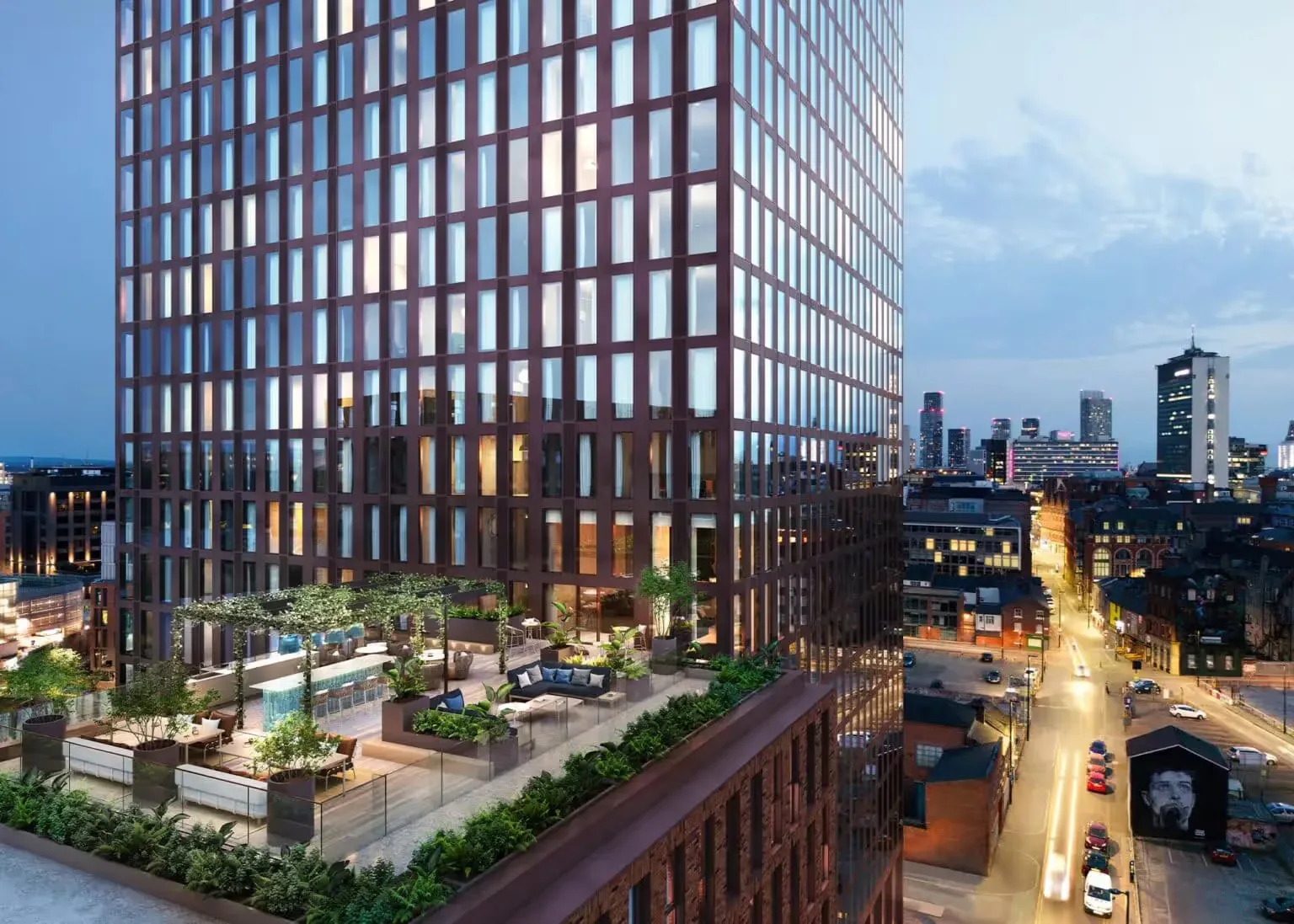
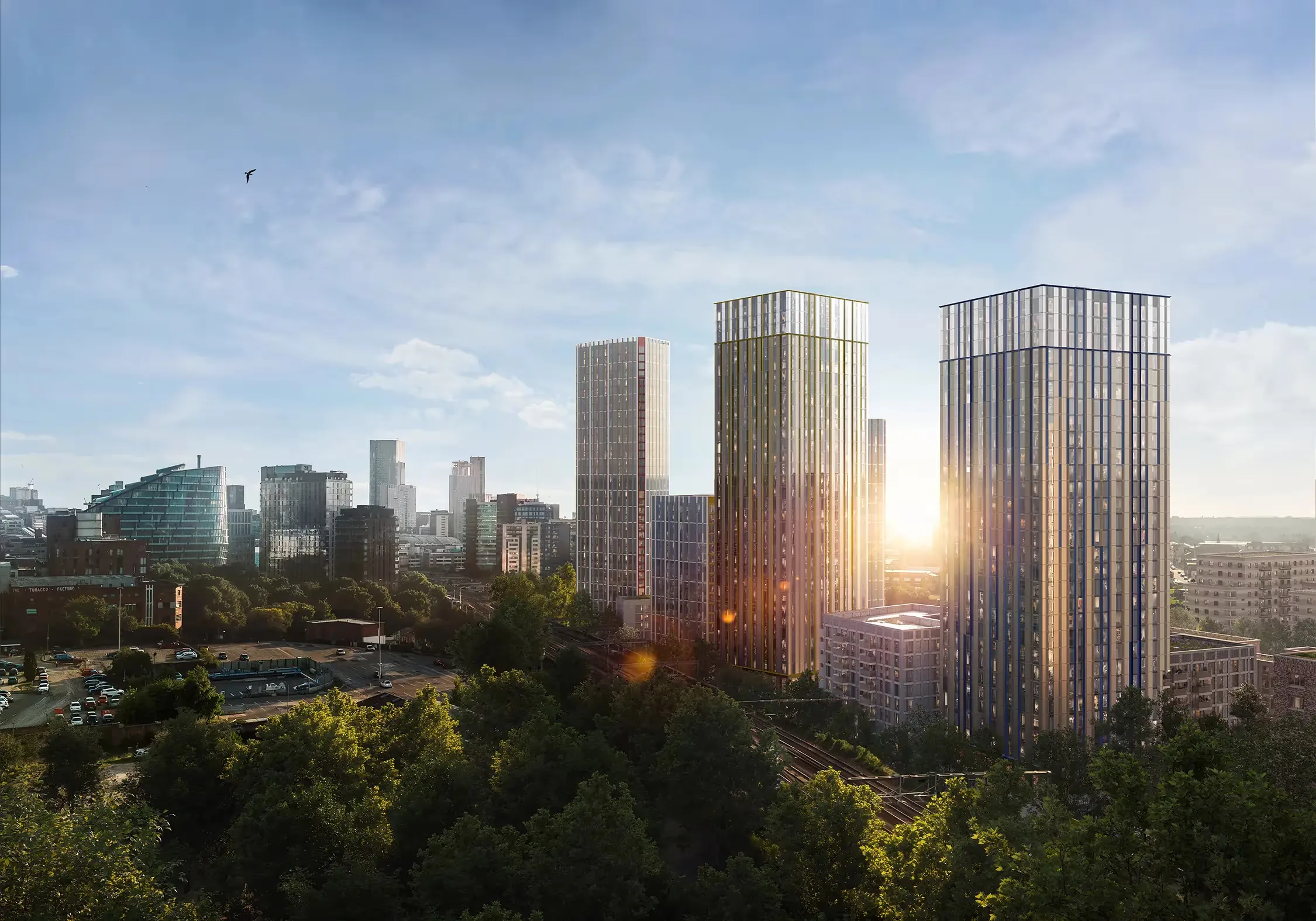
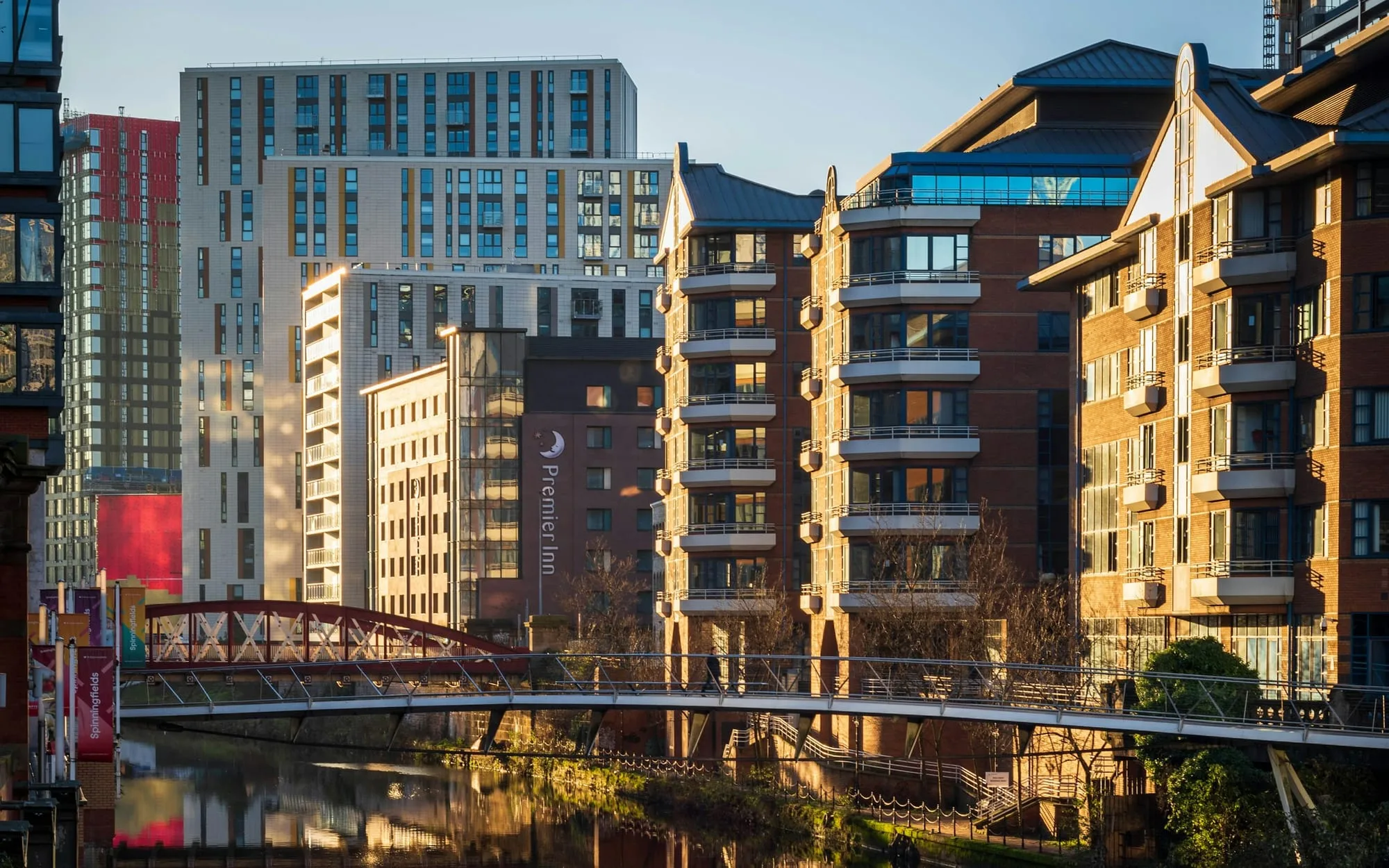
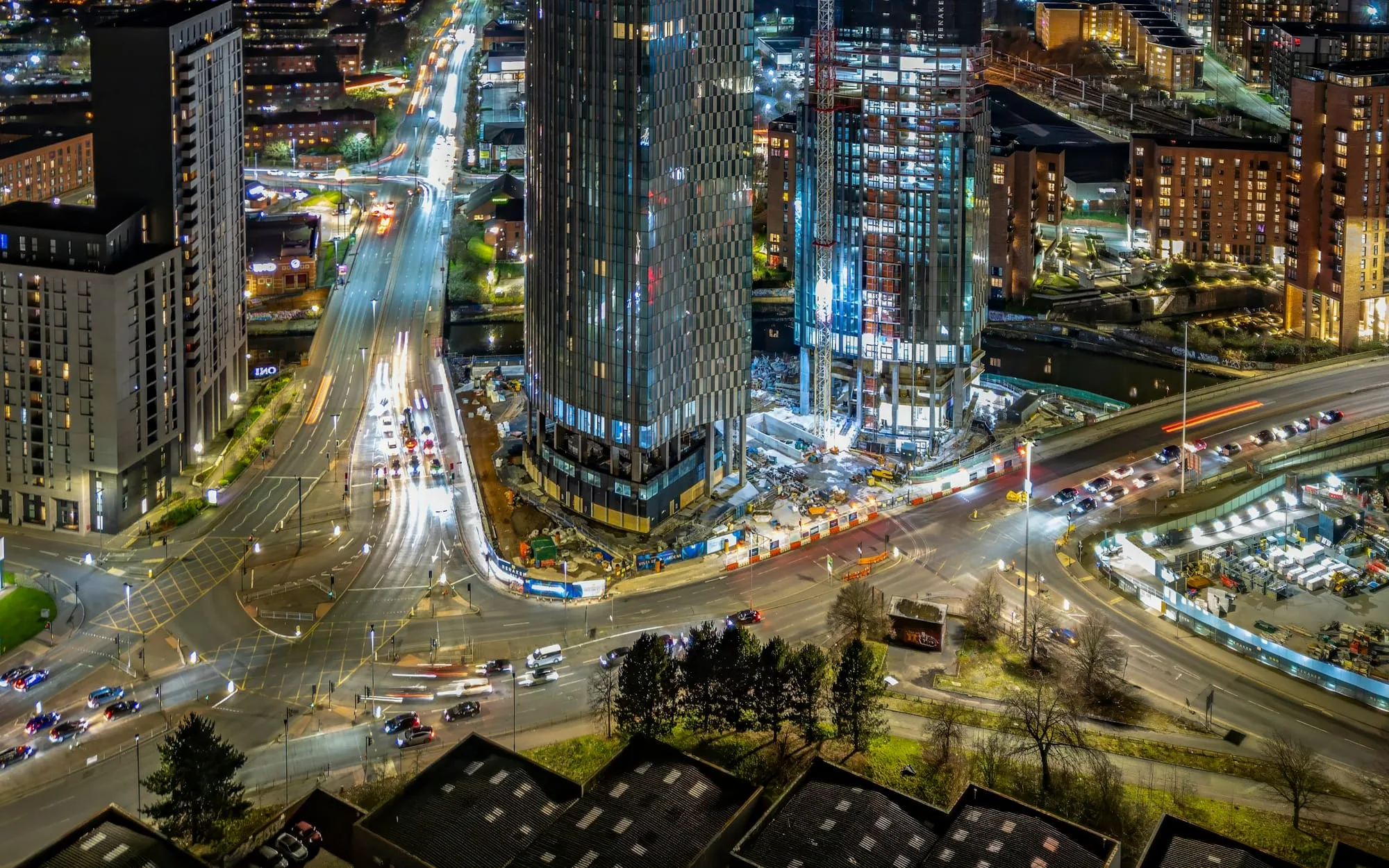
The growth sits on the eastern side, where the Northern Quarter meets Piccadilly Basin, the Rochdale Canal and Ancoats. Port Street, Dale Street and the streets running up to Great Ancoats Street have long been a mix of car parks, yards and low-rise workshops. New-build apartment schemes are now replacing much of it, with the Northern Quarter on one side, Ancoats on the other and Piccadilly station a short walk south.
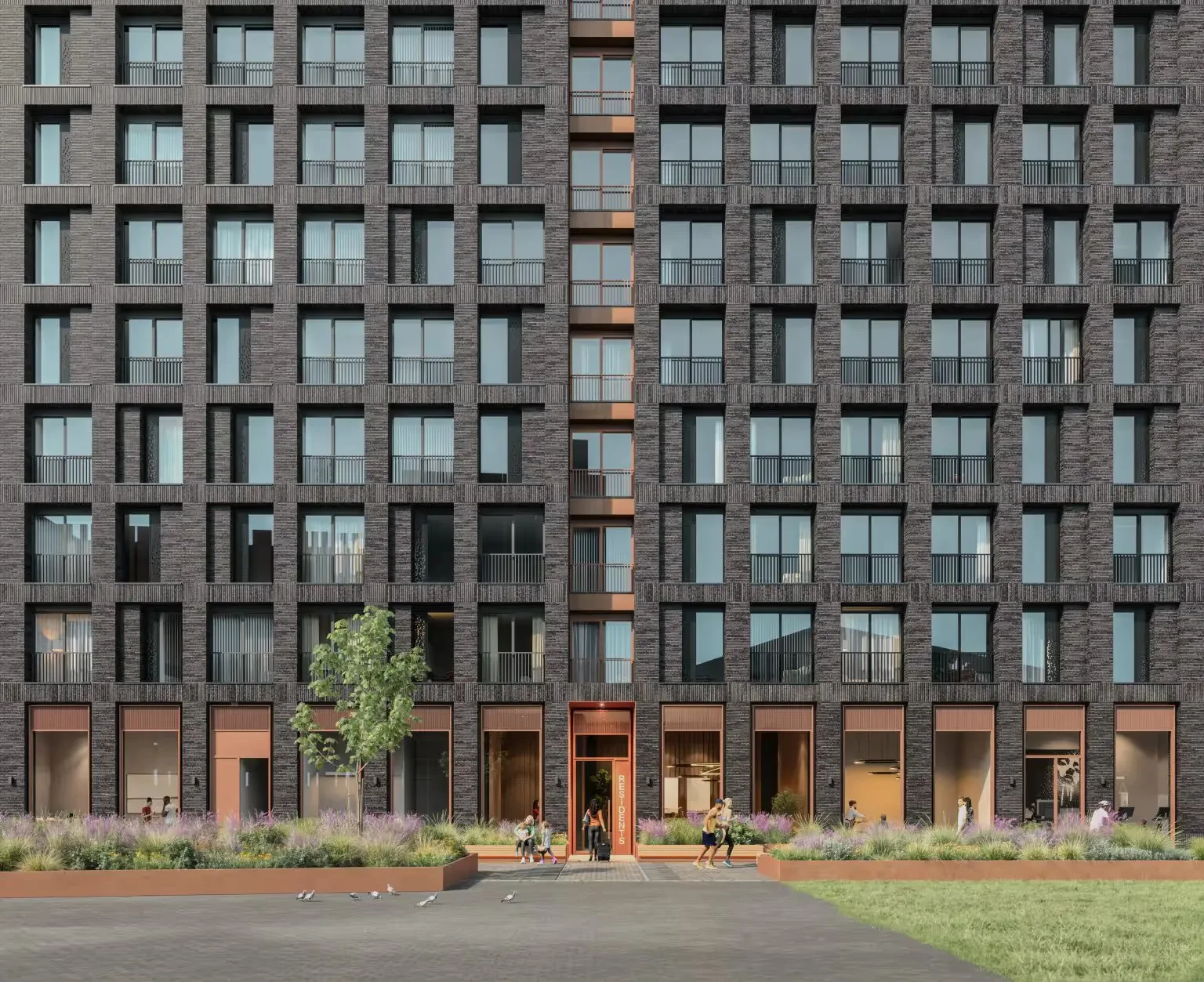
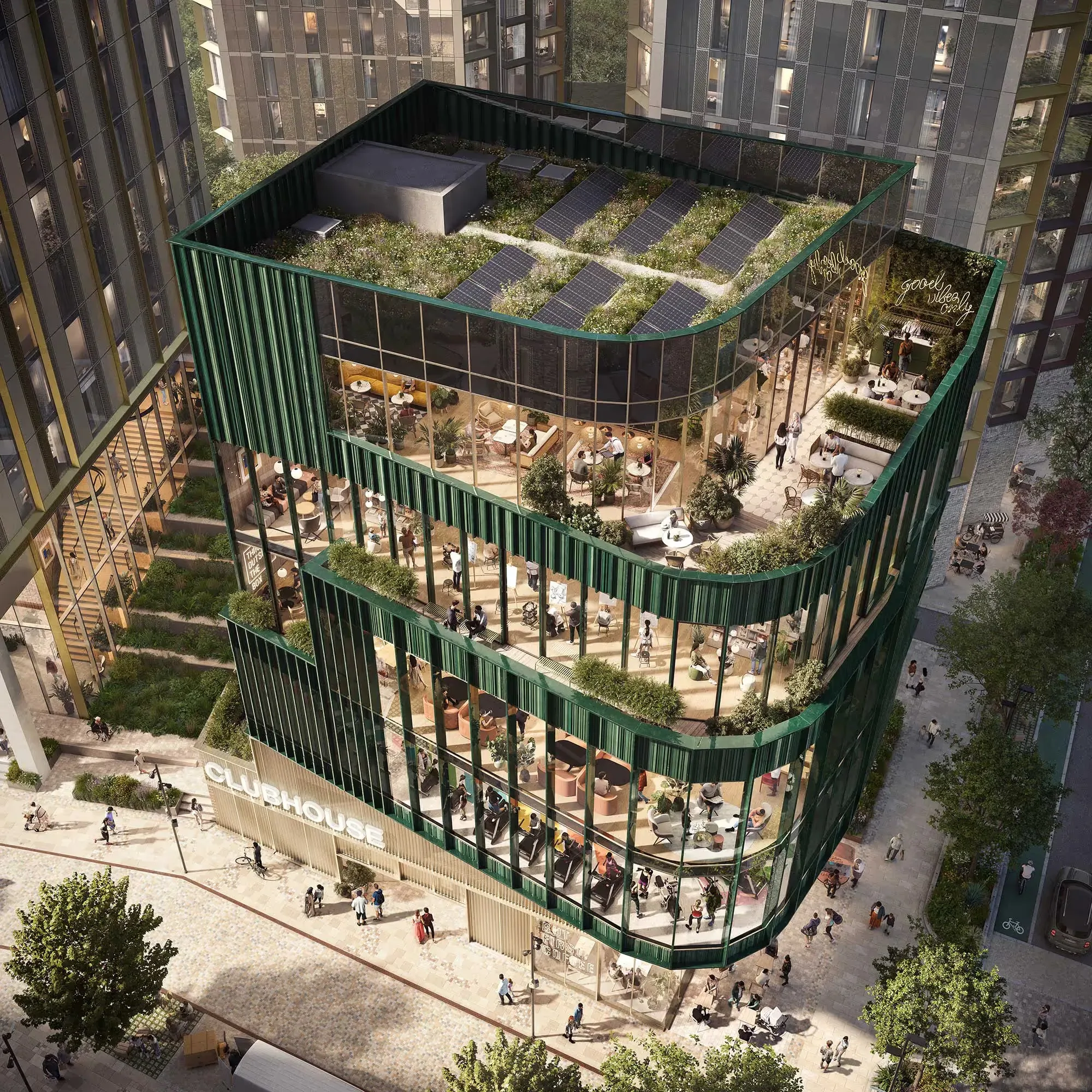
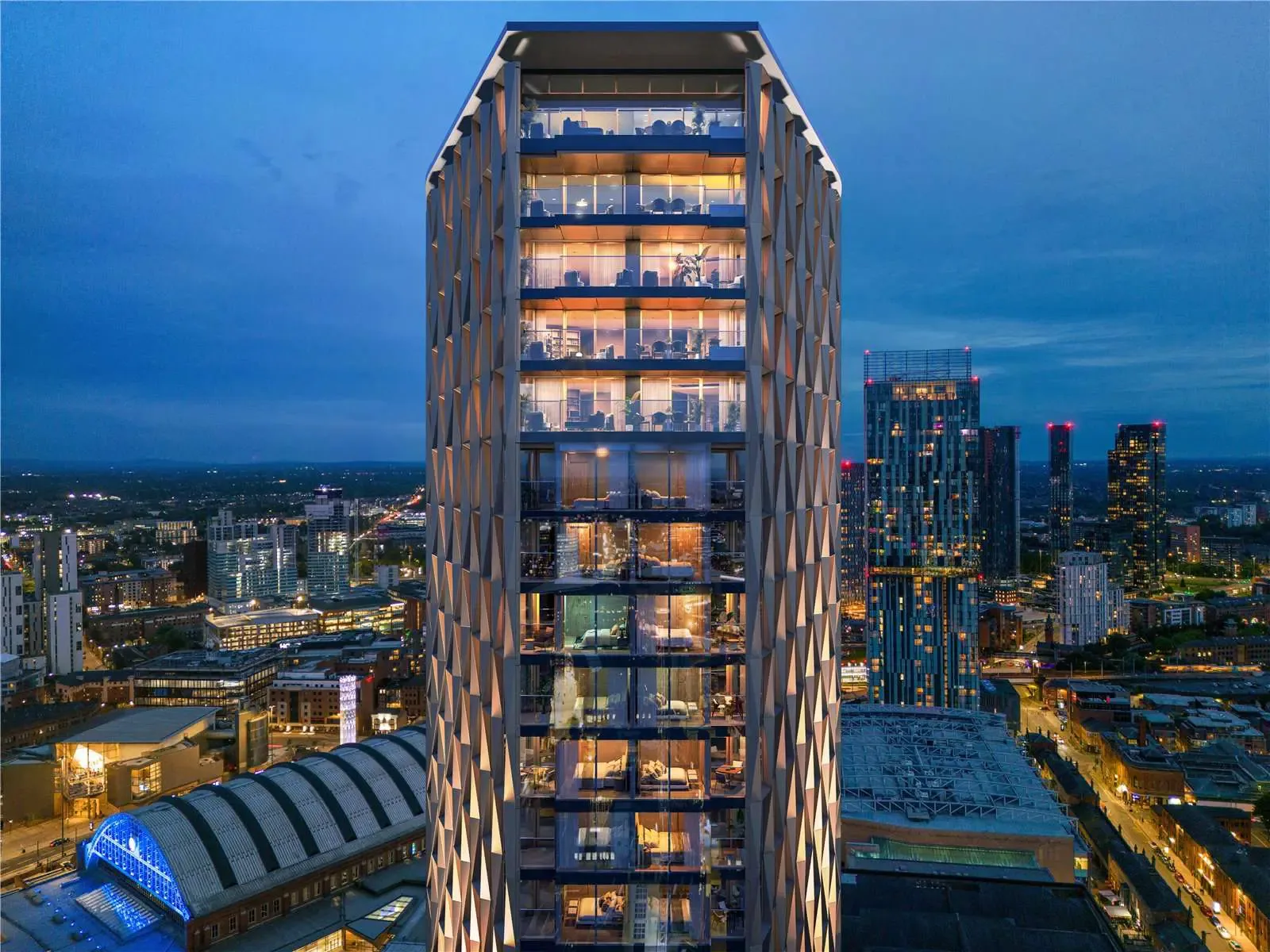
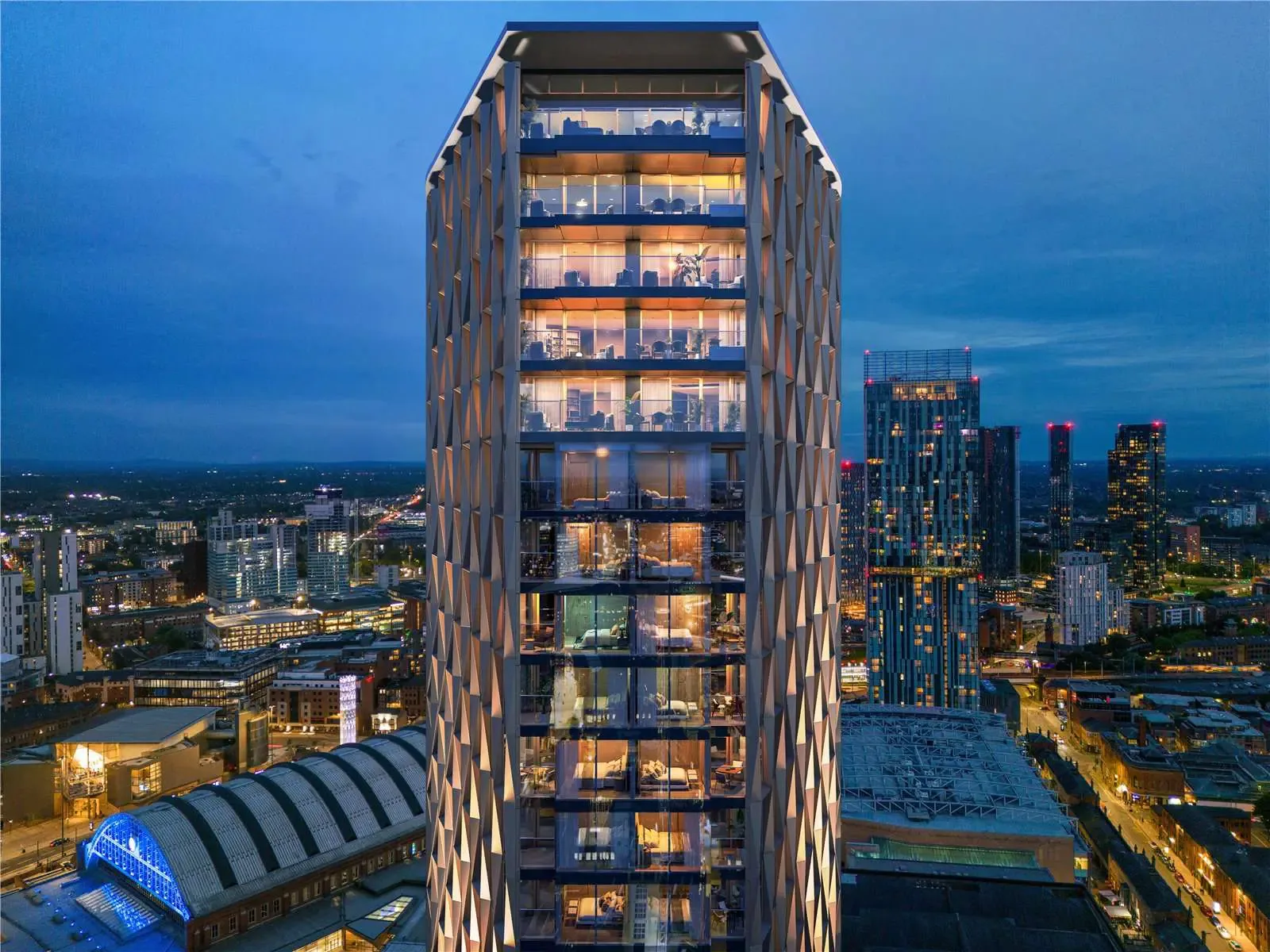
This edge offers the Northern Quarter address with new-build specification and less street noise than the core. Continental is selling a scheme here: see One Port Street for the details.
The wider pattern is the same as in Ancoats a decade ago. The established core is the liquid hold. The edge, where the streets are still being finished, carries more growth potential and more delivery risk.
Noise, nightlife and other checks
- Noise. The bars and venues trade late, and deliveries start early. Under the planning principle of agent of change, new homes near music venues must include noise mitigation, but older conversions may not. Check aspect, glazing and floor level.
- Older building stock. Victorian warehouses need ongoing investment. Read the last three years of service charge accounts and ask about planned major works.
- Tenant turnover. A younger tenant base moves more often. Budget for re-letting costs and the occasional void.
- Competing supply on the edges. Several schemes are completing around Piccadilly and Ancoats. Price your unit against the newest stock nearby.
See the Manchester guide · Manchester rental yields · Ancoats property guide
More in our Manchester guide and the United Kingdom investment guide.