



Phuket guide
Living in Phuket as a British expat.
A single person can live in Phuket on about £830 a month including a one-bedroom flat outside the centre, by crowd-sourced figures; a family of four needs nearer £2,700 before school fees. Most British expats settle on the west coast or in Rawai, use private hospitals and international insurance, and live on a retirement, Privilege or DTV visa.
- Day-to-day costs for a single person run to about £481 (฿21,401) a month before rent, and a family of four about £1,748 (฿77,782), on Numbeo’s crowd-sourced figures for October 2026.
- A UK state pension paid in Thailand is frozen: it is not uprated each year as it would be in the UK. Plan your income on that basis.
- From 18 October 2026, Virgin Atlantic flies Heathrow to Phuket non-stop three times a week, in about 12 hours.
Living in Phuket as a British expat costs less than living in the UK, but not as little as the rest of Thailand: budget about £830 a month as a single person renting a one-bedroom flat outside the centre, and more on the west coast. The island has two well-regarded international boarding schools, a JCI-accredited private hospital and, from October 2026, a non-stop flight to Heathrow. What it doesn't have is good public transport, an NHS, or a visa that comes with buying a home.
What is it like living in Phuket?
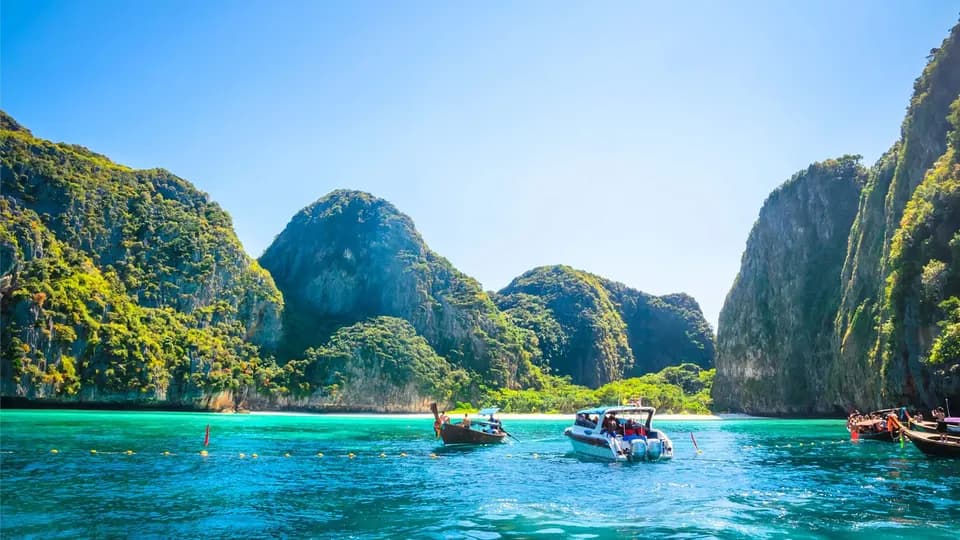
Phuket is Thailand's largest island. Its registered population was 423,599 in late 2025, as reported by The Phuket News, but the number of people actually living and working here, including foreign residents and Thais registered elsewhere, is considerably higher.
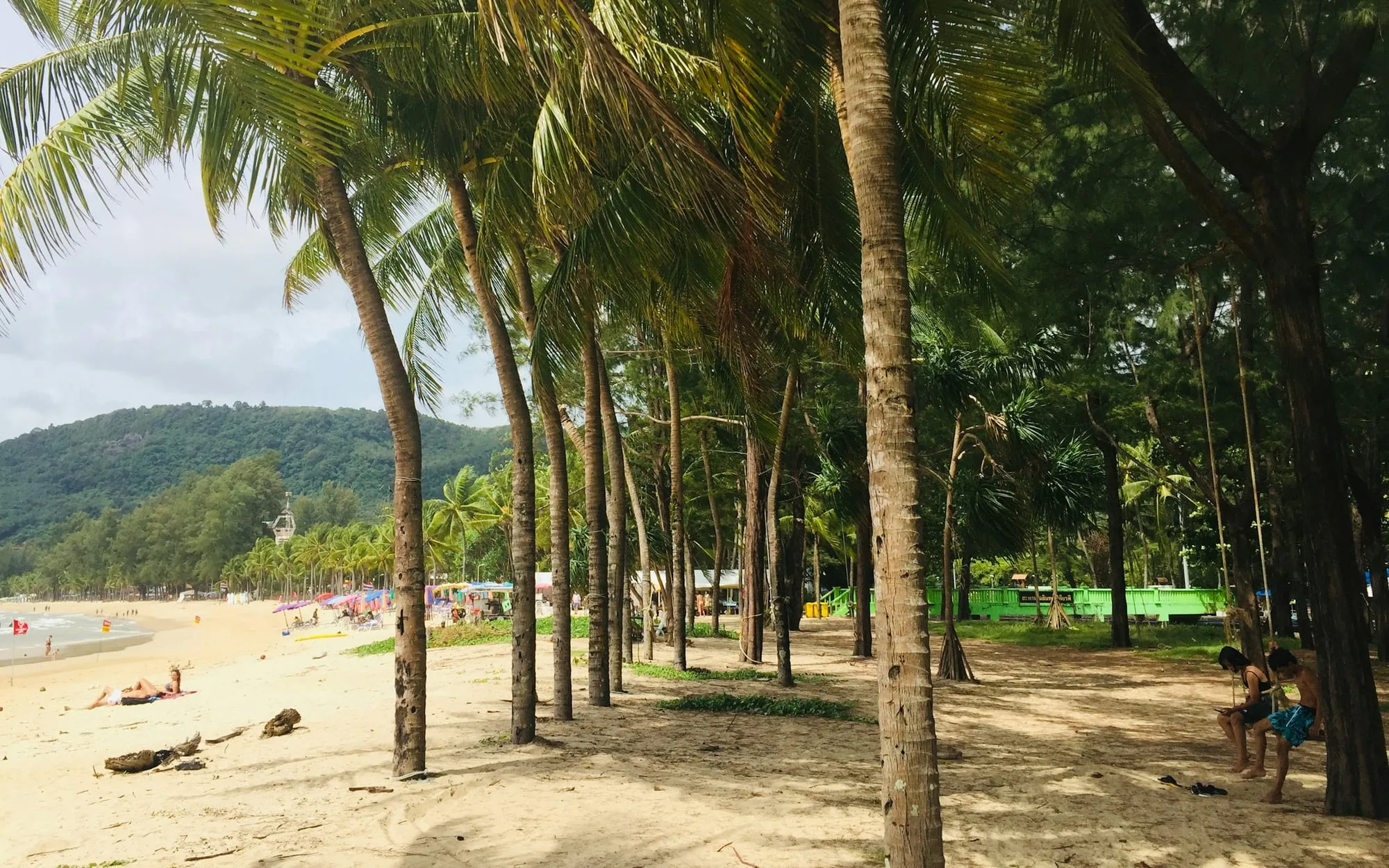
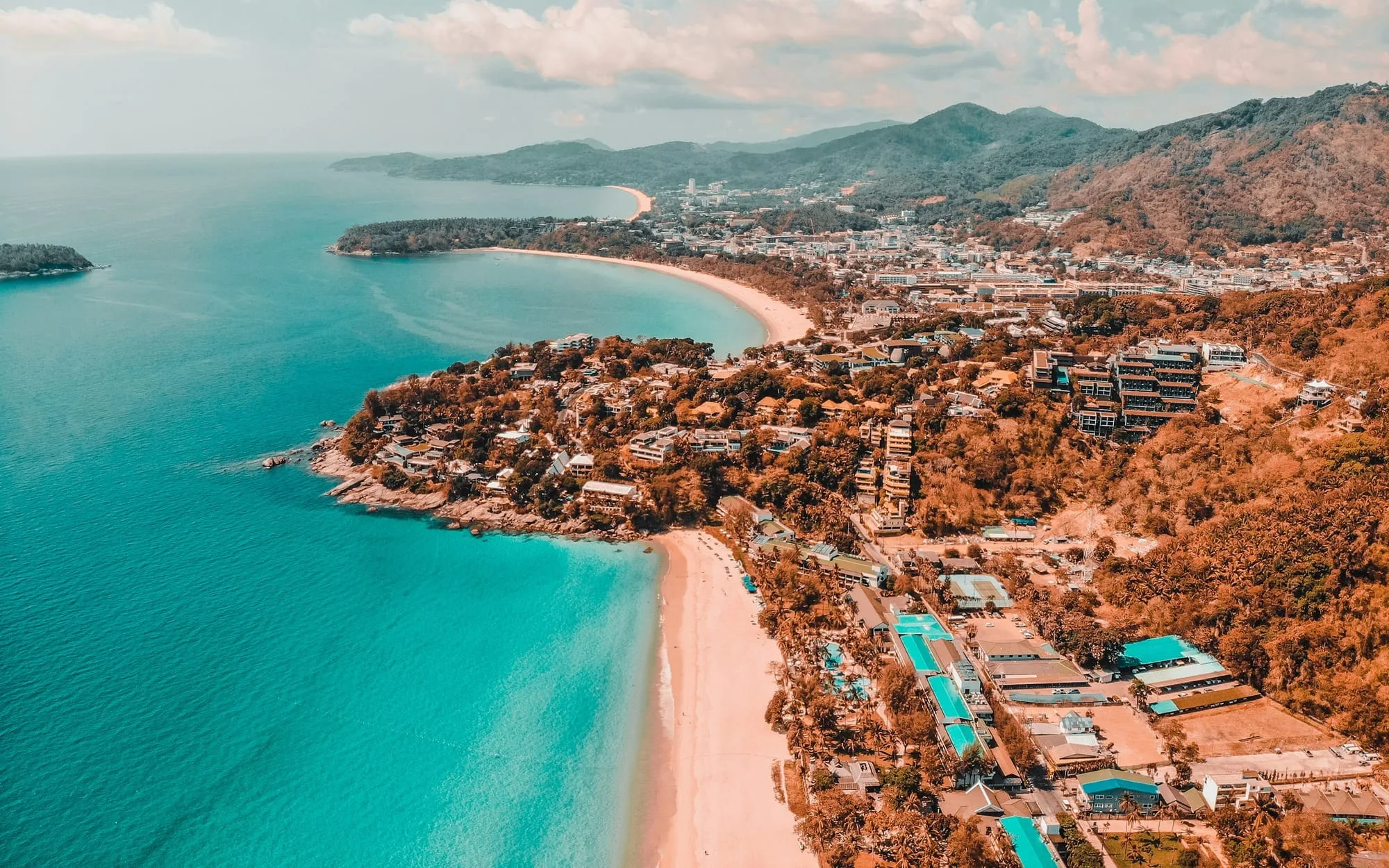
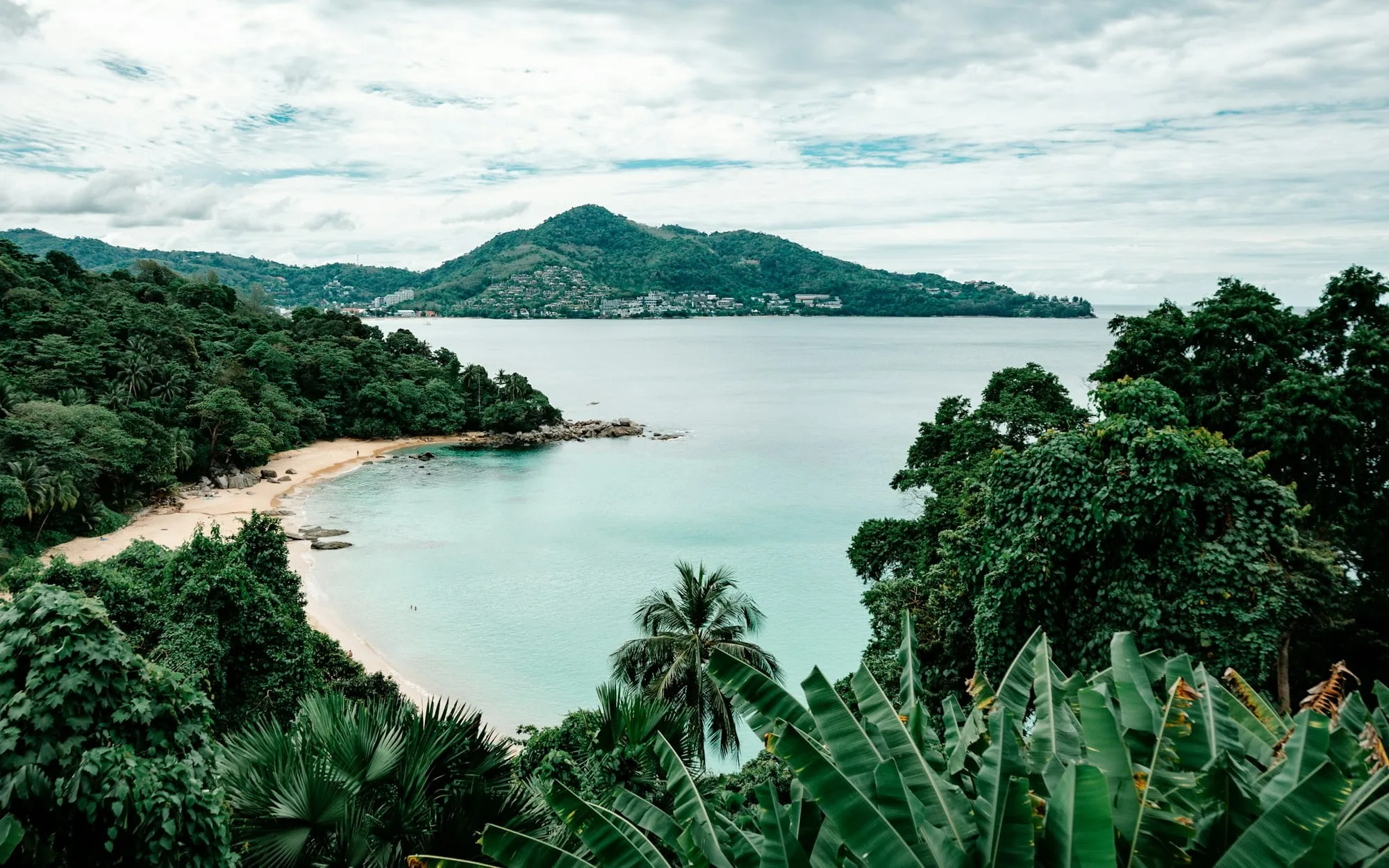
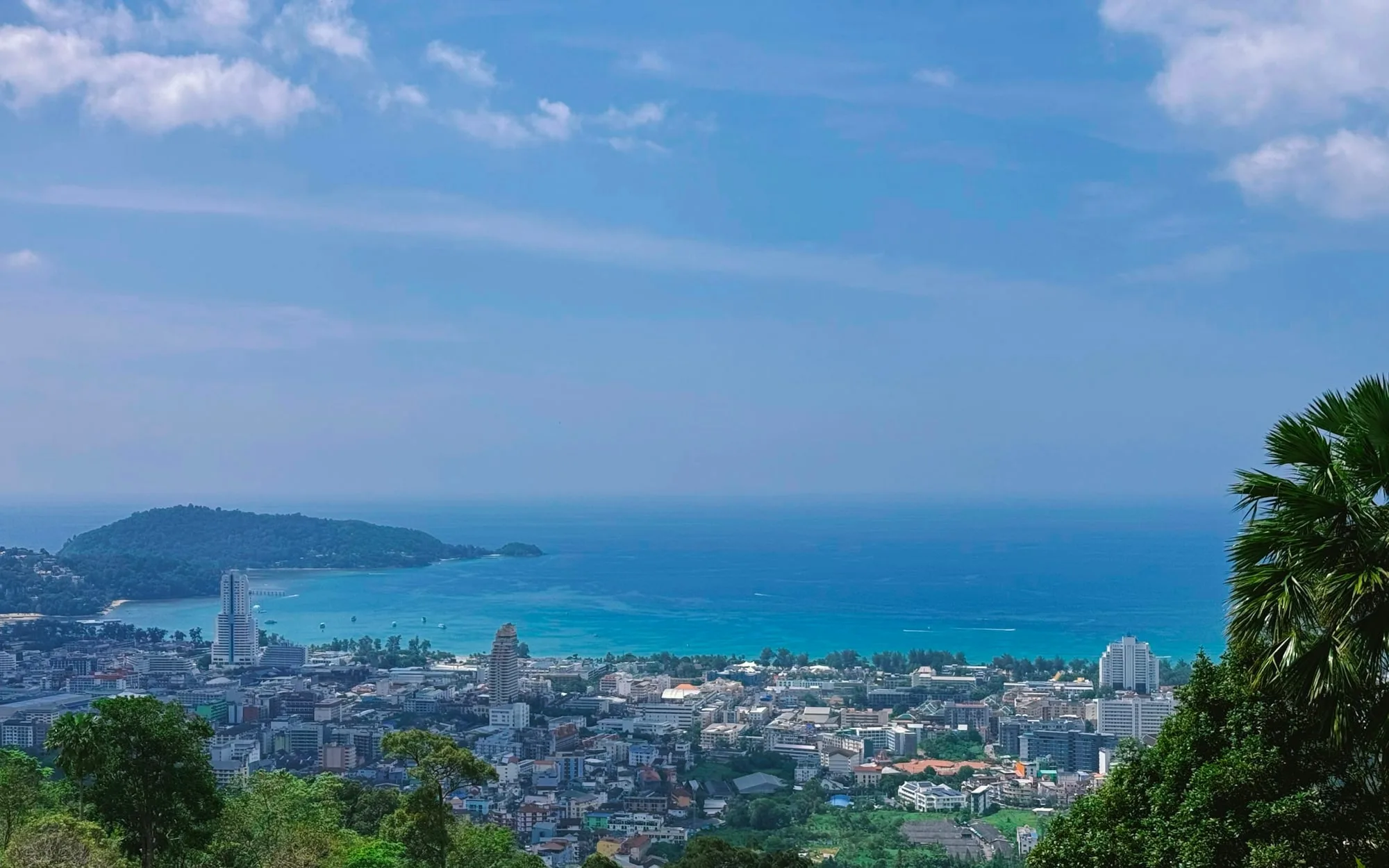
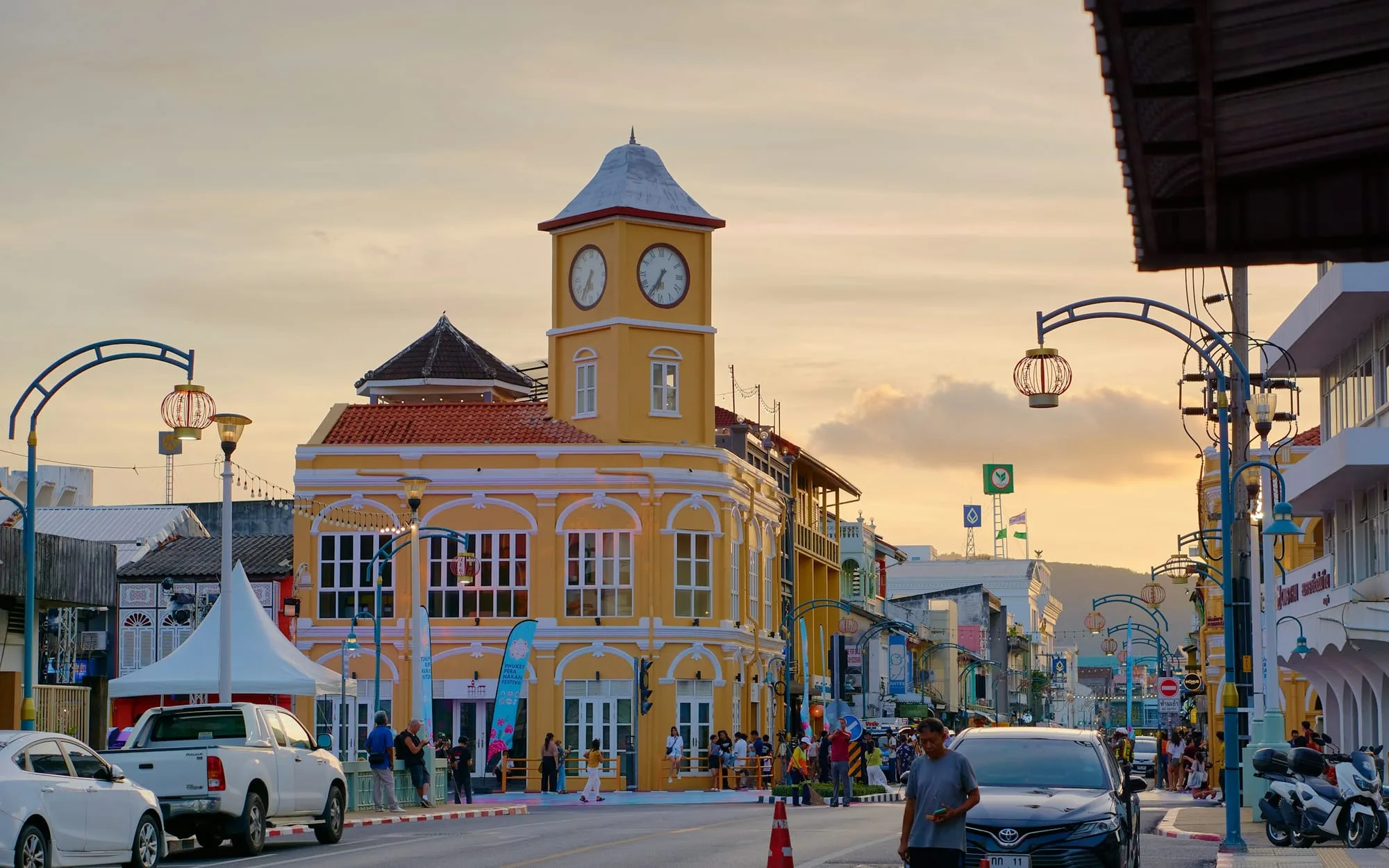
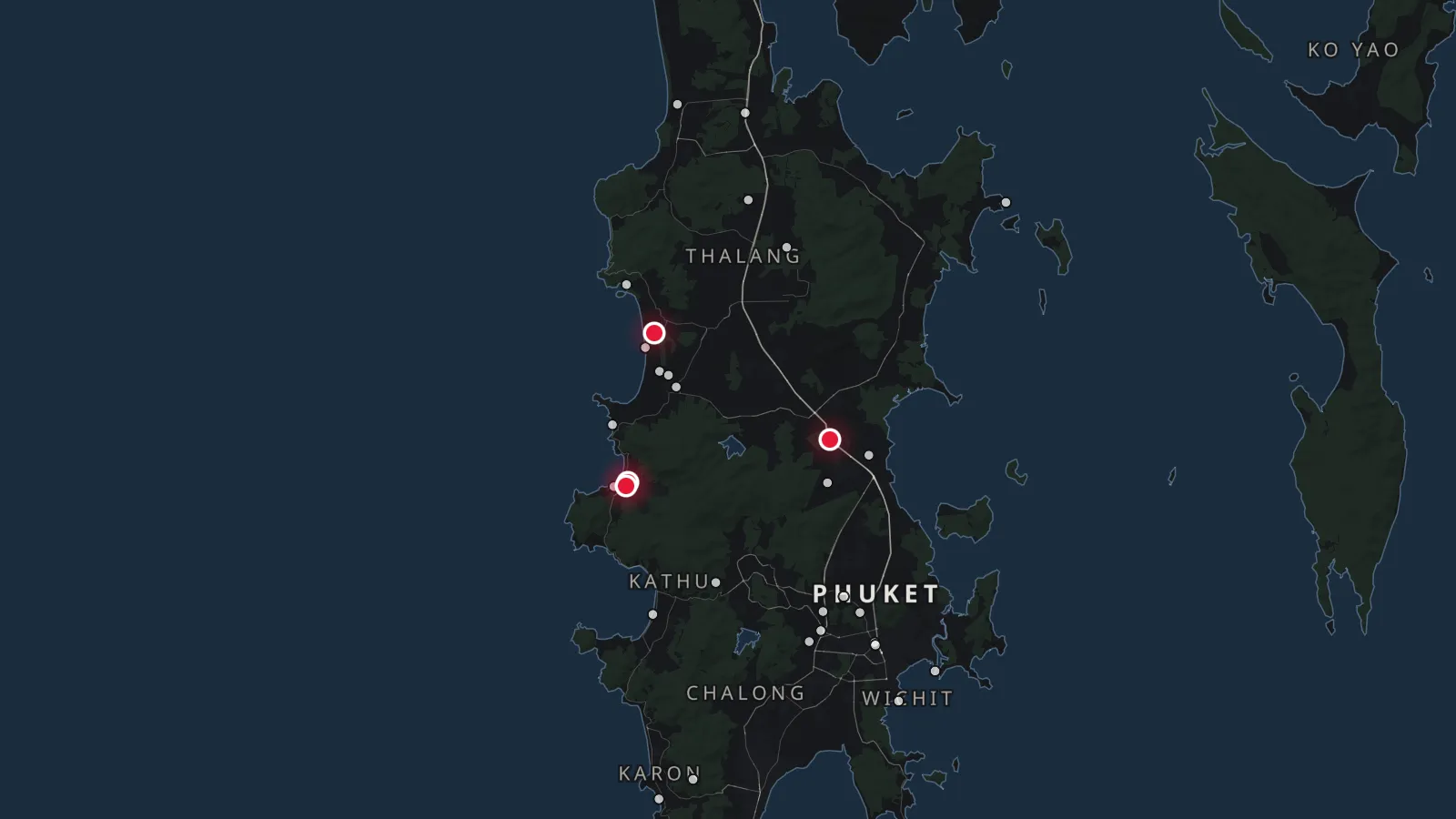
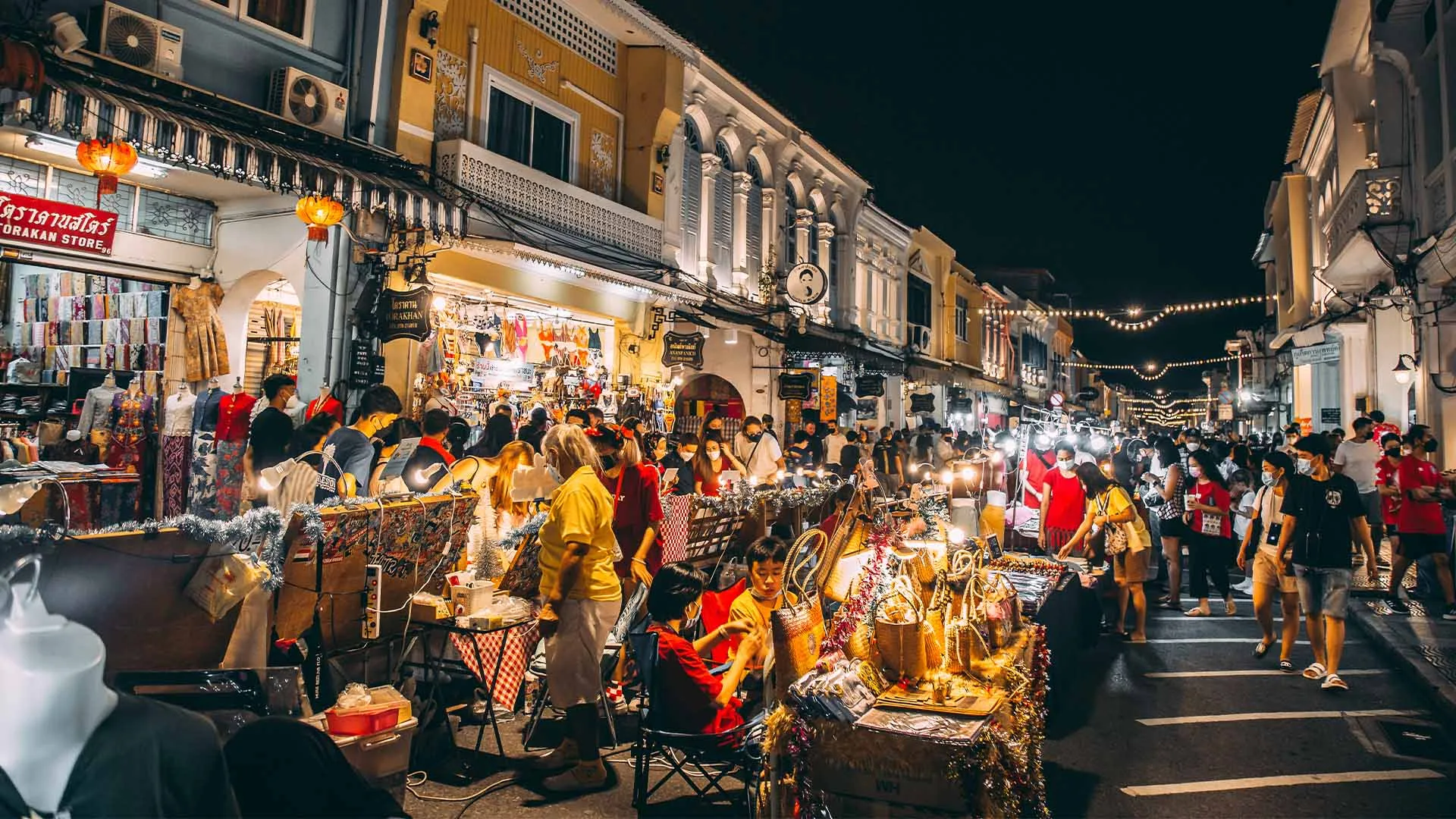
The island divides into two lives. The west coast, from Bang Tao down to Kata, is built around tourism, beaches and the restaurants and schools that serve foreign residents. Phuket Town, in the south-east, is a working Thai provincial capital with the government offices, the main hospitals and an old town of Sino-Portuguese shophouses. Most British expats live on the first and drive to the second when they need to.
The daily rhythm follows the seasons. From about November to April the sea is calm and the island is full. From May to October the southwest monsoon brings rain, rough seas on the west coast and quieter roads, and many long-stay residents spend part of it in the UK.
How much does it cost to live in Phuket?
These are Numbeo's crowd-sourced figures for Phuket, updated 15 October 2026, converted at ฿44.5 to the pound. They are averages from contributors, not official statistics, and west-coast prices run higher.
- Single person, monthly, before rent: £481 (฿21,401)
- Family of four, monthly, before rent: £1,748 (฿77,782)
- One-bedroom flat, city centre: £550 (฿24,467) a month
- One-bedroom flat, outside the centre: £351 (฿15,600) a month
- Three-bedroom flat, city centre: £1,574 (฿70,025) a month
- Three-bedroom flat, outside the centre: £911 (฿40,525) a month
- Utilities for an 85 sq m flat: £74 (฿3,300) a month
- Broadband: £13 (฿577) a month
- Meal at an inexpensive restaurant: £3.37 (฿150)
- Dinner for two, mid-range restaurant: £24 (฿1,085)
- Petrol: £1.10 (฿49.10) a litre
Two illustrative budgets, built from those figures: a single person in a one-bedroom flat outside the centre spends about £832 a month. A family of four in a three-bedroom outside the centre spends about £2,659 a month, before school fees, health insurance and a car. Air conditioning in the hot months, imported food and wine, and a west-coast address all push these up.
What British retirees should plan for. Your UK state pension is frozen in Thailand: it stays at the amount you were paid when you left, with no yearly increase. If you become Thai tax resident, by staying 180 days or more in a year, overseas income earned since 2024 becomes taxable in Thailand once it is remitted. And UK inheritance tax still reaches your worldwide estate until you have been non-UK resident long enough to pass the long-term-resident test. Our lifestyle guide to Thailand covers the tax side in more depth.
Where do British expats live in Phuket?
Expats cluster in five parts of the island, each with a different character.
- [Bang Tao and Laguna](/thailand/phuket/bang-tao): families and working-age expats. Close to the international schools and the airport, with Laguna's shops, clinics and cycle paths.
- [Kamala](/thailand/phuket/kamala) and [Surin](/thailand/phuket/surin): a quieter west-coast village life, with a calm bay for children and the villas of Millionaires Mile above it.
- [Rawai and Nai Harn](/thailand/phuket/rawai-nai-harn): the island's longest-established expat community, popular with retirees. Greener and slower, 60 to 75 minutes from the airport.
- [Kata and Karon](/thailand/phuket/kata-karon): family beaches with more going on in the evenings.
- [Phuket Town](/thailand/phuket/phuket-town), Chalong and Kathu: the cheapest rents, the main hospitals and the most Thai way of life.
Patong is where many visitors stay but few long-term residents choose to live. The property view of each area is in the Phuket guide linked below.
What are the international schools in Phuket?
Phuket's two leading international schools are both boarding schools, which tells you how far their reputations reach.
- British International School Phuket (BISP): on Thepkrasattri Road at Koh Kaew, in the centre of the island. A British-curriculum school taking pupils from nursery through IGCSE to the IB Diploma. Tuition for 2026–27 runs from £10,989 (฿489,000) a year in nursery and reception to £22,083 (฿982,700) in the most expensive years, plus a one-off placement fee of £4,494 (฿200,000) per child.
- UWC Thailand: at Thalang, in the north of the island. Part of the United World College movement, teaching the full IB programme from the early years to the Diploma.
- HeadStart International School: in central Phuket, another established option for British families.
BISP and UWC are both a short drive inland from Bang Tao and Laguna, which is why families settle there. Places in popular years fill early, so apply before you commit to a property.
What is healthcare like in Phuket?
Private healthcare in Phuket is good, quick and paid for. The NHS does not cover you in Thailand, and the UK's GHIC card doesn't apply there.
- Bangkok Hospital Phuket, on Hongyok Utis Road in Phuket Town, was the island's first hospital to gain JCI accreditation. It is part of the BDMS group, Thailand's largest private hospital network, and handles most expat emergencies and specialist care.
- Mission Hospital Phuket, on Thepkrasattri Road, is a long-established private hospital run by the Seventh-day Adventist Church, generally cheaper than Bangkok Hospital.
- Vachira Phuket Hospital in town is the main public hospital: cheaper, and busier.
Clinics in Laguna, Patong, Chalong and Rawai handle everyday care. Budget for international private medical insurance: several retirement visas require it, and a serious admission at a private hospital is billed in full.
Which visa do you need to live in Phuket?
Buying property in Phuket does not give you the right to live there. British expats use one of these routes:
- Non-immigrant O-A (retirement): age 50 and over, with ฿800,000 (£17,978) in a Thai bank or ฿65,000 (£1,461) a month in income, plus health insurance.
- Non-immigrant O-X (long stay): age 50 and over, UK nationals eligible. ฿3m (£67,416) on deposit, or ฿1.8m plus ฿1.2m a year in income. Up to 10 years.
- Long-Term Resident (wealthy pensioner): age 50 and over, with USD 80,000 a year in income, or USD 40,000–80,000 plus USD 250,000 invested, which can include Thai property.
- Thailand Privilege: a paid membership visa, from ฿650,000 (£14,607) for five years.
- Destination Thailand Visa (DTV): ฿500,000 (£11,236) in funds, five years' multiple entry, 180 days per entry. Since 31 August 2026 it needs a criminal record certificate, which UK applicants get from ACRO.
Rules and thresholds change, so check them before you apply. Our guide to Thai visas and residency compares each route in full.
How do you fly between Phuket and the UK?
For a resident the timing is what matters. Virgin Atlantic's Heathrow non-stop, which started on 18 October 2026, is a seasonal winter route, three flights a week. It suits family visiting you over Christmas and the dry months. The trip many residents make the other way, back to the UK for part of the monsoon summer, usually means one stop via Doha, Dubai, Abu Dhabi, Istanbul or Bangkok. Schedules and drive times from the airport to each area are on our Phuket property guide.
Can you drive in Phuket on a UK licence?
As a visitor, yes, with the right paperwork. The UK government's travel advice says to carry both the 1968 International Driving Permit and your UK licence; you can only buy the IDP in the UK, so get it before you go. Once you live in Thailand, you can apply for a Thai driving licence using your UK licence.
Traffic keeps left, as at home. Phuket has almost no public transport worth the name, so most residents own a car or use the Grab app. Motorbikes are everywhere, but the official advice is blunt: Thailand has one of the world's worst records for motorcycle deaths, rental scooters are often unregistered, helmets are compulsory, and your insurer may refuse a claim if you aren't licensed to ride that class of bike in the UK.
What is the rainy season like in Phuket?
The southwest monsoon reaches Phuket in about May and lasts until about October, with September usually the wettest month. Rain tends to come as short, heavy bursts, often in the afternoon, rather than all day. The west-coast sea turns rough, red flags go up on the beaches and swimming becomes dangerous; this is when Kata and Karon get their surf.
For residents, the rainy season is cheaper, greener and quieter. Restaurants and roads empty out and some west-coast businesses close for a few weeks. Damp is the practical problem: dehumidifiers, air conditioning and good drainage matter, which is worth checking when you view a property. Many British residents spend part of the summer in the UK and return for the dry months.
To see the island at its best, plan a viewing trip between November and April. We arrange viewings and introductions on the west coast; talk to the Thailand desk and we will plan one around the dry season.
Questions British expats ask about living in Phuket
How much do you need to live in Phuket per month?
On Numbeo's crowd-sourced figures, a single person spends about £481 a month before rent, or about £832 with a one-bedroom flat outside the centre. A family of four needs about £2,659 with a three-bedroom flat, before school fees, health insurance and a car.
Is Phuket a good place for British retirees?
For many, yes: an established expat community in Rawai, Nai Harn and Kamala, good private hospitals and a non-stop flight to Heathrow. The catches are a frozen UK state pension, the cost of health insurance as you age, and Thai tax on income you bring in once you are tax resident.
Can I live in Phuket if I buy a property there?
Not on the strength of the property alone. You need a visa that allows a long stay, such as an O-A or O-X for the over-50s, the Long-Term Resident visa, Thailand Privilege or the DTV. Property counts towards the LTR investment test, but not towards the others.
Is healthcare in Phuket good enough for expats?
Private care is of a high standard. Bangkok Hospital Phuket holds JCI accreditation and handles most expat cases. It is not free: the NHS doesn't cover you and a serious admission is billed in full, so international health insurance is essential, and some visas require it.
Do British expats in Phuket pay UK tax?
On UK income, usually yes: UK rental income stays taxable in the UK, and how your pensions are taxed depends on the type. If you become Thai tax resident, money earned abroad since 2024 is taxed in Thailand when it arrives, and the UK–Thailand treaty prevents most double taxation. Take advice before you move.
When is the best time of year to live in Phuket?
November to April, when the sea is calm and the weather dry. May to October brings the monsoon, rough west-coast seas and lower prices. Many British residents live in Phuket through the dry season and spend part of the summer in the UK.
More in our Phuket guide and the Thailand investment guide.