














The Thailand guide01 of 08
Buying property in Thailand from the UK.
The full process from London to keys: shortlist, reservation, due diligence, contract, payments, sending sterling, the Land Office and handover. Includes a timeline, viewing trips on the new Heathrow–Phuket non-stop, and buying by power of attorney.
- Foreign condo quota
- 49% of floor area, with funds remitted from abroad in foreign currency
- Source: Bangkok Post · as at October 2026
- FET form threshold
- Issued above USD 50,000; a credit advice is used below that
- Source: Sansiri · as at October 2026
- Foreign condo transfers, 2025
- 14,899 units (+2.2%), ฿60.92bn
- Source: Nation Thailand · as at October 2026
Yes. A UK citizen can buy property in Thailand. You can own a condominium unit freehold, in your own name, provided the building's foreign quota (49% of floor area) has room and the purchase money arrives from abroad in foreign currency. You cannot own land, so a villa or house is normally held on a registered lease of up to 30 years. The steps below run from the first shortlist in London to the keys.
Can a UK citizen buy property in Thailand?
British people can buy property in Thailand on the same terms as any other foreigner: there is no special treaty, and UK citizens are treated like other foreign nationals under Thai law. The rules are clear once you separate the two kinds of property.
- Condominiums: foreigners may own up to 49% of a building's total floor area between them. Your unit is registered in your name on its own title, with no expiry. It is the only true freehold open to a foreign individual.
- Villas and houses: the Land Code does not let a foreigner own the land. The standard route is a lease of up to 30 years, registered at the Land Office. The structure of that lease matters a great deal, and our guide to foreign ownership in Thailand explains why promised 30+30+30 renewals should not be relied on.
- The money trail: for a freehold condo, the purchase money must be sent into Thailand from abroad in a foreign currency. That is where the FET form comes in, and it is the easiest step to get wrong.
Owning property does not give you a visa or residency. Visas are a separate decision with their own criteria.
How do you buy property in Thailand from the UK? The eight steps
- Shortlist the city, the area and the tenure (freehold condo or leasehold villa), with a budget in sterling that includes costs.
- Reserve the unit with a reservation agreement and deposit, which takes it off the market while checks run.
- Due diligence by an independent Thai lawyer on the title, the developer, the permits and the foreign quota.
- Sign the sale and purchase agreement (SPA), or for a villa the lease agreement, once the lawyer has signed off.
- Follow the payment schedule. A finished resale usually needs a deposit and then the balance at transfer. Off-plan is paid in instalments during construction.
- Send sterling correctly, so that each payment arrives in foreign currency and produces a Foreign Exchange Transaction (FET) form or bank credit advice.
- Transfer at the Land Office, where the title (or the lease) is registered in your name and the transfer fees and taxes are paid.
- Handover: inspect the unit, sign off the snagging, set up the utilities and the building management, and take the keys.

Currency · Thailand
- Euro€296,743
1 GBP = 1.19 EUR
- US dollarUS$332,849
1 GBP = 1.33 USD
- UAE dirhamAED 1,222,395
1 GBP = 4.89 AED
- Saudi riyalSAR 1,248,191
1 GBP = 4.99 SAR
- Omani rialOMR 127,980
1 GBP = 0.5119 OMR
- Thai bahtTHB 11,176,264
1 GBP = 44.71 THB
- Malaysian ringgitMYR 1,359,307
1 GBP = 5.44 MYR
Mid-market rates from ExchangeRate-API, updated daily; last update 20 October 2026. Banks and transfer services add a margin, and staged off-plan payments are made at the rate on each date.
Step 1: How do you shortlist Thai property from London?
Start with the purpose rather than the property. A home you will use for four months a year, a long-let investment and a future retirement base lead to different places.
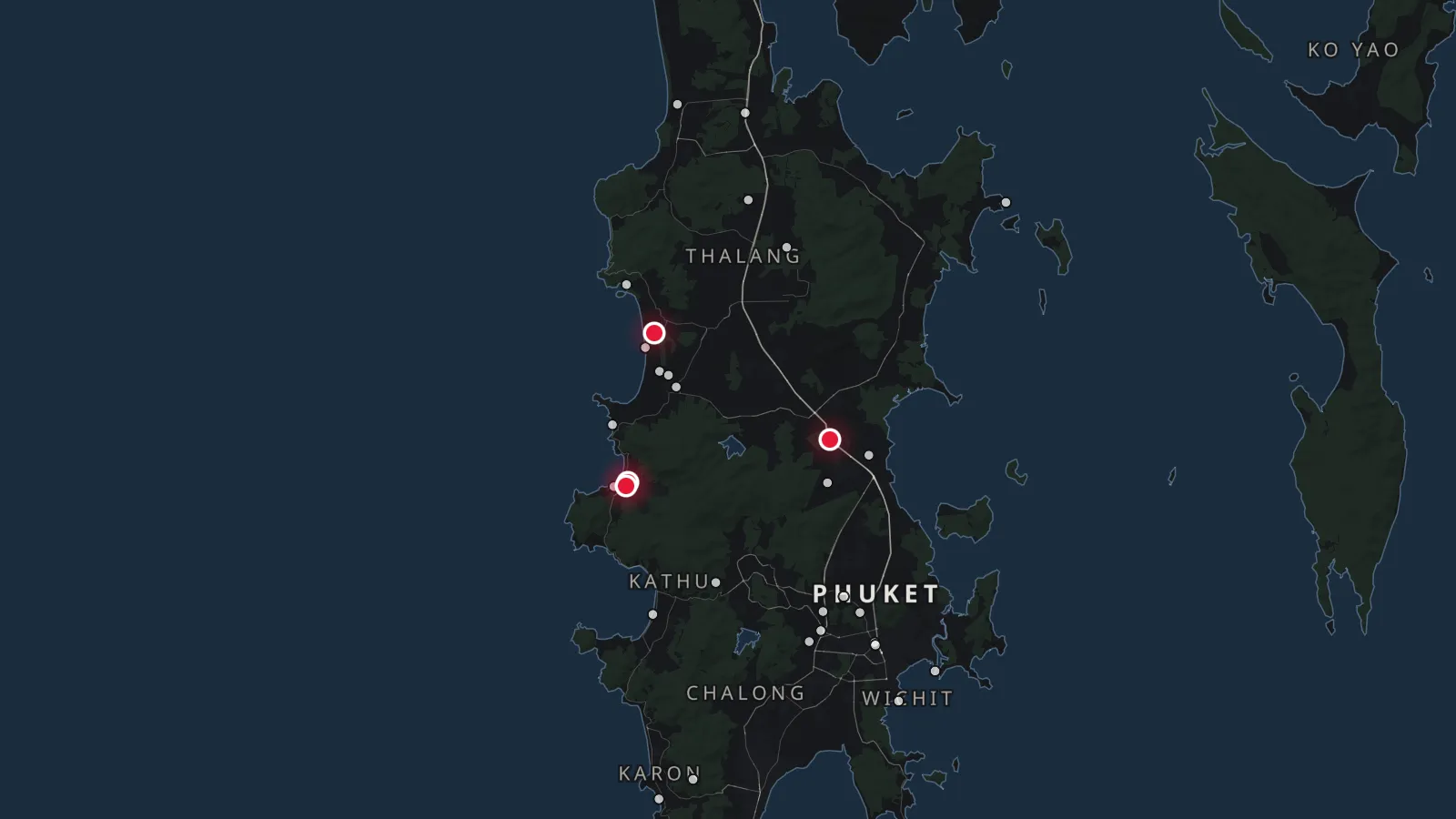
- Phuket has a large international resale market, a year-round expatriate population and, since October 2026, a non-stop flight from Heathrow. Our Phuket guide breaks the island down by area, from Bang Tao and Layan in the north-west to Rawai in the south.
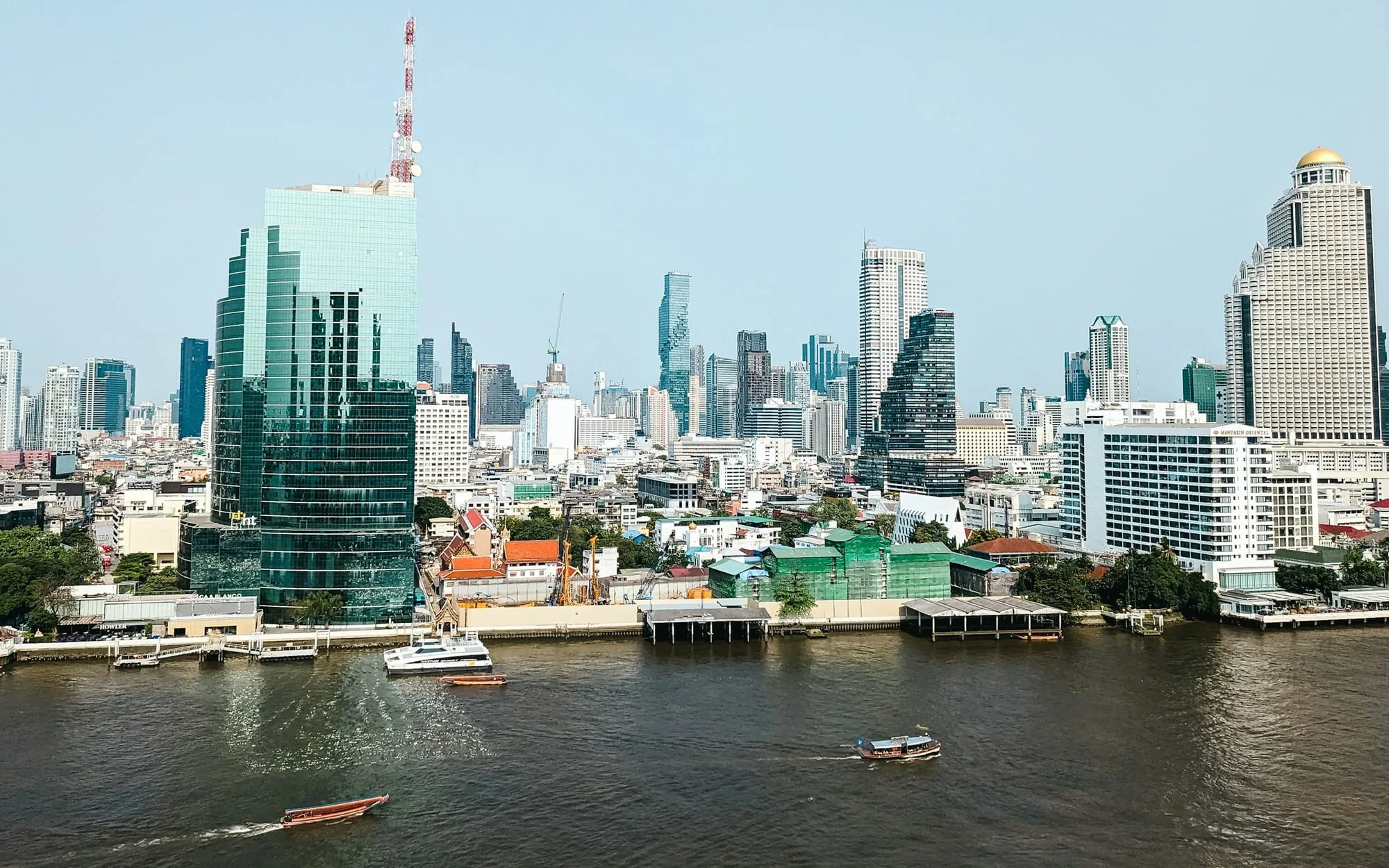
- Bangkok suits buyers who want a city apartment, a lower entry price per square metre and long-let tenants rather than holiday guests.
- Pattaya, Hua Hin and Koh Samui each have their own market. Pattaya and Hua Hin are within driving distance of Bangkok. Samui is quieter and more expensive to reach.
Then decide on tenure. If you want freehold title in your own name, your shortlist is condos. If you want a private pool villa, you are almost certainly buying a leasehold, and you should price that difference in.
Build the budget in sterling at about ฿44.5 to £1 (October 2026), and add costs on top: your share of the 2% transfer fee, legal fees and transfer charges. For scale, foreign buyers' condo transfers in Phuket in the first quarter of 2026 averaged about ฿5.8m (£130,000) a unit. Our costs and taxes guide gives the full list.
Across Phuket we currently sell:
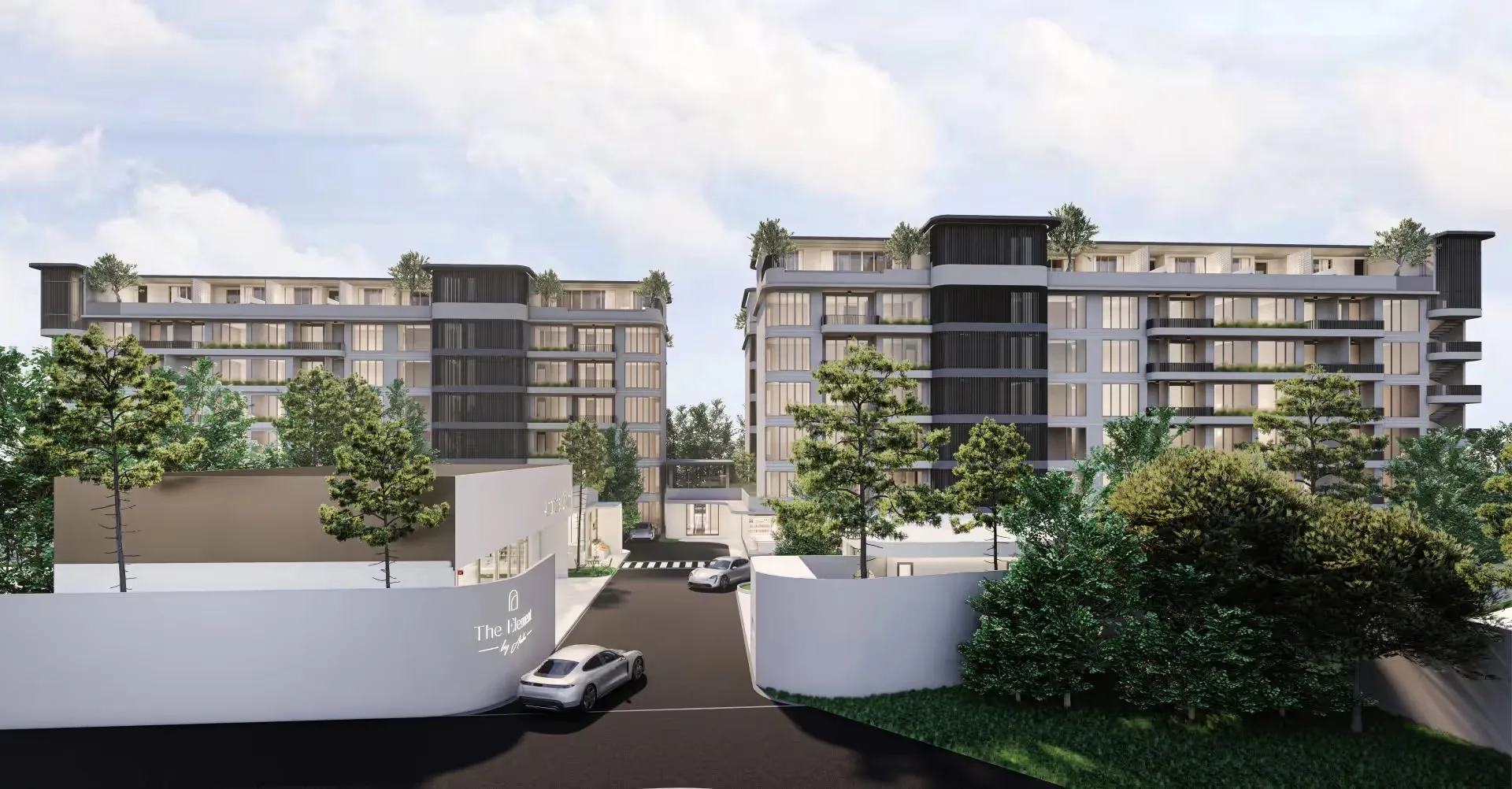
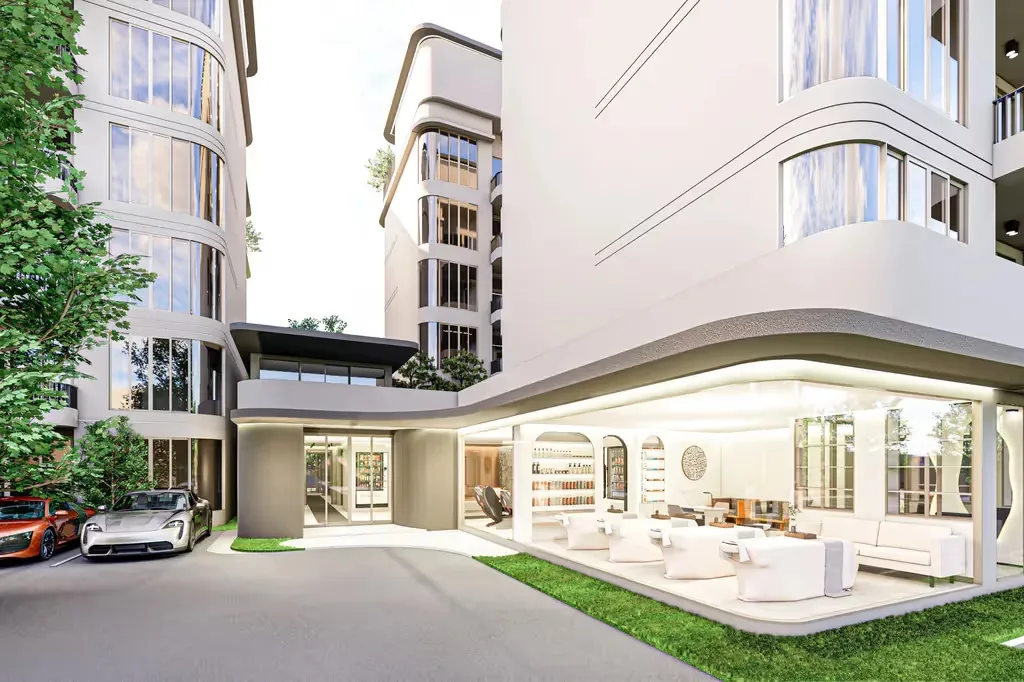
- The Element by Anocha (Kamala), apartments from £66,299
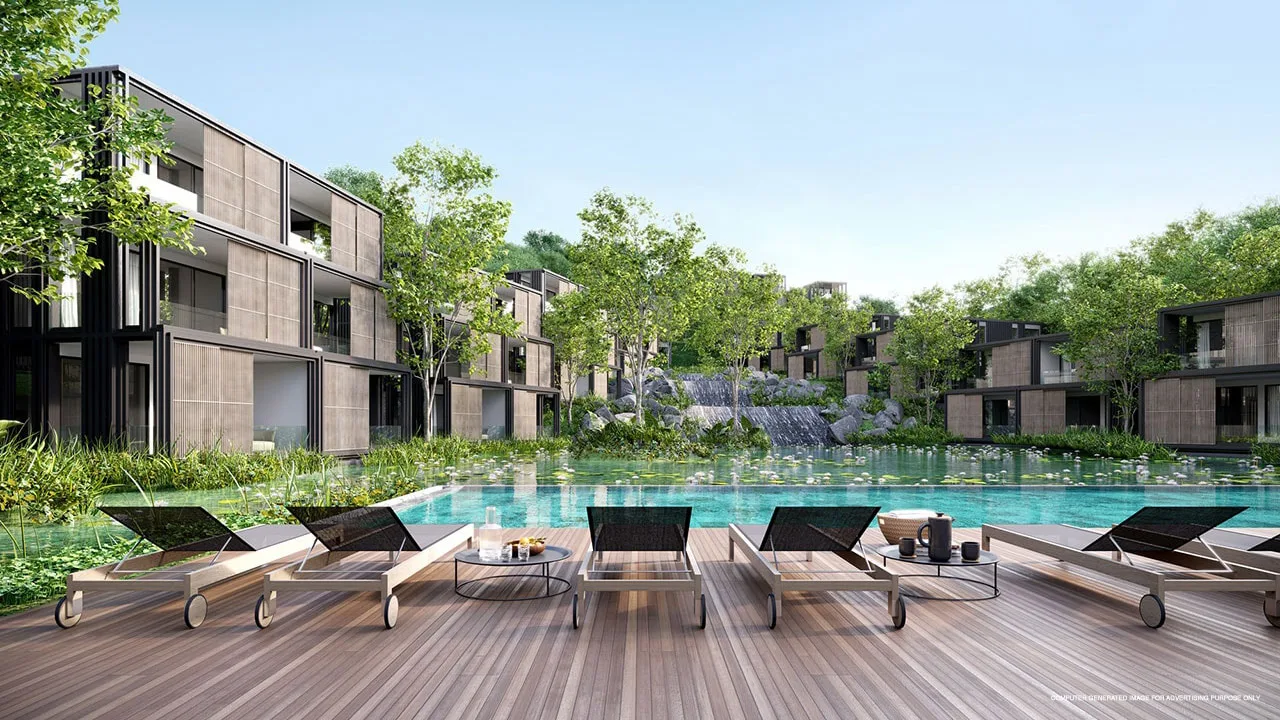
- Verdi Villas Phuket (Si Sunthon, near Bang Tao and Layan), from £209,000
- MGallery Residences MontAzure (Kamala), villas from £215,600
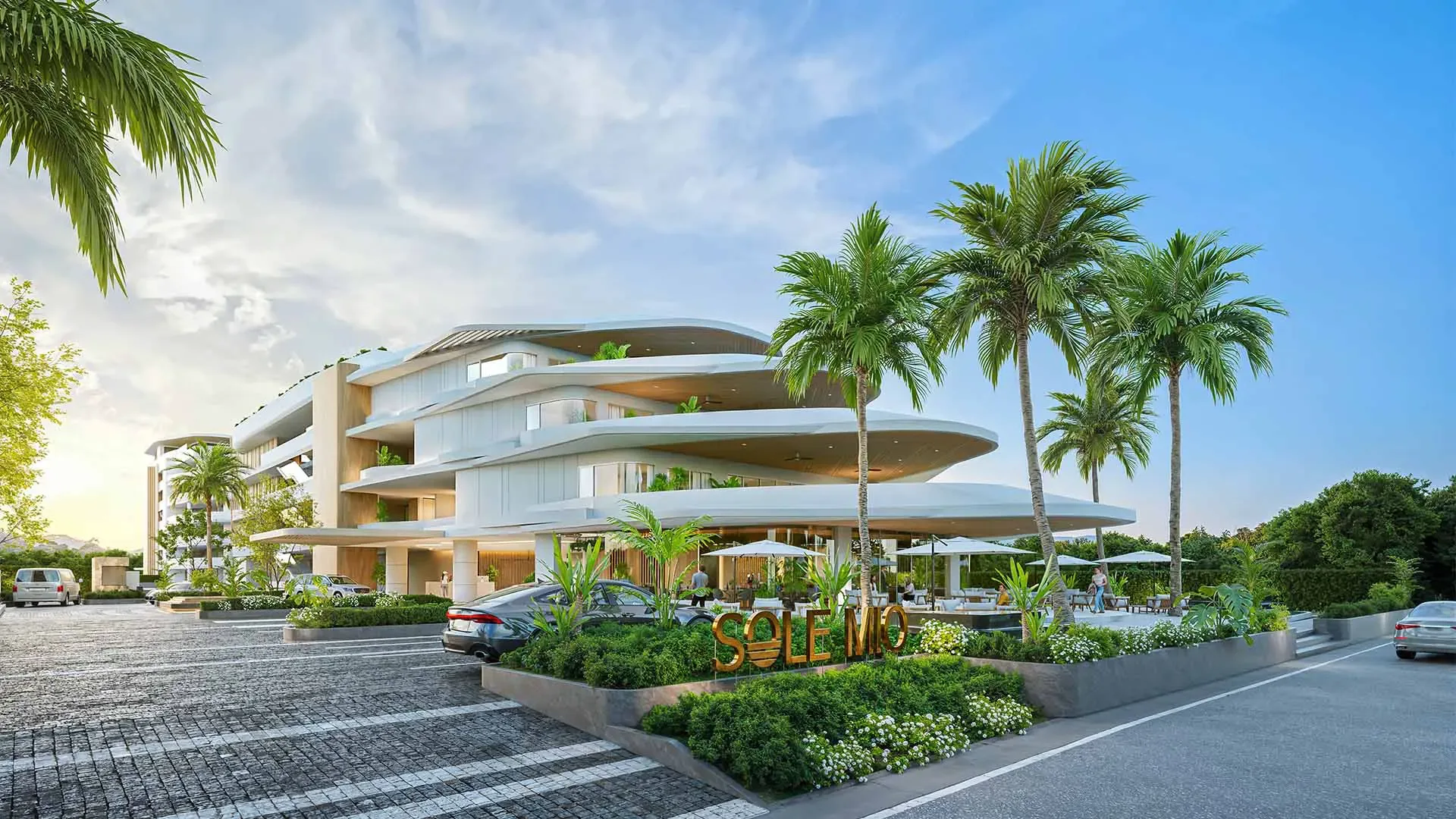
- Sole Mio Residences (Bang Tao and Laguna), apartments from £340,000, completing Q4 2026
Ask the Thailand desk on WhatsApp for the current price lists and the remaining foreign-quota units in each building.
Questions on this guide? Ask our Thailand team.
Ownership, costs and what is for sale, on WhatsApp or by phone.
How do you plan a viewing trip from London?
From 18 October 2026, Virgin Atlantic flies non-stop from Heathrow to Phuket three times a week on a Boeing 787-9. The airline describes it as the only direct route between Heathrow and Phuket, and it runs as a winter seasonal service. VS214 leaves Heathrow at 12:00 on Wednesdays, Fridays and Sundays and lands in Phuket at 07:10 the next morning. The return, VS215, leaves Phuket at 09:20 on Mondays, Thursdays and Saturdays and is back at Heathrow at 16:00 the same day. Outside the season, the usual routes connect through the Gulf or Bangkok.
The timetable shapes a viewing trip well. Fly out on a Friday, land on Saturday morning, view on Sunday and Monday, and fly home on Thursday with time to meet a lawyer and see a building's management office. A typical plan looks like this:
- Day 1: arrive and rest. Drive the area in the evening to see it after dark.
- Day 2: show units and resale comparables in one area, plus the developer's completed buildings, not just the sales gallery.
- Day 3: a second area for contrast, and the drive to the airport, the beach and the nearest hospital at real traffic times.
- Day 4: meet an independent lawyer, the building manager and, if you are letting, a rental manager. Reserve only if the numbers still work.
We plan these trips for clients and arrange the viewings around the flight days.
Steps 2 and 3: How do reservation and due diligence work?
Step 2: Reserving the property
A reservation agreement takes the unit off the market for a short period, usually a few weeks, while your lawyer runs checks. You pay a reservation deposit. On a new development it is often a fixed sum set by the developer; on a resale it is agreed with the seller.
Before you pay, read three things in the reservation form:
- Refundability: is the deposit refundable if due diligence finds a problem? Get that in writing.
- The unit and price: the unit number, floor area, price in baht and what is included (furniture packages, parking).
- The tenure: for a condo, confirm that the unit will be sold to you on the foreign quota. Do not accept "we will sort the quota later".
Pay the reservation from your own UK account, in your own name, and keep the bank's confirmation.
Step 3: Due diligence on Thai property
Use your own Thai lawyer, not the developer's or the seller's. For a condo, the checks are:
- Title: the condominium title (or, off-plan, the land title for the project) is clean, in the seller's or developer's name, with no undisclosed mortgage or encumbrance.
- Foreign quota: a letter from the building's juristic person (the owners' corporation) confirming that the 49% foreign quota has room for your unit.
- Debts: for a resale, a letter confirming that the common area fees and sinking fund are paid up to date.
- Permits: for off-plan, the building permit and the environmental impact assessment (EIA) approval where the project size requires one. A tower that has started without them is a red flag.
- The developer: completed projects, delivery record, litigation and financial standing. On any project we sell, ask us for what we know about the developer and check it against your lawyer's findings.
For a leasehold villa the lawyer also checks the land title, who owns the land, the zoning, access rights, and above all how the lease and any renewal option are drafted.
Due diligence on a straightforward resale condo can take a week or two. On an off-plan project or a villa, allow longer.
Keep this guide: get it as a PDF.
Steps 4 and 5: What goes into the contract and payment schedule?
Step 4: The sale and purchase agreement

The SPA (or lease agreement) sets out the price, the payment schedule, the completion date and the remedies. For off-plan, the clauses that matter most are:
- Specification: the unit size, layout, finishes and the tolerance on floor area, with a price adjustment if the final area differs.
- Construction delay: a completion deadline, the compensation for late delivery, and your right to cancel and recover payments if the delay runs too long.
- Transfer costs: who pays the 2% transfer fee and the seller's taxes. Many developers split the transfer fee 50/50; some cover it as an incentive.
- Rental programmes: if a rental guarantee is offered, who guarantees it and from what income. A guarantee is only as good as the company behind it.
- Governing language: if the SPA is bilingual, which version prevails.
Have your lawyer mark up the contract before you sign. Developers will often consider sensible changes, particularly to delay remedies.
Step 5: The payment schedule
A completed resale is simple. You pay a deposit on signing the SPA and the balance on the day of transfer at the Land Office.
Off-plan is paid in stages. The shape below is an example only. Every developer sets its own schedule, and the SPA governs.
- Reservation: a fixed deposit
- On signing the SPA: a first instalment, often a meaningful share of the price
- During construction: further instalments tied to dates or build milestones
- At transfer: the balance on completion, at the Land Office
Developer schedules are a form of interest-free finance, which is one reason off-plan suits UK buyers who want to spread the outlay. Each instalment is a separate international payment and needs its own paper trail, so the next step applies every time. Our mortgages and finance guide covers how UK buyers fund the schedule, and how to fix the exchange rate on instalments that fall due later.
Step 6: How do you send money to Thailand to buy property?
This is the step that decides whether your condo can be registered in your name. The Condominium Act requires a foreign buyer's purchase money to be brought into Thailand from abroad in foreign currency. The Land Office will ask for proof.
- Above USD 50,000 per transfer, the receiving Thai bank issues a Foreign Exchange Transaction (FET) form.
- Below USD 50,000, the bank issues a credit advice or bank letter instead, which serves the same purpose.
To get the paperwork right:
- Send from your own account, in your own name. If you are buying jointly, both names should match the SPA.
- Send the money in foreign currency, normally sterling, and let the Thai bank convert it to baht. Confirm with your lawyer and the receiving bank that any FX provider's route will still produce an FET or credit advice.
- State the purpose clearly, for example "purchase of condominium unit 1204, [project name], Phuket". Your lawyer will give you the wording.
- Pay into the developer's account or your own Thai account, as your lawyer directs. Opening a Thai bank account as a non-resident is possible but varies by bank and branch, so start early.
- Keep every FET and credit advice. You need them at transfer, and you will want them again when you sell and send the proceeds home.
Leasehold villas do not carry the condo funding rule, but follow the same discipline. A clean money trail protects you at resale.
Steps 7 and 8: What happens at the Land Office and at handover?
Step 7: Transfer at the Land Office
On transfer day the buyer and seller, or their attorneys, attend the Land Office where the property sits. The officer checks the documents (passport, FET forms or credit advices, the juristic person's quota and debt-free letters for a condo) and registers the transfer.
Fees and taxes are paid on the day, usually by cashier's cheque:
- Transfer fee: 2% of the officially appraised value, split as agreed in the SPA.
- Specific Business Tax: 3.3% if the seller sells within five years of acquiring the property (exempt if they have been in the house book for a year), or stamp duty of 0.5% where SBT does not apply. Both are normally the seller's cost.
- Withholding tax: the seller's income tax on the sale, collected at the Land Office.
The Land Office's 0.01% transfer fee cut, running from 1 July 2026 to 30 June 2027, applies only to Thai individuals buying at ฿7m (£157,300) or less. It is not available to foreign buyers or companies.
For a leasehold villa, the lease itself is registered on the land title. A registration fee and stamp duty are charged on the total rent over the term. Never pay the full lease premium against an unregistered lease.
Step 8: Handover
On a new build, handover follows a joint inspection. Walk the unit with a snag list: doors, windows and seals, water pressure and drainage, air-conditioning, electrics, tiling and the balcony falls. Agree a written timetable for fixes and do not accept the keys on a promise alone.
Then set up ownership:
- Building management: register with the juristic person, and pay the sinking fund and the first common area fees.
- Utilities: transfer the electricity and water accounts into your name.
- Rental management: if you plan to let, appoint a manager and understand the short-let rules first. Lets under 30 days need a Hotel Act licence, and building rules often ban them. Check the building rules before you list the unit.
- Thai tax: if the unit will earn rent, register for a Thai tax ID.
Can you buy Thai property remotely with a power of attorney?
Yes. You can reserve after a viewing trip and complete without returning, by power of attorney (POA). The POA lets your lawyer sign the SPA, collect documents and attend the Land Office on your behalf.
- Use the Land Office's own form. The Land Department has specific POA forms for land and for condominium transactions, and your lawyer will prepare the right one.
- Make it specific: name the property, the transaction and the attorney. Avoid open-ended general powers.
- Legalise it in three stages: certification by a UK notary, legalisation by the FCDO, then legalisation by the Royal Thai Embassy in London, which quotes about three working days for its part. The FCDO stamp alone is not enough for a Thai Land Office.
- Send certified copies of your passport with it, as the Land Office will ask for them.
A remote purchase is only as safe as the attorney. Use an independent lawyer you have met, ideally on the viewing trip.
How long does it take to buy property in Thailand?
The timings below are typical, not guaranteed. Your lawyer's checks and your bank set the real pace.
- Viewing trip to reservation: days to a few weeks
- Due diligence: one to three weeks for a resale condo, longer for off-plan or a villa
- SPA signed: shortly after due diligence clears
- Resale completion: often four to eight weeks from reservation, once funds and FET forms are in place
- Off-plan completion: set by the construction schedule, from months to several years
- POA (if used): notary, FCDO and embassy legalisation in sequence, run in parallel with due diligence
A 30-minute call with the Thailand desk will place your purchase on this timeline, and we can plan the viewing trip around the Virgin Atlantic schedule. Book a call with the Thailand desk.
Frequently asked questions
Can a UK citizen buy property in Thailand?
Yes. A UK citizen can own a condominium unit freehold, in their own name, provided the building's foreign quota (49% of floor area) has room and the purchase money is sent into Thailand from abroad in foreign currency. Foreigners cannot own land, so villas and houses are normally held on a registered lease of up to 30 years. There is no special UK treaty; British buyers follow the same rules as other foreigners.
Can I buy a house in Thailand from the UK without visiting?
Yes. You can buy remotely by power of attorney. The POA is certified by a UK notary, legalised by the FCDO and then by the Royal Thai Embassy in London, after which your Thai lawyer can sign the contract and attend the Land Office for you. One viewing trip first is still worth making, because area, build quality and the developer are hard to judge from London.
What is an FET form and do I need one?
A Foreign Exchange Transaction form is issued by the receiving Thai bank when foreign currency arrives from abroad. A foreign buyer of a freehold condo needs it to prove the money came from overseas. Banks issue an FET for transfers above USD 50,000; below that, a credit advice or bank letter serves the same purpose. Keep every one, for the Land Office and for resale.
How long does it take to buy property in Thailand?
A completed resale condo often completes four to eight weeks from reservation, once due diligence is done and the FET paperwork is in place. Off-plan completion is set by the construction schedule, which can run to several years. If you buy by power of attorney, start the notary, FCDO and embassy legalisation early and run it alongside due diligence.
Can British people own land in Thailand?
No. The Land Code does not allow a foreign individual to own land, apart from a rarely granted exception that requires a ฿40m (£898,900) investment and ministerial approval. British buyers of villas normally take a registered lease of up to 30 years. Using a Thai company with nominee shareholders to hold land is illegal and carries criminal penalties.
Is there a direct flight from London to Phuket?
Yes. From 18 October 2026, Virgin Atlantic flies non-stop from Heathrow to Phuket three times a week as a winter seasonal service. It leaves Heathrow at 12:00 on Wednesdays, Fridays and Sundays and lands at 07:10 the next morning. The return leaves Phuket at 09:20 on Mondays, Thursdays and Saturdays.
Do I need a Thai lawyer to buy property in Thailand?
In practice, yes. Thai law does not require one, but an independent lawyer checks the title, the foreign quota, the permits and the developer, marks up the contract and handles the Land Office. Use your own lawyer, not the seller's or the developer's. On a leasehold villa, the drafting of the lease is where most of the long-term risk sits.
Does buying property in Thailand give me a visa?
No. Owning property in Thailand does not on its own give you a visa or residency. Long-stay options such as the Long-Term Resident visa, Thailand Privilege membership and the retirement visas have their own criteria, and some let a property purchase count towards a financial threshold. Treat the property and the visa as two separate decisions.
Part of our guide to investing in Thailand.