















The Thailand guide02 of 08
Foreign ownership in Thailand: freehold, leasehold and the law.
What a foreign buyer can own outright, what they can only lease, and the structures that work or fail: the 49% condo quota, 30-year leases and why renewals are not guaranteed, superficies and usufruct, Thai companies, marriage, and the reforms still pending.
- Condo foreign quota
- 49% of floor area; a 75% proposal is approved for study only
- Source: Bangkok Post · as at October 2026
- Maximum lease term
- 30 years (CCC s.540); a 99-year amendment went to consultation in July 2025, not enacted
- Source: Nation Thailand · as at October 2026
- Foreign condo transfers, 2025
- 14,899 units (+2.2%), ฿60.92bn
- Source: Nation Thailand · as at October 2026
Foreigners can own a condominium unit in Thailand freehold, in their own name, within the building's 49% foreign quota. They cannot own land. A villa or house is therefore held on a registered lease of up to 30 years, sometimes alongside a superficies right over the building. The Supreme Court has held pre-agreed renewals on the original terms void, and buying land through a Thai company with nominee shareholders is a criminal offence. Proposals for a 75% condo quota and 99-year leases exist, but neither is law.
Can foreigners own property in Thailand?
Yes, within four fixed limits.
- Condos: freehold. A foreigner can own a condominium unit outright, with no expiry, registered on its own title in their name.
- Land: no. The Land Code bars foreign individuals from owning land. One exception (section 96 bis) allows up to one rai for a residence against an investment of at least ฿40m (£898,900), with ministerial approval. It is rarely used and rarely granted.
- Buildings on leased land: yes. A foreigner can own a house as a structure separately from the land beneath it, which is what a superficies right protects.
- Leases: yes. A foreigner can lease land or a villa for up to 30 years.
Every structure in Thailand sits on one of these four points. If someone offers you "freehold" land as a foreigner, ask exactly which of them they mean.
How does freehold condo ownership work for foreigners?
The Condominium Act lets foreigners collectively own up to 49% of a building's total floor area. Three practical consequences follow.
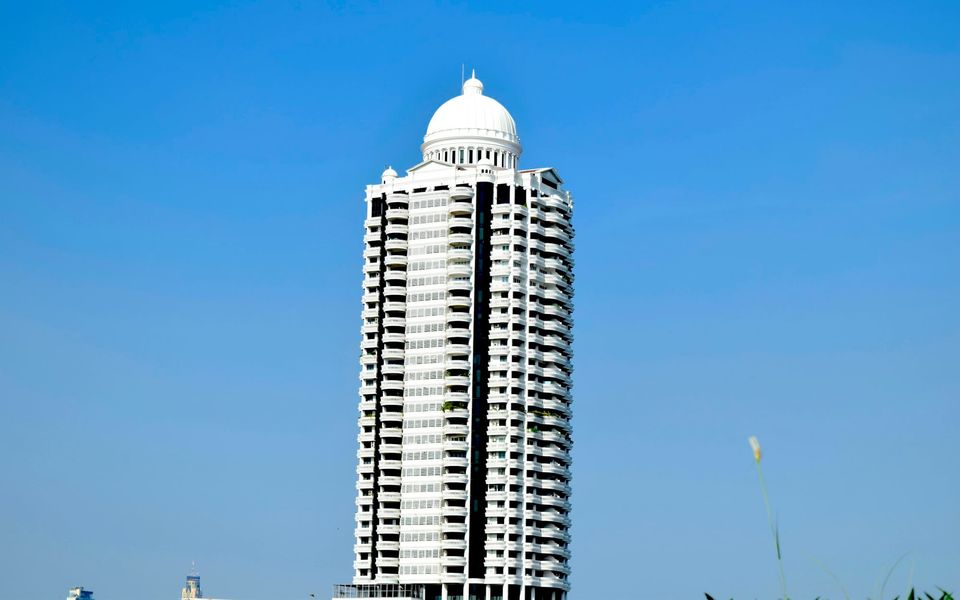
- The quota is per building, and it runs out. In the most popular Phuket and Bangkok projects, the foreign quota is sometimes sold before the Thai quota. Your lawyer should get a letter from the building's juristic person (the owners' corporation) confirming room for your unit before you sign.
- The money must come from abroad. Your purchase money must be sent into Thailand in foreign currency. The receiving bank issues an FET form above USD 50,000 per transfer, or a credit advice below that. The Land Office will not register you without that evidence. Our buying guide sets out how to send sterling correctly.
- The title is yours. The unit, with a share of the common property, is registered in your name. You can sell it, let it, leave it in your will or mortgage it.
If a building's foreign quota is full, some sellers offer a leasehold over a Thai-quota unit. That is a lease, with every limitation below, not freehold. Price it accordingly.
How does a 30-year lease work for a villa?
The Civil and Commercial Code caps a lease of immovable property at 30 years (section 540). Any lease longer than that is cut back to 30. A lease of more than three years must be in writing and registered at the Land Office, or it can be enforced for only three years.
A registered lease is noted on the land title. It binds a buyer of the land, it is a public record, and it is the minimum for any villa purchase. When you buy a leasehold villa, you are usually paying the whole 30 years' rent up front as a premium. That is why you should never pay against an unregistered lease.
Registration is charged on the total rent: a registration fee and stamp duty calculated on the lease premium. Your lawyer will give you the figure, and the SPA should say who pays it. Our costs and taxes guide covers the other charges.
Questions on this guide? Ask our Thailand team.
Ownership, costs and what is for sale, on WhatsApp or by phone.
Are 30+30 lease renewals enforceable in Thailand?
Not as they are usually written. The standard Phuket villa lease promises "30+30+30", a 30-year term with two more 30-year renewals on request. Buyers have long been told this amounts to 90 years. It does not.
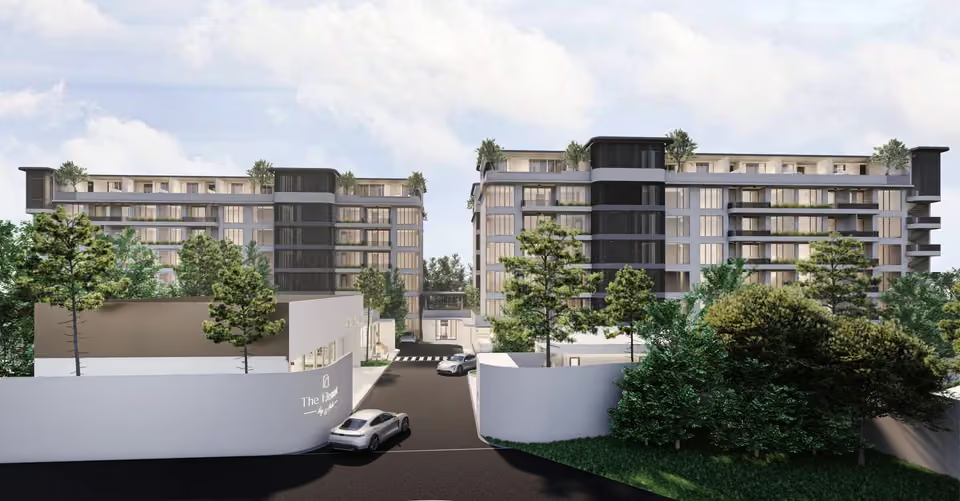
Supreme Court judgment 4655/2566 (decided in 2023, widely reported in 2025) concerned a Phuket house. In May 1990 the lessee registered a 30-year lease for ฿1.5m and, the same day, signed a separate agreement to renew twice more for 30 years each, paying ฿1.2m in advance for those two terms. When the first 30 years ran out, the landowner asked him to leave. The Court held the renewal promises void: they fixed the original terms for 90 years and, with the advance payment, were a way around the 30-year cap in section 540. The lessee was evicted and ordered to pay damages.
Lawyers read the ruling differently at the edges. One Asia Lawyers, writing in May 2026, sees a clear precedent against pre-agreed renewals and consecutive leases signed in advance. Addleshaw Goddard says it does not overturn earlier decisions, and that renewals reflecting future conditions or rent may still stand. Neither view rescues a standard 30+30+30.
What this means for you:
- Value a leasehold on 30 years. Treat any renewal as a possibility, not an asset.
- Do not prepay renewal terms. Paying in advance for future terms was central to the Court's reasoning.
- Draft renewals as options to negotiate. Lawyers now suggest an option to register a new 30-year term on renegotiated conditions, such as a rent set at the time or indexed to inflation, paid when the renewal happens. That is less likely to be struck down. It is still not a guarantee.
- Review an existing lease. If you already hold a 30+30+30 lease, have a lawyer review it now.
- Plan for succession and sale. Ask your lawyer how the lease passes to your heirs and whether it can be assigned to a buyer, and get those points written into the lease and registered.
A leasehold villa is a 30-year asset. Anything beyond that is a negotiation you have not yet had.
What are superficies and usufruct?
These are two registered rights that sit alongside a lease.
- Superficies (Civil and Commercial Code section 1410) is the right to own buildings on someone else's land. If you build or buy a villa on leased land, a registered superficies makes the house itself yours, separately from the land. It is commonly granted for the same 30-year term as the lease.
- Usufruct (sections 1417 onwards) is the right to possess, use and take the income from property. It can run for a fixed term or for the holder's life. A lifetime usufruct ends on the holder's death, so it protects your own occupation, not your heirs.
Both must be registered at the Land Office to bind third parties. Neither is ownership of land, and neither gets around the 30-year problem on its own. They are tools for securing your position, typically where a Thai spouse or partner owns the land.
Keep this guide: get it as a PDF.
Can you own Thai land through a Thai company?
A Thai limited company can own land if it is genuinely Thai. In practice that means a majority of the shares held by Thai shareholders who invested their own money and take real commercial risk. A foreigner can hold a minority.
What is illegal is the nominee version: Thai shareholders who put up no money and hold their shares on your behalf, often with side agreements, pre-signed share transfers or voting arrangements that hand you control. The Foreign Business Act punishes nominee arrangements with up to three years' imprisonment and fines of ฿100,000 to ฿1m (£2,250 to £22,500). The Land Code adds its own penalties for acquiring land through a nominee, and land acquired that way can be ordered disposed of.
A company also has to trade. A shell that exists only to hold a holiday villa, files nil accounts and has shareholders who never invested is the pattern the authorities look for. For a private home, we do not recommend it. A well-drafted, registered lease is cleaner and lawful.
What if you are married to a Thai national?
A Thai national married to a foreigner can buy land in their own name. At the Land Office, the foreign spouse confirms in writing that the purchase money is the Thai spouse's own separate property, not joint marital property.
Be clear about what that means:
- The land belongs to your spouse. You have no ownership claim to it, and your spouse can sell or mortgage it without your consent.
- The declaration must be true. If you in fact provided the money, a false statement to a land official carries its own risk.
- Protect your position with registered rights. Couples commonly register a usufruct or a lease of the land, and a superficies over the house, in the foreign spouse's favour.
- Plan for both wills and divorce. Make Thai wills, and take advice on how Thai family law treats the property if the marriage ends.
A condo bought on the foreign quota can, of course, simply be owned in your own name.
Freehold or leasehold: which should a UK buyer choose?
In practice you choose between a condo and a villa, and the tenure comes with the property. Over a ten- to twenty-year hold, they differ like this.
- Certainty of title. A freehold condo is the strongest position a foreigner can hold in Thailand. A leasehold villa is secure for its registered term, and uncertain after it.
- Resale. A freehold unit sells to the next foreign buyer on the same title, subject to the quota. A leasehold sells as a shrinking asset: a buyer ten years in is buying twenty years, and will price it that way.
- Inheritance. A freehold unit passes under your will like any other asset. A lease passes only as its terms and Thai law allow, which is why the succession clause matters.
- Finance. The few lenders that do lend to foreigners lend on freehold condos, not on leases. See our mortgages and finance guide.
- Lifestyle and land. A villa gives you privacy, a garden and a pool of your own. A condo gives you management, security and a lock-up-and-leave base.
If capital preservation and a clean exit lead your thinking, start with freehold condos. If the use of the property leads, a leasehold villa can be the right answer, provided you price it as a 30-year asset and the lease is drafted properly.
What are the 75% quota and 99-year lease proposals?
Two reforms are widely reported, and both are often described as if they had already happened. They have not.
- 75% foreign condo quota. A proposal to raise the foreign quota from 49% to 75% in some buildings has been approved for study only. It is not enacted.
- 99-year leases. An amendment to the Rights over Leasehold Assets Act, which currently allows a registered 30-year right, went to public consultation in July 2025. It would allow terms of up to 99 years. It is not enacted.
What they mean for you:
- Buy on today's law. Price a condo on the 49% quota and a villa on a 30-year lease. If a reform passes, treat it as upside.
- A higher quota cuts both ways. More foreign units would ease supply in the most sought-after buildings. It could also reduce the scarcity premium foreign-quota units carry at resale.
- A 99-year term would change villa values, but only for leases granted under the new law, and only once the detail is published. Ask your lawyer whether your lease could be converted or re-registered if it passes.
We track both and update this guide when either moves.
What should foreign buyers check before signing? A checklist
- Tenure: is this a freehold condo on the foreign quota, a registered lease, or something else? Get it in writing.
- Quota letter: for a condo, a letter from the juristic person confirming that the 49% foreign quota has room for your unit.
- Money trail: send funds from abroad in foreign currency, and collect an FET form or credit advice for every transfer.
- Title search: a clean title in the seller's name, with no undisclosed mortgage, servitude or dispute.
- Lease term: registered at the Land Office for 30 years, with the rent stated and paid against registration.
- Renewals: worded as an option on renegotiated terms, not prepaid. Value the deal on 30 years only.
- Superficies: registered over the building if you are buying a house on leased land.
- Succession and assignment: how the lease passes on death and to a buyer, written in and registered.
- No nominees: walk away from any structure that relies on Thai shareholders who have not invested.
- Marriage: if a Thai spouse is buying, the separate-property declaration, plus a registered usufruct, lease or superficies for you.
- Wills: a Thai will for Thai assets, consistent with your UK will.
- Pending reforms: priced at zero.
Our Thailand desk walks UK buyers through every point on this list, so you know exactly what to ask your own independent Thai lawyer. If you are weighing a condo against a villa, a 30-minute call is the fastest way to see the trade-offs on a real property. Speak to the Thailand desk, or browse off-plan property in Thailand.
Frequently asked questions
Can foreigners own freehold property in Thailand?
Yes, but only condominium units. Foreigners may own up to 49% of a building's total floor area between them, and each unit is registered freehold in the owner's name with no expiry. The purchase money must be sent into Thailand from abroad in foreign currency. Foreigners cannot own land freehold, so villas and houses are normally held on a registered lease of up to 30 years.
Are 30+30+30 leases legal in Thailand?
The first 30 years are, if the lease is registered. Pre-agreed renewals are a different matter. In Supreme Court judgment 4655/2566, a promise of two further 30-year terms on the original conditions, paid for in advance, was held void as a way around the 30-year cap, and the lessee was evicted. Value a leasehold on its first 30 years only.
What is the difference between leasehold and freehold in Thailand?
Freehold is outright ownership with no expiry, and for foreigners it is available only on condo units within the 49% foreign quota. Leasehold is the right to use property for a fixed term of up to 30 years, registered at the Land Office. It is used for villas and houses because foreigners cannot own land. At the end of the term, the property returns to the landowner.
Can I buy land in Thailand through a Thai company?
Only if the company is genuinely Thai-controlled, with Thai shareholders who invested their own money. Companies whose Thai shareholders are nominees, holding shares on a foreigner's behalf, are illegal. The Foreign Business Act provides for up to three years' imprisonment and fines of up to ฿1m, and land bought through nominees can be ordered sold. For a private home, a registered lease is the lawful route.
Can a foreigner married to a Thai own land?
No. The Thai spouse can buy land in their own name as separate property, and the foreign spouse signs a declaration at the Land Office that the money is the Thai spouse's own. The foreigner has no ownership of that land. To protect themselves, couples often register a usufruct, a lease or a superficies in the foreign spouse's favour, and both make Thai wills.
Will Thailand allow 99-year leases for foreigners?
Not yet. An amendment allowing registered leasehold rights of up to 99 years went to public consultation in July 2025, but it has not been enacted. Under current law, a lease is capped at 30 years. Buy on that basis, and treat any future 99-year regime as upside that may or may not apply to leases granted before it.
Is the foreign condo quota going up to 75%?
Not yet. A proposal to raise the foreign quota from 49% to 75% of floor area has been approved for study only and is not law. Today, foreign buyers can own up to 49% of a building between them. Check the quota position of any building before you reserve, because in popular projects the foreign allocation can sell out first.
What is a superficies in Thailand?
A superficies is a registered right to own buildings on someone else's land, under section 1410 of the Civil and Commercial Code. For a foreigner buying a villa on leased land, it makes the house itself theirs, separately from the land. It must be registered at the Land Office, is commonly granted for the same term as the lease, and does not get around the 30-year cap.
Part of our guide to investing in Thailand.