










MalaysiaArea guide
Property for sale in Kuala Lumpur
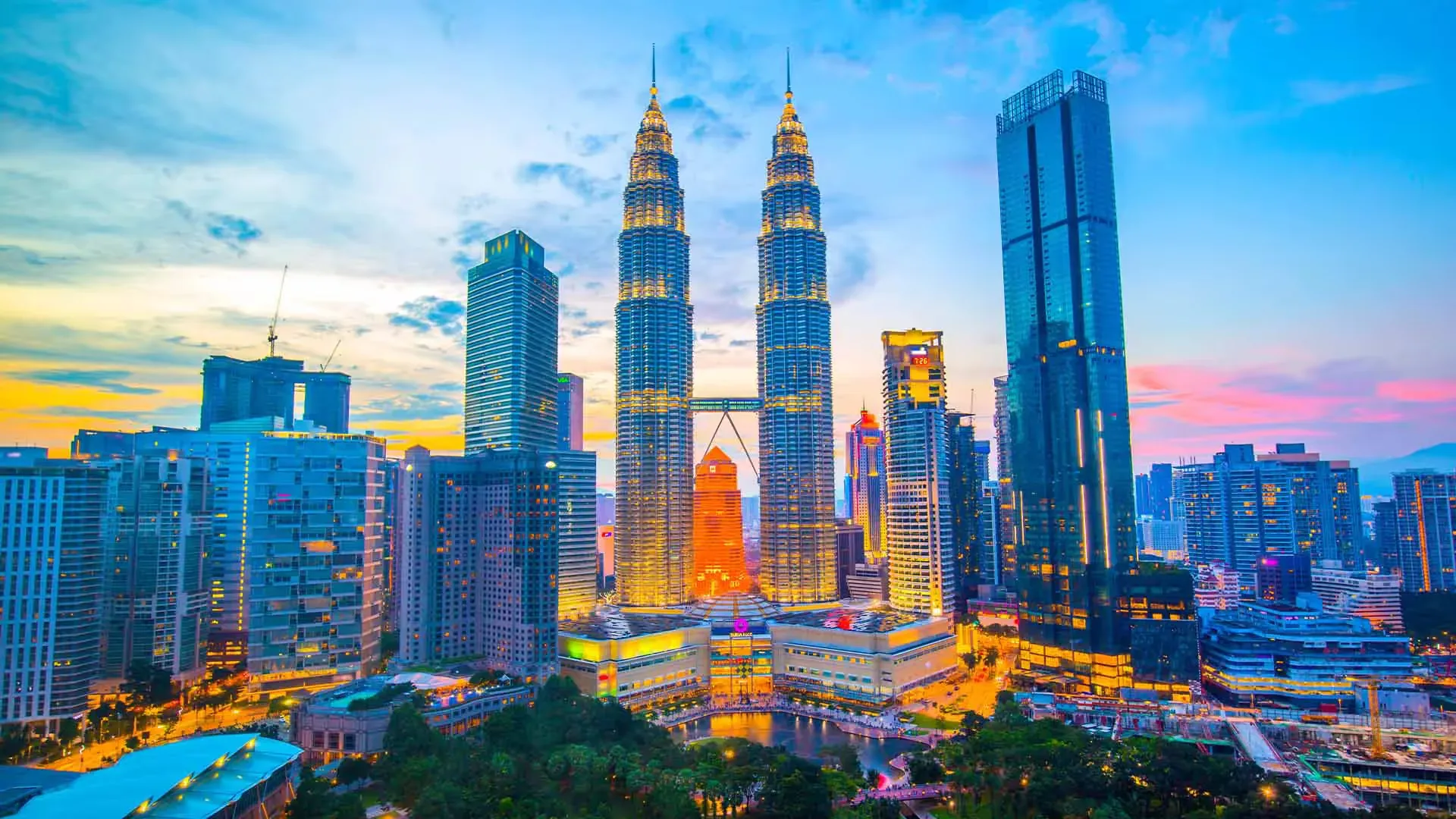
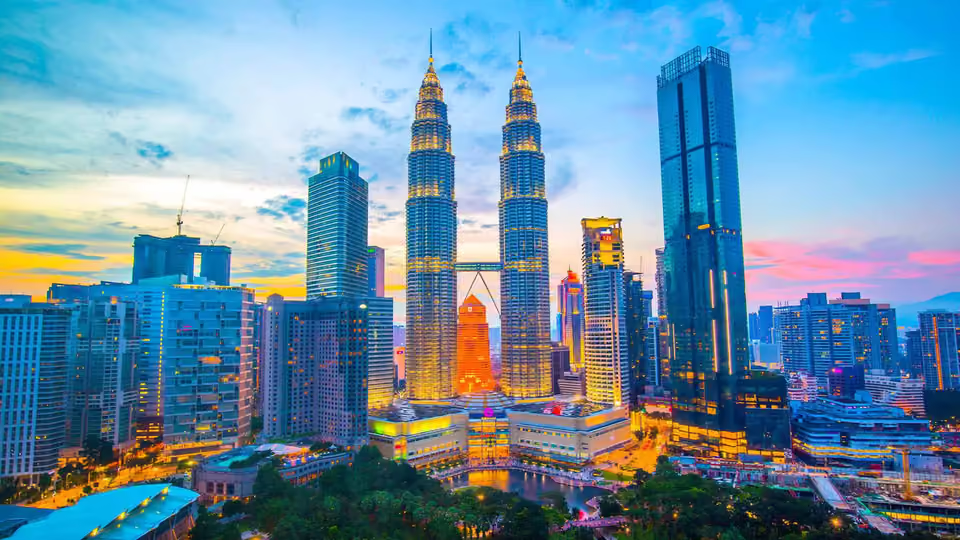
Kuala Lumpur is Malaysia’s capital and its deepest rental market, with freehold condominiums open to foreign buyers above the city’s RM1 million minimum. This guide covers the districts, prices, renters and the rules.
Kuala Lumpur at a glance.
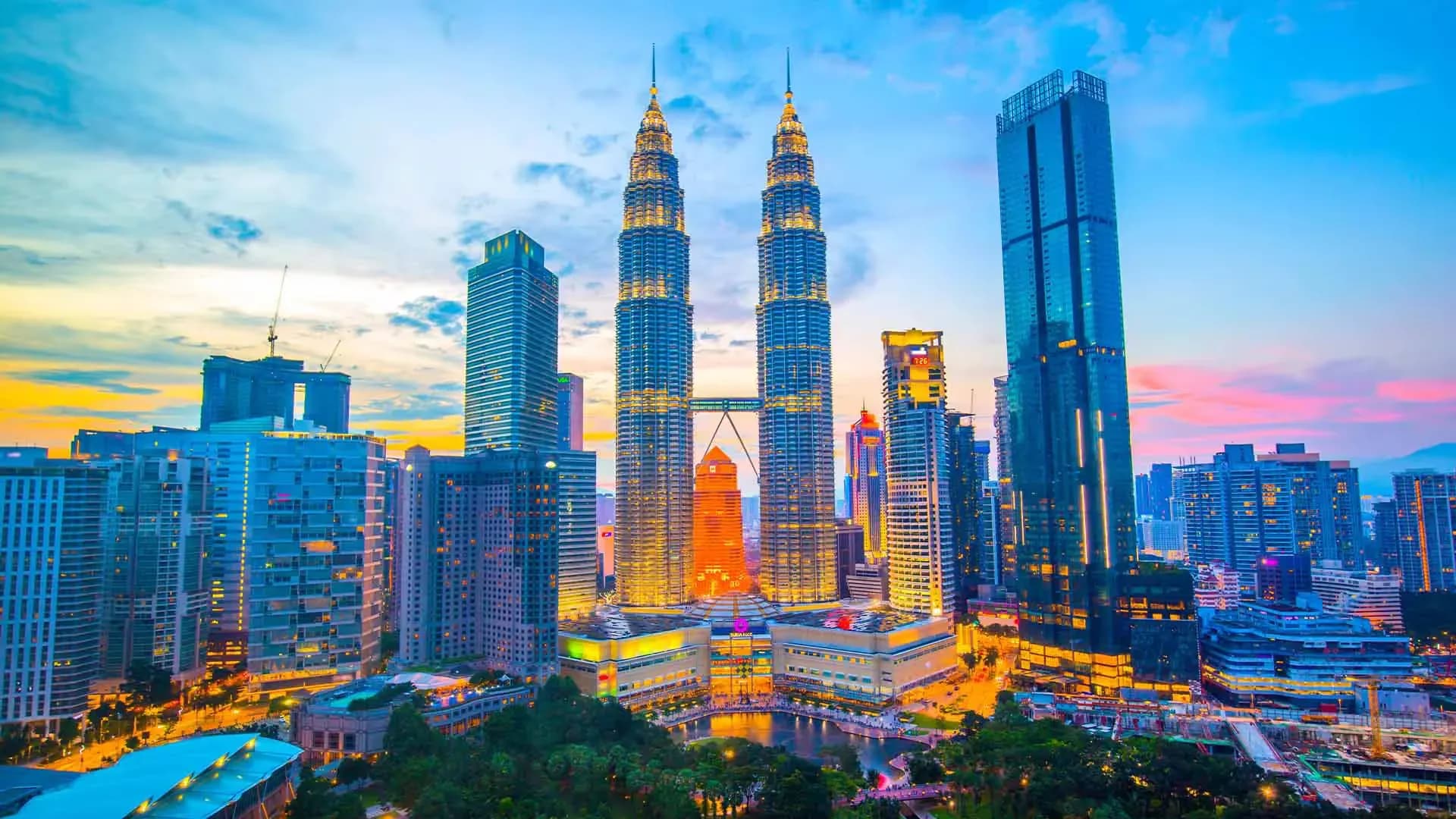
Kuala Lumpur (KL) has long held a reputation as Southeast Asia’s most quietly consistent investment city. It doesn’t chase headlines like Bangkok or Dubai, but its fundamentals tell a strong story: sustained population growth, government-backed infrastructure, and relatively low property prices for a capital city. After several post-pandemic recalibrations, Kuala Lumpur is regaining momentum, drawing new waves of regional buyers, digital migrants, and institutional interest.
Kuala Lumpur area guide for property investors · Updated 25 May 2025
Kuala Lumpur combines the economic weight of a capital city with property prices significantly lower than regional peers like Singapore and Bangkok, offering investors a rare combination of scale, accessibility, and value.
With top-tier international schools, healthcare, and lifestyle infrastructure, KL remains a magnet for expat professionals and regional relocators, sustaining healthy rental yields in prime and secondary zones.
Malaysia offers one of Southeast Asia’s most open property markets for foreigners, with freehold condo ownership, no capital gains tax after five years, and residency pathways like the MM2H programme providing long-term security.
Can foreigners buy in Kuala Lumpur?
Yes, Malaysia offers one of Southeast Asia’s more open foreign property ownership frameworks.
- Foreigners can buy strata-titled properties (condos and serviced apartments) with relative ease
- Landed property is restricted unless under MM2H or through special state approval
- The minimum purchase price is typically RM 1 million (approx. £165,000), though this can vary by state
- There are no capital gains taxes for properties held over five years
- Foreign investors under the Malaysia My Second Home (MM2H) programme enjoy residency benefits and easier banking access
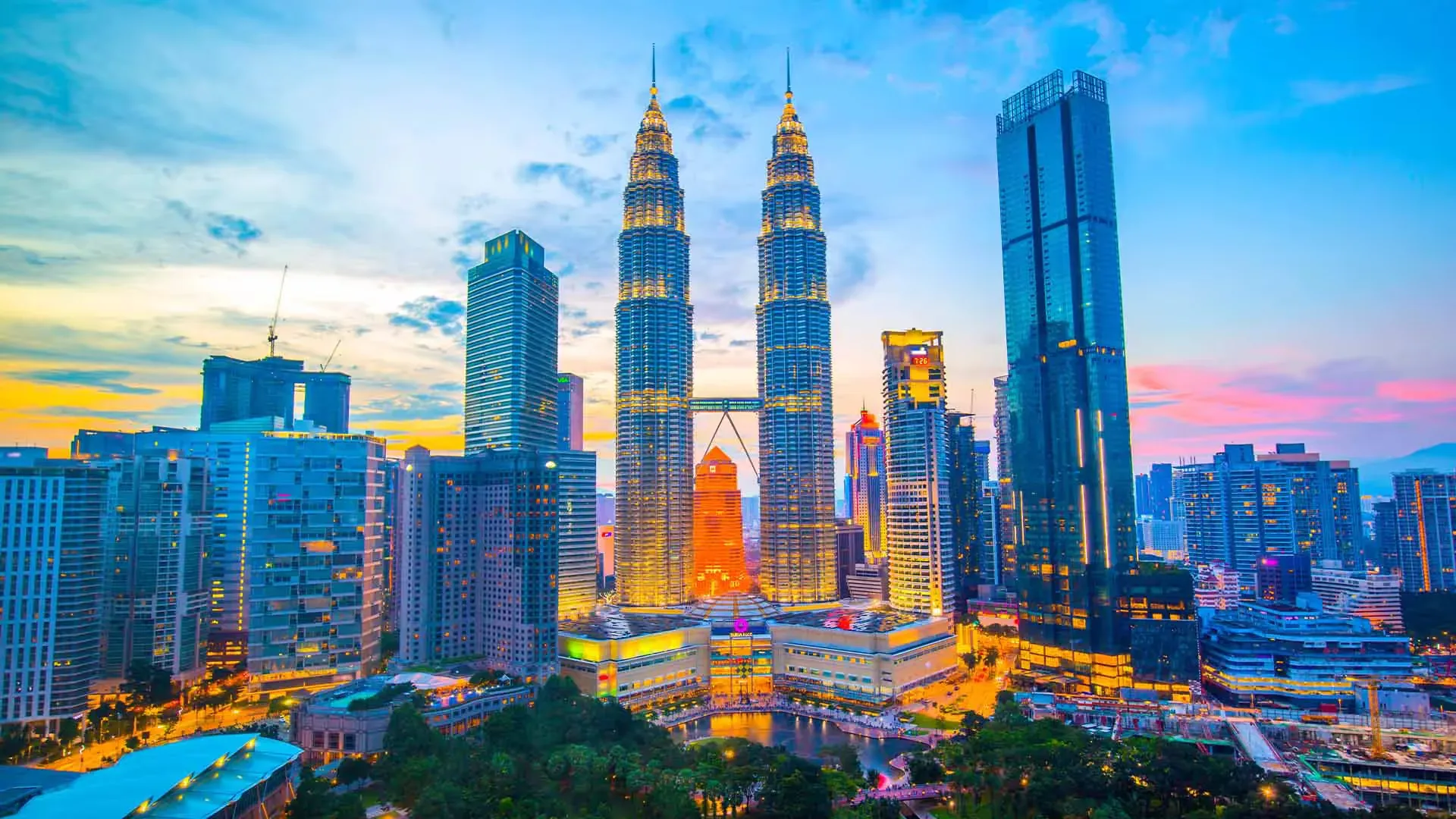
KL is one of Asia’s most liveable capitals for foreigners.
Schools
- Garden International
- Alice Smith
- ISKL
Healthcare
- Prince Court
- KPJ
- Sunway Medical
Getting there
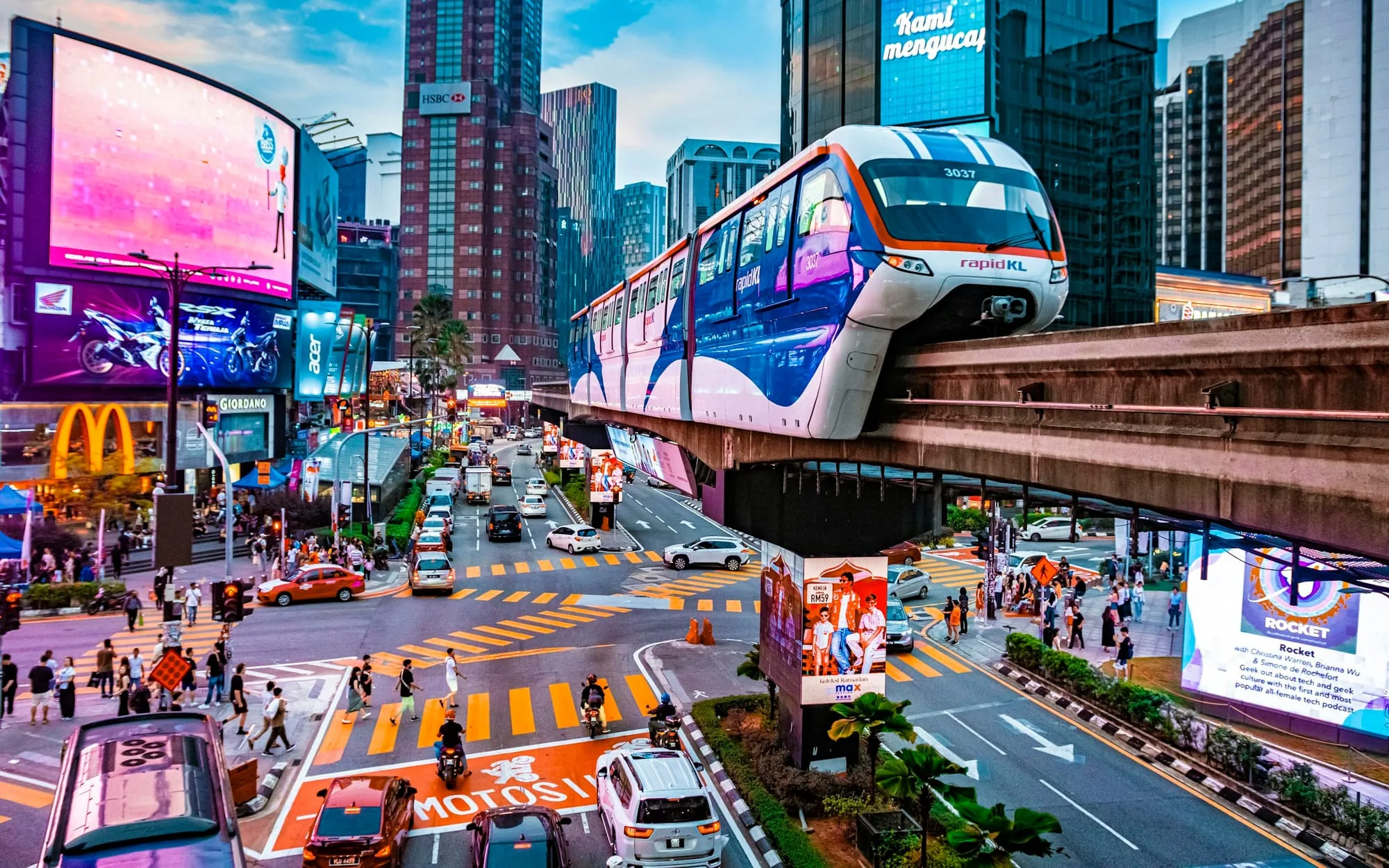
The city’s integrated transport system, including the MRT, LRT, and the airport express connects most residential zones to business hubs, retail corridors, and major universities.
Buying in Malaysia.
The Malaysia guide set, in the order a buyer needs it.
Malaysia market hub- Buying guideStart hereHow UK and Gulf investors buy new-build and off-plan property in Malaysia: the legal rules, state thresholds, costs, taxes and process.
- Visa and residencyHow MM2H and Malaysia's other visas work for property buyers, what changed in 2024, and how to apply with your purchase in step.
- LifestyleWhat living in Malaysia is like for UK and Gulf buyers: neighbourhoods, costs, healthcare, schools and the visa that lets you stay.
- Property market outlookThe forces shaping Malaysian property, region by region, and how to judge a project on its fundamentals rather than on forecasts.
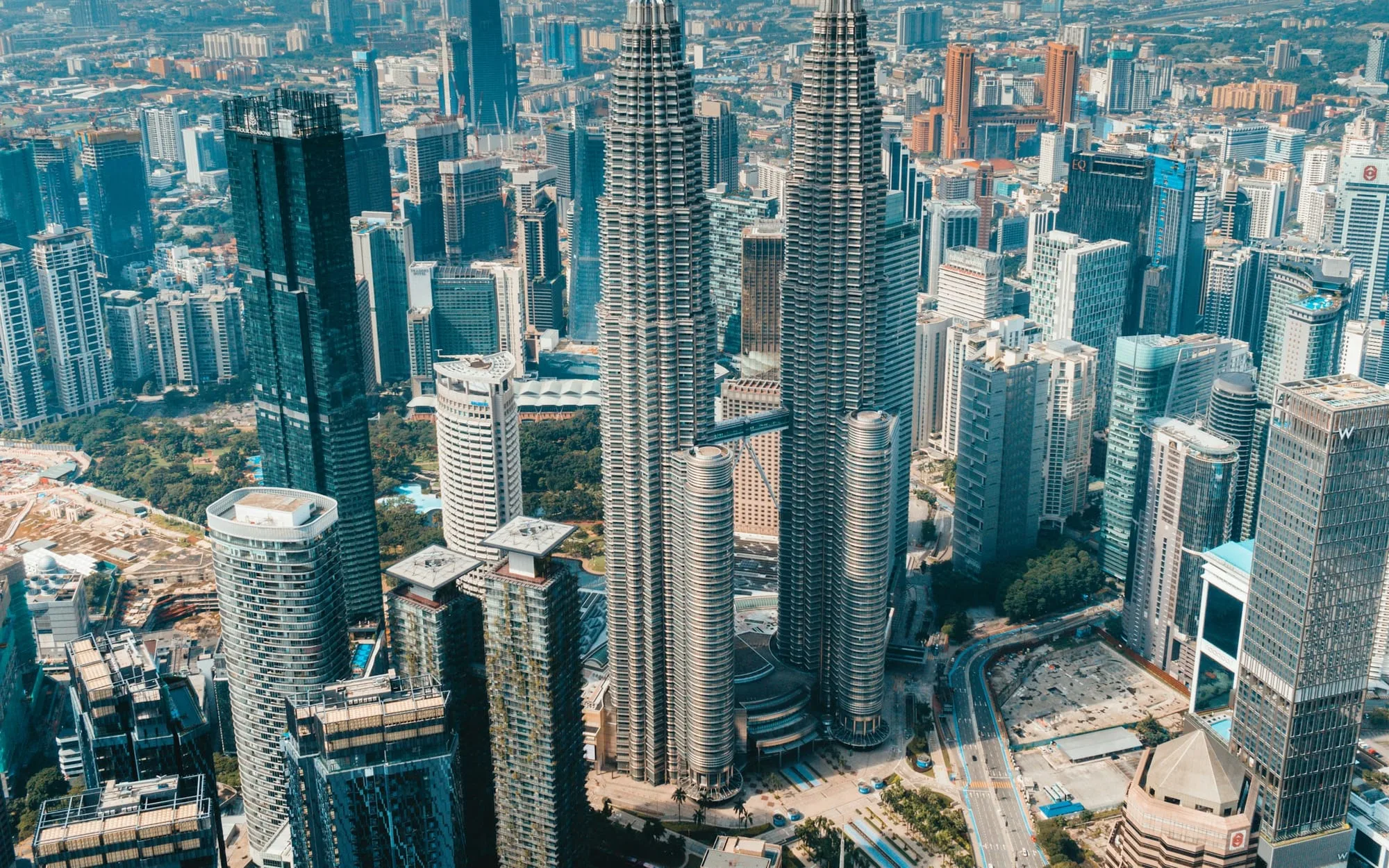
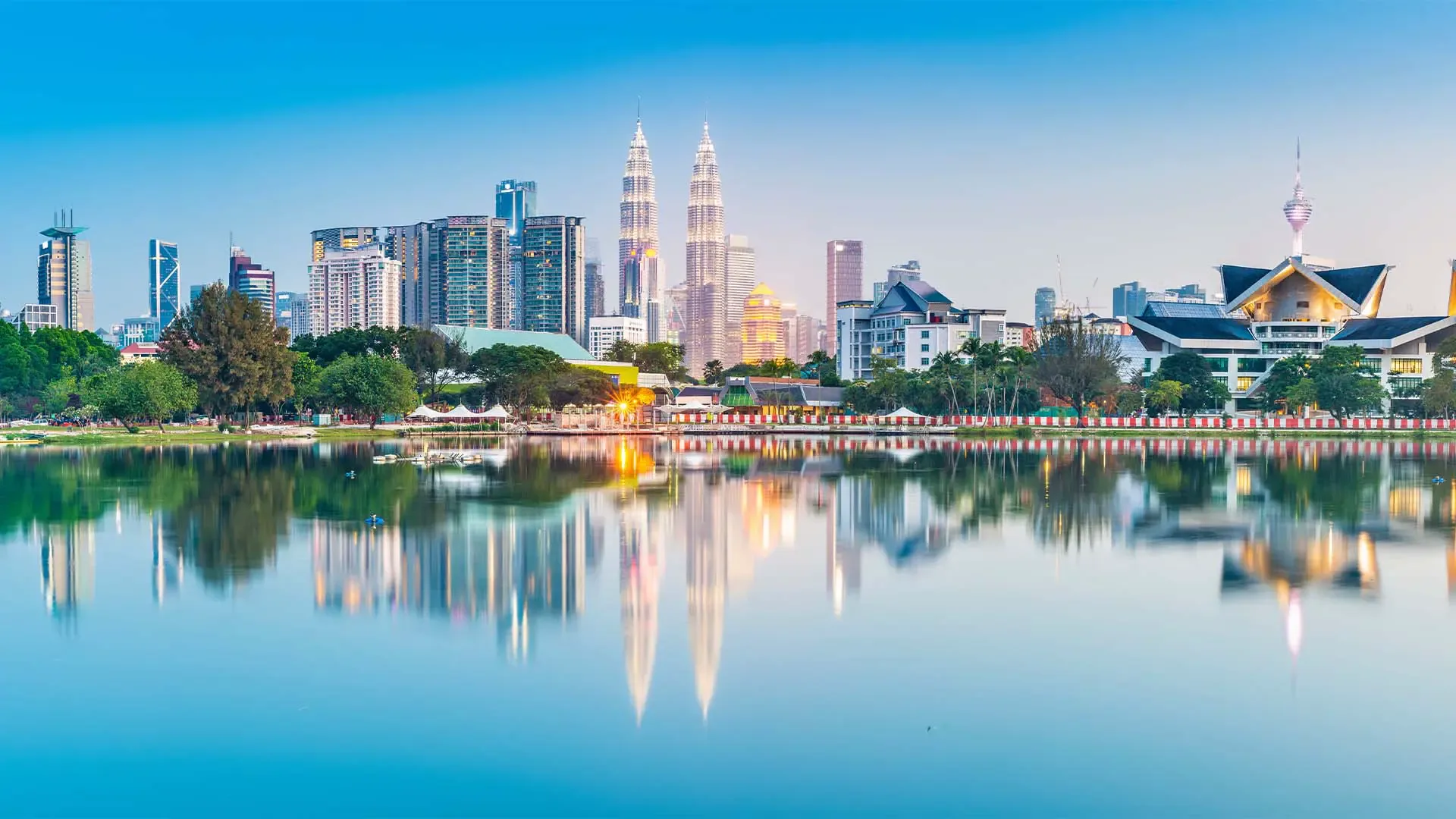
The full Kuala Lumpur guide.
Kuala Lumpur is Malaysia’s capital and its deepest rental market, with freehold condominiums open to foreign buyers above the city’s RM1 million minimum. This guide covers the districts, prices, renters and the rules.
Kuala Lumpur (KL) has long held a reputation as Southeast Asia’s most quietly consistent investment city. It doesn’t chase headlines like Bangkok or Dubai, but its fundamentals tell a strong story: sustained population growth, government-backed infrastructure, and relatively low property prices for a capital city. After several post-pandemic recalibrations, Kuala Lumpur is regaining momentum, drawing new waves of regional buyers, digital migrants, and institutional interest.
A capital city with regional influence
Kuala Lumpur is more than Malaysia’s administrative and economic center. It is the core of the Greater Klang Valley, a region that generates over 40% of the country’s GDP. With a population of nearly 2 million in the city proper and over 8 million in the broader metro, KL continues to attract both domestic migration and international talent.
The city’s stable political and legal systems, English-speaking workforce, and business-friendly tax structure have also made it a quiet hub for multinationals setting up APAC headquarters. Investment banks, tech firms, and oil & gas companies all maintain a growing footprint here, feeding a strong market for both high-end rentals and long-term capital gain.
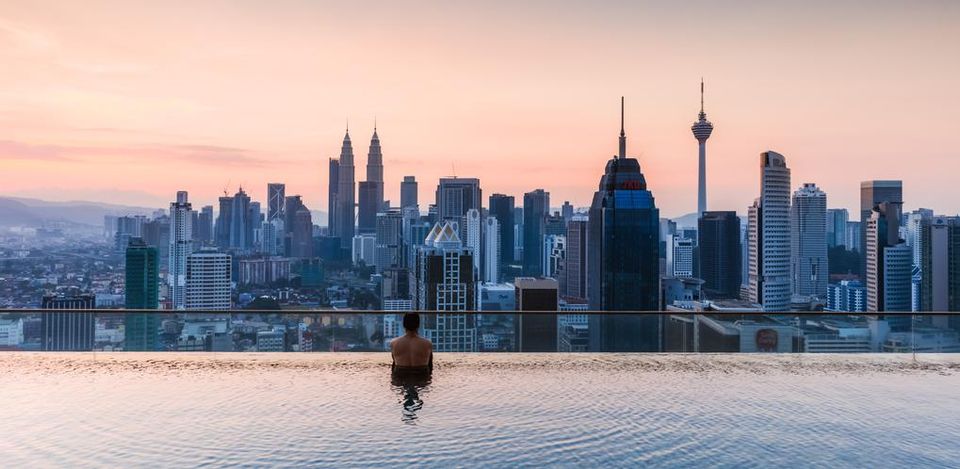
Who’s buying property in Kuala Lumpur?
Malaysia has historically appealed to regional investors from Singapore, Indonesia, and China, but KL is becoming increasingly global in its appeal. Current buyer segments include:
- Middle Eastern and Chinese buyers investing in luxury high-rises, often linked to branded residences
- Malaysian diaspora returning from Singapore, Australia, and the UK, particularly targeting family-sized apartments and landed homes
- Digital professionals and remote workers, taking advantage of the MM2H (Malaysia My Second Home) visa scheme
- Institutional players and REITs, particularly in the commercial and mixed-use residential sectors of Mont Kiara, Damansara Heights, and KLCC
Residential market snapshot
- Average price per square meter: RM 8,500–RM 13,000 in central areas (approx. £1,450–£2,200)
- Top-performing areas: KLCC, Bukit Bintang, Mont Kiara, Bangsar, Damansara Heights
- Rental yields: 4.5% to 6% depending on location and project quality
- Foreign ownership: Allowed with a minimum threshold (varies by state, typically RM 1 million)
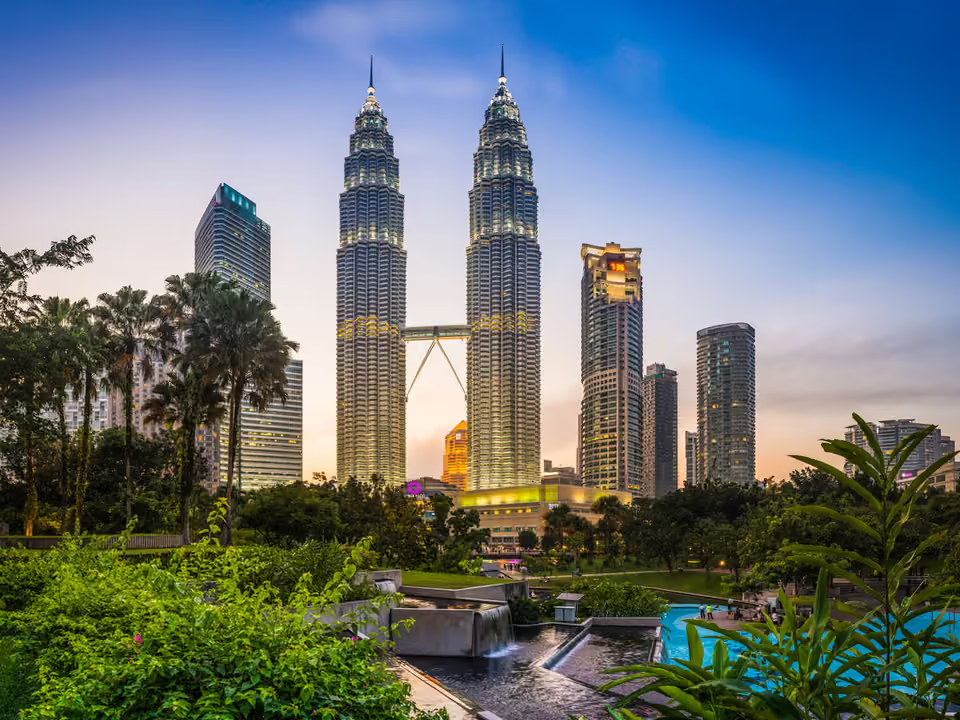
The infrastructure dividend
Kuala Lumpur continues to benefit from major public infrastructure investment. The city’s integrated transport system, including the MRT, LRT, and the airport express connects most residential zones to business hubs, retail corridors, and major universities.
Key developments include:
- MRT2 (Putrajaya Line), completed in 2023, connecting key neighbourhoods with high investment potential like Cyberjaya and Seri Kembangan
- Kuala Lumpur-Singapore High-Speed Rail (HSR), currently under strategic review but expected to proceed in a revised form, cutting travel time to Singapore to under 2 hours
- KLIA Aeropolis, an aviation city and logistics hub under development, expanding the investment case for southern KL zones like Sepang
Lifestyle, education, and healthcare
KL is one of Asia’s most liveable capitals for foreigners. English is widely spoken, and international schools (such as Garden International, Alice Smith, and ISKL) make it attractive for expat families. The city also offers world-class healthcare through facilities like Prince Court, KPJ, and Sunway Medical, with prices that are often a fraction of those in the West.
On the lifestyle side, KL blends skyscrapers with leafy neighbourhoods, upscale malls with street markets, and rooftop bars with traditional food courts. The retail and dining scene is one of Southeast Asia’s best, with Bukit Bintang and Pavilion KL standing out as commercial anchors.
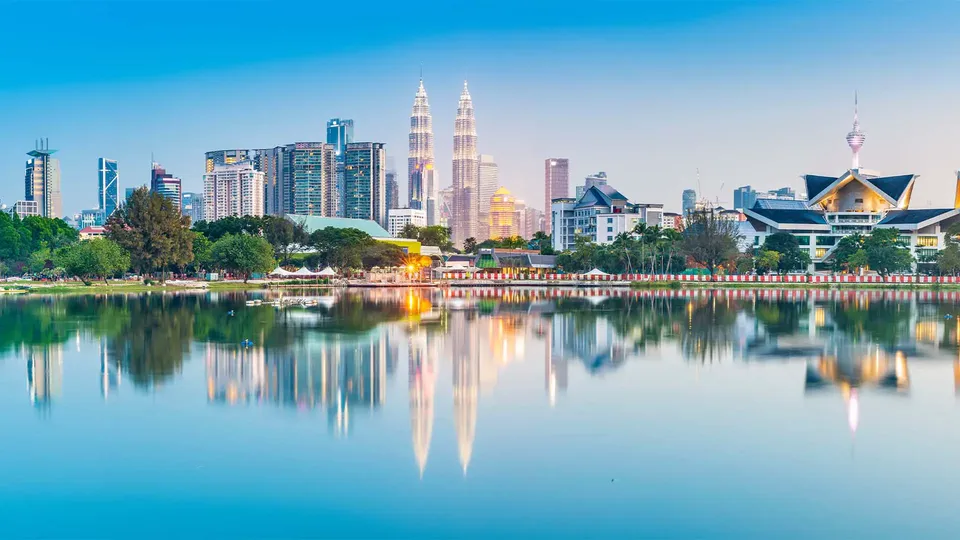
Real estate hotspots
- KLCC: Still the prestige zone, with top-branded residences and high-rise luxury
- Mont Kiara: A popular choice for expats, combining condos with international schools
- Bangsar and Damansara Heights: Leafy, established areas with limited new stock and long-term capital growth potential
- Cheras and Setapak: Emerging zones seeing price growth linked to new transport lines and regeneration
Is it easy for foreigners to invest in KL property?
Yes, Malaysia offers one of Southeast Asia’s more open foreign property ownership frameworks.
- Foreigners can buy strata-titled properties (condos and serviced apartments) with relative ease
- Landed property is restricted unless under MM2H or through special state approval
- The minimum purchase price is typically RM 1 million (approx. £165,000), though this can vary by state
- There are no capital gains taxes for properties held over five years
- Foreign investors under the Malaysia My Second Home (MM2H) programme enjoy residency benefits and easier banking access

Outlook for investors
Kuala Lumpur offers a compelling mix of long-term fundamentals and immediate affordability. While capital growth has been relatively flat post-pandemic, the stage is set for recovery as infrastructure matures, oversupply balances out, and demand for well-located, well-managed units increases. Rental yields remain healthy, particularly in furnished units targeting expats and digital nomads.
In a region where price per square meter is often double or triple, KL still looks like value.
Elsewhere in our core markets.
Other cities where Continental sells new-build and off-plan property.

Explore
Malaysia, by area and by home.
On the map
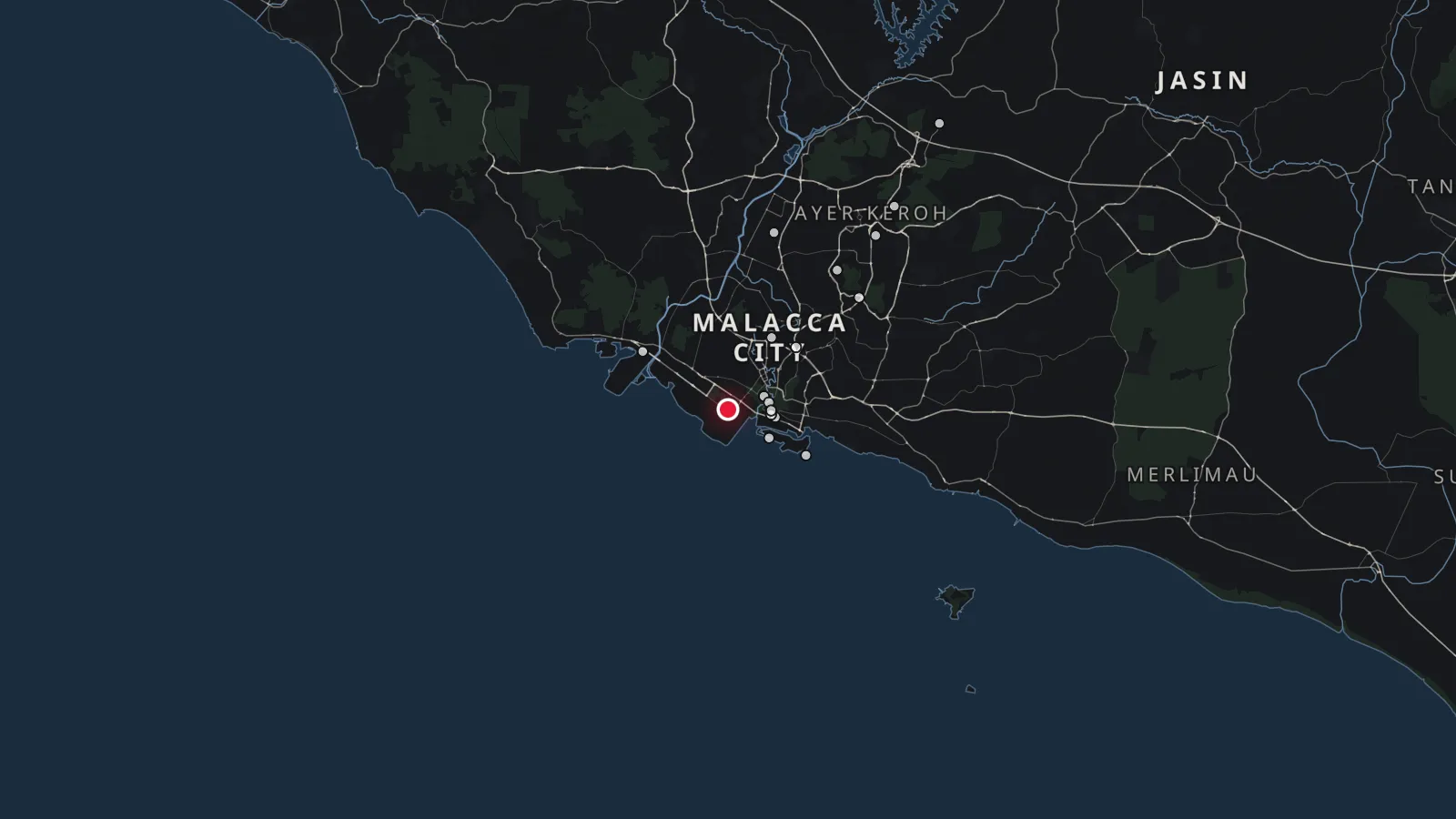
1 development, 2 transport links, 2 schools, 3 hospitals and clinics, 7 beaches, courses and districts and 2 projects coming.
Open the Malaysia mapMalaysia · Kuala Lumpur
Talk to an expert about Kuala Lumpur.
Get one-to-one guidance on your next property purchase.