














The Malaysia guide03 of 04
Malaysia Lifestyle Guide for Expats.
What living in Malaysia is like for UK and Gulf buyers: neighbourhoods, costs, healthcare, schools and the visa that lets you stay.
What Malaysia offers expats
Malaysia appeals to a broad mix of people: retirees who want warm weather and good private healthcare, families relocating with work, and investors who want a home they can use for part of the year. English is widely spoken, the legal system has British common-law roots, and day-to-day life feels familiar to many British arrivals. Gulf buyers find a Muslim-majority country where halal food is the norm and Islamic finance is part of mainstream banking.
This guide covers how life works on the ground, and how that should shape the property you buy.

Why expats choose Malaysia
The reasons people give for choosing Malaysia are consistent: a multicultural society that is easy to join, everyday costs below those of London or Dubai, good private healthcare and a location with straightforward flights home. Each one is worth testing against your own plans.
Cultural Fusion Like No Other
Malaysia's population is made up of Malay, Chinese, Indian and indigenous communities, and that mix shapes everything from the food to the public holiday calendar. Hari Raya, Chinese New Year, Deepavali and Christmas are all marked. Malay is the national language, but English is used in business, in healthcare, at international schools and in most dealings an expat will have.
Faith, food and family life. For Gulf families, Malaysia offers an easy day-to-day rhythm: mosques in every neighbourhood, halal certification overseen by the federal Islamic authority, and a calendar that marks Ramadan and both Eids. Non-Muslim residents live just as comfortably, with churches and temples across the cities and alcohol available in restaurants and shops, if at higher prices than in the UK. Family life tends to centre on food, malls, parks and weekend trips to the coast or the highlands, all within a short drive or flight.
Familiar systems. Small details make the move easier for British arrivals. Malaysians drive on the left, plugs are the same three-pin type as in the UK, and many professionals trained in British or Commonwealth systems. Buying property follows a structure UK buyers will recognise, with a sale and purchase agreement and lawyers handling the contract and transfer.
Cost of Living: A Balanced Lifestyle
Everyday costs are generally lower than in London or Dubai, particularly for eating out, local transport, domestic help and utilities. Imported goods, alcohol, cars and international school fees cost more, because duties and taxes on them are high. Your budget depends far more on how you live than on which city you choose, so we suggest pricing your own pattern of spending rather than relying on published averages.
Pricing your own budget. List what you spend in a typical month at home, then price the same pattern in the district you favour: rent or service charges, groceries, eating out, school fees, transport, help at home and health cover. Costs gathered on the ground, ideally during a trial stay, are a better guide than any average.
For owners who let their home, affordability matters from the other side too. A well-located, well-managed home at a sensible rent tends to attract steady tenants, including expatriates on local packages.
World-Class Healthcare System
Malaysia has a public system for citizens and a large private sector that most expats use. Private hospitals in Kuala Lumpur, Penang and Johor Bahru have English-speaking specialists and treat international patients, a market the government promotes through the Malaysia Healthcare Travel Council. Private treatment is generally cheaper than comparable care in the UK private sector, but you should still hold comprehensive health insurance, which is also part of the MM2H requirements.
Waiting times for private consultations are generally short, and many specialists trained abroad, including in the UK. Before you move, check what your insurance covers, including any pre-existing conditions, and whether it settles bills with hospitals directly. Living within easy reach of a good private hospital is a sensible priority for retirees, and it is one of the reasons Penang and central Kuala Lumpur remain popular.
Strategic Location in Southeast Asia
Kuala Lumpur International Airport is a regional hub with direct flights to London, Dubai, Doha and Abu Dhabi, and short hops across South East Asia. Penang and Johor have their own international airports, and Johor Bahru sits on the border with Singapore. Malaysia runs on GMT+8, so it is seven or eight hours ahead of the UK depending on the season, and four hours ahead of the UAE.
Getting around. Kuala Lumpur has an expanding network of LRT, MRT and monorail lines, and ride-hailing apps are widely used. Outside the capital most people drive. Highways between the main cities are good, and domestic flights are frequent and short.
Climate. The climate is tropical: warm and humid all year, with heavy showers that tend to pass quickly. Monsoon seasons bring more rain to different coasts at different times of year. Air conditioning, covered parking and good drainage are practical points to check on any home.

Key Locations for Expats and Investors
Where you live shapes daily life more than which city you choose. The main expat bases each have a distinct character, and each state sets its own rules for foreign buyers, so the choice of area also decides which homes you can buy.
Schools. International schools teaching the English National Curriculum, the International Baccalaureate and American programmes are concentrated in the Klang Valley, Penang and Johor's Iskandar region, and several are campuses of established British schools. Places at the most sought-after schools fill early, so families should apply well before they move. The school run is often the deciding factor in where a family buys or rents.
Kuala Lumpur: The Beating Heart of Malaysia
Kuala Lumpur has the largest expatriate community and the widest choice of homes, schools and services. The districts most popular with international residents include:
- Mont Kiara: high-rise condominiums close to several international schools, with a large and settled expat community.
- Bangsar: a mix of older landed homes and newer condominiums, known for its restaurants and neighbourhood feel.
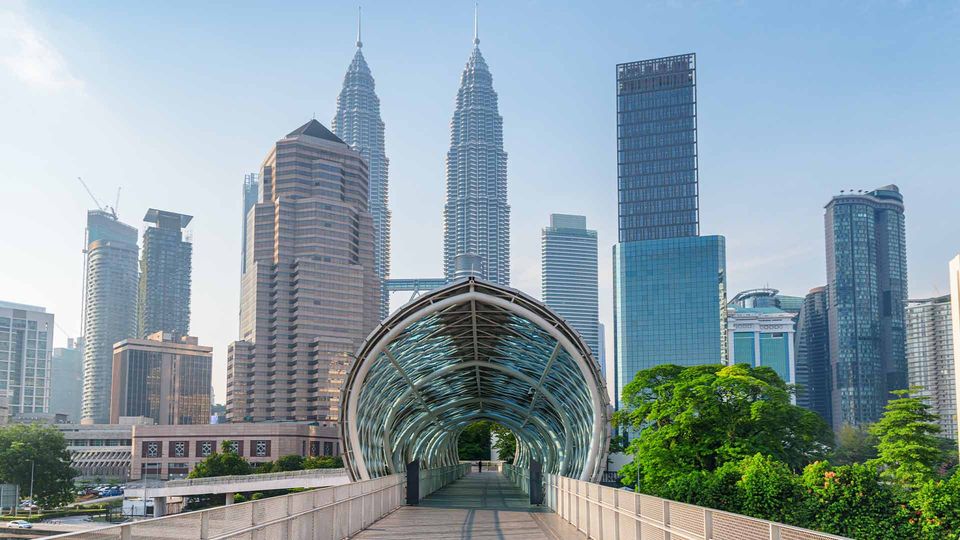
- KLCC and Bukit Bintang: city-centre living near the Petronas Towers, offices and shopping, popular with professionals.
- Damansara Heights: established, low-density landed homes and a small number of upmarket condominiums close to the centre.
These districts draw tenants from the business districts and from multinational employers, so homes close to work, schools and rail stations tend to let most easily. Rental returns vary widely from building to building, and we do not promise figures. We look at each project's location, competing supply and management before recommending it.
Penang: A Cultural and Culinary Haven
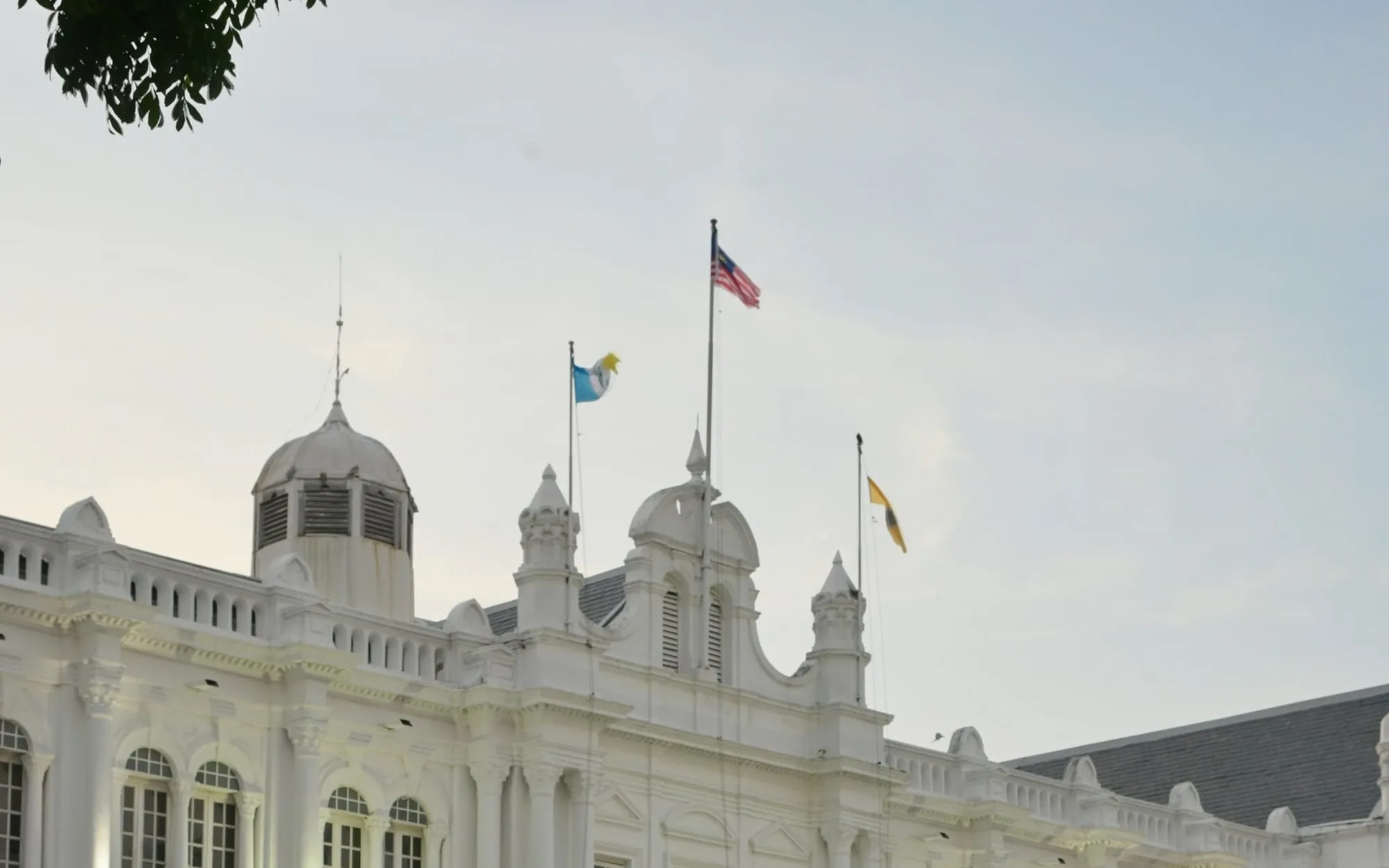
Penang mixes the heritage streets of George Town, a UNESCO World Heritage Site, with beaches at Batu Ferringhi and Tanjung Bungah and a large electronics industry around Bayan Lepas. The pace is slower than in Kuala Lumpur, the food culture is famous across the region, and private hospitals are well established. That combination has made the island a long-standing choice for retirees.
Sea-view condominiums along the north coast, from Tanjung Tokong to Batu Ferringhi, are used both by long-term residents and by owners who let to visitors where the building allows it. Food is a large part of island life, from hawker stalls in George Town to the restaurants along Gurney Drive.
Johor Bahru: Emerging Economic Powerhouse
Johor Bahru faces Singapore across the Strait of Johor. Some residents commute across the border, and the Rapid Transit System Link under construction between Bukit Chagar and Woodlands is designed to make that easier. Iskandar Malaysia, the development region around the city, includes international schools, private hospitals and new residential districts.
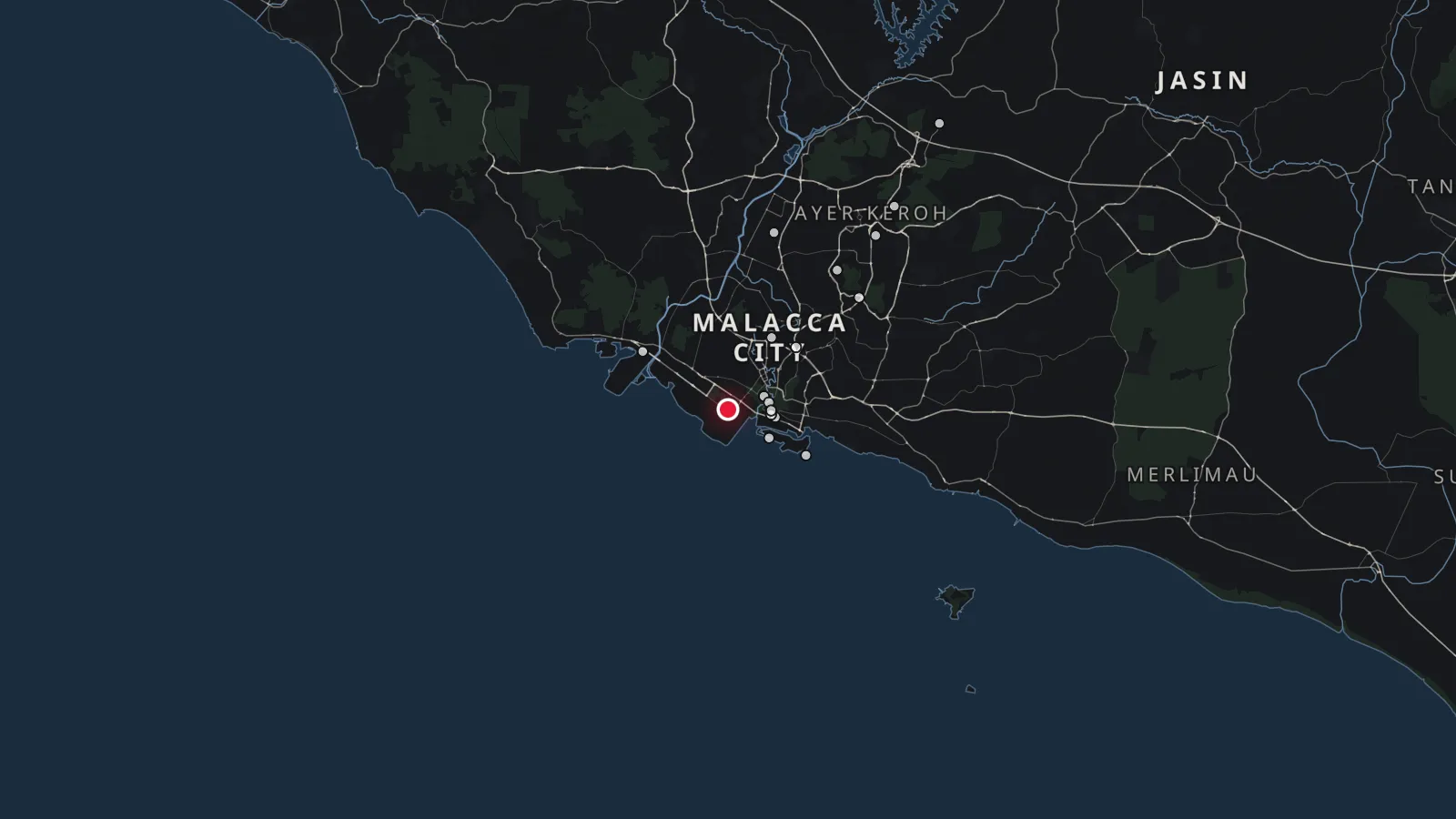
Melaka. Melaka is smaller and quieter, with a historic centre, a waterfront and lower living costs than the bigger cities. It appeals to retirees and to buyers who want a second home within driving distance of Kuala Lumpur.
Before you buy to live, we suggest renting for a few weeks in the district you favour, ideally in different seasons. Traffic, noise, the walk to the shops and the feel of a building at night are hard to judge on a viewing trip, and they matter more to daily life than the specification sheet.
Questions on this guide? Ask our Malaysia team.
Ownership, costs and what is for sale, on WhatsApp or by phone.
Malaysia My Second Home (MM2H) Program
British visitors can stay up to 90 days visa-free, which suits owners who spend a winter season in their home. For longer stays, most of our clients look at the Malaysia My Second Home programme. Since the 2024 revision it has three tiers, each with a fixed deposit in a Malaysian bank, a minimum residential property purchase, a pass of set length and a minimum annual stay. The terms have changed several times, so the desk confirms the current tiers before you plan around them.
Because a property purchase is now a condition of MM2H, the visa decision and the home you choose are linked. The home must also clear the state's minimum price for foreign buyers, and where the two floors differ, the higher one applies. Malay reserve land, Bumiputera lots and low-cost housing are not open to foreign buyers in any case.
Other routes include the Employment Pass for people working for a Malaysian employer and the DE Rantau Nomad Pass for remote workers. Our visa and residency guide explains each one and how MM2H links to a property purchase.
What a well-provided year costs in Kuala Lumpur
The home, the school, staff, dining, the club and the berth, priced line by line and set against the world’s wealthiest cities.
Market Trends and Future Outlook
We do not make price forecasts, and we would be wary of anyone who does. What we can describe is how expat preferences show up in the homes that let well and resell well. International tenants and owner-occupiers tend to look for:
- Proximity to work, schools or a rail station, which often matters more than floor area.
- Strong building management, security and well-kept facilities, since most expat homes are in strata developments.
- A study or flexible room for hybrid working.
- Energy-efficient design that keeps air-conditioning bills down.
- A layout and finish suited to lock-up-and-leave use, for owners who split the year between countries.
Established expat districts such as Mont Kiara and parts of Penang offer depth of demand. Newer areas, including parts of Johor, offer more choice of new stock but call for closer checks on competing supply. Our Malaysia property market outlook sets out the wider picture.
If you plan to live in the home for part of the year and let it for the rest, check the building's rules on short-term letting early. Some strata schemes and local authorities restrict it, and the position varies by state. The home must also clear the state's minimum price for foreign buyers, as explained in our buying guide.
We shortlist new-build and off-plan homes with these points in mind. You can see the current selection in off-plan property for sale in Malaysia, or book a consultation to talk through which part of Malaysia suits the way you want to live.
Keep this guide: get it as a PDF.
Frequently asked questions
Is Malaysia a good place for British expats to live?
Many British expats find it a straightforward move. English is widely spoken, the legal system has common-law roots, and private healthcare and international schools are well established. Daily costs are generally lower than in the UK, though imported goods and school fees are not, so a trial stay before committing is sensible.
Where do most expats live in Malaysia?
Kuala Lumpur has the largest expat community, with Mont Kiara, Bangsar and the city centre the most popular areas. Penang is a long-standing choice for retirees and families, Johor Bahru draws people with links to Singapore, and Melaka suits those who want a quieter base.
Is English widely spoken in Malaysia?
Yes. Malay is the national language, but English is widely used in business, healthcare, international schools and the cities. Most expats manage day to day in English, although some Malay is always appreciated.
Is Kuala Lumpur cheaper to live in than the UK?
For most everyday items, such as local food, transport and utilities, it generally is. Imported goods, alcohol, cars and international school fees can cost as much as in the UK or more. The overall picture depends on your lifestyle, so it is worth pricing your own spending pattern.
Can I live in Malaysia if I buy a property there?
Owning property does not on its own give you a right to live in Malaysia. British citizens can stay up to 90 days on a visit, and longer stays need a pass such as MM2H, which now requires a property purchase alongside a fixed deposit. The desk confirms the current tiers and terms.
Part of our guide to investing in Malaysia.