




















The Malaysia guide04 of 04
Malaysia Property Market Forecast: Key Trends and Opportunities for Investors.
The forces shaping Malaysian property, region by region, and how to judge a project on its fundamentals rather than on forecasts.
Malaysia is a market made of several markets. Kuala Lumpur, Johor, Penang and Melaka each move to their own rhythm, shaped by local supply, infrastructure and the rules each state sets for foreign buyers. This outlook sets out the forces that matter, where demand comes from and the risks worth weighing. It deliberately avoids price forecasts. Nobody can promise where values will go, and we would rather you judged each project on its own merits.

Economic Fundamentals Driving Property Market Growth
Over time, four things do most of the work:
- Growth and jobs: Malaysia has a diversified economy built on manufacturing, especially electronics and semiconductors, along with commodities, services and tourism. Where well-paid jobs cluster, housing demand follows.
- Interest rates: Bank Negara Malaysia sets the Overnight Policy Rate, which feeds through to mortgage costs for local buyers, who make up the great majority of the market.
- The ringgit: for overseas buyers the exchange rate matters on the way in and on the way out. Currency movements can add to a gain measured in sterling or dirhams, or erase it.
- Policy: state minimum prices for foreigners, stamp duty, Real Property Gains Tax and the MM2H programme all shape who can buy and at what cost.
Location in the wider region matters too. Malaysia sits on the Strait of Malacca between Singapore and Thailand, with direct flights to London and the main Gulf hubs. Multinational investment in manufacturing, logistics and data centres has brought new employers to the Klang Valley, Penang and Johor in recent years, and those employers need staff who need homes.
Key Insights:
For a residential investor, the useful question is not whether the national economy is growing, but whether the specific district you are buying in is gaining jobs, transport links and amenities faster than it is gaining competing homes. Three points follow:
- Jobs come before housing demand. Districts that have gained new employers, particularly in electronics, logistics and data centres, are the ones where rental demand has a reason to grow.
- Rates matter most to local buyers. Most Malaysians buy with a mortgage, so changes in the Overnight Policy Rate affect what they can afford and, in turn, the depth of the resale market you will one day sell into.
- Policy sets the boundaries. State minimum prices and consent rules decide which homes you can buy at all, before any question of value arises.
We do not quote growth or inflation forecasts here. Bank Negara Malaysia and the Department of Statistics Malaysia publish the official figures, and the desk can walk you through the latest releases, but no headline number tells you how one building will perform.

The Residential Sector: Stability Meets Opportunity
Residential property is the largest part of the market and the part most of our clients buy into. Demand comes from three overlapping groups:
- Local owner-occupiers, who are the backbone of the market and respond to interest rates and lending rules.
- Tenants, including professionals moving to the cities for work and expatriates on corporate packages.
- Foreign buyers, including MM2H participants, Singapore-linked buyers in Johor and investors from the UK, the Gulf and wider Asia.
Foreign buyers account for a small share of transactions, and state minimum prices push them toward the upper end of the market. That has a practical consequence. The homes foreigners can buy compete for a narrower pool of buyers and tenants than mid-market stock does, so choosing the right building in the right location matters more than any national trend.
Kuala Lumpur: A Hub of Luxury and Affordability
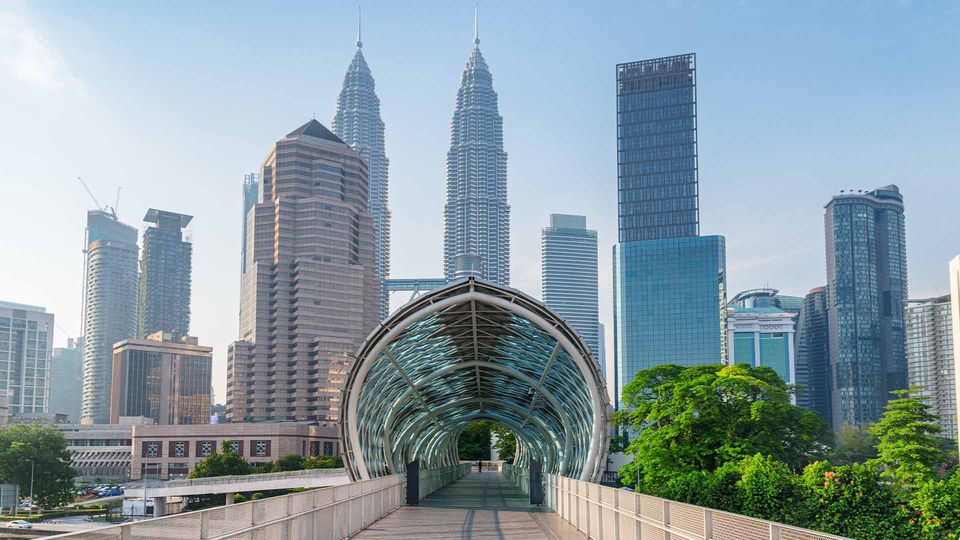
The capital is the deepest market, with the widest choice of new-build stock and the largest pool of tenants. Mont Kiara, Bangsar, KLCC and Bukit Bintang are well established with international buyers, and upmarket condominiums in these districts draw expatriates and higher-earning local buyers.
At the other end, government-backed schemes such as PR1MA provide homes for Malaysian households on middle incomes. Those schemes are closed to foreigners, and the city's minimum price for foreign buyers steers international purchasers toward the upper end, where competition between new launches is real. That makes the choice of building, and its management, central to how a purchase performs.
Johor: A Cross-Border Gem
Johor's fortunes are tied to Singapore. The Rapid Transit System Link between Johor Bahru and Woodlands is under construction, and the Johor-Singapore Special Economic Zone agreed in 2025 aims to draw business across the border. These are genuine catalysts, and they support demand from cross-border workers and from businesses setting up on the Malaysian side.
Forest City, on reclaimed land in the south-west of the state, has been designated a special financial zone with incentives aimed mainly at financial services businesses, and it is linked to the zone track within MM2H. It is a distinct proposition from Johor Bahru itself, and buyers should weigh it on its own fundamentals, including how established its community and services are.
Penang: A Tech-Driven Market
Penang combines an established electronics and semiconductor industry around Bayan Lepas with the heritage centre of George Town. Land on the island is limited, and the state sets higher minimum prices for foreigners on the island than on the mainland.
The Silicon Island reclamation project off the south of the island is planned as a further technology and industrial area. Projects of that scale take years to deliver, so treat them as a long-term influence on demand rather than a reason to buy now.
Unique Data Points:
Rather than quote headline figures that date quickly, here are the sources we rely on and what each one tells you:
- NAPIC overhang data: completed homes that remain unsold, by state and property type. The single most useful warning sign for a new launch.
- NAPIC transaction data: volumes and values by state, which show where buyers are active and where activity is thinning.
- Bank Negara Malaysia: the Overnight Policy Rate and lending data, which shape what local buyers can borrow.
- Department of Statistics Malaysia: growth, inflation and employment figures, including by state.
- Project records: how many units a scheme has, when they are due and how many have already sold.
Supply deserves close attention. The National Property Information Centre, known as NAPIC, publishes data on completed homes that remain unsold, which the industry calls overhang. In recent years much of it has been in high-rise and serviced apartment stock, and it is uneven: some districts carry a great deal, others very little. Demand generally concentrates in well-located, well-managed projects near transport and employment. When we review an off-plan launch, we look at how much competing stock is due nearby.
Commercial and industrial real estate
Industrial, logistics and data centre property have been the most active parts of the commercial market, while offices and retail have been more mixed.
Most private investors from the UK and the Gulf buy homes rather than commercial buildings. The commercial and industrial sectors are still worth understanding, because they create the jobs that support rental demand.
Industrial Sector: A Sustainability Pioneer
Logistics, manufacturing and data centres have been the most active parts of the commercial market. The Klang Valley, especially around Shah Alam and Port Klang, and Johor, close to the Singapore border, have seen substantial investment in warehousing and data centre capacity. These projects bring skilled jobs and support demand for rental homes within commuting distance.
Green certification has become a selling point for this kind of space, because multinational tenants often have environmental targets of their own. Newer industrial parks in Shah Alam and Subang Jaya have been built with those tenants in mind.
Office Spaces: Adapting to New Work Trends
The office market has divided. Newer buildings with strong environmental credentials and good transit links, in districts such as the Tun Razak Exchange and KL Sentral, attract tenants more easily than older stock. For residential investors the lesson is about location: homes close to the newer business districts benefit from the people who work in them.
Hybrid working has changed what tenants want: flexible floor plates, good air quality and amenities that make the commute worthwhile. KL Eco City is one of several mixed-use schemes that place offices, homes and shops side by side.
Retail Revival: Tourism and Community
Tourism has recovered since the pandemic, supporting retail in Kuala Lumpur, Penang and Melaka. Visit Malaysia 2026, a national tourism campaign, is intended to raise the country's profile further. If you are considering holiday letting, note that short-term rental rules vary by state and by building, and some strata schemes restrict it.
Neighbourhood malls built around supermarkets, clinics and dining have generally held up better than older shopping centres. For a homebuyer, a well-run mall within walking distance is a practical amenity that tenants notice.

Questions on this guide? Ask our Malaysia team.
Ownership, costs and what is for sale, on WhatsApp or by phone.
Regional Insights: Where to Invest in Malaysia
Each region has its own drivers and its own rules for foreign buyers. The state you buy in sets the minimum price and the consent process, so that is where any shortlist starts.
Klang Valley: Malaysia’s Economic Powerhouse
Continued investment in the MRT and LRT networks keeps changing which suburbs sit within easy reach of the centre of Kuala Lumpur. Data centre and logistics investment around Cyberjaya and Shah Alam has added employers beyond the city itself. Our Malaysia overview covers the main districts.
Much of the Klang Valley outside the Federal Territory lies in Selangor, which sets its own thresholds and consent rules for foreign buyers. A home in Petaling Jaya or Cyberjaya is therefore assessed under different rules from one a few miles away in Kuala Lumpur.
Johor: Bridging Opportunities with Singapore
Iskandar Malaysia, the development region around Johor Bahru, includes the city centre near the planned RTS Link station at Bukit Chagar, the Medini area and new waterfront districts. Each has a different mix of residents, tenants and competing supply.
Parts of Johor carry substantial unsold supply, so project selection is critical. We look for homes close to the border crossings, the RTS Link and established schools and hospitals, and we check how much competing stock is due nearby before recommending anything.
Penang: Innovation Meets Heritage
George Town, listed by UNESCO, gives Penang a heritage centre that draws visitors and residents alike, while the industrial zone around Bayan Lepas supplies skilled jobs. The Mutiara LRT line, under construction, is intended to improve links across the island and to the mainland.
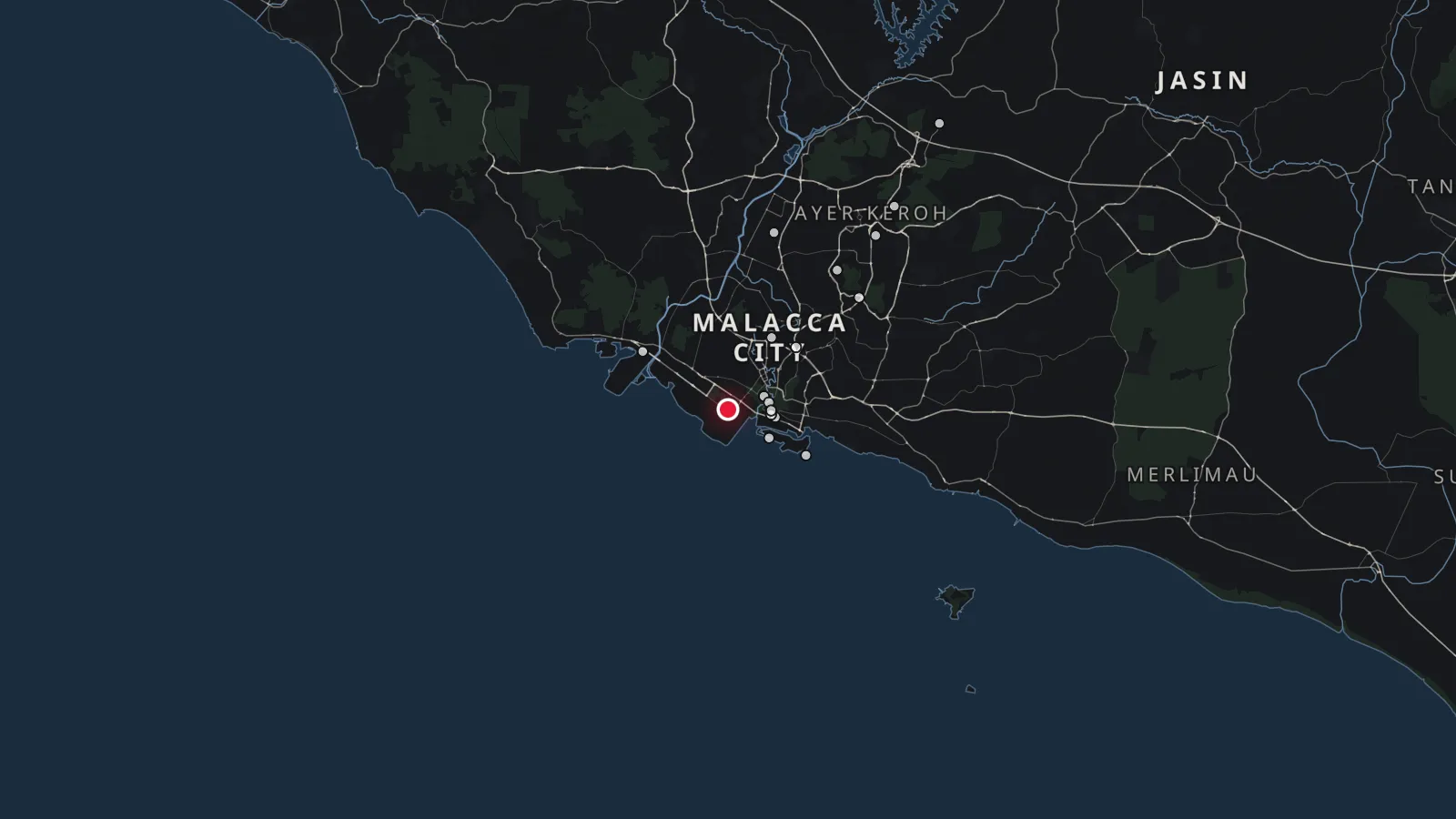
Melaka. Melaka offers generally lower entry prices than Kuala Lumpur or Penang island and a historic centre listed by UNESCO alongside George Town. It suits buyers who want a quieter base, particularly MM2H retirees, though its rental market is smaller than those of the larger cities.
East Malaysia: Unlocking New Potential
East Malaysia runs on different rules. Sarawak operates its own immigration controls and its own version of MM2H, and both states have their own land legislation. The Pan Borneo Highway is improving connections, but for most overseas investors these remain specialist markets.
Kuching and Kota Kinabalu have their own buyer bases and generally lower entry prices than the main cities of the peninsula. Renewable energy, particularly hydroelectric power in Sarawak, is part of the region's development plans.

Sustainability and Green Growth: The Future of Malaysian Real Estate
Environmental standards are becoming part of how buildings are valued in Malaysia. The National Energy Transition Roadmap sets the government's direction on renewable energy and efficiency, and green building ratings such as GreenRE and the Green Building Index are increasingly common on new commercial and residential schemes.
The government has also announced a carbon tax, starting with heavy industry such as iron, steel and energy. It does not fall on homeowners, but it is part of a wider shift that will push developers toward more efficient buildings.
For a residential buyer the practical benefits are lower running costs, through efficient air conditioning, insulation and solar provision, and a building that is more likely to stay attractive to tenants and future buyers as standards tighten. A certificate is not a guarantee of quality, so we also look at the developer's track record, the building management plan and the level of the service charge.
Keep this guide: get it as a PDF.
Key Takeaways for Investors
- Buy the location, not the national headline. Transport, employment and limited competing supply matter more than averages.
- Treat Malaysia as a medium to long-term hold, given the tax on early disposal and the transaction costs.
- Check the state rules first. Minimum prices and consent requirements differ, and they decide which homes you can buy.
- Choose developers carefully, especially off-plan. A licensed developer with completed projects you can visit is the starting point.
- Run your numbers in sterling or dirhams as well as ringgit.
Risks worth weighing. Being selective means knowing what can go wrong:
- Oversupply in specific locations, particularly large high-rise schemes away from transport and jobs.
- Currency movements between the ringgit and sterling or Gulf currencies, which can move your return in either direction.
- Resale depth: homes at or above foreign-buyer thresholds sell to a smaller pool, so allow for a longer sale period.
- Tax on early sale: Real Property Gains Tax for foreign owners is highest on disposals in the first five years, which favours a longer hold.
- Developer risk on off-plan: completion depends on the developer, so the licence, track record and project account all need checking.
- Rule changes: minimum prices, stamp duty and MM2H terms have all changed in recent years and may change again.
None of these is a reason to avoid the market, but each is a reason to be selective. Our buying guide explains the legal safeguards and costs in detail.

Our current selection of vetted launches is in off-plan property for sale in Malaysia, and you can compare them with other markets in all properties. If you would like a view on a specific project, the desk will talk it through with you, including the competing supply around it.
Frequently asked questions
Is Malaysia a good place to invest in property?
It can be, for buyers who choose carefully. Malaysia allows foreigners to own freehold and leasehold property, gives off-plan buyers statutory protection and has a broad economy. Results depend heavily on location, supply and currency, and we do not promise returns: we help you judge each project on its fundamentals.
Will Malaysian property prices go up?
No one can say with certainty, and you should be wary of anyone who claims to. Prices vary widely by state and building, and some areas carry significant unsold supply. Transport, employment, competing stock and the developer's record are better guides than headline forecasts.
Which part of Malaysia is best for property investment?
It depends on your aims. Kuala Lumpur has the deepest rental market, Penang has limited island land and an established industrial base, Johor is tied to its links with Singapore, and Melaka suits lifestyle buyers. Each state sets different rules for foreigners, which narrows the choice further.
What is the property overhang in Malaysia?
Overhang is the term NAPIC uses for completed homes that remain unsold after launch. It has been concentrated in particular states and in high-rise stock. It is a key reason to look closely at nearby competing supply before buying, and we check it as part of every project review.
How does the ringgit exchange rate affect overseas buyers?
You buy in ringgit and will usually sell in ringgit, so movements against sterling or your home currency affect both what you pay and what you take home. A move in either direction can outweigh a change in the property's local value. Off-plan stage payments spread your currency exposure over the build period.
Part of our guide to investing in Malaysia.