
The Oman guide05 of 05
Oman Lifestyle Guide for Expats.
A practical picture of daily life in Oman for expats and second-home owners: where to live, schools, healthcare, costs and local customs.
What Oman offers expats
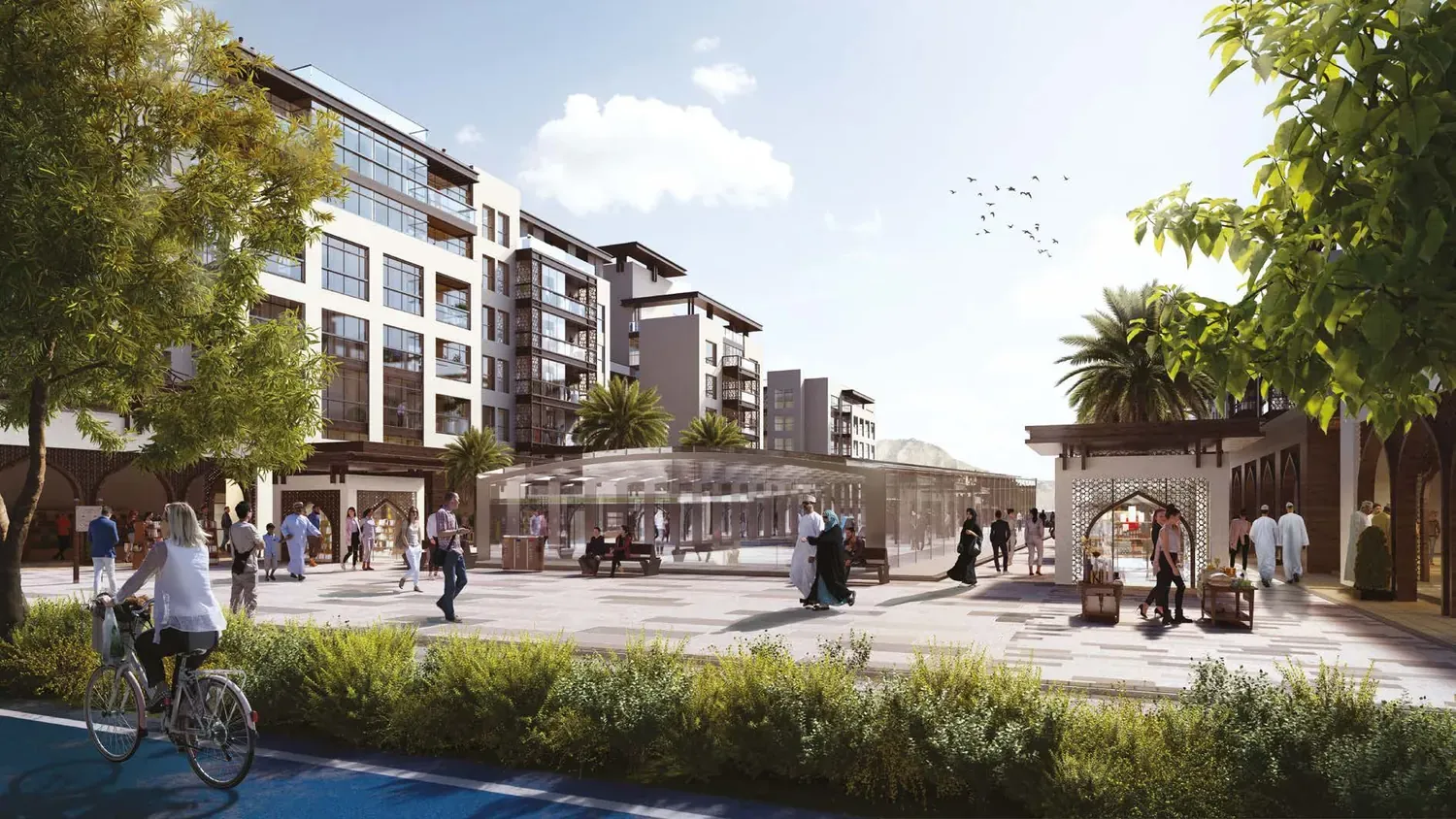
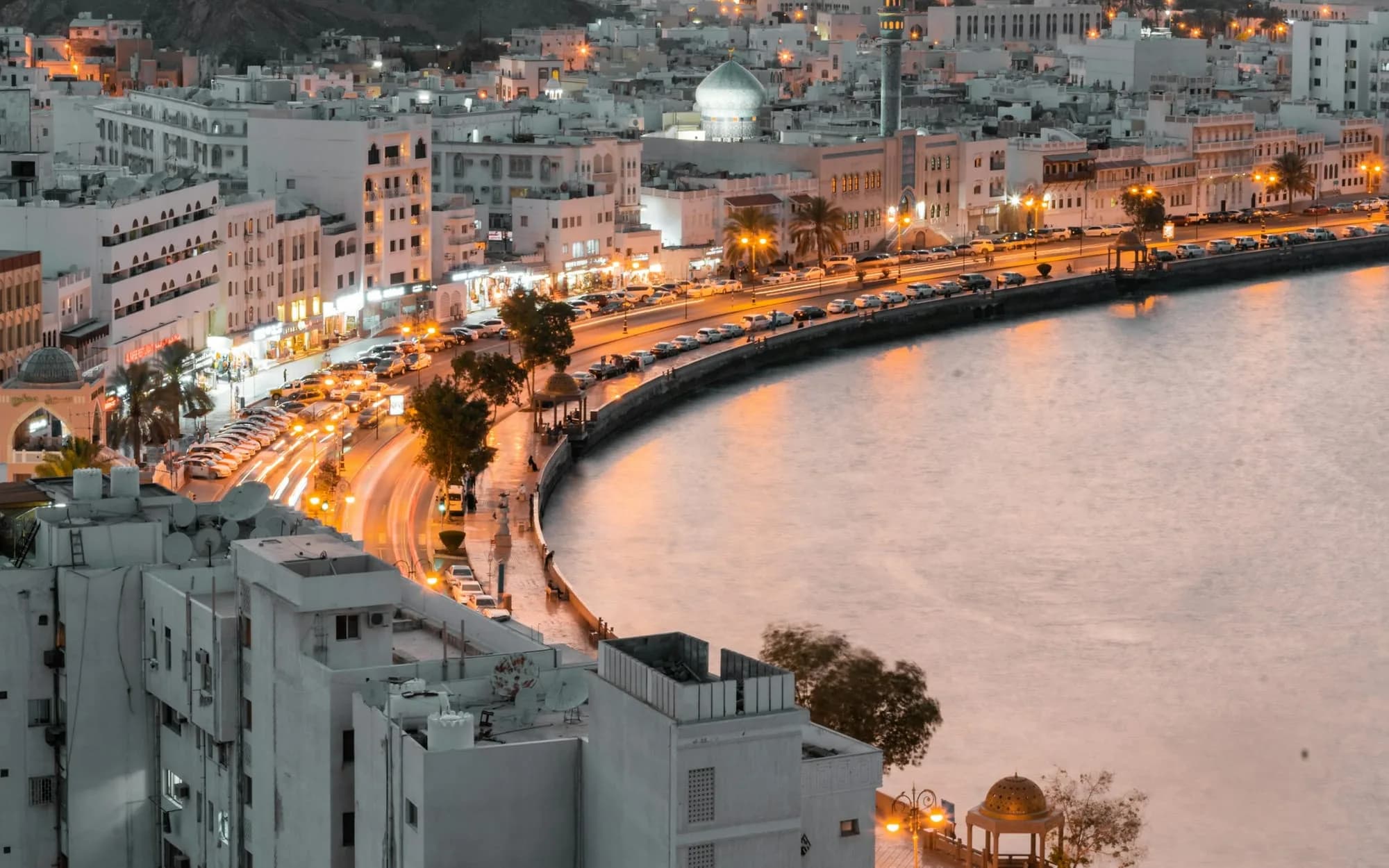
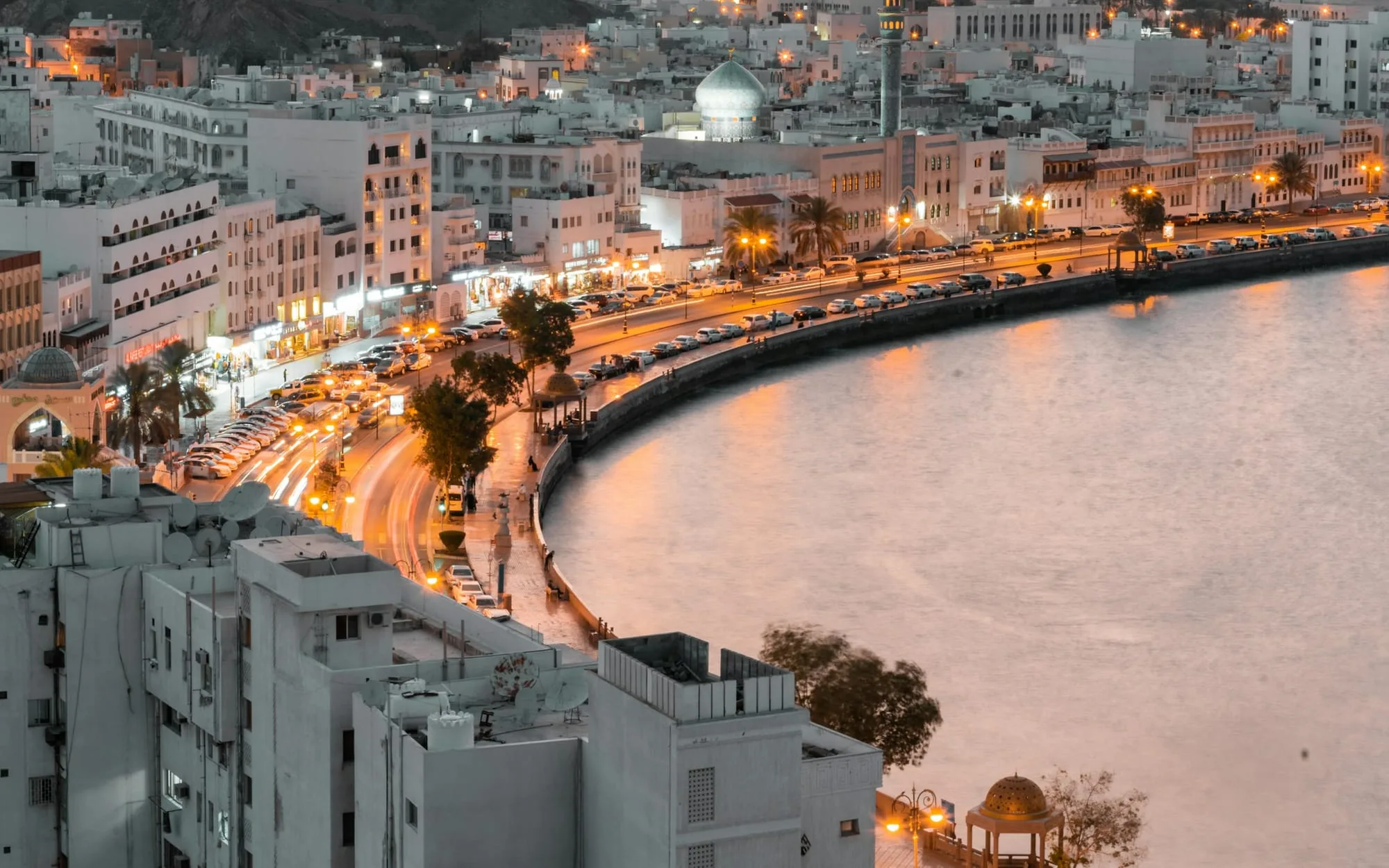
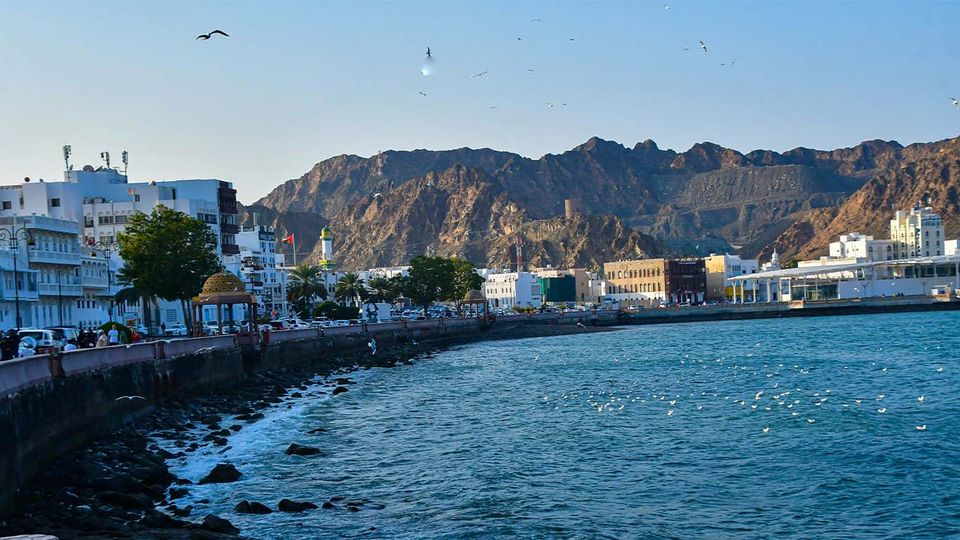
Oman suits people who want the Gulf's climate and connections at a calmer pace. It is a country of mountains, desert and a long coastline, with a capital, Muscat, that has grown along the sea rather than upwards. Building heights are modest, traditional architecture is encouraged and the city feels settled rather than new.
This guide gives a practical picture of daily life for expats and second-home owners: where to live, schools, healthcare, costs and local customs, as they stand today.
Living in Oman: A Guide for International Investors & Expats
For British buyers, the practical appeal is straightforward. English is widely used in business, and the country has a long relationship with Britain. Foreigners can buy freehold in designated Integrated Tourism Complexes, and ownership there opens a route to residence for the owner and family.
Premium Lifestyle
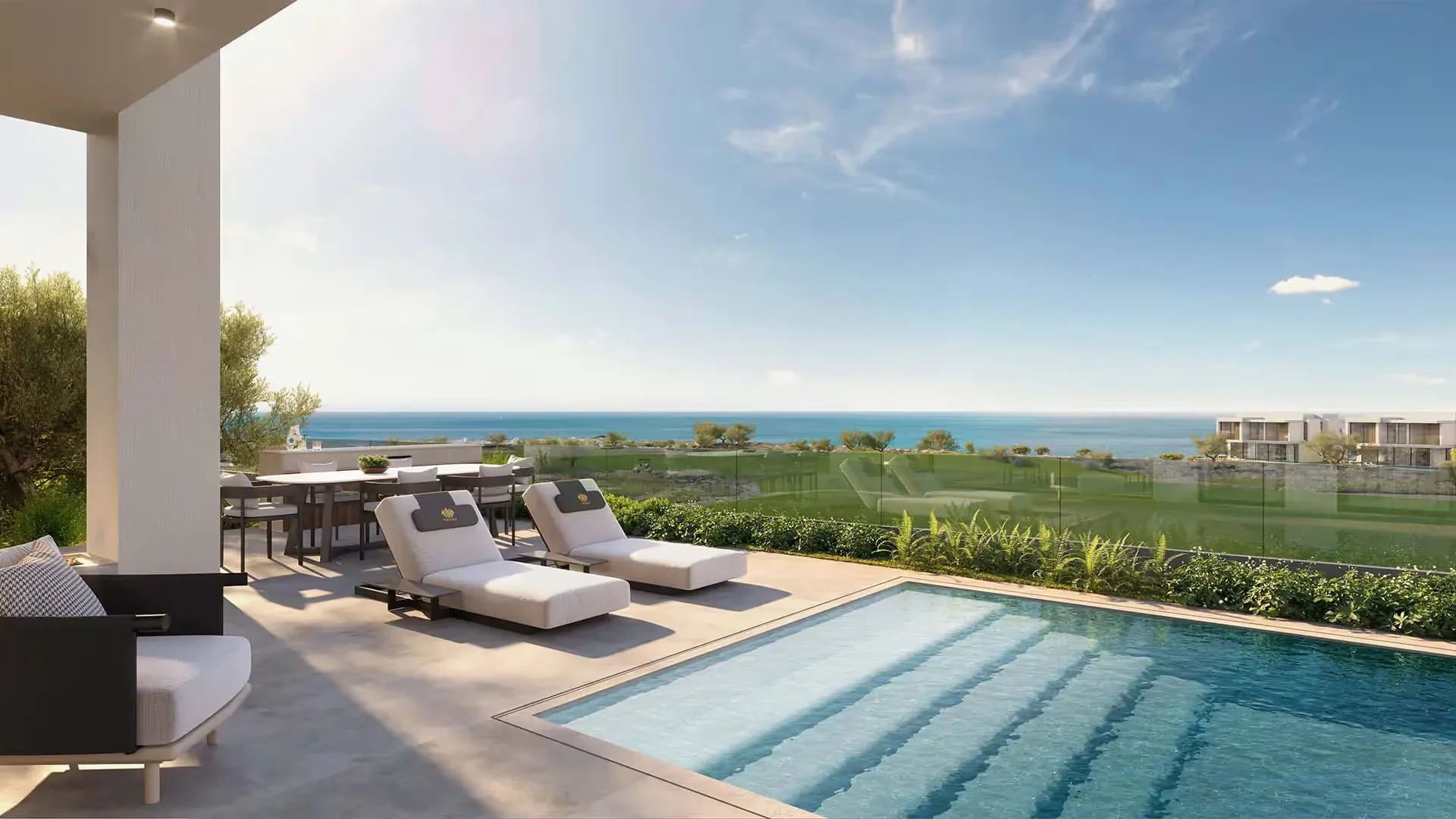
Daily life in the complexes is comfortable rather than showy. Inside the ITCs you get security, maintained grounds and facilities such as beach clubs, golf or a marina, with shops and cafes on site, all paid for through a service charge. Muscat's international schools and private hospitals are within reach of the main communities.
Strategic Location
Muscat is around seven hours from London on direct flights. It is four hours ahead of the UK in winter and three in summer. The larger Gulf hubs are a short flight away, which opens onward connections across Asia, Africa and Europe.
Why Choose Oman?
People choose Oman for a mix of reasons: safety, landscape, a settled culture and a residence route linked to property. The points below are the ones our clients mention most often.
A Safe and Peaceful Environment
Oman is widely regarded as one of the safer countries in the region, with a stable government and a long tradition of neutrality in foreign affairs. Daily life is orderly and unhurried, and many residents say that is what keeps them there.
A Blend of Tradition and Modernity
Landmarks such as the Sultan Qaboos Grand Mosque and Muttrah Souq sit alongside modern malls, the Royal Opera House Muscat and the newer coastal communities. Development has been kept in proportion, so the old and new parts of Muscat still feel like one city.
Warm Omani Hospitality
Courtesy matters in Oman, and newcomers often comment on how welcoming people are. An invitation to share coffee and dates is common. Learning a few words of Arabic and observing local customs goes a long way.
Residency & Visas
Ownership of a unit in a designated ITC opens a route to a renewable residence card, and the owner can usually sponsor a spouse and dependent children. Oman also runs a longer-term investor residency programme for larger investments, structured in tiers. Thresholds and conditions are set by the authorities and change, so the desk confirms them rather than quoting figures here. Our visa and residency guide explains both routes.
Premium Lifestyle
The second reason people stay is the outdoor life on the doorstep:
- The coast, for sailing, diving and snorkelling.
- The Hajar Mountains, wadis and desert, all within a drive of Muscat.
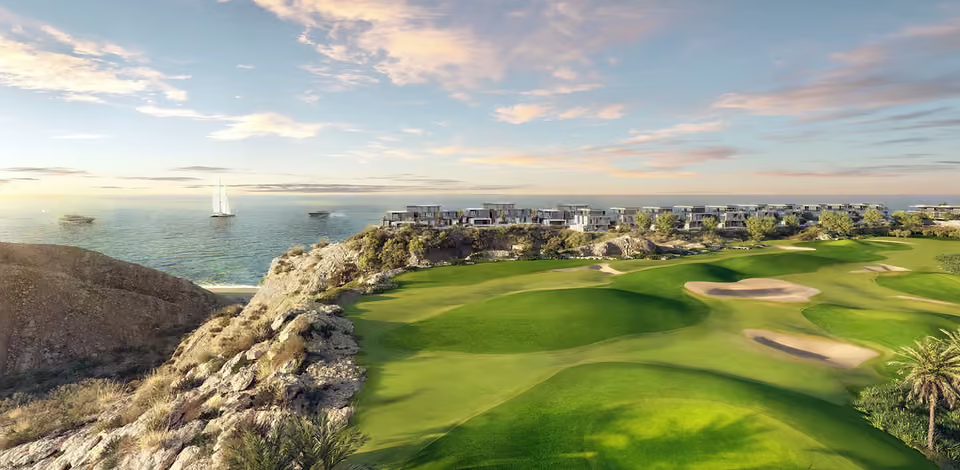
- Golf, marinas and beach clubs within the complexes themselves.
Financial Benefits
There is no personal income tax for individuals at the time of writing, though a personal income tax on higher earners has been announced from 2028. VAT applies to most goods and services. The Omani rial is pegged to the US dollar, which makes budgeting predictable for anyone earning in dollars and less so for those earning in sterling. If you remain UK tax resident, UK tax continues to apply to your worldwide income, so take advice before you move.
Ready to explore your options in Oman?
If you are weighing a move or a second home, compare the schemes on our Oman off-plan property for sale page, or talk it through with the desk.
Questions on this guide? Ask our Oman team.
Ownership, costs and what is for sale, on WhatsApp or by phone.
Key Cities in Oman
Most expatriates and overseas buyers live in Muscat. Salalah and Sohar have smaller expat communities, each with a different character.
Muscat
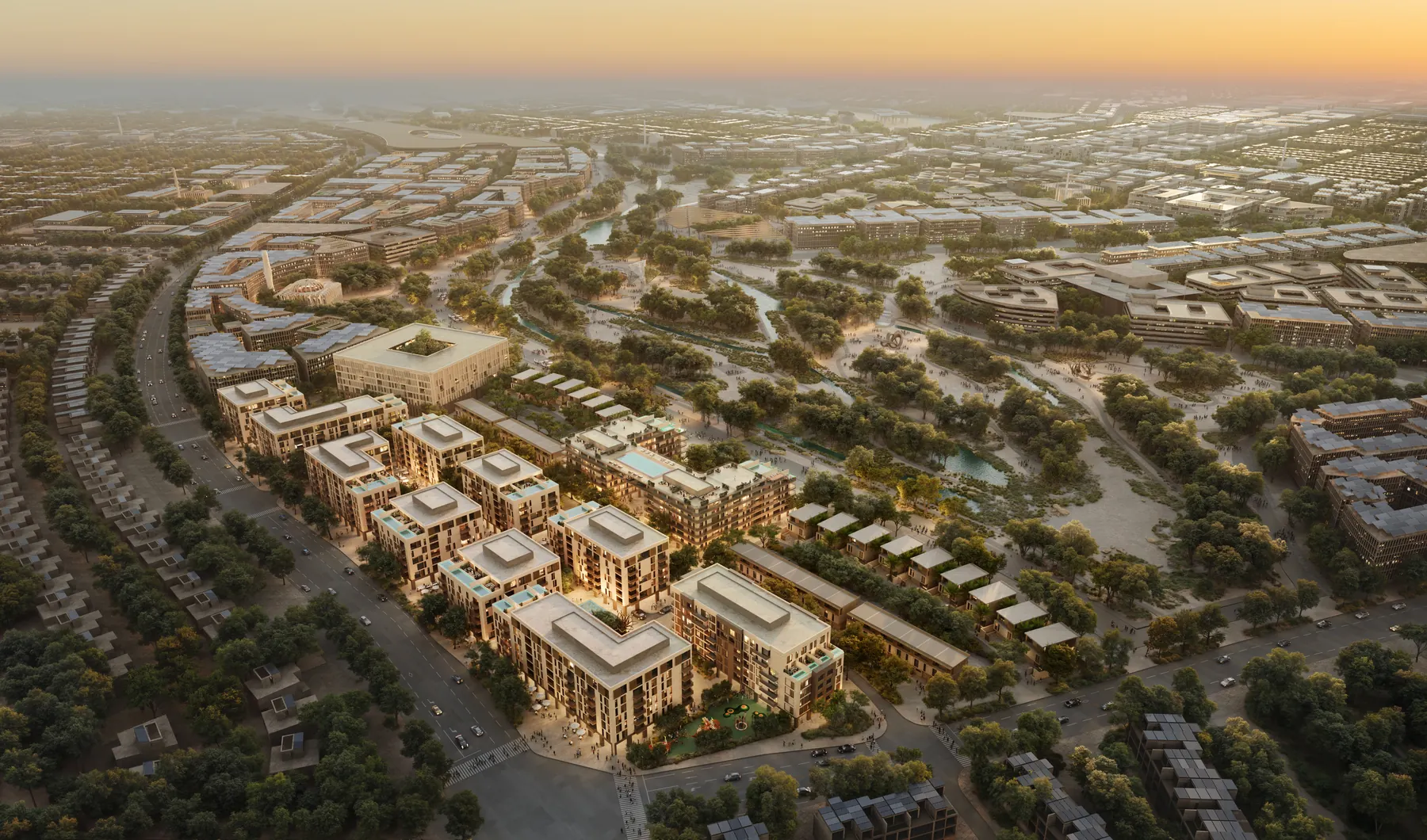
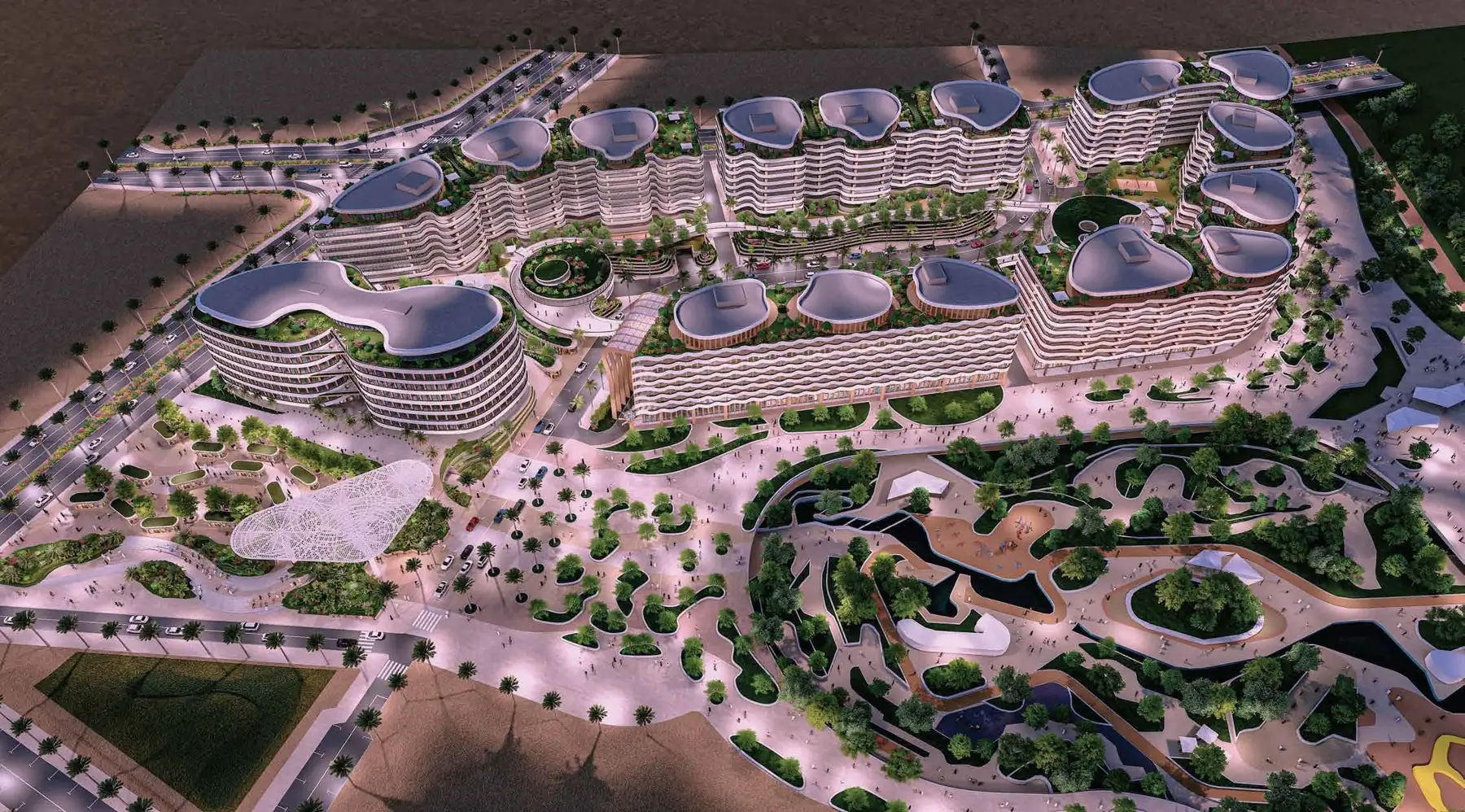
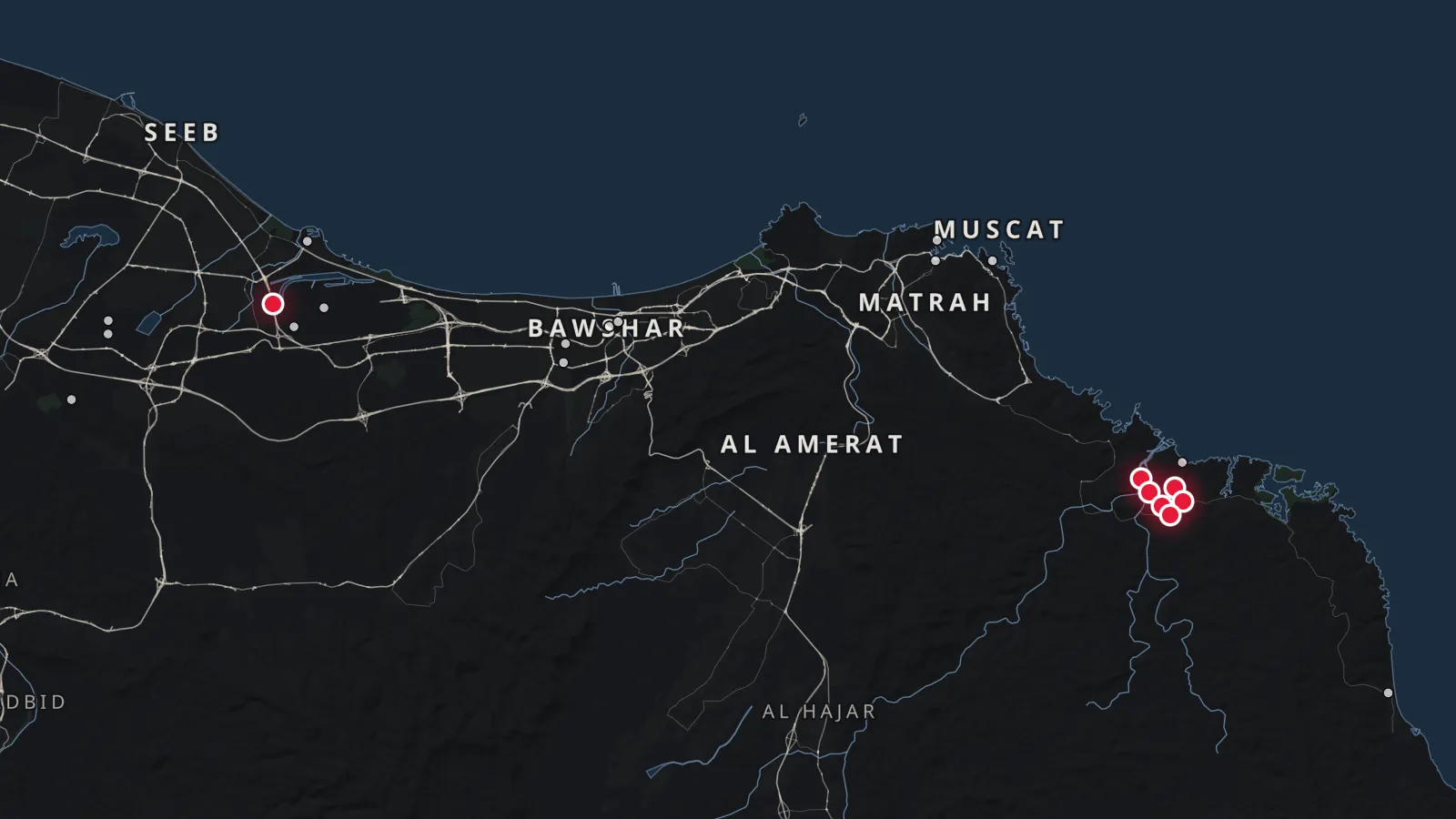
The city runs a long way along the coast, from the old harbour districts of Muttrah and Old Muscat through the diplomatic and business areas to newer neighbourhoods towards the airport. The Integrated Tourism Complexes are where foreigners can own, and each has its own character.
- Al Mouj Muscat, a marina community with golf, a beachfront and shops, close to the airport.
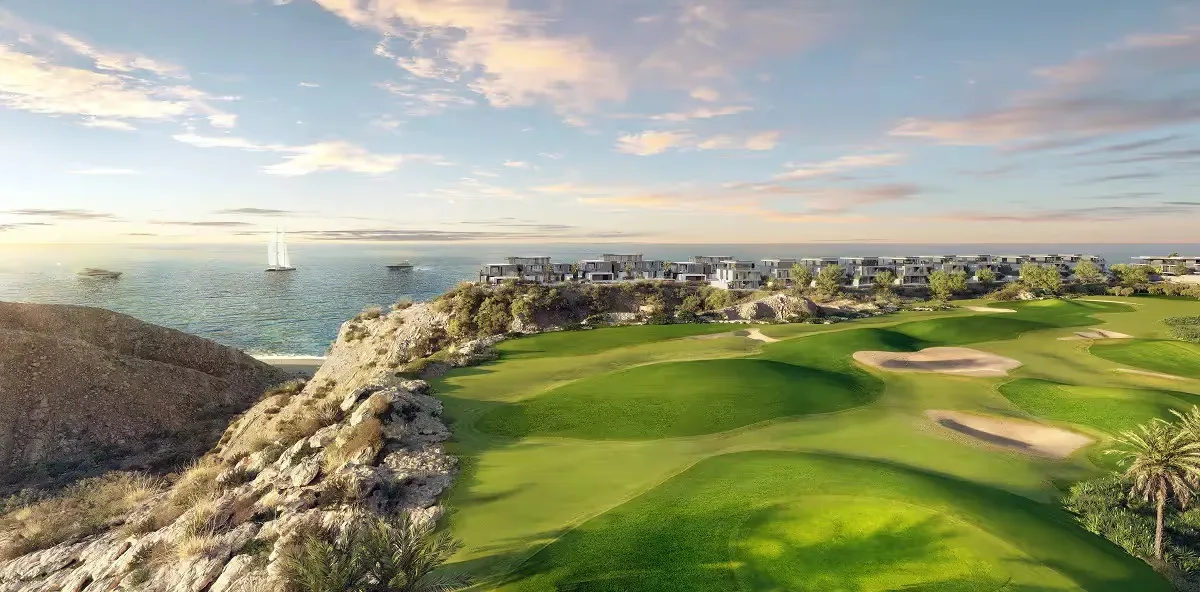
- Muscat Hills, a golf-centred community in the city's western suburbs.
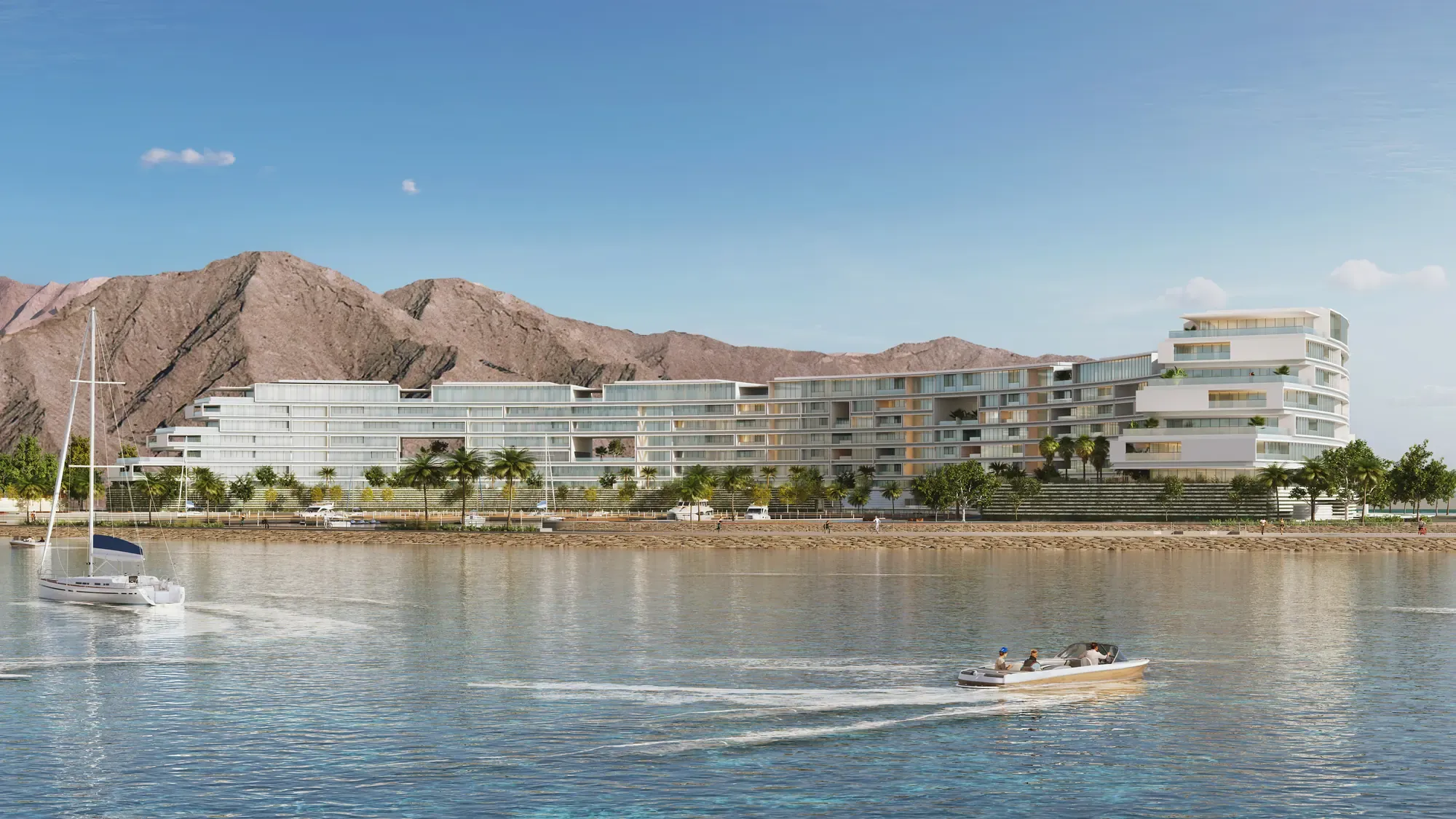
- Muscat Bay, set in a bay between mountains and sea on the coast south-east of the city.
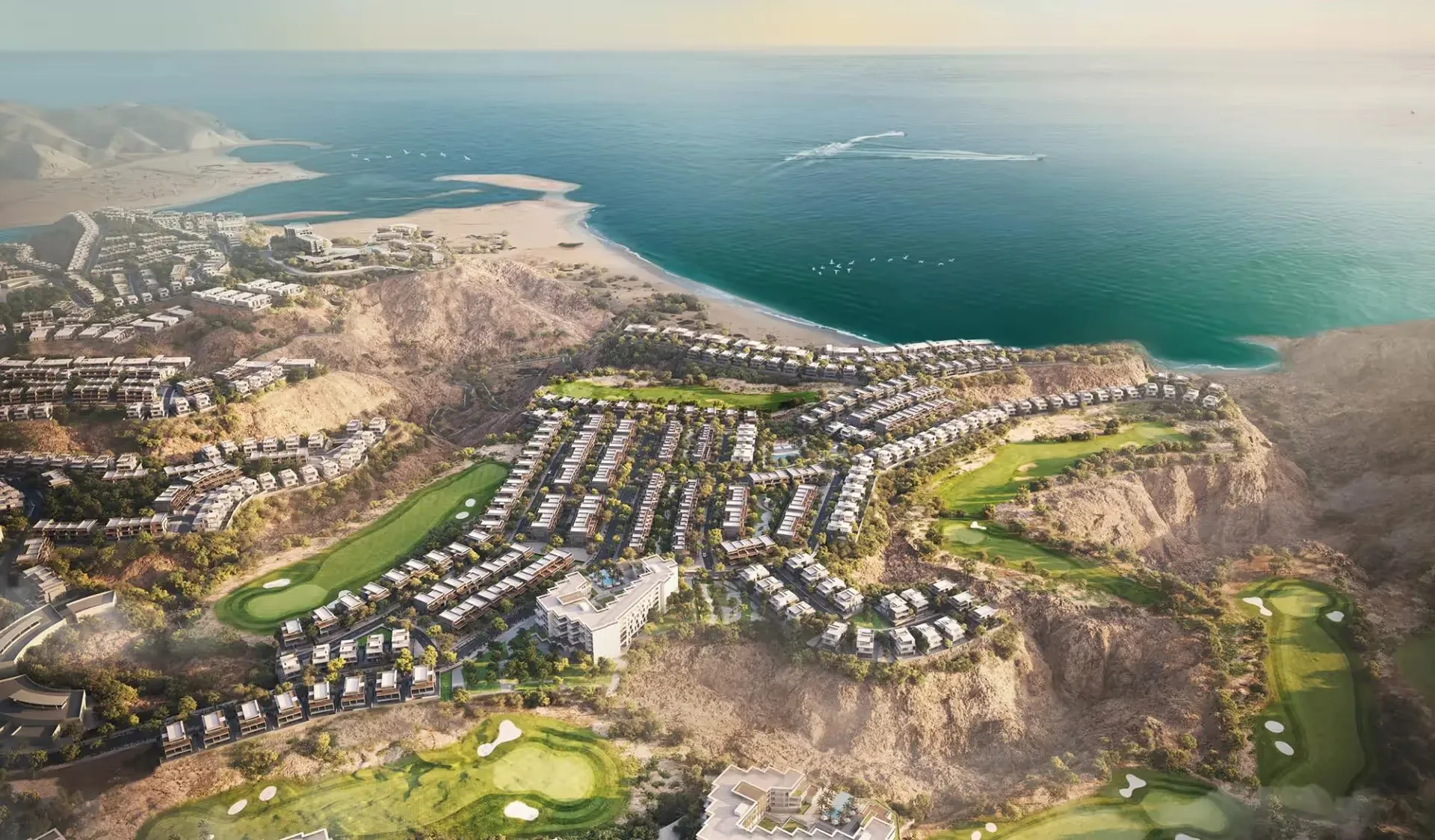
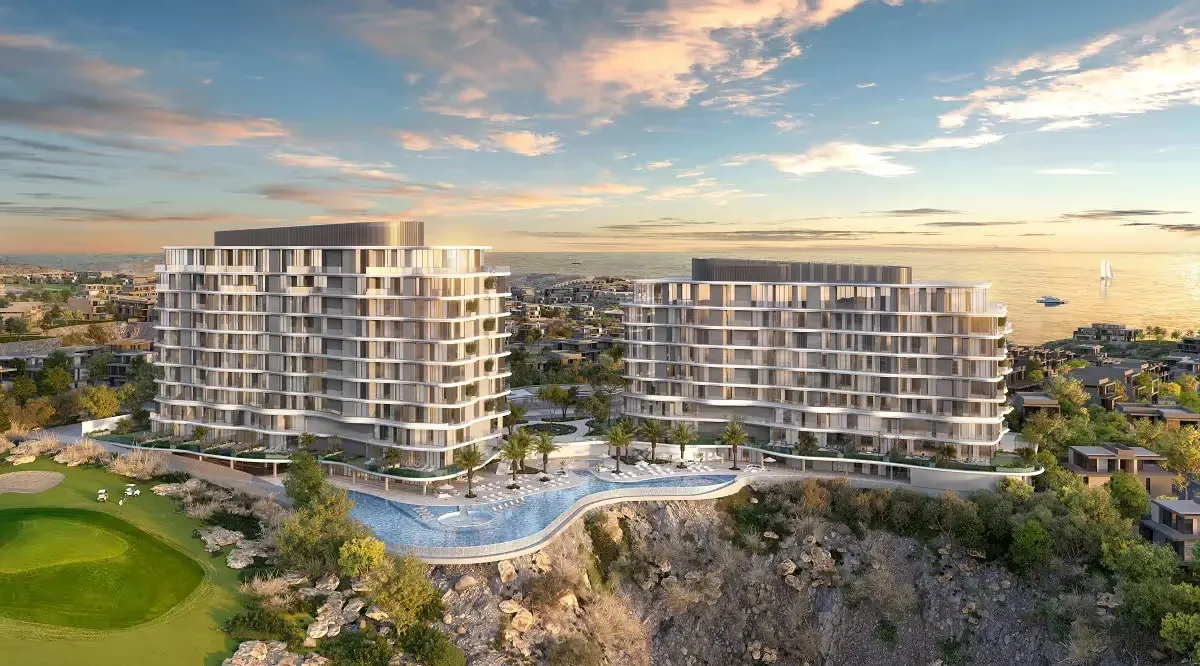
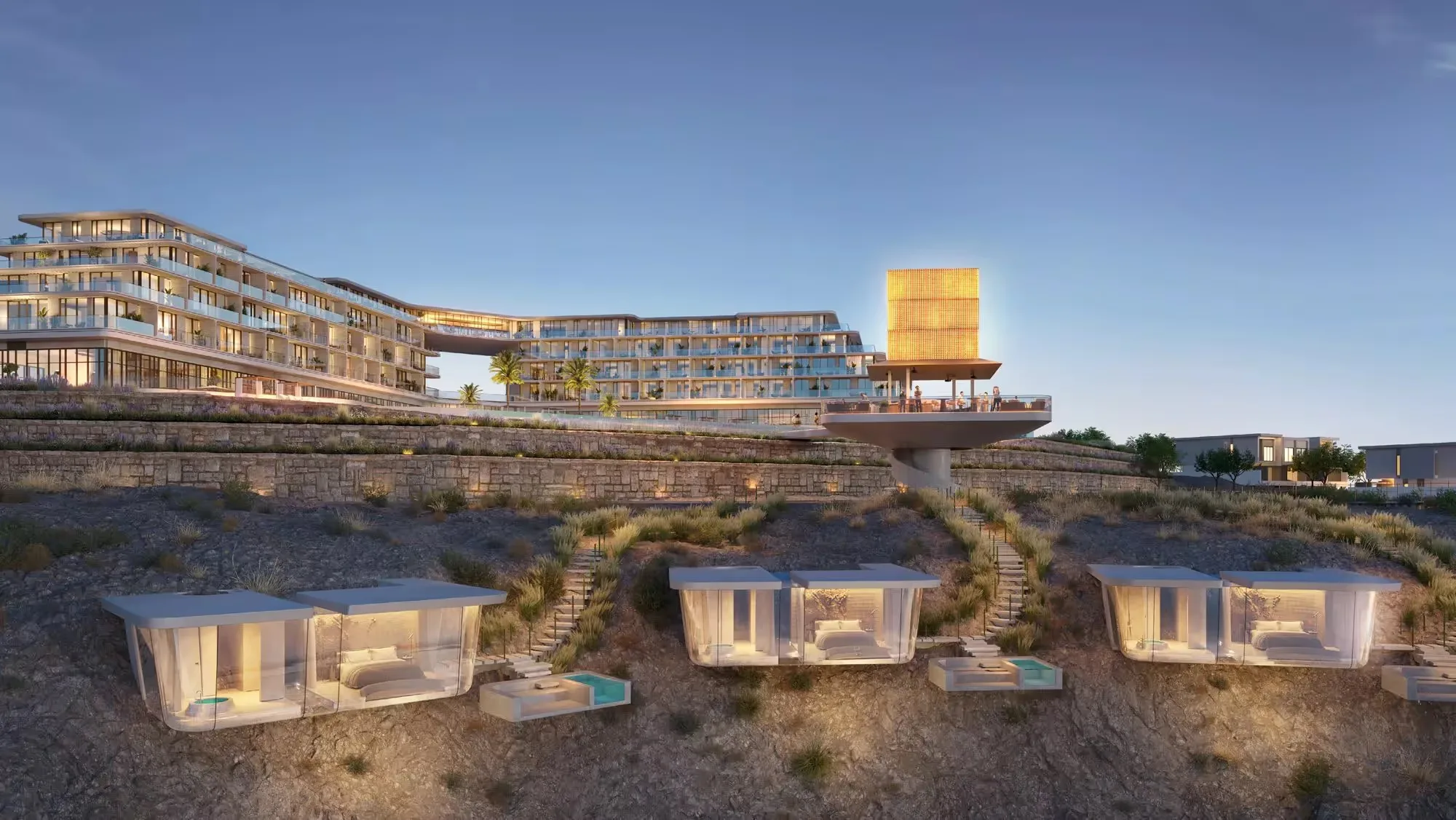
- AIDA, a hillside scheme on the same stretch of coast, set high above the sea.
Driving is the normal way to get around. Roads are good and public transport is limited, so most households run a car. Visitors can usually drive on a UK licence for a short stay, and residents can typically exchange it for an Omani licence. Check the current rules before you rely on either.
Salalah
Salalah, in the far south, is Oman's second city and has a different climate. During the summer khareef, monsoon rains turn the surrounding hills green and temperatures fall, drawing visitors from across the Gulf. The pace is slower than Muscat's, and Hawana Salalah is the main complex open to foreign buyers there.
Sohar
Sohar, north-west of Muscat, is a port and industrial city with work in logistics and manufacturing. Along the coast there are smaller resort complexes, including Jebel Sifah south-east of Muscat, which suit buyers who want a quieter base within reach of the capital.
Emerging Luxury Districts
Beyond the established complexes, new phases and schemes continue to come forward along the coast. Earlier editions of this page quoted appreciation figures for particular districts. We do not, because no growth rate is guaranteed. Judge a newer scheme on the developer's track record, the infrastructure already in place and what has actually been built.
Strategic Investment Windows
Timing matters in practical ways. The cooler months from October to April are the best time to visit and see a complex in use. Developers often release new phases on launch terms, and the choice of units is widest early on. Business slows during Ramadan and in the summer, so allow more time for paperwork then. We do not suggest buying on the basis of predicted price moves.
Exclusive Lifestyle Access
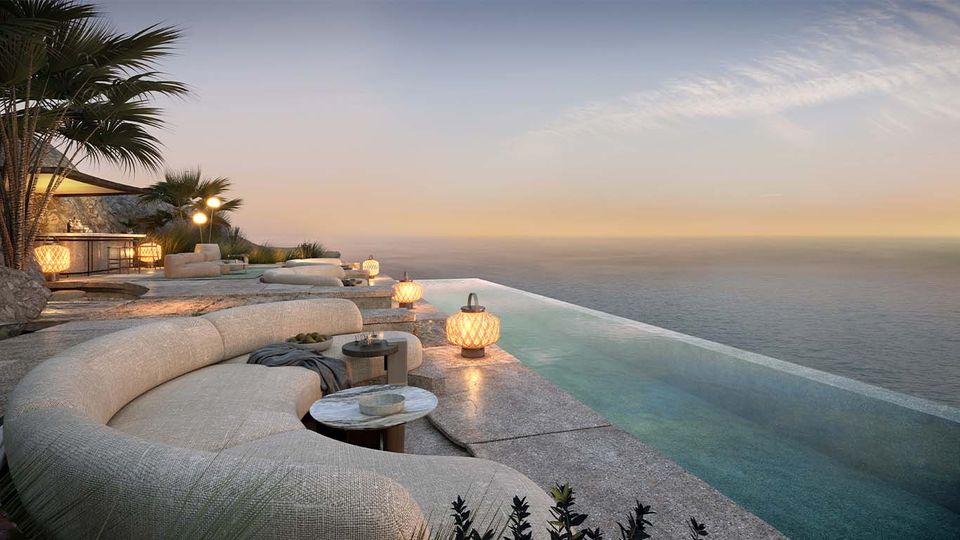
Some complexes link facilities such as golf, beach clubs or marina berths to ownership, while others charge for them separately. What is included varies by scheme and sometimes by unit, so ask for the terms in writing before you rely on them.
Investment-Driven Amenities
Amenities matter to tenants as well as owners. Golf, a marina, beach clubs, schools and shops all widen the pool of tenants and guests if you plan to let while you are away. Our guide to rental returns in Oman explains how to weigh them.
What a well-provided year costs in Muscat
The home, the school, staff, dining, the club and the berth, priced line by line and set against the world’s wealthiest cities.
Accommodation Options
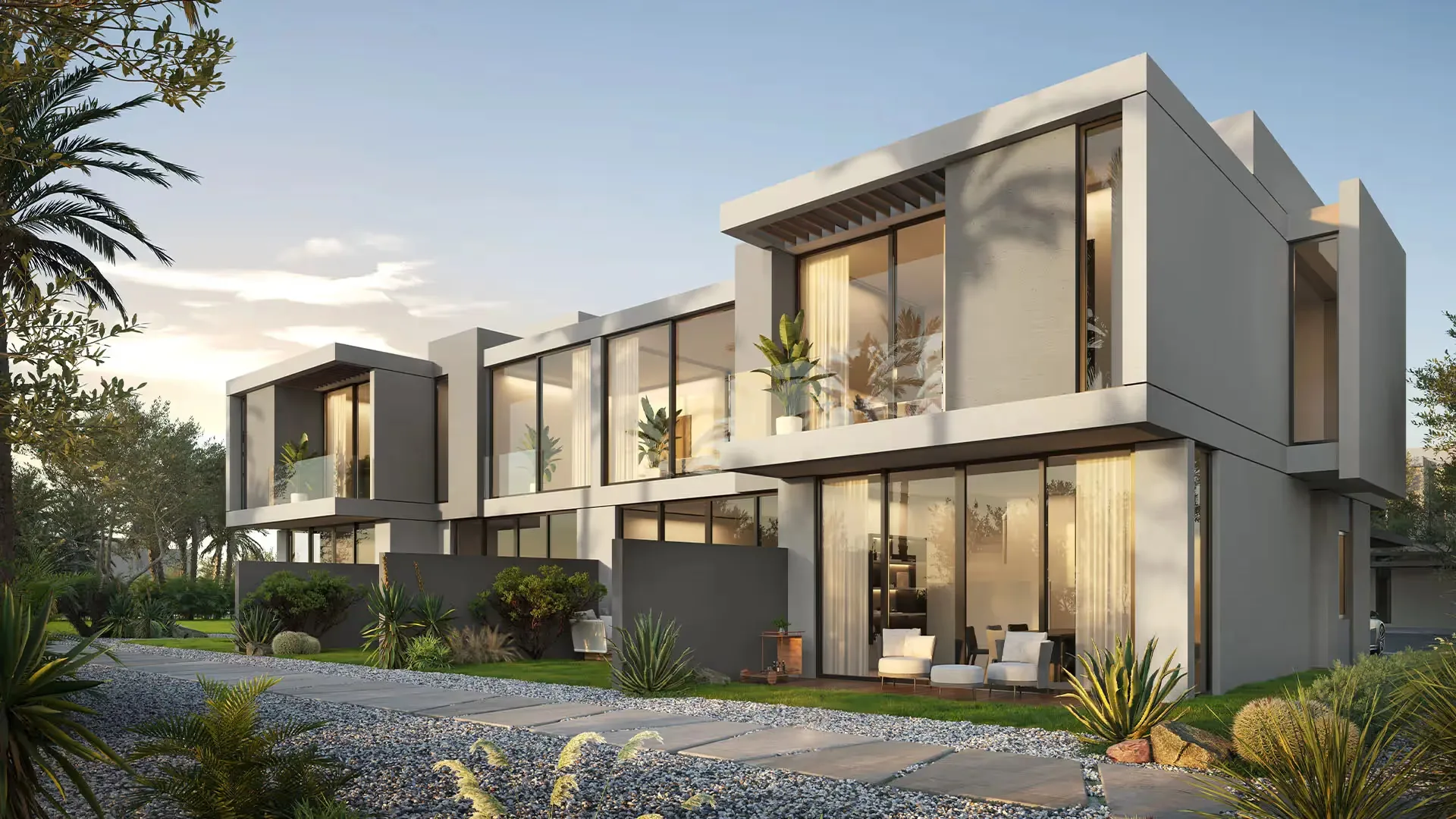
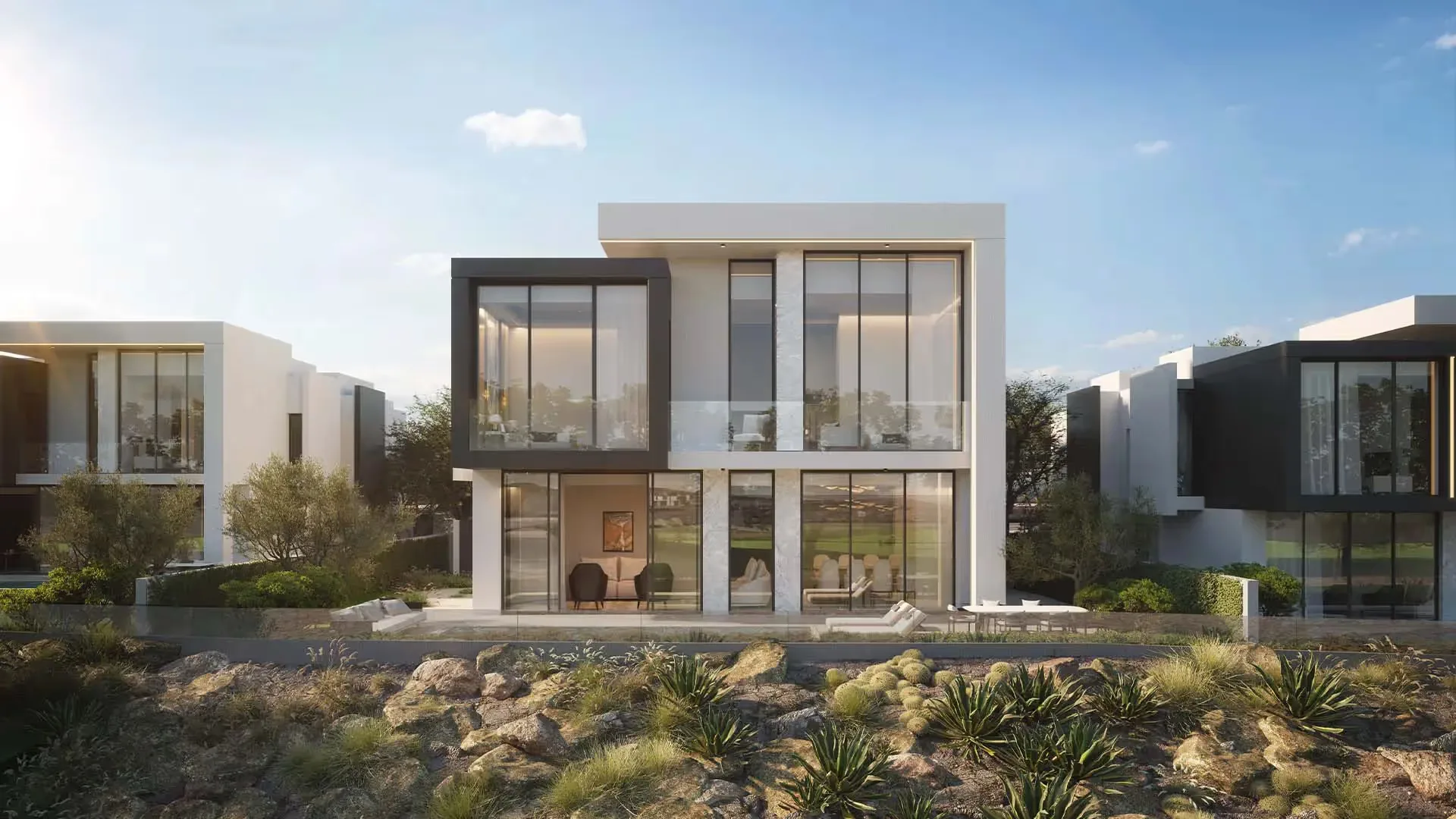
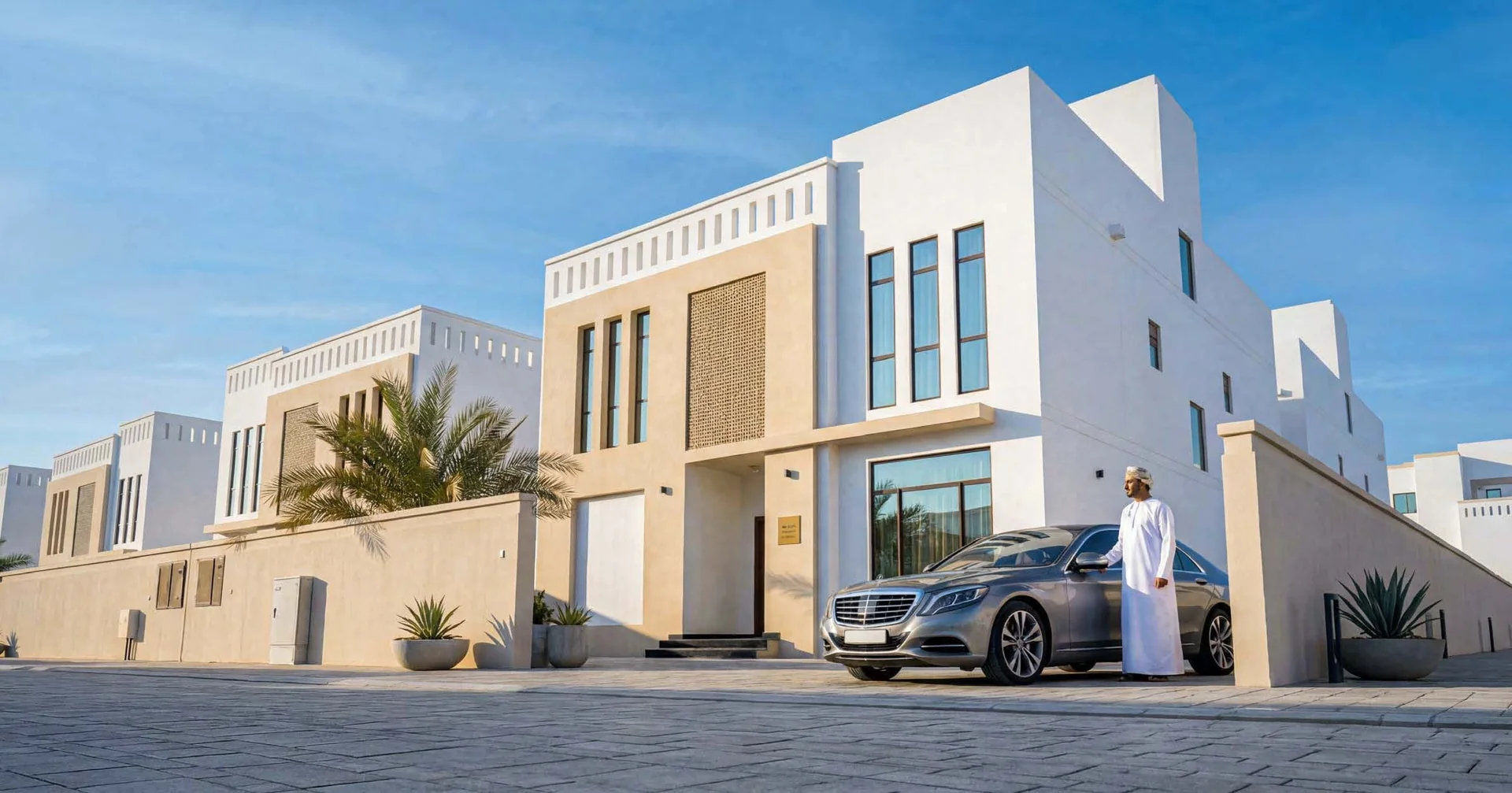
Expatriates live in a broad range of homes, from apartments in managed communities to standalone villas. Outside the complexes, homes and rents vary more, and most foreigners rent rather than buy.
Luxury Living
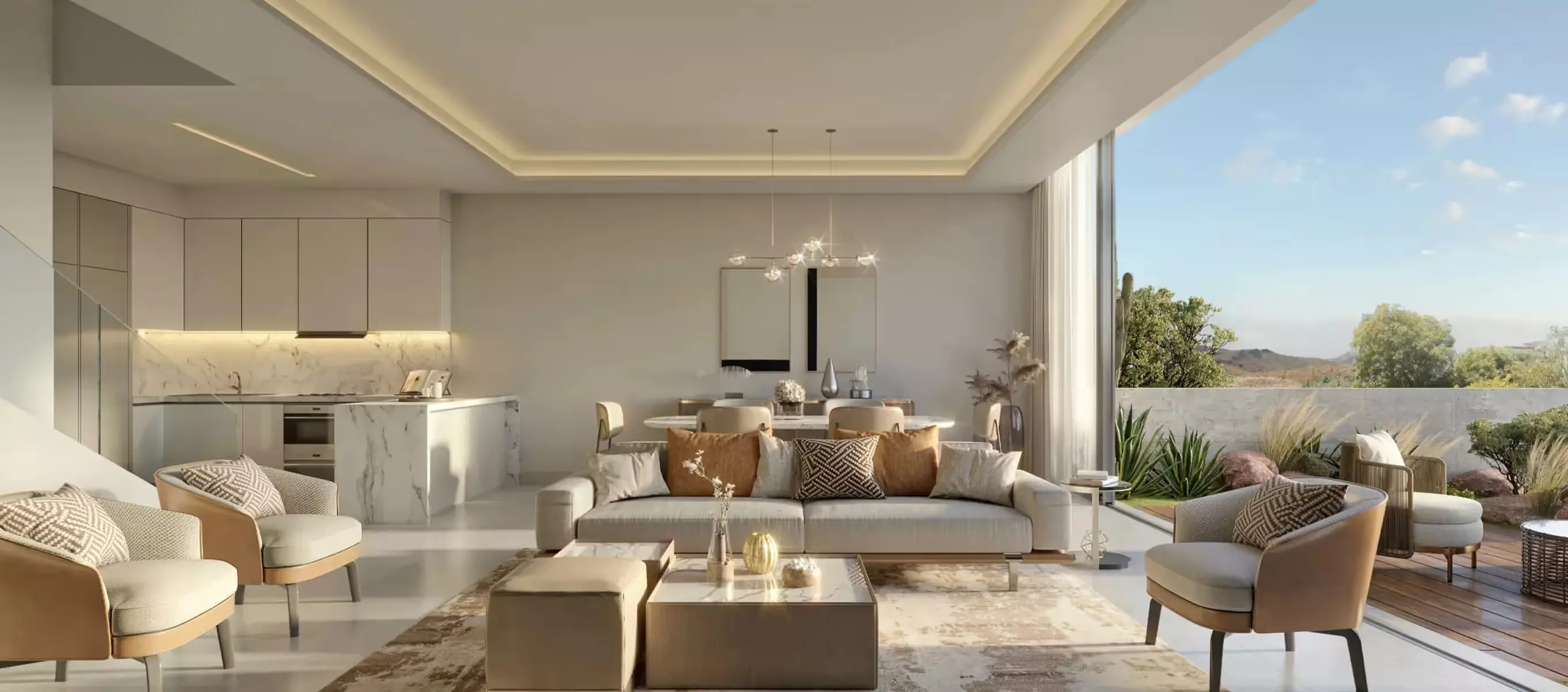
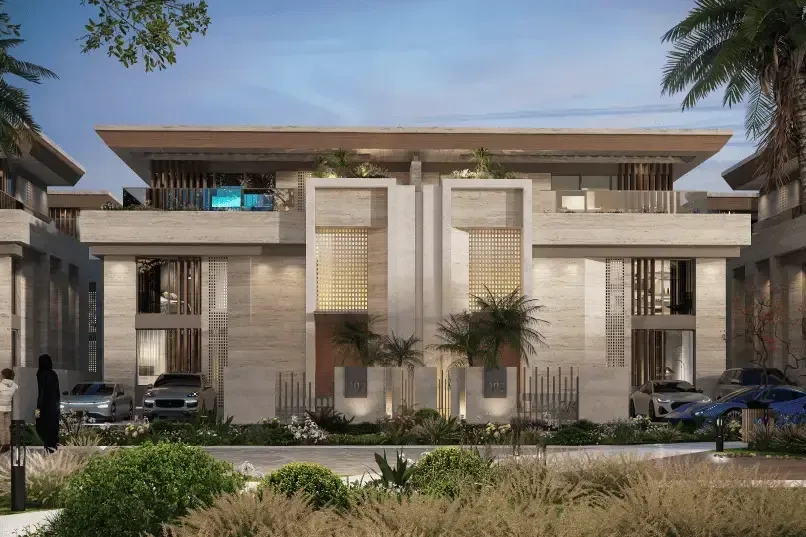
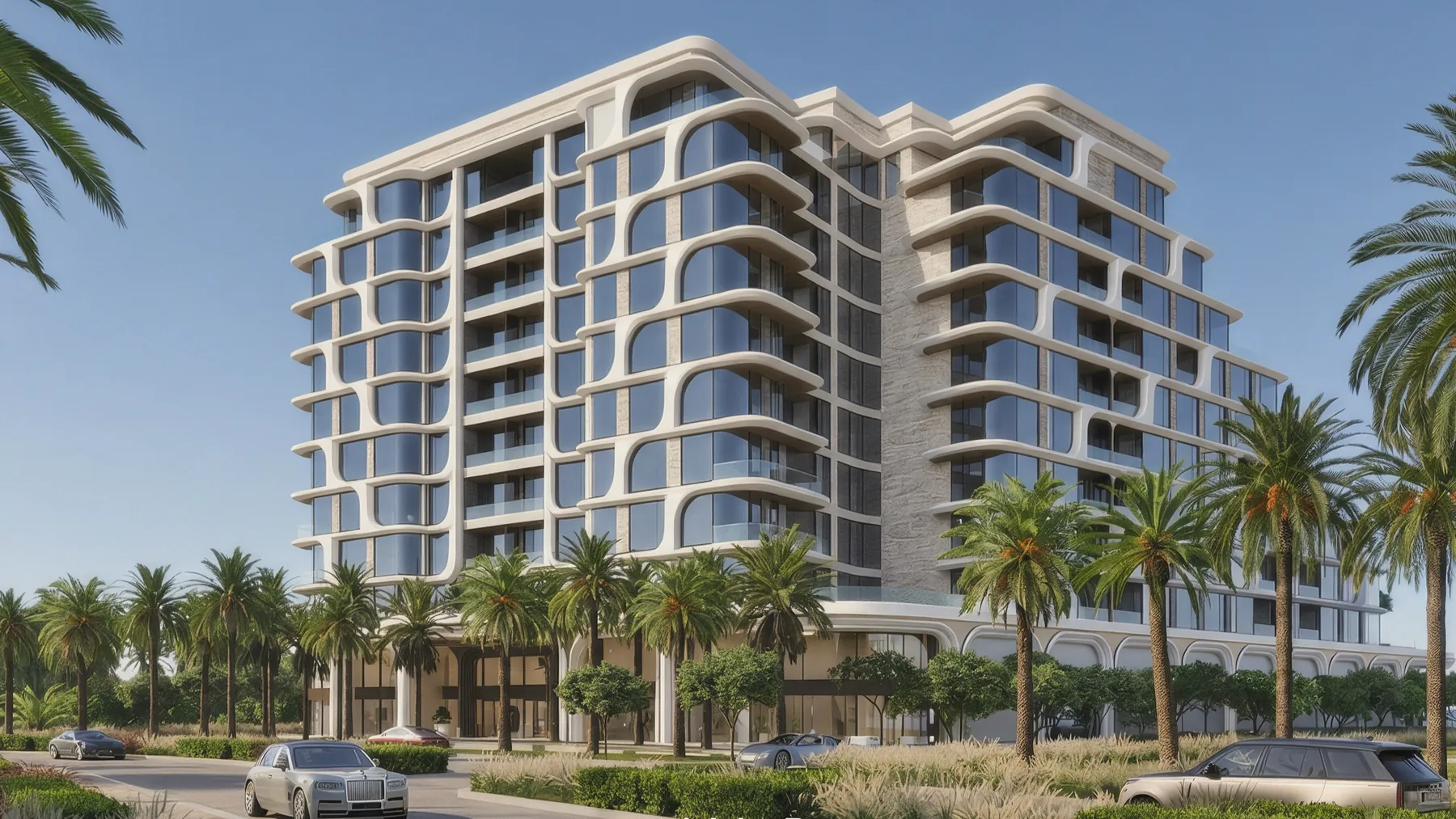
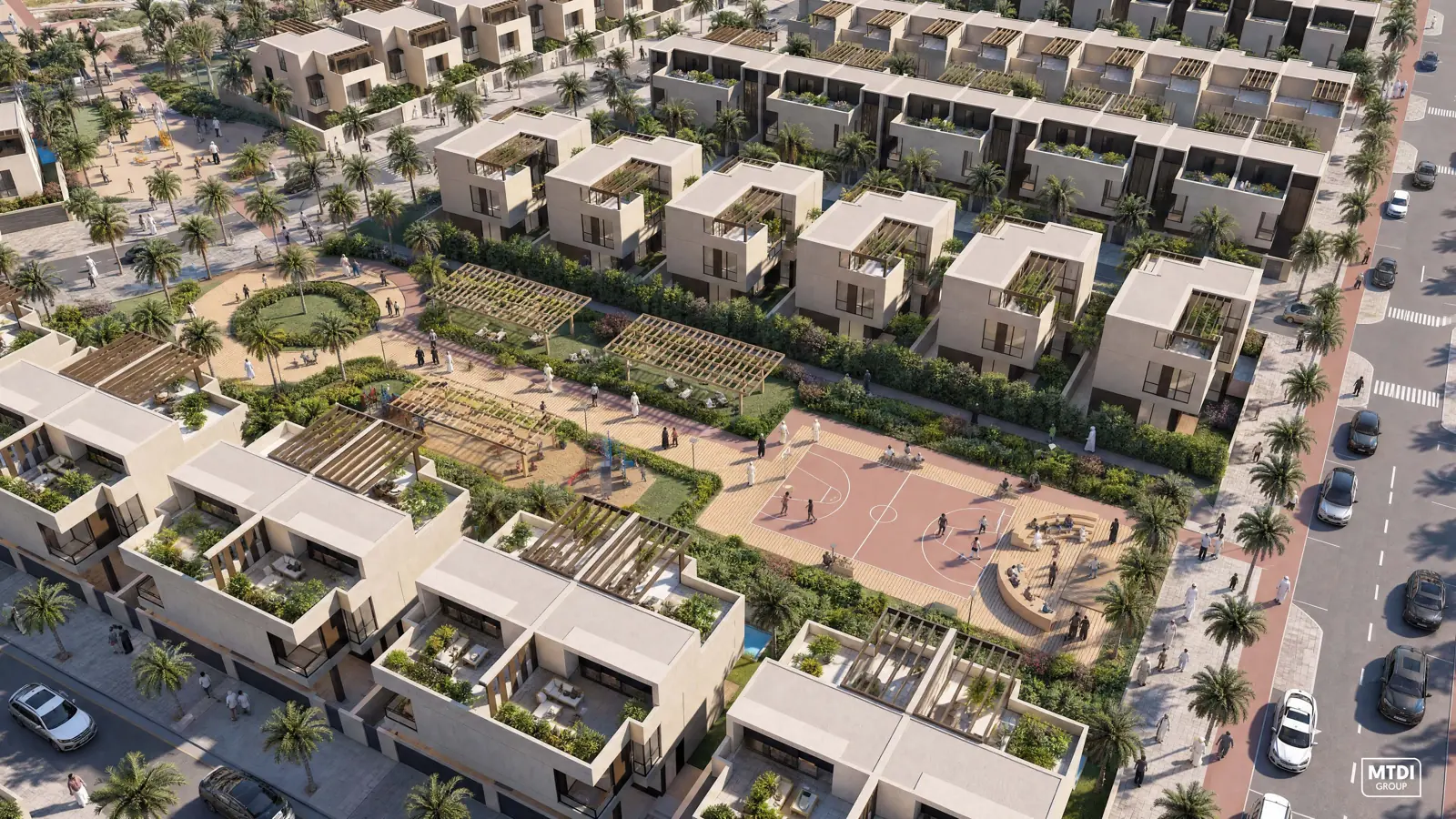
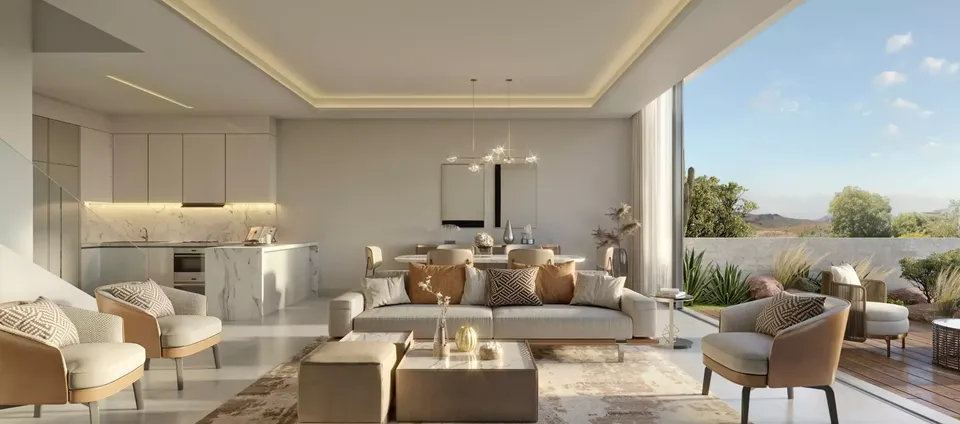
Inside the ITCs you get security, maintained grounds and on-site facilities, paid for through a service charge. Homes range from apartments to townhouses and villas, many with sea, marina or golf views.
Budget-Friendly Rentals
Established residential districts outside the complexes offer a wider range of rents. If you plan to move before your property is complete, a short rental in or near your chosen complex is a good way to learn the area. Tenancies are registered with the municipality and usually run for a year.
Key Tips:
- Visit in summer as well as winter, as the heat from June to September changes how you use a home.
- Check air conditioning, shading and covered parking, which matter more here than in the UK.
- Ask what the service charge covers, as it varies between complexes.
- If you are buying, compare what each complex offers on our Oman off-plan property for sale page.
Keep this guide: get it as a PDF.
Education for Expat Families
Muscat has a good choice of international schools teaching British, American and International Baccalaureate curricula, including long-established names such as The British School Muscat and the American British Academy. Places at popular schools can be limited, so apply early, particularly for a mid-year start. Fees are paid privately and vary by school and age group.

Healthcare in Oman
Healthcare is provided by public hospitals and a growing private sector. Expatriates generally use private hospitals and clinics and should hold comprehensive health insurance, which employers commonly provide for staff. Muscat has the widest choice of specialist care, and many doctors have trained in the UK, Europe or India. Second-home owners should check that their insurance covers treatment in Oman and repatriation.
Cost of Living in Oman
Costs depend heavily on how you live. Housing, schooling and imported goods are the main expenses, while fuel and local produce are generally reasonable by UK standards. Eating out ranges from inexpensive local restaurants to hotel dining at international prices. A budget built from your own pattern of spending is more useful than any published average.
Utilities are billed monthly, and air conditioning drives electricity bills in summer. Inside the complexes, the service charge covers security, landscaping and shared facilities, so compare it alongside the price when you weigh one scheme against another.
Work and Business Opportunities
Employment in Oman requires a work permit sponsored by an employer, and a property-linked residence card does not, by itself, let you work. The national plan, Oman Vision 2040, aims to diversify the economy away from oil into logistics, tourism, manufacturing, mining and technology, and the government has made it easier for foreigners to set up and own companies in many sectors.
If you plan to run a business, take advice on the company structure and on whether a free zone suits your activity.
Recreation and Lifestyle
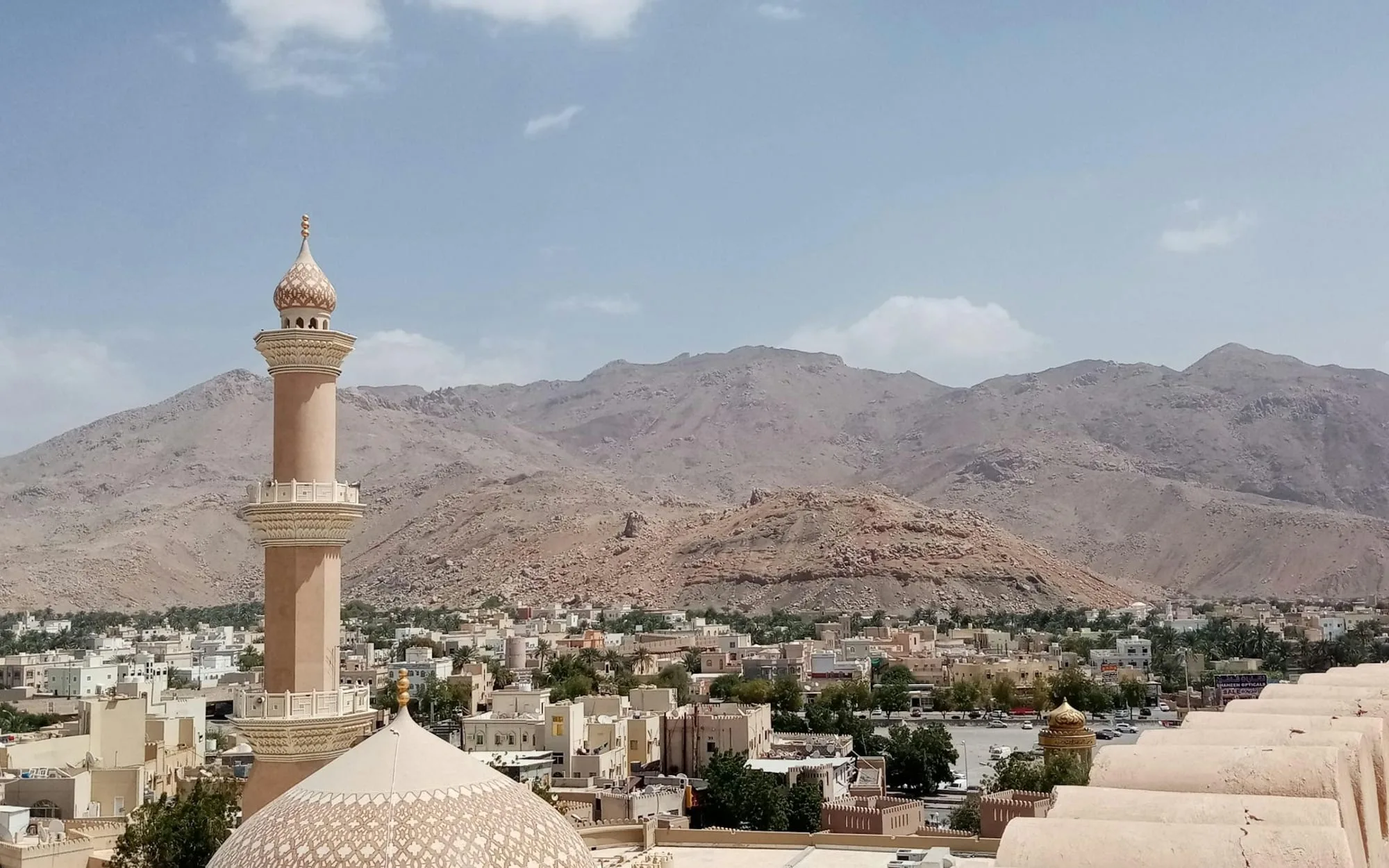
Outdoor life is the draw for most residents. The coast offers sailing, diving and snorkelling, with turtles and dolphins often seen offshore. Inland, the Hajar Mountains, wadis and desert are within a drive of Muscat for hiking, camping and weekend trips to towns such as Nizwa. Golf, marinas and beach clubs are concentrated in the complexes, and the Royal Opera House Muscat hosts a full season of performances.
The climate shapes the year. From October to April days are warm and evenings mild, and that is when most outdoor life happens. From June to September Muscat is very hot and humid, and many residents travel or spend more time indoors, which is worth bearing in mind if you plan to let the property in the months you are away.
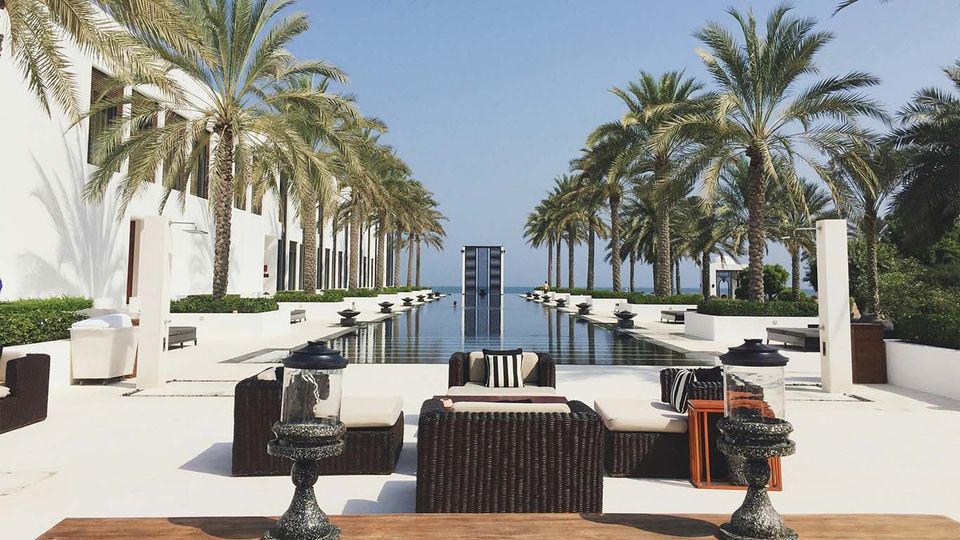
Oman’s best-known hotels are a short drive or flight from Muscat, and residents use them for weekends as much as visitors do. In the capital, Al Bustan Palace sits in its own cove beneath the mountains and The Chedi Muscat runs along the beach near the airport. Inland, Alila Jabal Akhdar and Anantara Al Jabal Al Akhdar sit on the Saiq Plateau, about 2,000 metres up, where summer days are far cooler than on the coast. In the north, Six Senses Zighy Bay is reached across the Musandam mountains, on a peninsula separated from the rest of Oman by the UAE.
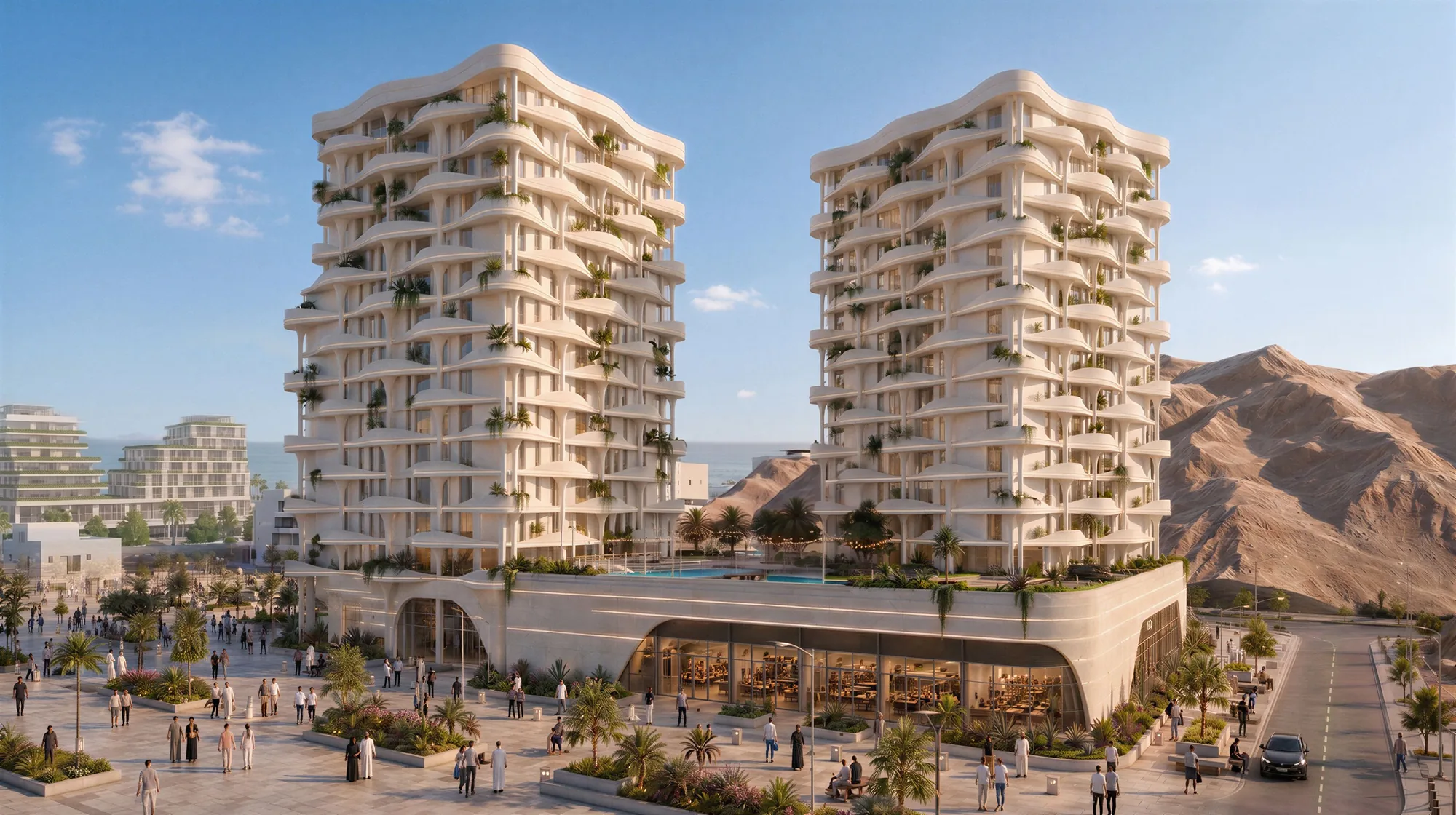
For a buyer, the point is what this says about the market: the high end is built around privacy, low density and landscape rather than towers, which is the same pattern the Integrated Tourism Complexes follow on the coast.
Navigating Local Customs
Oman is a Muslim country with a conservative, courteous culture, and respect goes a long way. A few customs to know:
- Dress modestly in public, covering shoulders and knees, and keep beachwear to beaches and pools.
- During Ramadan, avoid eating, drinking or smoking in public during daylight hours.
- The working week runs from Sunday to Thursday, with Friday and Saturday as the weekend.
- Alcohol is served in licensed hotels and restaurants, and drinking in public is not permitted.
- Public displays of affection are best avoided.
Final Thoughts
Many owners find that a quiet everyday life with good connections is what keeps them in Oman. Summer heat and a more conservative culture are the main adjustments, and both are easier with a home that suits the climate and a community that suits how you live.
If you are thinking of a home there, our buying guide explains the process, and you can book a consultation to talk through the schemes that suit how you want to live.
Frequently asked questions
Is Oman a good place for British expats to live?
Many British expats choose Oman for its safety, its outdoor life and a calmer pace than other Gulf cities. Muscat has international schools, private healthcare and direct flights to London. Summer heat and a more conservative culture are the main adjustments.
Where do most expats live in Oman?
Most live in Muscat, either in the Integrated Tourism Complexes, where foreigners can own freehold, or in established residential districts. Salalah and Sohar have smaller expat communities.
Are there British schools in Muscat?
Yes. Muscat has several international schools teaching the British curriculum, alongside American and International Baccalaureate schools. Places can be limited, so apply early.
Do I need health insurance in Oman?
Yes, expatriates should hold comprehensive private health insurance. Employers commonly provide it for staff, and second-home owners should check that their cover includes treatment in Oman and repatriation.
Is there income tax in Oman?
There is no personal income tax for individuals at the time of writing. Oman has announced a personal income tax on higher earners from 2028. UK tax residents remain liable to UK tax on their worldwide income.
Part of our guide to investing in Oman.