

















The Oman guide01 of 05
Buying property in Oman from the UK: process, costs and residency.
How UK buyers purchase property in Oman: where foreigners can own, the steps from reservation to title, the costs and the route to residence.
Buying property in Oman from the UK: an investor’s guide
This guide explains how UK buyers purchase property in Oman: where foreigners can own, the steps from reservation to title, the costs and the route to residence. The rules have moved on since earlier editions, so case-specific figures are confirmed by the desk rather than quoted here.
Oman appeals to buyers who want a Gulf property without the density or turnover of the larger markets. It offers fewer, lower-rise schemes, a strong emphasis on landscape and architecture, and a quieter pace of life.

Can Foreigners Buy Property in Oman? The Legal Landscape
Yes, in designated areas. Foreigners can own freehold property in Oman's Integrated Tourism Complexes (ITCs), master-planned developments licensed by the government for tourism and residential use. The government has also widened foreign ownership in some other zones, but the ITCs remain the main route for overseas buyers and the one this guide focuses on.
Key Legal Highlights:
- Freehold title, registered in your name with the Ministry of Housing and Urban Planning.
- You can sell it, let it and pass it on, subject to the rules of the complex and Omani law.
- You do not need to be resident in Oman to buy.
- Succession needs planning, because Omani law can apply to property located in Oman.
Integrated Tourism Complexes (ITCs):
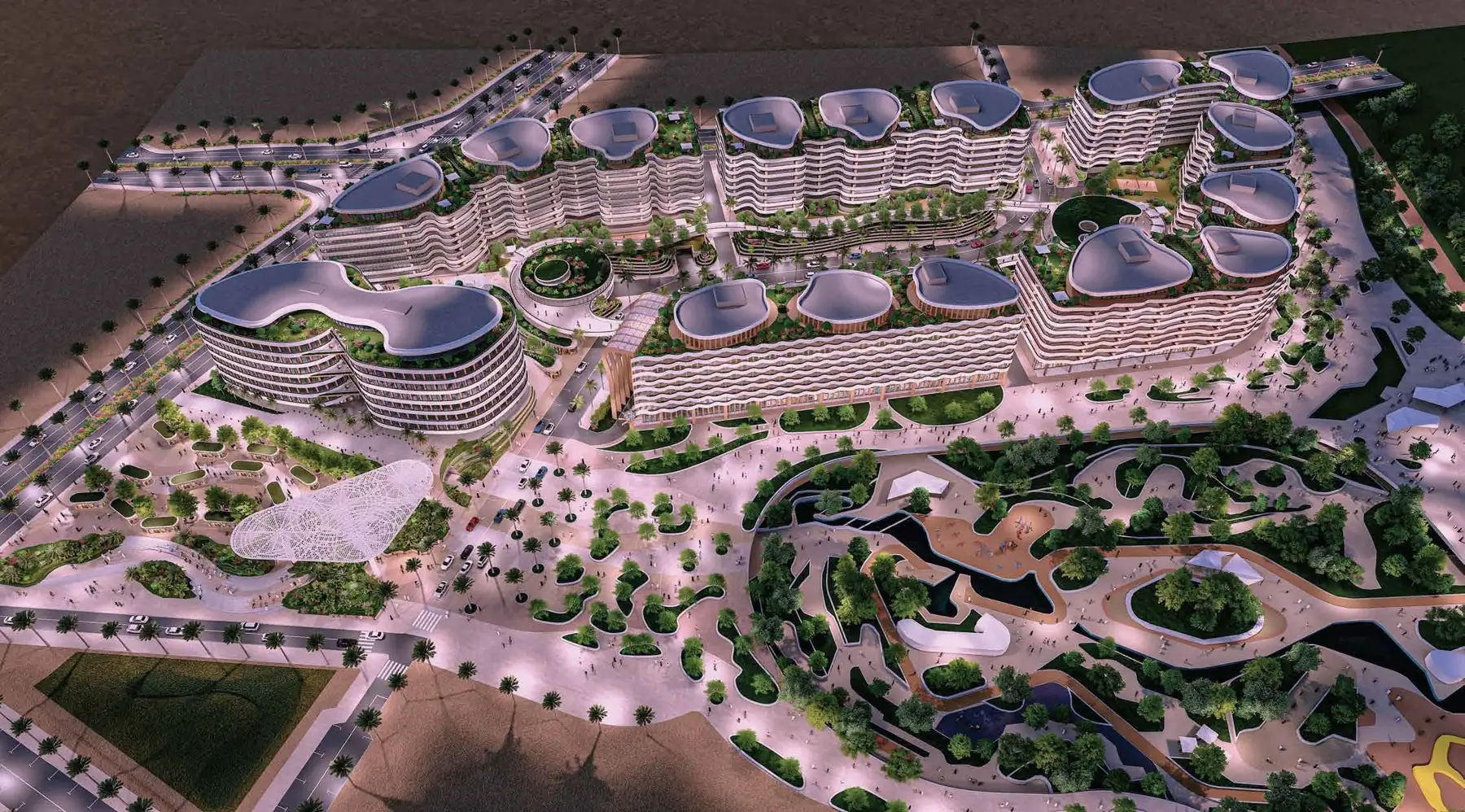
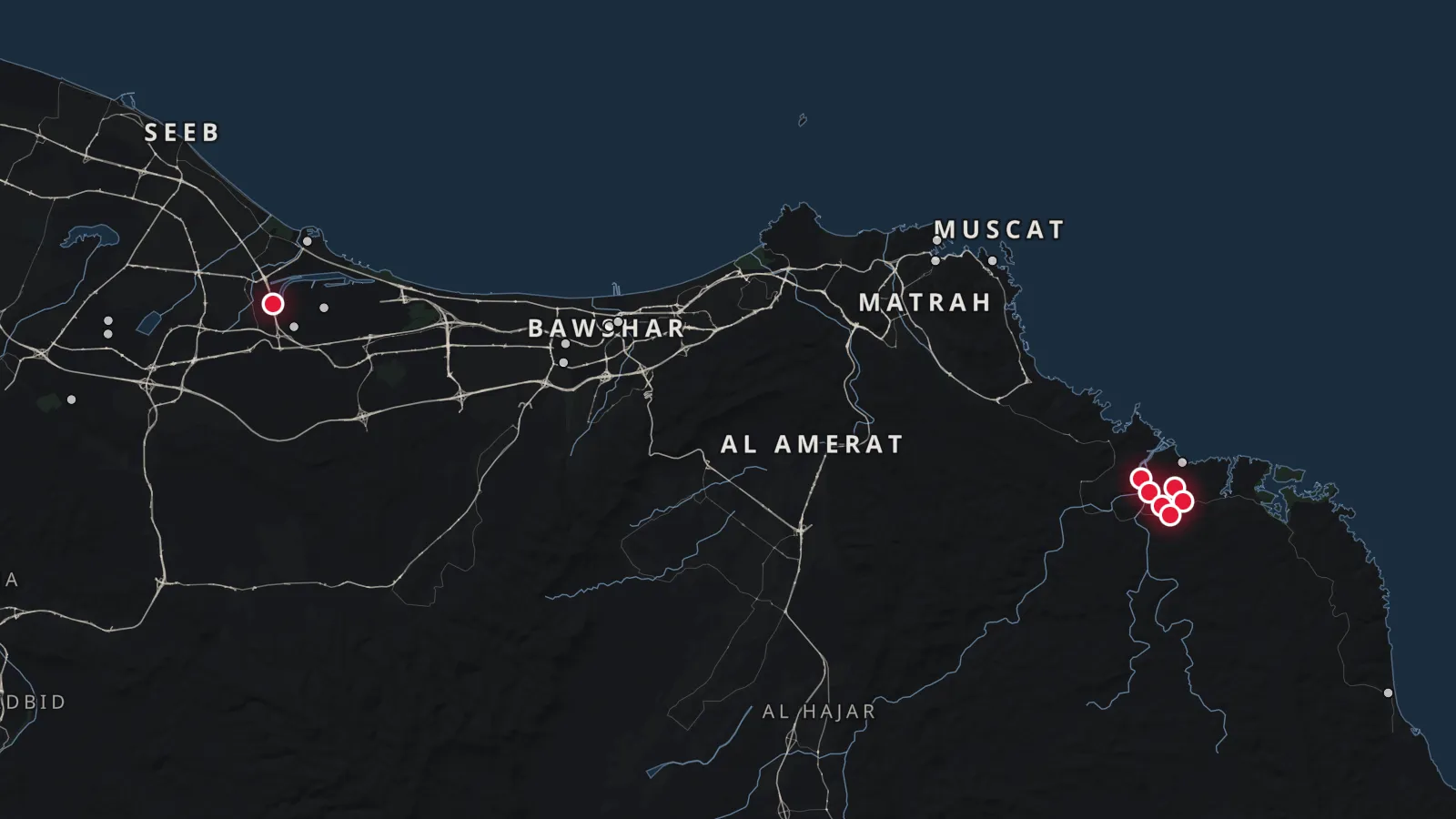
In Muscat the established complexes include Al Mouj Muscat, Muscat Bay, Muscat Hills and AIDA. Further ITCs sit along the coast and in Salalah in the south. Each has its own master developer, which also manages the community and its facilities and, in many cases, runs a rental programme for owners. For an overview of the market, see our Oman page.

Currency · Oman
- Euro€249,264
1 GBP = 1.19 EUR
- US dollarUS$279,593
1 GBP = 1.33 USD
- UAE dirhamAED 1,026,812
1 GBP = 4.89 AED
- Saudi riyalSAR 1,048,480
1 GBP = 4.99 SAR
- Omani rialOMR 107,503
1 GBP = 0.5119 OMR
- Thai bahtTHB 9,388,062
1 GBP = 44.71 THB
- Malaysian ringgitMYR 1,141,818
1 GBP = 5.44 MYR
Mid-market rates from ExchangeRate-API, updated daily; last update 20 October 2026. Banks and transfer services add a margin, and staged off-plan payments are made at the rate on each date.
Unlocking Residency: The Perks of Owning Property in Oman
Buying in an ITC gives the owner a route to a renewable residence card, and the owner can usually sponsor a spouse and dependent children. Conditions apply, including registered title, valid passports, a medical check in Oman and a clean criminal record. Oman also runs a longer-term investor residency programme for larger investments, structured in tiers.
Residency Visa Benefits:
- A renewable residence card that does not depend on an employer or local sponsor. The term and renewal process are set by the authorities, and earlier guidance quoting a fixed period may be out of date.
- A spouse and dependent children can usually be included.
- Easier banking, utility registration and travel in and out of Oman.
- The card does not give the right to work, which needs a separate permit through an employer.
Thresholds and conditions are set by the authorities and change from time to time, so the desk confirms the current position before you reserve. Our visa and residency guide explains both routes in detail.

Questions on this guide? Ask our Oman team.
Ownership, costs and what is for sale, on WhatsApp or by phone.
Oman’s property market: what UK buyers should know
Oman is a smaller market, which means less choice and slower resale, but also less speculative supply. The practical links with the UK are good. Muscat is around seven hours from London on direct flights, English is widely used in business, and the Omani rial is pegged to the US dollar. Buyers typically weigh a mix of personal use, rental income and the residence route that ITC ownership offers.
Key market trends
- Foreign ownership has been widened in some zones beyond the ITCs, though the ITCs remain the established route.
- The national plan, Oman Vision 2040, puts weight on tourism and on diversifying the economy away from oil.
- Most new-build stock for foreign buyers is sold off-plan with staged payment plans.
- A personal income tax on higher earners has been announced from 2028.
We do not publish growth rates or yield figures, because they vary by scheme and are not guaranteed. For a particular unit, the desk sets out the evidence on prices, achieved rents and costs.

How Oman Compares to Other GCC Markets
Each Gulf market has a different proposition. Dubai offers depth, liquidity and a wide range of stock, with more competition and faster cycles. Saudi Arabia is opening up to foreign buyers on a newer framework that is still developing. Oman sits between them: an established freehold framework in the ITCs, smaller in scale, with residence tied to ownership.
Keep this guide: get it as a PDF.
GCC Property Market Comparison
The useful comparison is on structure rather than headline numbers:
- Ownership. Oman offers freehold in designated ITCs; Dubai has a wide range of freehold areas; Saudi Arabia's framework for foreign buyers is newer.
- Scale and liquidity. Dubai has far more stock and turnover, so resale is usually quicker. Oman's market is smaller and calmer.
- Residence. In Oman, residence is tied to ITC ownership, subject to conditions. Other markets set their own thresholds and terms.
- Density and pace. Oman's schemes are lower-rise and less intensively developed.
- Prices and returns. These vary widely by scheme in every market, so the desk compares specific units like for like rather than country averages.
Neither market is simply better. The right choice depends on what you want the property to do for you.

Financing Your Property Purchase in Oman from the UK
Mortgage availability for non-residents in Oman is limited. Local banks lend mainly to residents with local income and generally want a completed, registered property as security. Most UK buyers therefore pay through a mix of cash, the developer's payment plan and borrowing raised in the UK, for example by remortgaging a UK property. Earlier editions of this page suggested local mortgages were readily available to UK buyers. That is not the position today.
Because the rial is pegged to the US dollar, the sterling cost of your instalments will move with the exchange rate. A currency specialist can fix rates for known payments and keep a clean record of the source of funds, which banks and developers will ask for. Our mortgages and finance guide covers how buyers fund each stage.
Step-by-Step Guide to Buying Property in Oman
The sequence below reflects how most purchases in an ITC run. The desk works through it with each buyer, and the detail varies by scheme.
1. Research the Market
Decide what the property is for: personal use, letting, residence or a mix. That determines the complex, the unit type and how much to keep in reserve for costs. You can browse current stock on our Oman off-plan property for sale page.
2. Engage Legal Support
Instruct a lawyer in Oman who is independent of the developer. They will check the developer's licences, the ITC status of the scheme, the sale and purchase agreement and the terms of any rental programme.

3. Visit Properties
A visit is worth making if you can. You will see the complex, its setting and the quality of finished units. If you cannot travel, we arrange video viewings and construction updates.
4. Sign the Sales Agreement
You pay a reservation deposit to hold the unit, then sign the sale and purchase agreement. On an off-plan purchase this sets out the payment plan, the completion date, the specification and what happens if either side fails to perform. Ask how your payments are protected before you sign.
5. Complete Registration
Title is registered with the Ministry of Housing and Urban Planning, normally at or near completion on an off-plan purchase, and registration fees are paid at that point. The desk confirms the current fee. Prepare in advance, with passport copies and proof of payment ready.
6. Finalise Financing
Off-plan payments are normally staged, linked to construction progress or set dates, with a balance at handover. Make sure the final balance is arranged in good time, whether from cash, a UK remortgage or a post-handover plan, with currency fixed where possible.
7. Transfer Ownership
At completion you pay the balance, inspect the unit and take the keys, and you receive the title deed, known as the mulkiya. With title registered, you can apply for residence if that is part of your plan. You then arrange utilities and furnishing and, if you are letting, join the rental programme or appoint an agent.

Understanding Property Ownership and Inheritance Laws in Oman
Ownership in an ITC is freehold and can be passed on, but succession needs thought. Omani law can apply to property located in Oman, and its default rules on inheritance may not match what a UK will intends. Take advice on a will that is effective in Oman, ideally from a lawyer who understands both systems, and keep your title documents and residence records in order.
If you plan to sell later, ITC property can be sold to other foreign buyers as well as to Omani and GCC nationals, which widens the market. Even so, Oman is a smaller market than Dubai, so allow time and price realistically. A well-run rental record can help a sale.

Costs of Buying Property in Oman
Budget for more than the purchase price. The main costs are:
- Registration fees at the Ministry of Housing and Urban Planning on transfer of title. The desk confirms the current fee on each purchase.
- Legal fees for your independent lawyer.
- Service charges for the upkeep of the complex, payable from handover.
- Furnishing, particularly if the unit is to be let.
- Residence application fees, medicals and document legalisation, if you are applying.
- Currency transfer costs.
Costs of Buying Property in Oman
The costs fall at different points, and timing matters as much as the amounts. Some are paid at reservation or on each instalment, some at completion and some every year you own the property.
Transaction Costs
Registration fees fall due when title transfers, usually at or near completion. Legal fees are best agreed with your lawyer at the outset, so the cost is fixed before work starts. Currency costs arise on every instalment, and residence fees, medicals and legalisation follow completion if you apply. Earlier editions of this page quoted percentages for these costs; we confirm the actual figures for each purchase instead.
Tax Considerations
There is no personal income tax for individuals in Oman at the time of writing, and Oman has announced a personal income tax on higher earners from 2028. VAT applies to many goods and services, and its treatment on a property purchase should be confirmed case by case. For UK residents, rental income and gains on an overseas property remain reportable to HMRC, so speak to a UK tax adviser before you buy.
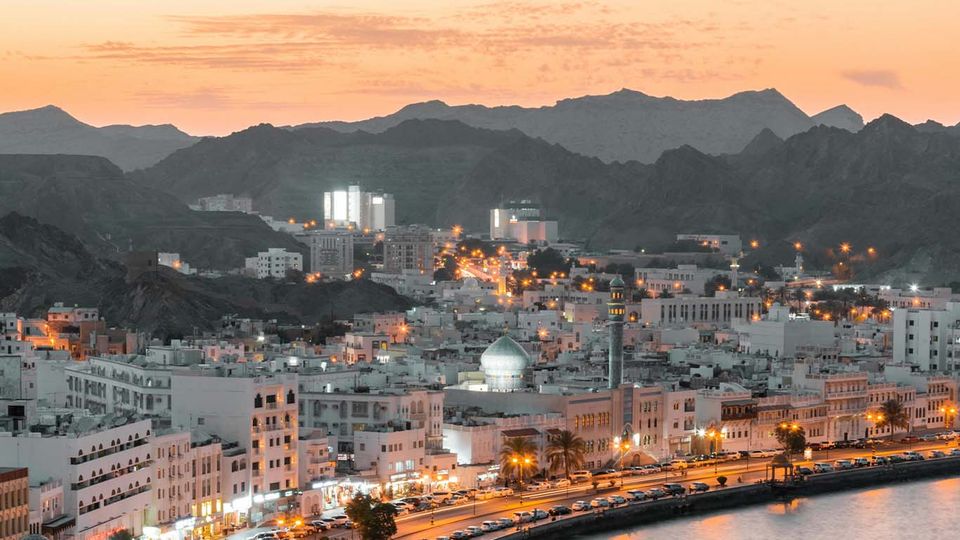
Why Oman Stands Out for UK Property Investors
- Freehold ownership in established, well-run complexes.
- A route to residence for the owner and family, subject to conditions.
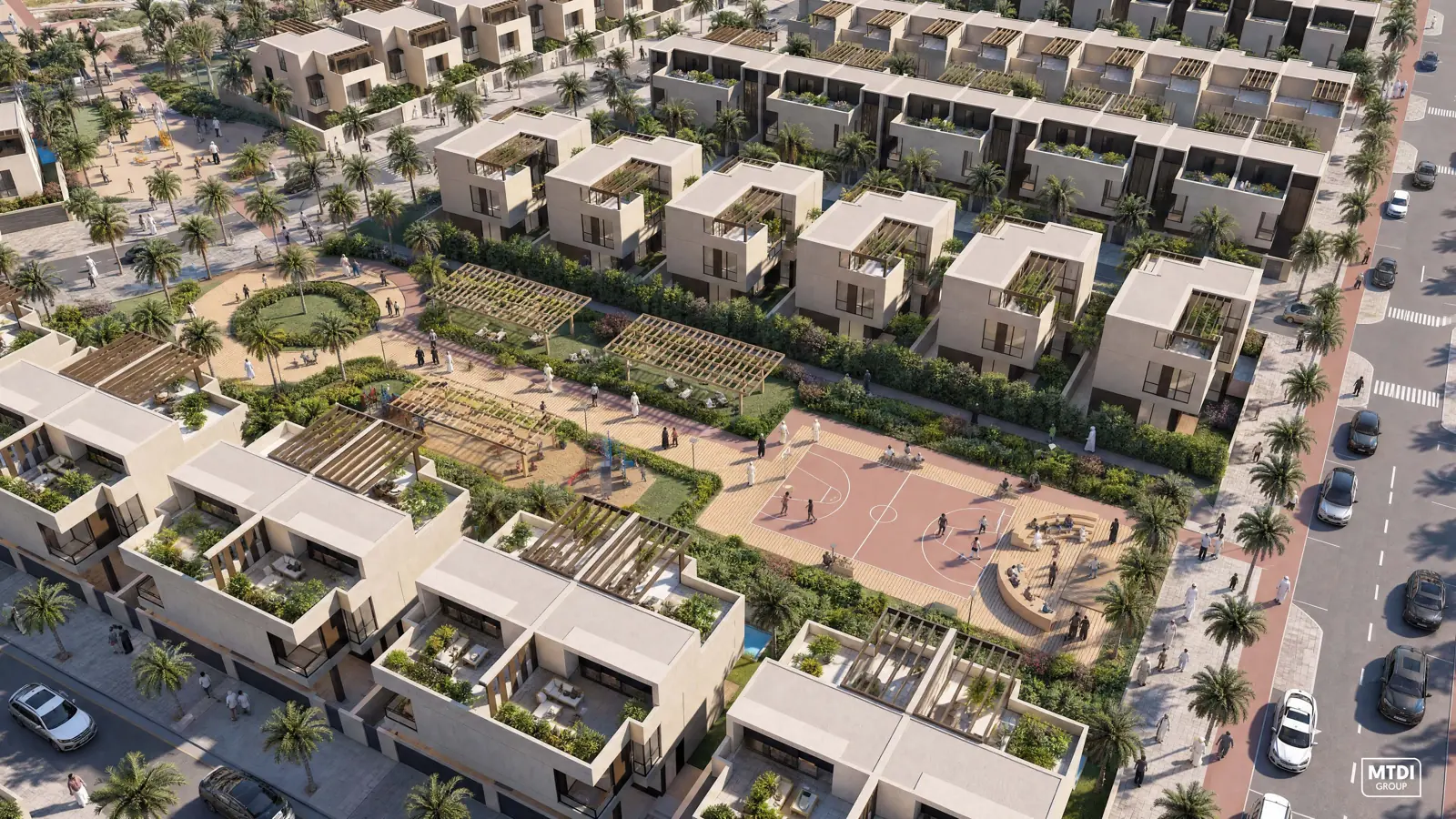
- Lower-rise, lower-density schemes with a strong sense of place.
- Good links with the UK, with direct flights and English widely used in business.
- A currency pegged to the US dollar.
It is not the right market for everyone. Choice is narrower than in Dubai, resale takes longer, and local mortgages are hard to obtain for non-residents.
Why Oman Should Be on Your Radar
Oman rewards buyers who are clear about what they want from a property and patient about how they get it. Before you reserve, ask:
- Is the scheme a designated ITC, and does the unit qualify for residence?
- Who is the master developer, and what have they delivered before?
- How are off-plan payments protected, and what happens if completion is delayed?
- What is the service charge, and what does it cover?
- What are the rental programme terms, if there is one?
- When will title be registered in my name?
For more on daily life, read our lifestyle guide for expats. If you would like to talk through the schemes we sell, the residence route or the numbers for a particular unit, book a consultation with the desk.
Frequently asked questions
Can UK citizens buy property in Oman?
Yes. Foreigners, including UK citizens, can buy freehold in Oman's designated Integrated Tourism Complexes, and the government has widened foreign ownership in some other zones. Title is registered in your name with the Ministry of Housing and Urban Planning.
Does owning property in Oman give me residence?
Ownership in a designated ITC opens a route to a renewable residence card for the owner, and usually for a spouse and dependent children. Conditions apply. The desk confirms the current requirements before you reserve.
What are the costs of buying property in Oman?
The main costs are registration fees at the Ministry of Housing and Urban Planning, legal fees, service charges from handover and furnishing. The desk confirms the current registration fee on each purchase rather than quoting a general figure.
Can I get a mortgage in Oman as a UK buyer?
Mortgage availability for non-residents is limited, and local lenders generally want a completed property as security. Most UK buyers use cash, developer payment plans or borrowing raised in the UK.
Is rental income taxed in Oman?
There is no personal income tax for individuals at the time of writing, though a personal income tax on higher earners has been announced from 2028. UK residents must still report overseas rental income to HMRC.
Can UK investors buy property in Oman?
Yes. UK investors can buy freehold in Oman's designated Integrated Tourism Complexes, with title registered in their own name. You do not need to be resident in Oman to buy.
What residency benefits are available?
Owning property in a designated ITC opens a route to a renewable residence card, usually extending to a spouse and dependent children. The term and conditions are set by the authorities, and the desk confirms the current position.
What financing options are available for UK buyers?
Local mortgages for non-residents are limited, so most UK buyers use cash, the developer's payment plan or borrowing raised in the UK, such as a remortgage. The desk can introduce lenders who deal with overseas buyers.
What are the main transaction costs?
Registration fees at the Ministry of Housing and Urban Planning, legal fees, currency transfer costs and, from handover, service charges. We confirm the actual figures for each purchase rather than quoting percentages.
How does Oman’s real estate market compare to other GCC markets?
Oman is smaller and calmer than Dubai, with lower-rise schemes and residence tied to ITC ownership. Dubai offers more stock and quicker resale. Prices and returns vary by scheme, so the desk compares specific units like for like.
What types of properties are available in ITCs?
Apartments, townhouses and villas, many with sea, marina or golf settings, sold both off-plan and complete. Current stock is listed on our off-plan property page.
Are there any tax advantages for investing in Oman?
There is no personal income tax for individuals at the time of writing, though a personal income tax on higher earners has been announced from 2028. VAT applies to many goods and services. UK residents remain liable to UK tax on overseas income and gains.
Part of our guide to investing in Oman.