




















The Oman guide02 of 05
Can Foreigners Finance or Mortgage Property in Oman?
How overseas buyers fund property in Oman, why local mortgages are hard to obtain for non-residents and what the practical alternatives are.
Most overseas buyers in Oman pay without a local mortgage. That is not because finance is forbidden, but because Omani banks lend mainly to residents with local income, and lending to non-residents is limited. If you are buying from the UK, plan on the basis that the purchase will be funded from your own resources, a developer payment plan or finance raised at home.

The basics of Financing Property Purchases in Oman as a Foreigner
There are four practical ways to pay for a property in Oman from abroad: cash, a developer payment plan, borrowing raised in the UK and, for some buyers, local finance. Most purchases use a mix. The right blend depends on whether you are buying off-plan or complete, how much capital you want to commit at the start and how comfortable you are with currency risk.
The starting point is the property, not the loan. Choose a scheme and unit you would be happy to own outright, then structure the funding so that a construction delay or a currency move does not put you under pressure.
Market Context and Foreign Ownership Rules
Foreigners can buy freehold in designated Integrated Tourism Complexes (ITCs), and the government has widened foreign ownership in some other zones. Earlier versions of this page suggested foreigners could buy anywhere in the country without restriction. That overstated the position. Outside the ITCs, the rules depend on the zone and the property type, so the desk checks each case.
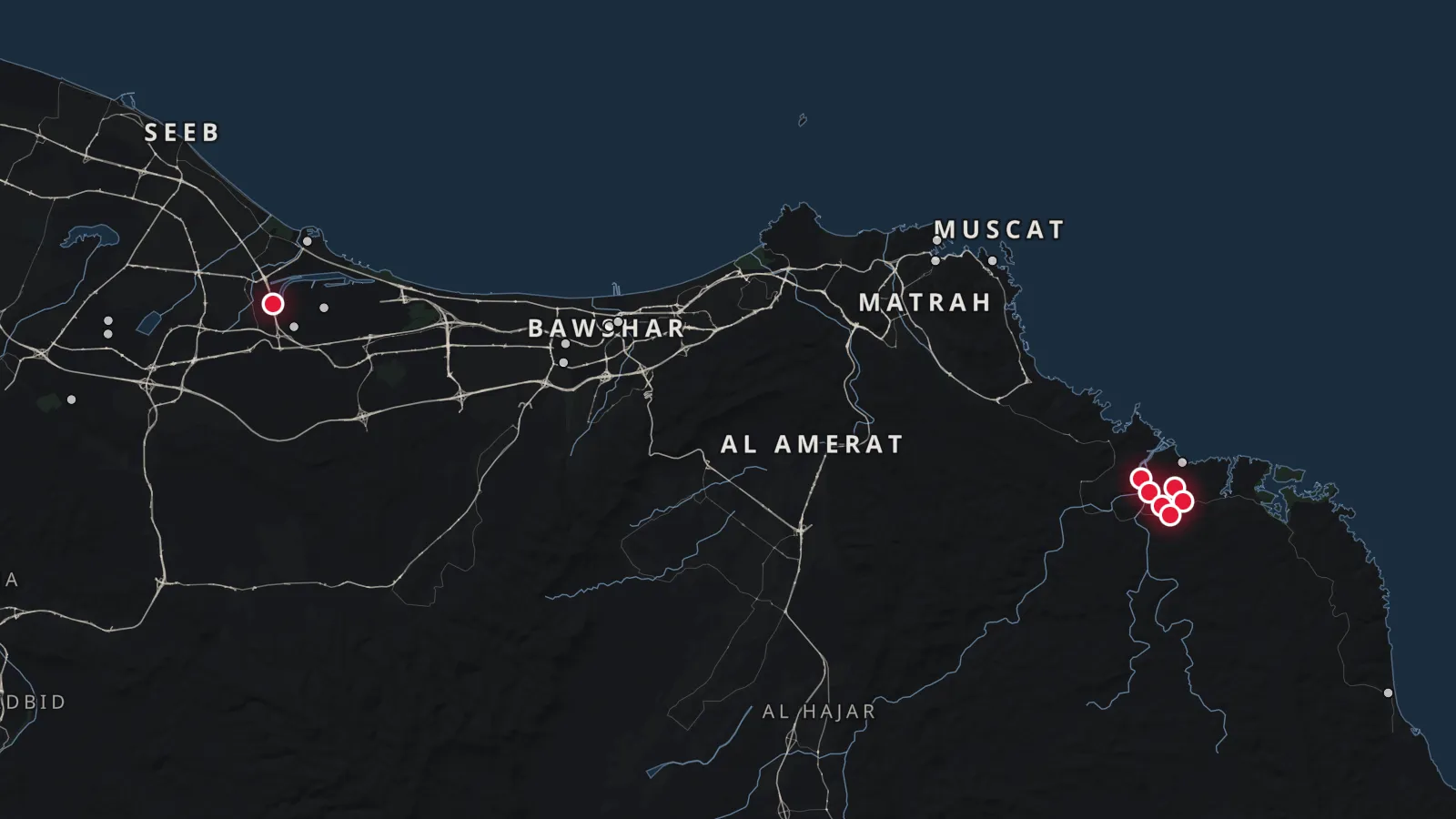
ITC developers are used to overseas buyers and structure their sales around them, which is why staged payment plans are so common in Oman's new-build market. In Muscat the established complexes include Al Mouj Muscat, Muscat Bay, Muscat Hills and AIDA, with further schemes along the coast and in Salalah.
Mortgage repayments · Oman
Example inputs. Overseas buyers usually put down 30% to 50%; use the rate and term your lender quotes.
- Deposit£63,000
- Interest over 20 years£85,832
- Total repaid£232,832
An illustration, not a mortgage offer. Lenders set the rate, deposit and term for each buyer and property.
Requirements for Foreign Property Ownership in Oman
Before finance, confirm eligibility. In an ITC, a foreign individual can buy in their own name, provided the scheme is a designated complex and the unit is properly registered. You will need identity documents and a clear record of the source of your funds.
Title is registered with the Ministry of Housing and Urban Planning, and registration fees apply on transfer. The desk confirms the current fee on each purchase rather than quoting a general figure. The registered title deed, known as the mulkiya, is also what a lender would take security over, so a clean, registered title matters to any financing route.
Contracts and official documents may be in Arabic, so an independent lawyer in Oman who works in English is essential. They should check the developer's licences, the ITC status of the scheme and the sale and purchase agreement. Our buying guide covers the legal steps in full.

Questions on this guide? Ask our Oman team.
Ownership, costs and what is for sale, on WhatsApp or by phone.
Mortgage Possibilities for Non-Resident Foreigners
Some Omani banks offer home finance to expatriates, but the products are designed for residents whose salaries are paid in Oman. For non-residents, availability is limited and terms vary by bank, nationality, income and property. Where lending is possible, expect:
- A lower loan-to-value than you may be used to in the UK, which means a larger deposit.
- Detailed checks on income, credit history and assets, often with documents legalised for use in Oman.
- A requirement that the property is complete and registered, which rules out most off-plan stages.
- Islamic finance structures alongside conventional loans, as several banks offer sharia-compliant home finance.
Because the position changes with each bank's policy, we do not quote loan-to-value ratios or rates here. If you want to explore local finance, the desk can introduce you to banks and brokers who deal with overseas buyers and confirm what is currently on offer.
If you do apply locally, allow time. Banks will usually want a valuation, legalised copies of your income documents and bank statements, and confirmation from the developer that the title is clear. Approval can take longer than in the UK, and the loan will be in rials, so a sterling earner carries currency risk on every repayment as well as on the deposit.
Becoming resident changes the picture. A buyer who holds residence and earns locally may find more options, so someone moving to Oman for work may be able to refinance later. Our visa and residency guide explains the routes to residence, including the one linked to ITC ownership.

Alternative Financing Options in Oman
Developer payment plans. For off-plan property, the developer's payment plan is usually the main form of finance. Rather than paying in full at the start, you pay a reservation deposit and then a series of instalments linked to construction progress or set dates, with a balance at handover. Some developers also offer post-handover plans, where part of the price is paid over a period after you receive the keys. Points to check:
- The schedule of instalments, and whether they follow construction milestones or calendar dates.
- How your payments are protected, for example through an escrow account.
- What happens if construction is delayed, and what happens if you miss an instalment.
- Whether a post-handover balance carries interest or charges.
- When title passes to you, and whether it waits until the final payment.
Payment plans also differ in how much is due before handover. A plan that front-loads most of the price leaves you less flexibility if your circumstances change, while one weighted towards completion leaves a larger sum to find at handover. Neither is better in principle, but the shape of the plan should match how and when you intend to pay. A payment plan is a contract, not a loan, so the terms sit in the sale and purchase agreement. Have it reviewed by an independent lawyer in Oman before you sign. You can see current schemes and their payment structures on our Oman off-plan property for sale page.
Raising finance in the UK. Many UK buyers fund an Omani purchase from capital raised at home. The common routes are:
- Cash savings or investments, which keep the transaction simple and fast.
- Remortgaging a UK property to release equity for the overseas purchase.
- A secured loan or private bank facility, usually for buyers with significant assets.
UK lenders do not normally take security over property abroad, so the borrowing is secured on what you own here. That makes the overseas purchase a cash purchase from the developer's point of view, which is simple, but it puts your UK home or portfolio behind the loan. Speak to a UK mortgage adviser about affordability, rates and the risk to your home if repayments are not kept up.
Paying cash. A straight cash purchase avoids lender conditions and interest altogether and is the fastest route to completion. It ties up more capital, so weigh it against what that money could otherwise do, and keep a reserve for costs beyond the price.
Private lenders. Private finance is available in some cases, but it tends to cost more and carry less protection than bank lending. Read the terms closely, take independent legal advice and be wary of any lender introduced by a party with an interest in the sale.
Buying through a company. The government has made it easier for foreigners to set up and own companies in many sectors, and some buyers ask about holding property through one. Whether a company can own in a particular scheme, and whether a bank would lend to it, depends on the structure and the rules of the complex. It adds cost and administration, so take advice before choosing it.

Keep this guide: get it as a PDF.
Step-by-Step Guide to Purchasing Property from Overseas
- Set your budget, including registration fees, legal costs and furnishing, not only the purchase price.
- Decide how you will fund it: cash, UK borrowing, a developer plan or a mix of the three.
- Get an agreement in principle from your UK lender if you are borrowing at home.
- Reserve the unit and have the sale and purchase agreement reviewed by an independent lawyer.
- Pay instalments as scheduled, with currency arranged in advance where possible.
- Complete, register the title and, if useful, revisit local finance once you are resident.
Each step leaves a document trail. Keep copies of every contract, receipt and transfer confirmation, because the registration authority, the developer and any lender will ask for them. If you plan to let the property, decide before completion whether to join the developer's rental programme or appoint a local agent, so income can start soon after handover.
Tips for a Successful Transaction in Oman
Plan for currency. The Omani rial is pegged to the US dollar. For a sterling buyer, the cost of each instalment therefore moves with the pound against the dollar. Over a payment plan running several years, the movement can be material, in either direction. A specialist currency provider can usually offer better rates than a high-street bank and can fix a rate in advance for a known instalment.
Keep clean records. Keep a clear record of every transfer, because Omani banks, developers and the registration authority will all ask about the source of funds.
Line up the timing. A remortgage can take several weeks, while a reservation deposit and first instalment may be due soon after you agree a unit. Securing an agreement in principle before you reserve avoids a scramble.
Hold a buffer. Many buyers keep a reserve to absorb currency movement and any late costs, so that a weaker pound in the year of a large instalment does not force a sale of other assets at the wrong time. Budget, too, for the costs that sit outside the price: registration fees, legal fees, furnishing and service charges.
Insure and visit. Arrange contents and liability cover once you take the keys, and check what the complex's own insurance covers. A visit before you commit is worth making if you can, and we arrange video viewings if you cannot.

Challenges and Opportunities
The main challenge is the limited local lending for non-residents, which means more capital up front or borrowing at home secured on UK assets. Currency adds a second layer of risk for sterling buyers, and off-plan purchases bring construction and timing risk on top.
The opportunity is the other side of the same structure. Developer payment plans let you commit with less capital at the outset and spread the rest over construction. Becoming resident may open local finance later. Lending policy can change over time, but we do not advise planning a purchase around an expected easing of the rules.
Recommendations
Finance should follow the property, not the other way round. In practice that means:
- Choose the scheme and unit first, on their own merits.
- Fund the purchase in a way that survives a delay or a weaker pound.
- Have every contract and payment plan reviewed by an independent lawyer in Oman.
- Take UK advice on borrowing against your home and on tax.
Book a consultation and the desk will take you through the options for the schemes you are considering.
Frequently asked questions
Can foreigners get a mortgage in Oman?
Some Omani banks lend to expatriates, but their products are designed mainly for residents with local income. For non-residents, availability is limited and terms vary by bank. The desk can introduce lenders and confirm what is currently available.
Can I get a mortgage on an off-plan property in Oman?
Rarely. Local lenders generally want a completed, registered property as security. Off-plan purchases are usually funded through the developer's payment plan, cash or borrowing raised in the UK.
Can I remortgage my UK home to buy in Oman?
Yes, and many buyers do. The loan is secured on your UK property rather than the Omani one, so take advice from a UK mortgage adviser on affordability and the risk to your home.
How do developer payment plans work?
You pay a reservation deposit, then instalments linked to construction progress or set dates, with a balance at handover. Some plans continue after handover. Check how your payments are protected and what happens if the project is delayed.
Does currency affect the cost of my purchase?
Yes. The Omani rial is pegged to the US dollar, so the sterling cost of each instalment moves with the pound against the dollar. A currency specialist can help you fix rates for known payments.
Part of our guide to investing in Oman.