



















SpainArea guide
Property for sale in Marbella
Marbella is the Costa del Sol’s prime second-home market, from the Golden Mile to the hills behind it. This guide covers the areas, who buys and rents, ownership rules and the costs of buying.
Marbella at a glance.
There are few places in Europe that have managed to hold the attention of high-net-worth investors for as long as Marbella. Set against the foothills of the Sierra Blanca and the shimmering Mediterranean coastline, Marbella has evolved from a jet-set hideaway to a full-fledged international property hub. What makes it enduring is not just the climate or the golf, it’s the underlying fundamentals: sustained foreign demand, limited supply in prime areas, and continued investment in infrastructure and ultra-luxury development.
Marbella area guide for property investors · Updated 25 May 2025
With limited new development in ultra-prime areas like the Golden Mile and Sierra Blanca, Marbella continues to experience healthy price appreciation. High barriers to entry, protected land, and tightly controlled zoning ensure supply remains scarce, a key driver of long-term investor value.
Marbella receives over 3 million annual visitors and remains a favourite among European second-home renters. Coupled with a rising number of remote workers, families, and digital nomads relocating to Spain, this ensures year-round rental demand across both luxury short stays and family-focused long-term lets.
Spain’s legal framework for property acquisition is mature, transparent, and open to foreigners, with no restrictions on non-residents purchasing property in Marbella or elsewhere. Transactions are managed through a notary system, with local lawyers conducting due diligence to ensure clear titles and legal compliance. Non-residents can secure competitive mortgages, typically at 60–70% loan-to-value with interest rates of 2–4%, though many high-end buyers prefer cash purchases for efficiency.
Can foreigners buy in Marbella?
Spain’s legal framework for property acquisition is mature, transparent, and open to foreigners, with no restrictions on non-residents purchasing property in Marbella or elsewhere. Transactions are managed through a notary system, with local lawyers conducting due diligence to ensure clear titles and legal compliance.
Visa and residency in Spain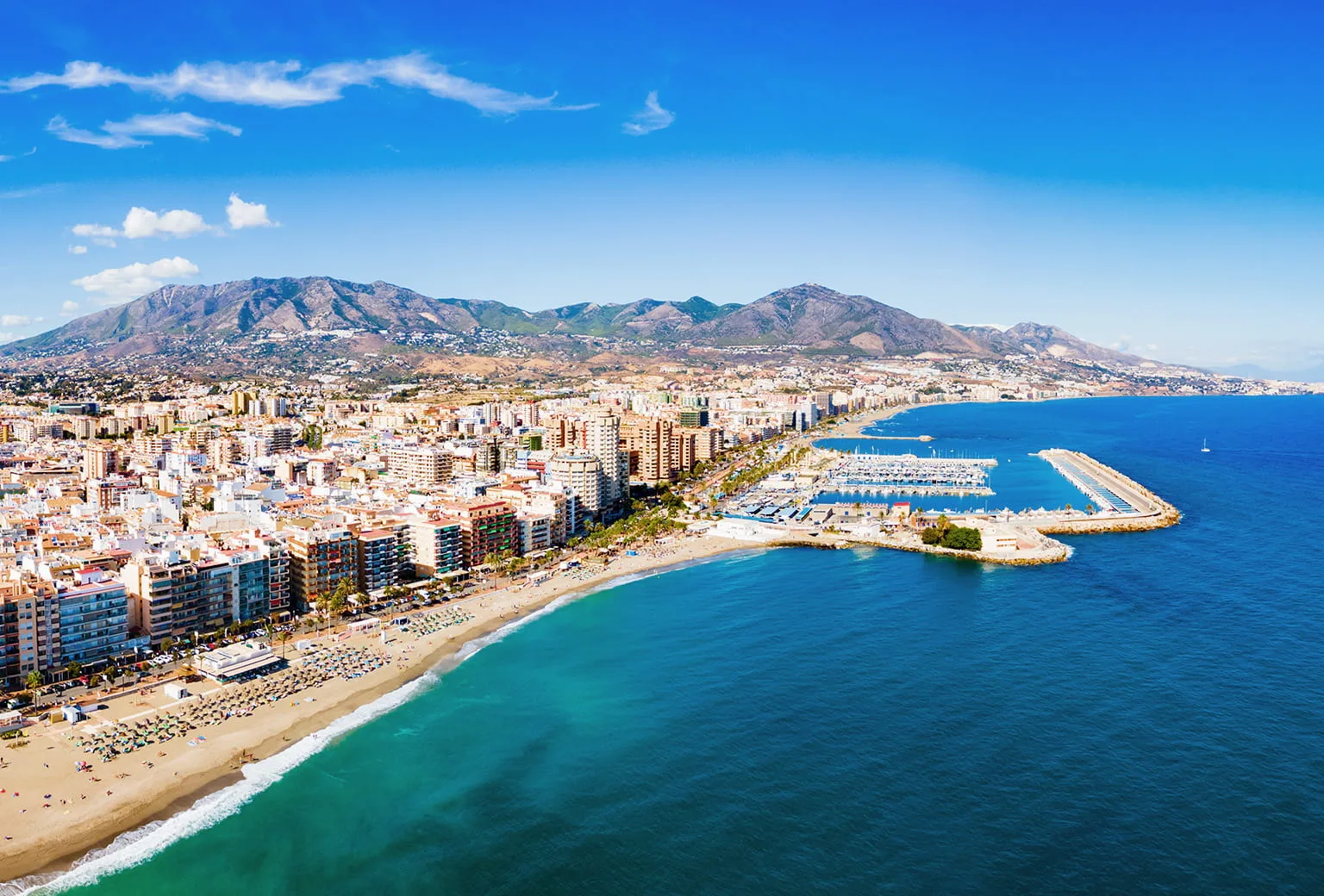
Many come for lifestyle, second homes, or semi-permanent relocation, often with families.
Schools
- Aloha College
- Swans School
Getting there
Malaga International Airport, just 40 minutes away, connects the region to over 100 destinations.
Buying in Spain.
The Spain guide set, in the order a buyer needs it.
Spain market hub- Buying guideStart hereWhere to buy on Spain's Mediterranean coasts, how the purchase works for foreign buyers, and what it costs in taxes and fees.
- Visa and residencyHow non-EU buyers can live in Spain now the Golden Visa has closed, and where a Costa del Sol home fits into the plan.
- LifestyleWhat daily life on the Costa del Sol is like for British buyers, from healthcare and schools to living costs and residency.



The full Marbella guide.
Marbella is the Costa del Sol’s prime second-home market, from the Golden Mile to the hills behind it. This guide covers the areas, who buys and rents, ownership rules and the costs of buying.
A Mediterranean market defined by wealth, lifestyle, and enduring global appeal
There are few places in Europe that have managed to hold the attention of high-net-worth investors for as long as Marbella. Set against the foothills of the Sierra Blanca and the shimmering Mediterranean coastline, Marbella has evolved from a jet-set hideaway to a full-fledged international property hub. What makes it enduring is not just the climate or the golf, it’s the underlying fundamentals: sustained foreign demand, limited supply in prime areas, and continued investment in infrastructure and ultra-luxury development.
Who’s buying in Marbella
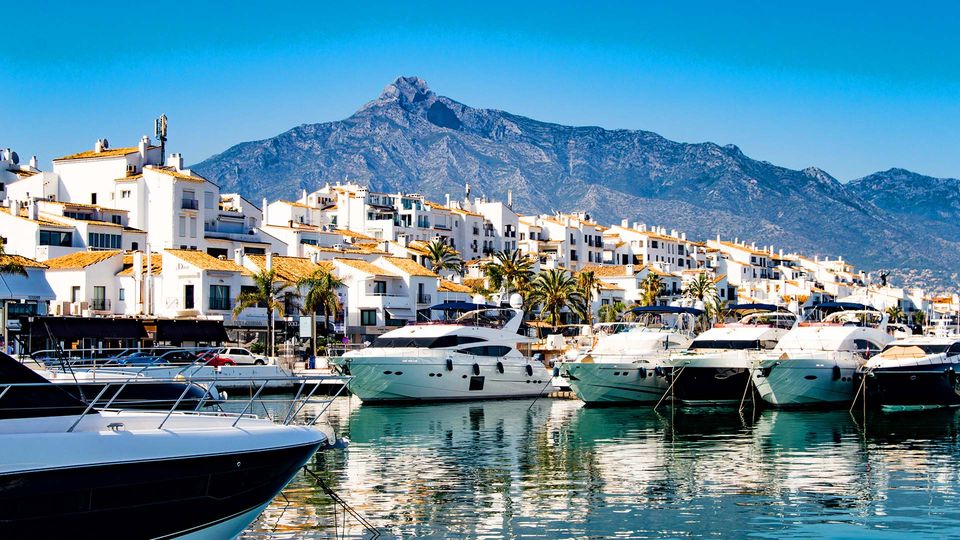
Marbella is defined by its global buyer mix. The market is underpinned by European demand, British, Dutch, Scandinavian, Belgian, and German buyers dominate the top end, but there is growing presence from the US and Middle East, particularly in areas like the Golden Mile and Sierra Blanca. Many come for lifestyle, second homes, or semi-permanent relocation, often with families. Others target mid- to high-end villas and apartments for passive income through short-term rentals, which remain lucrative thanks to Marbella’s year-round tourism.
Remote workers, business owners, and retirees all coexist in this landscape, many drawn in by Spain’s digital nomad visa or Golden Visa programmes, which open the door to residency for property investors spending €500,000 or more.
Who’s buying in Marbella
Marbella is defined by its global buyer mix. The market is underpinned by European demand, British, Dutch, Scandinavian, Belgian, and German buyers dominate the top end, but there is growing presence from the US and Middle East, particularly in areas like the Golden Mile and Sierra Blanca. Many come for lifestyle, second homes, or semi-permanent relocation, often with families. Others target mid-to high-end villas and apartments for passive income through short-term rentals, which remain lucrative thanks to Marbella’s year-round tourism.
Infrastructure, regeneration, and long-term growth
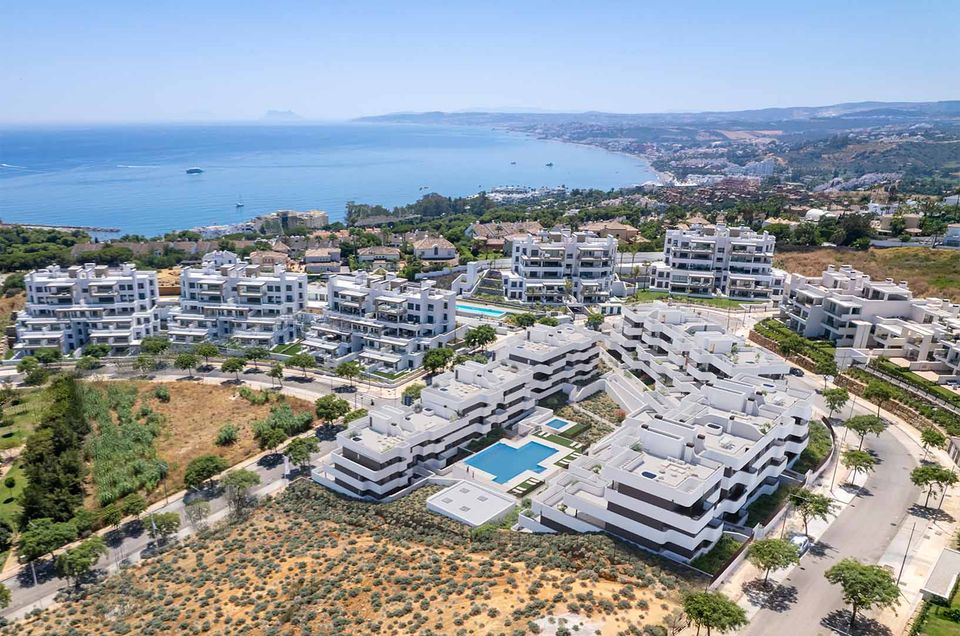
Marbella has long benefited from world-class infrastructure. Malaga International Airport, just 40 minutes away, connects the region to over 100 destinations. The coastal motorway and rail links offer access to Seville, Madrid, and beyond. The city’s port is undergoing redevelopment as part of wider plans to modernise the seafront and expand its role in tourism and commercial shipping.
Private healthcare options, bilingual education (such as Aloha College and Swans School), and new mixed-use development zones continue to broaden the city’s appeal as a full-time or semi-permanent base. Marbella’s council has also launched sustainability plans focusing on environmental preservation and smart city initiatives, a step towards aligning luxury with modern-day ESG-conscious investing.
Tourism remains a pillar of the economy
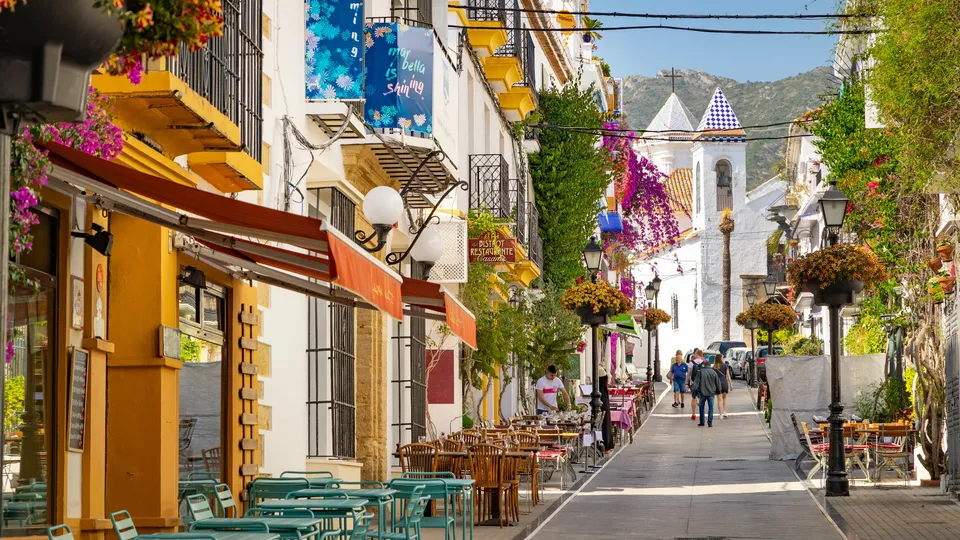
Marbella receives around 3 million visitors a year, many of whom stay in luxury rentals and private villas. High occupancy rates throughout spring, summer, and autumn have kept rental yields resilient even in a competitive market. In 2023, occupancy in prime short-term rentals reached over 70% in peak months, with nightly rates in areas like Puerto Banús and Los Monteros consistently outperforming regional averages.
Many investors operate under Spain’s holiday rental licence framework, which, while regulated, is still very favourable compared to cities like Barcelona or Madrid. For long-term lets, expat tenants and relocators offer further yield security, especially in school-linked neighbourhoods.
Property prices and market outlook
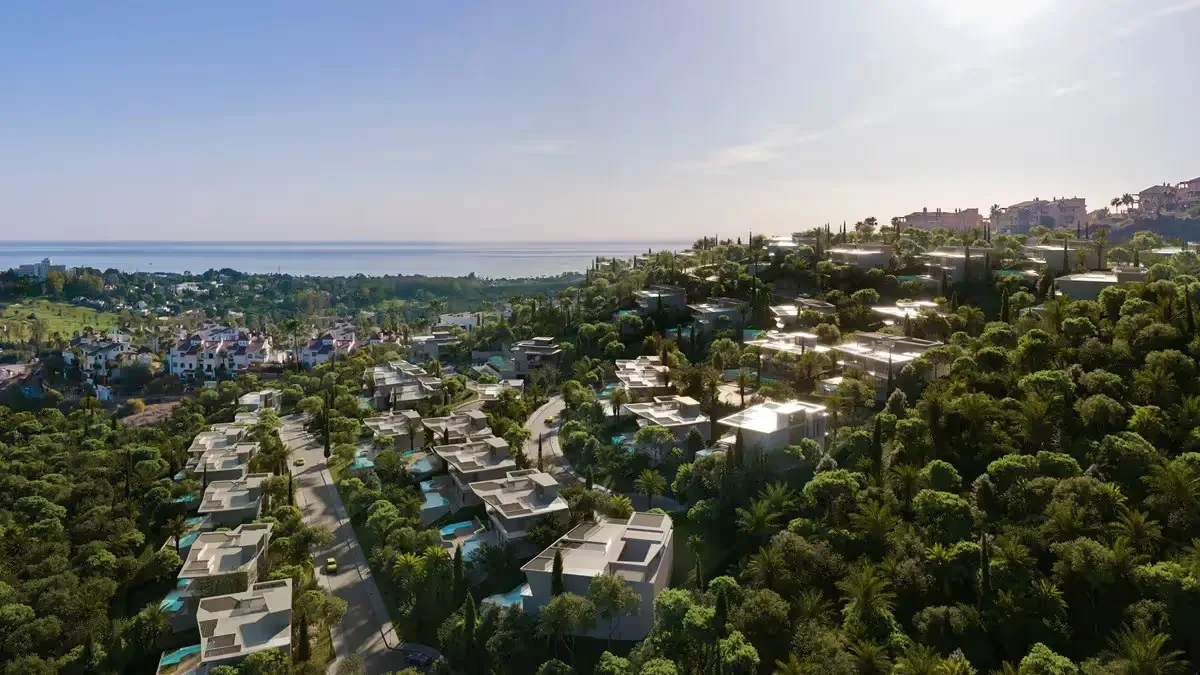
Property prices in Marbella remain among the highest in Spain, particularly in zones like the Golden Mile, Sierra Blanca, and beachfront plots. Prime villas now regularly command upwards of €5 million, with ultra-prime stock reaching €15–25 million. Meanwhile, well-located apartments and townhouses in Nueva Andalucía or Elviria still offer access points under €500,000, keeping the market investable across segments.
Annual price growth averaged 6–8% in recent years, supported by low construction volumes and consistently high demand. With new land releases tightly controlled and development constrained by geography and zoning laws, supply remains limited, reinforcing long-term capital appreciation potential.
Ease of investing in Marbella property as a foreigner
Spain’s legal framework for property acquisition is mature, transparent, and open to foreigners, with no restrictions on non-residents purchasing property in Marbella or elsewhere. Transactions are managed through a notary system, with local lawyers conducting due diligence to ensure clear titles and legal compliance. Non-residents can secure competitive mortgages, typically at 60–70% loan-to-value with interest rates of 2–4%, though many high-end buyers prefer cash purchases for efficiency.
The Golden Visa program, which previously offered residency to non-EU investors purchasing property worth €500,000 or more, ended on April 3, 2025, due to concerns about its impact on housing affordability. Investors who applied before this date can still benefit from the program’s residency provisions, but new applicants must explore alternatives like the Digital Nomad Visa or Non-Lucrative Visa. The Digital Nomad Visa, ideal for remote workers, requires a minimum monthly income of approximately €2,646, while the Non-Lucrative Visa suits retirees or those with passive income, requiring €2,400/month for an individual. Both offer pathways to residency without a property investment.
Buyers should account for Andalusia’s property transfer tax (ITP) at 7% for most properties, or VAT (IVA) at 10% plus a 1.5% stamp duty for new builds. Ongoing costs include the IBI (municipal property tax), ranging from 0.4–1.1% of the property’s cadastral value annually, and community fees, typically €1,000–€5,000/year for Marbella’s luxury complexes. Despite the Golden Visa’s closure, Marbella’s stable property market, professional ecosystem of notaries and real estate agents, and desirable lifestyle, bolstered by its Mediterranean climate and cosmopolitan appeal, make it one of Southern Europe’s premier destinations for foreign property investment.
Elsewhere in our core markets.
Other cities where Continental sells new-build and off-plan property.



Explore
Spain, by area and by home.
On the map
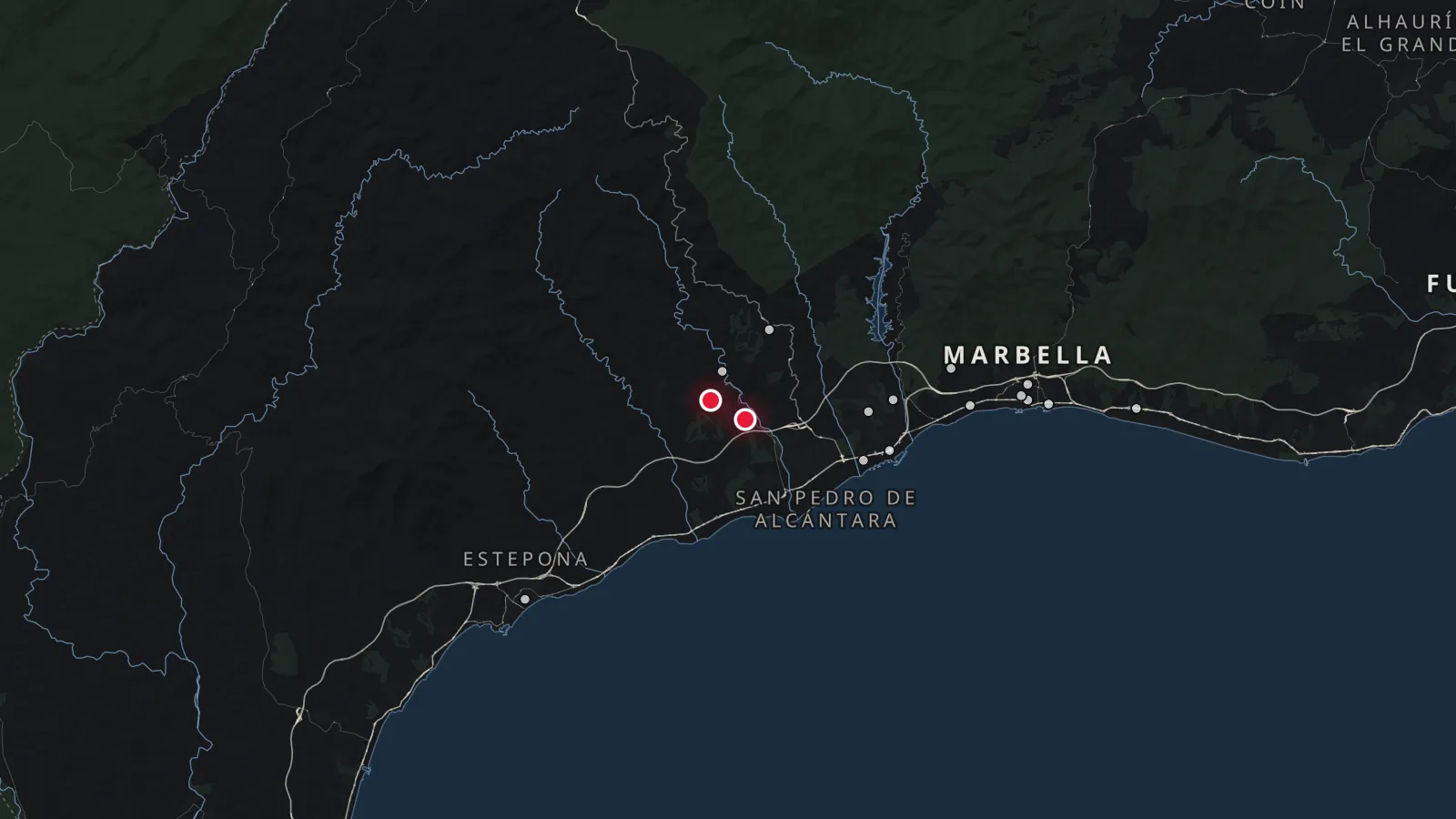
2 developments, 3 transport links, 3 schools, 3 hospitals and clinics, 8 beaches, courses and districts and 1 project coming.
Open the Spain mapSpain · Marbella
Talk to an expert about Marbella.
Get one-to-one guidance on your next property purchase.