






The Spain guide01 of 03
Where to buy property in Spain: the costas compared.
Where to buy on Spain's Mediterranean coasts, how the purchase works for foreign buyers, and what it costs in taxes and fees.
Spain remains one of the most familiar and established overseas property markets for British and international buyers. Foreigners can buy freely, the legal process is well tested, and new homes are built under a protective legal framework. For most buyers the question is not whether to buy in Spain but where.
This guide covers the coasts that draw most international buyers: the north and south of the Costa Blanca, with closer looks at Calpe and Alicante, then the Costa del Sol and the Costa Cálida. It goes on to the trends shaping the market for 2026 and, at the end, explains how the purchase works and what it costs. Our own stock is on the Costa del Sol, in Marbella, Benahavís and Estepona, and we say so plainly where it matters, but the comparison is useful whichever coast you choose.
The Costa Blanca
The Costa Blanca is the coastline of the province of Alicante, in the Valencian Community, running from Dénia in the north to Pilar de la Horadada at the border with Murcia. It is really two coasts. North of Benidorm, the mountains come down to the sea and the shoreline breaks into headlands, coves and old fishing towns. South of Alicante city, the land flattens into long sandy beaches, salt lagoons and golf country.
Both halves have drawn northern European buyers for decades, and both are well served by Alicante airport. In brief, the coasts covered in this guide compare as follows.
- North Costa Blanca: scenic, largely low-rise and long settled by northern European buyers.
- South Costa Blanca: lower entry prices, golf and long sandy beaches, popular for holiday homes.
- Costa del Sol: the most international market in Spain, with the widest spread of prime and new-build stock.
- Costa Cálida: a quieter coast in the Region of Murcia, with a calm inland sea and a smaller market.
North Costa Blanca: low-rise and long settled
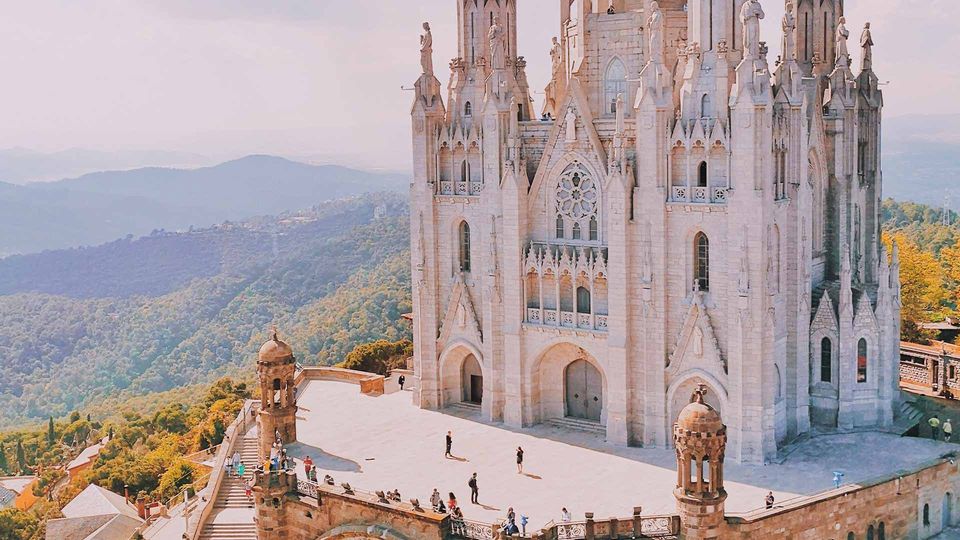
The northern Costa Blanca runs from Benidorm up to Dénia, in the province of Alicante. Its character comes from the mountains that meet the sea here, which give the coast its headlands, coves and views, and from planning that has kept much of it low-rise. It has a large, settled international population, and many towns feel lived in all year rather than only in August.
The main resorts
- Altea: a whitewashed old town on a hill, crowned by its blue-domed church, with an arts community and a quieter feel than its neighbours.
- Calpe: a family beach resort built around the Peñón de Ifach, the great rock that rises from the bay and is now a protected natural park. Long sandy beaches, a busy town centre and a mix of apartments and villas make it popular with families and holiday renters.
- Moraira: a small, upmarket resort with a marina, sandy coves and a reputation for good restaurants. Much of the property is detached villas on large plots.
- Jávea (Xàbia): an old town, a port and a long beachfront set beneath the Montgó massif, with a large, settled international population.
- Dénia: a working port with a castle, a strong food culture and ferries to the Balearic Islands.
What there is to buy
Supply in the north is limited by geography and planning, and much of the stock is resale villas rather than new developments. Buyers who want a new home often look at individual villa projects rather than large schemes, and good plots with sea views are scarce.
New villas are built under Spain's Technical Building Code, which sets demanding standards for insulation and energy use, and many now include solar panels and heat pumps. Older villas can be charming but may need investment to reach the same standard, so a survey and a careful look at the energy certificate are worth the time.
Outdoor life
- Walking: trails across the Montgó natural park, the Sierra de Bernia and the hills behind Altea.
- Climbing: limestone crags and sea cliffs along the coast attract climbers through the winter.
- Cycling: quiet mountain roads draw amateur riders and professional teams for winter training.
- Sailing and diving: marinas at Altea, Calpe, Moraira, Jávea and Dénia, with clear water around the headlands.
- Beaches and coves: from long town beaches to small rocky inlets reached on foot.
The area appeals to walkers, climbers, cyclists and sailors as much as to beach lovers, which supports demand outside the peak summer weeks.
Airports and roads
Alicante and Valencia airports both serve the area, and most of the main resorts are within about an hour's drive of one or the other. The AP-7 motorway runs the length of the coast, the coastal tram line links Benidorm with Calpe and Dénia, and ferries from Dénia reach Ibiza and Mallorca.
The case for the north
The north suits buyers who want scenery, an established international community and a coast that has avoided the worst of high-rise development. The trade-offs are limited new-build supply, hillside plots that make a car essential, and prices in the best spots that reflect their scarcity. We do not sell here, but we are happy to talk through how it compares with the Costa del Sol.
Currency · Spain
- Euro€296,743
1 GBP = 1.19 EUR
- US dollarUS$332,849
1 GBP = 1.33 USD
- UAE dirhamAED 1,222,395
1 GBP = 4.89 AED
- Saudi riyalSAR 1,248,191
1 GBP = 4.99 SAR
- Omani rialOMR 127,980
1 GBP = 0.5119 OMR
- Thai bahtTHB 11,176,264
1 GBP = 44.71 THB
- Malaysian ringgitMYR 1,359,307
1 GBP = 5.44 MYR
Mid-market rates from ExchangeRate-API, updated daily; last update 20 October 2026. Banks and transfer services add a margin, and staged off-plan payments are made at the rate on each date.
South Costa Blanca: lower prices, bigger supply
Where budgets go further
South of the city of Alicante, the coast flattens into long sandy beaches, salt lagoons and golf country, running down to Pilar de la Horadada at the border with Murcia. This is the more affordable half of the Costa Blanca and one of the busiest holiday-home markets in Spain, with a large community of British, Scandinavian and other northern European owners.
The main areas
- Guardamar del Segura: a quiet town with wide beaches backed by pine woods and dunes.
- Torrevieja: a large resort town beside two salt lagoons, protected as a natural park and known for their flamingos.
- Orihuela Costa and the inland golf resorts: a string of urbanisations and courses, popular with buyers looking for a lock-up-and-leave holiday home.
- Orihuela: the inland historic town, with a cathedral and an old centre, which gives the municipality its name.
- Murcia and Cartagena: the regional capital and the historic naval port lie just over the border and are within easy reach for culture and shopping.
What buyers pay
Entry prices here are generally lower than on the northern Costa Blanca or the Costa del Sol, and the market is dominated by apartments and townhouses on managed developments. Demand for holiday lets is strongly seasonal. Because the stock is plentiful, the specific development, its management and its position matter more than the area as a whole. We do not quote yields; any figures should be confirmed for the specific property.
Beyond the beaches
- Salt lagoons: the pink and green lagoons of Torrevieja and La Mata form a natural park, home to flamingos and other wading birds.
- Dunes and pine woods: the forest behind Guardamar's beaches was planted to hold the dunes in place and is now a popular place to walk.
- Beaches: from small coves at Cabo Roig to long open stretches at Guardamar and La Mata.
- Outdoor activities: cycling, walking, sailing and paddle sports along a coast that is flat and easy to explore.
Golf
Golf shapes much of the south. Courses such as Villamartín, Las Ramblas and Campoamor sit behind Orihuela Costa, and further inland purpose-built resorts are set around their own courses. Golf brings visitors through the winter months as well as the summer. If you are buying on a golf resort, look closely at the community fees, the management of the course and the rules on letting.
Airports and roads
Alicante airport is within easy reach of the whole area, and the Region of Murcia International Airport is an alternative for the southern end. The AP-7 and the coastal N-332 run the length of the coast. Public transport is limited outside the towns, so most owners rely on a car.
The case for the south
The south suits buyers looking for a holiday home at a lower entry price, close to beaches and golf, with a short flight from the UK. It calls for care in choosing the development, because supply is plentiful and the difference between a well-run scheme and a tired one is large.
Questions on this guide? Ask our Spain team.
Ownership, costs and what is for sale, on WhatsApp or by phone.
Calpe: a family market
The town
Calpe sits midway along the northern Costa Blanca, between Altea and Moraira, in the province of Alicante. It is a busy family beach resort built around one of the most recognisable landmarks on the Spanish coast, with an old town on the hill, long beaches either side of the rock and a seafront lined with apartment buildings.
The Peñón de Ifach
The Peñón de Ifach rises sheer from the bay and is protected as a natural park, with its own wildlife and plants. A path climbs part of the way up, and on to the summit for confident walkers, with views along the coast. Access is managed to protect the park, so check before you go.
Behind the town, Calpe's salt lake attracts flamingos and other birds, and the remains of Roman fish ponds known as the Baños de la Reina sit on the shore.
Beaches
Arenal-Bol, in front of the town, and La Fossa, to the north of the rock, are long sandy beaches with promenades, lifeguards in season and cafés close by. Smaller coves such as Cantal Roig offer clearer water and rocks for snorkelling. Several of Calpe's beaches have held Blue Flag status, and the gentle shelving sand suits young children.
The town centre
The old town keeps its narrow streets and murals around the church and the old defensive tower. Down at the port, the fish market has a viewing gallery where you can watch the catch being auctioned, and the restaurants nearby serve rice dishes and fresh fish. In summer the seafront bars stay open late, and weekly markets and local shops cover everyday needs.
What there is to buy
Calpe's stock ranges from seafront apartment towers to villas on the hillsides around the town. Its popularity with families supports holiday letting in the summer, although demand is seasonal and holiday lets in the Valencian Community must be registered. We make no forecast of price growth; values depend on the specific building, its views and its management.
Getting there
Calpe lies between Alicante and Valencia airports, with Alicante the closer of the two for most visitors. The AP-7 passes just inland, and the coastal tram line stops in the town on its route between Benidorm and Dénia.
Who Calpe suits
For families, Calpe combines safe beaches, a compact town and easy access to the rest of the northern Costa Blanca. It suits buyers who want a lively holiday base rather than seclusion, and those who value being able to walk to the beach, the shops and the port.
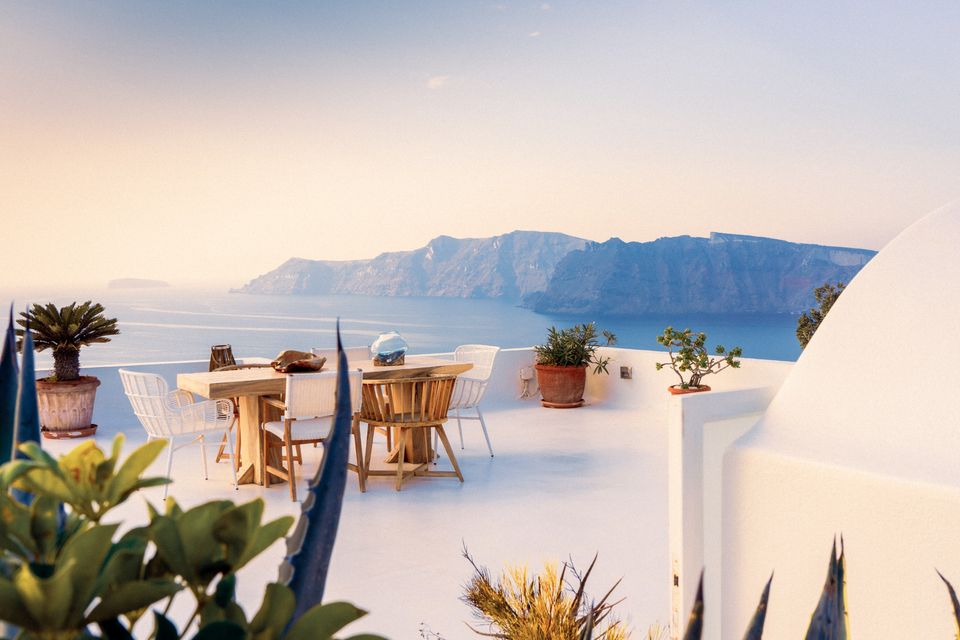
Alicante: a city with a beach
The city
Alicante is a working provincial capital rather than a resort. Founded on the site of the Roman settlement of Lucentum, it has a palm-lined seafront, a castle above the city and a busy port. Universities, offices and hospitals give it a year-round life that purely seasonal resorts lack.
History and culture
- Barrio Santa Cruz: the old quarter, with steep streets and painted houses climbing the hill below the castle.
- Santa Bárbara castle: the fortress on Mount Benacantil, with views across the city and the bay.
- Museums: the MARQ archaeological museum and the MACA museum of contemporary art are the best known.
- Festivals: the Hogueras de San Juan in June fill the streets with sculptures that are burned on the final night.
Beaches and the waterfront
- Postiguet: the city beach, below the castle and a short walk from the old town.
- San Juan: a long sandy beach to the north, popular with residents and families.
- Albufereta and Cabo de la Huerta: smaller beaches and rocky coves for quieter swimming.
- The Explanada and the marina: the palm-lined promenade and harbour, with restaurants, bars and boat trips to the island of Tabarca.
Food
Alicante is rice country, and dishes such as arroz a banda are on menus across the city. The Mercado Central is the place to see local produce at its best. Turrón comes from Jijona, a short drive inland, and the province has its own wine region, including the sweet Fondillón. Tapas bars in the old town sit alongside restaurants serving international food.
Things to do
- Golf: several courses lie within a short drive of the city.
- Water sports: sailing, paddle boarding and diving from the marina and the beaches.
- Shopping: from the central market and local shops to large shopping centres on the edge of the city.
- Walking and cycling along the seafront and up to the castle.
What there is to buy
City apartments suit buyers who want a long-term let or a base with services on the doorstep, and the San Juan beach area adds a coastal option within the city. Alicante, like many Spanish cities, has tightened its rules on holiday flats, so check the position for a specific building before relying on short-term letting income.
Getting there
Alicante's international airport is one of the busiest in Spain, with frequent flights to the UK. A high-speed rail line links the city with Madrid, and a tram network connects it with the beaches and towns to the north.
Who Alicante suits
Alicante offers something the resorts cannot: a real city with a year-round economy, on the coast and close to an international airport. It suits buyers who want city life and services, and those who would rather let to long-term tenants than rely on the summer season.
Keep this guide: get it as a PDF.
The Costa del Sol: Málaga province
An established market
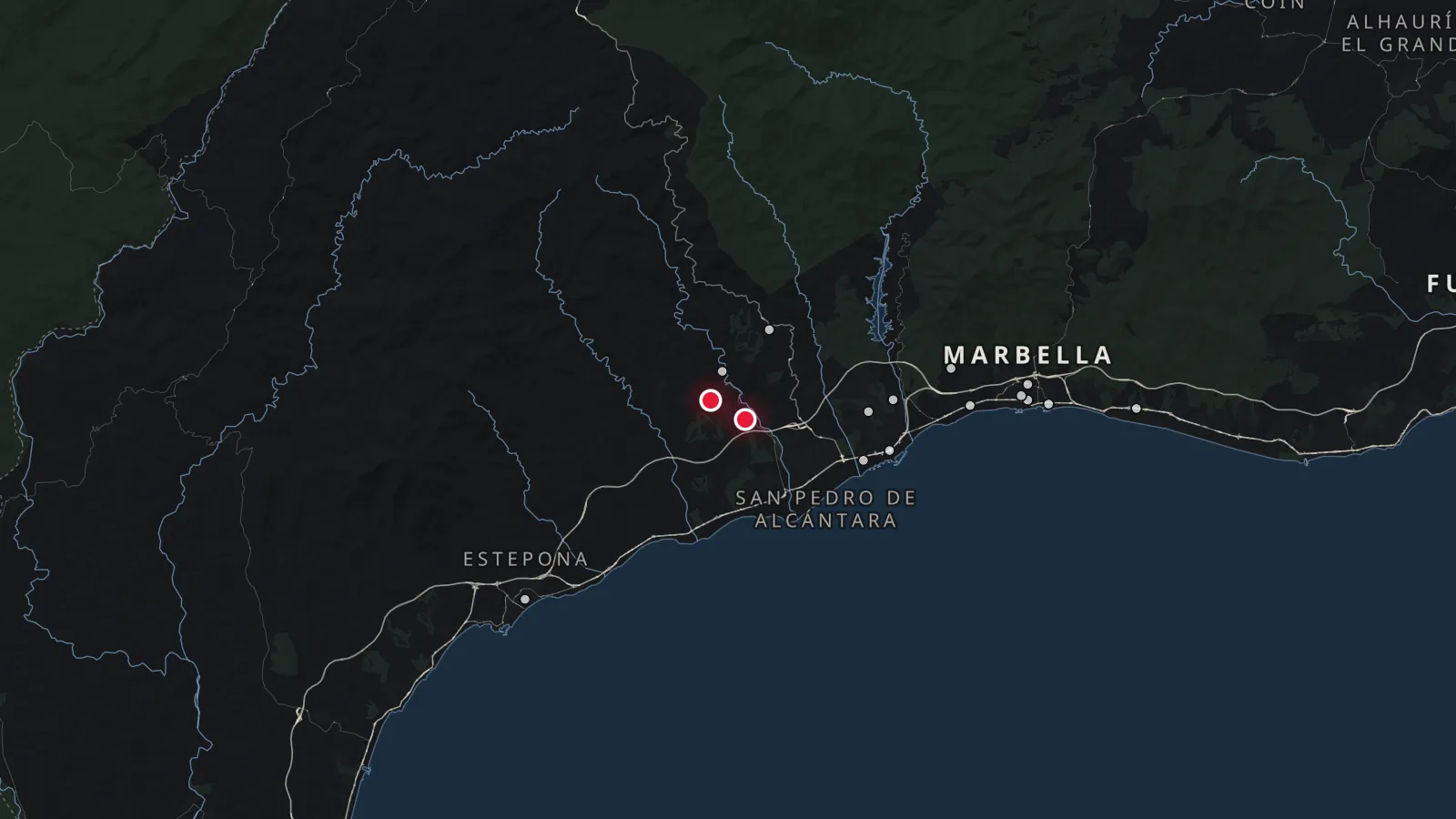
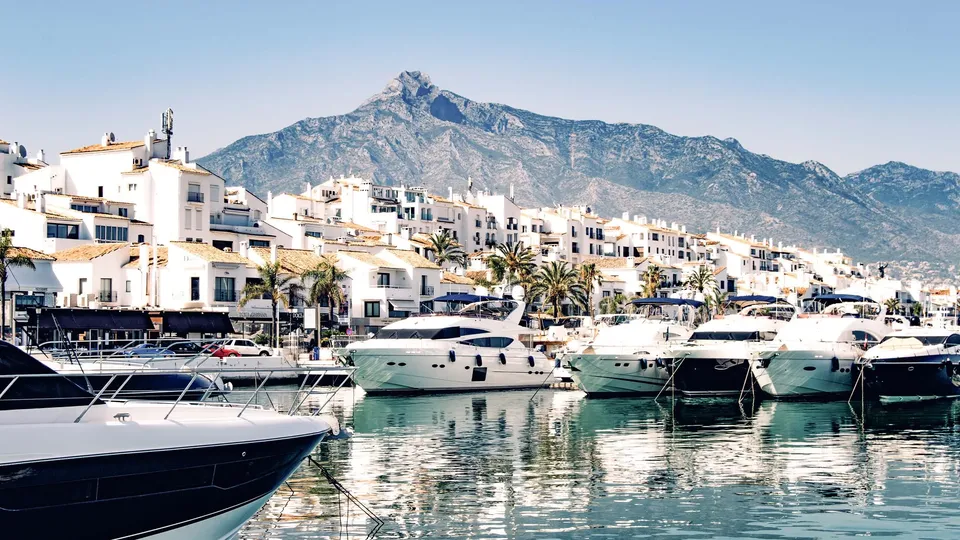
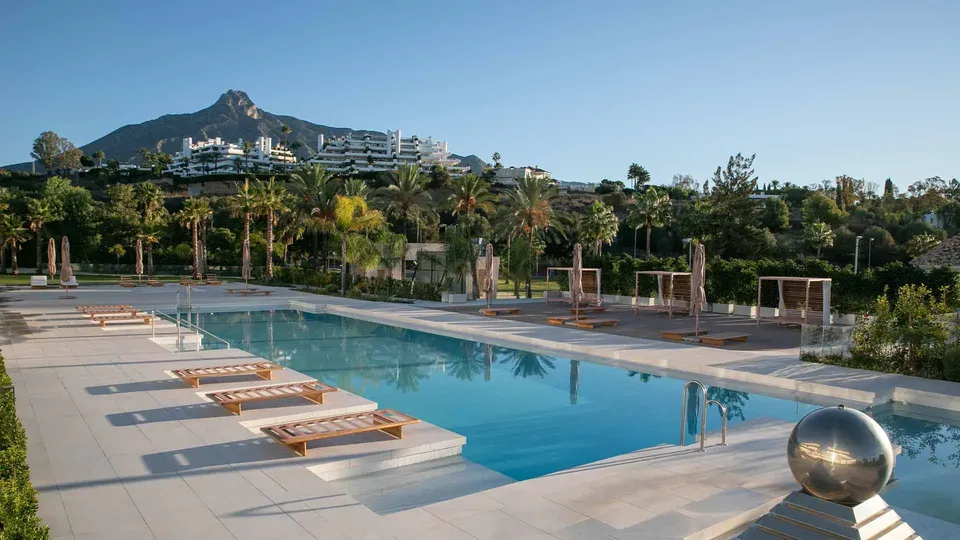
The Costa del Sol, in the province of Málaga, is the most international property market in Spain and the one we know best. It has a deep pool of buyers from across Europe and further afield, a large resident foreign population and a steady supply of new homes, from apartments to large contemporary villas.
The western end of the coast, between Marbella and Estepona, is where most of the prime and new-build market sits, and it is where our stock is concentrated.
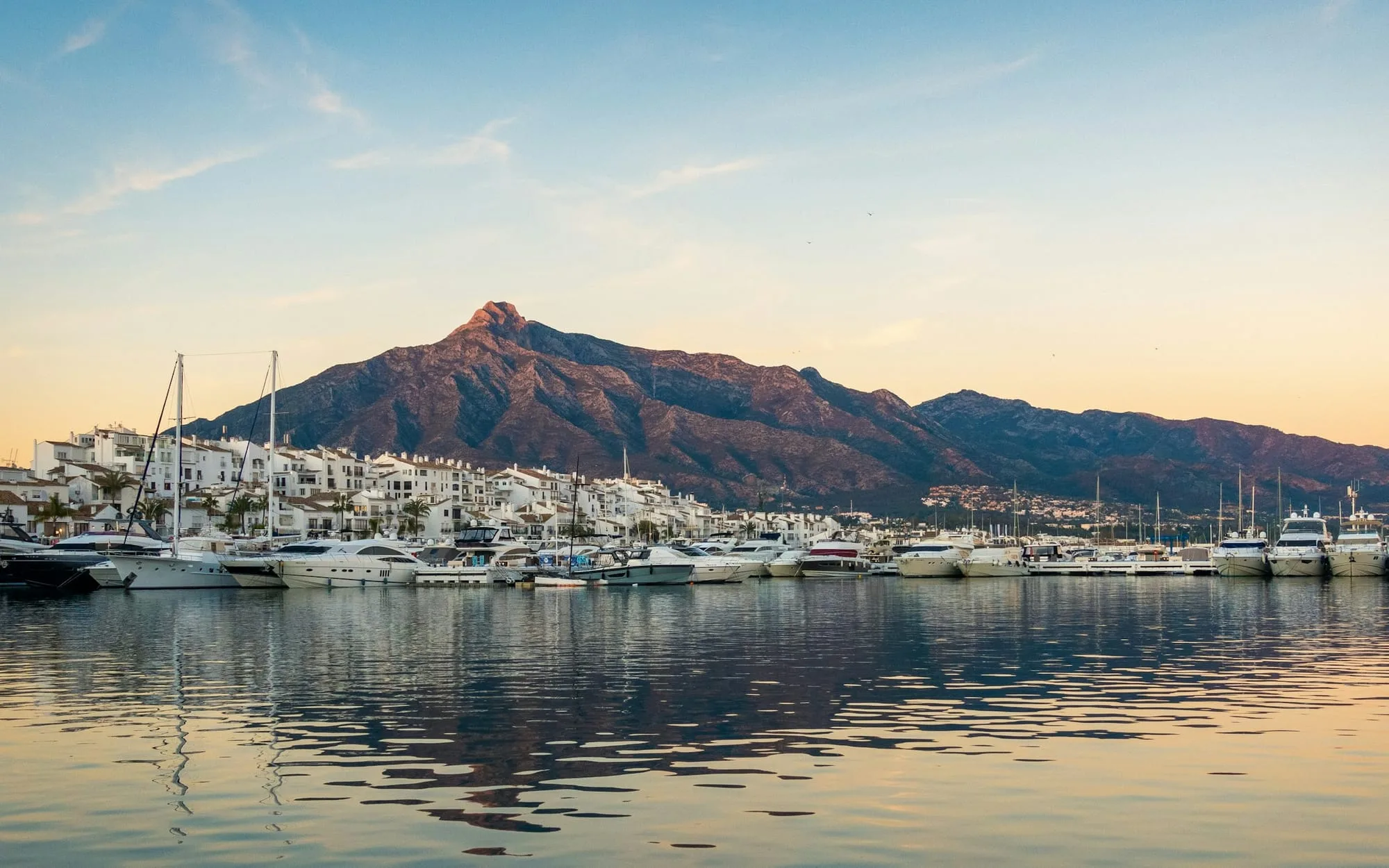
Marbella is the centre of gravity. The Golden Mile, Puerto Banús, Nueva Andalucía with its golf valley, and the beachside areas to the east each have their own buyers and price levels. The town has international schools, private hospitals and restaurants and services that stay open all year, so it works as a permanent home as well as a holiday base.
Benahavís is a large hillside municipality behind Marbella and Estepona, covering gated estates such as La Zagaleta, El Madroñal and Los Flamingos, as well as several golf courses. It suits buyers who want space, privacy and views while staying a short drive from the coast.
Estepona has changed substantially over the past decade. The old town has been restored, the seafront promenade extended, and a steady flow of new developments has come forward along the coast and on the hills behind it. It offers newer stock and more space for the money than central Marbella.
Healthcare, schools and tax
Healthcare on the coast combines the public system with a large private sector, and the private hospitals around Marbella and Málaga are used to treating international patients. The area has a wide choice of international schools, many teaching the British curriculum, alongside Spanish state schools.
On tax, the picture needs care. Spain is not a low-tax country, and what you pay depends on whether you are resident. Purchase taxes in Andalucía are VAT (IVA) at 10% plus stamp duty (AJD) at 1.2% on a new home, or transfer tax (ITP) at 7% on a resale. Andalucía has reduced some regional taxes in recent years, but income tax, IBI and non-resident tax still apply, so take advice on your own position.
Returns and the market
We do not quote returns or promise high yields. What we can say is why investors look at this coast.
- Depth of demand: a broad international buyer base supports both the resale and rental markets.
- Access: Málaga airport has frequent flights to the UK and much of Europe.
- Year-round life: the coast is lived in all year, not only in summer.
- Quality of stock: new homes are built to current energy and building standards, with legal warranties.
None of this guarantees a return. Rental income and resale values depend on the specific property, its management and the market at the time, and the desk confirms the case-specific figures on any scheme you are considering. You can see current schemes on our off-plan property page, and our lifestyle guide covers daily life on the coast.
Culture and food
Málaga has become a serious cultural city, with the Picasso Museum, the Centre Pompidou and the Carmen Thyssen Museum among its galleries. Ronda, Granada and Seville are within reach for a weekend. Every town holds its own feria, Málaga's in August is the largest, and Holy Week is marked across the province. Food runs from sardines grilled on the beach to restaurants in Marbella that draw diners from across Europe.
Beaches and hills
- Beaches: from busy town beaches with chiringuitos to quieter stretches west of Estepona.
- Sierra de las Nieves: a national park in the mountains behind Marbella, with walking routes and Spanish fir forests.
- El Torcal de Antequera: a landscape of weathered limestone formations inland, with marked trails.
- Caminito del Rey: a walkway pinned to the walls of a gorge north of Málaga.
- Sierra Bermeja and the hills above Benahavís: walking and cycling within minutes of the coast.
The case for the Costa del Sol
The Costa del Sol combines the deepest international market in Spain with a coast that works as a permanent home, not only a holiday base. For buyers who want new-build quality, good schools and healthcare and easy flights home, it is where we focus, and where we can show you the most choice.
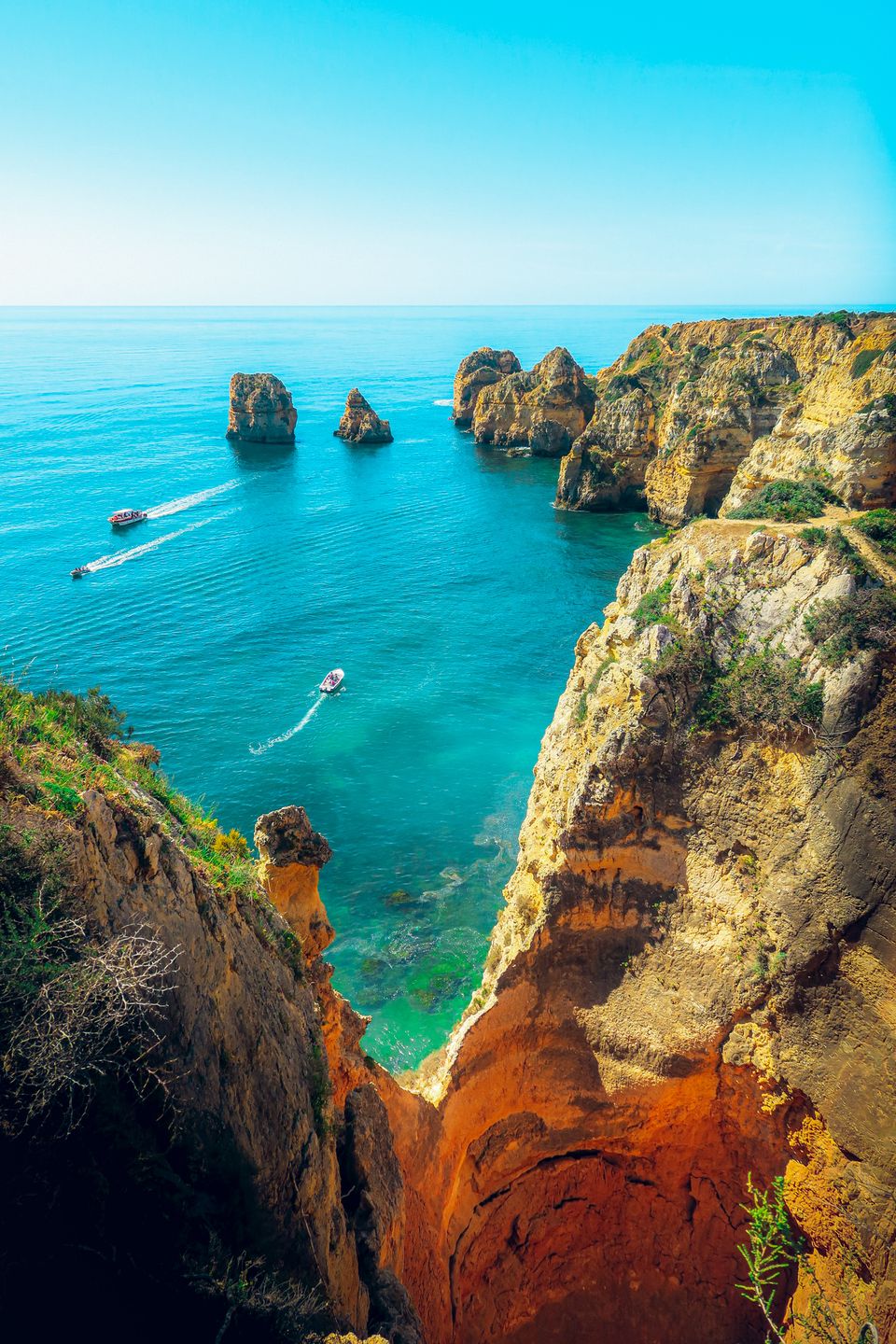
The Costa Cálida: Murcia
A quieter coast
The Costa Cálida is the coastline of the Region of Murcia, running south from the Mar Menor past Cartagena to Mazarrón and Águilas. It is less developed and less international than its neighbours, which is both its appeal and its risk. Calling it emerging describes the quieter market; it is not a forecast of price growth.
The landscape
- The Mar Menor: a large saltwater lagoon separated from the sea by the strip of La Manga, with shallow, calm water popular with sailors and families. Its water quality has been the subject of environmental concern and recovery work, which buyers should look into.
- Calblanque: a protected regional park near Cartagena with undeveloped beaches and dunes.
- San Pedro del Pinatar: salt pans and sandy beaches forming a regional park, home to flamingos.
- Cabo de Palos: a marine reserve with some of the best diving on the Spanish Mediterranean.
- Mazarrón and Águilas: quieter resorts with coves and beaches further south.
Culture
Cartagena is a historic naval port with Roman remains, including a restored theatre, and a pleasant old centre. Murcia city has a cathedral and a busy café life, and its Holy Week and spring festivals are among the best known in Spain. The region is known for its fruit and vegetables, and caldero, a rice dish cooked in fish stock, is the classic of the Mar Menor.
Things to do
- Water sports: sailing, windsurfing and paddle boarding on the calm Mar Menor.
- Golf: inland resorts set around their own courses, mostly sold as holiday homes.
- Nature: walking, birdwatching and photography in the regional parks.
What there is to buy
Prices are generally lower than on the Costa Blanca or the Costa del Sol, and the market is smaller and less liquid. That can suit a buyer looking for a holiday home mainly for their own use. It calls for more caution if resale or rental income is the priority, and figures should be confirmed for the specific property.
Transport and infrastructure
The Region of Murcia International Airport serves the area, with Alicante also within reach. The AP-7 links the coast with Alicante to the north and Almería to the south, and Cartagena and Murcia provide hospitals, shopping and services.
Daily life
The climate is mild through the winter, the pace is slower than on the busier coasts, and towns keep a stronger Spanish character. The other side of that is fewer English-language services, so a little Spanish goes further here than on the Costa del Sol.
Who the Costa Cálida suits
The Costa Cálida suits buyers who want a quiet coast, a calm sea and a lower entry price, and who are buying mainly for their own use. Those who need a deep resale market or strong year-round letting will usually find more of both elsewhere.
Trends buyers are seeing
These are the trends we see shaping the market into 2026, across every coast in this guide.
Energy-efficient homes
Buyers increasingly ask about energy ratings, and every property sold in Spain must have an energy performance certificate. New homes are built under the national Technical Building Code, which sets demanding standards for insulation and energy use, and many developers now include solar panels, heat pumps and electric vehicle charging as standard. These features lower running costs, and buyers increasingly expect them.
Buying remotely
Video viewings, digital document signing and powers of attorney mean much of a purchase can now be handled from abroad. Most of our clients still visit before they commit, and we recommend it, but stage payments, snagging inspections and completion can all be managed at a distance.
Demand from abroad
Demand from international buyers remains a defining feature of the Spanish coast, particularly on the Costa del Sol. One incentive has gone, however. The Golden Visa for property investors was abolished from 3 April 2025, so a purchase no longer brings residency on its own; our visa and residency guide sets out the routes that remain. Buyers now come for the lifestyle, the climate and the quality of new homes rather than for a residence permit.
What it means for buyers
Holiday letting is more closely regulated. Short-term lets now need a national registration as well as the regional one, and communities of owners have more power to restrict new holiday lets in their buildings. If letting is part of your plan, check the rules for the specific development before you buy. Taken together, better-built homes, remote buying and tighter letting rules point to a market that rewards careful buyers.
Buying in Spain from the UK
The legal process is the same across the country, and it is straightforward when handled properly. Foreigners can buy freely, with no restriction on nationality and no minimum price.
Before you buy.
- Appoint an independent lawyer, separate from the developer and the agent, to act for you.
- Obtain your NIE, the foreigner's identity number. You need it to sign at the notary, pay taxes and connect utilities.
- Open a Spanish bank account for the purchase and for running costs.
- Arrange finance if you need it. Spanish banks lend to non-residents, generally on more conservative terms than to residents, so get an agreement in principle early.
- Consider a power of attorney, which lets your lawyer sign documents on your behalf if you cannot be in Spain.
The purchase, step by step.
- Reservation: a reservation agreement and fee take the property off the market while your lawyer carries out checks.
- Due diligence: your lawyer checks title and charges at the Land Registry, the building licence and planning status and, on a resale, any debts attached to the property.
- Private purchase contract: on a resale, you sign a contract and pay a deposit. On an off-plan purchase, the contract sets the price, specification, completion date and staged payment schedule.
- Completion: the deed of sale (escritura) is signed before a notary, the balance is paid and you receive the keys.
- Registration: the deed is registered at the Land Registry in your name, and the purchase taxes are paid within the deadlines.
Buying off plan. Buying off plan means buying from a developer before or during construction, paying in stages and completing when the building is finished. It lets you spread payments over the build and, on the right scheme, choose from the best units in a development before they are taken.
Spanish law protects off-plan buyers in two important ways. Under the Building Act (Ley 38/1999, known as the LOE) and related legislation, money paid to a developer before completion must be protected by a bank guarantee or an insurance policy, so it can be recovered if the project is not completed or delivered within the agreed period. The LOE also requires legal warranties on new homes: one year for finishing defects, three years for habitability and ten years for structural defects. Your lawyer should obtain an individual guarantee for every payment you make.
The costs of buying. Purchase costs depend on whether the home is new or resale, and on the region. Tax rates on property transactions are set by each regional government, so the figures below are for Andalucía, where the Costa del Sol sits. Your lawyer will confirm the rates for the Valencian Community, Murcia or any other region.
- New home: VAT (IVA) at 10% of the price, paid to the developer with each stage payment, plus stamp duty (AJD) at 1.2% in Andalucía, paid on completion.
- Resale home: transfer tax (ITP) at 7% in Andalucía, which applies instead of VAT and stamp duty.
- Fees on any purchase: notary, Land Registry and legal fees typically come to around 1% to 2% of the price in total. A mortgage adds valuation and arrangement costs and its own notary fees.
Running costs.
- IBI: the annual local property tax, set by the town hall.
- Community fees for shared areas, pools, gardens and security.
- Utilities, insurance and the local rubbish collection charge.
- Non-resident income tax: if you are not tax resident in Spain, you pay non-resident income tax on rental income and file an annual return on the property even when it is not let.
The desk confirms the case-specific figures for any property, including community fees and an estimate of IBI, before you commit.
Getting started. Start with the coast and the way you will use the home, then narrow down to the area, the type of property and a budget that includes purchase costs. Our Spain overview covers the market as a whole, and you can browse all current properties across our markets.
When you are ready, book a consultation. We will talk through your plans, shortlist developments that fit and set out the full costs and figures for each.
Frequently asked questions
Can foreigners buy property in Spain?
Yes. Foreigners can buy freely, with no restriction on nationality and no minimum price. You need an NIE and a Spanish bank account, and you should appoint an independent lawyer. Buying does not by itself give you the right to live in Spain.
What taxes do I pay on a new build on the Costa del Sol?
A new home in Andalucía carries VAT (IVA) at 10% plus stamp duty (AJD) at 1.2%. Allow around 1% to 2% on top for notary, Land Registry and legal fees. A resale home pays transfer tax (ITP) at 7% in Andalucía instead of VAT and stamp duty.
Is my deposit safe when buying off plan?
Spanish law, including Ley 38/1999 (the LOE), requires developers to protect payments made before completion with a bank guarantee or an insurance policy. Your lawyer should obtain an individual guarantee for each payment. If the project is not completed or delivered as agreed, the guarantee allows you to recover what you have paid.
Can I buy in Spain without travelling there?
Yes. With a power of attorney, your lawyer can apply for your NIE, sign contracts and complete at the notary on your behalf. Most buyers still visit at least once before committing, and we recommend it.
What rental income can I expect?
We do not quote general yields, because income depends on the property, its management, the season and the letting rules for the building. The desk confirms the case-specific figures for any scheme you are considering. Non-residents pay non-resident income tax on rental income.
Part of our guide to investing in Spain.