







SpainArea guide
Property for sale in Málaga
Málaga is a year-round city rather than a resort, with an international airport, a port and the AVE line to Madrid. This guide covers the neighbourhoods, rental demand, ownership rules and costs for foreign buyers.
Málaga at a glance.
Málaga is no longer just the gateway to the Costa del Sol, it’s one of Southern Europe’s most dynamic and investable cities. With a growing population, record-breaking tourism, a revitalised tech sector, and robust infrastructure, Málaga presents a rare blend of livability and long-term upside. For global investors, it offers more than sunshine and seaside: this is a city with economic depth, cultural gravity, and real staying power.
Málaga area guide for property investors · Updated 25 May 2025
Unlike resort towns that go quiet off-season, Málaga functions as a 12-month city with real economic depth, home to international tech firms, a busy port, major cultural institutions, and over 15 million annual visitors. That creates stable demand for both long-term and short-term rentals.
Spain allows full property ownership by non-residents with no restrictions. The mature legal system, notary-backed transaction process, and availability of mortgages at 60–70% LTV provide transparency and accessibility, even after the closure of the Golden Visa program.
From high-speed rail to global air links, elite schools to excellent hospitals, Málaga offers everything today’s global citizen needs, all in a compact, culturally rich, and well-connected city that continues to invest in its growth and appeal.
Can foreigners buy in Málaga?
Spain’s legal system is mature and transparent, making foreign ownership straightforward. There are no restrictions on non-residents buying property. Transactions are overseen by notaries, while local lawyers conduct thorough due diligence to ensure clean titles and regulatory compliance.
Visa and residency in Spain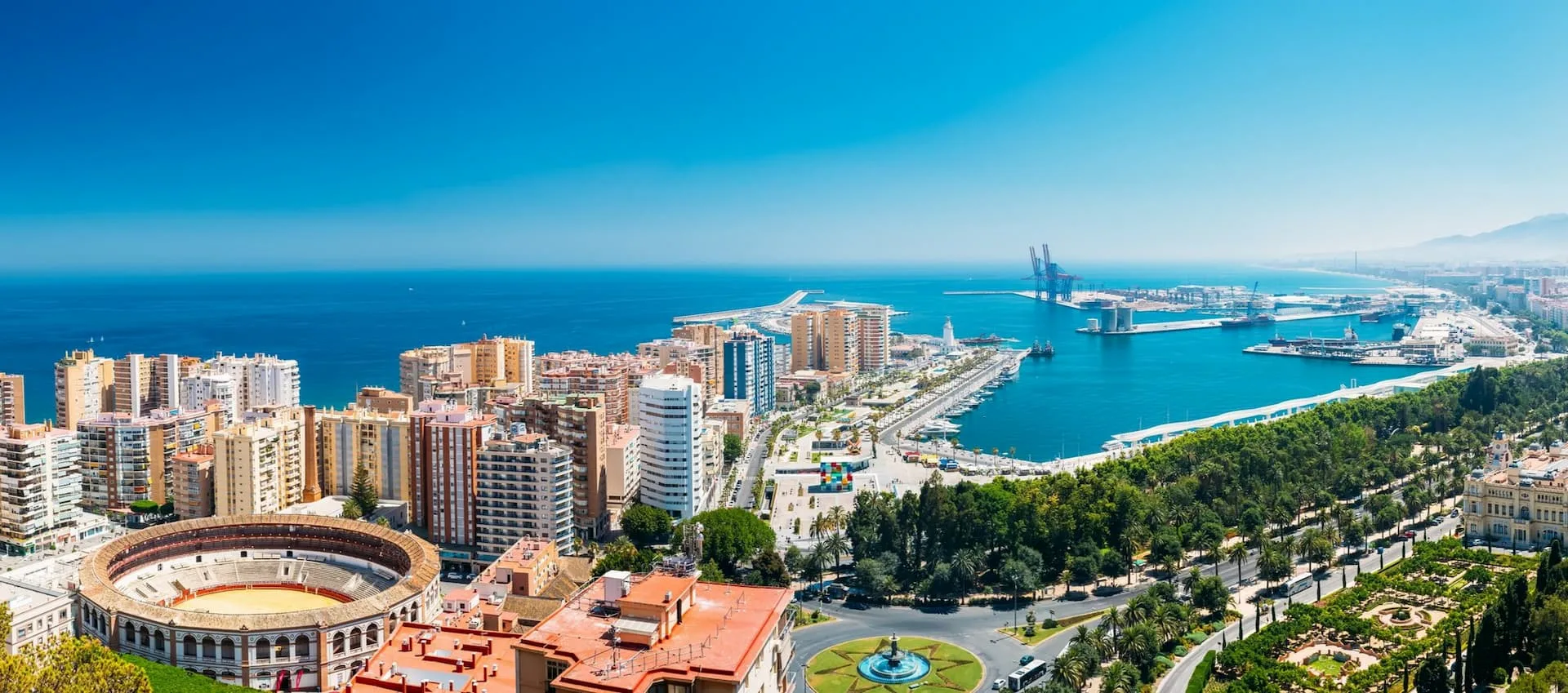
Its walkable old town, palm-lined marina, white-sand beaches, and ever-growing list of restaurants, galleries, and music venues offer a year-round Mediterranean lifestyle, at a more accessible price point than Madrid or Barcelona.
Schools
- The British School of Málaga
- MIT Málaga
Healthcare
- Hospital Quirónsalud Málaga
- Hospital Regional Universitario
Getting there
The high-speed AVE train connects the city to Madrid in under three hours, while Málaga-Costa del Sol Airport, Spain’s fourth busiest, links to over 140 destinations.
Buying in Spain.
The Spain guide set, in the order a buyer needs it.
Spain market hub- Buying guideStart hereWhere to buy on Spain's Mediterranean coasts, how the purchase works for foreign buyers, and what it costs in taxes and fees.
- Visa and residencyHow non-EU buyers can live in Spain now the Golden Visa has closed, and where a Costa del Sol home fits into the plan.
- LifestyleWhat daily life on the Costa del Sol is like for British buyers, from healthcare and schools to living costs and residency.

The full Málaga guide.
Málaga is a year-round city rather than a resort, with an international airport, a port and the AVE line to Madrid. This guide covers the neighbourhoods, rental demand, ownership rules and costs for foreign buyers.
Málaga is no longer just the gateway to the Costa del Sol, it’s one of Southern Europe’s most dynamic and investable cities. With a growing population, record-breaking tourism, a revitalised tech sector, and robust infrastructure, Málaga presents a rare blend of livability and long-term upside. For global investors, it offers more than sunshine and seaside: this is a city with economic depth, cultural gravity, and real staying power.
A city in transformation with real momentum
Over the past decade, Málaga has undergone a transformation. Once overshadowed by its glamorous coastal neighbours, it’s now a Mediterranean powerhouse in its own right. The port city welcomed over 15 million visitors in 2023, driven by cruise arrivals, global conferences, and cultural tourism anchored by institutions like the Pompidou Centre, the Picasso Museum, and a calendar of international festivals.
But it’s not just tourism. Málaga has cultivated an emerging tech ecosystem, often dubbed the “Spanish Silicon Valley,” home to multinationals such as Google, Oracle, and Vodafone. The Andalucía Technology Park (PTA) now hosts over 600 companies employing 20,000 people — creating steady demand for both short- and long-term rentals.
Lifestyle and liveability that rivals major capitals
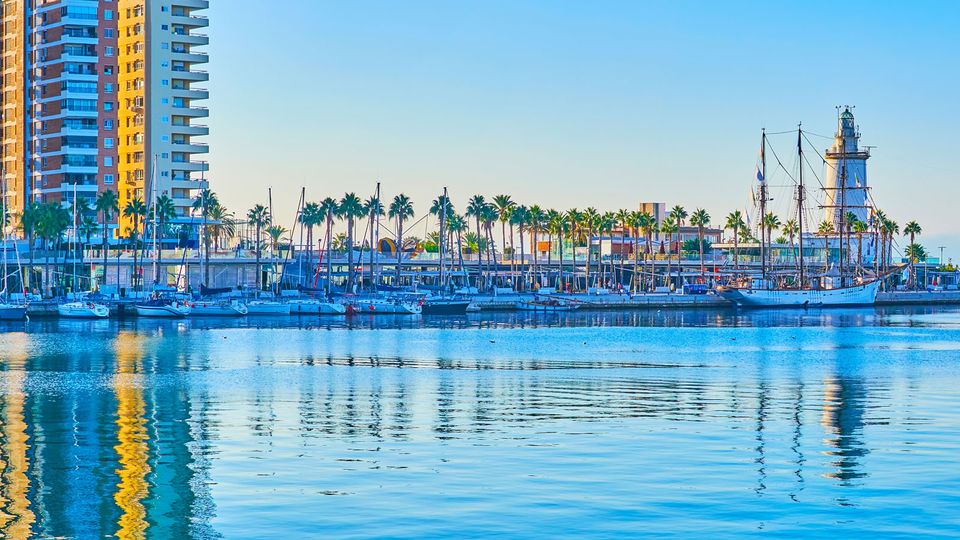
Málaga’s appeal goes far beyond the financial. Its walkable old town, palm-lined marina, white-sand beaches, and ever-growing list of restaurants, galleries, and music venues offer a year-round Mediterranean lifestyle, at a more accessible price point than Madrid or Barcelona.
Top international schools like The British School of Málaga and MIT Málaga serve expat families, while public healthcare ranks among the best in Europe. The city is home to modern hospitals such as Hospital Quirónsalud Málaga and Hospital Regional Universitario, ensuring long-term residents have quality medical infrastructure.
And when it comes to access, Málaga delivers. The high-speed AVE train connects the city to Madrid in under three hours, while Málaga-Costa del Sol Airport, Spain’s fourth busiest, links to over 140 destinations. For international property buyers seeking a base with world-class connectivity and culture, Málaga ticks every box.
Who’s buying in Málaga today?
Málaga attracts a diverse mix of investors and residents. Northern Europeans, particularly from the UK, Germany, the Netherlands, and Scandinavia, have long been drawn to its climate and culture, but recent years have seen a shift. There’s growing interest from American, Canadian, and Middle Eastern buyers looking to establish European footholds, particularly in the post-pandemic remote work era.
Investors from across Asia and South America are also entering the market, some driven by lifestyle aspirations, others by eurozone diversification strategies. Long-term renters include remote professionals, digital nomads, and entrepreneurs setting up shop in the city’s growing startup and tech landscape.
How easy is it for foreigners to invest in Málaga property?
Spain’s legal system is mature and transparent, making foreign ownership straightforward. There are no restrictions on non-residents buying property. Transactions are overseen by notaries, while local lawyers conduct thorough due diligence to ensure clean titles and regulatory compliance.
Financing is accessible, with Spanish banks offering competitive mortgages to non-residents, typically up to 60–70% loan-to-value at rates between 2–4%, though many international buyers still prefer all-cash purchases for speed and leverage.
While the Golden Visa scheme officially ended in April 2025, those who applied before can still benefit from its residency benefits. For new buyers, Spain’s Digital Nomad Visa offers a residency route with a monthly income requirement of around €2,646, making it ideal for remote professionals. The Non-Lucrative Visa, requiring roughly €2,400/month for individuals, suits retirees and those with passive income.
Buyers should budget for acquisition costs. These include a 7% property transfer tax (ITP) for resale homes or 10% VAT plus 1.5% stamp duty for new builds. Annual running costs include municipal property tax (IBI), typically 0.4–1.1% of the cadastral value, and community fees for high-end developments, which range between €1,000–€5,000/year.

Investment-grade property with lifestyle appeal
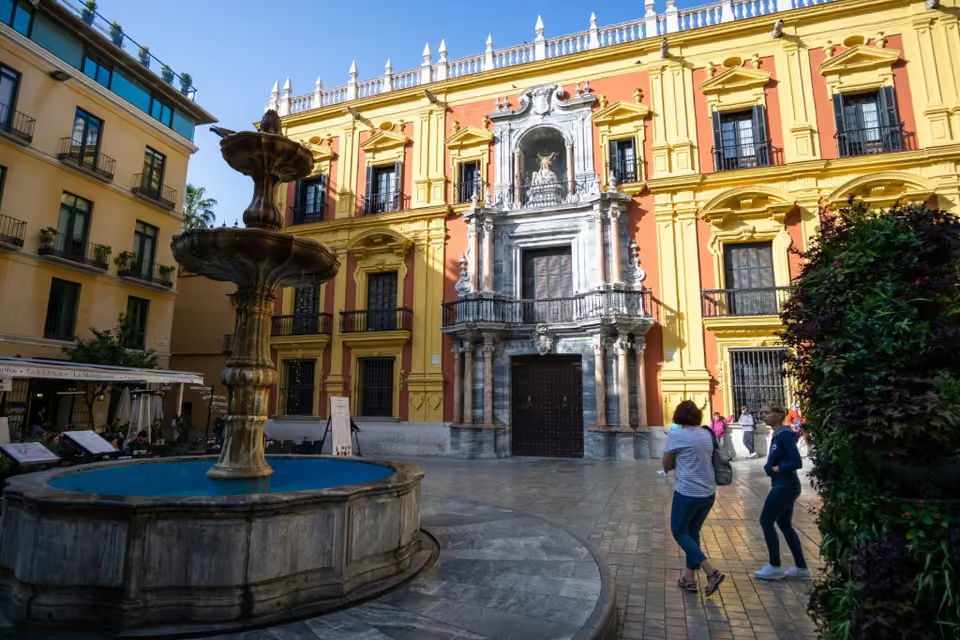
Málaga’s real estate landscape is as varied as the city itself. The historic centre offers renovated apartments in classic buildings, ideal for short-term lets. The Soho district, once gritty, is now a hub of art and regeneration, one to watch. The east side, especially areas like Limonar and Pedregalejo, attracts affluent Spanish and international buyers with its villas and schools.
New developments on the city's edge, such as those in Teatinos and Huelin, are drawing investors with solid rental yields, growing communities, and access to the tech park and universities.
For those with a long-term outlook, Málaga delivers a compelling balance: a high quality of life, a strong legal framework, excellent rental potential, and infrastructure to support growth. Unlike many resort towns, it’s not seasonal, it’s a functioning, 12-month economy with cultural, academic, and commercial pull.
What’s next for Málaga?
The city continues to invest in its future. Plans are underway to further expand the port, enhance cruise terminal capacity, and attract more international conferences. Sustainable transport initiatives, including new tram lines and improved cycling infrastructure, aim to make the city even more livable.
There is also continued interest from developers in transforming disused land around the port and university into residential, hospitality, and mixed-use projects. With urban planning that respects both heritage and innovation, Málaga’s growth looks balanced and resilient.
For global investors searching for a European base that blends culture, convenience, and capital appreciation, Málaga is fast becoming a first-choice destination.
Elsewhere in our core markets.
Other cities where Continental sells new-build and off-plan property.


Explore
Spain, by area and by home.
On the map
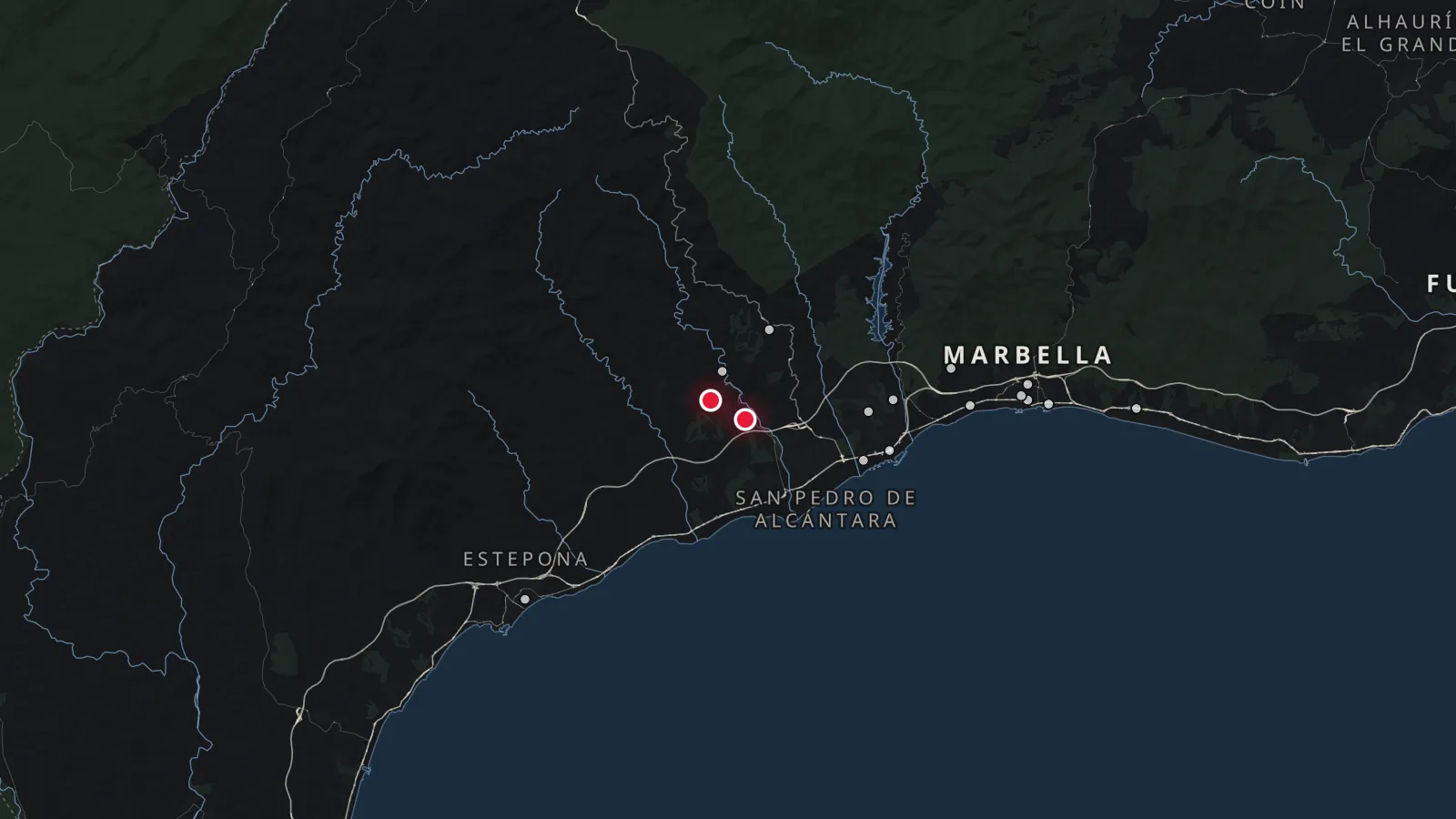
2 developments, 3 transport links, 3 schools, 3 hospitals and clinics, 8 beaches, courses and districts and 1 project coming.
Open the Spain mapSpain · Málaga
Talk to an expert about Málaga.
Get one-to-one guidance on your next property purchase.