





The Saudi Arabia guide05 of 05
Saudi Arabia Residential Real Estate Outlook: A Continental Market Report.
How Vision 2030, new ownership rules and branded stock are reshaping residential property in Riyadh and Jeddah, and what overseas buyers should weigh.
Saudi Arabia's residential market has changed more in the past decade than in the previous thirty years. A state-led programme of new districts, transport and tourism has met a young, urbanising population and, from 2026, a legal framework that lets non-Saudis own property in designated parts of Riyadh and Jeddah. This report sets out what is driving the market, how the main cities differ, which rule changes matter to an overseas buyer and where the risks sit. It does not forecast prices or rents. Where a figure matters to your decision, our Saudi desk confirms it against current data before you commit.
Market overview
For most of its history, Saudi residential property was a domestic market. Saudi families bought land and built homes, rental stock served expatriate workers on employer contracts, and foreign individuals had very limited routes to ownership. That picture is now shifting on three fronts at once: supply, finance and access.
The result is a market that is deeper than it was, but still young in the ways that matter to an investor. Data on transactions and rents is improving, yet it is less granular than a UK buyer will be used to. Resale markets for new branded stock are untested at scale. That is not a reason to stay away, but it is a reason to buy carefully, with clear reasons for each unit, and to treat any projection you read with caution.
Economic Context
Vision 2030, launched in 2016, is the national plan to diversify the economy away from oil. Real estate, tourism, entertainment and financial services all sit at its centre. The supply side has been reorganised around large master-planned projects backed by the state and the Public Investment Fund, and mortgage lending to Saudi households has grown as the government pushes towards its homeownership target.
Diversification is under way, but public finances still depend heavily on oil revenue, so the pace of project spending can change with the oil price. We read economic headlines as context for a purchase, not as a reason for one.
Demographics and Demand Drivers:
The demand case rests on structural changes rather than on short-term sentiment. Each of the drivers below is a matter of public record. How strongly each one feeds into a specific district or building is where the analysis lies.
- Vision 2030. The national plan launched in 2016 aims to diversify the economy away from oil. Real estate, tourism, entertainment and financial services all sit at its centre.
- A young, urban population. A large share of Saudis are under 35 and most live in cities, which keeps pressure on housing in Riyadh, Jeddah and the Eastern Province.
- Homeownership policy. Programmes such as Sakani support Saudi families into ownership, which lifts activity across the market.
- Regional headquarters. Government policy now favours international companies that base their regional headquarters in the Kingdom, and many have chosen Riyadh. That brings senior staff who need good housing.
- Major events. Riyadh will host Expo 2030 and the Kingdom will host the FIFA World Cup in 2034, both of which carry long infrastructure programmes.
- Tourism. The tourist eVisa, introduced in 2019, opened the country to leisure visitors. Projects on the Red Sea coast and in AlUla are building a hospitality sector that barely existed before.
None of these drivers guarantees that a particular apartment will rise in value or let quickly. They describe the direction of travel. Our job is to match that direction with stock whose location, specification and price make sense on their own terms.
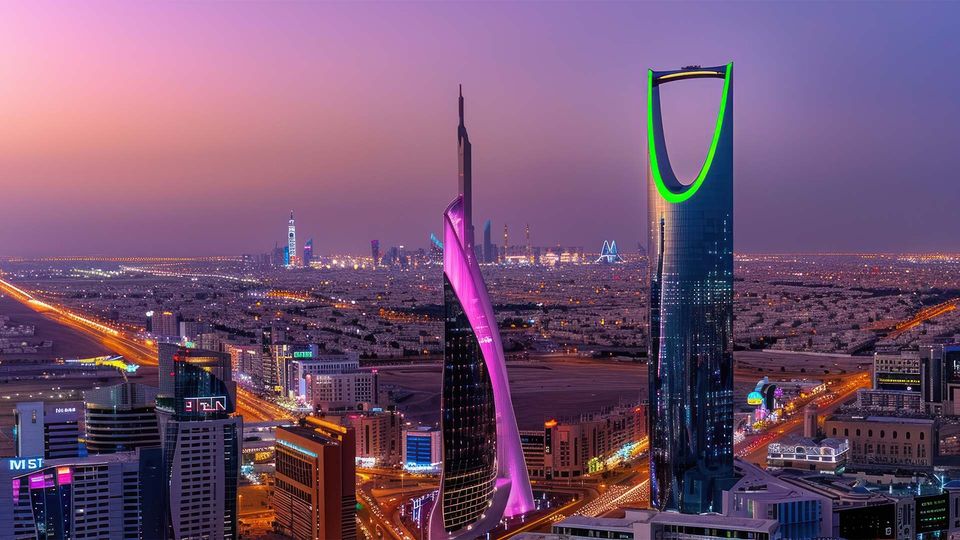
Saudi Arabia Market Evolution
The milestones that shaped today's market are mostly policy decisions. In brief:
- 2016. Vision 2030 is launched, with housing, tourism and private investment among its central goals.
- 2018. Cinemas reopen and women begin driving, early signs of the social change that now shapes demand for city living.
- 2019. Premium Residency opens a route to long-term residence, with the right to own residential property, that does not depend on an employer. The tourist eVisa follows in the same year.
- 2020. Real Estate Transaction Tax at 5% replaces VAT on most property sales.
- 2024. Premium Residency is expanded with new routes, including one for real estate owners.
- 2025. A law on non-Saudi real estate ownership is approved, and the authorities announce measures to steady housing costs in Riyadh.
- 2026. The new ownership law takes effect, with designated zones in Riyadh and Jeddah and special conditions for Makkah and Madinah.
Read together, these steps show a clear direction: a market opening to foreign capital in stages, with the state keeping close control over where and how. We expect that pattern to continue.
Performance
Headline projections of national market value are widely quoted, and they vary between sources. We do not lead with them, because they say little about whether a specific apartment in north Riyadh or on the Jeddah Corniche is fairly priced.
The measures that matter for a purchase are narrower: recent transaction prices for comparable units in the same district, registered rents for similar stock, the supply due to complete nearby and the developer's record on previous projects. Our Saudi desk pulls these together for each property you consider and confirms case-specific figures before you commit.
Sales and Rental Data
Official sales and rental data in Saudi Arabia has improved markedly. Tenancy contracts are registered on the Ejar platform and transactions are recorded through official registries, which gives a firmer base for pricing than existed a decade ago. The data is still less granular than a UK buyer will be used to, particularly for new branded stock, where few units have yet changed hands on resale.
Rents in Riyadh are also shaped by policy. The 2025 measures include limits on rent increases, so any income assumption for a Riyadh unit needs to reflect them. We do not publish yield figures. For a specific unit, our desk sets out comparable rents and the costs that sit against them.
Transaction Volume
Activity has grown as mortgage lending to Saudi households has expanded and new master-planned districts have released supply. Volumes move with interest rates, project launches and policy announcements, so a single half-year comparison can mislead. What matters more for an overseas buyer is depth in the specific segment you are buying into: how many comparable units trade, how quickly, and to whom. For branded residences aimed at international buyers, that market is still forming.
Questions on this guide? Ask our Saudi Arabia team.
Ownership, costs and what is for sale, on WhatsApp or by phone.
Government initiatives and policy
Policy drives the Saudi housing market more directly than in most countries. The state sets homeownership targets, backs much of the new supply through the Public Investment Fund and its developers, and decides where and how foreigners can own. For an overseas buyer, that cuts both ways. Government commitment supports demand and infrastructure, and it also means rules can change, sometimes quickly.
Vision 2030
Vision 2030 sets a target of 70% homeownership among Saudi citizens, supported by programmes such as Sakani, which helps families into ownership through finance support and new housing. Alongside housing, the plan funds the transport, culture and tourism projects that shape where people want to live: the Riyadh Metro, King Salman Park, Diriyah and the Red Sea coast among them.
The plan shapes demand, but each property still needs to stand on its own merits. A unit near a flagship project is not automatically a good purchase if it is overpriced or poorly specified.
Regulatory Changes
Four pieces of the framework do most of the work for a foreign buyer. Each is covered in more depth in our guide to foreign ownership in Saudi Arabia.
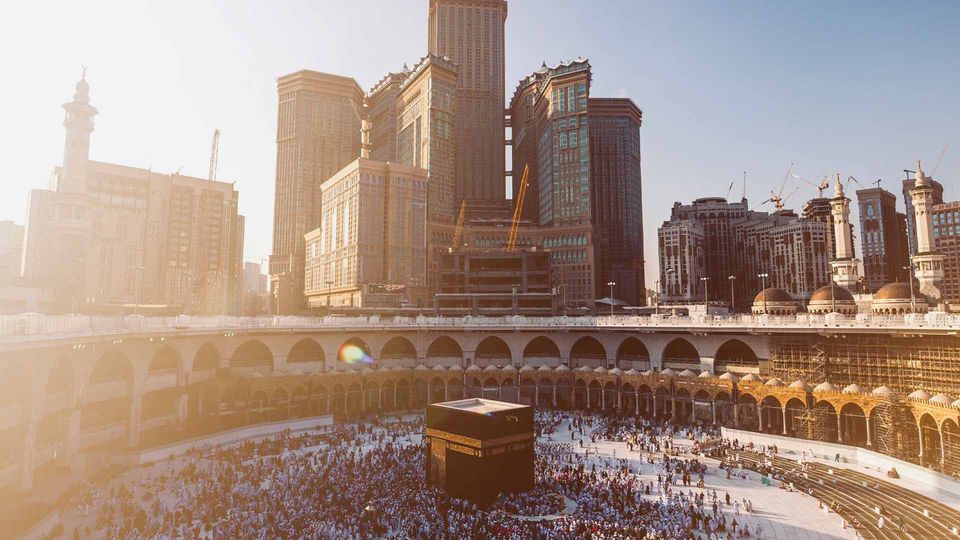
- The new ownership law. A law on non-Saudi real estate ownership was approved in 2025 and takes effect in 2026. It allows foreign individuals and companies to own property within designated zones, with zones set for Riyadh and Jeddah and special conditions for Makkah and Madinah. The implementing regulations and zone maps are published by the authorities, and our desk confirms the current position for any unit before you reserve.
- Premium Residency. The Premium Residency programme offers several routes to long-term residence, including one for real estate owners. Conditions apply to the type and value of the property.
- Real Estate Transaction Tax. RETT of 5% applies to most property transfers and replaced VAT on most real estate sales in 2020. The sale contract should make clear who bears it.
- Off-plan regulation. Off-plan sales are licensed under the Wafi programme, which requires approved projects to use escrow arrangements and to release buyer funds against construction progress.
Older summaries, some still circulating online, describe foreign ownership as limited to economic zones and special cities. That reflected the earlier framework. From 2026 the position rests on the new law and its designated zones.
Foreign Investment Framework
Under the framework now in place, several groups of non-Saudi buyers have a route to ownership, each on different terms:
- Non-Saudi individuals and companies under the new law. From 2026, ownership within designated zones, with zones set for Riyadh and Jeddah and registration through the official real estate registry.
- Premium Residency holders. Residence rights that include owning residential property, with a dedicated route for real estate owners.
- Foreign residents. Under the earlier rules, residents could own a home for their own use with official approval.
- Licensed foreign businesses. Companies holding an investment licence can own property needed for their activities.
- GCC nationals. Wider rights under separate rules.
The General Authority for Real Estate defines and publishes the zones, and detailed rules on eligibility, fees and procedures sit in implementing regulations. Those can be refined in the first years of a law, and we expect detail on zones, registration and fees to develop. That is why we confirm the position on every purchase rather than relying on a general summary.
Large state-backed projects such as NEOM, Qiddiya and the Red Sea developments may operate under their own arrangements. We focus our stock on Riyadh and Jeddah, where the framework for overseas buyers is clearest.
Keep this guide: get it as a PDF.
Where the opportunity is
The opportunity for an overseas buyer is access to a market in a period of structural change, through new stock in designated zones, with a clearer legal footing than at any point before. It is not a short-term trade. The segments below behave differently, and each suits a different kind of buyer.
Affordable Housing
Most of the volume in Saudi housing sits in the domestic mid-market, driven by Saudi families buying with support from Sakani and bank finance. Much of this stock is built by state-linked developers for Saudi citizens, and it is not where overseas buyers typically invest. Its importance to an international buyer is indirect: it shows the depth of local demand, and a healthy domestic market supports confidence in the wider system of registration, finance and regulation.
Luxury Segment
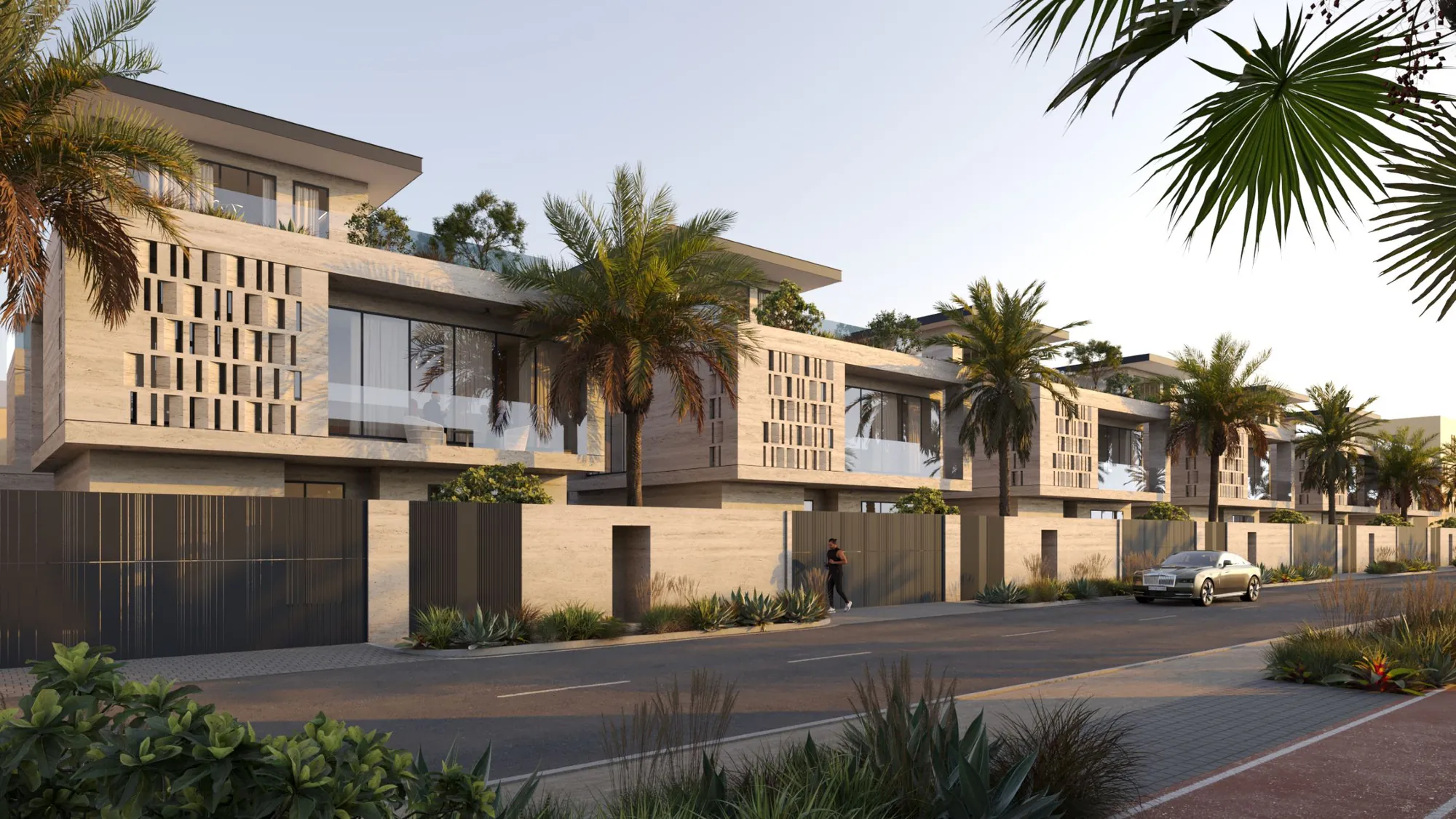
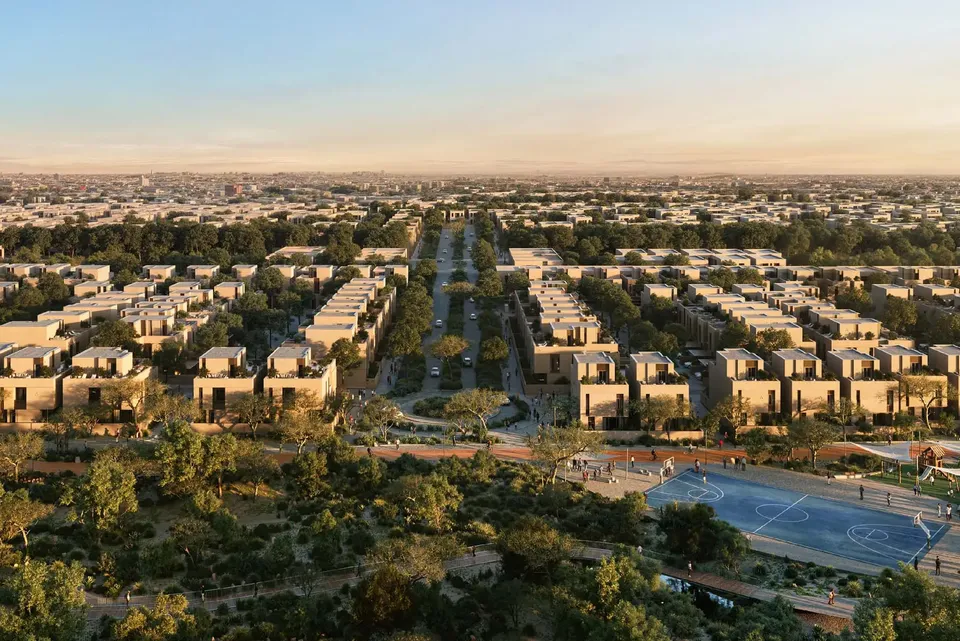
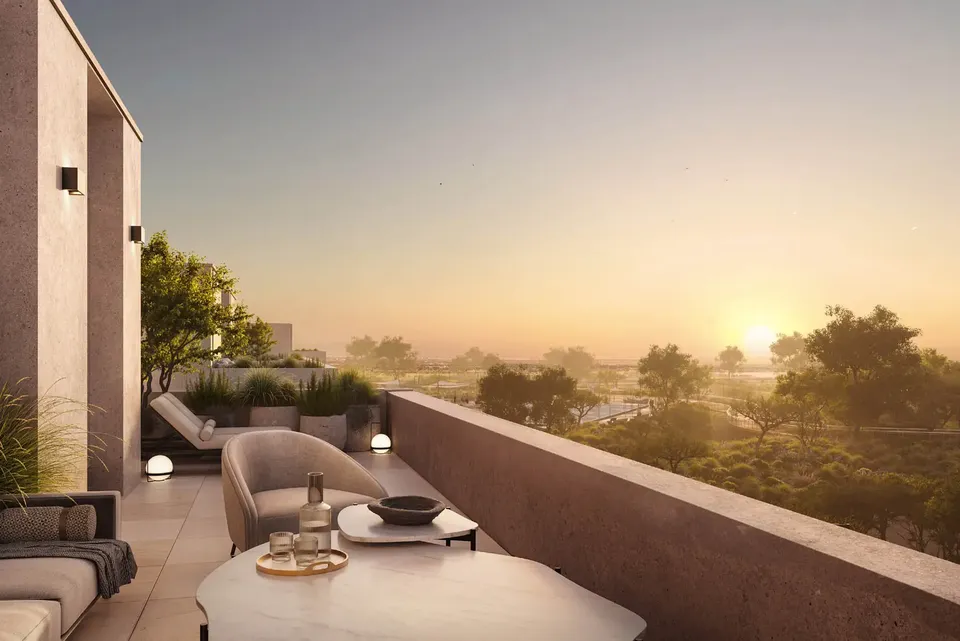
Much of the new stock aimed at international buyers in Riyadh and Jeddah is branded: apartments and villas developed in partnership with a hotel or lifestyle brand, with services and management linked to that name. For an overseas owner, the appeal is practical. A recognised operator, a defined service standard and on-site management reduce the work of owning from a distance.
Branded stock comes with its own questions. Service charges are usually higher than for unbranded buildings. Rental arrangements may be restricted to an operator programme, or open to the owner's own choice of agent. The brand agreement has a term, and buyers should know what happens when it ends. We review each of these points as part of our due diligence.
Off-plan Sales
Most of this stock is sold off-plan, with staged payments during construction. Under Wafi, buyer money should go into a project escrow account and be released as work is certified. That is a meaningful protection, but it does not remove delivery risk entirely. Developer track record, the stage the project has reached and the terms for delay all matter.
You can see the current selection, with payment structures, on our Saudi Arabia off-plan property page.
The challenges
A balanced view of the market includes the things that could go wrong. These are the main risks we discuss with clients.
- Policy change. The framework is new and still being refined. Rules on zones, fees and residency could change in either direction.
- Supply. A very large pipeline of new homes is planned. In some districts and segments, completions could outpace demand for a period.
- Rent controls. Measures to protect affordability, such as limits on rent increases in Riyadh, can cap income growth.
- Liquidity. The resale market for foreign-owned branded units is still forming. Plan to hold for the medium to long term.
- Oil and public spending. Diversification is under way, but state finances still depend heavily on oil. Lower prices can slow project spending.
- Currency. The riyal is pegged to the US dollar. A UK buyer is therefore exposed to movements between sterling and the dollar.
These risks do not cancel out the opportunity, but they shape how we suggest clients approach it: modest exposure relative to your wider portfolio, careful selection of developer and location, and no reliance on short-term price moves.
High Construction Costs
The scale of Saudi Arabia's building programme puts pressure on materials, contractors and skilled labour. When costs rise, developers may slow phases, revise specifications within the contract's limits or adjust prices on later releases. For an off-plan buyer, the practical protections are a developer with the balance sheet and track record to absorb cost pressure, a Wafi-licensed project with escrow, and a contract that defines the specification and the remedies for delay.
Supply-Demand Imbalance
Housing need among a young, growing population is real, but supply and demand do not always meet in the same place or price band. With a very large pipeline planned, completions in some districts could outpace demand for a period, which would weigh on rents and resale prices. Location within a city, the quality of the building and the type of tenant it serves matter more than the national picture. Our desk checks what is due to complete near any unit we put forward.
Interest Rate Sensitivity
The riyal is pegged to the US dollar, so Saudi interest rates tend to follow US rates. Higher rates make home finance more expensive for Saudi households and can slow activity, and lower rates can do the reverse. Most overseas buyers we work with do not borrow in Saudi Arabia, but their resale market and their tenants are affected by local finance costs. A UK buyer funding with sterling borrowing carries a separate exposure to UK rates and to sterling against the dollar.
City by city
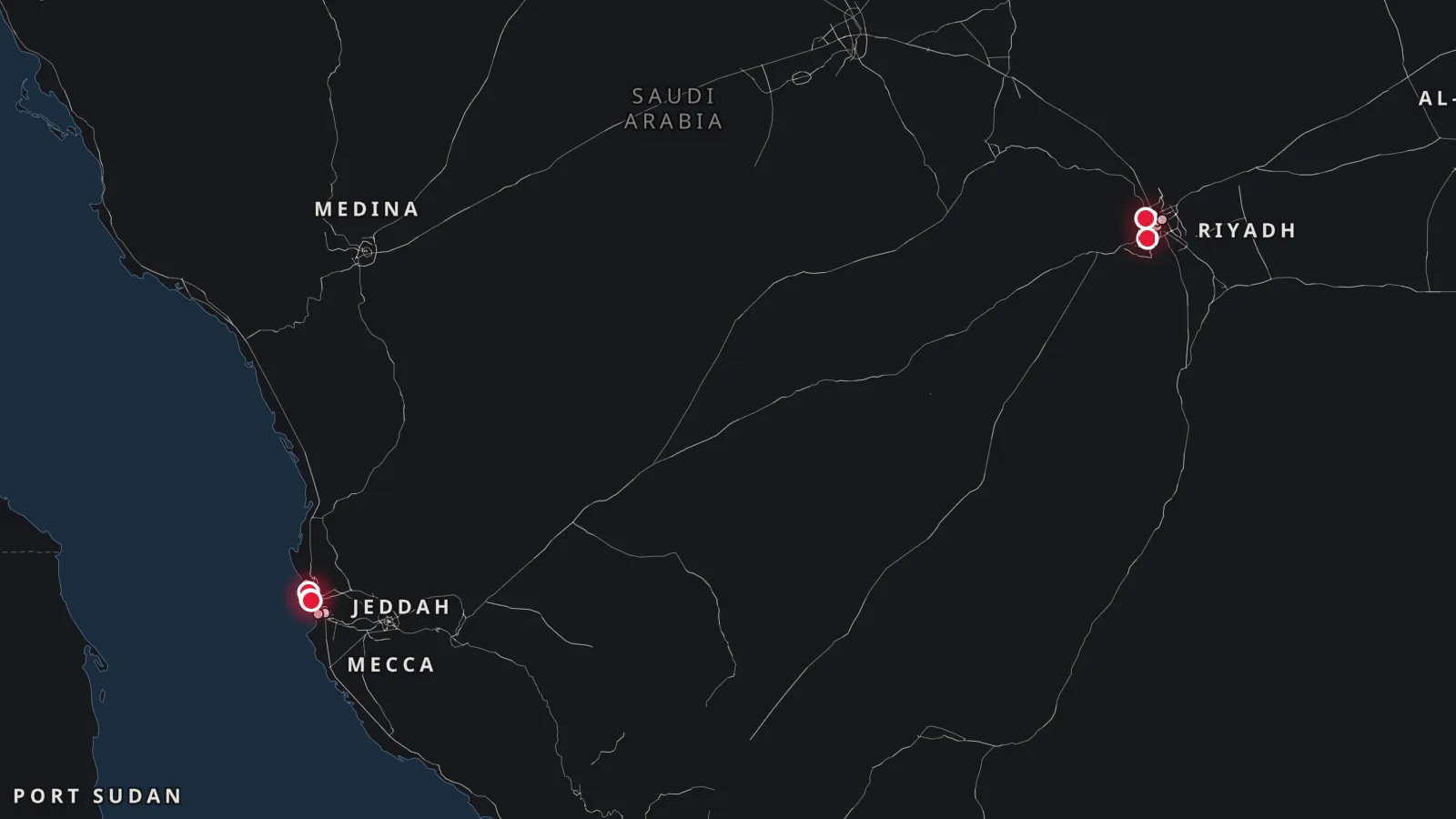
Saudi Arabia is not one market. Riyadh and Jeddah differ in character, tenant base and the kind of buyer they suit, and the Eastern Province has its own long-established pattern. Some clients hold one property in each of the two main cities.
Riyadh: The Economic & Infrastructure Hub
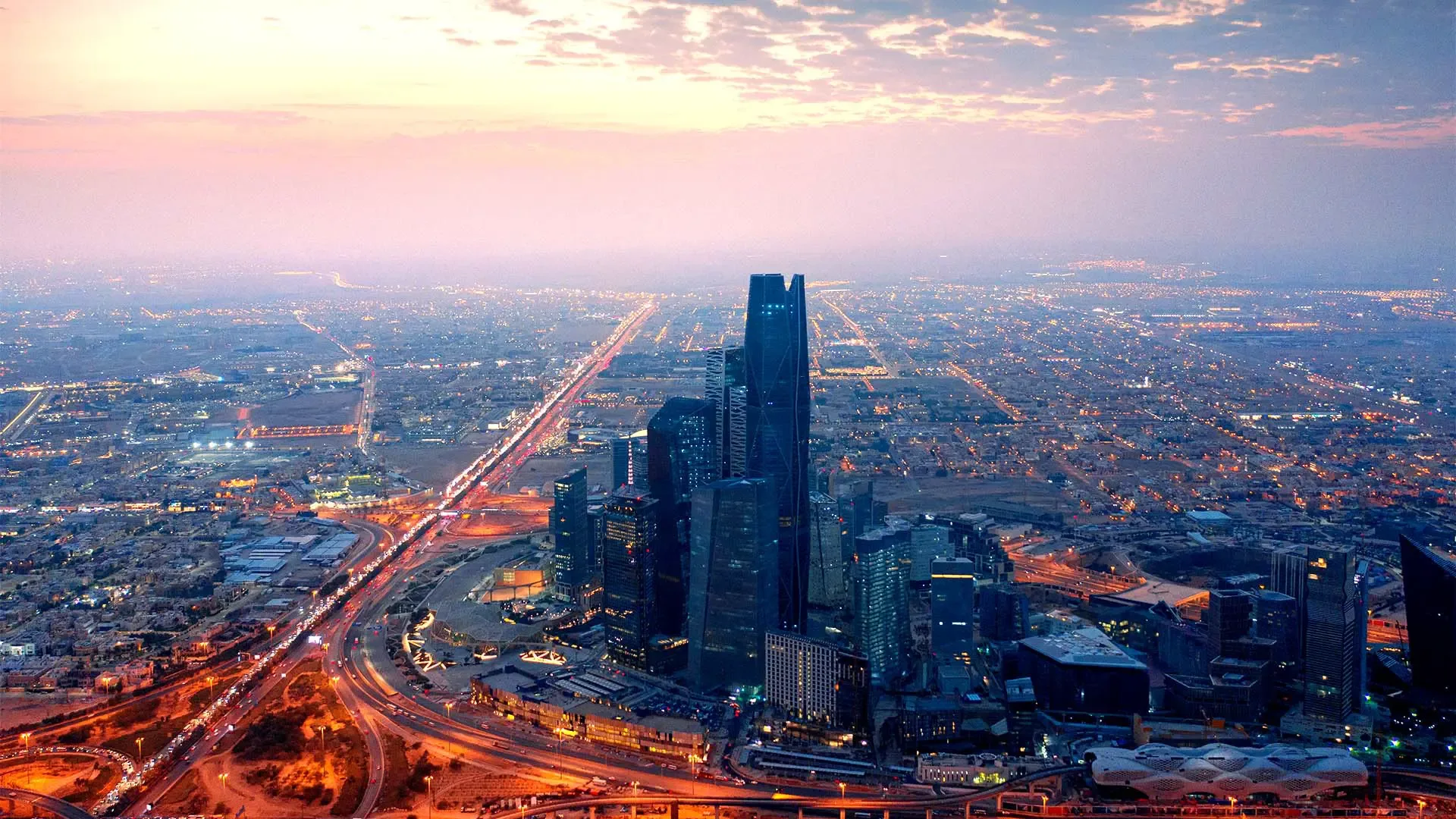
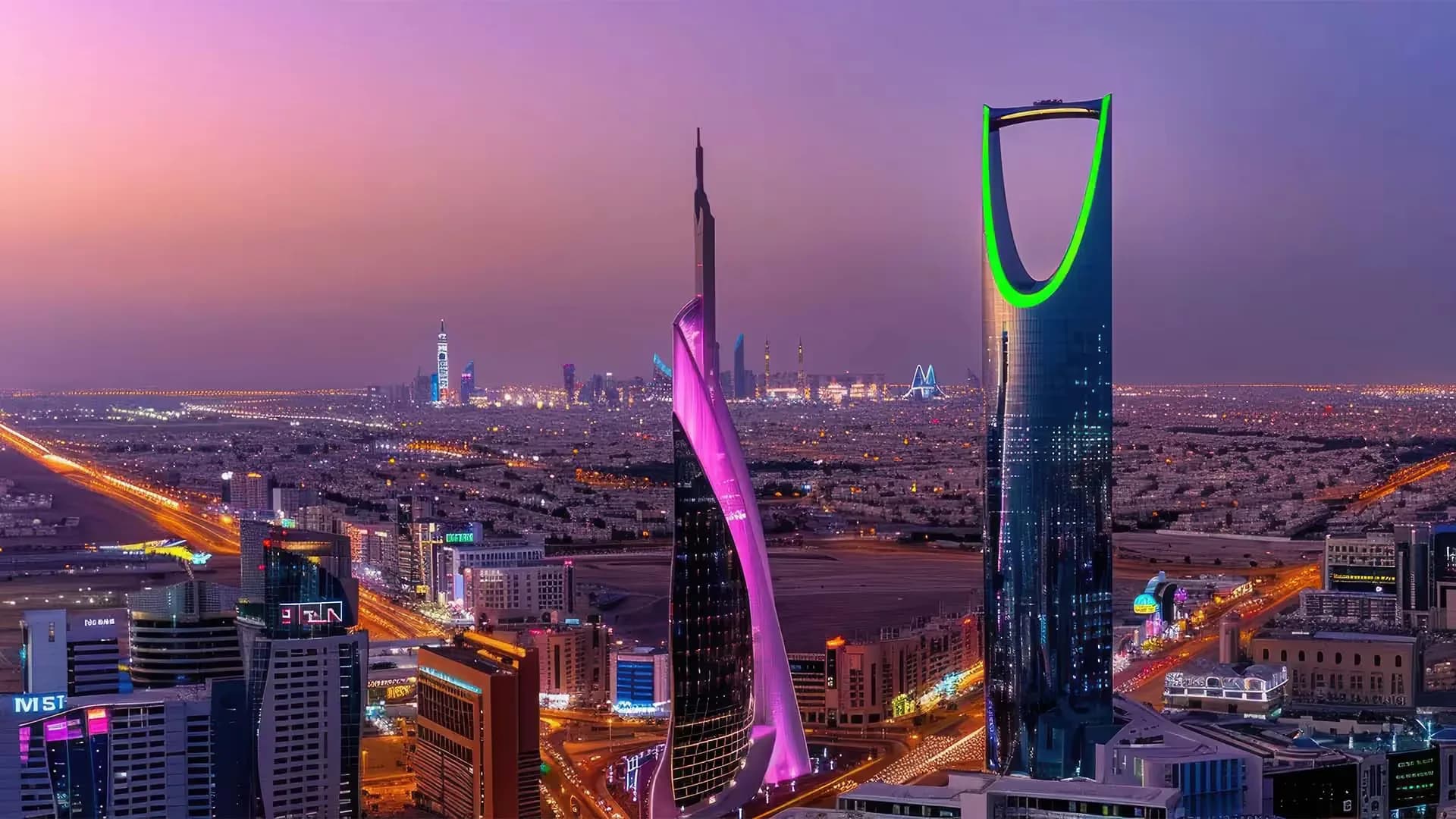
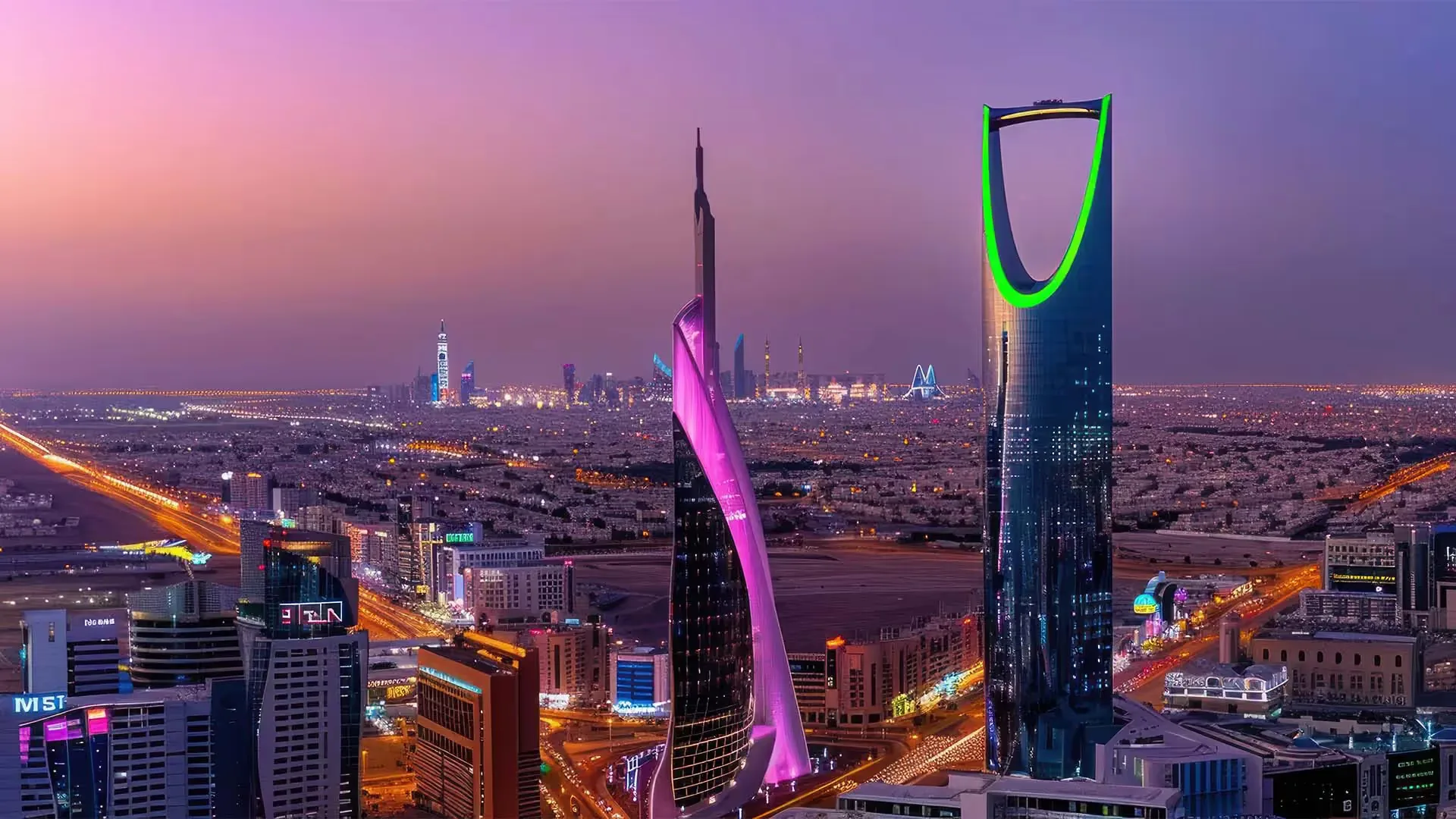
Riyadh is where the scale of change is most visible. The Riyadh Metro has opened across the city, King Salman Park is being built as one of the largest urban parks anywhere, and Diriyah, the historic seat of the Saudi state on the city's edge, is being developed as a heritage and lifestyle district. The King Abdullah Financial District has become a base for banks and corporate tenants, and the regional headquarters programme has added to demand from senior professionals.
For residential buyers, that means demand concentrated in the north of the city and around the new business and cultural districts. It also means the government watches affordability closely. In 2025 the authorities announced measures to steady housing costs in Riyadh, including limits on rent increases and steps to release more land for development. Any income assumptions for a Riyadh unit need to reflect those measures, and our desk confirms how they apply to a given property. Riyadh tends to suit buyers focused on corporate and professional tenants.
Jeddah: The Tourism & Waterfront Investment Hub
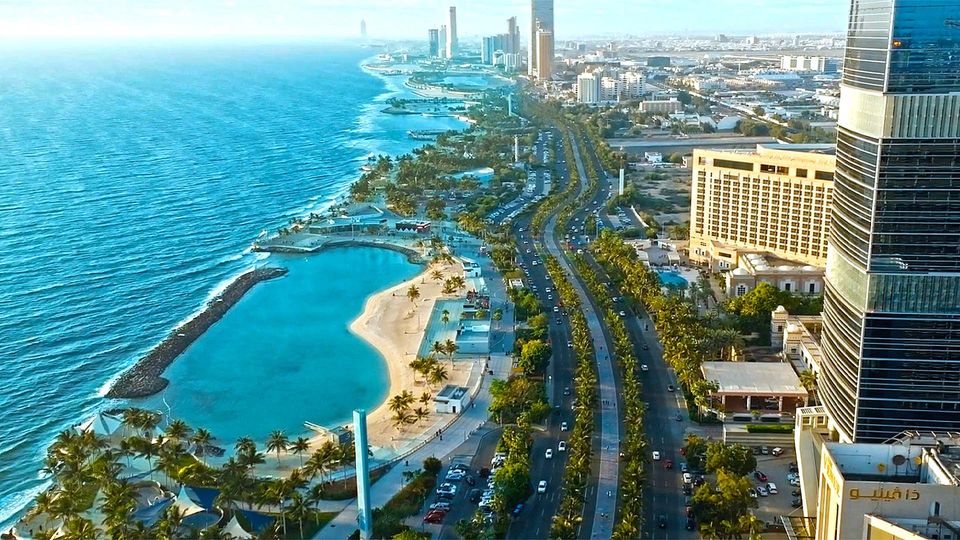
Jeddah has a different character. It is the Kingdom's main Red Sea port, the gateway for pilgrims travelling to Makkah, and a city with a long trading history. The Corniche and the waterfront are the focus for higher-end residential and branded projects, and the Jeddah Corniche Circuit has brought Formula 1 to the city. Large regeneration plans, including Jeddah Central, aim to reshape parts of the urban core, and the expanded King Abdulaziz International Airport strengthens its role as an arrival point.
Jeddah tends to suit buyers looking for coastal living, a second-home element or exposure to tourism. A unit let through a hotel operator's programme earns on a different basis from one let on an annual lease, so the letting model matters as much as the location.
Eastern Province: Industrial Growth & Expat Demand
The Eastern Province, including Dammam, Al Khobar and Dhahran, has a long-established expatriate market tied to the energy sector. Compounds and family housing serve professionals working for energy and industrial employers, and the King Fahd Causeway links the region to Bahrain. Demand there follows corporate employment closely. We currently focus our stock on Riyadh and Jeddah, where the ownership framework and the depth of the market are clearest for overseas buyers.
Forecast and investment strategy
We do not publish price or rent forecasts for Saudi Arabia. The market is moving quickly, policy can change the picture at short notice, and published forecasts for the same city often disagree. What we can offer is a disciplined way to approach a purchase, and current data for any property you consider.
Price Trends
Price movement in Saudi Arabia varies sharply by city, district and segment. Demand has concentrated in north Riyadh, around new business and cultural districts and on the Jeddah waterfront, while the authorities have acted to steady housing costs in the capital. Branded and off-plan stock is priced at launch, and its resale value depends on a market that has yet to be tested at scale. For a specific unit, our desk compares the asking price with recent transactions and similar launches, and confirms case-specific figures before you commit.
Rental Yield Forecast
We do not forecast rental yields. Any yield figure depends on the purchase price, the rent achieved, service charges, management fees and vacancy, all of which vary by building. In Riyadh, the limits on rent increases announced in 2025 cap how far income can rise. Our desk models income and costs for each property on current evidence, and we show the assumptions so you can test them yourself.
Guidance and outlook
The long-term drivers are strong: Vision 2030 investment, a young urban population, regional headquarters moving to Riyadh, and major events including Expo 2030 and the 2034 FIFA World Cup. Short-term performance will vary by city, district and segment. We suggest thinking in two horizons, set out below, while recognising that dates are a guide and each purchase depends on your own purpose and budget.
Short-term investment strategy
We are now inside this window, and the new ownership law beds in during 2026. Implementing detail on zones, registration and fees will develop through the period. In practice we suggest:
- Buy only in confirmed designated zones, with the position checked for each unit.
- Favour Wafi-licensed projects from developers with a delivery record, with payments linked to certified progress.
- Budget for all costs, including RETT, registration and service charges, with a margin for currency movement.
- Keep exposure modest relative to your wider portfolio while the resale market forms.
Long-term investment strategy
Over the longer horizon, the case rests on whether the districts and projects now being built mature into places people want to live and work. Expo 2030 in Riyadh falls within this window, and the 2034 World Cup just beyond it. We suggest holding for the medium to long term, choosing locations with lasting demand from schools, employers, transport or the waterfront, and reviewing the position as the framework and the resale market develop.
Residency can also become part of the plan. Premium Residency includes a route for real estate owners, subject to conditions on the type and value of the property, and an off-plan unit may need to be handed over before it can support an application.
Property price outlook
Readers often ask us for a price forecast for Riyadh or Jeddah. We do not provide one. Index projections and growth ranges are widely quoted, but they are estimates built on assumptions that change with oil prices, interest rates and policy, and they rarely describe the building you are considering.
What we do instead is evidence-based pricing for a specific property: recent comparable sales, current launch prices nearby, the supply due to complete in the area and the developer's resale record where one exists. For Riyadh, we also factor in the 2025 measures on rents and land. Our desk confirms case-specific figures before you commit, and we would rather you buy on that basis than on a headline number.
Market sentiment
Sentiment towards Saudi property has improved as the rules have opened and the large projects have moved from plans to buildings. International interest comes from the Gulf, Europe and Asia, and the regional headquarters programme has brought international companies and their staff to Riyadh. The questions overseas buyers ask have shifted from whether foreigners can own at all to which zones qualify and how residency fits.
Sentiment is not a reason to buy. It can turn with oil prices, interest rates or a change in policy, and it tends to run ahead of the evidence in a new market. We treat it as background and base our recommendations on the property itself.
Technology and innovation
Much of the Saudi property system now runs online, which helps an overseas buyer. Tenancy contracts are registered on Ejar, off-plan projects are licensed through Wafi, and ownership is recorded through the official real estate registry. That makes it easier to check a developer's licence, a project's escrow arrangements and a property's title from abroad.
Developers also make wide use of virtual tours, show apartments and digital sales tools, which is useful when buying off-plan from the UK. A render or a virtual walk-through is not a specification, however. We check what is promised against the contract, and many clients still visit before reserving. Smart-home features are common in new branded stock; we treat them as part of the specification, not as a reason to pay more.
Environmental impact
Climate shapes Saudi housing more than in most markets. Long, very hot summers make insulation, shading and efficient cooling central to comfort and running costs. The Saudi Green Initiative sets national environmental goals, and newer developments increasingly use green building standards, water-saving systems and solar power in their designs.
For an owner, the practical questions are the building's energy performance, the cost of cooling, which can be a large part of utility bills, and how service charges reflect the building's systems. Claims that green credentials add value are hard to verify in a young market, so we judge them on running costs. The largest giga-projects, including NEOM, have also had their plans and timelines revised, a reminder that ambitious master plans can change.
Cultural shifts in housing demand
Social change since 2016 has altered what people want from a home. Women have driven since 2018 and many more now work, cinemas and entertainment have returned, and a young population is forming households in the main cities. That supports demand for modern apartments close to work, schools, the Metro and leisure, rather than only large family villas on the edge of town.
Household patterns are shifting too, with more young professionals and smaller families living independently. These trends favour well-located, well-managed buildings, which is where most of the branded stock we offer sits. Saudi Arabia remains a conservative country, and family life is still central, so layouts and amenities need to suit local expectations as well as international ones.
Conclusion
Saudi Arabia is not a market to buy on headlines. It is a market where careful selection, clear legal advice and realistic expectations give an overseas buyer access to a period of change that few other countries can match. The new ownership law, Premium Residency, RETT at 5% and Wafi regulation of off-plan sales together give a clearer footing than ever before, though the framework is still young.
We start with your reason for buying. A client who wants a base in Riyadh for business trips needs something different from one seeking a long-term rental asset or a coastal home in Jeddah. We then shortlist stock in the designated zones, check the developer's Wafi status and escrow arrangements, model all purchase and holding costs including RETT and service charges, and confirm the ownership and residency position for your circumstances.
If you are new to the market, our buying guide for UK investors walks through the process step by step, and our Saudi Arabia overview summarises the main cities. When you are ready to talk specifics, book a consultation with our Saudi desk.
Frequently asked questions
What is the outlook for Saudi residential property?
The long-term drivers are strong: Vision 2030 investment, a young urban population, regional headquarters moving to Riyadh and major events such as Expo 2030. Short-term performance will vary by city, district and segment, and rent measures in Riyadh affect income. We do not publish price forecasts; our desk reviews current data for any property you consider.
How does Vision 2030 affect the housing market?
Vision 2030 drives much of the new supply, from master-planned districts to the Riyadh Metro and King Salman Park. It also sets a homeownership target for Saudi citizens and underpins the opening of the market to foreign capital. The plan shapes demand, but each property still needs to stand on its own merits.
Can foreigners now buy in Riyadh and Jeddah?
A new law on non-Saudi real estate ownership was approved in 2025 and takes effect in 2026, allowing ownership within designated zones in Riyadh and Jeddah. Makkah and Madinah are subject to special conditions. Our desk confirms the current zones and requirements before you reserve.
Is Riyadh or Jeddah better for an overseas buyer?
Riyadh suits buyers focused on corporate and professional demand, given its role as the capital and business centre. Jeddah suits buyers who want coastal living, a second-home element or tourism exposure. The right choice depends on your purpose, budget and time horizon.
What are the main risks?
The key risks are policy change while the new framework beds in, a large supply pipeline, limits on rent increases, a resale market that is still forming and currency movements between sterling and the dollar-pegged riyal. Off-plan purchases also carry delivery risk, which the Wafi escrow rules reduce but do not remove.
What is the outlook for Saudi Arabia's residential real estate?
The long-term drivers remain strong, from Vision 2030 investment to a young urban population and the new ownership law that takes effect in 2026. Performance varies by city, district and segment, and measures to steady rents in Riyadh affect income. We do not publish forecasts; our desk reviews current data for any property you consider.
How does Vision 2030 influence the residential property market?
It drives much of the new supply and infrastructure, sets a 70% homeownership target for Saudi citizens and underpins the opening of the market to foreign buyers. It shapes where demand is heading, but each property still needs to make sense on its own price, location and specification.
What performance metrics define the market outlook?
Headline projections of national market value vary between sources and say little about a single unit. The measures we use are comparable sales in the same district, registered rents for similar stock, nearby supply due to complete and the developer's delivery record. Our desk confirms these for each property.
What government initiatives are driving market growth?
Vision 2030, homeownership support through Sakani, state-backed projects such as the Riyadh Metro and King Salman Park, the regional headquarters programme, the 2025 law on non-Saudi ownership and Wafi regulation of off-plan sales all play a part. The 2025 measures to steady housing costs in Riyadh show the state also acts to cool the market.
What opportunities exist for foreign investors in Saudi Arabia?
From 2026, foreign individuals and companies can own property within designated zones in Riyadh and Jeddah, mostly through new branded and off-plan stock. Premium Residency offers a route for real estate owners. Saudi Arabia does not levy personal income tax on salaries, but the treatment of rental income and gains depends on your circumstances, and UK residents remain taxable in the UK.
How is technology shaping the Saudi residential market?
Key parts of the system now run online, including tenancy registration on Ejar, off-plan licensing under Wafi and the official real estate registry, which makes remote checks easier. Developers use virtual tours and digital sales tools. We still check every promise against the contract.
What challenges does the market face?
The main challenges are construction cost pressure, a large supply pipeline that could outpace demand in some segments, sensitivity to interest rates through the dollar peg, limits on rent increases in Riyadh and a new legal framework that is still being refined. Careful selection and a medium to long-term horizon help manage them.
Part of our guide to investing in Saudi Arabia.