

















The Saudi Arabia guide03 of 05
How to Finance a Property Purchase in Saudi Arabia from Overseas.
Cash, developer payment plans, UK borrowing or a Saudi bank: how overseas buyers fund a purchase in Riyadh or Jeddah, and what each route costs.
Most overseas buyers in Saudi Arabia do not use a Saudi mortgage. Local banks lend mainly to Saudi nationals and to foreign residents with a work-based residence permit, and non-resident lending is limited. That does not make buying difficult. It simply means finance is usually arranged through cash, a developer's payment plan, borrowing raised at home, or a mix of the three. This guide sets out the rules that shape finance, each funding route, the costs to plan for and the checks we run before a client reserves.
Market Context and Foreign Ownership Rules in Saudi Arabia
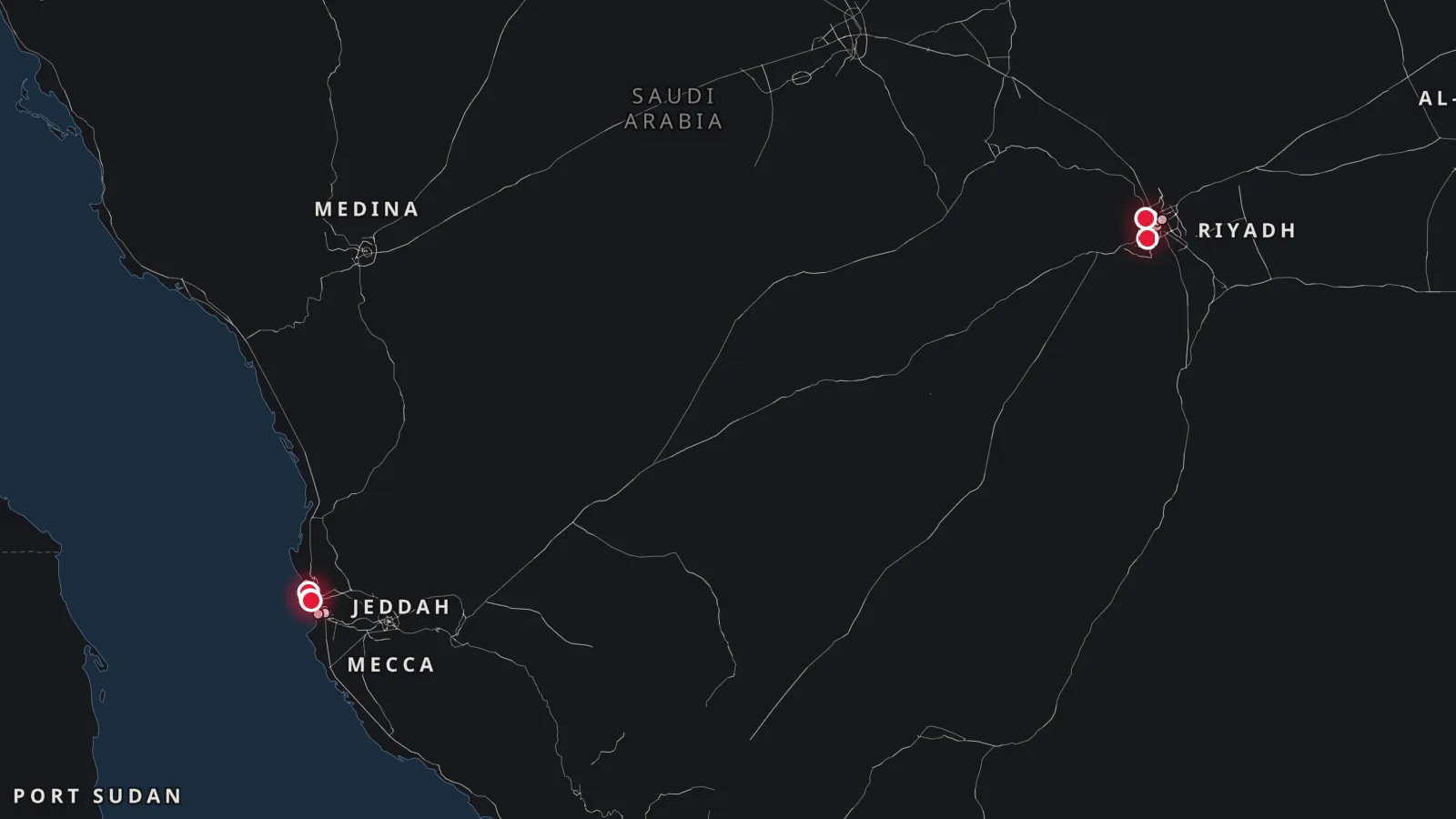
Finance follows ownership, so it helps to start with the rules. A new law on non-Saudi real estate ownership was approved in 2025 and takes effect in 2026. It allows foreign individuals and companies to own property within designated zones, with zones set for Riyadh and Jeddah and special conditions for Makkah and Madinah. The General Authority for Real Estate defines the zones, and detailed rules on eligibility, fees and registration sit in implementing regulations.
Older guidance, some of it still online, says foreigners must be resident to buy or may only own in a few narrowly defined areas. That described the earlier framework. Premium Residency, expanded in 2024, also gives holders the right to own residential property and includes a route for real estate owners. Because the framework is new, our desk confirms the position for every unit before you reserve. Our guide to foreign ownership covers the rules in depth.

Requirements for Foreign Property Ownership in Saudi Arabia
Under the new framework, the core requirements for an overseas buyer are simple to state, though the detail sits in the implementing regulations:
- Location. The property must lie within a zone designated for foreign ownership. Not every district in Riyadh or Jeddah is included.
- Eligibility. You, or your purchasing entity, must meet the current requirements set by the regulations.
- Registration. Ownership must be registered through the official real estate registry, usually at handover for an off-plan unit.
- Costs. Real Estate Transaction Tax of 5% applies to most transfers, alongside registration fees and any charges set for foreign ownership.
For finance, this matters in two ways. A lender, whether in Saudi Arabia or the UK, will want to see that title can be properly registered in your name. And the payment plan you sign commits you before registration happens, so the funding has to be in place first. We confirm eligibility and zone status before any reservation.
Mortgage repayments · Saudi Arabia
Example inputs. Overseas buyers usually put down 30% to 50%; use the rate and term your lender quotes.
- Deposit£146,400
- Interest over 20 years£199,458
- Total repaid£541,058
An illustration, not a mortgage offer. Lenders set the rate, deposit and term for each buyer and property.
Mortgage Possibilities for Non-Resident Foreigners in Saudi Arabia
It is possible in principle and uncommon in practice. Saudi banks assess borrowers using local income, local credit records and residency status. A foreign national living abroad has none of these, so most banks will not lend, and those that consider it tend to do so case by case for clients with substantial assets and an existing banking relationship.
Foreign residents are in a stronger position. A buyer who holds a residence permit, earns a salary in the Kingdom and has a local account may be offered home finance on similar terms to Saudi borrowers, subject to the bank's own criteria. Premium Residency holders may be assessed more like residents, since their status is long term, but this varies by bank. Terms, deposit levels and maximum ages vary by lender and change over time, so our desk confirms current options rather than quoting general figures.
The new law on non-Saudi real estate ownership, which takes effect in 2026, may widen the lending market over time as banks gain confidence in foreign title within the designated zones. We would not plan a purchase around that possibility today.
Islamic finance structures. Home finance in Saudi Arabia is overwhelmingly Sharia-compliant. Instead of lending money at interest, the bank buys or co-owns the property and earns a profit through the structure. The two most common forms are:
- Murabaha. The bank buys the property and sells it to you at a higher, agreed price, paid in instalments. The total cost is fixed at the start.
- Ijarah. The bank owns the property and leases it to you. Your payments cover rent plus a share of the purchase price, and ownership passes to you at the end of the term.
The economic cost is broadly comparable to a conventional mortgage, but the paperwork, ownership arrangements during the term and early settlement terms differ. If you are a resident considering local finance, we introduce you to banks and advisers who can explain each product in full.

Questions on this guide? Ask our Saudi Arabia team.
Ownership, costs and what is for sale, on WhatsApp or by phone.
Alternative Financing Options
For most overseas buyers, the alternatives are the main route rather than a fallback. The stock we offer in Riyadh and Jeddah is mostly new-build branded residences sold off-plan, and that shapes the finance. Rather than paying the full price on day one, buyers typically pay a reservation deposit, then a series of instalments during construction, with a balance due at handover. For many clients, the staged structure means they can fund the purchase from savings and income over two or three years without borrowing at all.
Developer payment plans. For non-residents, the developer payment plan is usually the most important financing tool. A typical structure involves a deposit to secure the unit, instalments linked to dates or construction milestones, and a final payment on completion. Some developers offer a portion payable after handover. The exact schedule varies by project and is set out in the sale contract.
Off-plan sales in Saudi Arabia are regulated under the Wafi programme. Approved projects must hold the relevant licence and pay buyer money into a project escrow account, with funds released to the developer as an independent consultant certifies progress. That link between payments and construction is the main protection for an overseas buyer, and we confirm a project's Wafi status and escrow details before recommending it.
- Check whether instalments follow fixed dates or certified construction stages.
- Confirm the account the payments go to is the project's escrow account.
- Read the terms for late payment by you and late delivery by the developer.
- Understand what is due at handover, including RETT, registration costs and the first service charge.
Raising funds in the UK. Where borrowing is needed, it is usually raised in the UK against existing assets, because UK lenders understand a UK borrower's income and property. The common routes are remortgaging or releasing equity from a UK property, a secured loan against a portfolio, or using savings and investments. Each has its own costs, tax implications and lender rules, and some lenders will want to know the purpose of the funds.
Borrowing at home and buying abroad creates a currency mismatch. Your debt is in sterling, while the property is priced in Saudi riyals, which are pegged to the US dollar. If sterling weakens against the dollar during an off-plan payment schedule, each instalment costs more. If you later sell, the proceeds arrive in riyals. We recommend speaking to a UK mortgage broker and a tax adviser before committing, and we can introduce both.
Cash and joint purchases. Paying from savings is the simplest route and removes borrowing risk, though it ties up capital. Buying jointly with a family member or business partner can spread the commitment; if you do, agree ownership shares and exit terms in writing and take advice on structure before you reserve. Be cautious with private or unregulated lenders, whose rates are usually higher and terms less clear. You can browse current projects and their payment structures on our Saudi Arabia off-plan property page.
Step-by-Step Guide to Purchasing Property from Overseas
Funding fits into the purchase at specific points. A typical sequence for an overseas buyer is:
- Set your brief and budget, including all costs and a margin for currency movement.
- Shortlist stock in designated zones and check each developer's Wafi licence and escrow arrangements.
- Confirm the ownership position for the unit and for you, or your purchasing entity.
- Agree how each stage of the payment plan will be funded, and arrange any UK borrowing before you commit.
- Reserve the unit and pay the deposit.
- Have an independent lawyer review the sale contract, then sign and pay instalments into the project escrow account.
- At handover, inspect the unit, settle the balance and transaction costs, and register ownership.
- Set up service charges, utilities and letting or management, and consider Premium Residency if it forms part of your plan.
Much of this can be done from the UK, with documents signed electronically or through a power of attorney. For the full process, read our step-by-step buying guide.
Tips for a Successful Transaction
Finance is about more than the purchase price. A complete budget for a Saudi purchase includes the following.
- Real Estate Transaction Tax. RETT of 5% applies to most property transfers. The seller is liable by default, but contracts can allocate it differently, so check the sale agreement.
- Registration and legal costs. Title registration, any notarisation and independent legal review.
- Service charges. Branded residences carry higher charges than standard buildings, reflecting the services provided.
- Furnishing and letting set-up. If you plan to let the unit, budget for furnishing and agency or operator fees.
- Currency costs. The spread on each transfer adds up over a payment schedule. A specialist currency provider is often cheaper than a high-street bank, and forward contracts can fix a rate for future instalments.
Funds should move through regulated banking channels, with a clear paper trail. Saudi banks and developers carry out source-of-funds checks, as UK banks do, so keep statements and documents that show where the money came from.
Before we put a reservation in place, we also work through a short checklist with each client: the ownership position for the unit, how each payment stage will be funded, the developer's Wafi licence and escrow, the full purchase and annual holding costs, UK tax advice on rental income and any future gain, and whether the property could support a Premium Residency application, and when.
Keep this guide: get it as a PDF.
Challenges and Opportunities
The challenges for an overseas buyer are clear. Saudi mortgages are hard to obtain without residency, currency movements between sterling and the dollar-pegged riyal affect every instalment, and the ownership framework is new, so implementing rules may be refined. Off-plan purchases also carry delivery risk, which Wafi escrow reduces but does not remove.
The opportunities are just as real. Staged payment plans let many buyers fund a purchase without borrowing at all, the new law gives a clearer legal footing within designated zones, and Premium Residency gives property owners a route to long-term residence. Over time, banks may become more willing to lend against foreign-owned title, but that is a possibility, not something to plan around.
Recommendations
Settle your funding before you reserve. A reservation commits you to a payment schedule, and a developer will not usually pause it while you arrange funds. We ask every client to show how each stage will be paid, and we build in a margin for currency movement and for costs that fall due at handover. That discipline avoids the most common problem we see with overseas buyers: a sound purchase put under strain by finance arranged too late.
For the legal background, read our guide to foreign ownership. To discuss your own funding, book a consultation with our Saudi desk.
Frequently asked questions
Can I get a mortgage in Saudi Arabia as a UK resident?
It is uncommon. Saudi banks lend mainly to Saudi nationals and foreign residents with local income, and only a few consider non-residents on a case-by-case basis. Most UK buyers use cash, a developer payment plan or borrowing raised in the UK.
How do off-plan payment plans work in Saudi Arabia?
You pay a deposit to secure the unit, then instalments during construction, with a balance due at handover. Under the Wafi programme, payments on approved projects go into a project escrow account and are released as construction is certified. Each schedule is set out in the sale contract.
What is Islamic home finance?
Saudi home finance is usually Sharia-compliant, so the bank earns a profit through the structure rather than charging interest. Murabaha involves the bank buying the property and selling it to you at an agreed higher price in instalments. Ijarah is a lease that ends with ownership passing to you.
Who pays the 5% Real Estate Transaction Tax?
RETT is the seller's liability by default, but the sale contract can allocate it differently. On new-build purchases the treatment varies between developers. We check the clause in every agreement so you know the true cost before you commit.
How do I manage currency risk on a Saudi purchase?
The riyal is pegged to the US dollar, so a UK buyer is exposed to sterling against the dollar. A specialist currency provider can reduce transfer costs, and a forward contract can fix the rate for future instalments. Keep a margin in your budget for movement over the payment schedule.
Part of our guide to investing in Saudi Arabia.