














The Saudi Arabia guide01 of 05
Buying Property in Saudi Arabia from the UK: A Guide for Investors.
A step-by-step guide for UK investors buying new-build and off-plan property in Riyadh and Jeddah: eligibility, process, costs, tax and risk.
Buying property in Saudi Arabia from the UK has become a practical option. A new law on non-Saudi ownership takes effect in 2026, off-plan sales are regulated, and a growing supply of branded residences in Riyadh and Jeddah is aimed at international buyers. The process is still unfamiliar to most UK investors, and the framework is new. This guide sets out who can buy, how the purchase works step by step, how it is funded, what it costs and the risks to manage.
Why Saudi Arabia? The Investment Case for UK Buyers
The interest comes from the scale of change. Vision 2030, the national plan launched in 2016, is reshaping the economy, with large investment in housing, transport, tourism and culture. Riyadh is drawing regional headquarters of international companies, has opened its Metro and will host Expo 2030. Jeddah is investing in its waterfront and historic core. The Kingdom will host the FIFA World Cup in 2034.
For a UK investor, Saudi Arabia offers exposure to a large, young and urbanising economy that has only recently opened to foreign buyers. It also comes with policy, supply and currency risks, covered below. We do not promise returns, and any income or growth assumptions should be tested against current data, which our desk provides for each property. Our property market outlook covers the wider picture.
The opportunity sits mainly in new-build branded residences in Riyadh and Jeddah, sold off-plan with staged payments. For many UK buyers, that structure, combined with a clearer legal framework from 2026, is what turns interest into a workable plan.

Legal and Regulatory Considerations for UK Investors
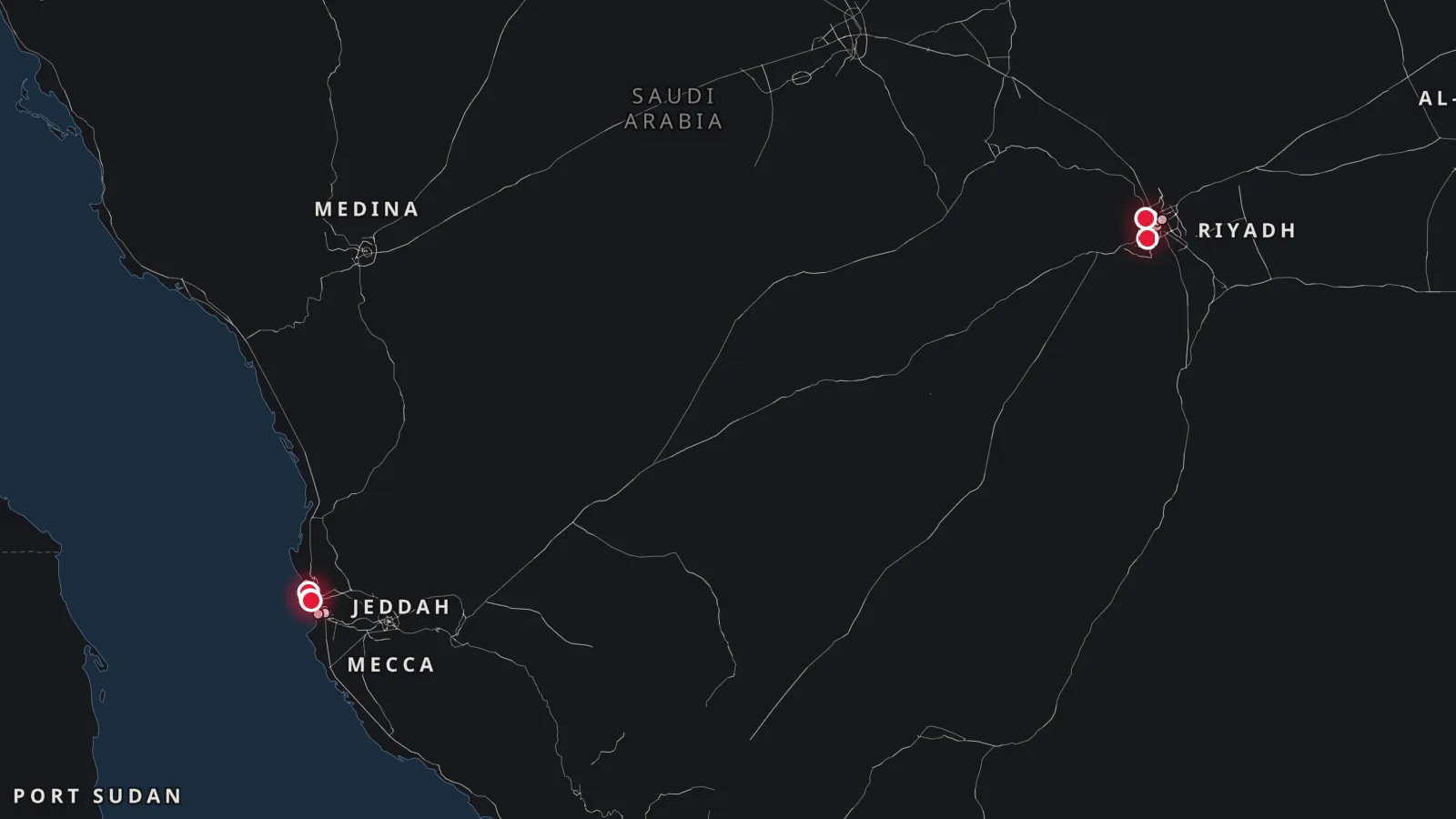
Under the law on non-Saudi real estate ownership, approved in 2025 and in force from 2026, foreign individuals and companies can own property within designated zones. Riyadh and Jeddah both have designated zones, mapped by the General Authority for Real Estate. Makkah and Madinah are subject to special conditions, and we do not sell property there.
Older guidance often states that a foreign buyer must hold a Saudi residence permit, or Iqama, to own property. That reflected the earlier framework. The new law widens access, but eligibility and procedure are set out in implementing regulations that may be refined. Our desk confirms the position for each buyer and unit. Our guide to foreign ownership explains the rules in more depth.
You can buy in your own name, jointly, or, depending on the regulations and your tax position, through a company. Take UK tax and legal advice on structure before you reserve, because changing it later is costly.
Two other pieces of regulation matter. Off-plan sales are licensed under the Wafi programme, which requires escrow and releases funds against certified progress. And Real Estate Transaction Tax of 5% applies to most transfers. Premium Residency, which includes a route for real estate owners, is separate from ownership itself but is often part of a buyer's plan.
Currency · Saudi Arabia
- Euro€579,242
1 GBP = 1.19 EUR
- US dollarUS$649,721
1 GBP = 1.33 USD
- UAE dirhamAED 2,386,115
1 GBP = 4.89 AED
- Saudi riyalSAR 2,436,469
1 GBP = 4.99 SAR
- Omani rialOMR 249,817
1 GBP = 0.5119 OMR
- Thai bahtTHB 21,816,068
1 GBP = 44.71 THB
- Malaysian ringgitMYR 2,653,367
1 GBP = 5.44 MYR
Mid-market rates from ExchangeRate-API, updated daily; last update 20 October 2026. Banks and transfer services add a margin, and staged off-plan payments are made at the rate on each date.
Steps to Buy Property in Saudi Arabia from the UK
- Set your brief. Decide what the property is for: a rental asset, a base for business trips, a second home or a route to residency. Agree a budget that includes all costs and a margin for currency movement.
- Shortlist and check. We shortlist stock in designated zones and confirm the developer's track record and Wafi licence for off-plan projects.
- Confirm eligibility. Our desk confirms that the unit is in a designated zone and that you, or your purchasing entity, meet the current requirements.
- Reserve. You sign a reservation form and pay a reservation deposit to secure the unit.
- Legal review. An independent lawyer reviews the sale and purchase agreement, including payment terms, delay provisions, specification, service charges and any rental or brand arrangements.
- Sign and pay. You sign the agreement and pay instalments into the project escrow account as the schedule requires.
- Handover. On completion, you inspect the unit, settle the balance and transaction costs, and ownership is registered on the official real estate registry.
- After purchase. Set up utilities, service charge payments and letting or management, and apply for Premium Residency if it forms part of your plan.
Much of this can be done remotely, with documents signed electronically or through a power of attorney. Many clients still visit before reserving, and we arrange viewings of show apartments and completed buildings by the same developer.
Keep copies of every document: the reservation form, the signed agreement, escrow payment receipts, the handover certificate and the registered title. They support any later sale, a Premium Residency application and your UK tax records. We hold a full file for each client, but your own set is worth having.
Questions on this guide? Ask our Saudi Arabia team.
Ownership, costs and what is for sale, on WhatsApp or by phone.
Financing Options for UK Investors
Most UK buyers do not use a Saudi mortgage. Local banks lend mainly to Saudi nationals and to foreign residents with local income, and non-resident lending is limited and assessed case by case. In practice, purchases are funded through cash, the developer's payment plan, borrowing raised in the UK against existing assets, or a mix of these.
Payment plans and Wafi. Most of the branded stock available to foreign buyers is sold off-plan. Saudi Arabia regulates off-plan sales under the Wafi programme. Each project needs a licence, buyer payments go into an escrow account, and funds are released to the developer as an independent consultant certifies construction progress.
Payment plans usually combine a deposit, instalments during construction and a balance on handover. Some link payments to fixed dates, others to construction milestones. Milestone-linked plans tie your money more closely to progress. Read the contract terms on what happens if the developer is late, and on what happens if you miss a payment.
At handover, a snagging inspection checks the finish against the specification. We arrange this for clients who cannot attend. You can see current projects on our Saudi Arabia off-plan property page.
Home finance for residents is usually Sharia-compliant, through structures such as Murabaha and Ijarah. If you borrow in the UK, remember the riyal is pegged to the US dollar, so movements in sterling change the cost of each instalment.

Tax Implications for UK Investors
Tax arises in both countries, and the interaction between them affects your overall return. The main points are below. Take advice on your own position before you reserve.
In Saudi Arabia
- Real Estate Transaction Tax of 5% on most property transfers. The seller is liable by default, but contracts can allocate it differently, so check the clause.
- Registration fees, and any fees set under the implementing regulations for foreign ownership. Our desk confirms these for each purchase.
- Legal fees for an independent review of the contract.
- Service charges, which are higher in branded residences, plus utilities and letting or management fees.
Saudi Arabia does not levy personal income tax on salaries. How rental income from your unit is treated locally depends on your circumstances and should be confirmed with an adviser.
In the UK
If you are UK resident, you are generally taxed on worldwide income and gains. Rental income from a Saudi property should be reported to HMRC, and a gain on sale may be subject to UK Capital Gains Tax. The UK and Saudi Arabia have a double taxation agreement, which can provide relief where tax is paid in both countries. Inheritance tax and the choice between personal and company ownership also need advice. We work alongside your UK tax adviser and can introduce one with overseas property experience.

Keep this guide: get it as a PDF.
Risks and Challenges for UK Investors
Every overseas purchase carries risk. In Saudi Arabia the main ones relate to a new legal framework, off-plan delivery, supply, liquidity and currency.
Potential Risks
- Regulatory change. The ownership framework is new, and implementing rules on zones, eligibility and fees may be refined.
- Delivery risk. Off-plan projects can be delayed, and specifications can change within the contract's limits.
- Supply and rent policy. A large pipeline of new homes and measures such as limits on rent increases in Riyadh can affect income.
- Liquidity. The resale market for foreign-owned branded units is still developing.
- Currency. The riyal is pegged to the US dollar, so your sterling exposure is to the dollar.
- Economic exposure. State spending remains linked to oil revenues, even as the economy diversifies.
Mitigation Strategies
- Confirm the rules for each purchase and keep documents that show you bought in line with them.
- Check Wafi status, escrow arrangements and developer track record, and read the delay terms.
- Choose locations with lasting demand from schools, employers, transport or the waterfront.
- Plan to hold for the medium to long term.
- Use a specialist currency provider and consider forward contracts for instalments.
- Commission an independent legal review and build a full cost budget before you reserve.
Managing these risks is mostly a matter of diligence: the right location, a regulated project, an independent legal review, a full cost budget and a realistic time horizon. Our finance guide covers funding options, including payment plans and UK borrowing.
Next Steps
Start with a conversation about what you want the property to do for you. From there we shortlist suitable stock in Riyadh and Jeddah, confirm the ownership position, and set out the full costs before you commit to anything. Book a consultation with our Saudi desk, or browse current homes on our Saudi Arabia overview.
Frequently asked questions
Can I buy property in Saudi Arabia from the UK?
Yes. A law on non-Saudi real estate ownership, in force from 2026, allows foreign individuals and companies to own property within designated zones, including in Riyadh and Jeddah. Our desk confirms eligibility and the zone status of each unit before you reserve.
Do I need an Iqama to buy?
Under the earlier rules, foreign ownership was largely tied to residence. The new law widens access to non-residents within designated zones, subject to implementing regulations. We confirm the current requirements for your circumstances.
How long does an off-plan purchase take?
Reservation, legal review and contract signing usually take a few weeks. Construction then runs to the developer's schedule, often two to four years for a new tower. Ownership is registered at handover, once the balance and costs are paid.
What does buying cost on top of the price?
Budget for the 5% Real Estate Transaction Tax where the contract places it on the buyer, registration fees, independent legal fees and currency costs. After completion, allow for service charges, utilities and any letting or management fees. We set out a full cost schedule for each property.
Will I pay UK tax on a Saudi property?
If you are UK resident, rental income and any gain on sale are generally taxable in the UK. The UK and Saudi Arabia have a double taxation agreement that can provide relief where tax is paid in both. Take advice from a UK tax adviser before you buy.
Part of our guide to investing in Saudi Arabia.