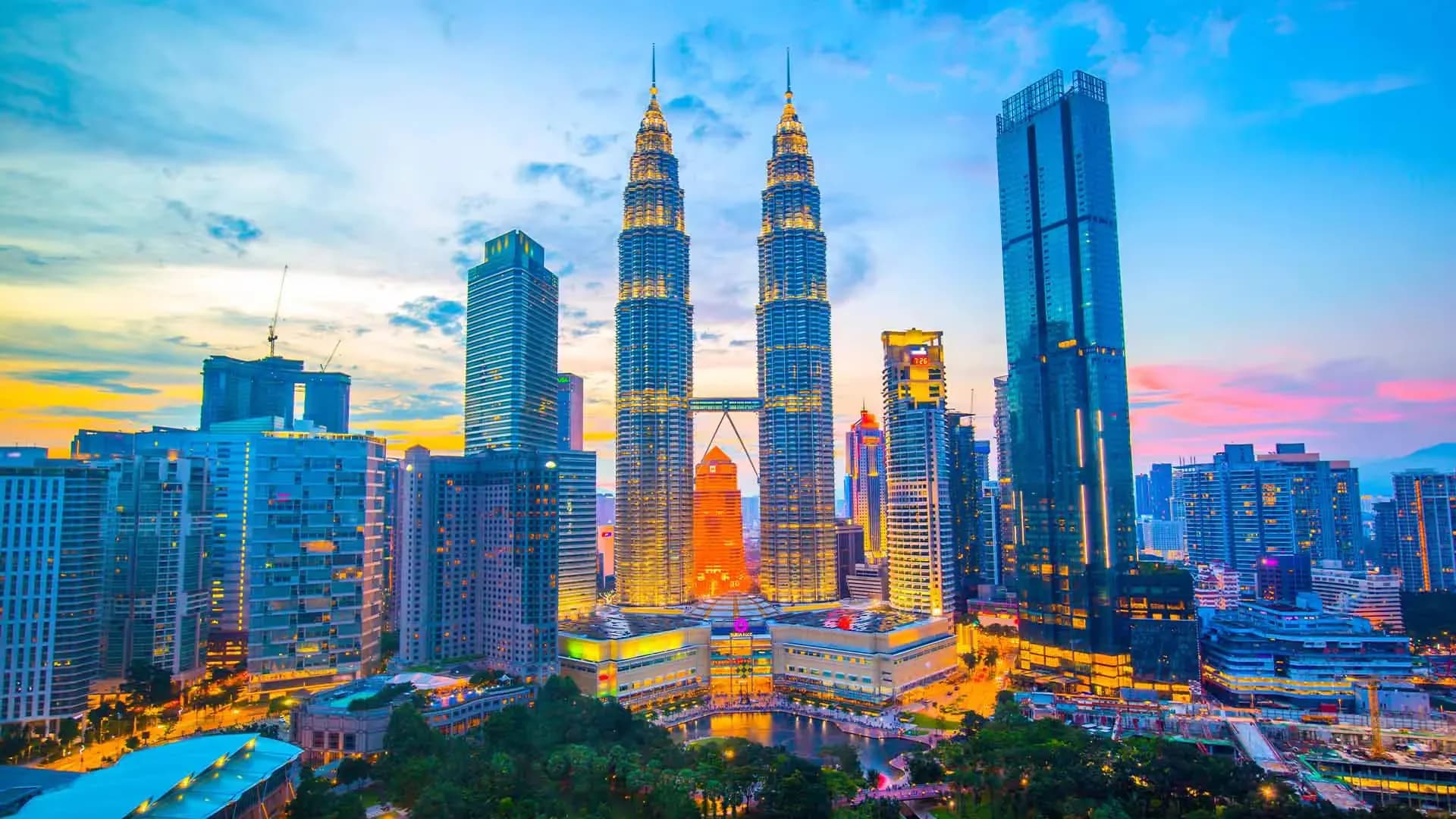
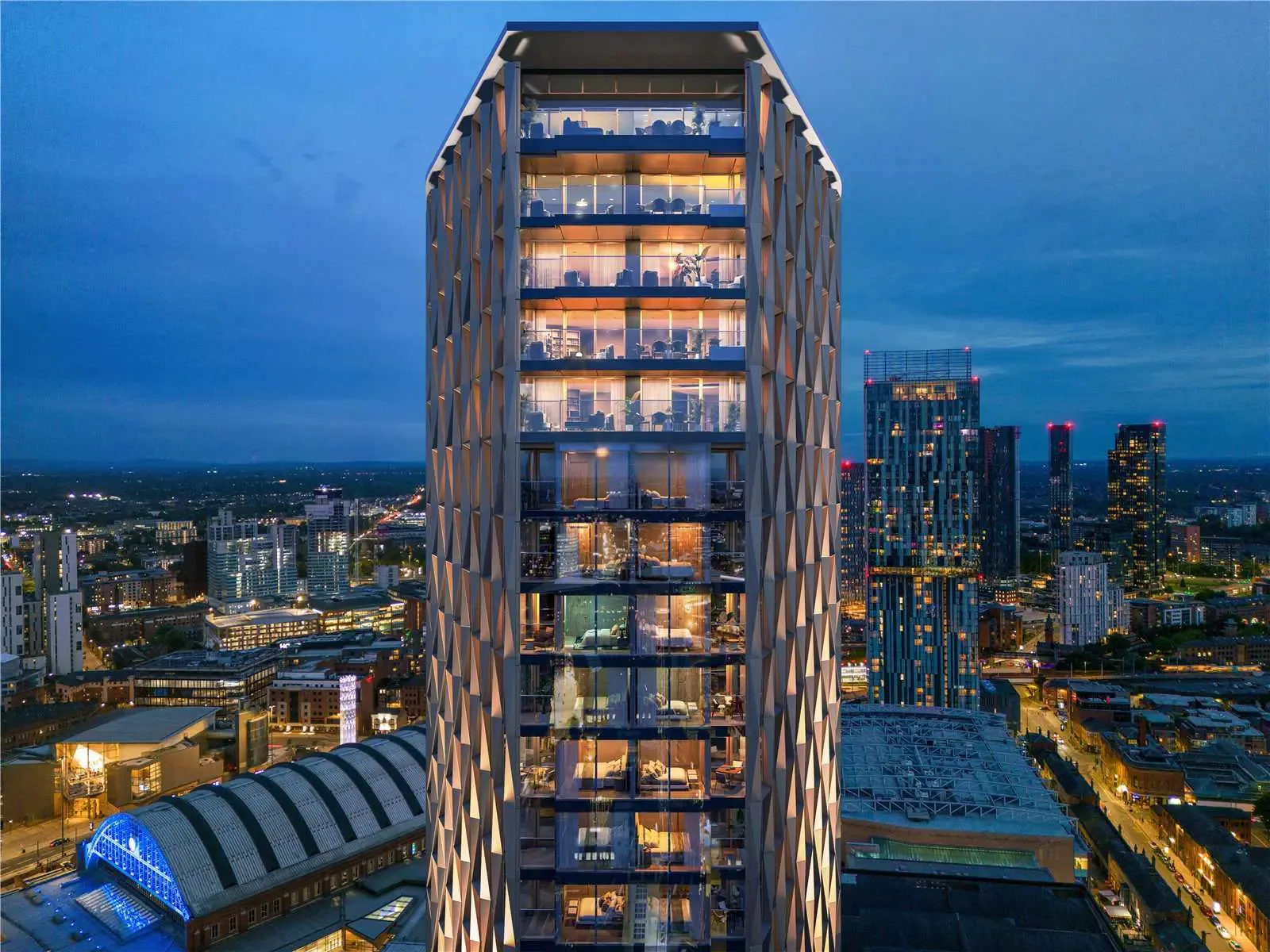
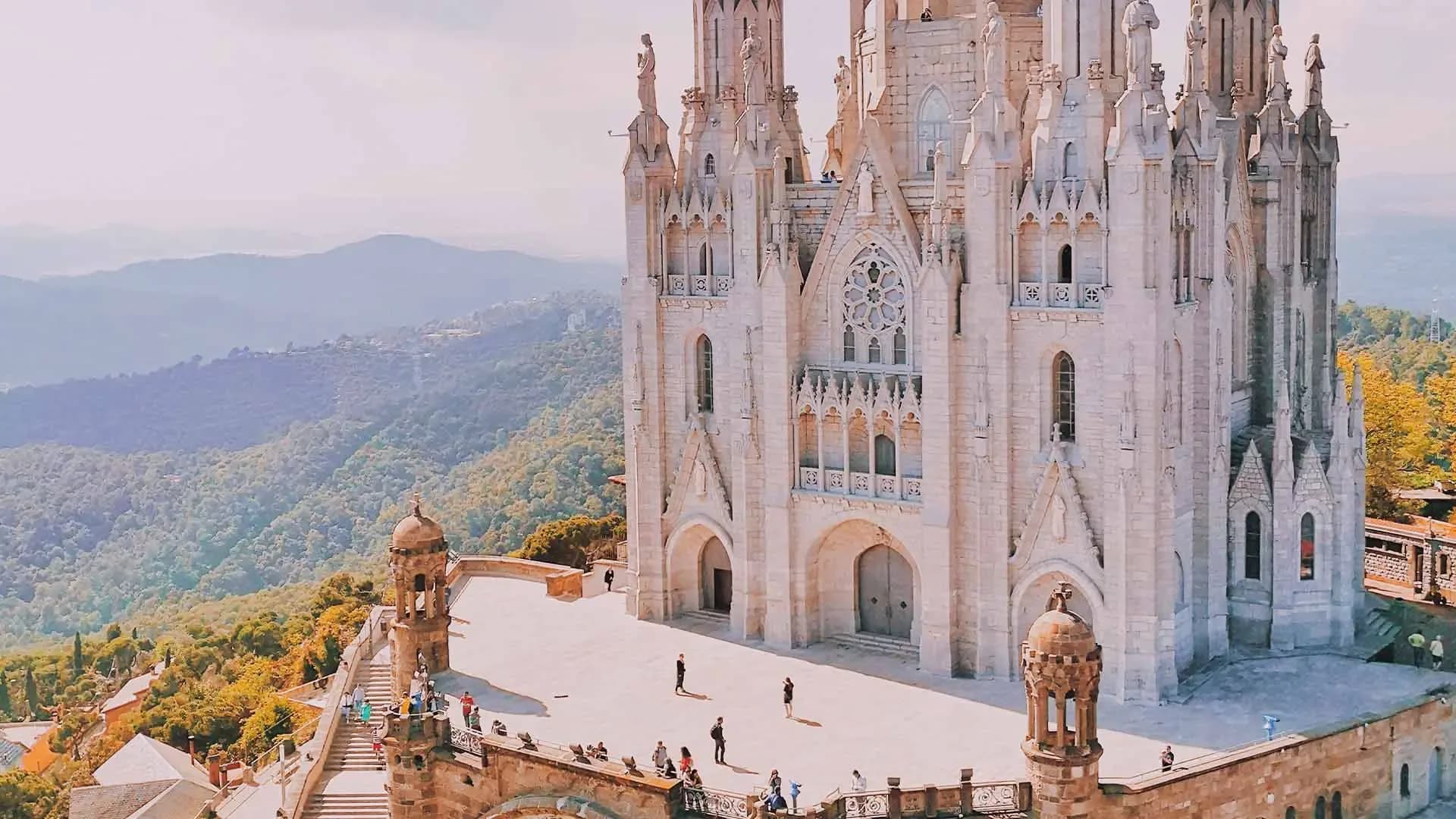
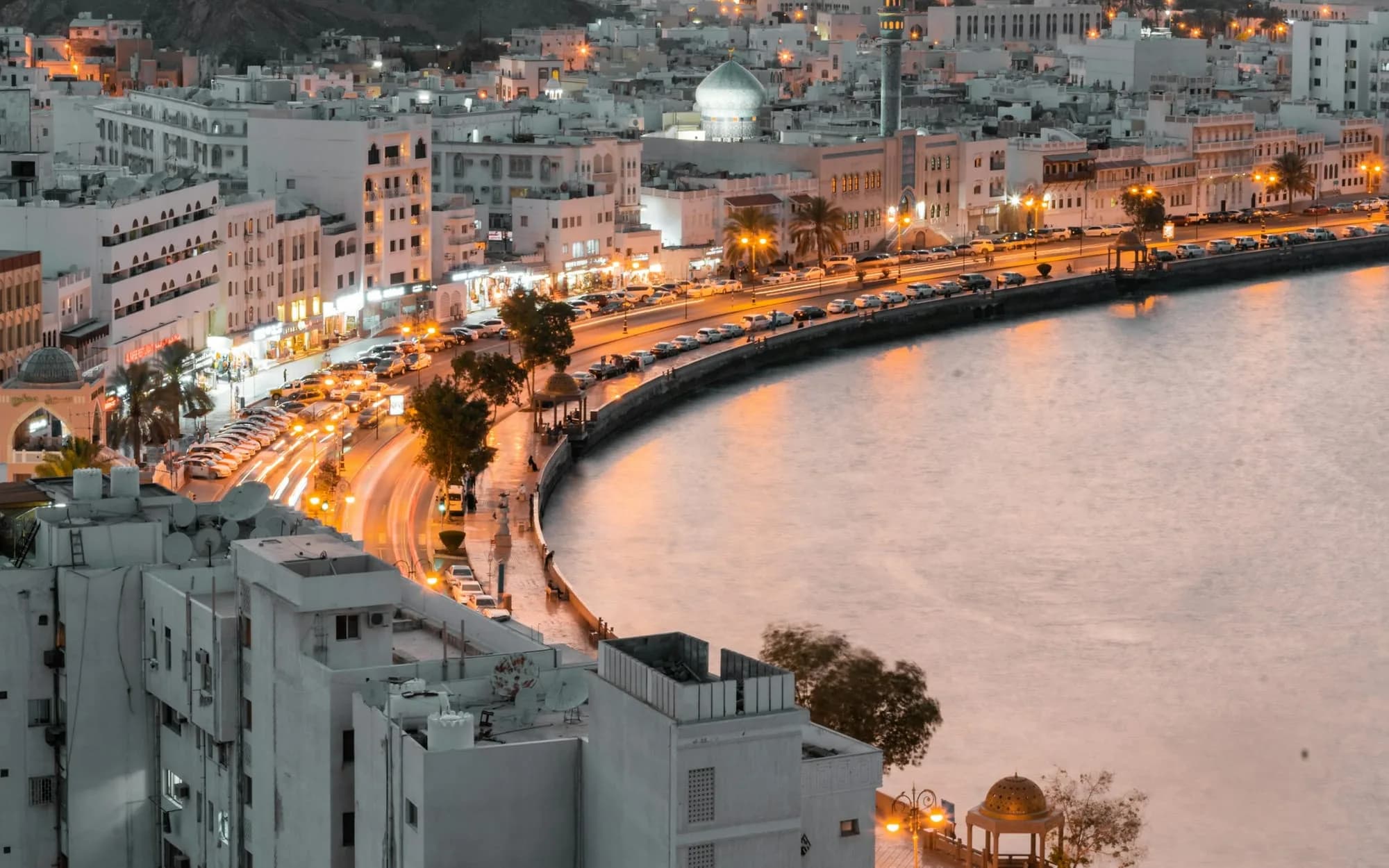

The Saudi Arabia guide04 of 05
Saudi Arabia Lifestyle Guide for Expats.
What everyday life in Riyadh and Jeddah is like for expatriates and part-time residents: neighbourhoods, schools, healthcare, culture and customs.
Saudi Arabia has changed quickly. Cinemas reopened in 2018, women have driven since the same year, tourist visas arrived in 2019, and concerts, sport and dining now fill the calendar in the main cities. For someone buying a home to live in, or a base for regular visits, the question is what day-to-day life is actually like. This guide covers Riyadh and Jeddah, schools and healthcare, culture and weekends, and the customs worth knowing before you arrive.
Life as an expat in Saudi Arabia
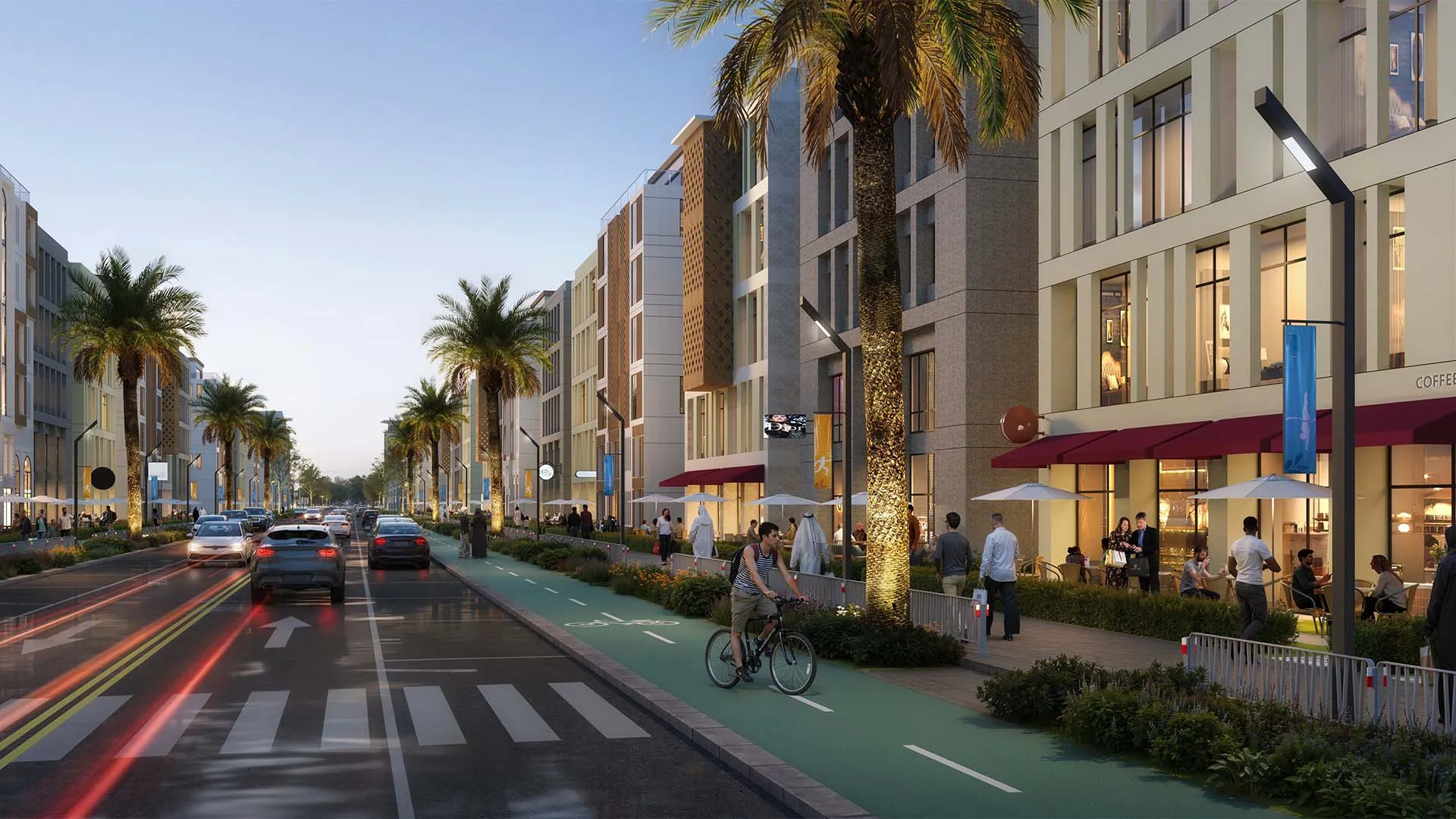
Life in the Kingdom is built around the car, the working week and the climate. The weekend runs Friday and Saturday. Summers are long and very hot, so outdoor life shifts to the evenings and to the cooler months from roughly October to April. Shopping malls, restaurants and coffee shops stay busy late into the night, and family life is central to how people socialise.
Saudi Arabia Offers an Unmatched Lifestyle for Expats
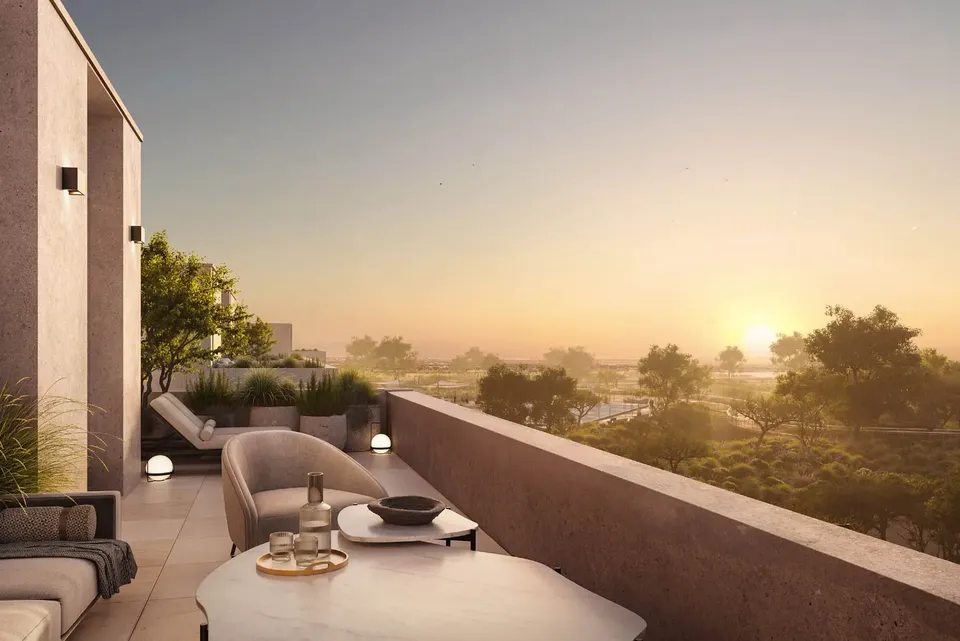
Whether the lifestyle suits you depends on what you want from it. The Kingdom offers modern housing, good schools and healthcare, no personal income tax on salaries, a fast-growing calendar of events and easy access to the Red Sea, the desert and the mountains. It also asks newcomers to adapt to a hot climate and a conservative society. For many people the balance works well, and we suggest visiting before you commit to living there.
From Tradition to Modernity
The pace of social change since 2018 surprises many first-time visitors: entertainment, mixed public spaces, women driving and working in larger numbers, and an events calendar that runs through the cooler months.
The changes are real, but Saudi Arabia remains a conservative country with its own laws and expectations. Alcohol is not generally available, public behaviour is expected to be respectful, and religious observance shapes the rhythm of the day and the year, especially during Ramadan. Heritage is being restored rather than replaced, from Al-Balad in Jeddah to At-Turaif in Diriyah.
Opportunities for Investors and Residents Alike
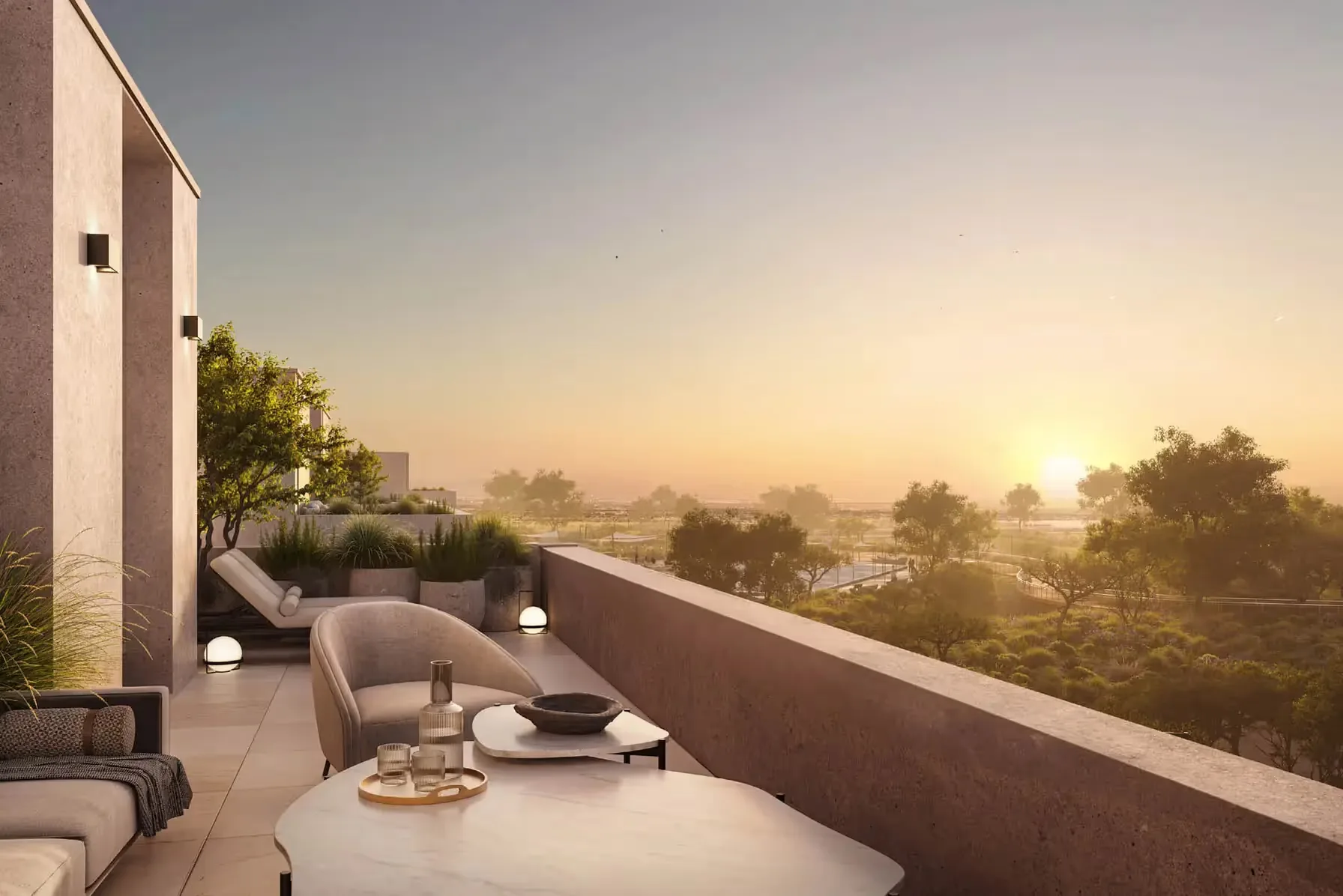
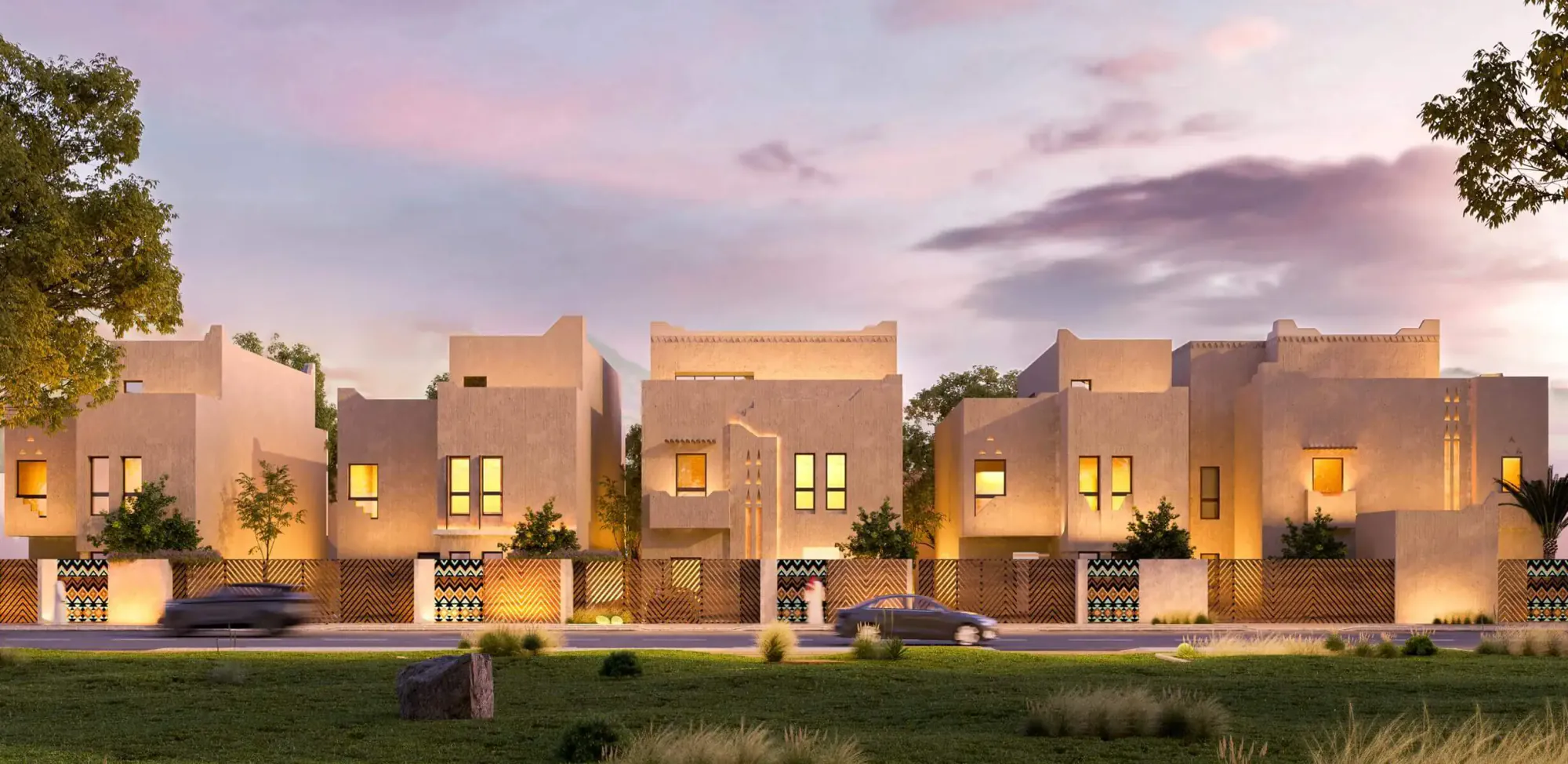
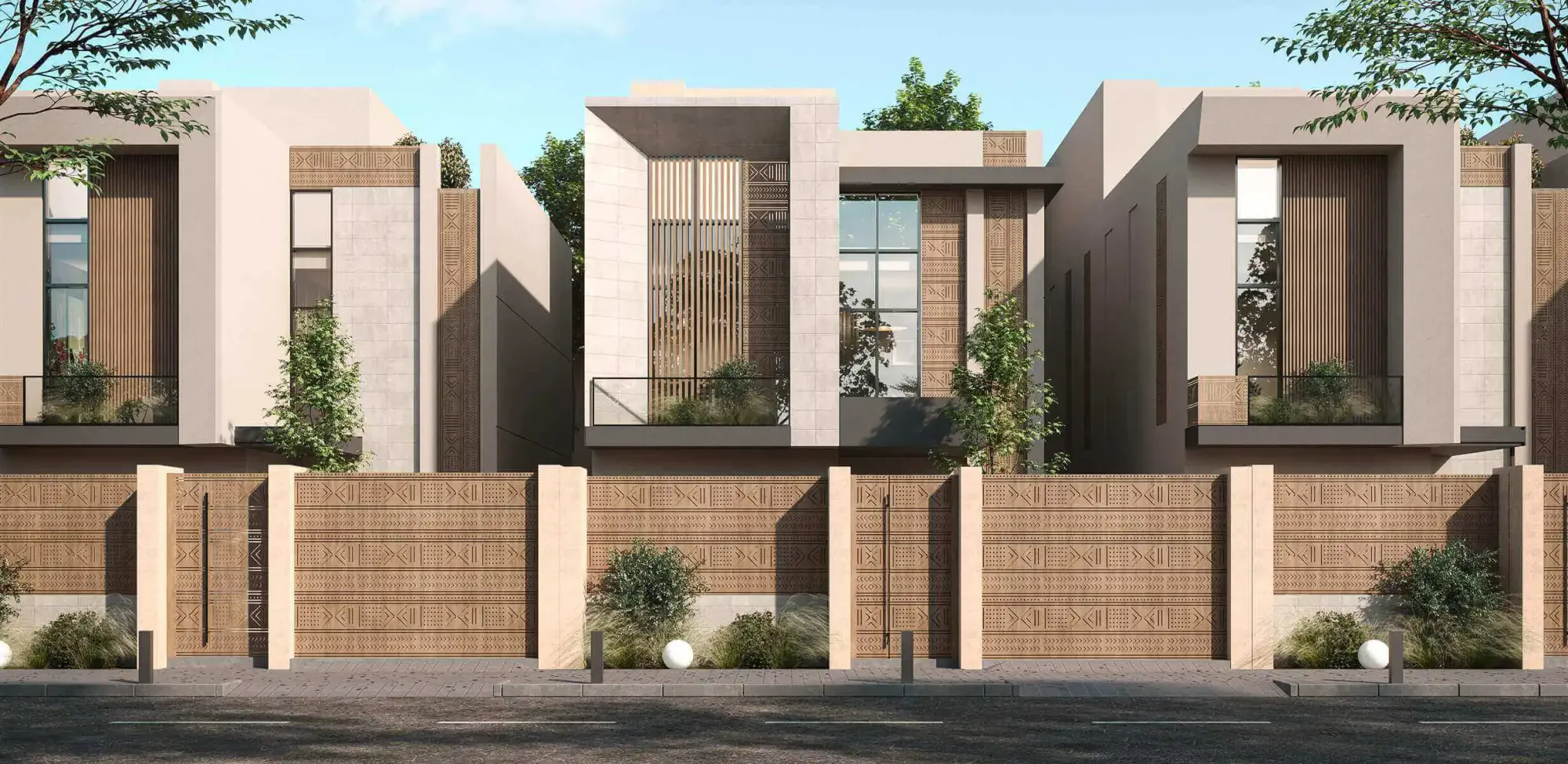
Lifestyle and investment overlap more in Saudi Arabia than in many markets, because the same features that make a district pleasant to live in also make it attractive to tenants: proximity to good schools, business districts, the Metro or the waterfront. The branded residences we offer suit both purposes. Owners get managed buildings with services on site, and when they are away, the operator or a chosen agent can look after the property.
From 2026, a new law on non-Saudi ownership allows foreigners to own property within designated zones in Riyadh and Jeddah, with special conditions for Makkah and Madinah. That makes owning a home you use part of the year a practical option for the first time.
Living in Saudi Arabia
Day to day, life in the main cities is comfortable and well serviced. Expatriates make up a large part of the population, international supermarkets, gyms and clinics are easy to find, and most services are available in English as well as Arabic. The main adjustments are the summer heat, the role of the car and planning around prayer times.
Experience Life in Saudi Arabia
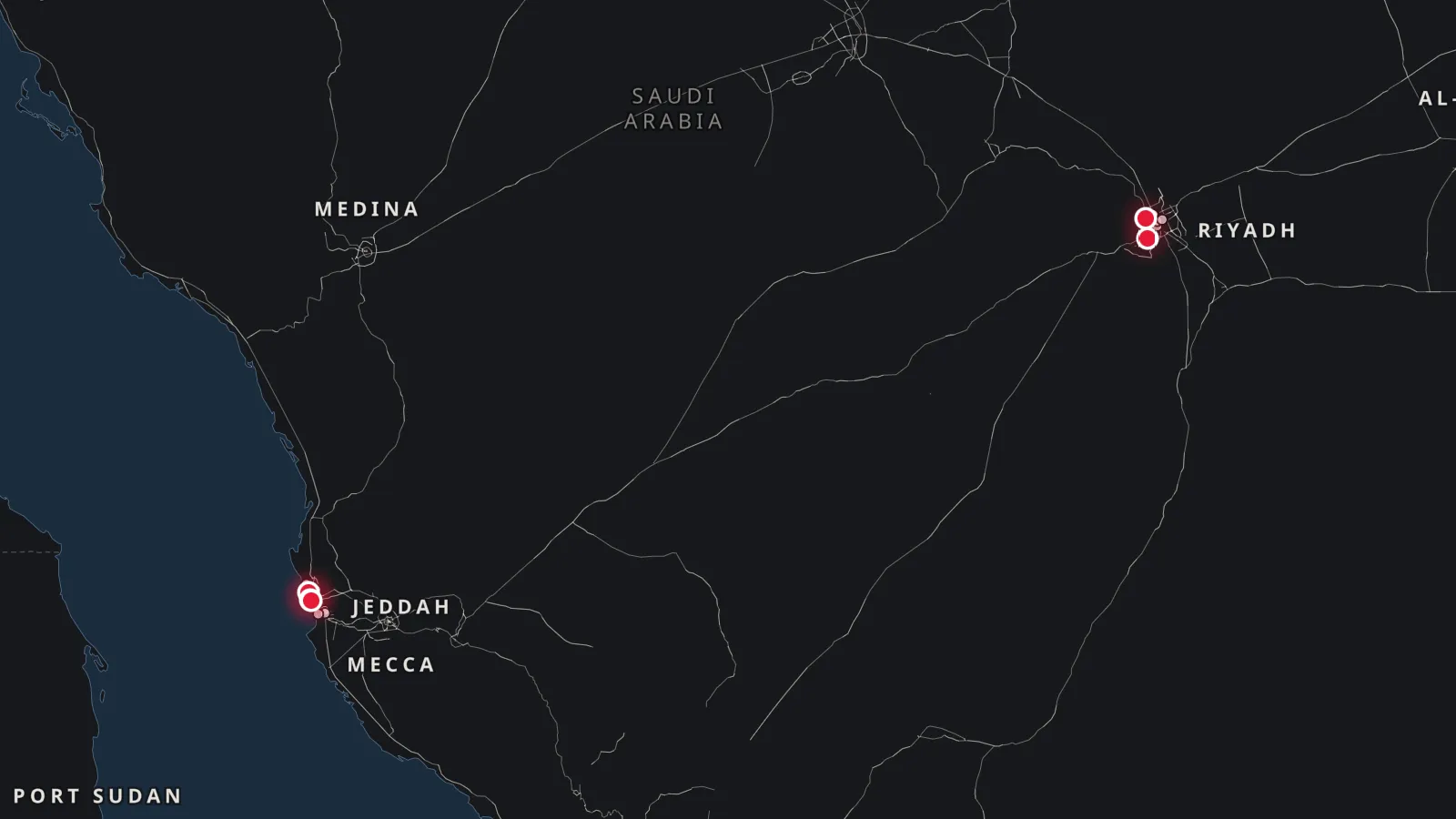
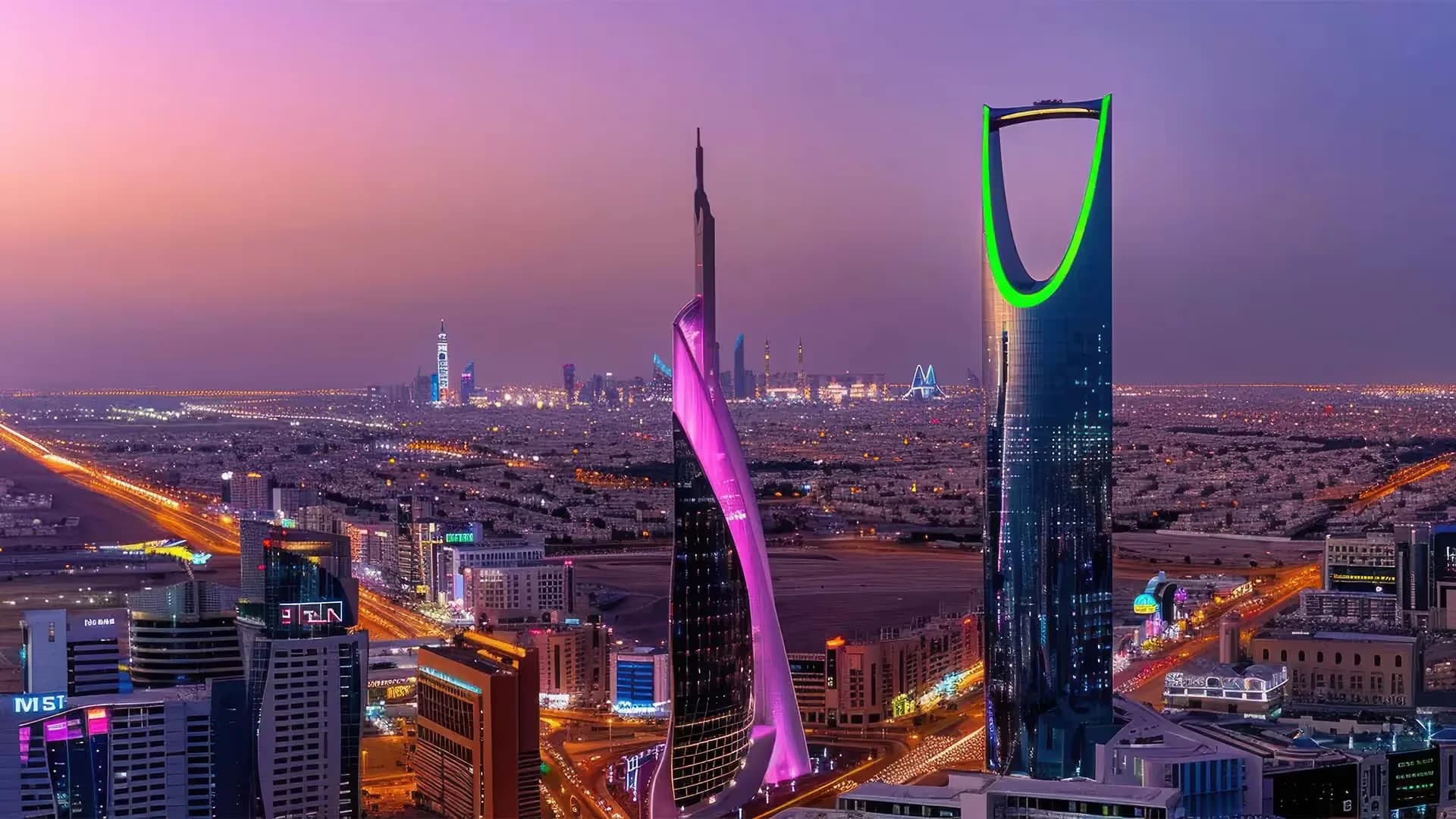
Riyadh and Jeddah offer quite different experiences. Riyadh is the political and business centre, and it feels like a city under construction. Jeddah has a more relaxed, outward-looking character, shaped by centuries as a port and as the gateway for pilgrims bound for Makkah. Many of our clients who want a home they will use for part of the year choose Jeddah for its coastline and its milder pace. Those with business in the capital tend to choose Riyadh.
World-Class Infrastructure and Modern Amenities
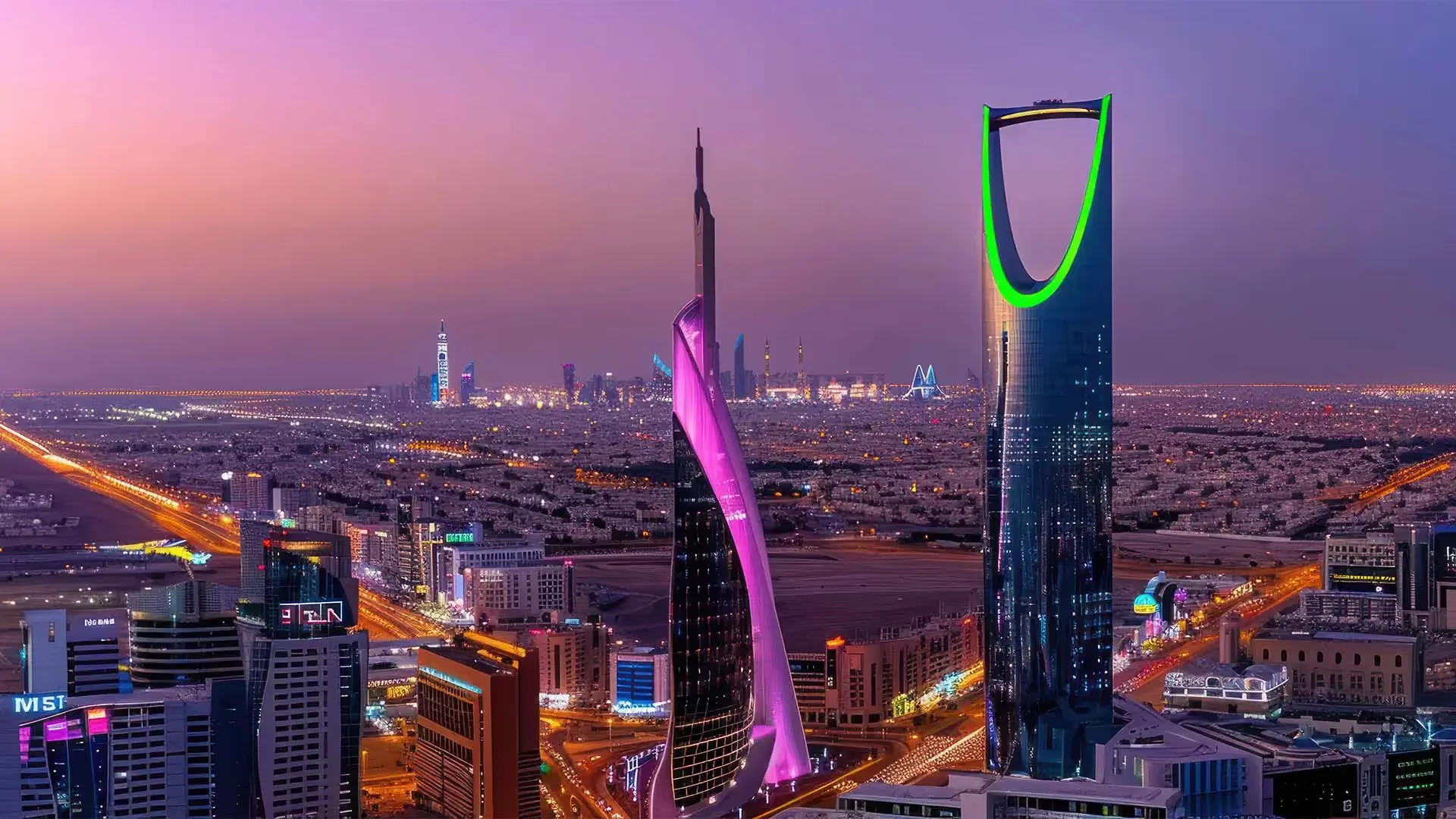
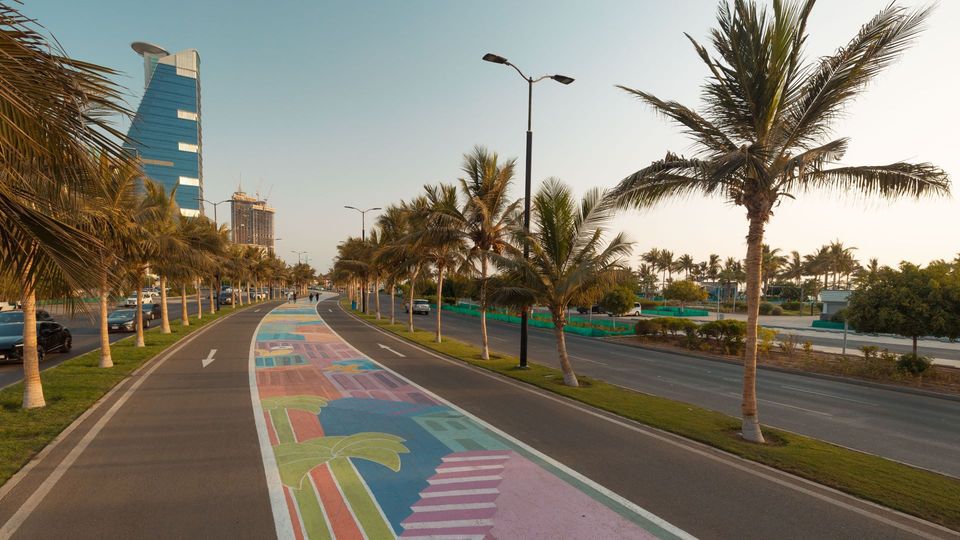
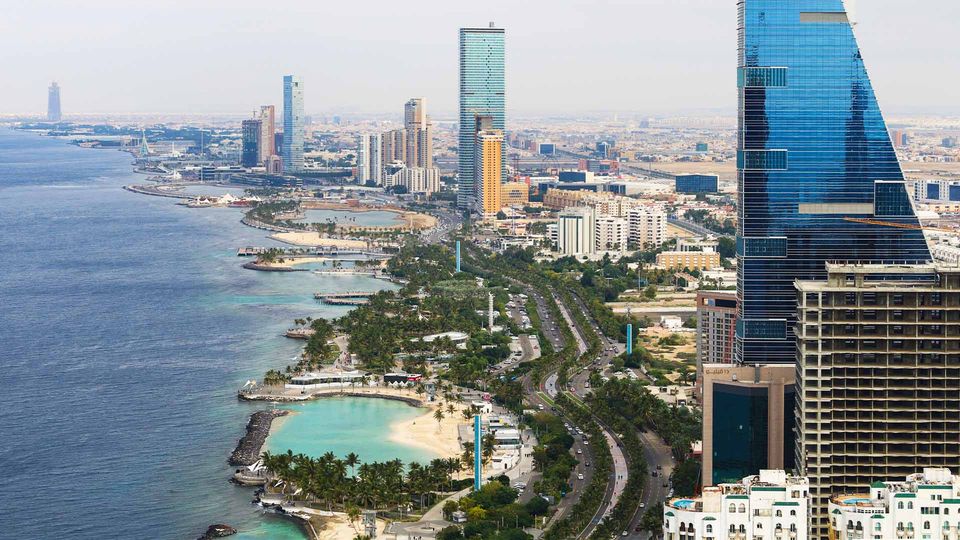
The Riyadh Metro now links major districts, King Salman Park is taking shape as a large green space in the heart of the city, and the King Abdullah Financial District has become a working business quarter with offices, hotels and restaurants. In Jeddah, the expanded King Abdulaziz International Airport strengthens the city's role as an arrival point. Domestic flights are frequent and well priced, which makes it easy to see different parts of the country, and Riyadh and Jeddah are well connected to London and the rest of the Gulf. Most people still drive day to day.
Safe and Secure Environment for Families
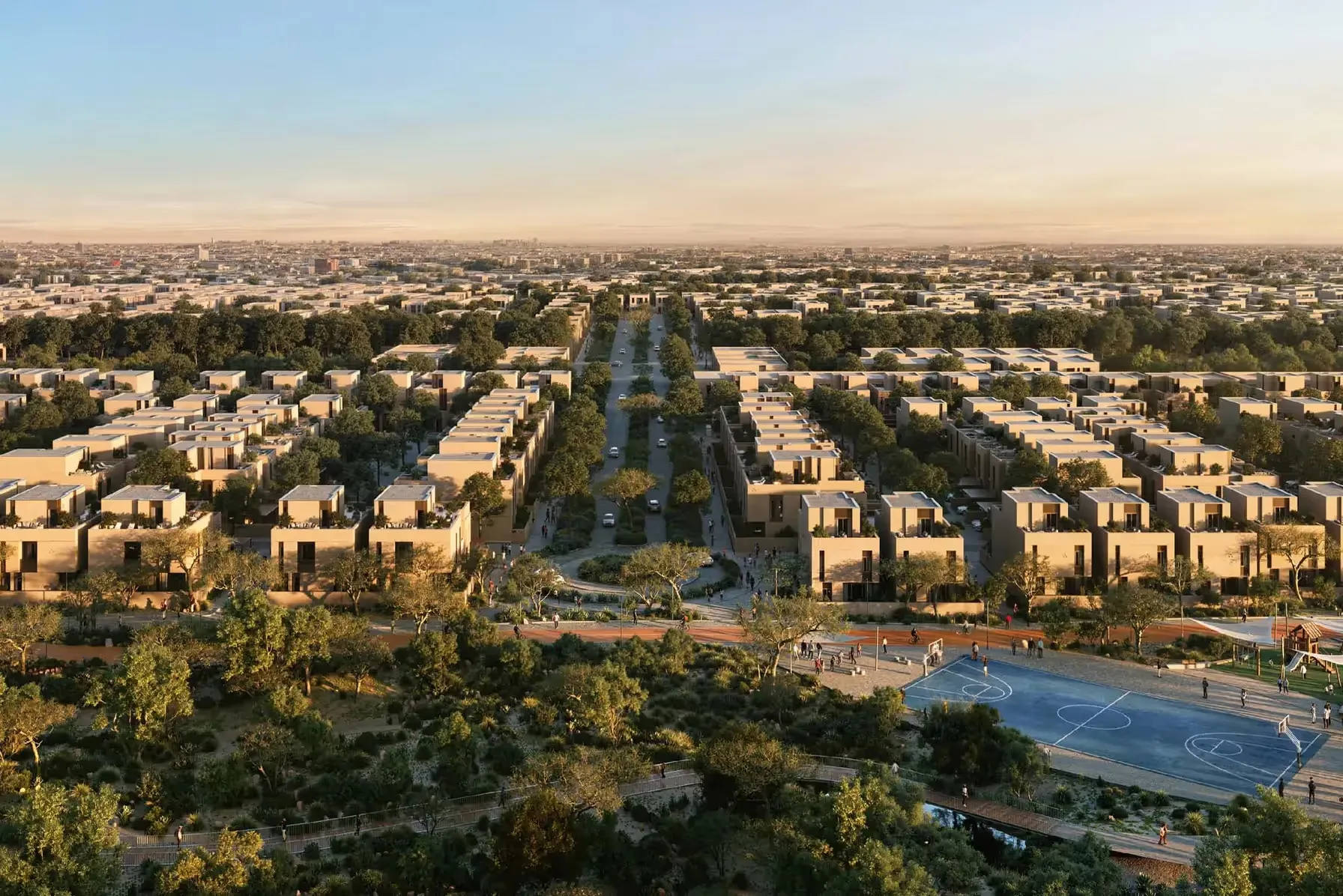
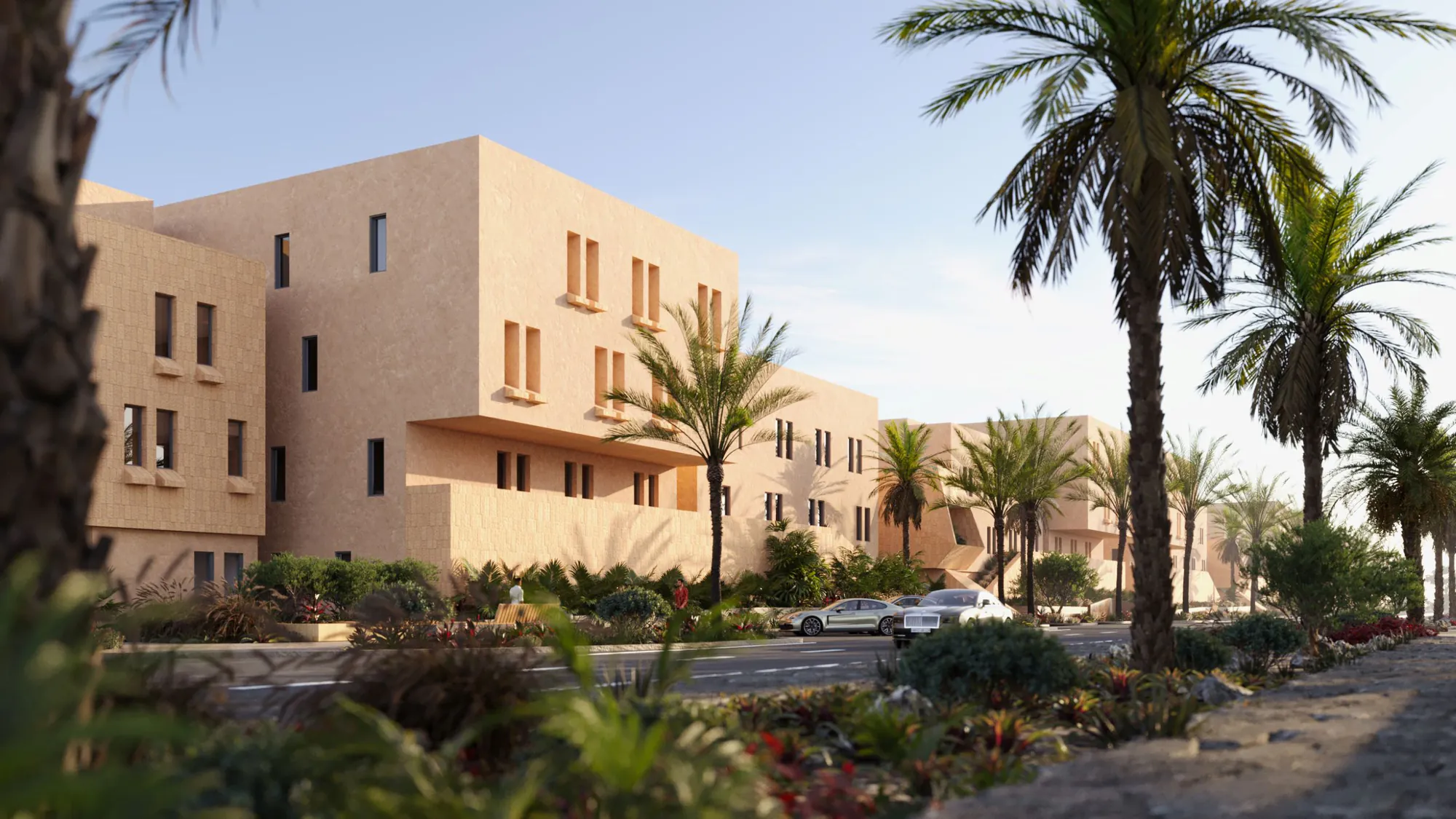
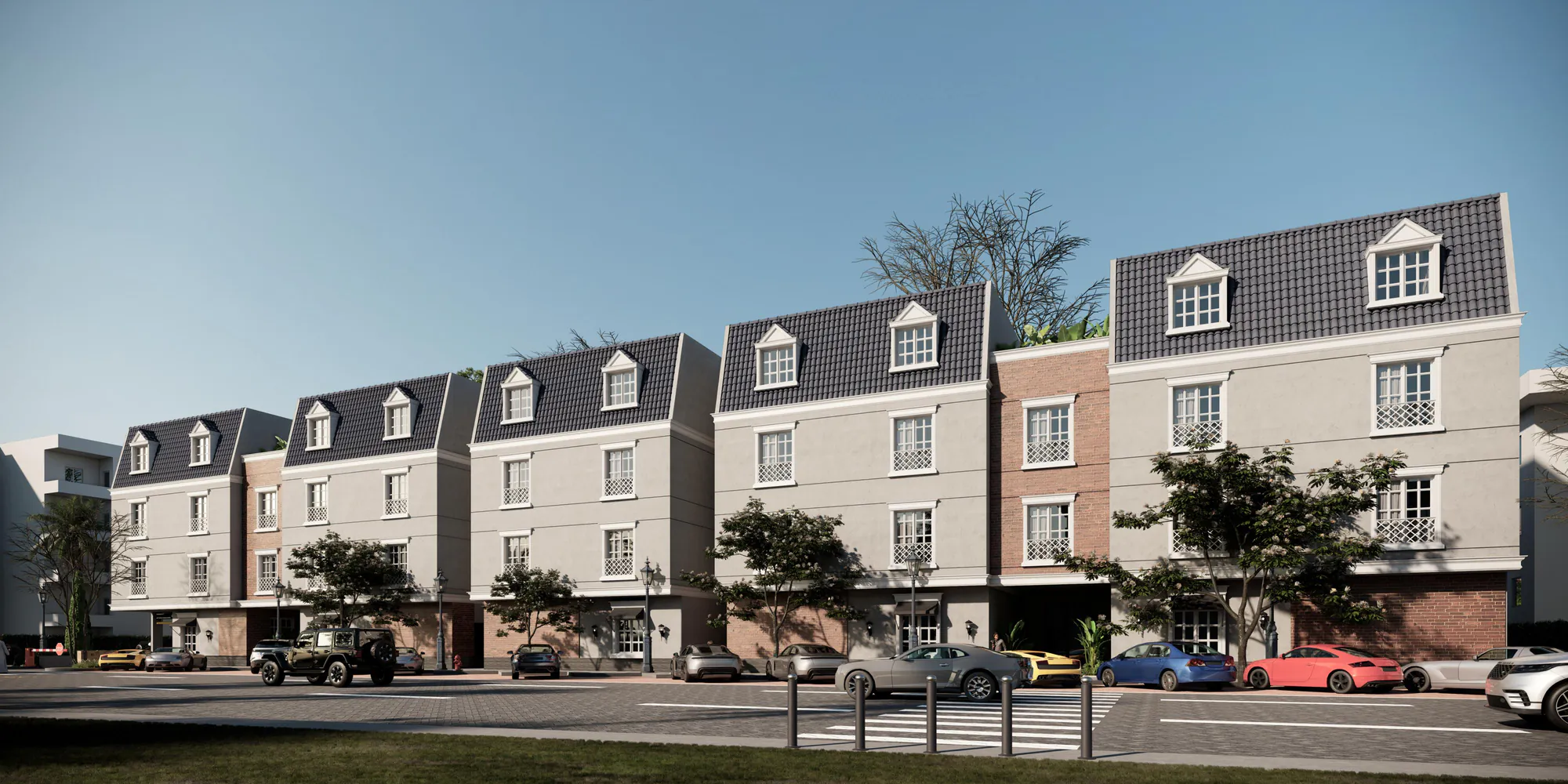
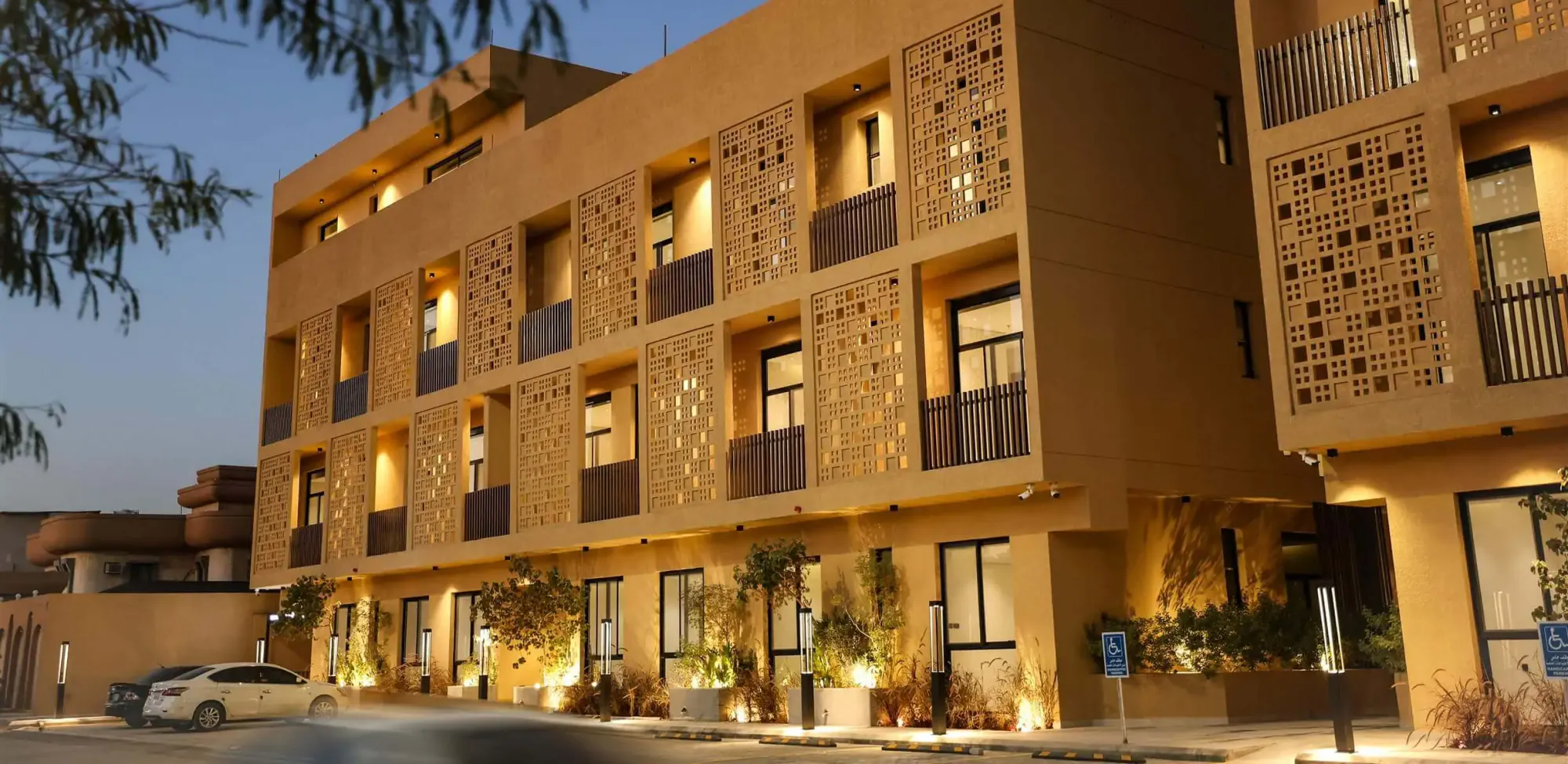
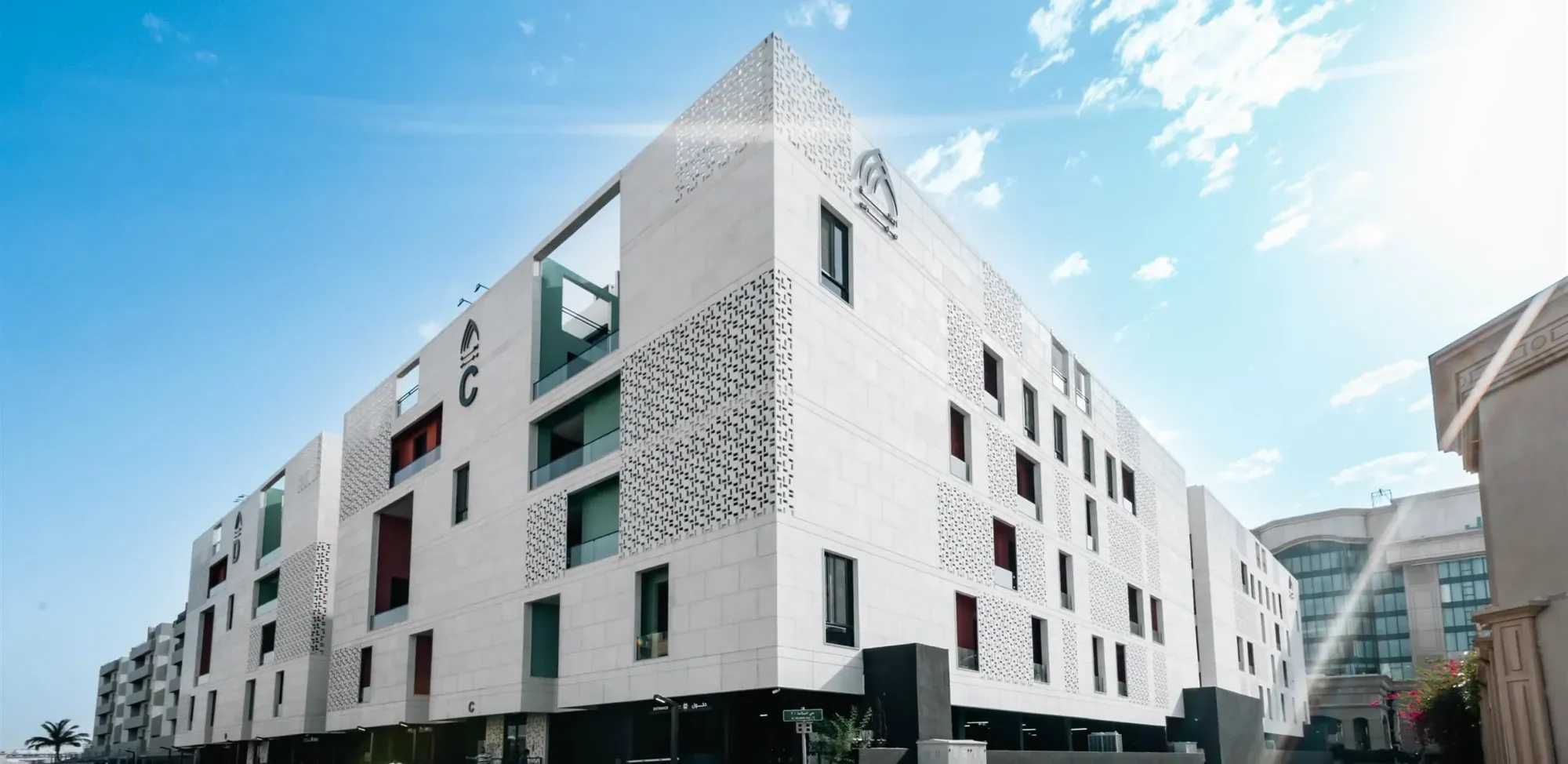
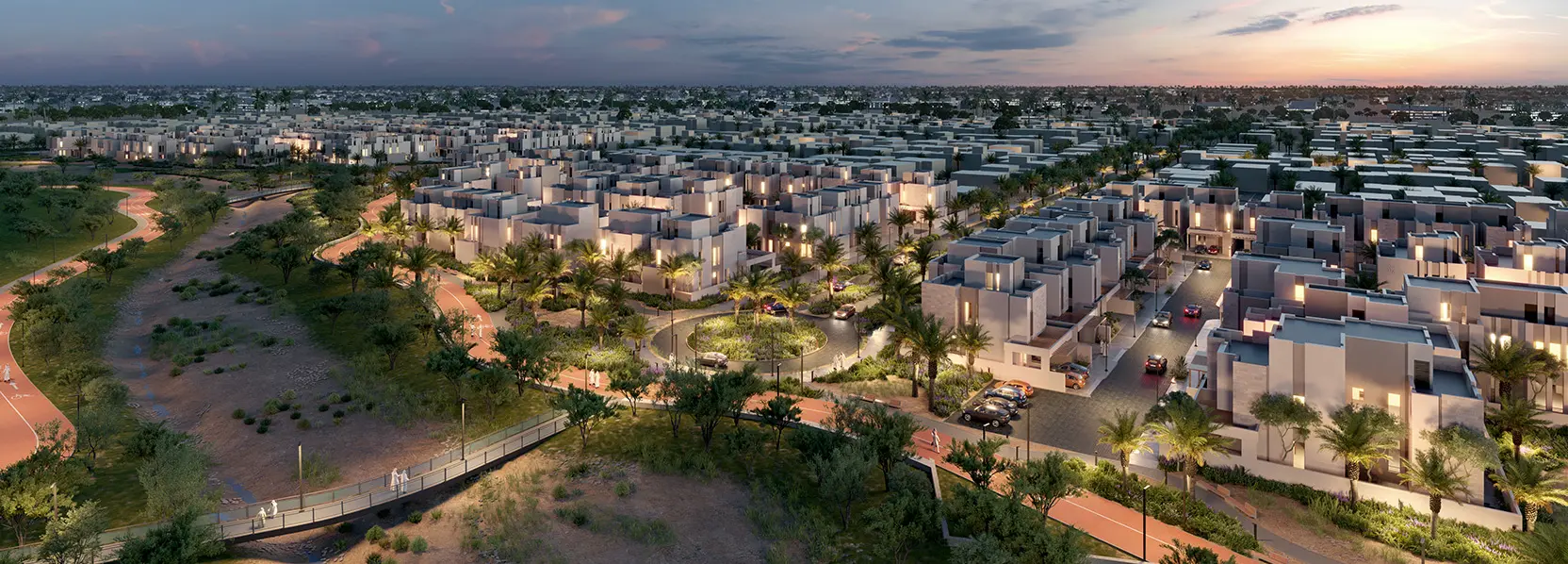
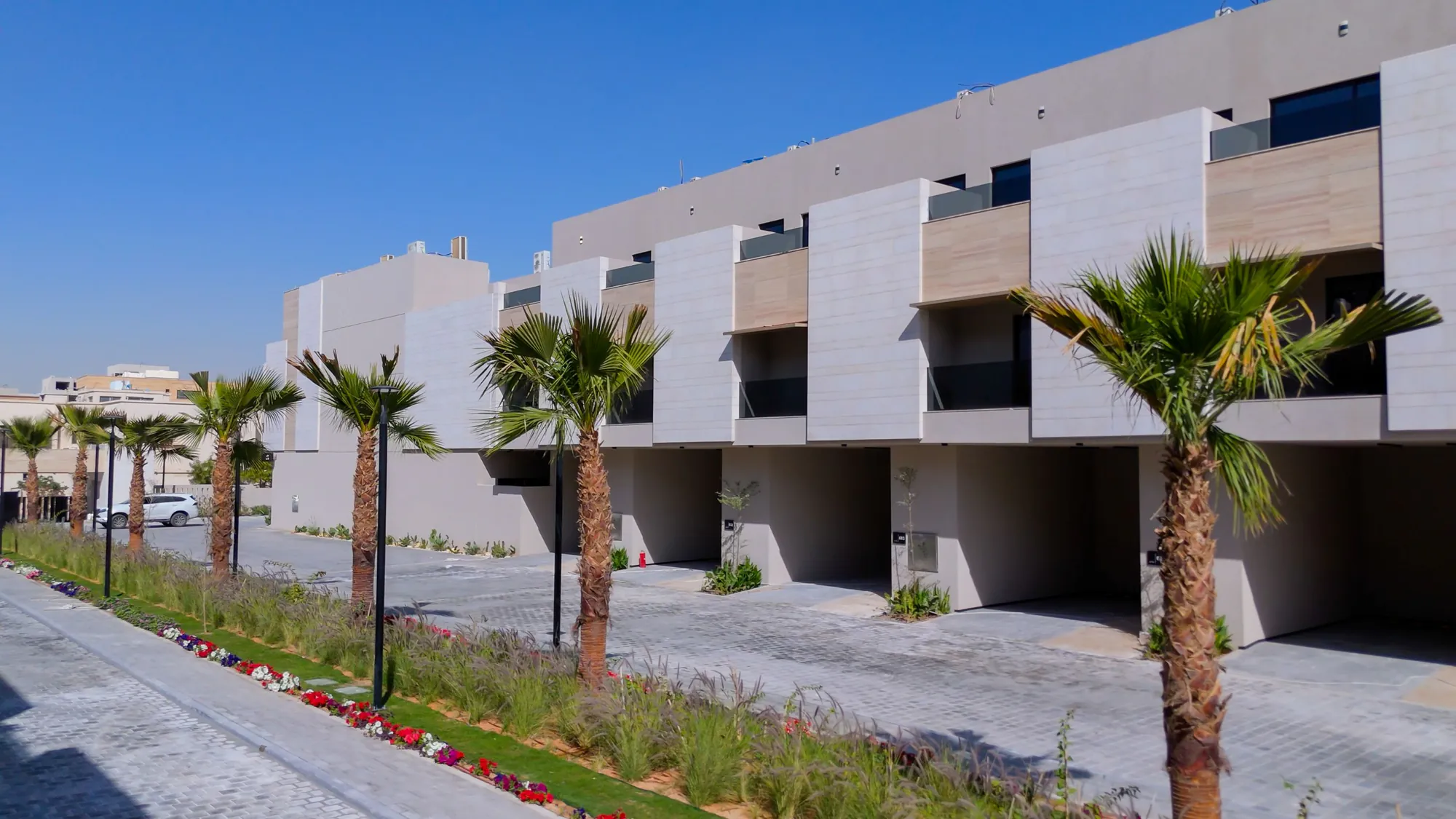
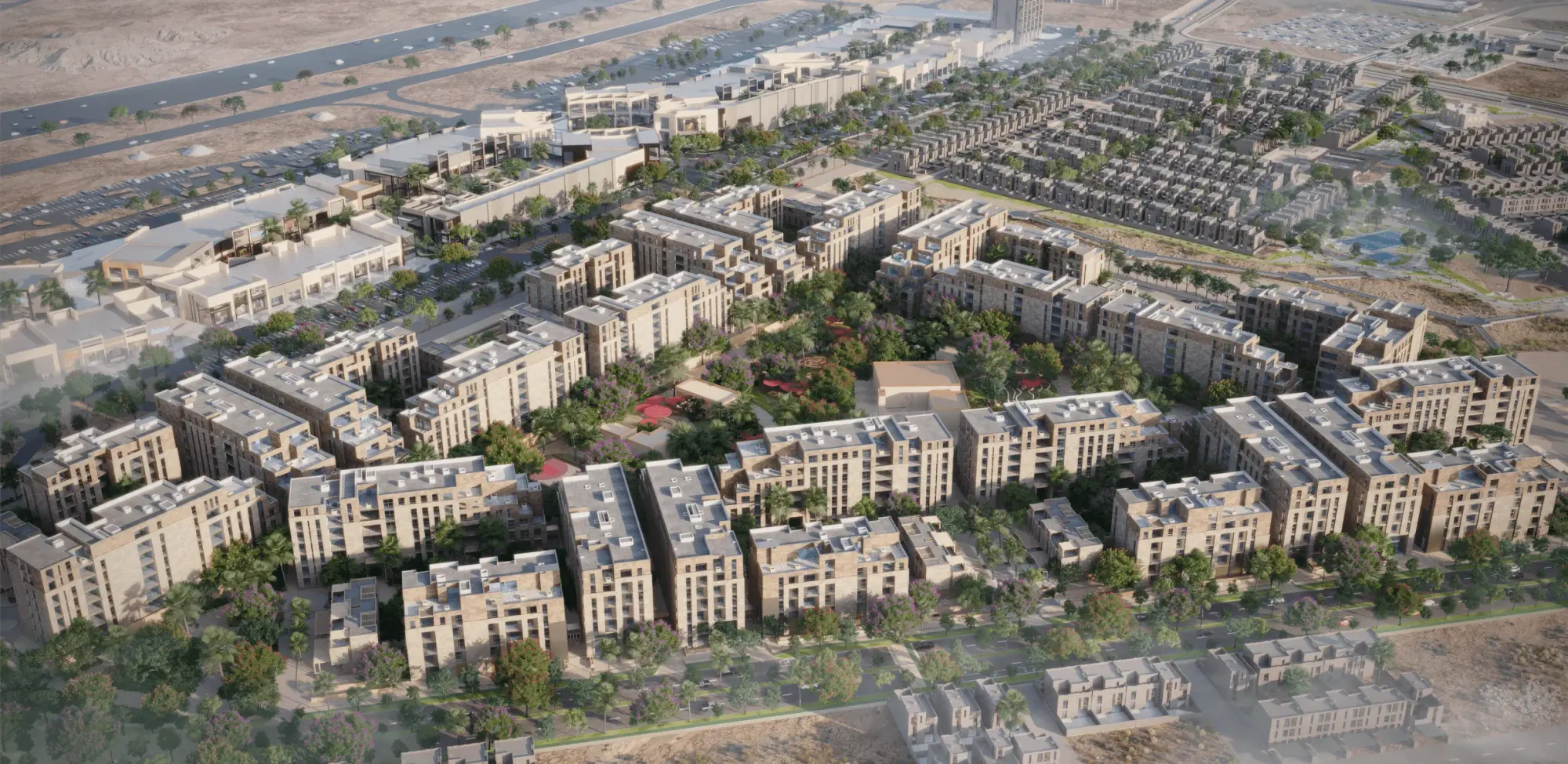
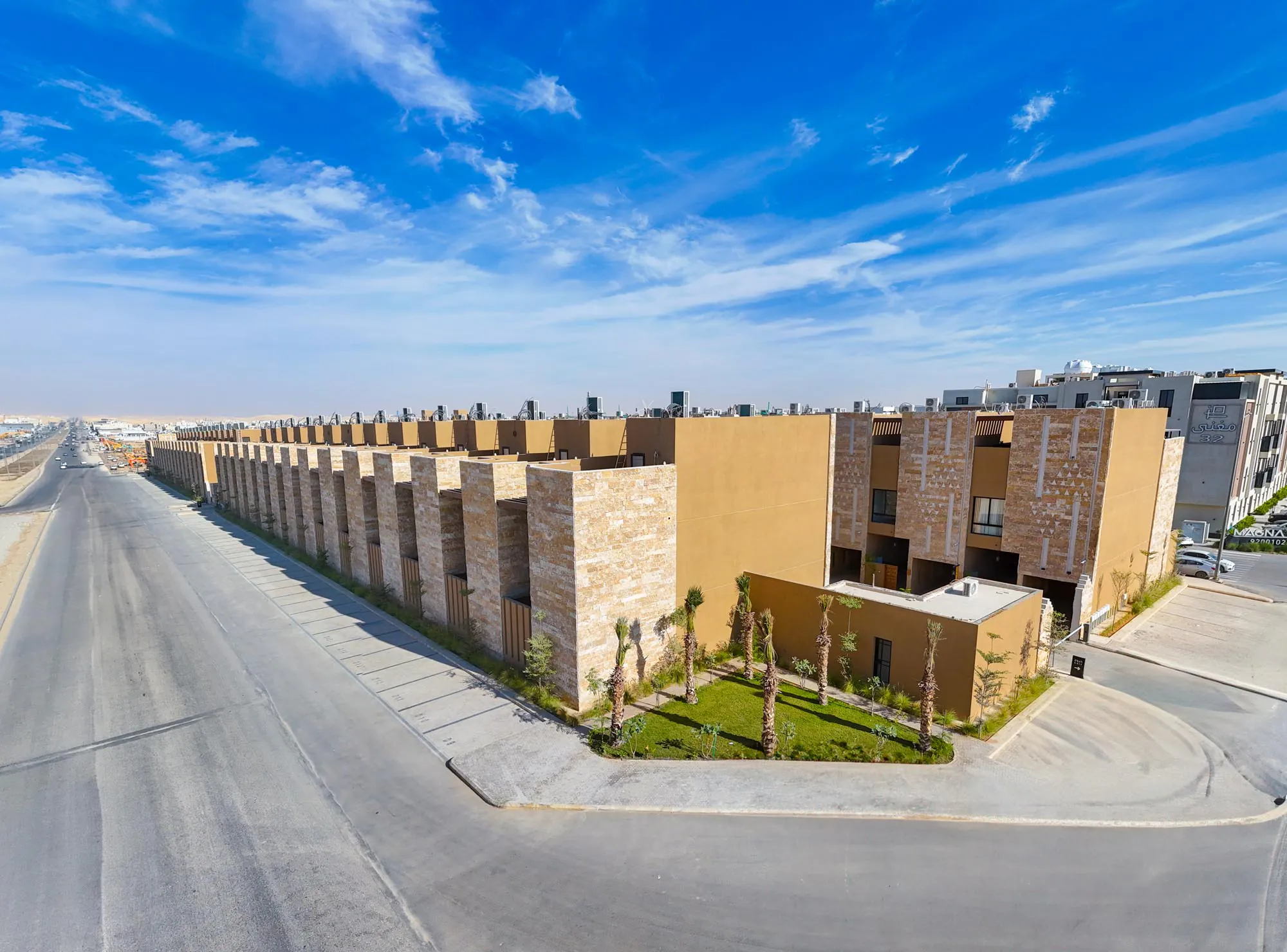
Families generally find the main cities safe and orderly, and many choose compounds or modern buildings with controlled access, shared pools and play areas. The north of Riyadh has become the focus for new housing, schools and retail, and the Diplomatic Quarter, home to most embassies, offers green space, walking routes and a more international feel. In Jeddah, the northern coastal districts are popular with families. As anywhere, check the specific building and neighbourhood, and current official travel advice, before you move.
Vibrant Expats and International Communities
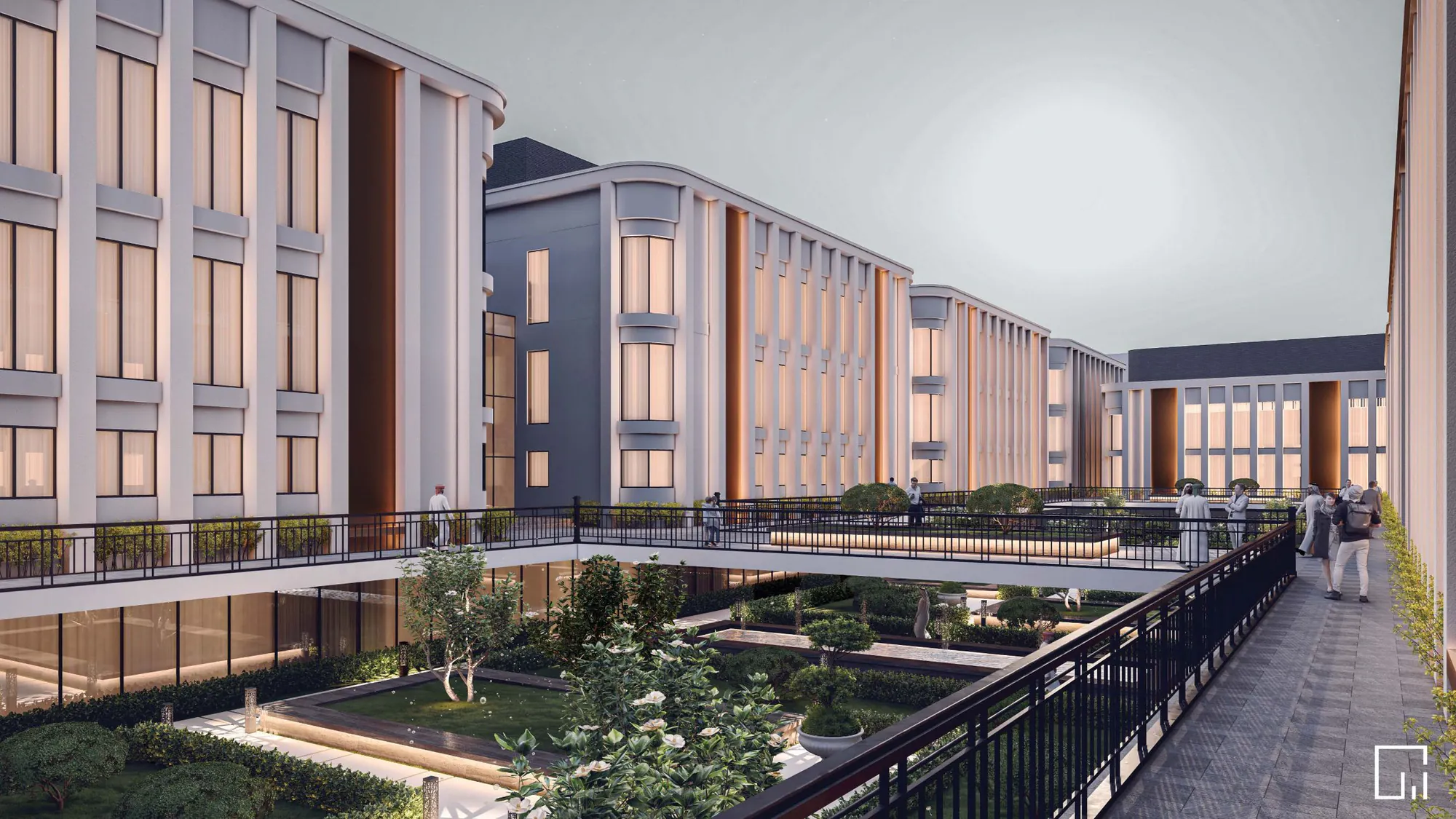
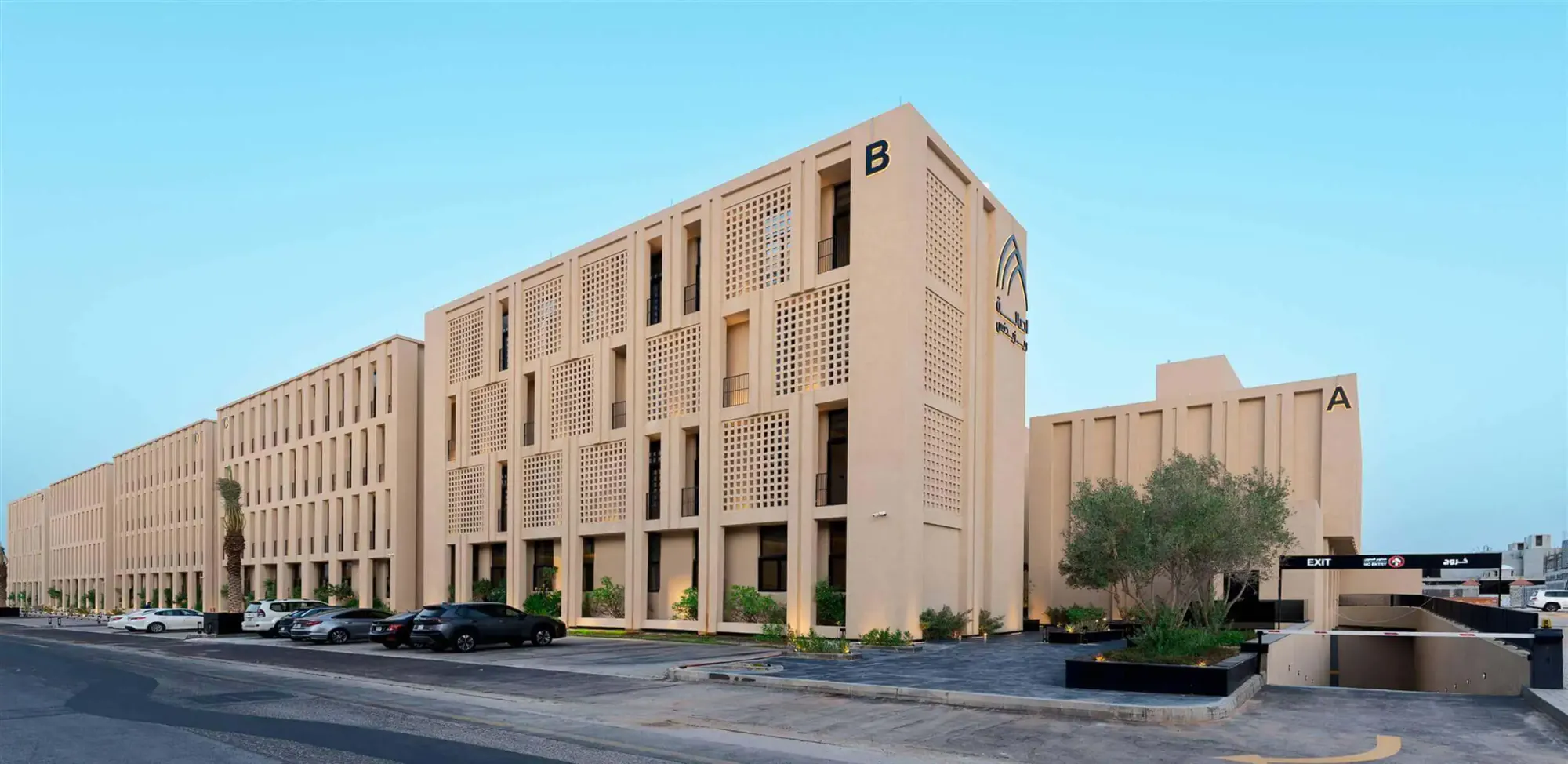
Expatriates come from across the world, and the main cities cater for them well. Many professional expatriates live in compounds or modern apartment buildings with shared facilities, while newer branded residences offer hotel-style services with the independence of a private home. Expatriate networks, school communities and professional groups make it easy to meet people, and international restaurants and community events are part of everyday life in both cities.
Questions on this guide? Ask our Saudi Arabia team.
Ownership, costs and what is for sale, on WhatsApp or by phone.
Luxury Living in Saudi Arabia
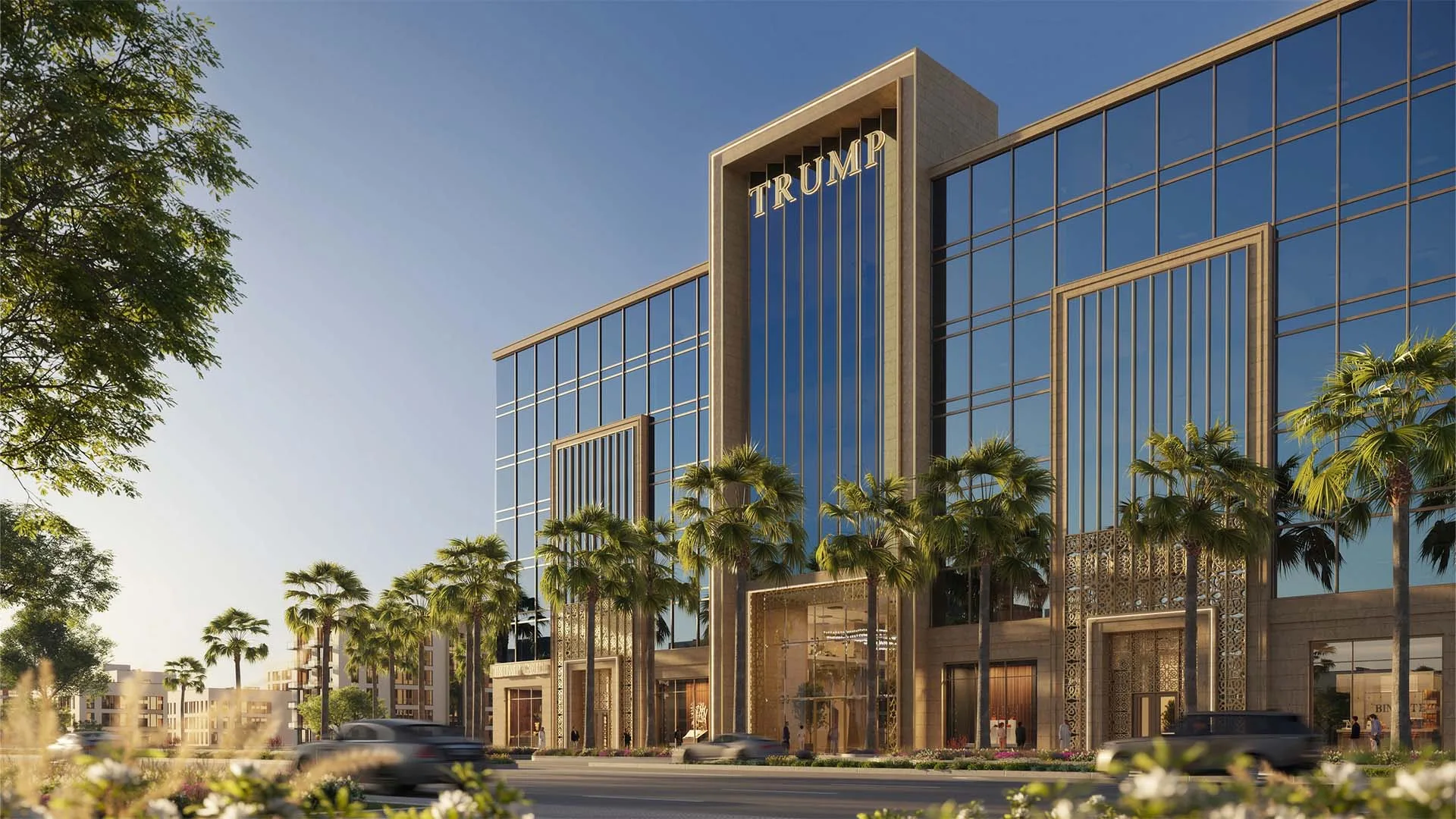
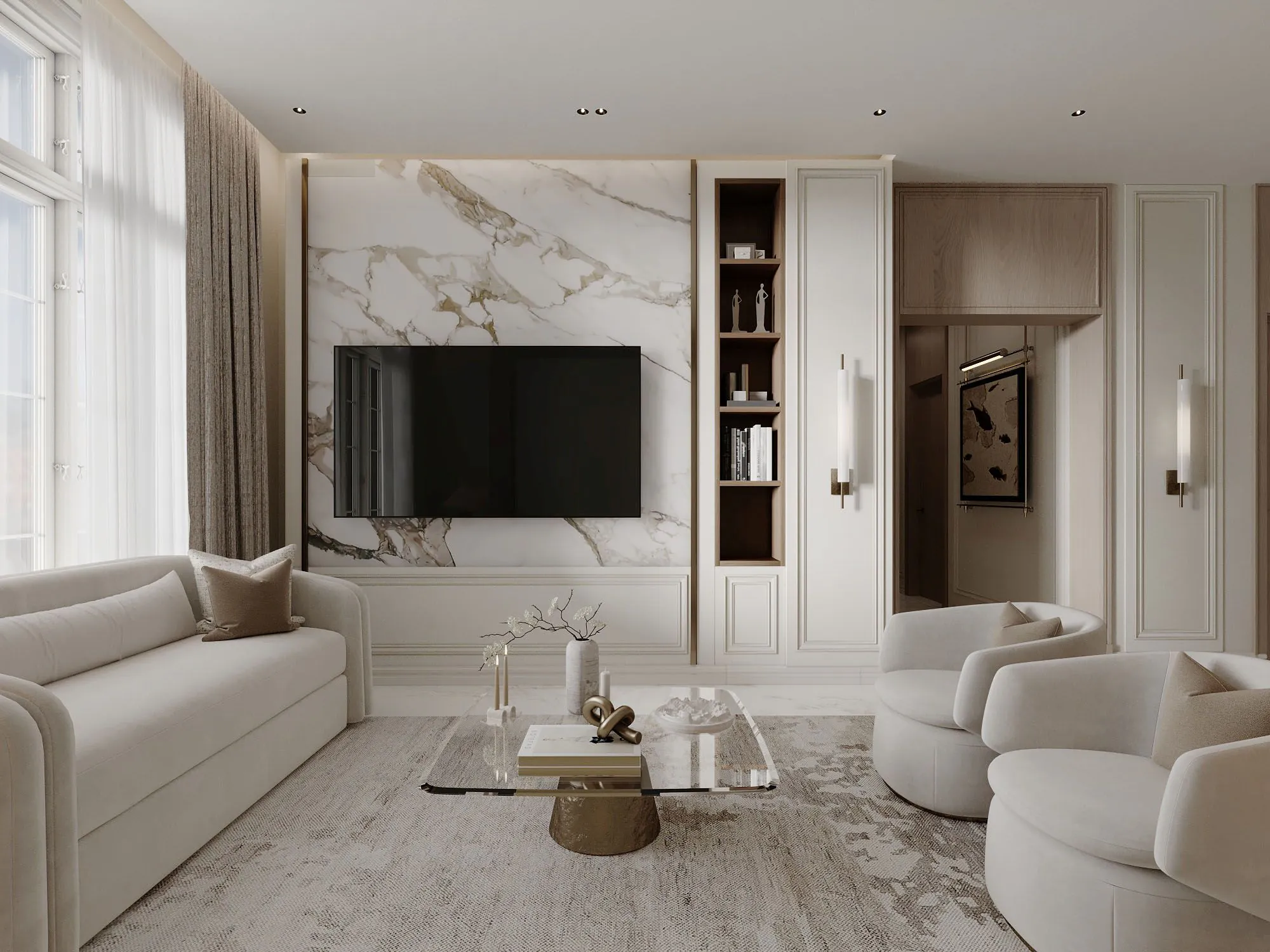
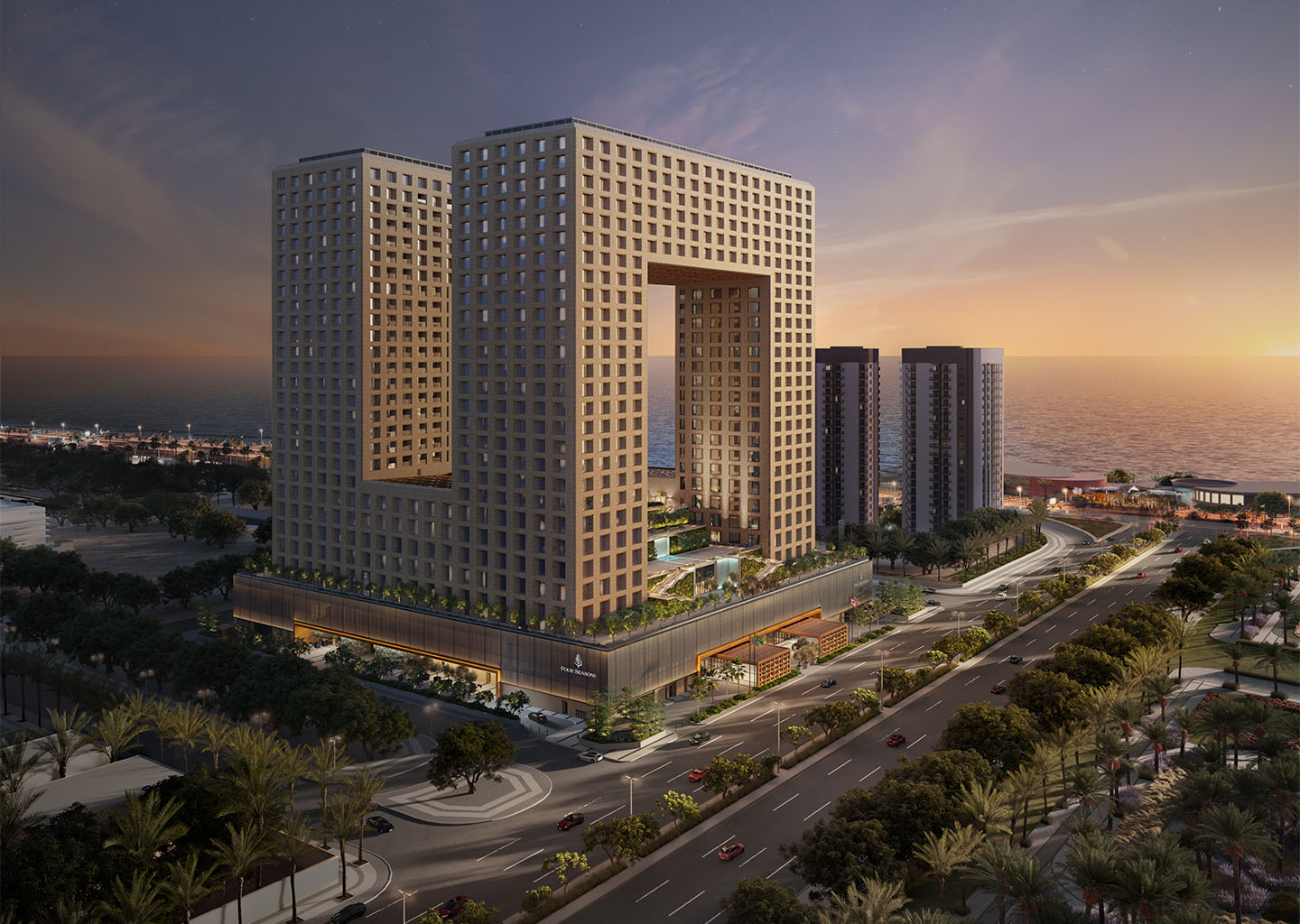
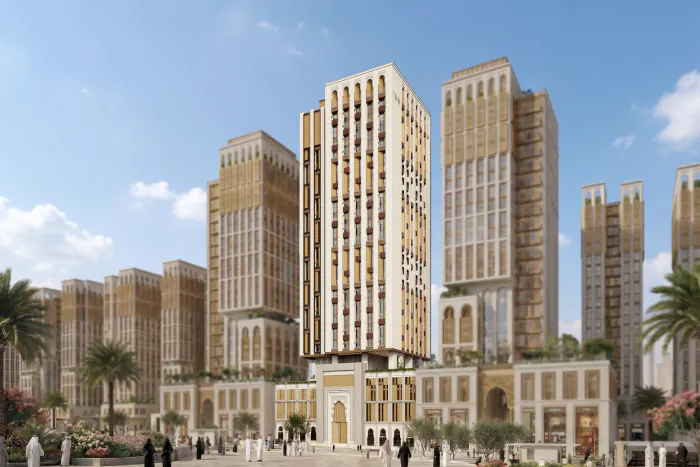
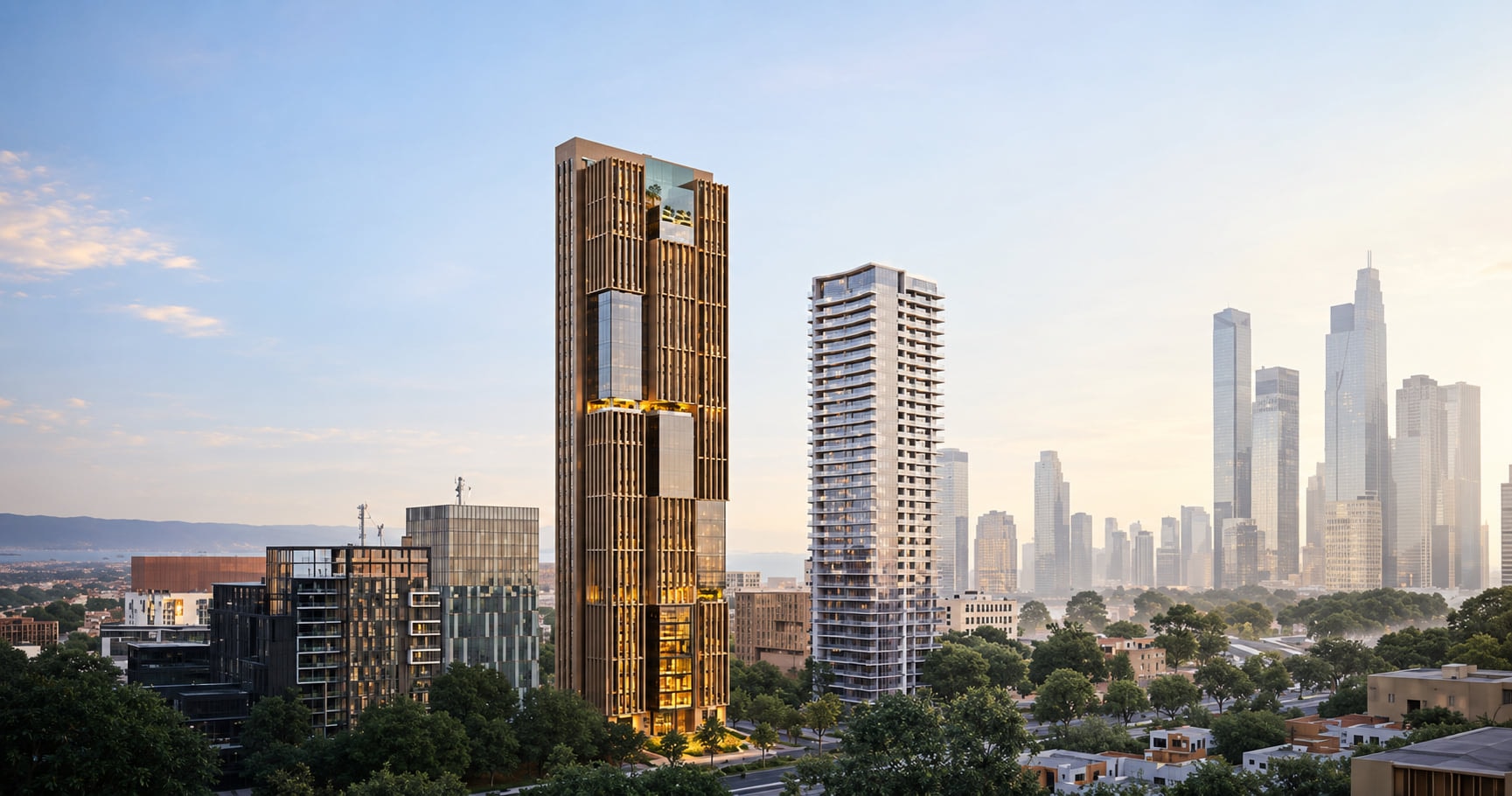
The top end of the market has grown quickly. International hotel and lifestyle brands now attach their names to residences in Riyadh and Jeddah, and fine dining, design-led hotels and members' venues have followed. For buyers, the most relevant change is the arrival of branded residences with hotel-style services.
Exclusive Residential Communities
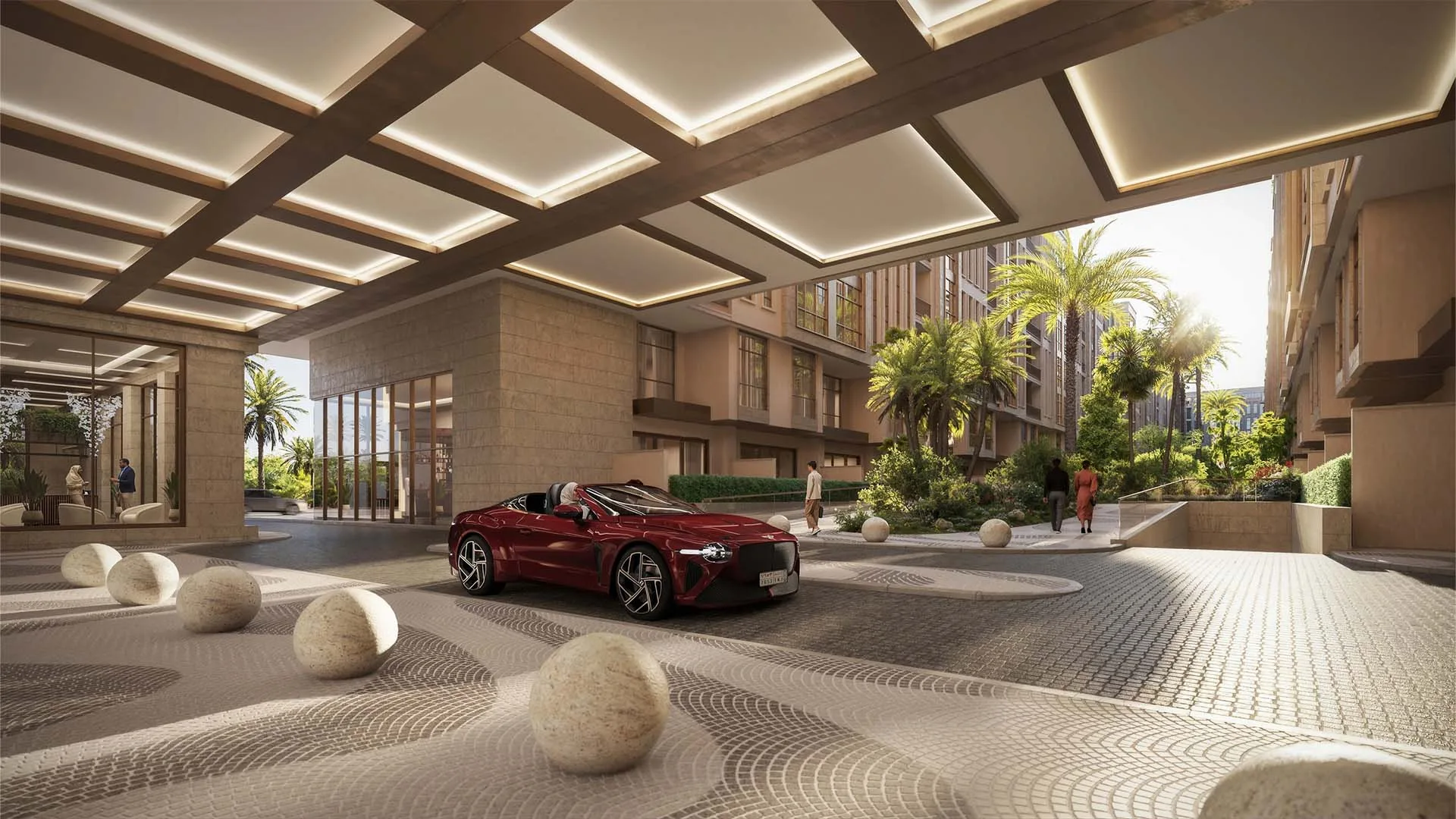
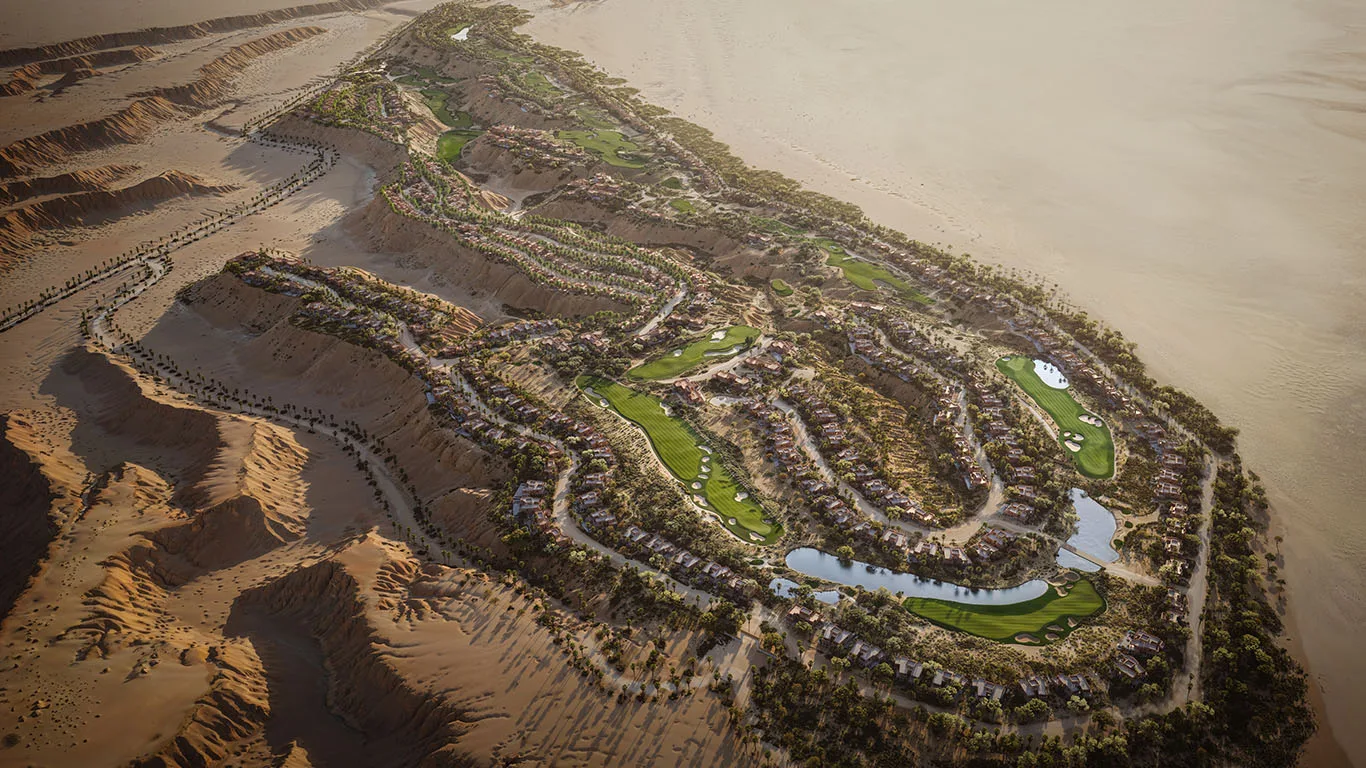
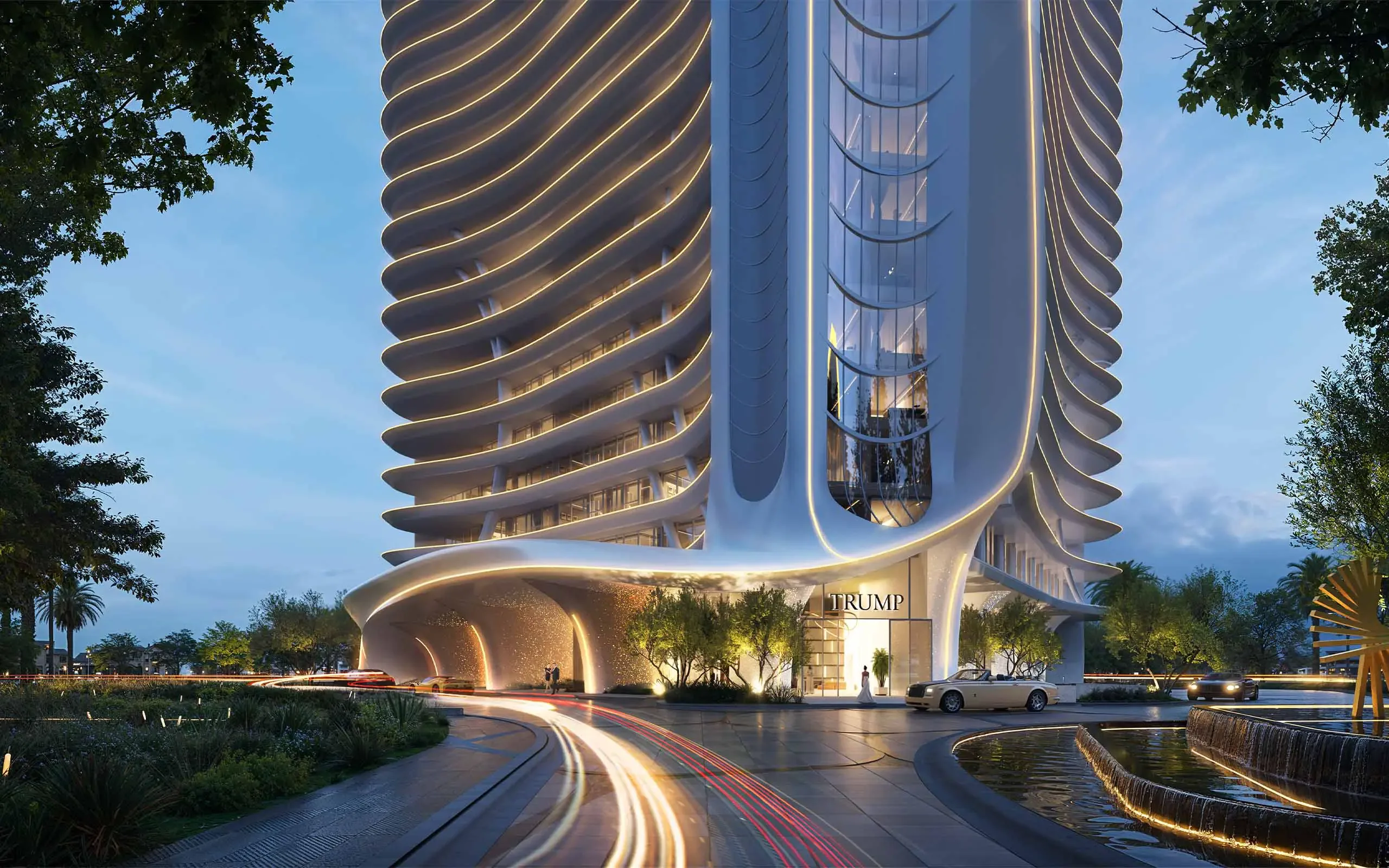
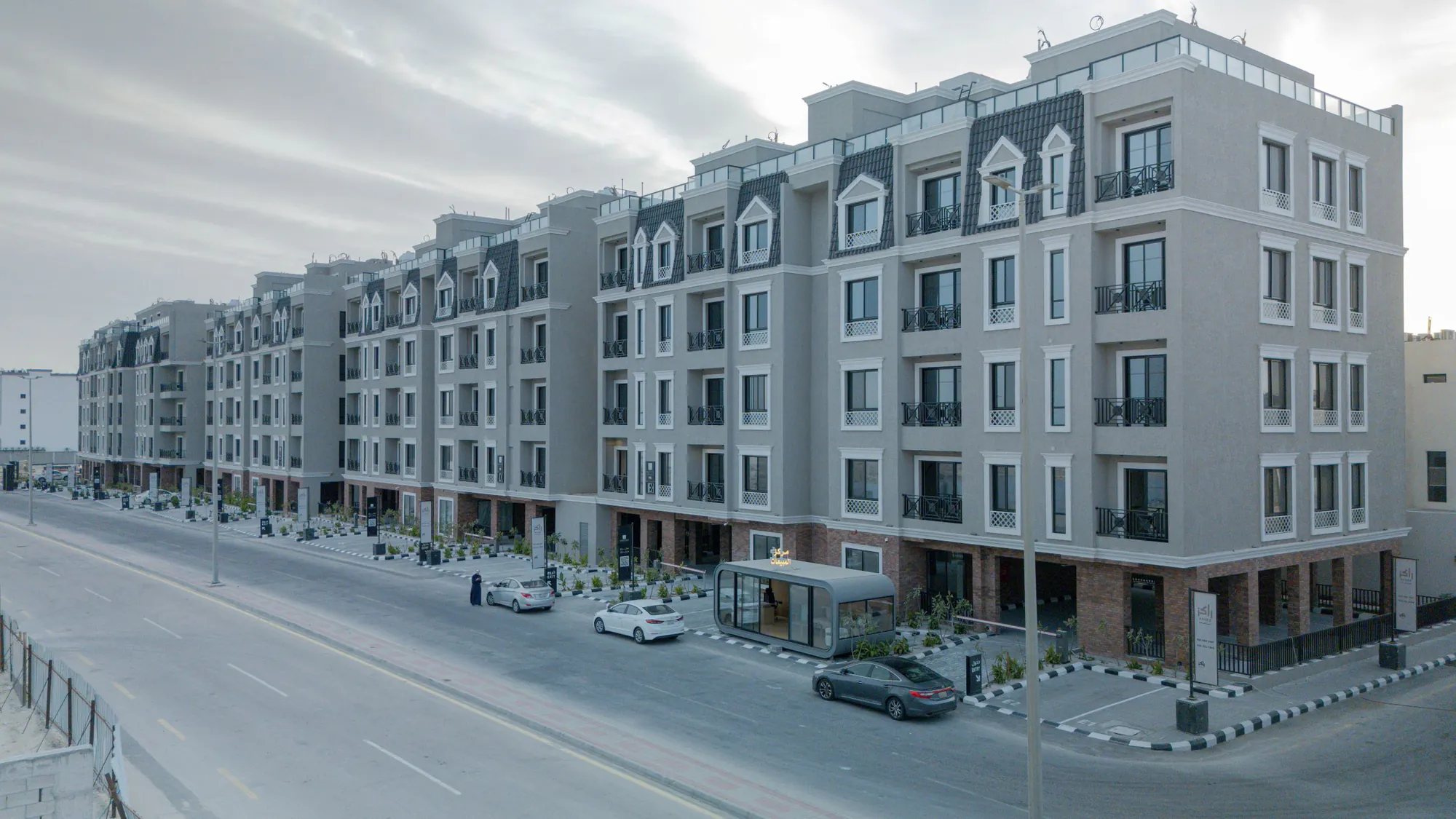
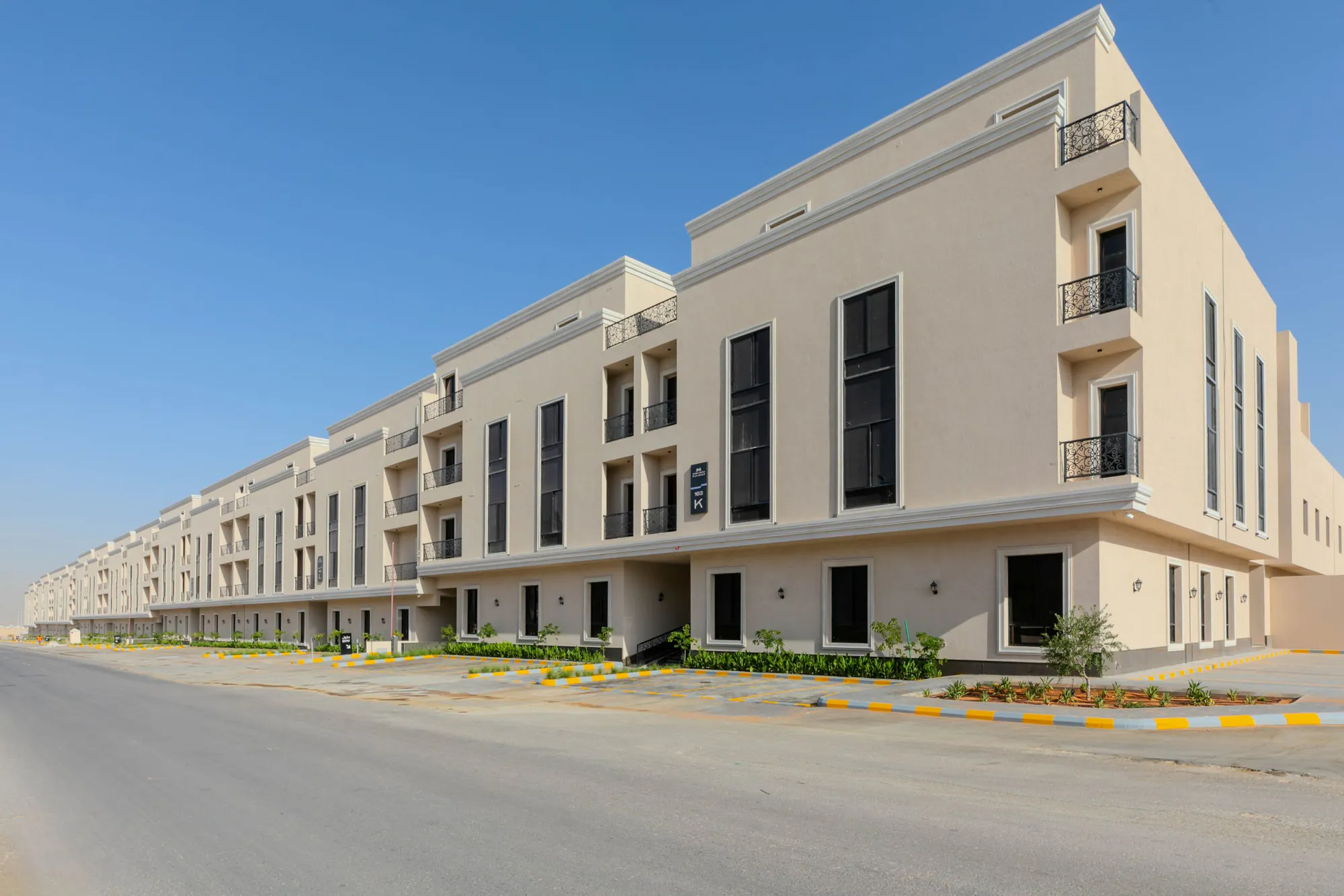
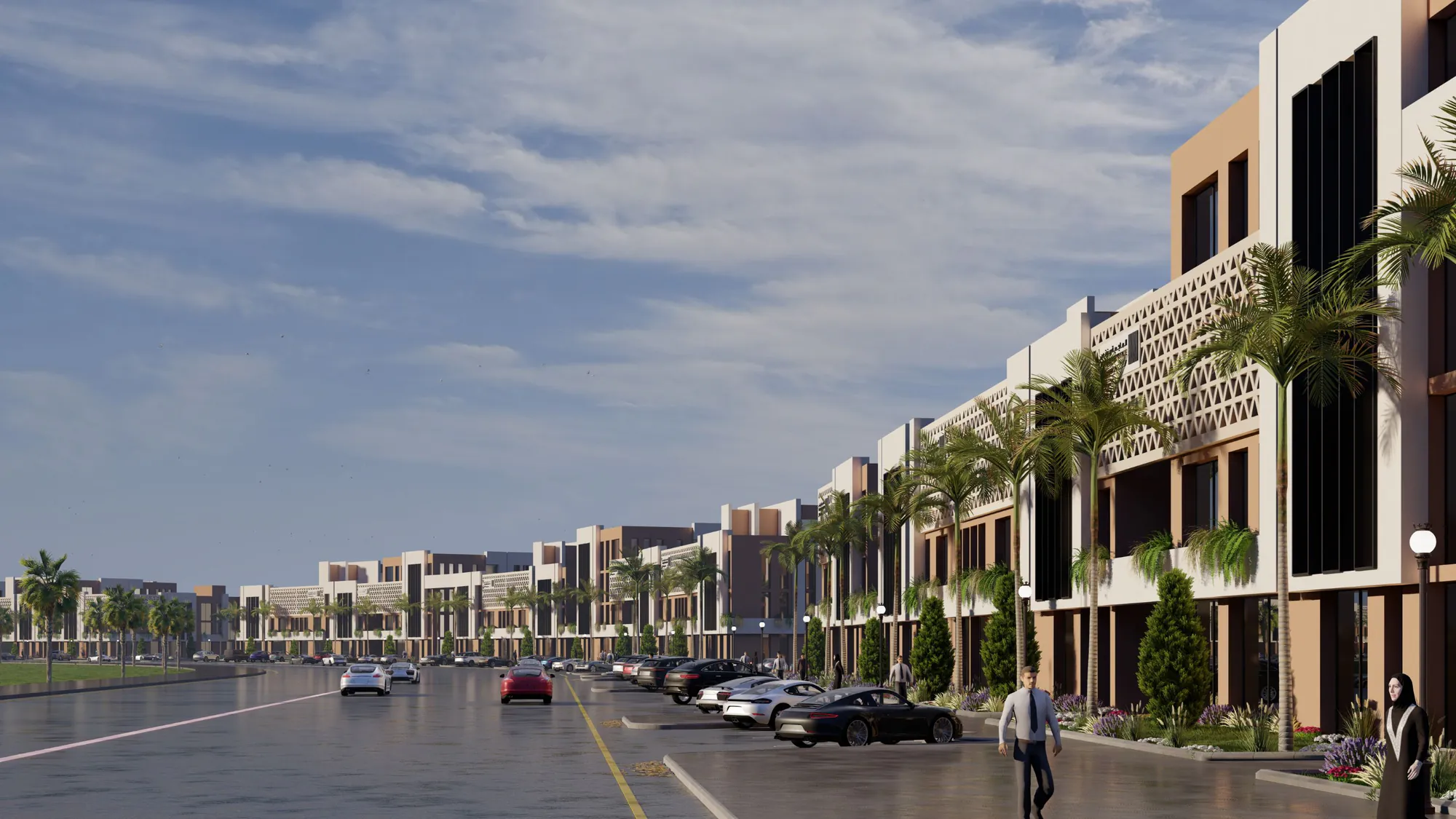
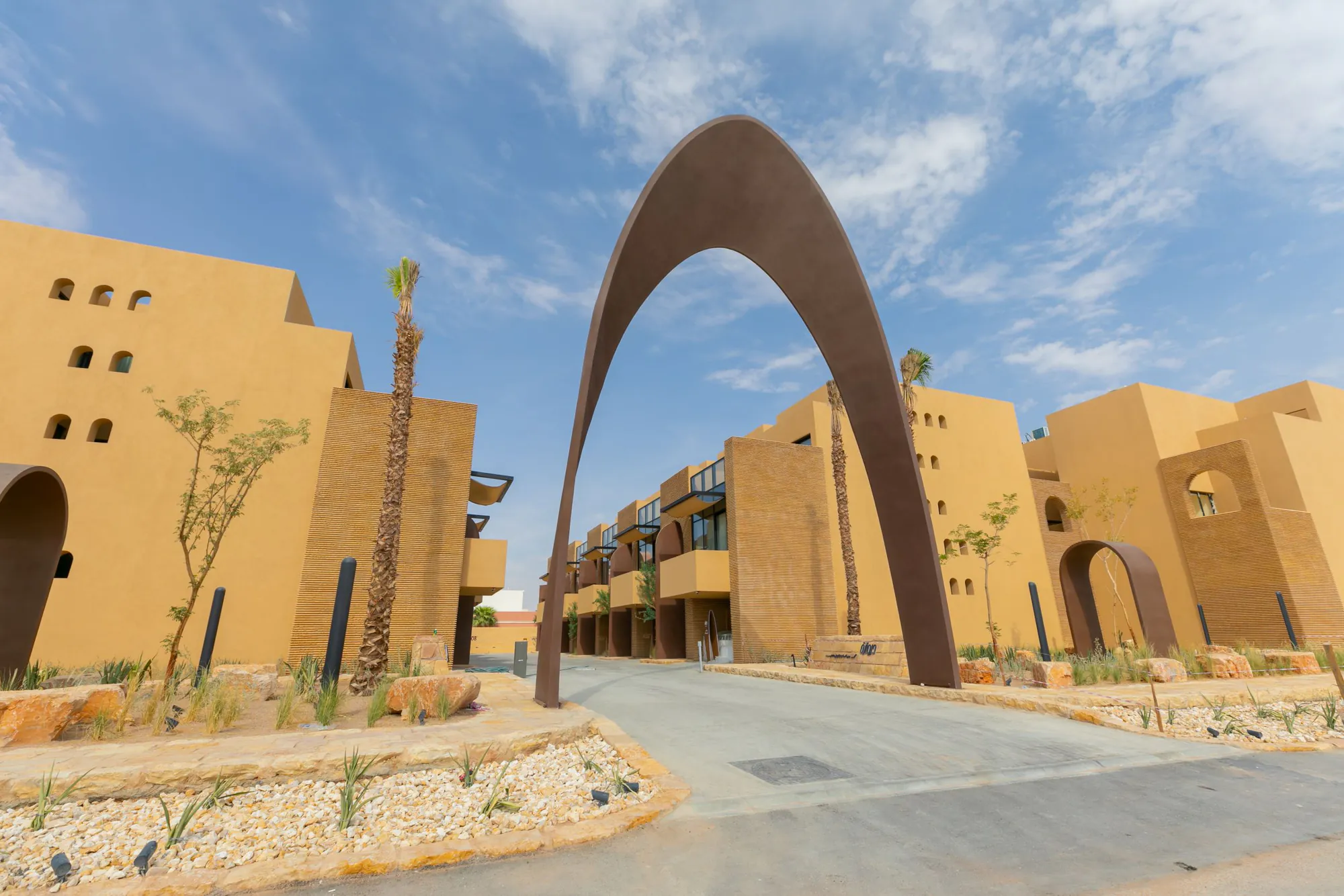
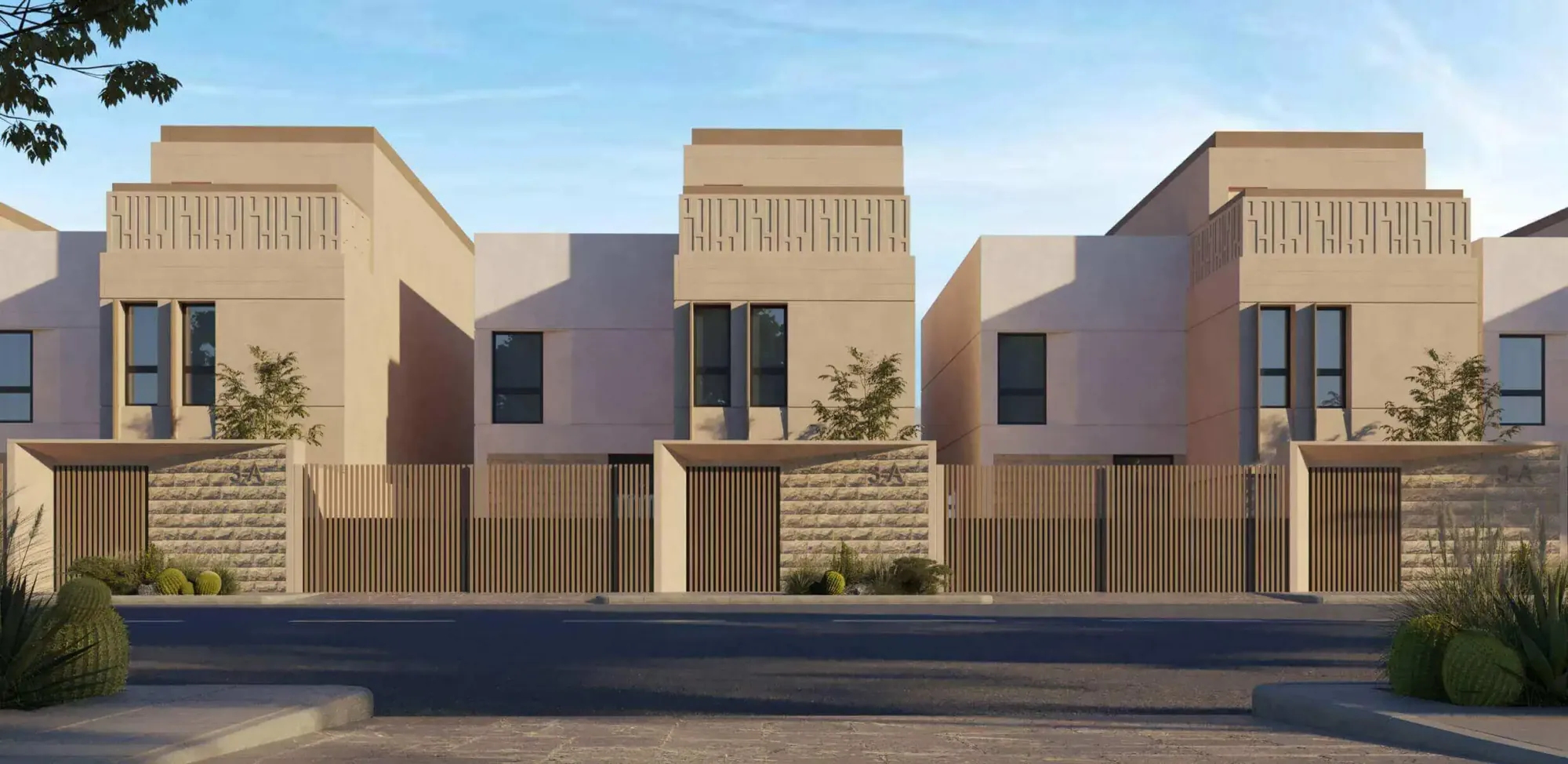
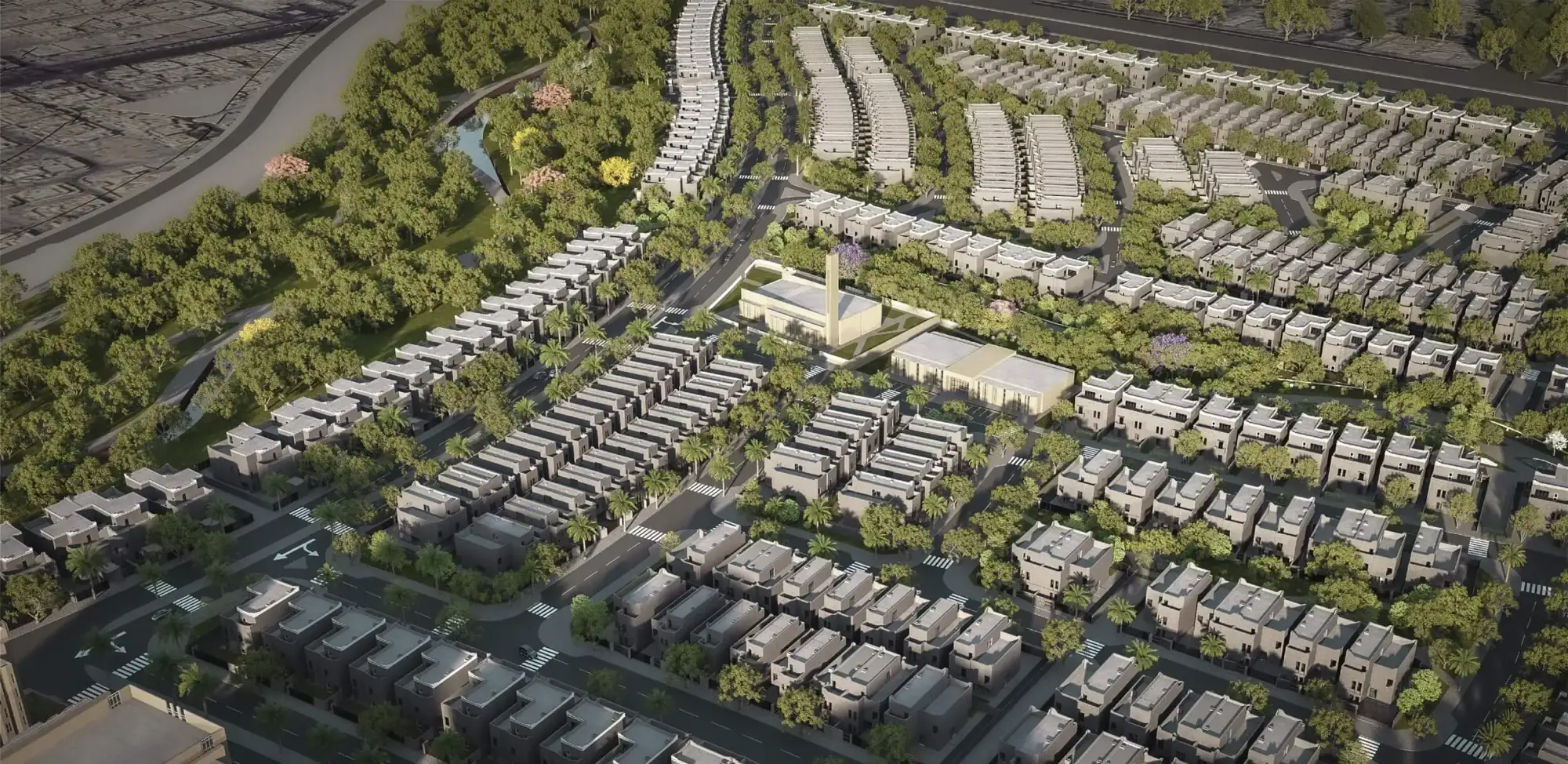
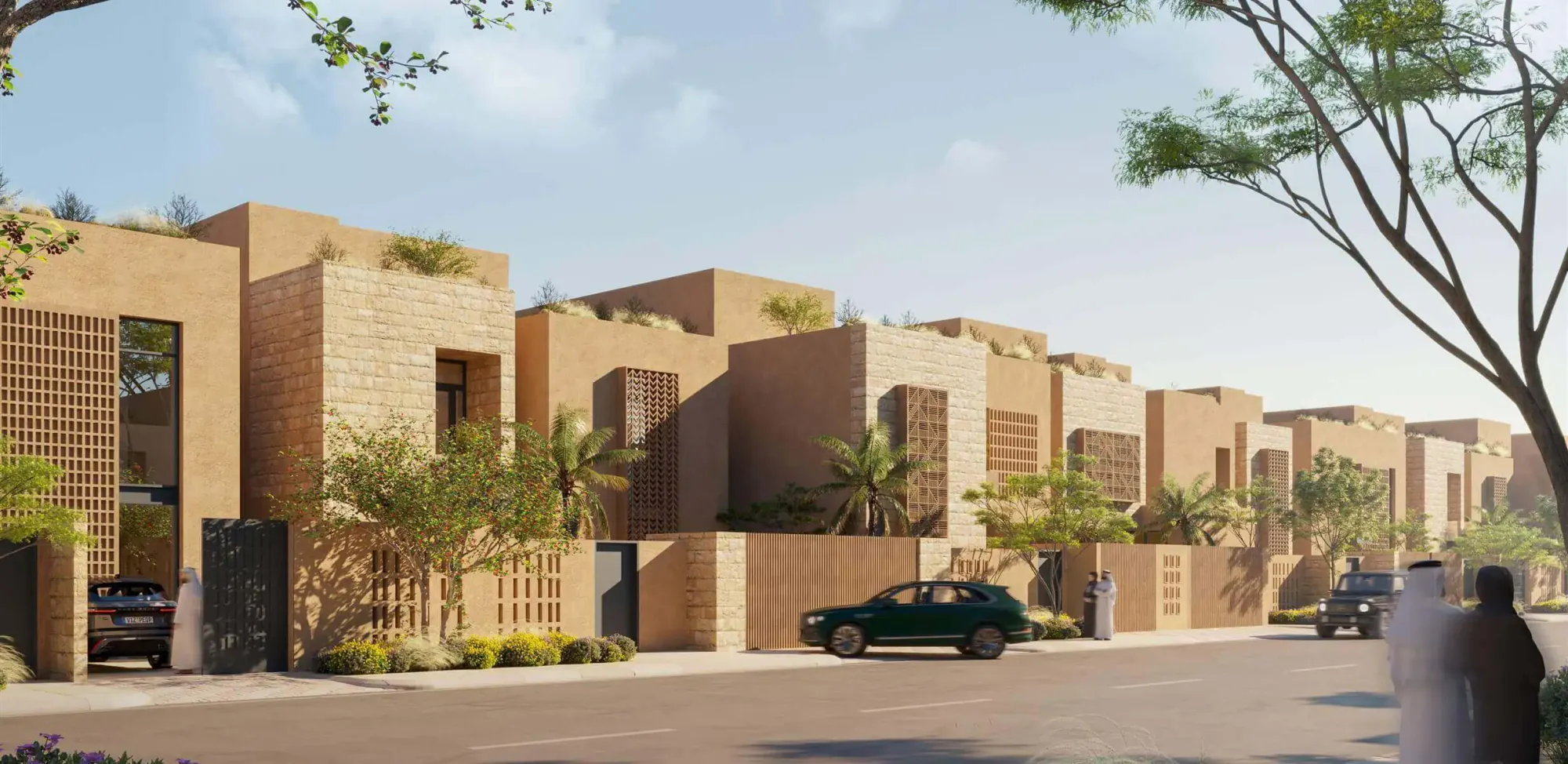
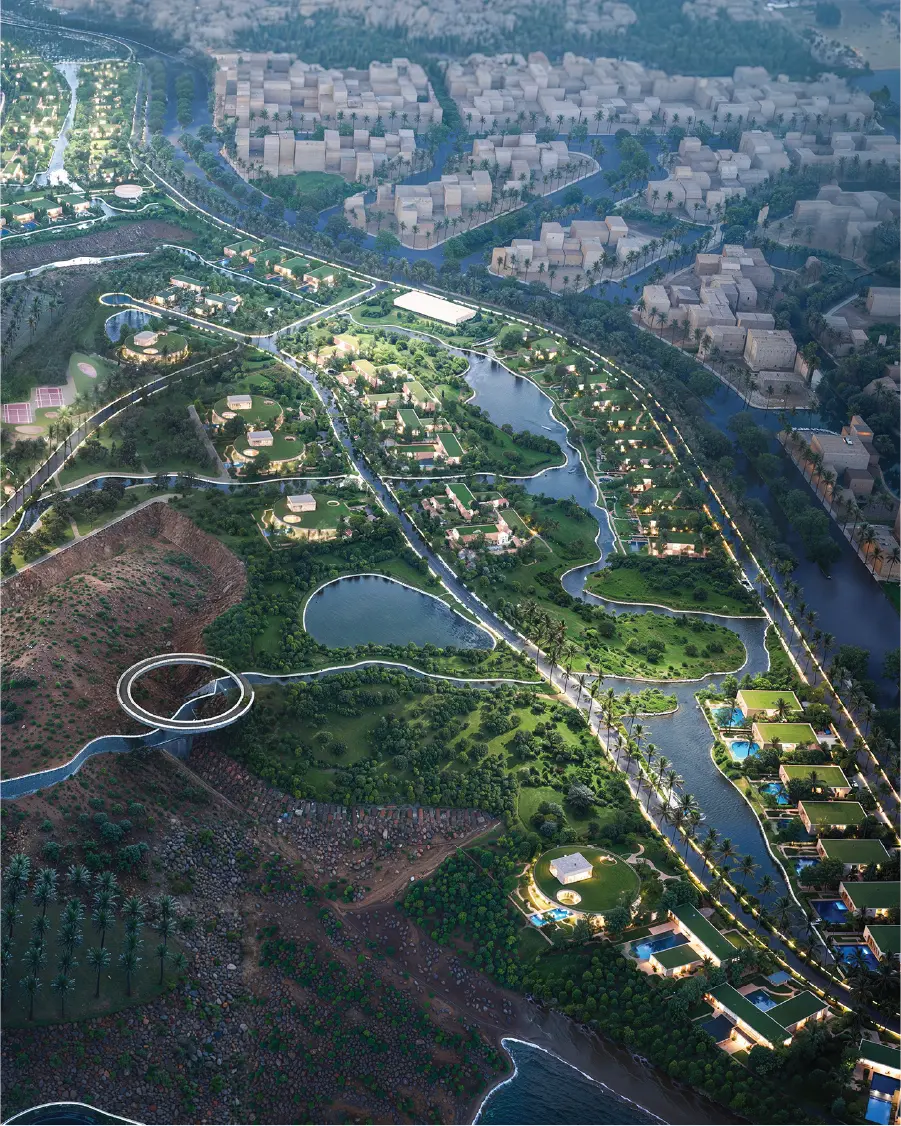
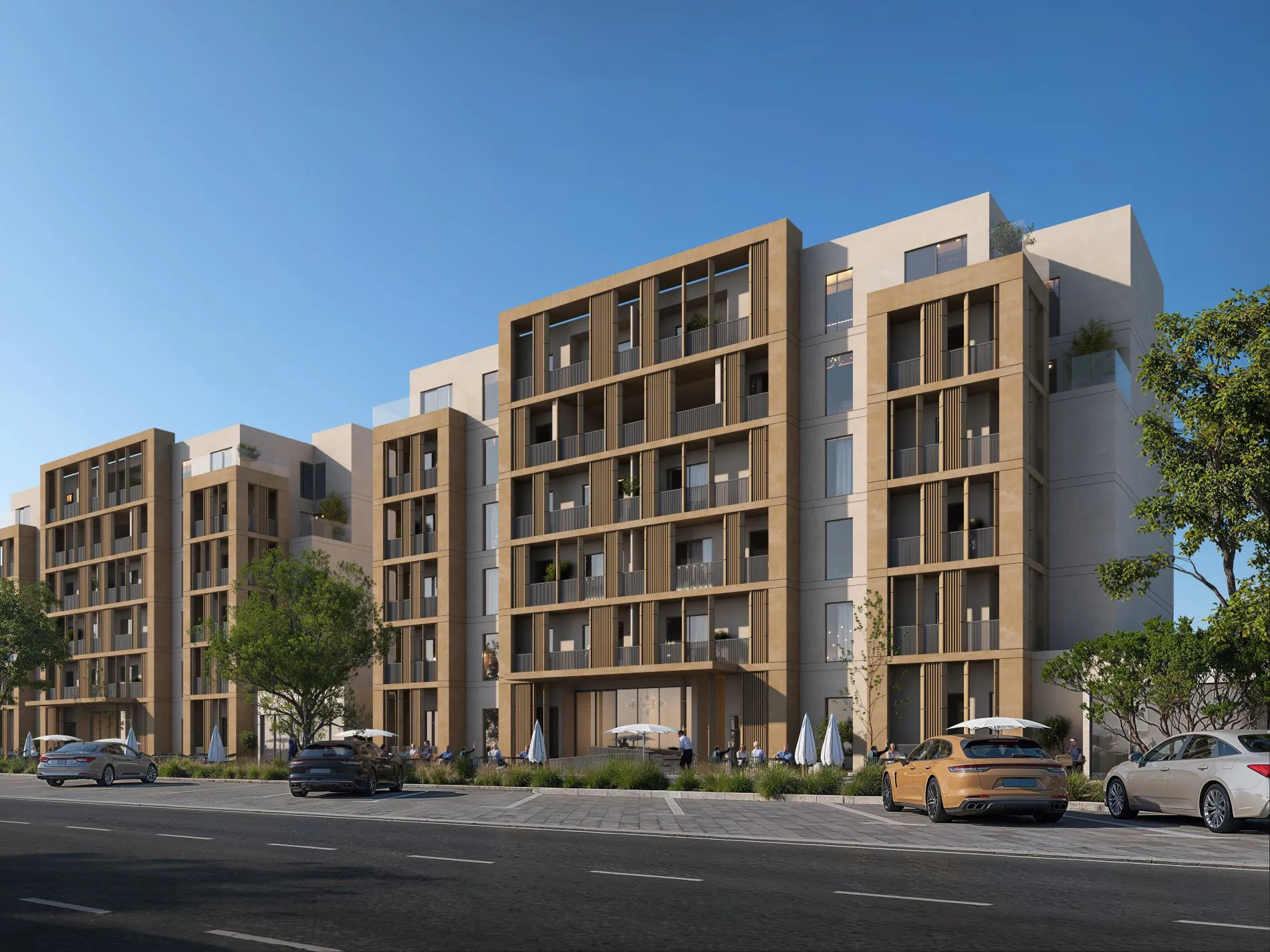
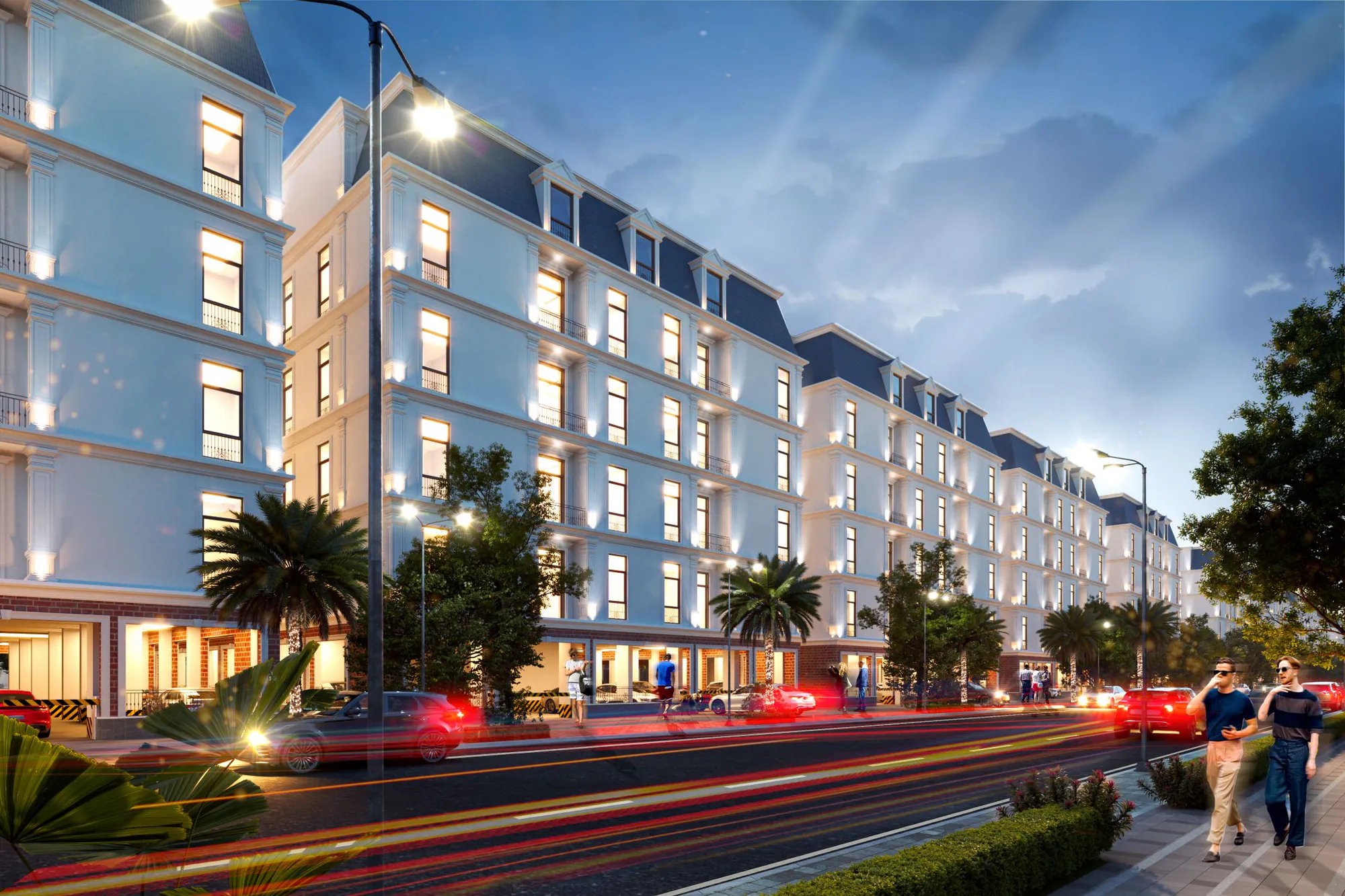
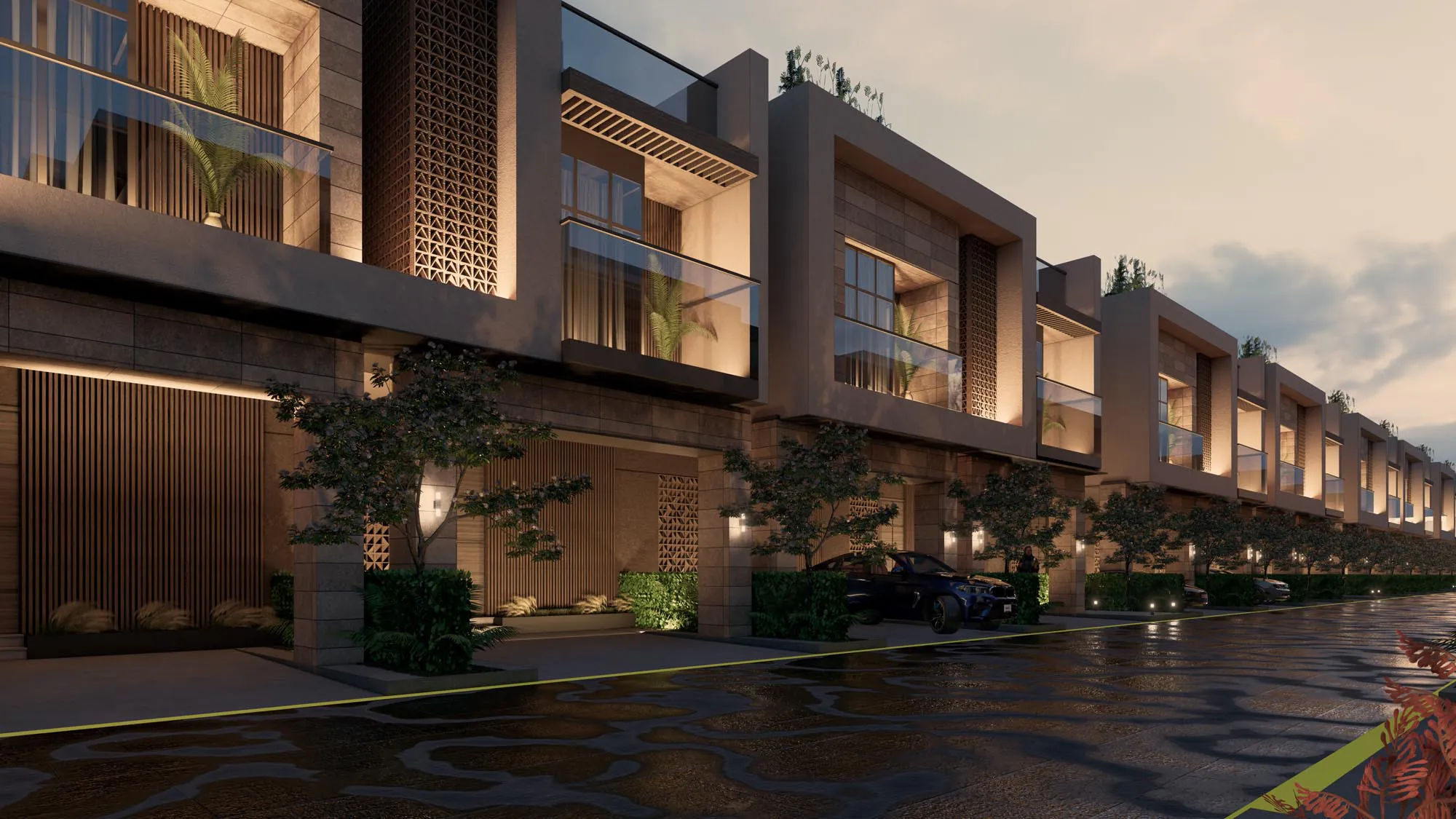
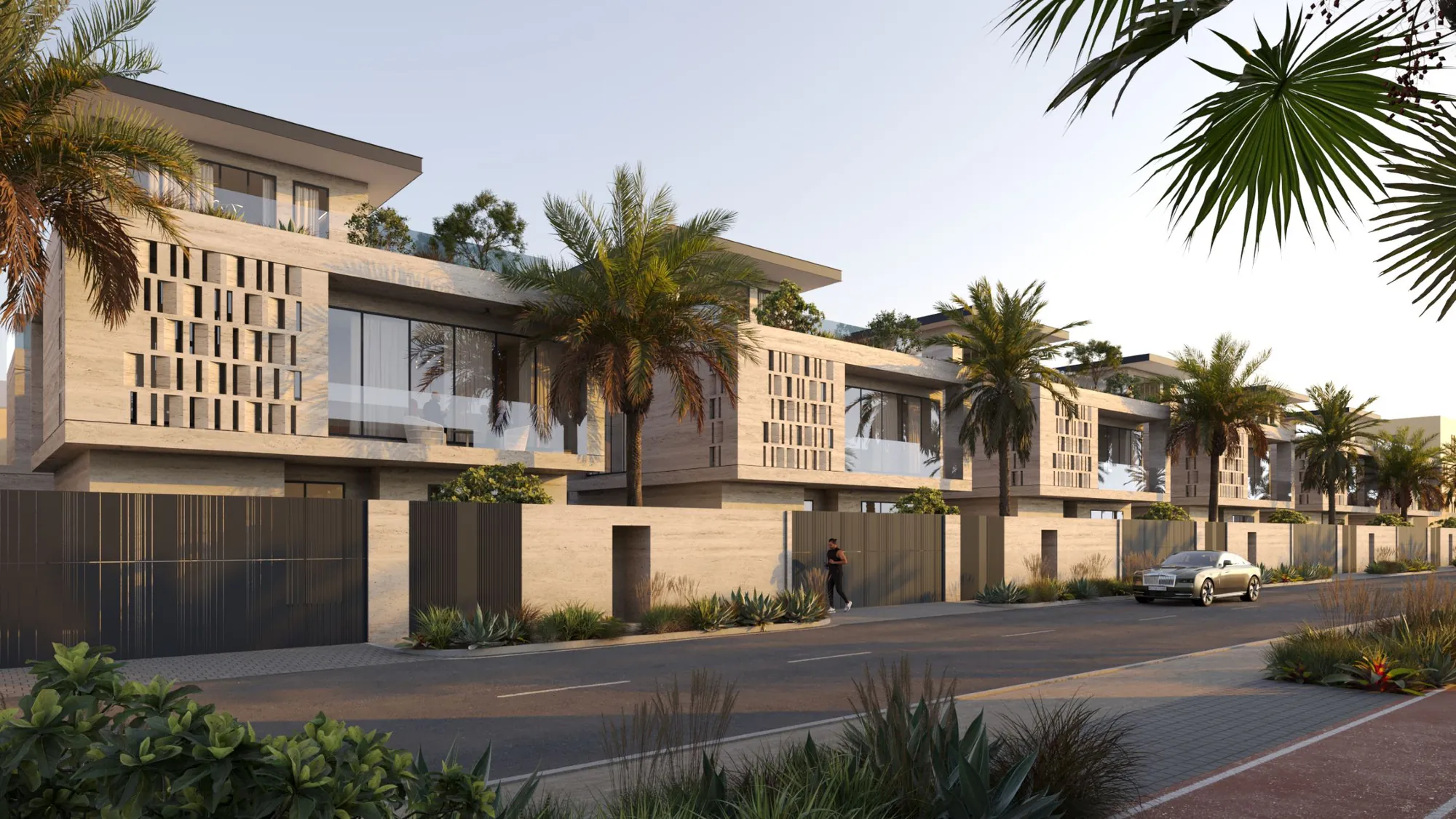
The newest high-end housing sits in master-planned districts in north Riyadh, around Diriyah and along the Jeddah Corniche, where much of the city's higher-end housing is found. Branded residences offer concierge, security, fitness and maintenance on site, with a recognised operator managing the building. Service charges are higher than in unbranded buildings, reflecting those services, and we set them out for every property. You can see current homes on our Saudi Arabia off-plan property page.
High-End Shopping and Dining Experiences
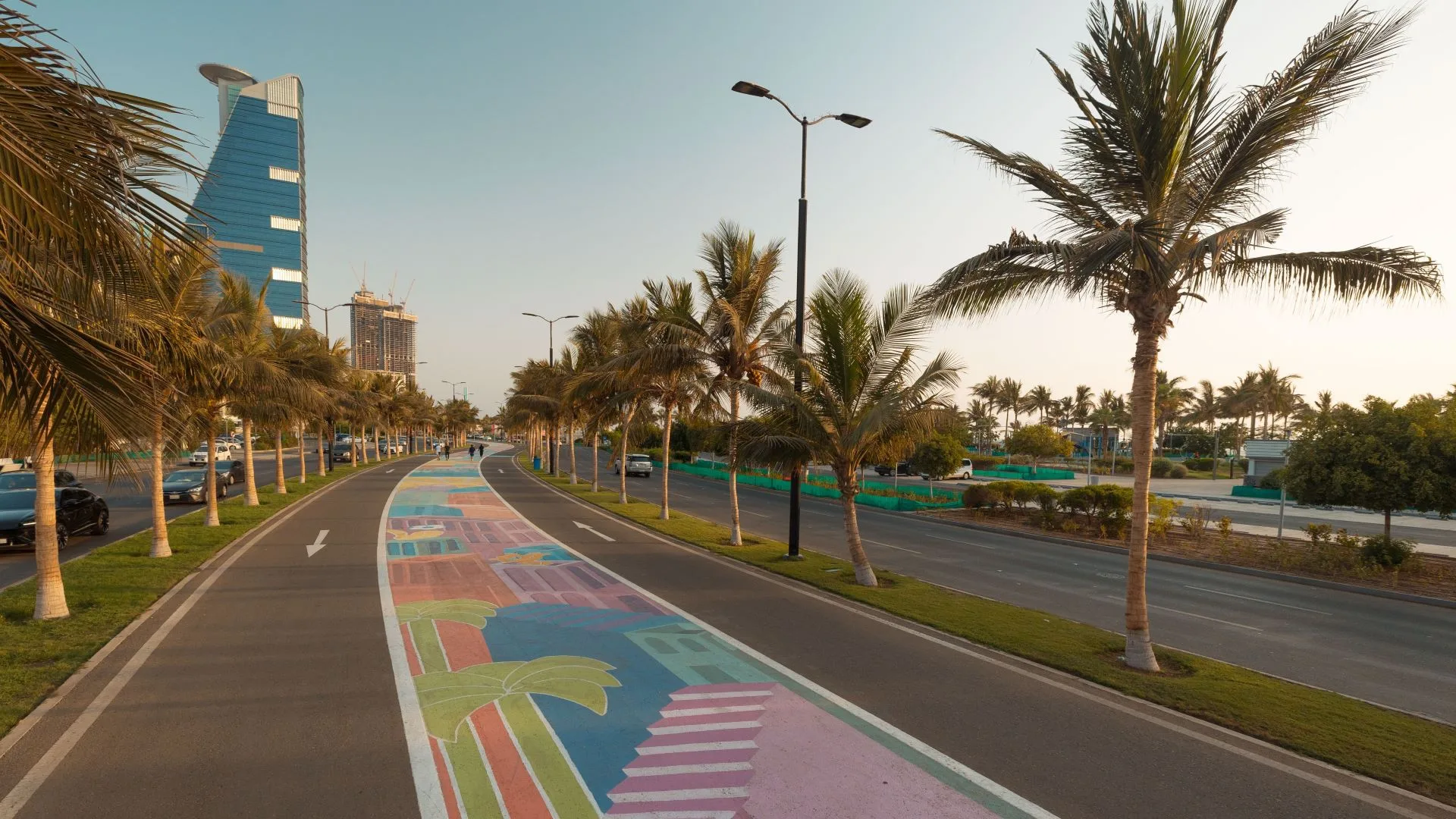
Riyadh and Jeddah both have large malls with international luxury brands, and dining has broadened sharply, from established local favourites to international restaurant groups. In Riyadh, Boulevard City, Diriyah and the King Abdullah Financial District have become dining destinations. In Jeddah, the Corniche and the restored streets of Al-Balad are popular for an evening out. Restaurants and cafés stay open late, which suits the climate.
5-Star Hotels, Resorts, and Private Clubs
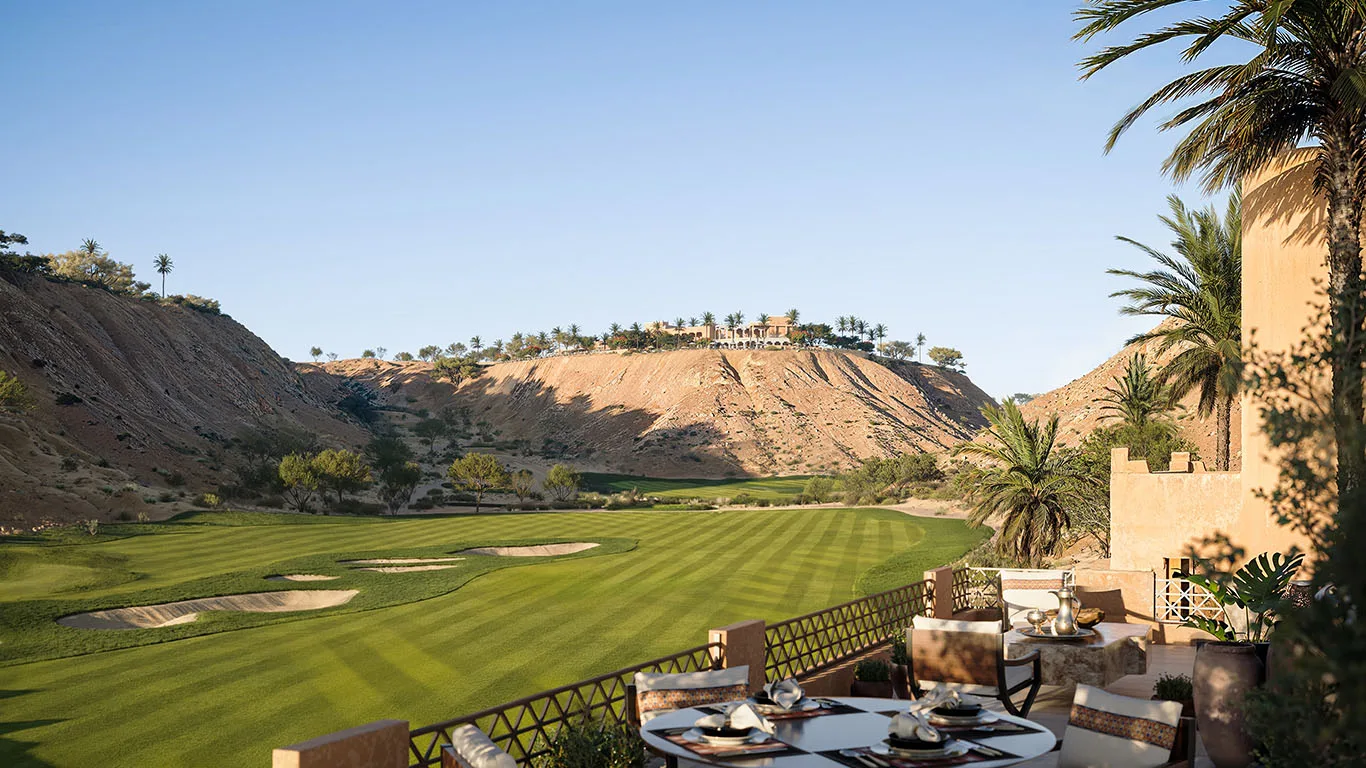
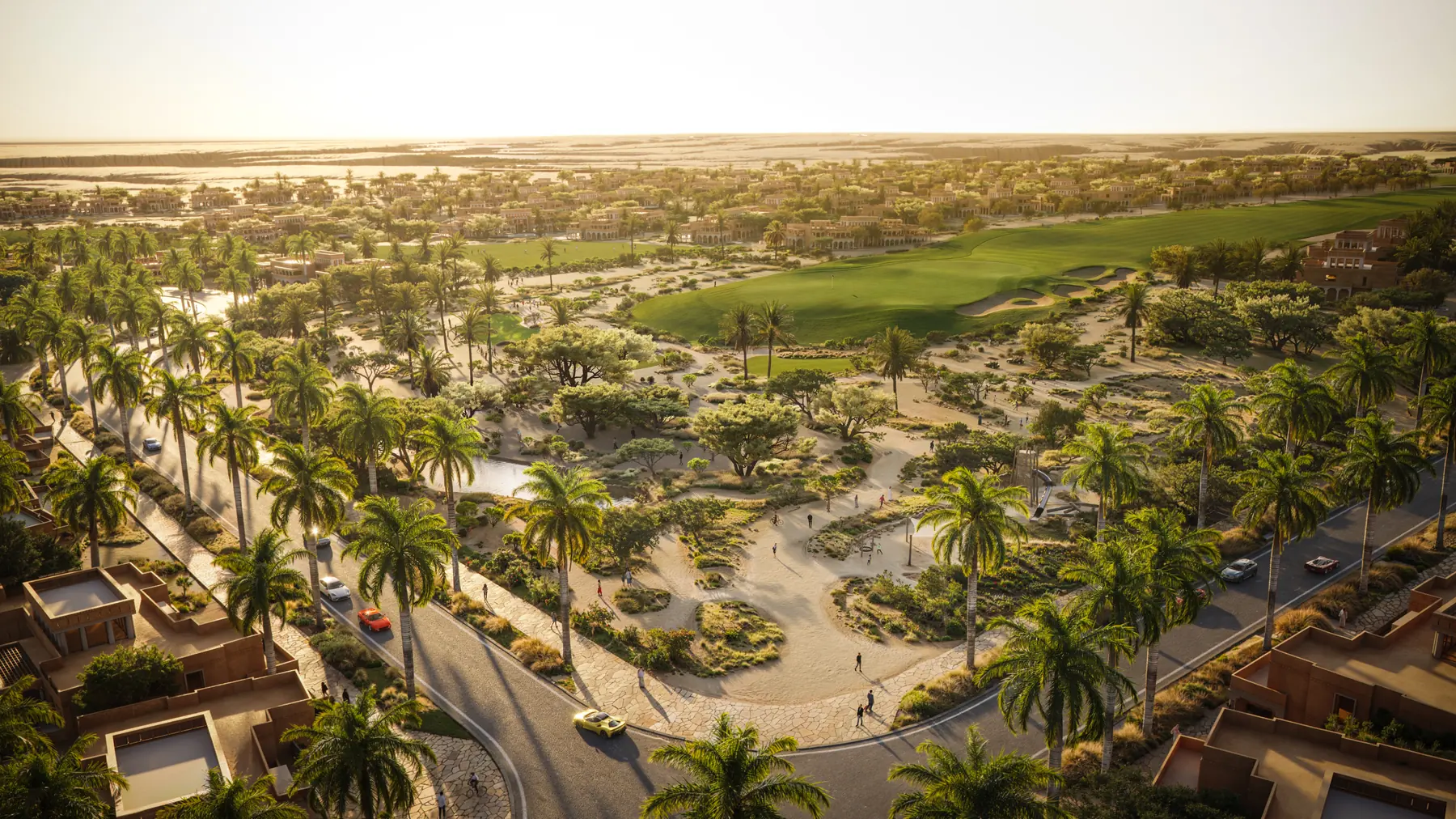
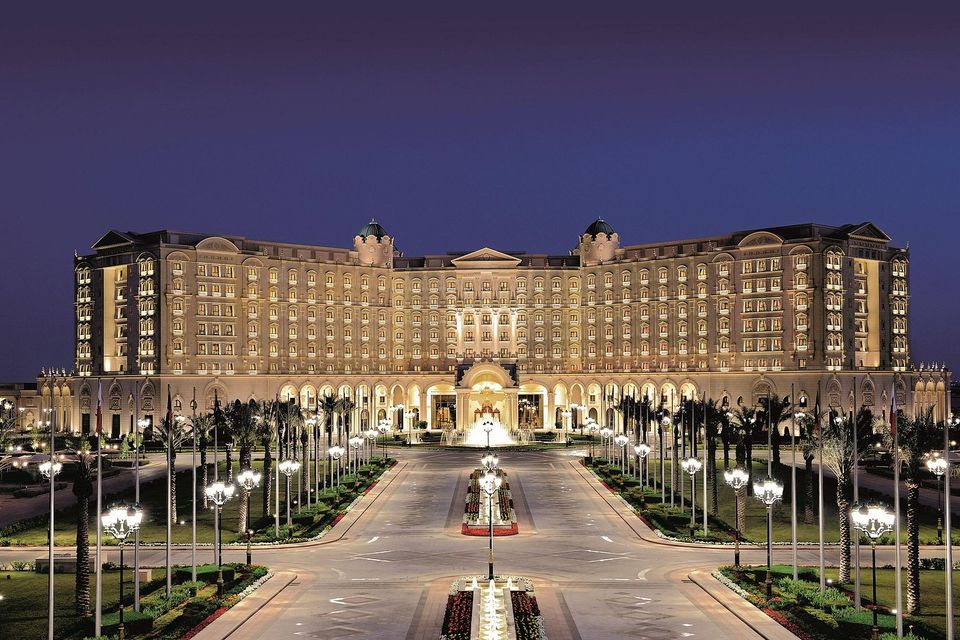
International luxury hotels are well represented, including The Ritz-Carlton, Riyadh, a landmark set in large landscaped grounds. Beyond the cities, resorts in AlUla and on the Red Sea coast offer desert and island stays aimed at international visitors. Golf has grown too, with courses including Royal Greens at King Abdullah Economic City on the coast north of Jeddah. Members' clubs and sports venues provide the social and networking side that many professionals value.
What a well-provided year costs in Riyadh
The home, the school, staff, dining, the club and the berth, priced line by line and set against the world’s wealthiest cities.
Explore Saudi Arabia's Rich Culture and Recreation
Saudi Arabia has a deep history that was largely closed to visitors until recently, and a recreation scene that has grown fast since 2018. Weekends in the main cities tend to involve family meals, malls, sport and seasonal events, with trips further afield in the cooler months.
Historic Sites and Heritage Landmarks
AlUla, in the north-west, is home to Hegra, the Kingdom's first UNESCO World Heritage Site, with Nabataean tombs carved into sandstone. Diriyah, on Riyadh's western edge, is the historic birthplace of the Saudi state; its At-Turaif district is a UNESCO World Heritage Site, and the surrounding area is being developed with restaurants, museums and homes. In Jeddah, Al-Balad, the historic old town with its coral-stone merchant houses, is also on the UNESCO list and is being carefully restored.
Arts, Festivals, and Entertainment
Riyadh Season, the city's annual programme of concerts, sport and entertainment, runs through the cooler months and draws large crowds, with Boulevard City and other entertainment districts hosting much of it. The Jeddah Corniche Circuit hosts the Saudi Arabian Grand Prix, and the city's cultural calendar has grown with film, art and music events. In Dhahran, the King Abdulaziz Center for World Culture, known as Ithra, runs exhibitions, performances and a large library. Football is followed closely, and the Kingdom now hosts major international fixtures in boxing, golf, tennis and motorsport.
Outdoor Adventures and Natural Wonders
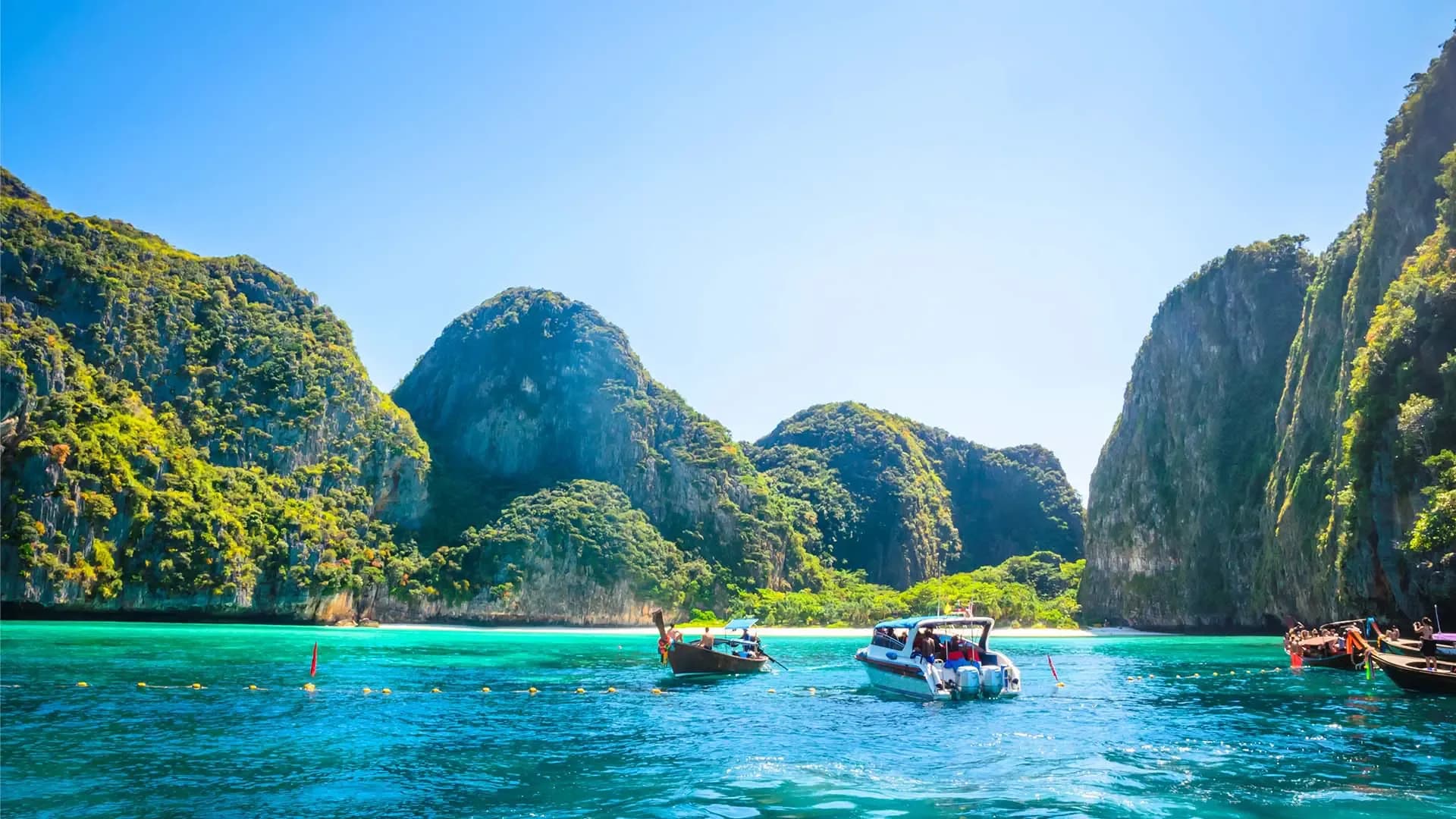
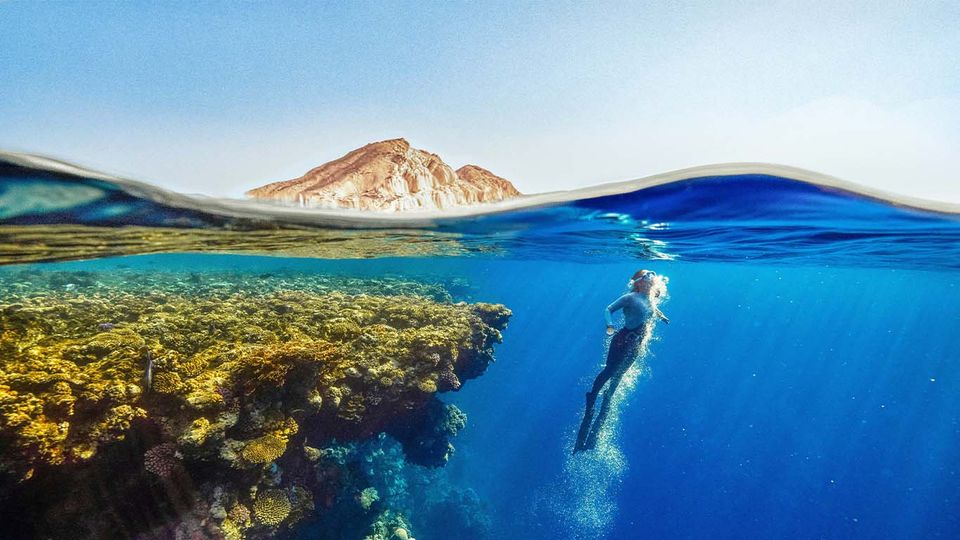
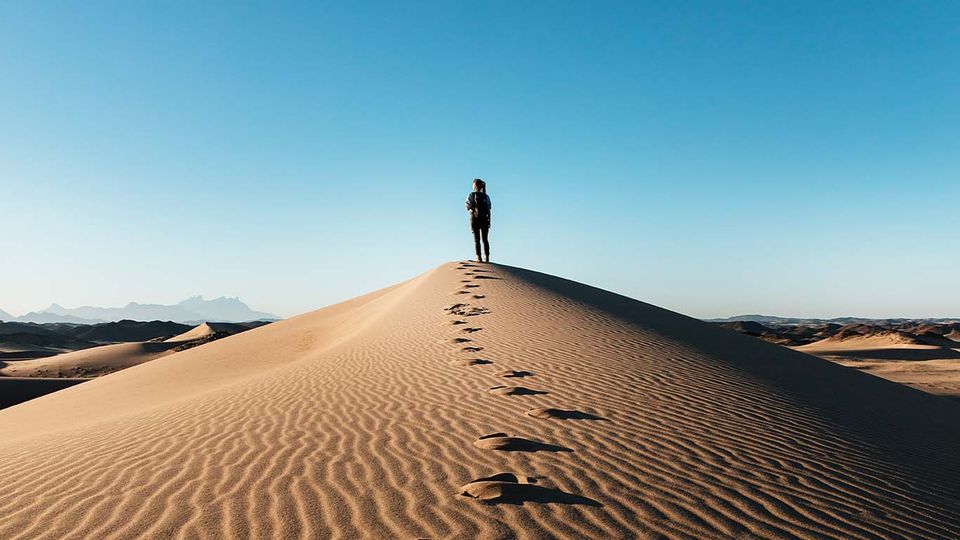
The Red Sea is the great draw. Diving and snorkelling are excellent, and weekend trips along the coast are part of local life. The Asir mountains in the south-west offer cooler weather, hiking and terraced villages. The Empty Quarter offers desert landscapes on a vast scale. Further up the coast, the Red Sea tourism projects are opening resorts aimed at international visitors.
Keep this guide: get it as a PDF.
World-Class Education and Healthcare in Saudi Arabia
Schools and healthcare are often the deciding factors for families relocating, and both are well provided for in Riyadh and Jeddah.
Renowned International Schools and Universities
Families have a good choice of international schools in Riyadh and Jeddah, teaching the British, American, International Baccalaureate and other curricula. Long-established names include the British International School Riyadh and the American International School of Jeddah. Places at the most popular schools can be competitive, so families planning a move should start the process early. Many schools sit in or near the northern districts of Riyadh and the northern coastal districts of Jeddah, which influences where families choose to live.
For higher education, King Abdullah University of Science and Technology, known as KAUST, on the coast north of Jeddah, is a graduate research university with an international faculty.
Advanced Medical Facilities and Services
Healthcare in the main cities is of a high standard, with large public hospitals such as King Faisal Specialist Hospital and Research Centre in Riyadh alongside a broad private sector, including groups such as Dr Sulaiman Al Habib and Saudi German Hospital. Expatriates working in the private sector are generally covered by mandatory health insurance through their employer. Anyone living in the Kingdom on another basis, including Premium Residency, should arrange suitable private cover.
Life as an Expat in Saudi Arabia
Living in the Kingdom as an expatriate usually means one of two routes: a residence permit through employment, or a route that does not depend on an employer, such as Premium Residency. Visitors can use the tourist eVisa for shorter stays.
If you would like to live in the Kingdom for part or all of the year, residency is worth planning alongside the purchase. Premium Residency includes a route for real estate owners, subject to conditions on the property, and our guide to foreign ownership explains how it fits with the new ownership law.
What Expats Love About Living Here
The points expatriates raise most often are practical: modern housing with good facilities, no personal income tax on salaries, career opportunities in fields linked to Vision 2030, easy travel within the region and a calendar of events that keeps growing. Families value the choice of international schools and the quality of private healthcare. The Red Sea coast and the cooler months make weekends and holidays easy to fill.
Community Insights: Stories from Expats
Many newcomers find the welcome warmer than they expected. Common themes in expatriate accounts are the hospitality of Saudi colleagues and neighbours, the importance of family gatherings, and how quickly the pace of change comes to feel normal. The Al Khobar Corniche in the Eastern Province, the Jeddah waterfront and Riyadh Season events are frequent meeting points. The adjustments people mention most are the summer heat, the reliance on the car and getting used to prayer times and Ramadan hours.
Navigating Local Customs and Practices
A few practical points help newcomers settle quickly.
- Dress. Rules have relaxed, and the abaya is no longer required for foreign women, but modest dress in public is expected for both men and women.
- Prayer times. Some shops and services pause briefly at prayer times. Most people plan around this without noticing after a few weeks.
- Ramadan. Eating and drinking in public during daylight hours should be avoided. Working hours shorten and evenings become the social focus.
- Driving. Most people drive. A UK licence can be used for a short period, but residents will need a Saudi licence.
- Visas and residence. Visitors can use the tourist eVisa. Living in the Kingdom requires a residence permit, through employment or through a route such as Premium Residency.
- Language. Arabic is the official language. English is widely used in business, healthcare and international settings.
To see homes in Riyadh and Jeddah, visit our Saudi Arabia off-plan property page or our wider property search. For a broader view of the market, read our Saudi property outlook, or book a consultation to talk through how you plan to use the home.
Frequently asked questions
Is Saudi Arabia a good place for expatriates to live?
Many expatriates find life in Riyadh and Jeddah comfortable, with modern housing, good international schools, strong healthcare and a growing range of entertainment. The climate is very hot in summer and the country remains conservative in many respects. Most people adapt quickly once they understand local customs.
Which is better to live in, Riyadh or Jeddah?
Riyadh is the capital and business centre, with the Metro, the financial district and most corporate employers. Jeddah has the Red Sea coast, the Corniche and a more relaxed pace. Your work, family needs and how you plan to use the home usually decide it.
Are there good international schools?
Yes. Riyadh and Jeddah both have international schools teaching British, American, International Baccalaureate and other curricula. Places at the most popular schools can be competitive, so apply early.
What should foreigners know about local customs?
Dress modestly in public, be respectful during prayer times and avoid eating or drinking in public during daylight hours in Ramadan. Alcohol is not generally available. The weekend runs Friday and Saturday.
Can buying property help me live in Saudi Arabia?
Premium Residency includes a route for real estate owners, subject to conditions on the type and value of the property. An off-plan unit may need to be completed before it can support an application. Our desk confirms the current requirements for your circumstances.
Part of our guide to investing in Saudi Arabia.