














In this story5 chapters
Few features add as much to a home’s value as water. A beach, a marina or a river frontage can add half again to the price of an otherwise identical house. This is why the premium exists, how large it is, and the risk that now sits against it.
How big the premium is
Knight Frank has measured it more carefully than anyone. Its UK Waterfront Index found that in Q2 2023 waterfront homes sold at an average 48% premium over comparable homes nearby, and coastal homes at 66%. Its global research in 2018 put the average at 40%, rising to 58.5% for beachfront.
The premium narrows as you move away from the water. Savills, using Land Registry data, found homes within 100 metres of the coast in England and Wales cost about 13% more than those up to a kilometre inland, and 21% more in Wales. The frontage is where the value is.
Interactive · The premium
What buyers pay to be by the water
The premium a waterfront home commands over a comparable one inland. Add the climate discount to see the other side of the ledger.
Why it exists
The reason is supply. A coastline cannot be extended, and the best stretches of it were built on long ago. Planning and environmental rules limit new development on the water in most mature markets, so the stock of waterfront homes grows slowly while the number of people who want one grows with wealth.
Buyers also pay for things inland homes cannot offer: an open view that cannot be built out, access to the water itself, and the quiet of a frontage with neighbours on one side only.
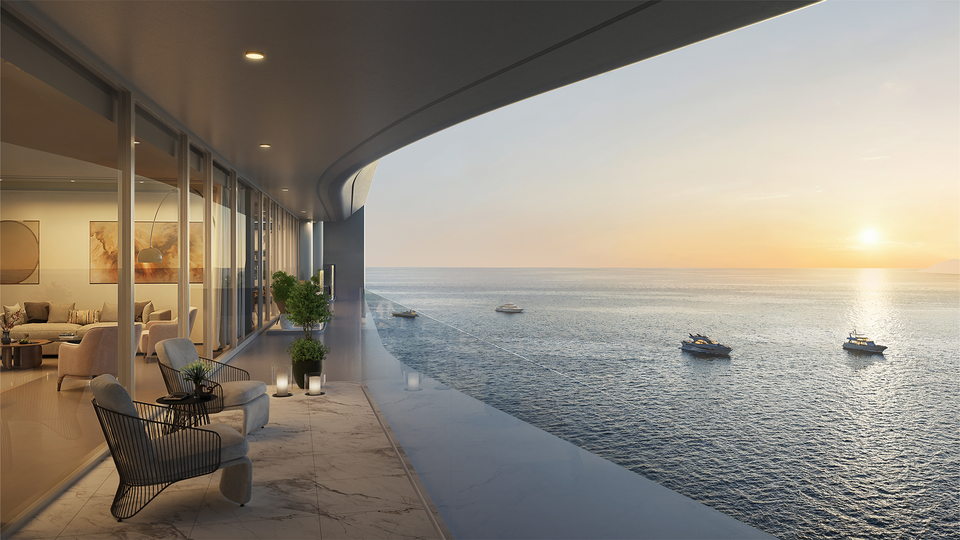
 On the marketThe Sail, MalaccaMelaka, MalaysiaFrom MYR 724,298See the development
Where the premium has grown
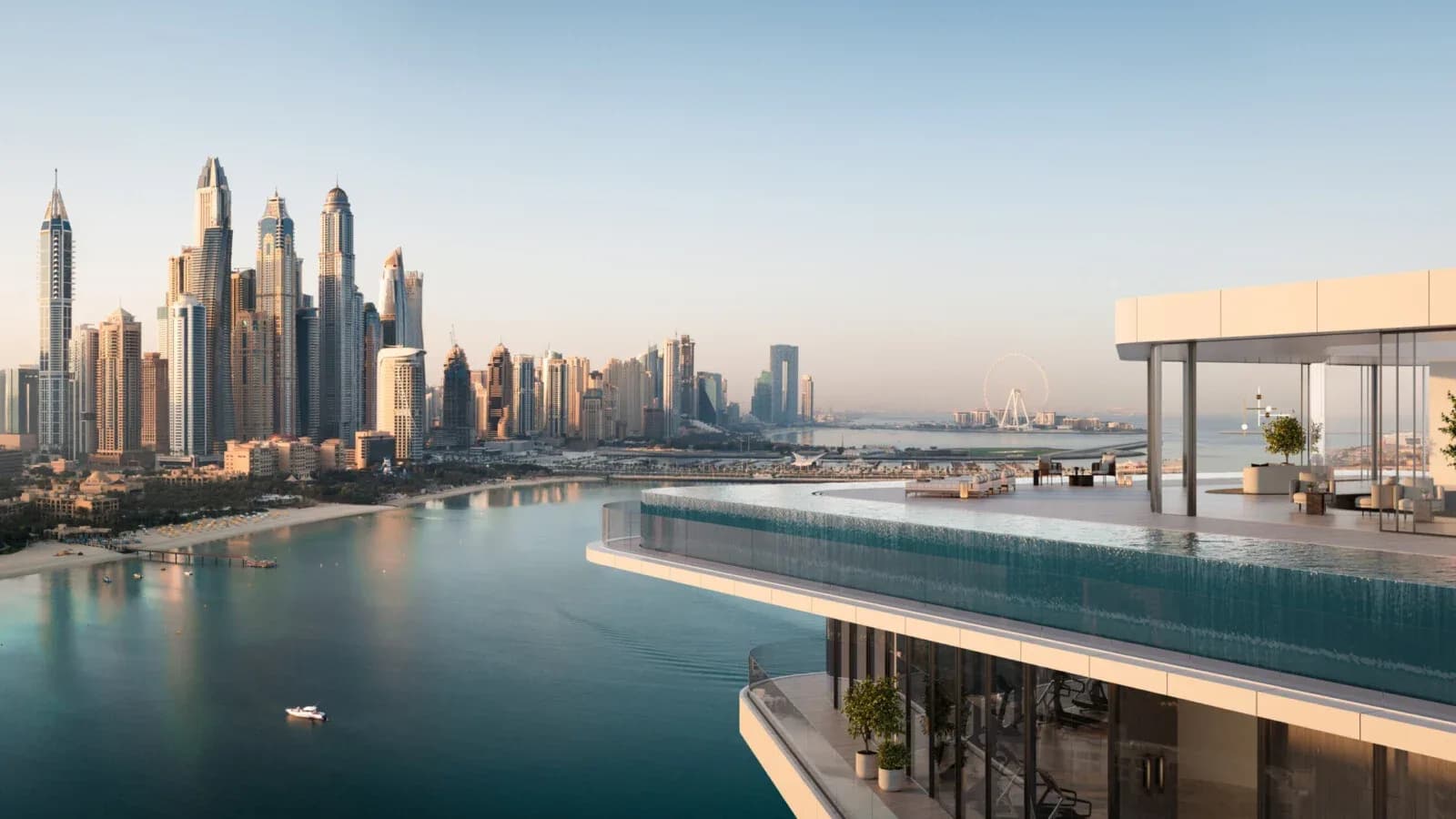
The fastest-growing waterfront markets have been those that created new frontage at the top end. In Dubai, ValuStrat reports that island villa values have roughly tripled since 2021, led by Palm Jumeirah. Saudi Arabia’s Red Sea projects are building an ultra-luxury coast from scratch. In Asia, the Andaman coast of Thailand, the Malacca Strait and Oman’s cliffs above the Gulf of Oman each offer frontage at prices far below the Mediterranean.
The risk that now sits against it
The waterfront premium now has a counterweight. Research by Bernstein, Gustafson and Lewis found that US homes exposed to projected sea-level rise sell at about a 7% discount to comparable unexposed homes, and a study of Savannah found a 3.1% discount for flood exposure. As insurers price climate risk more precisely, some coastlines will see the premium shrink.
That does not make waterfront property a poor investment. It makes selection more important.
- Elevation. Homes above flood level keep the view and lose the risk.
- Defences. Sea walls, breakwaters and marina design protect the frontage.
- Insurability. Ask what cover costs before you buy, not after.
- Orientation. Sheltered bays and marinas are less exposed than open beaches.
What to buy
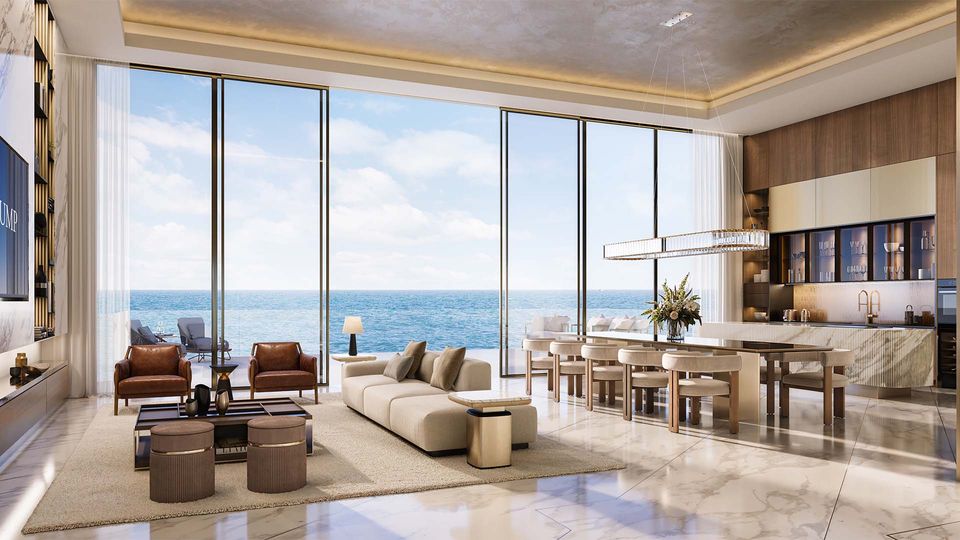
The waterfront homes that hold value best combine scarcity with protection. A marina apartment above the water line, a villa on a headland, a clifftop residence with the sea below: each has the view without the exposure of a low-lying beachfront. Our advisers can show you waterfront homes in Melaka, Phuket and Muscat, with the flood and insurance questions answered.