




















In this story7 chapters
The asking price is the smallest number in yacht ownership that you will only pay once. What follows is everything after it. These are the costs of keeping a 60-foot motor yacht ready to leave the dock, set out the way a family office would budget them.
The 10% rule, and where it breaks
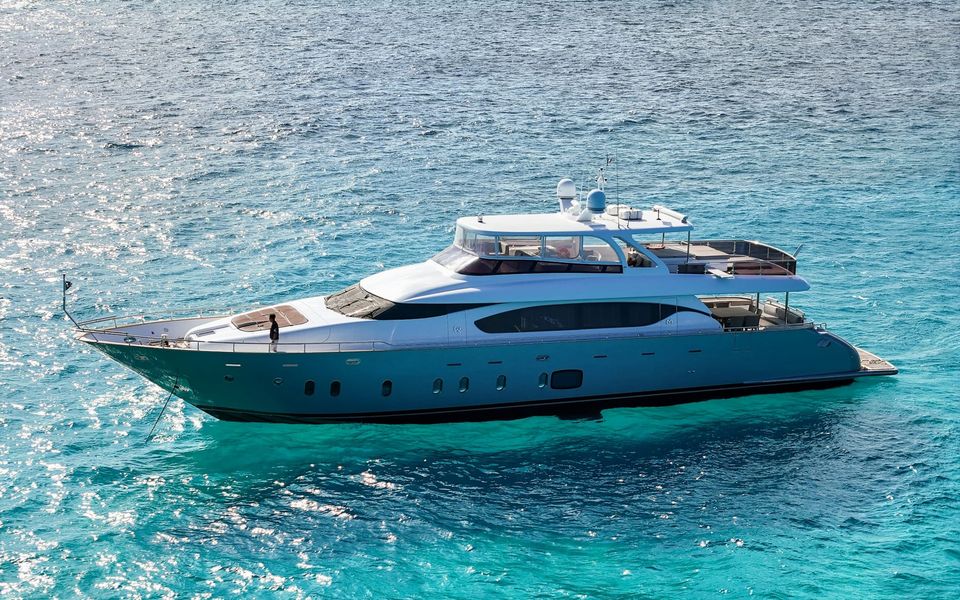
Ask a broker what a yacht costs to run and you will hear the same answer: about a tenth of its value, every year. Ocean Independence repeats it in its 2026 guide, and others stretch it to 10–15%. For a 60-footer that makes the budget easy to sketch. A near-new Princess F58 or Azimut Fly 60 trades at roughly €1.8–2.2m, which puts the annual bill at around €180,000–220,000.
The rule is a starting point. It assumes a crewed boat in regular use. It overstates the cost of an owner-run boat kept on a modest berth, and it understates the cost of an older yacht, where maintenance climbs as the value falls. West Nautical makes the point bluntly: the percentage stops working as yachts age. Model your own boat, line by line.
Interactive · Running costs
What a yacht costs to keep, a year
Set the boat, the crew and the berth. The total updates against the 10% rule the industry quotes.
€5,500 a month plus 20% for leave, flights, insurance.
- Crew€79,200
- Berth€36,972
- Maintenance and refit€60,000
- Fuel€55,200
- Insurance€15,000
- Admin, safety, comms€19,200
Crew: the line that decides the total
On a yacht of this size the choice is between running it yourself, employing a captain, or adding a deckhand. Each step changes the budget more than any other decision you make.
- Captain. YPI Crew’s 2026 guide puts captains on yachts under 30 metres at €5,000–6,000 a month. Lighthouse Careers places the 24–30 metre band at €6,000–9,500.
- Deckhand or mate. €2,200–3,200 a month for a deckhand, €3,000–4,200 for a mate.
- On-costs. Leave, flights, crew insurance and training add roughly a fifth to the salary bill.
A permanent captain therefore costs about €80,000 a year. A captain and deckhand cost nearer €120,000. Many owners of 60-footers split the difference: a freelance skipper for passages and the season, and a management company for the winter.
The berth: where you keep it
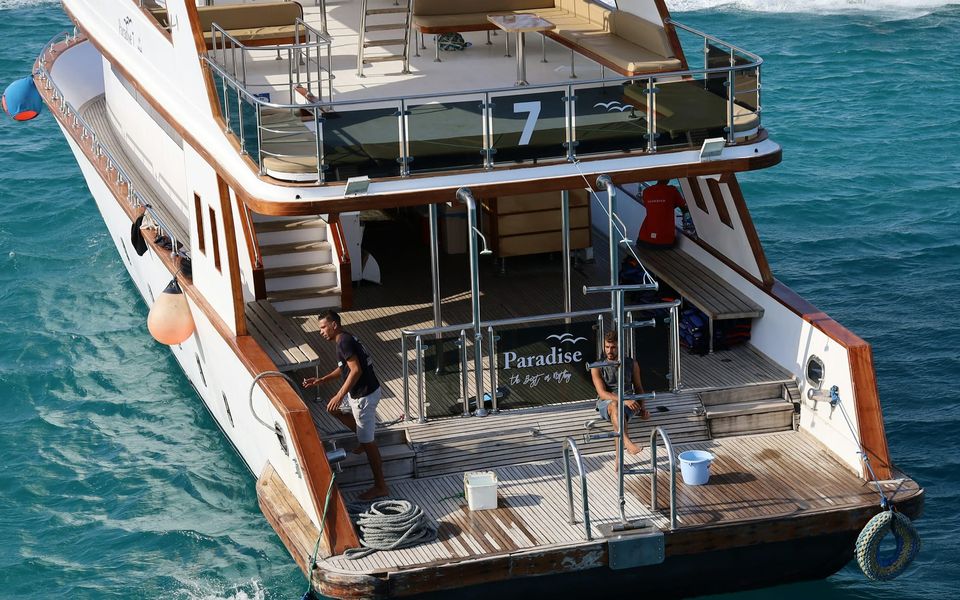
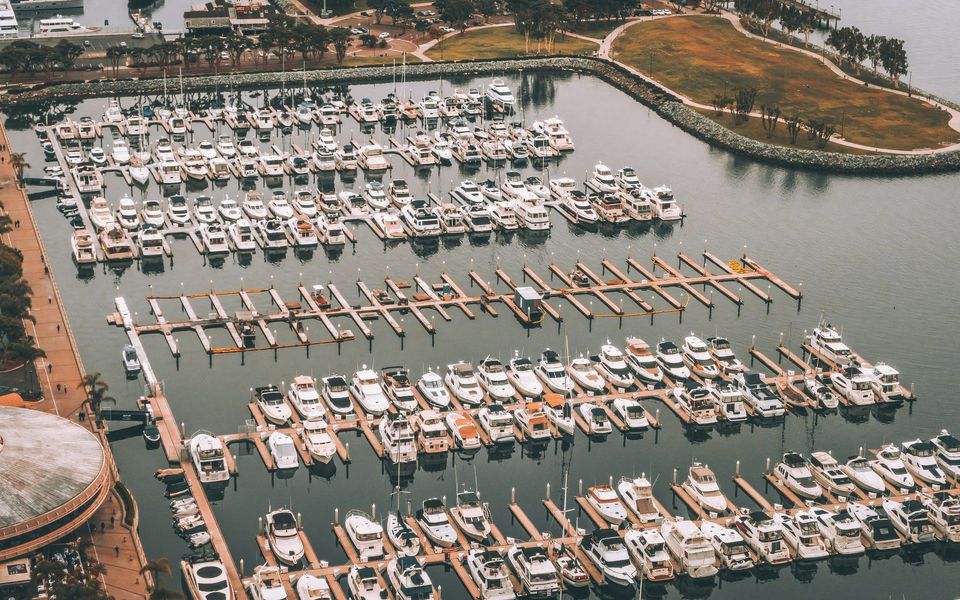
Marina fees are the cost owners most often underestimate, because they depend on postcode as much as length. The best published benchmark is Monaco. Port Hercule’s 2026 visitor tariff charges €2,527 a month for an 18–19 metre yacht in low season and €4,062 between May and October. A full year there costs around €38,000.
Elsewhere, annual contracts are cheaper but rarely published. MDL’s July 2026 tariff for Ocean Village in Southampton prices the 15–24 metre band per metre. An industry study of Gulf marinas puts a 15-metre berth at about $10,500 a year, with Oman 5–10% below the regional average. Get a written quote before you buy the boat, not after.
 On the marketThe Sail, MalaccaMelaka, MalaysiaFrom MYR 724,298See the development
Fuel, insurance and upkeep
Fuel follows use. A Princess F58 burns about 270 litres an hour at 20 knots; a Sunseeker 65 about 200. At 150 engine hours a season, a 60-footer will burn 30,000–40,000 litres. Price your own marina’s diesel; it varies widely.
Insurance runs at 0.5–1% of hull value a year, according to Ocean Independence. Pantaenius quotes about 0.5% of the sum insured on an agreed-value policy. Cruising grounds, a named-storm area and a professional captain all move the premium.
Maintenance and refit is the line that grows with age. Antifouling, engine services, haul-outs, teak, electronics and the surprise that every owner meets eventually all sit here. Budget a reserve of 3% of value a year for a new boat, rising towards 6% past ten years. Then keep that reserve untouched for the year something expensive fails.
Charter: what it can and cannot offset
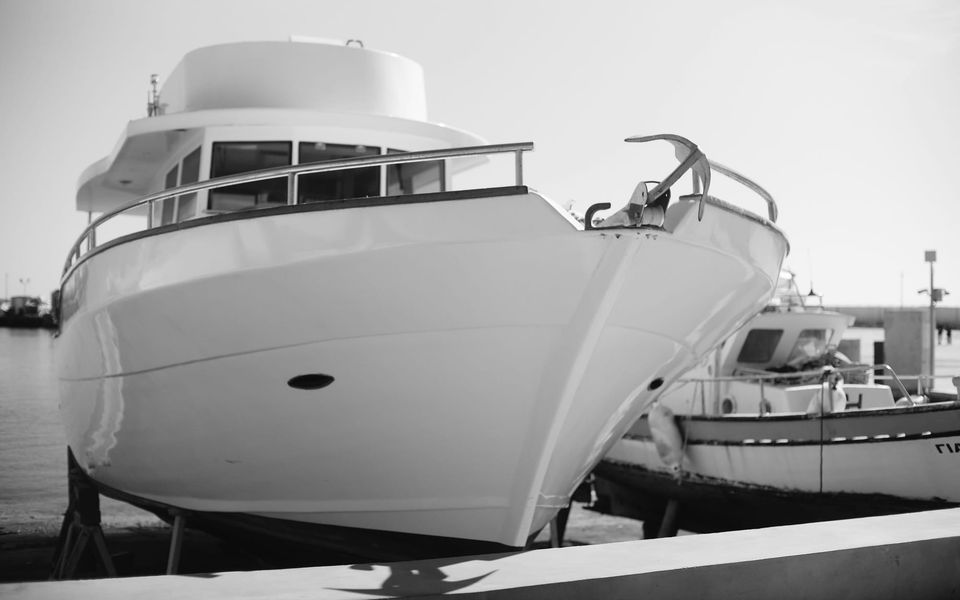
Chartering a 60-footer is possible, and it helps. AICON’s 60-foot Gynah lists at €18,000–23,000 a week in the Mediterranean, plus VAT and provisioning. Brokers take around 20%. YachtBuyer’s view is that eight to ten weeks is typical and covering half the running costs is “doing quite well”. Fraser’s chief executive has said twelve weeks or more is rare.
Charter also changes the yacht. It means a commercial registration in many places, more wear, and a crew you cannot let go in the off season. Treat it as a way to soften the bill, not to erase it.
The owner’s checklist
- Get the berth quoted in writing for a full year before you agree a price on the boat.
- Decide the crew model first; it sets more than a third of the budget.
- Commission an independent survey, and price the first year’s work it finds.
- Keep a maintenance reserve separate from the running budget.
- Budget 15% above your estimate for the first year. Every owner we know needed it.
Where the boat lives, and where you do
The owners who enjoy their yachts most tend to live close to them. A home overlooking the marina turns a boat used three weekends a year into one used every month. On the Malacca Strait, on the Andaman coast and on Muscat’s cliffs, our advisers can show you homes within reach of a berth. Ask the desk.