

In this story6 chapters
The private members’ club has had the best decade in its history. Where London once had a handful, the world’s prime cities now have dozens, with waiting lists to match. The latest step brings the club indoors: into the residences where its members live.
The club boom
Knight Frank’s 2024 research put the scale plainly. More private members’ clubs opened in four years than in the three decades after the Groucho Club opened in 1985. Soho House, the largest operator, reported 264,540 members worldwide in June 2025, before its $2.7bn take-private closed in January 2026.
The reasons are generational. Wealth is younger and more mobile, and its owners want places to work, meet and entertain that are private without being formal. The club has become a home away from home, and in many cases a second office.
What clubs do to property values
Clubs change neighbourhoods. Knight Frank found that demand for homes near prestigious clubs ran at about twice the area average, and those homes sold around two and a half weeks faster. A club brings a certain kind of neighbour, and the restaurants, galleries and shops that follow them.
Bringing the club inside
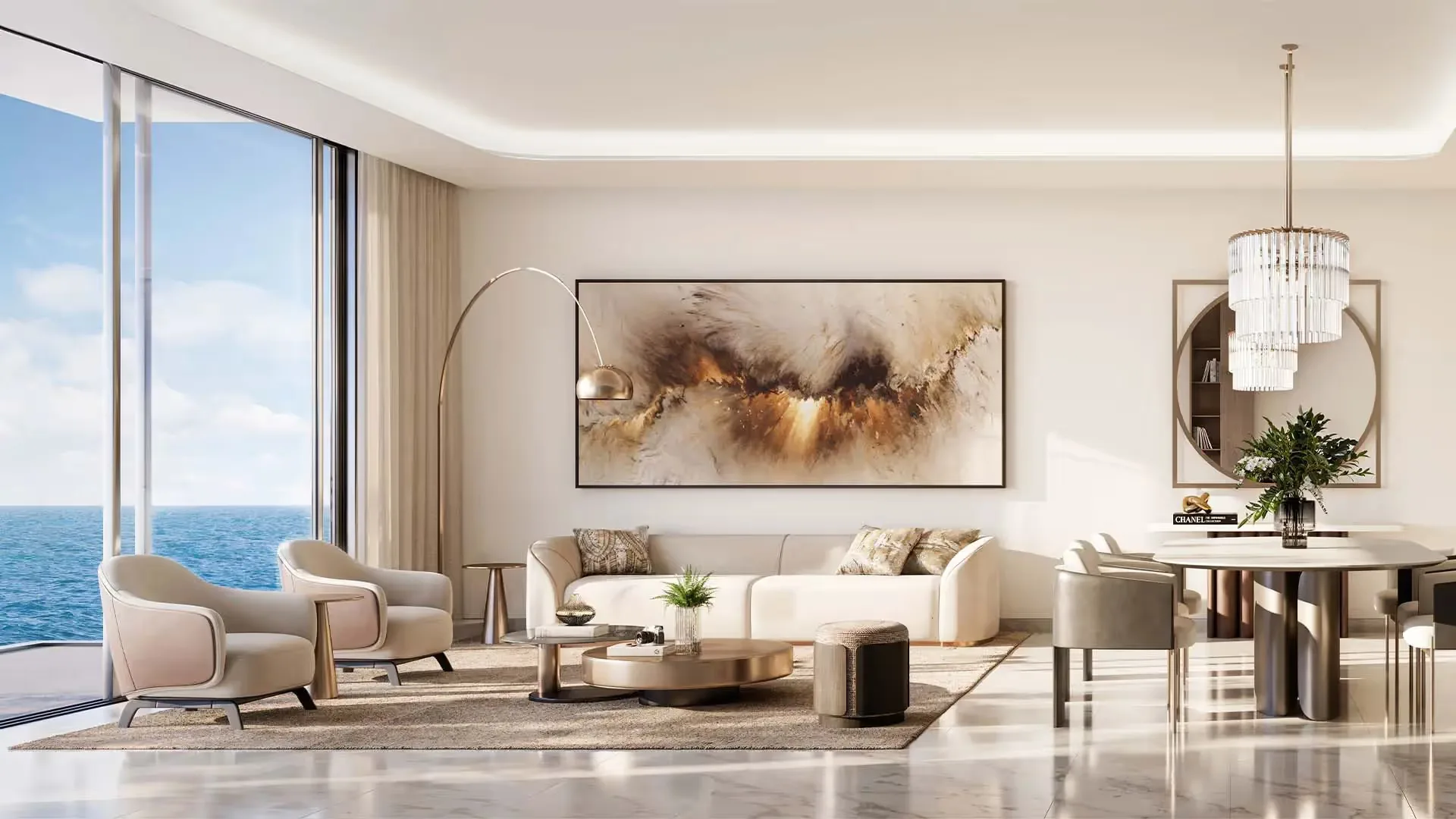
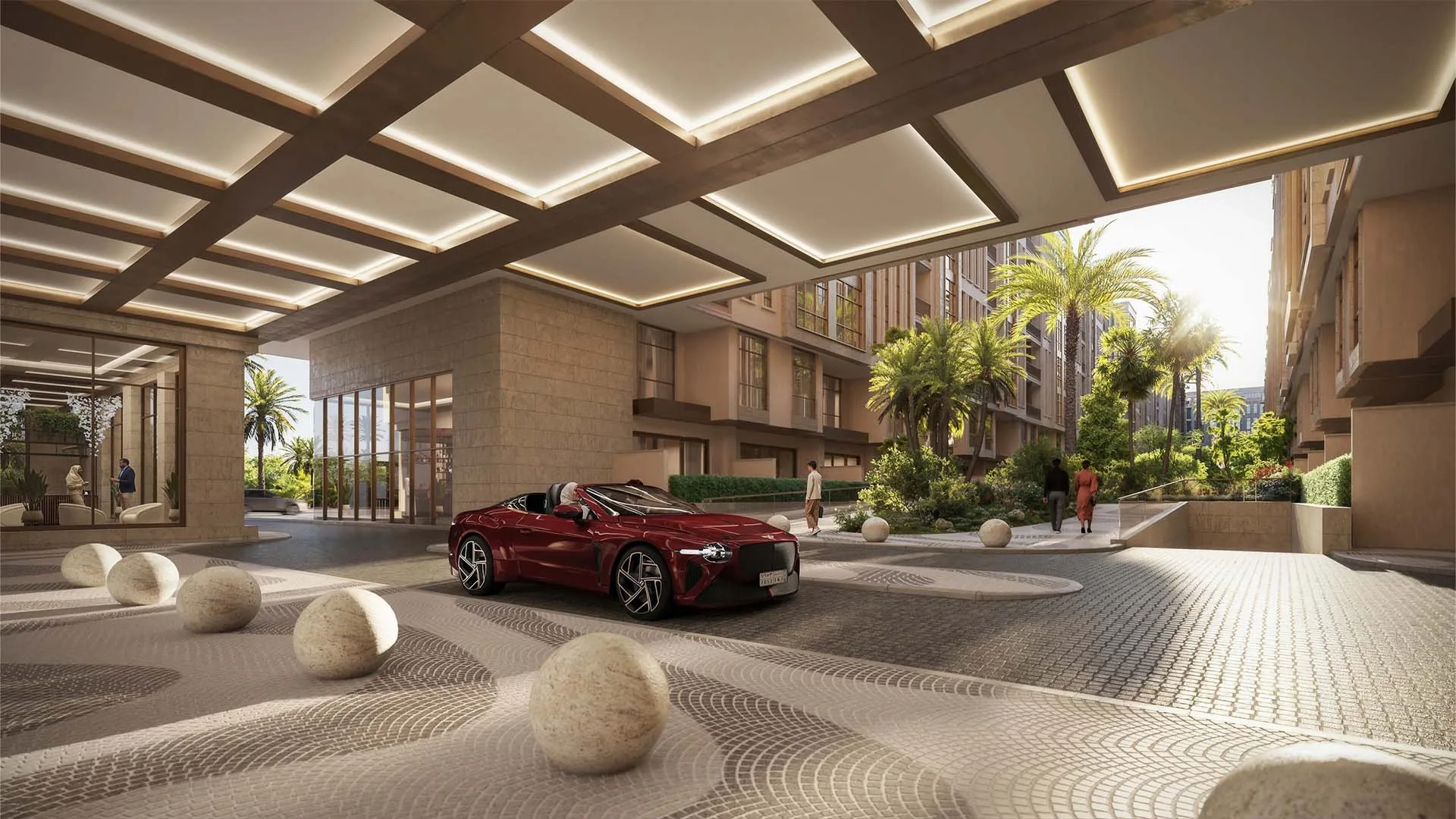
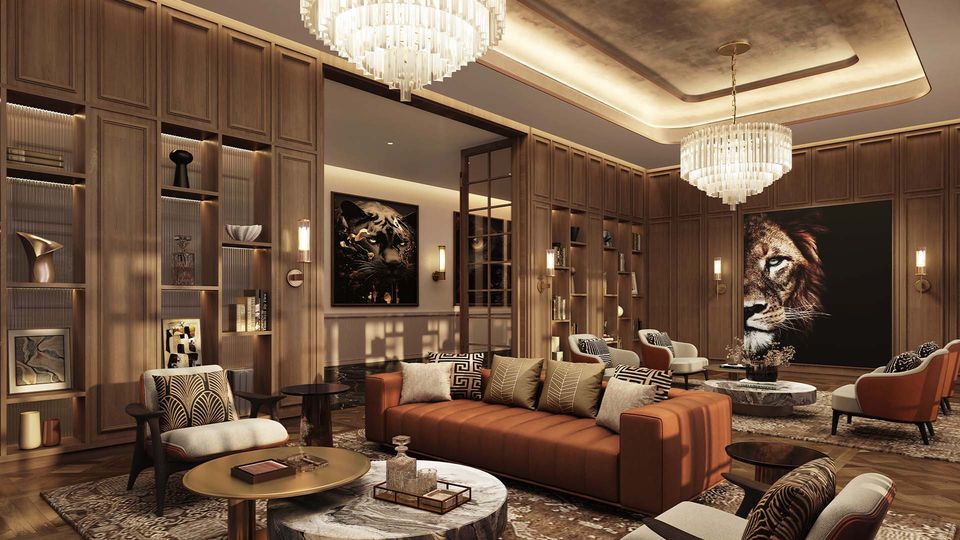
Developers have drawn the obvious conclusion: build the club into the building. Prime residences now compete on private amenities that go well beyond a gym and a pool.
- Owners’ lounges and dining rooms, run by hospitality operators, for entertaining without leaving the building.
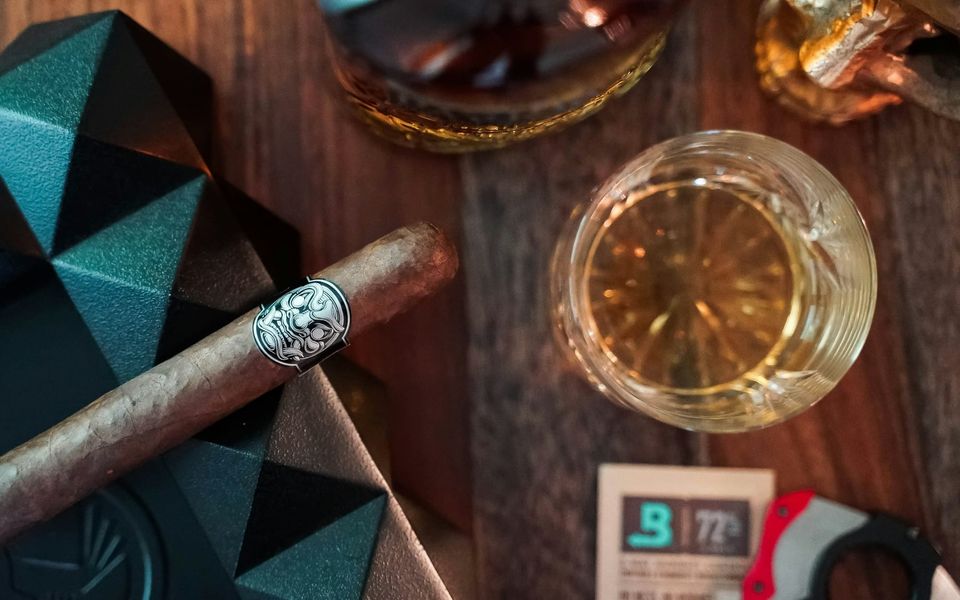
- Cigar lounges, with humidors, ventilation and lockers, now a feature of a growing number of Gulf and Asian luxury towers.
- Screening rooms, wine rooms and private offices, bookable by residents.
- Membership of an external club, offered with the purchase in some branded developments.
These spaces work because they are exclusive to owners. They also create a community within the building, which supports both resale and rental demand.
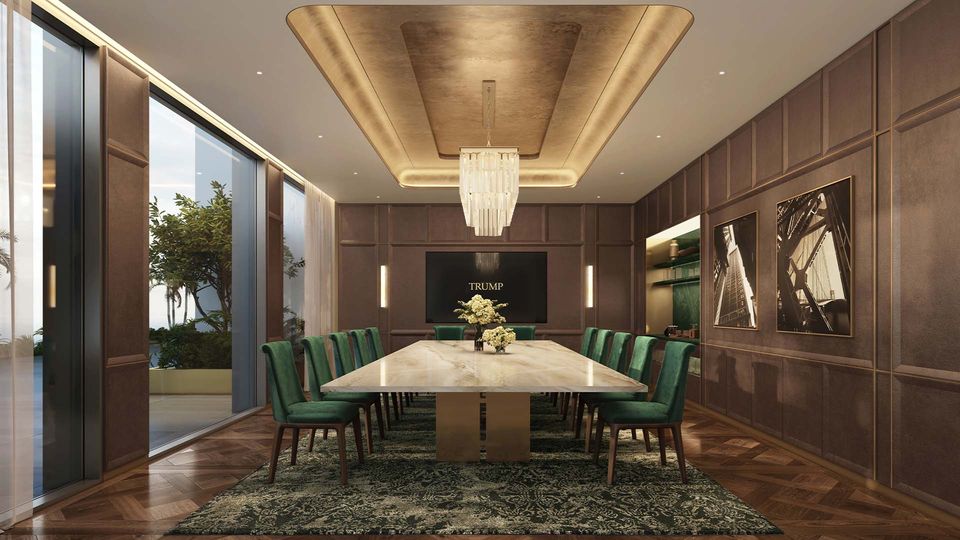
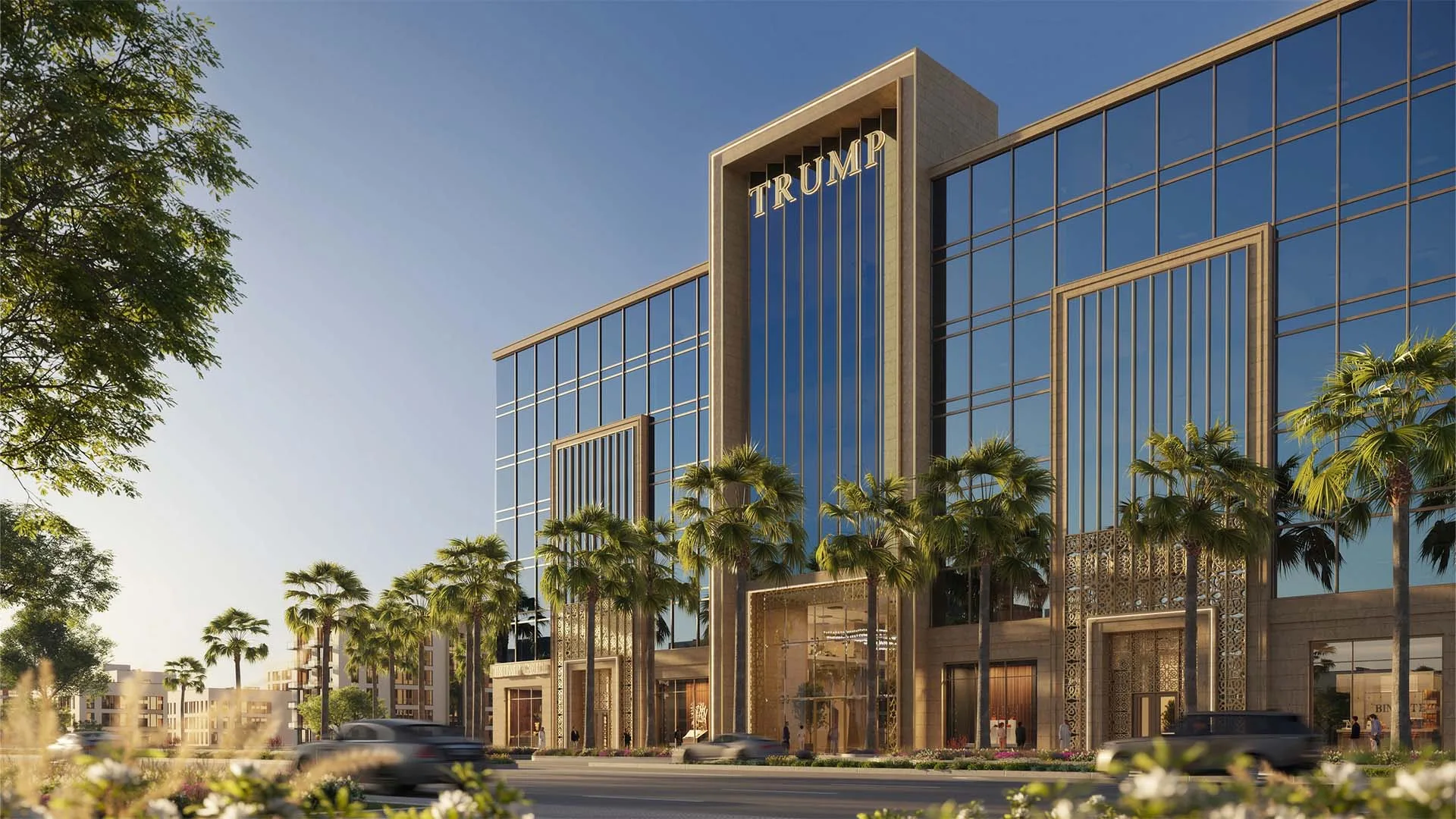
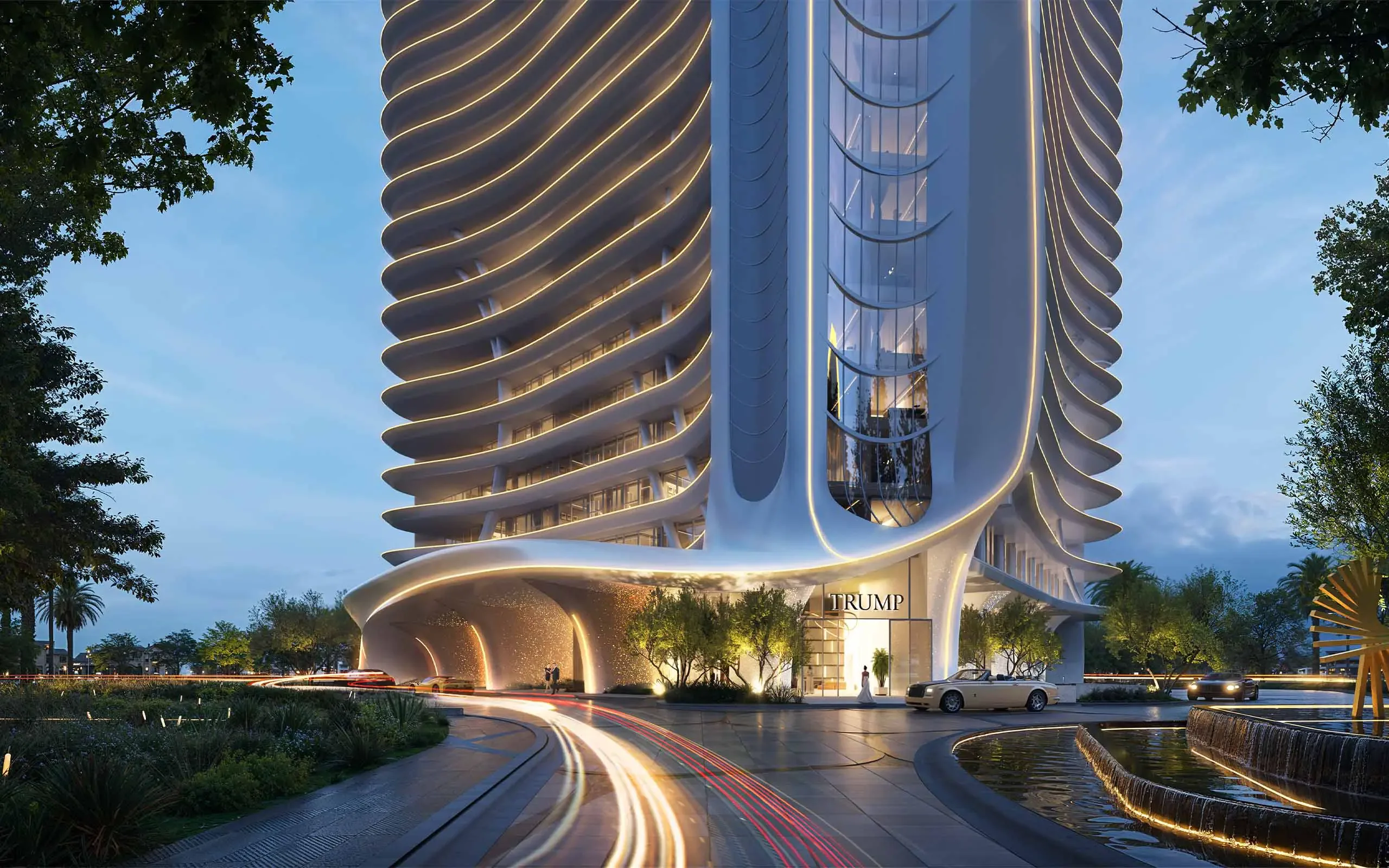 On the market in Saudi ArabiaTrump Tower JeddahJeddah, Saudi ArabiaFrom £454,000See the development
The Gulf leads
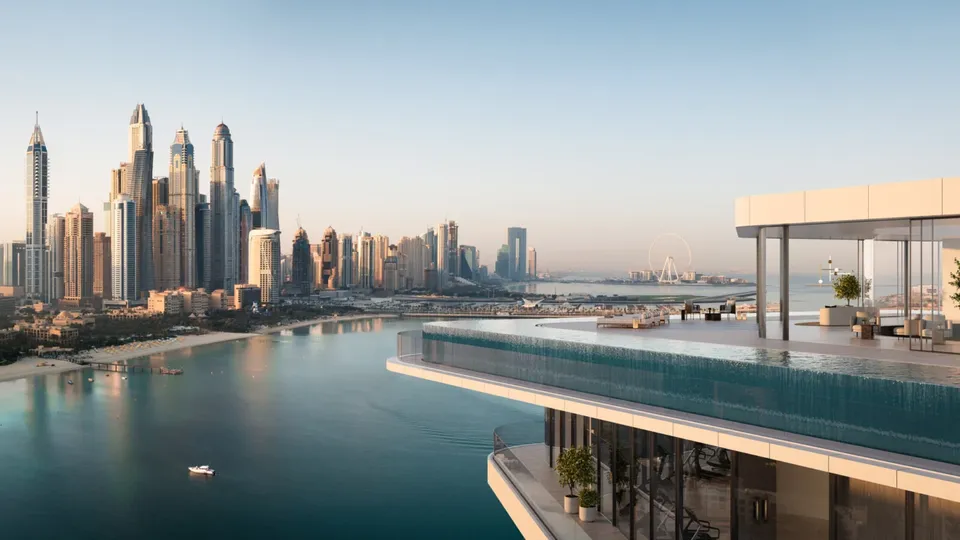
Branded residences are the vehicle, and the Gulf is their largest market. Dubai had 64,744 branded residence units across 183 projects in June 2026. Volumes have fallen as the wider market cooled, but pricing has held firm.
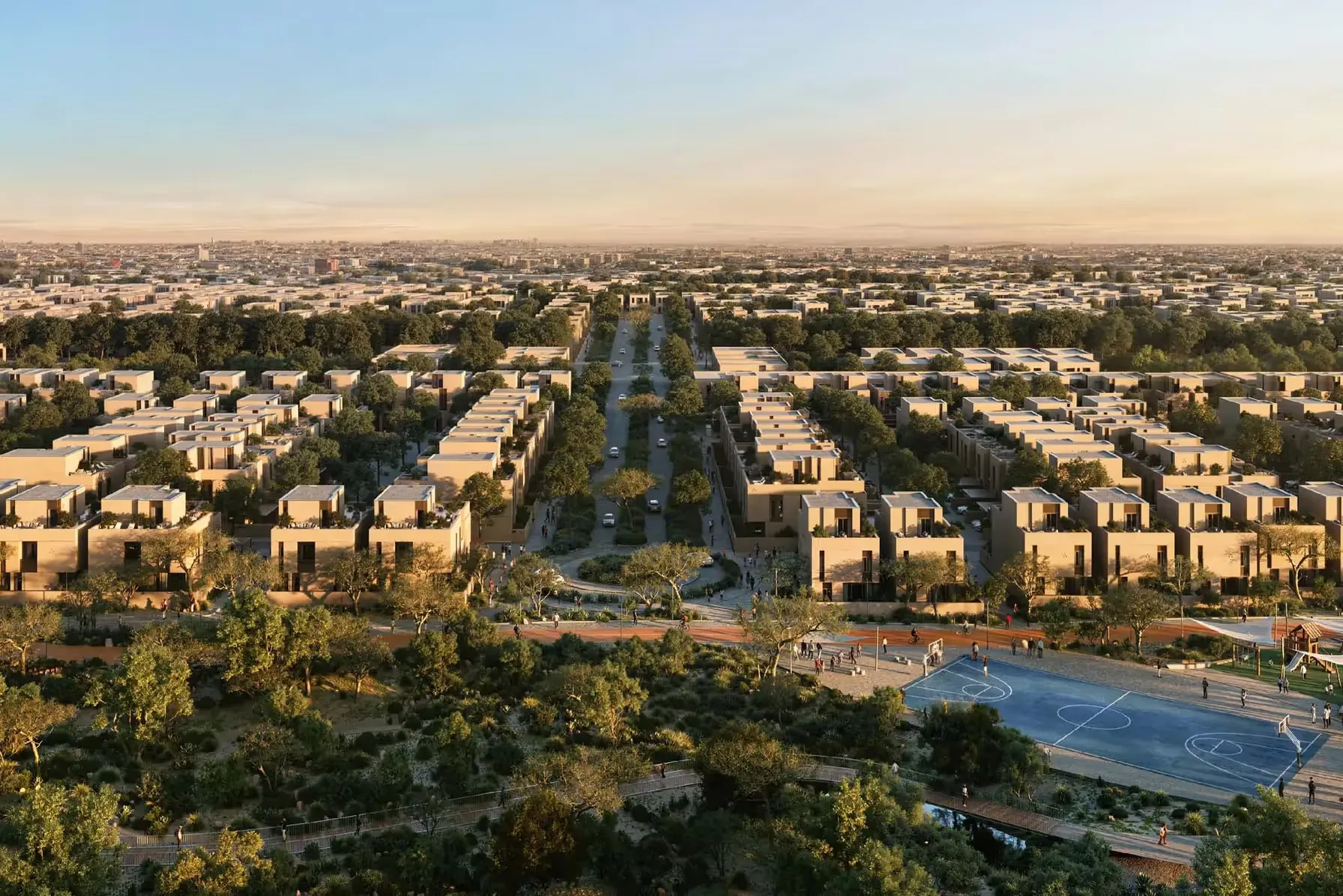
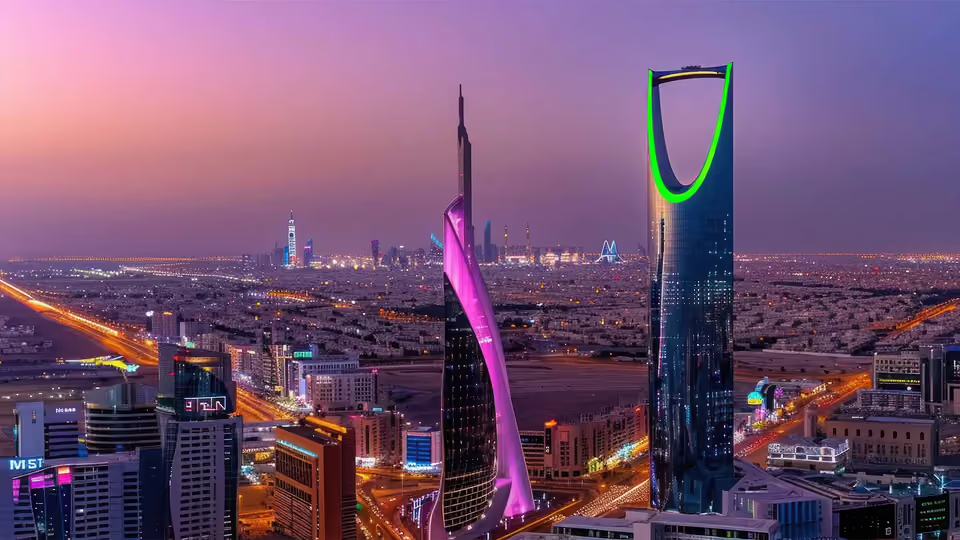
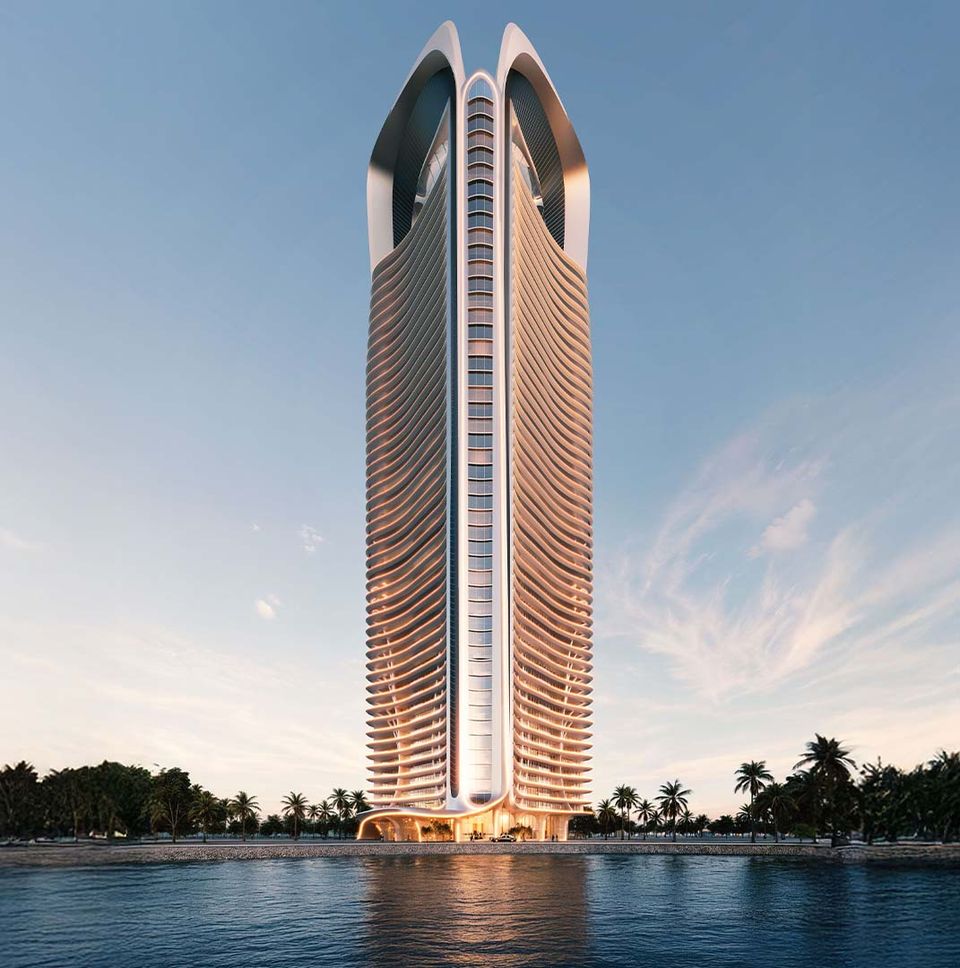
Saudi Arabia is where the next wave is forming. Dar Global’s Trump Tower Jeddah, a SAR 2bn tower of around 500 apartments priced from SAR 4m to SAR 50m, is due in 2029, and Trump Plaza Jeddah, a development of more than $1bn, launched in January 2026. Both sit at the top of the Jeddah market. With Saudi Arabia’s foreign ownership law in force since January 2026, foreign buyers can now purchase in Jeddah’s designated zones.
What to look for
- Who runs it. A hospitality operator with a club pedigree, not the building manager.
- Who pays for it. Service charges that cover the amenity, published and capped.
- Who gets in. Owners only, or owners and guests, with clear rules.
- What it adds. Spaces that residents will use every week, not a showroom feature.
The verdict
The members’ club has moved from the street to the lobby. In the best residences it is no longer an amenity, but the reason to buy. Our Saudi Arabia desk can take you through what is for sale in Jeddah, including both Trump developments.