





In this story5 chapters
The Gulf’s three largest property markets for foreign buyers have moved in different directions in 2026. Dubai, the most open, is correcting after a record year. Saudi Arabia, the largest, has opened its doors. Oman, the smallest, is rising fastest. This is how they compare now.
A difficult year for the region
Any reading of the Gulf in 2026 starts with the conflict that began in February and the closure of the Strait of Hormuz in March. In its October 2026 World Economic Outlook, the IMF cut its forecasts sharply. It now expects the UAE’s economy to shrink by 3.9% this year and Saudi Arabia’s by 3.3%, before rebounds of 7.7% and 7.9% in 2027. Oman, whose ports sit outside the strait, is forecast to grow 4.1%.
Property markets have felt it unevenly. The case for each market now rests less on momentum and more on the fundamentals that will outlast the year: ownership rules, residency, costs and supply.
Interactive · Market comparison
Three Gulf markets, side by side
Choose what matters to you. The rows you pick are marked, and the market that leads on them is named.
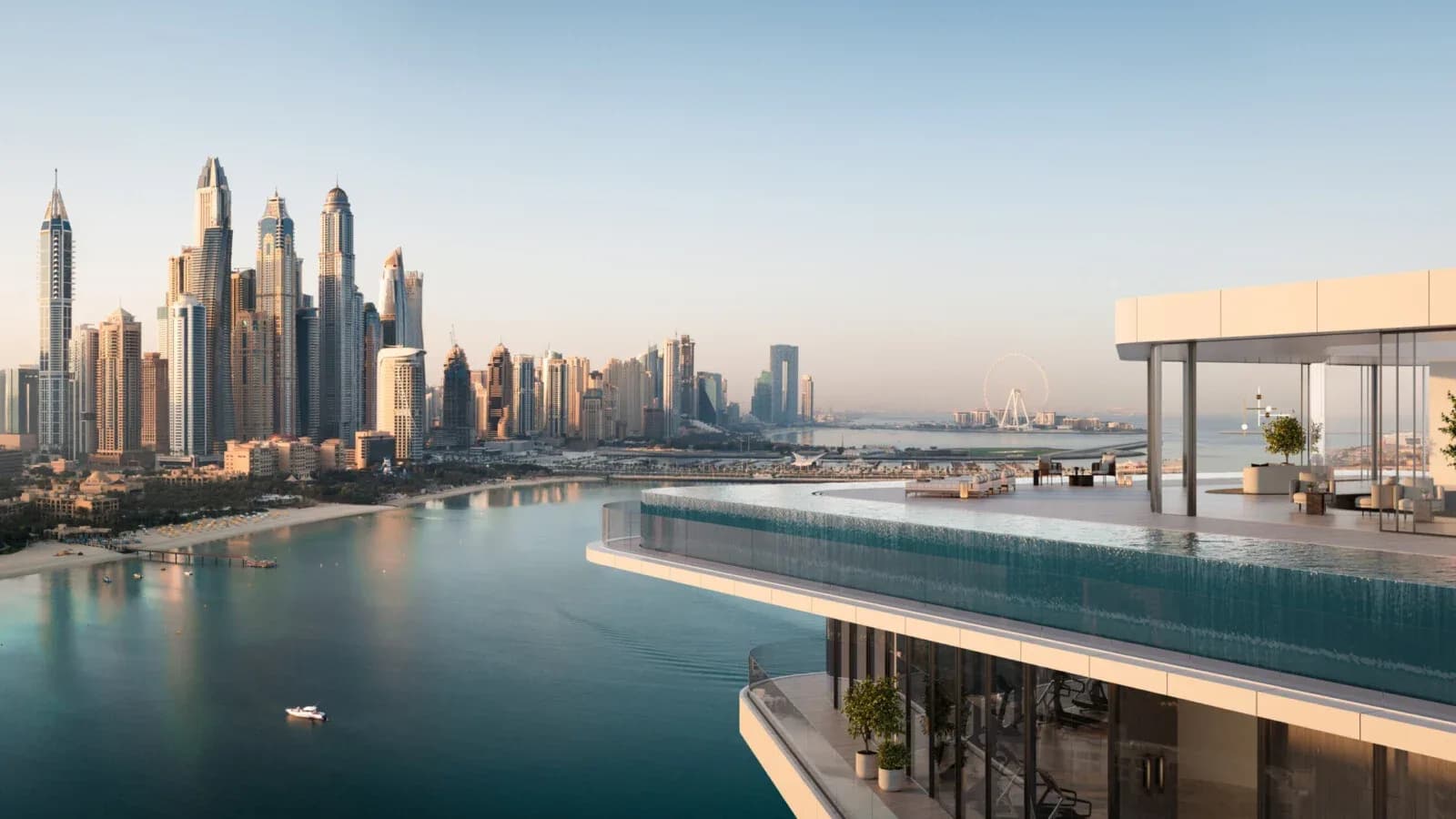
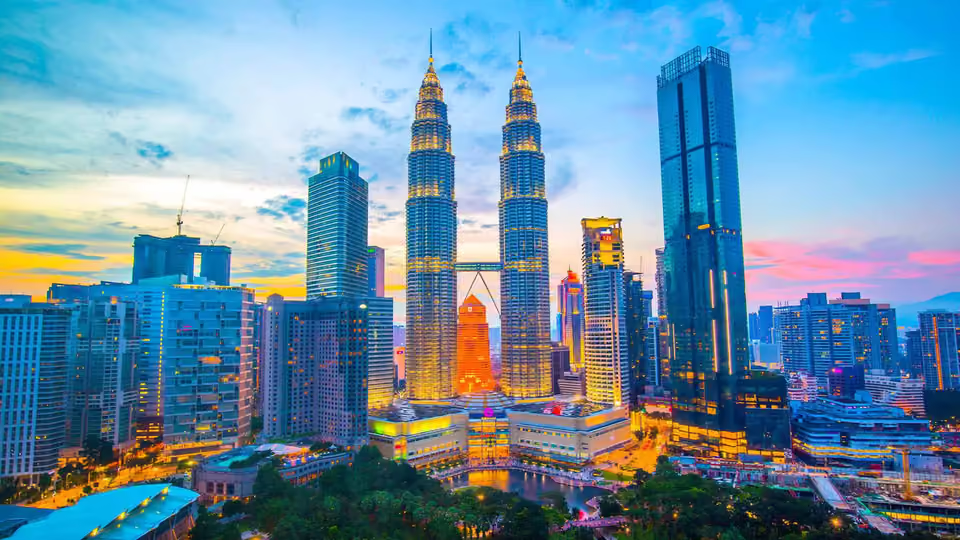
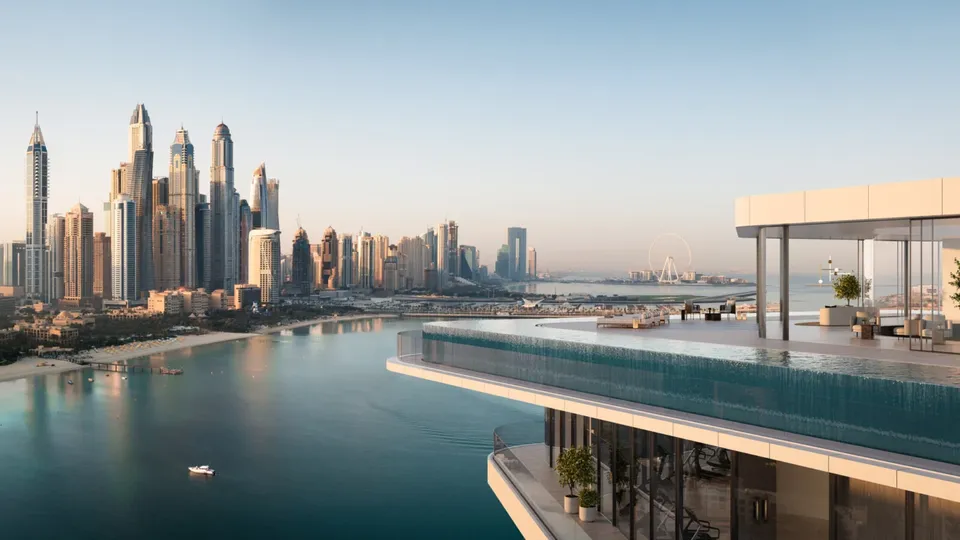
Dubai: open, liquid and cooling
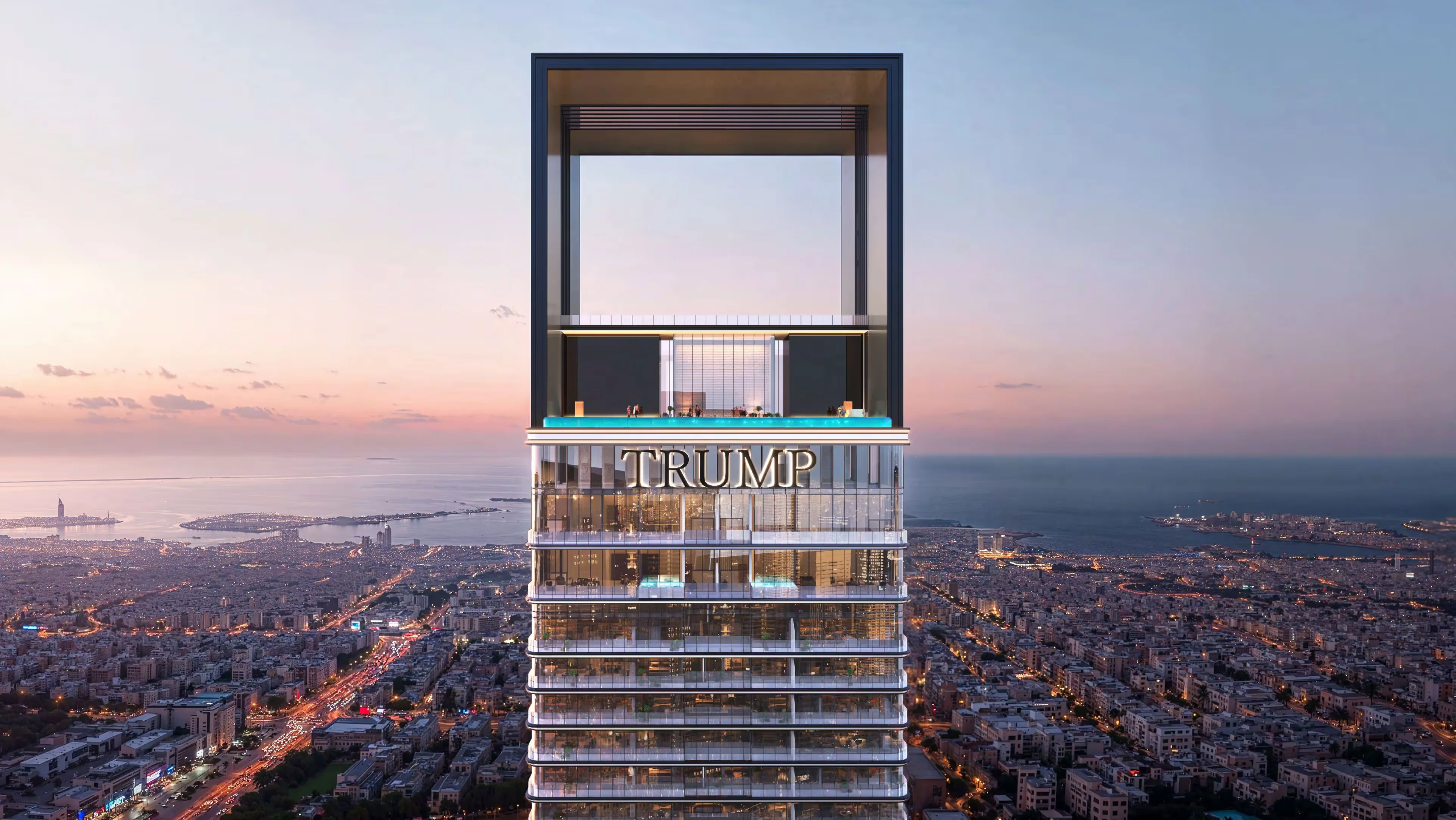
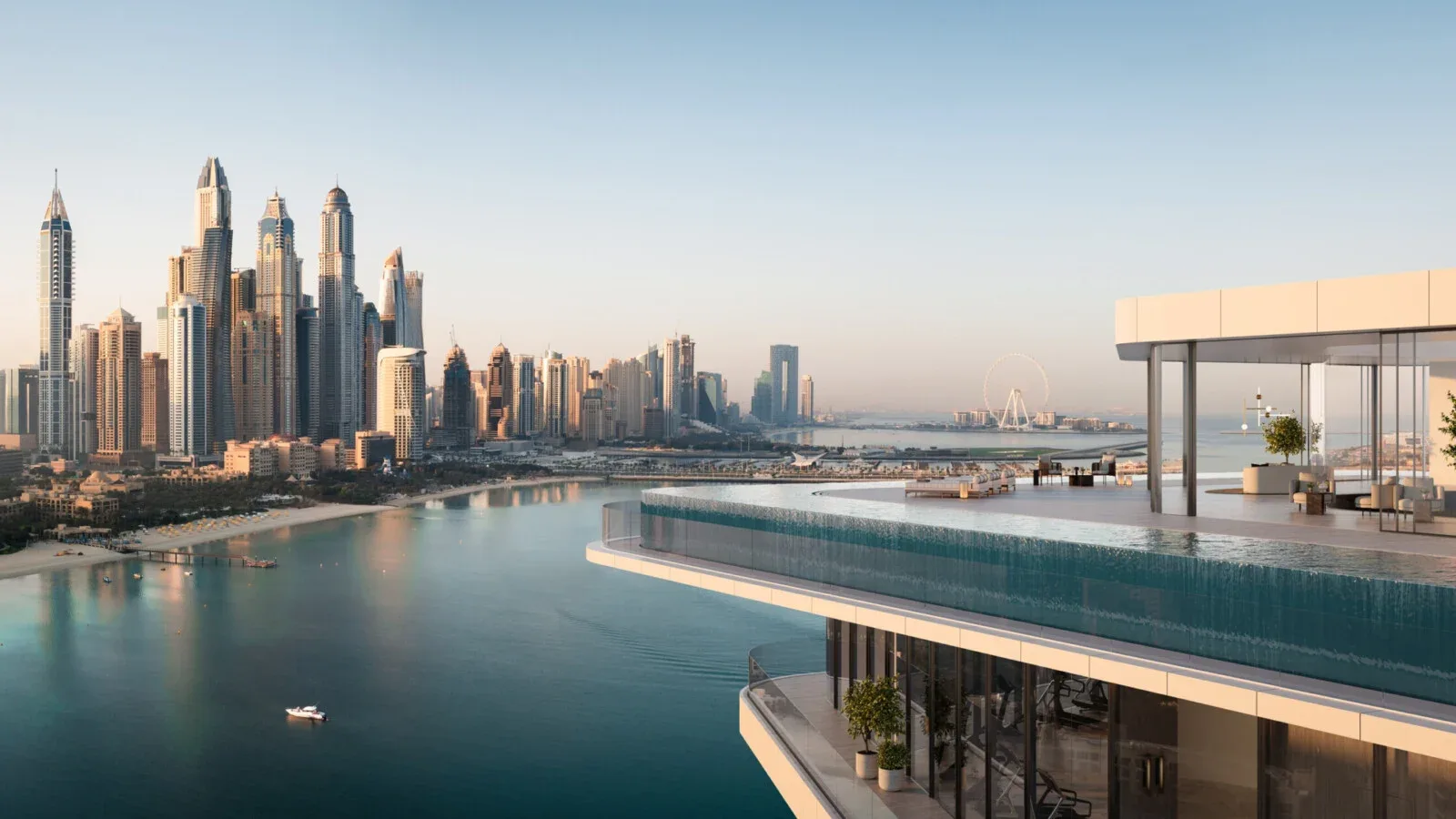
Dubai had its biggest year on record in 2025. The Dubai Land Department recorded more than 270,000 transactions worth AED 917bn, up 20%. ValuStrat’s index rose 19.8%, with villas up about 25%.
2026 has turned. ValuStrat’s August index was down 3.1% on a year earlier and 10.2% below February. Villas fell 1.7%, their first annual decline since 2021, and apartments 5.3%. CBRE counted transaction volumes down 29% in the second quarter, with rents down 6.2% on the quarter. Supply is the other pressure: Fitch expected around 120,000 units to complete in 2026, and S&P warns apartment stock will rise about 20% over two years.
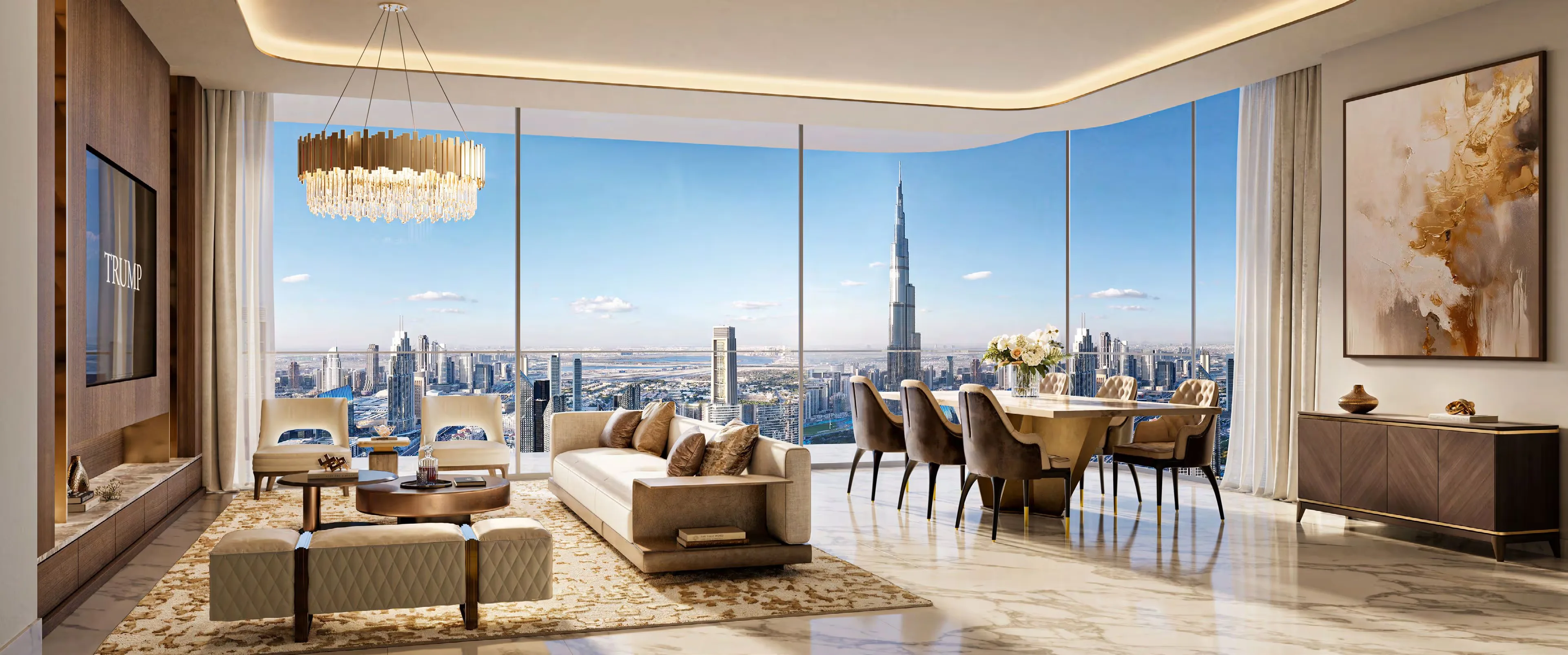
Dubai’s strengths have not changed. Foreign freehold is established and simple. The Golden Visa is available from AED 2m of property, including off-plan from DLD-approved developers and mortgaged homes with a bank’s consent. Buyers pay a 4% Land Department fee, and there is no income tax. For a patient buyer, a cooling market is a better time to buy ready homes in established communities than a boom.
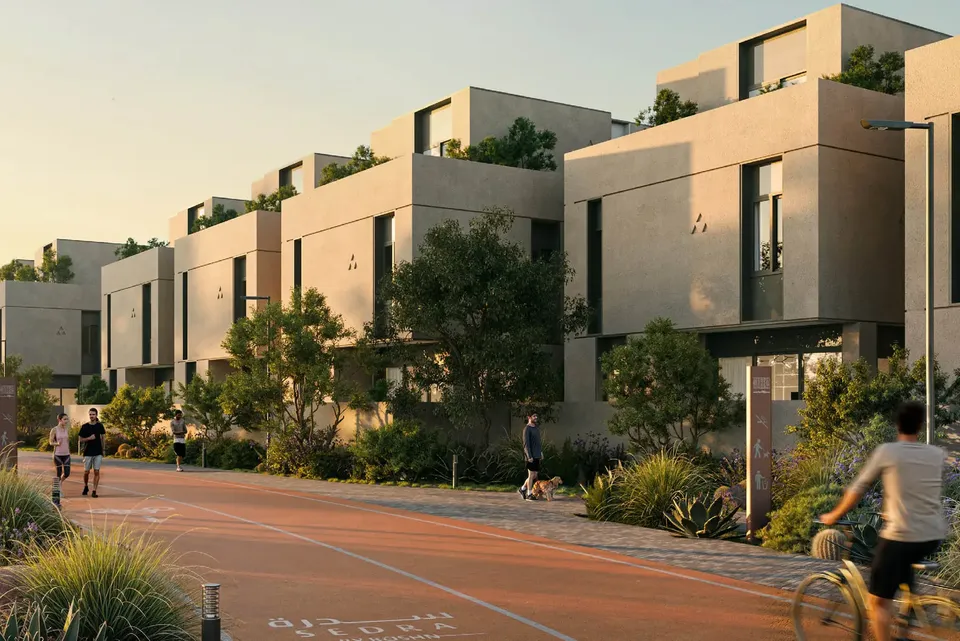
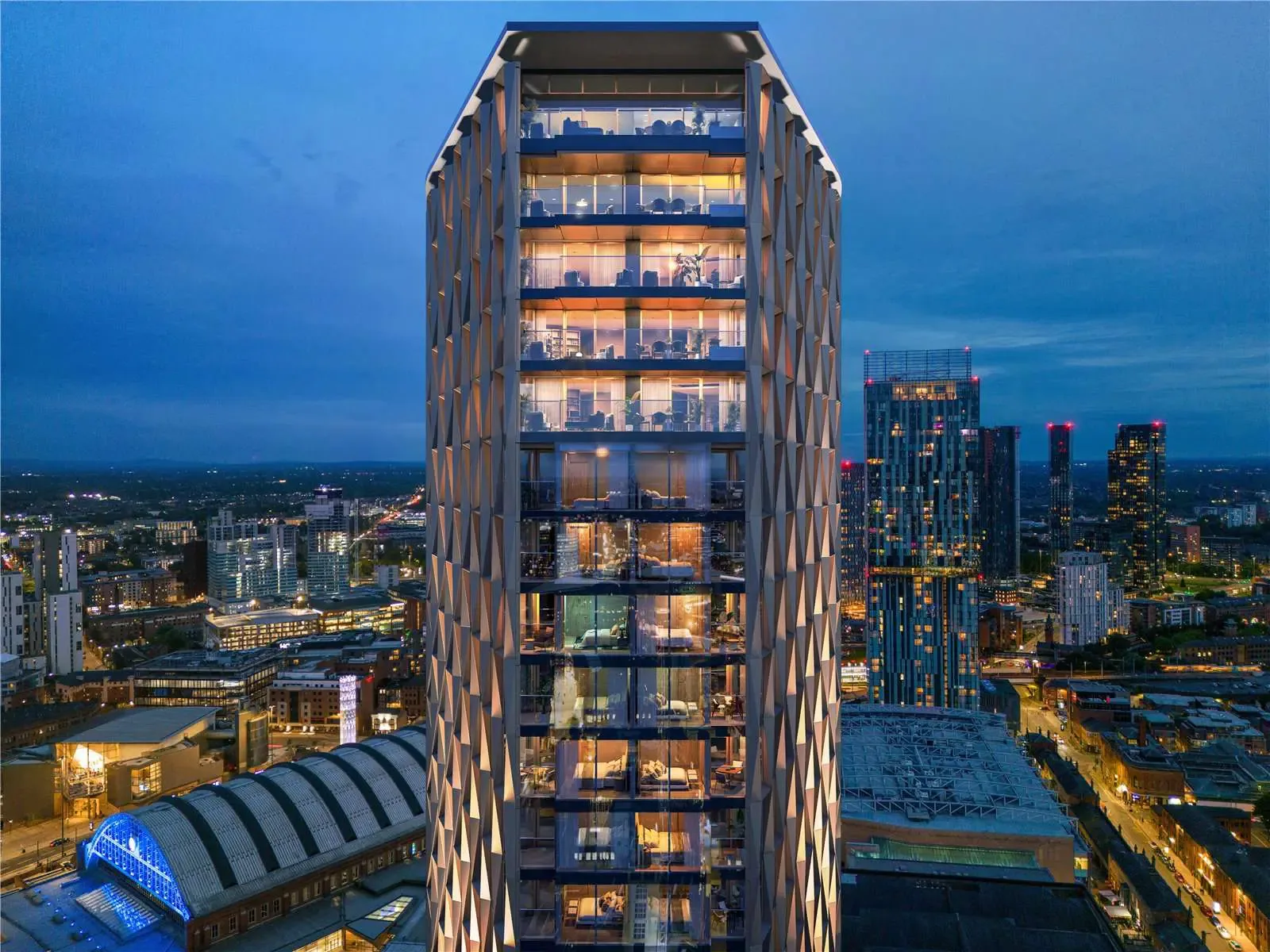
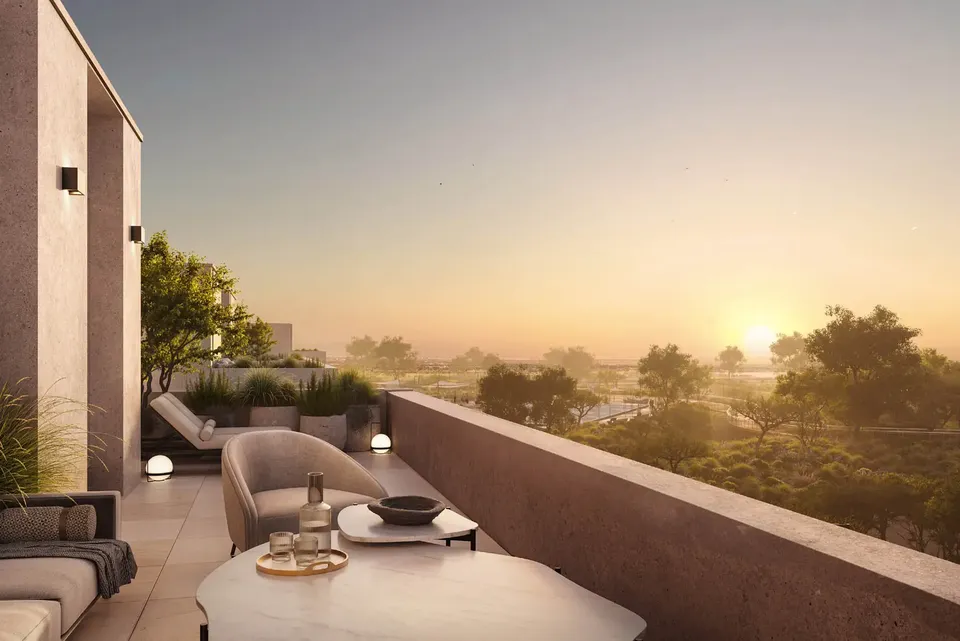
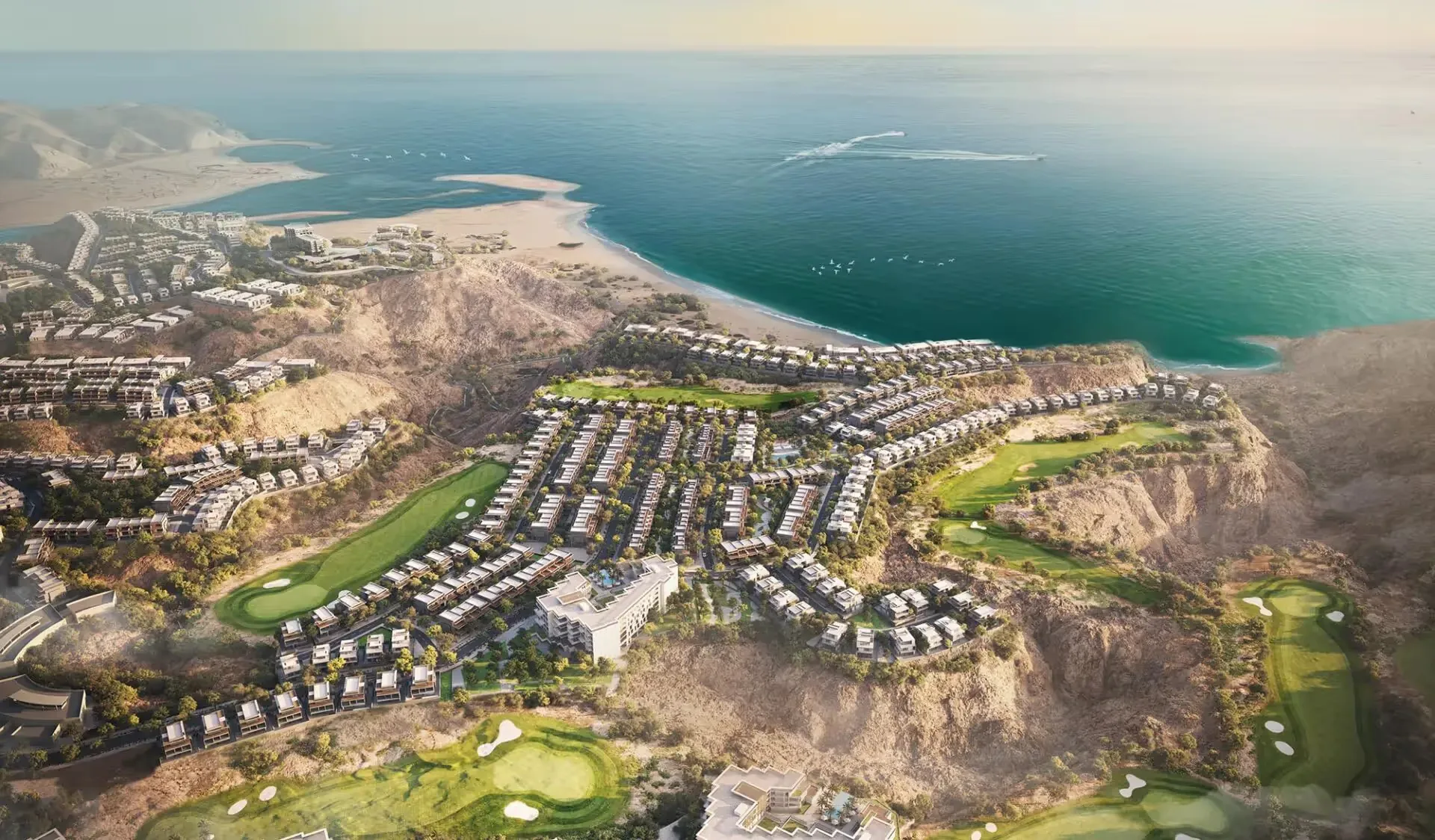 On the market in OmanAIDAMuscat, OmanFrom £200,000See the development
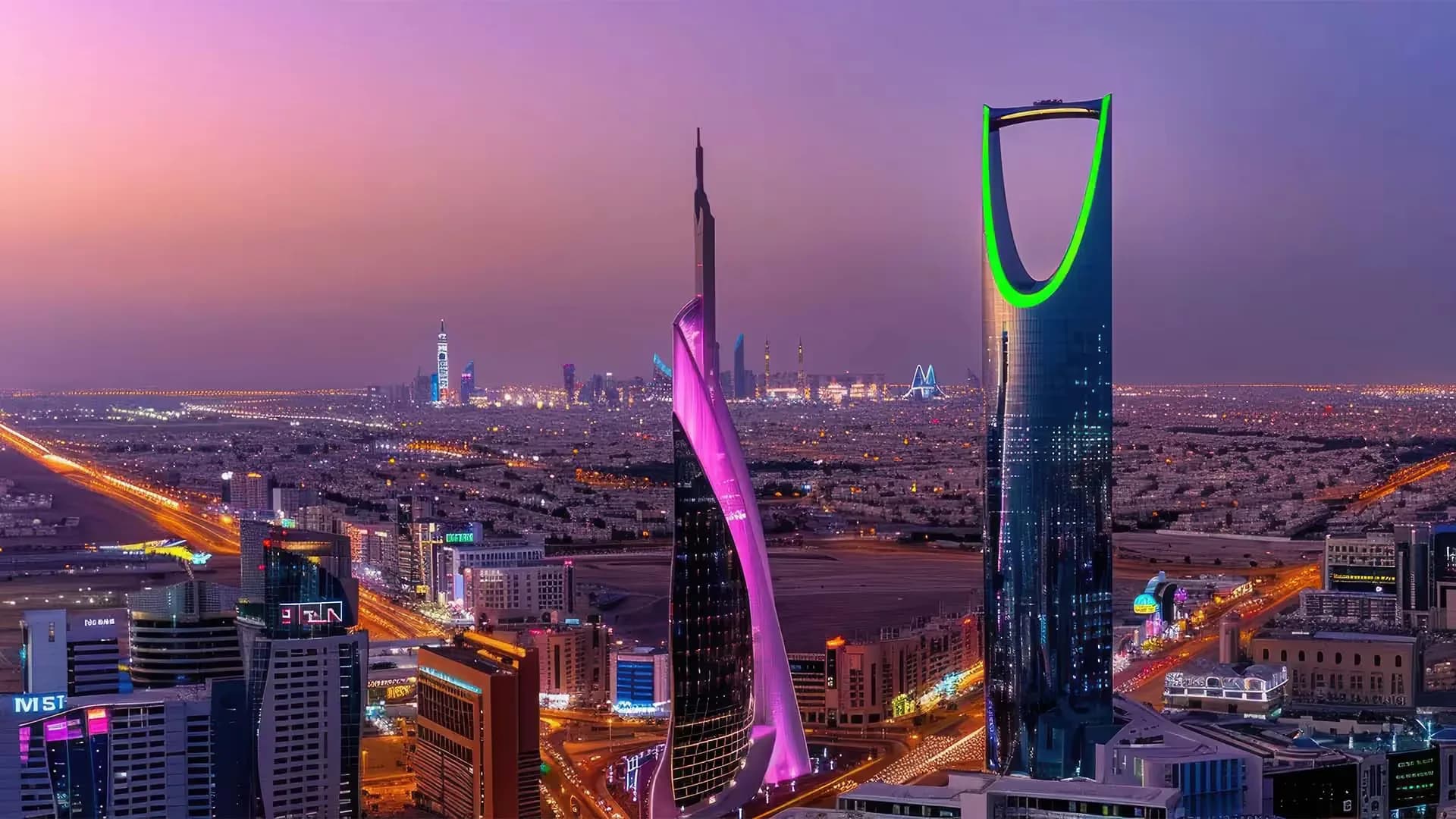
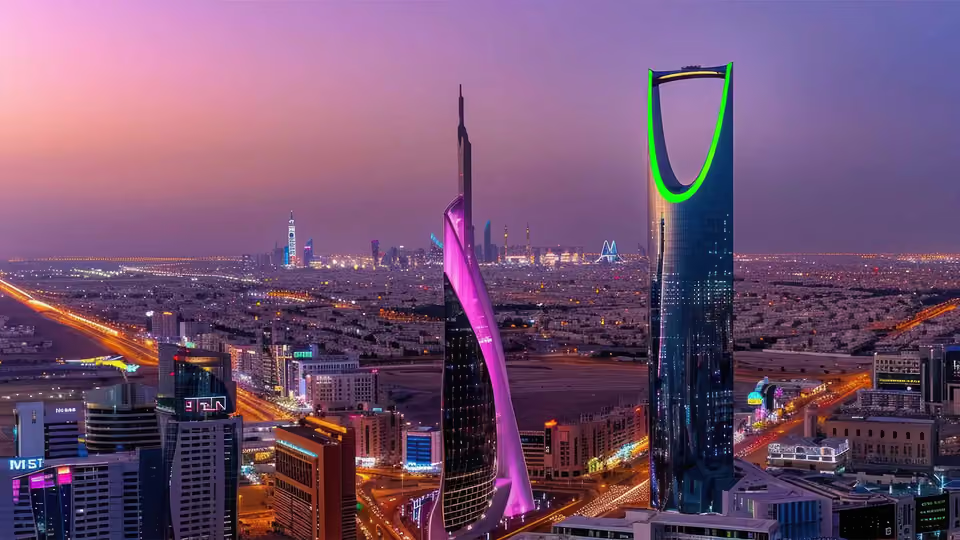
Saudi Arabia: open for the first time
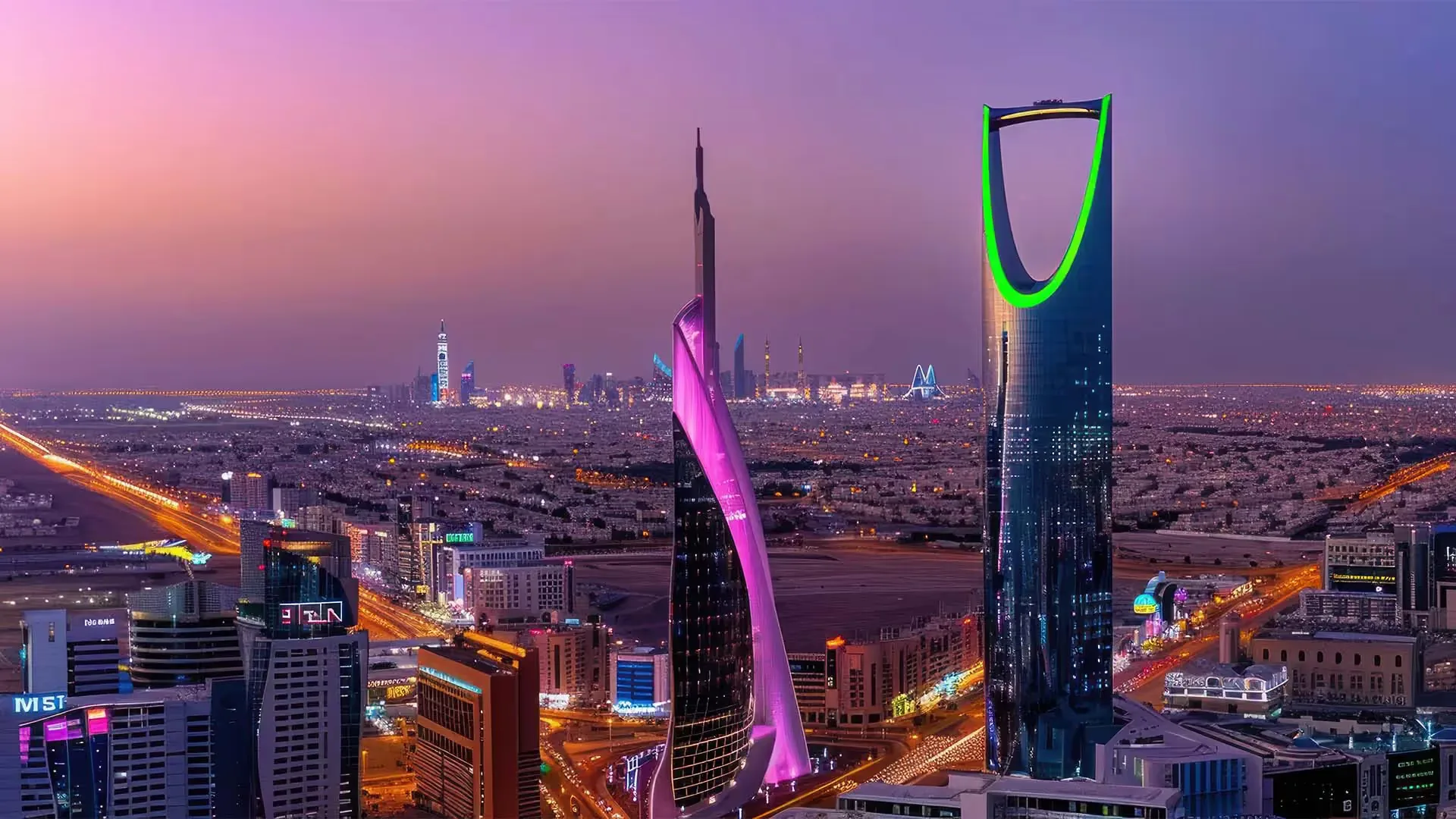
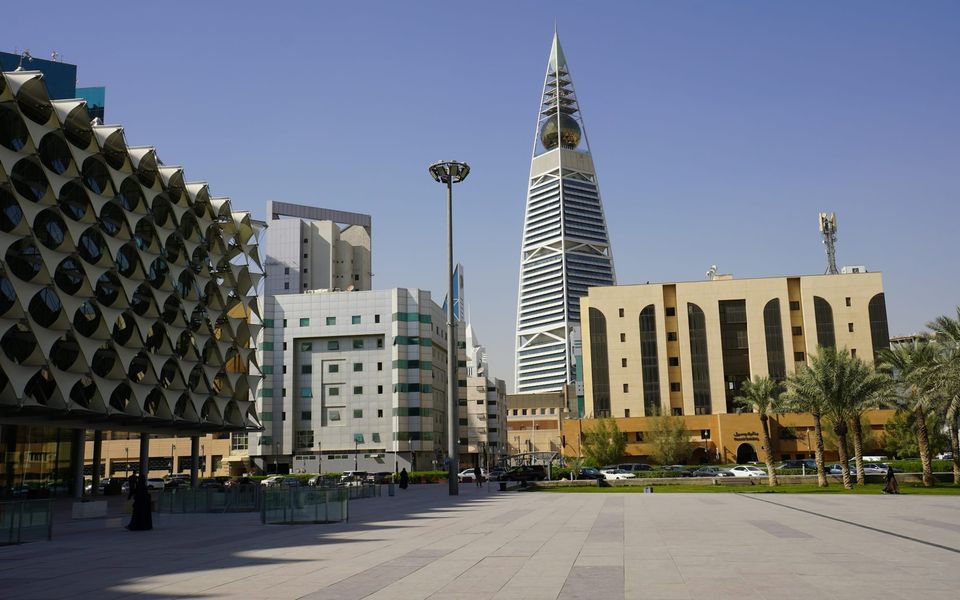
The defining change of 2026 is Saudi Arabia’s non-Saudi ownership law, in force since 22 January 2026. Foreign individuals and companies, resident or not, can now buy property. In Riyadh and Jeddah they must buy inside designated zones, whose maps and rules were approved in June and gazetted in July. In Makkah and Madinah, ownership is limited to Muslim individuals and Saudi companies.
It is the most expensive of the three to buy into. All buyers pay a 5% real estate transaction tax, and non-Saudis pay a further 2% in Riyadh, Jeddah, Makkah and Madinah. Premium Residency is available to owners of built, mortgage-free residential property worth SAR 4m or more.
Prices are mixed. GASTAT’s index rose 2.6% for residential property in the year to Q2 2026, with villas down 9.7% and the Riyadh region up 4.2%. Riyadh rents have been frozen for five years from September 2025, which protects tenants but caps landlords’ income growth. Knight Frank notes that Riyadh apartment prices rose 10.5% in 2025 even as transactions fell by more than half.
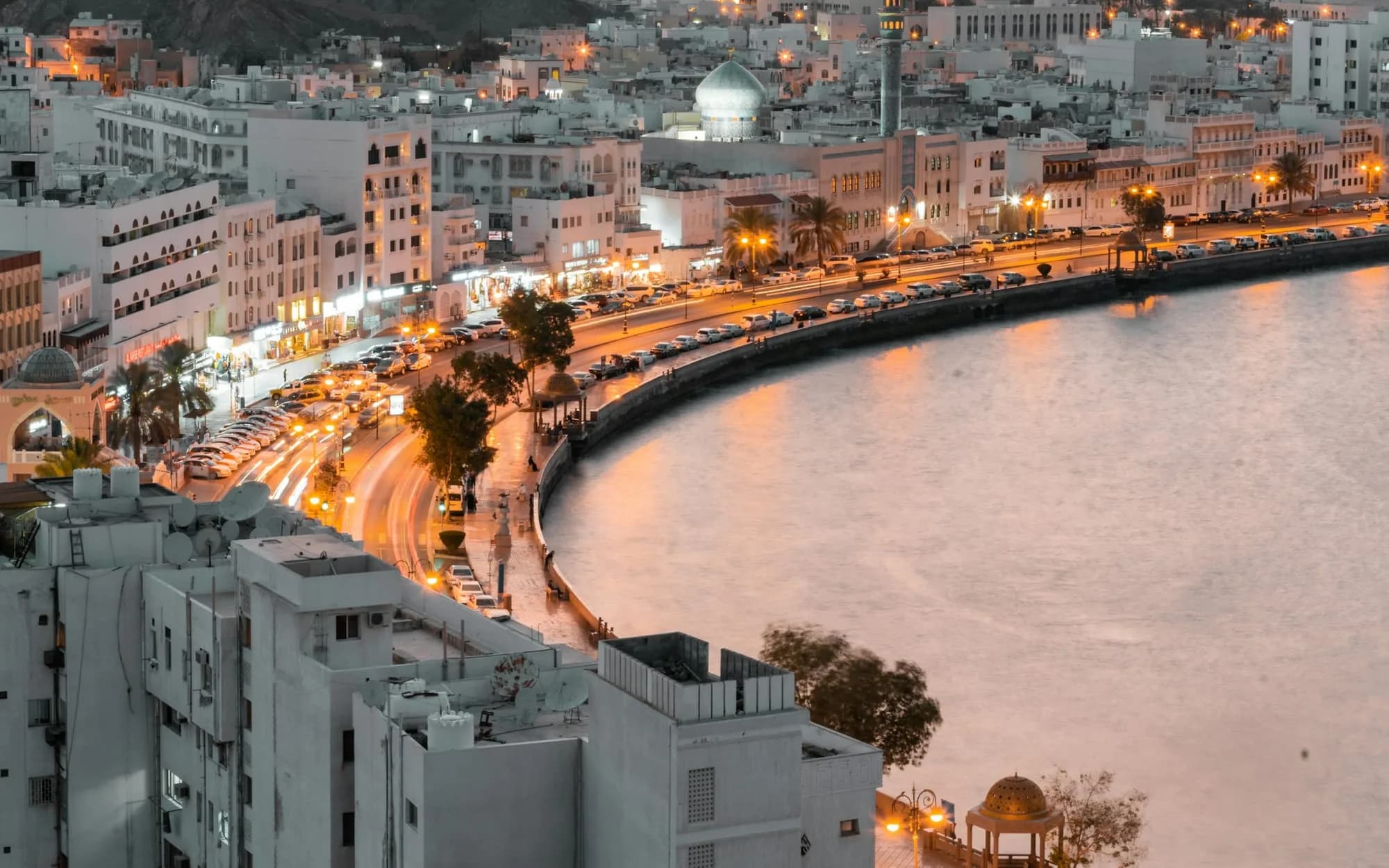
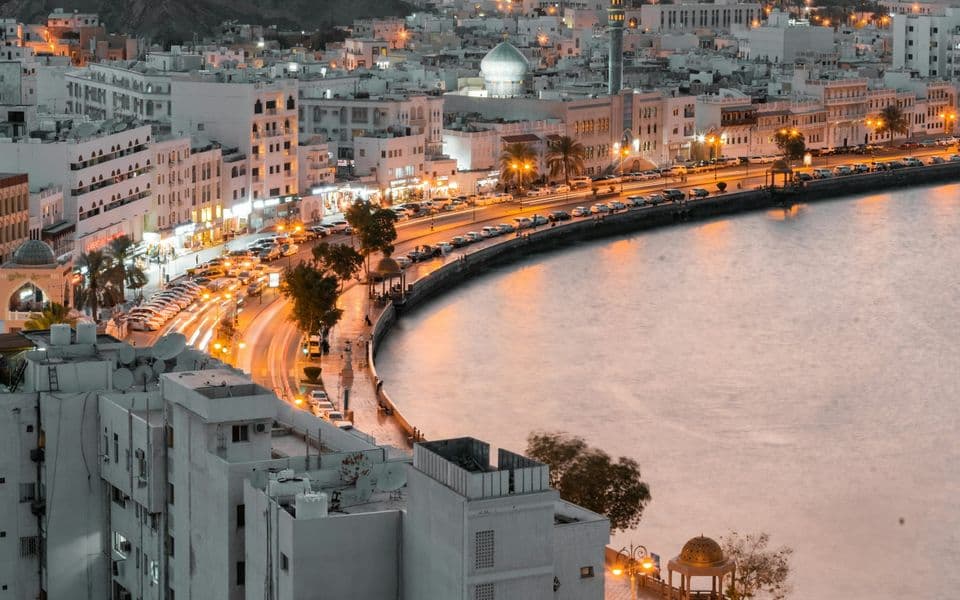
Oman: small, cheap to enter and rising
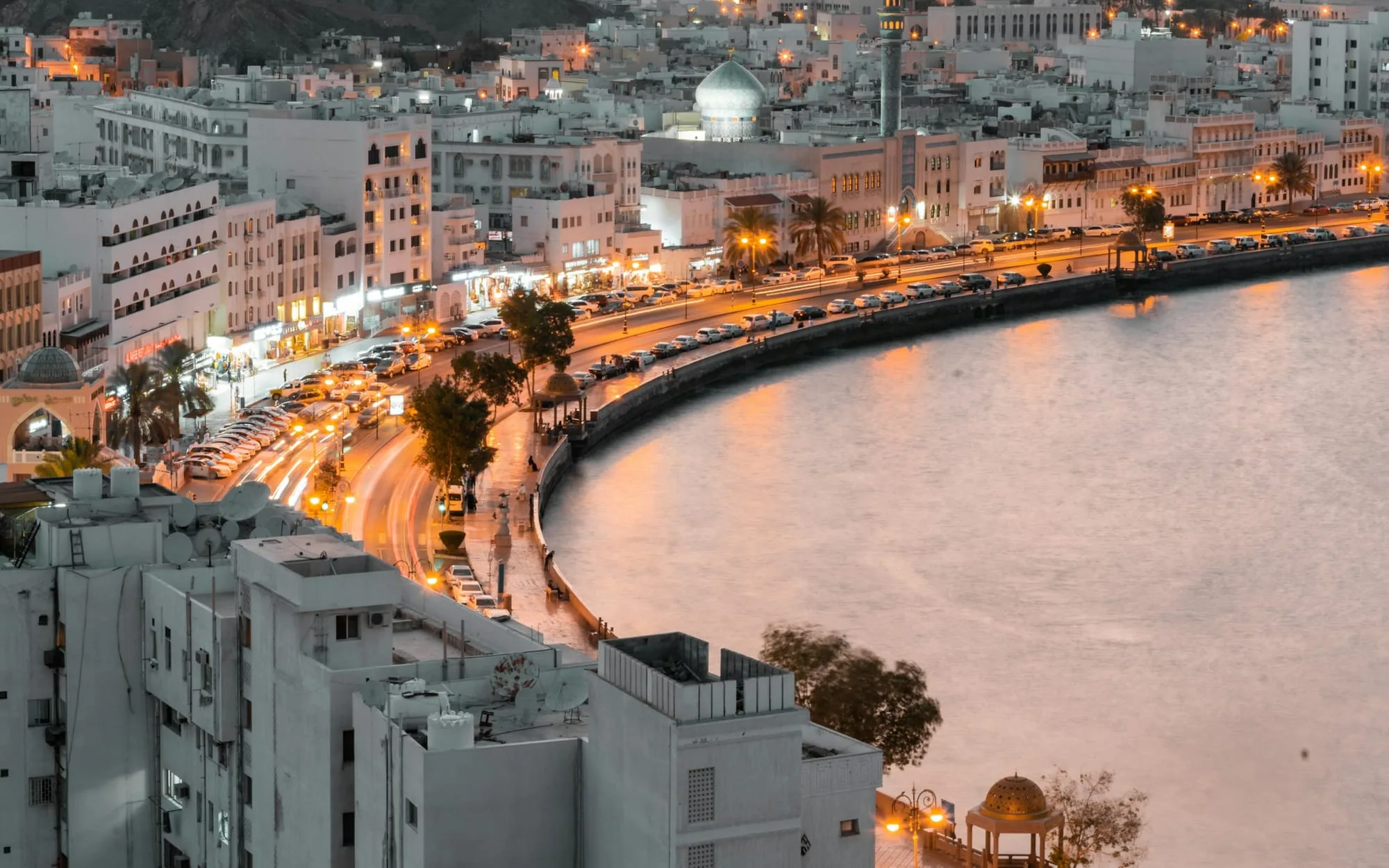
Oman is the quiet performer. Its national statistics centre recorded the residential price index up 24.6% in the year to Q2 2026, led by land, with villa prices up 9% and apartments 4.4% in Q1. Savills counted transaction values up 18.4% in the year to March 2026.
Foreigners buy freehold inside Integrated Tourism Complexes such as AIDA, Al Mouj and Muscat Hills. In August 2025 Oman replaced its earlier investor residency tiers with a 10-year Golden Residency, for which completed ITC property with a title deed qualifies, covering the investor’s family. The registration fee is 3%, the lowest of the three. Oman will introduce a 5% personal income tax from 2028, on income above OMR 42,000 a year; the government expects 99% of people to be unaffected.
How to choose
- For liquidity and ease: Dubai, bought selectively. Prefer ready homes in established communities to off-plan in high-supply districts.
- For growth and low costs: Oman, inside an ITC, with a residency route and a long view.
- For the newest opportunity: Saudi Arabia, through the designated zones, for buyers comfortable being early and paying more to enter.
Whichever you choose, the year has made one thing clear. Buy the asset you would hold through a downturn, not the one priced for a boom. Our Gulf desk will set out the options in each market, including what is for sale in AIDA, Jeddah and Dubai.